Most revolutionary inventions don’t arrive with fanfare but slip quietly into our routines until life without them becomes unimaginable. From bathroom experiments to hospital bed epiphanies, the greatest innovations often emerge from unexpected moments rather than corporate laboratories.
These eighteen inventions transformed modern existence, yet their origin stories remain largely unknown. Their creators received minimal recognition while their breakthroughs generated billions in profits and fundamentally reshaped how we live, work, and play daily.
NASA Engineer’s Bathroom Accident Created Billion-Dollar Toy Empire

Former NASA aerospace engineer Lonnie Johnson was tinkering with an environmentally-friendly heat pump in 1982 when water unexpectedly blasted across his bathroom. “I accidentally shot a stream of water across a bathroom where I was doing the experiment and thought to myself, ‘This would make a great gun,'” Johnson told Popular Mechanics.
That moment spawned the Super Soaker, generating over $200 million in sales by 1991 and more than $1 billion in total sales since its introduction.
Norwegian Chemist’s 1927 Patent Sat Dormant for Decades
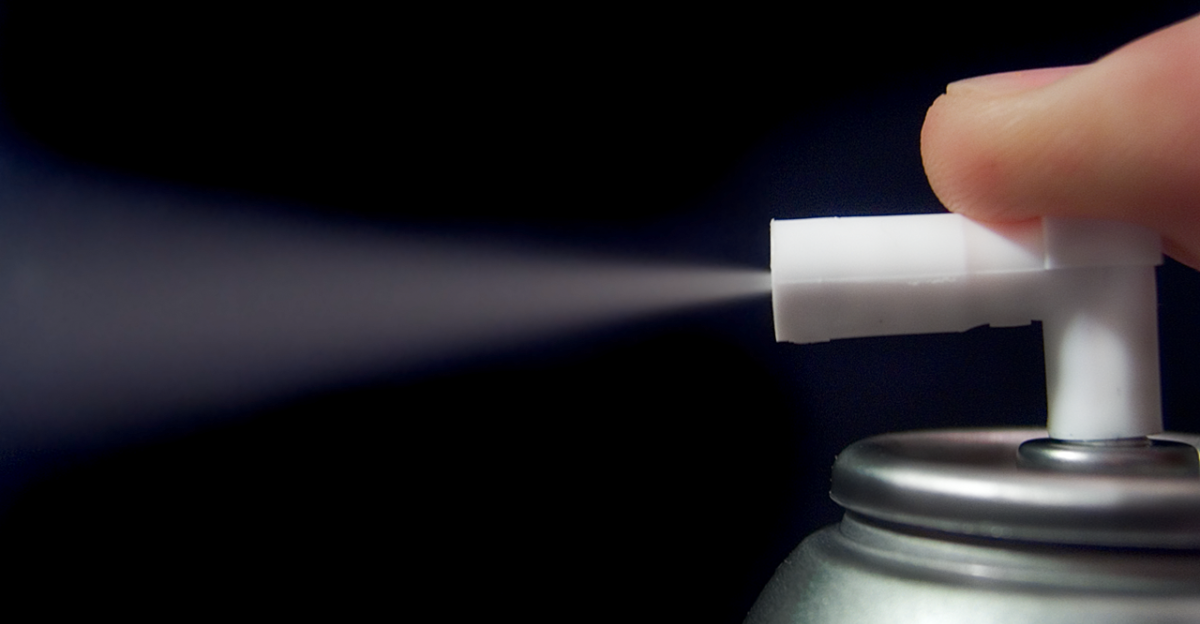
Erik Rotheim patented the first aerosol spray can in Oslo in 1927, receiving a U.S. patent in 1931. Despite its revolutionary potential, the invention remained largely undeveloped until 1941 when Americans Lyle Goodhue and William Sullivan created the aerosol “bug bomb” for the U.S. Department of Agriculture.
Their design, patented in 1943, used liquefied gas as a propellant to dispense insecticide as a fine mist. U.S. troops deployed these portable devices in tents and airplanes to combat malaria-carrying mosquitoes in the Pacific theater during World War II, with over 40 million units distributed between 1942 and 1945.
Broken Leg Inspired Life-Saving Ski Safety Device

Hjalmar Hvam broke his leg skiing in 1937 and conceived the quick-release ski binding while recovering from surgery. He patented the Saf-Ski binding in 1939, introducing a mechanism that released boards under pressure from twisting or angling feet.
Before this innovation, skiers had no emergency escape from their equipment, leading to countless severe injuries in dangerous situations on slopes worldwide.
Socialite’s Handkerchief Solution Became $15 Million Patent

Caresse Crosby, a Manhattan socialite, created the first modern undergarment support using handkerchiefs and pink ribbon in 1914.
She patented the backless design on November 3, 1914, then sold it to Warner Brothers Corset Company for just $1,500. Warner subsequently earned over $15 million from the patent over thirty years, while Crosby claimed she never expected widespread popularity.
Toshiba Gave Flash Memory Inventor Just Hundreds of Dollars
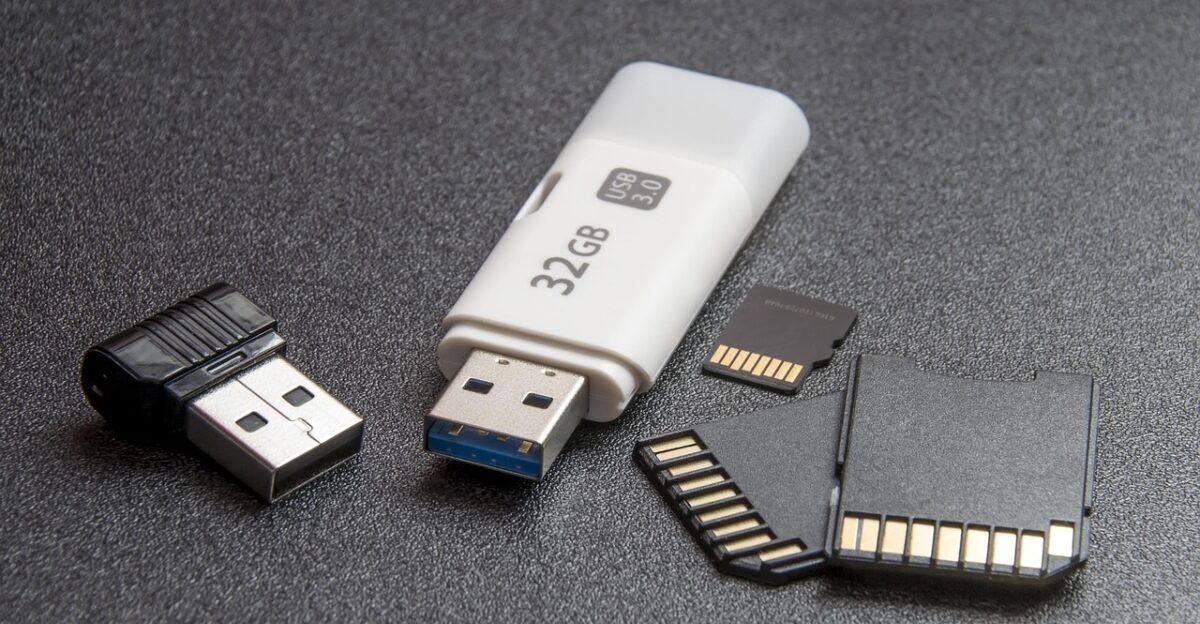
Fujio Masuoka invented flash memory in the early 1980s while working at Toshiba, revolutionizing data storage technology.
Toshiba awarded Masuoka only a small bonus of a few hundred dollars for the groundbreaking invention. Flash memory technology later generated billions in sales across the global electronics industry while Masuoka received minimal compensation for his pioneering work.
Blender’s True Inventor Lost Credit to Orchestra Leader

Stephen Poplawski invented the blender in 1922, but orchestra leader Fred Waring’s name became synonymous with the appliance.
Waring financially backed tinkerer Frederick Osius, who developed similar technology for Waring’s raw vegetable diet cocktails. Waring’s blender launched in 1937 at $29.75, achieving significant commercial success while Poplawski’s earlier contribution faded into obscurity despite his patent.
Teflon Discovery Happened Through Laboratory Accident
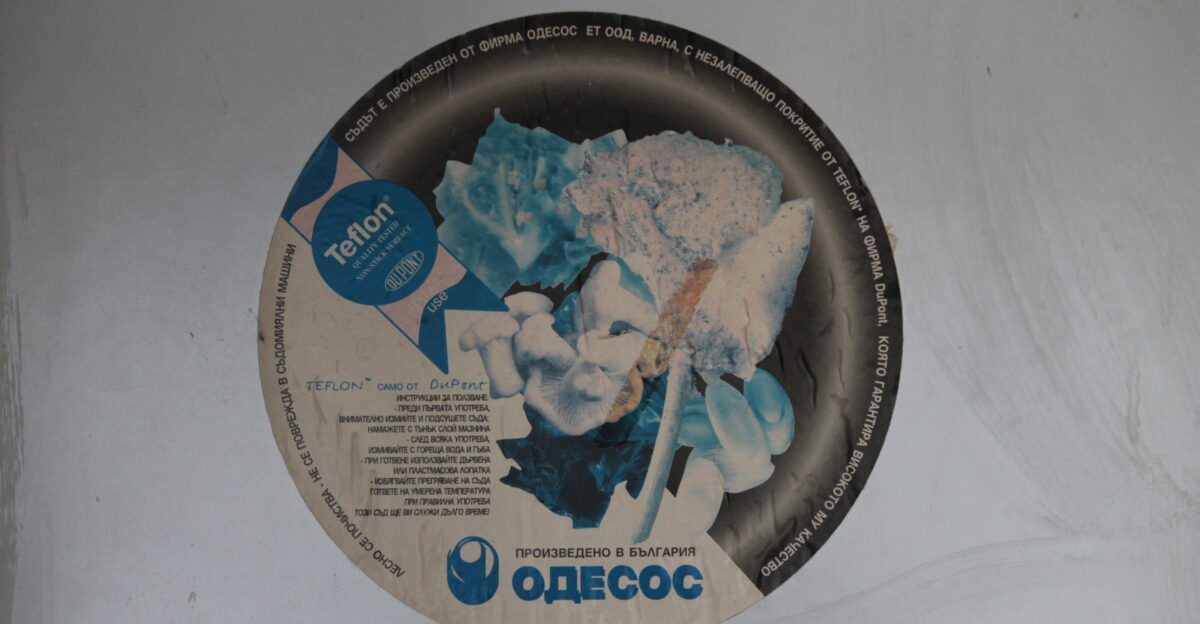
Roy Plunkett accidentally discovered polytetrafluoroethylene (PTFE) at DuPont laboratories in 1938 while researching refrigerant gases. He froze and compressed tetrafluoroethylene, creating an incredibly slick substance that nothing could adhere to and that absorbed no foreign substances.
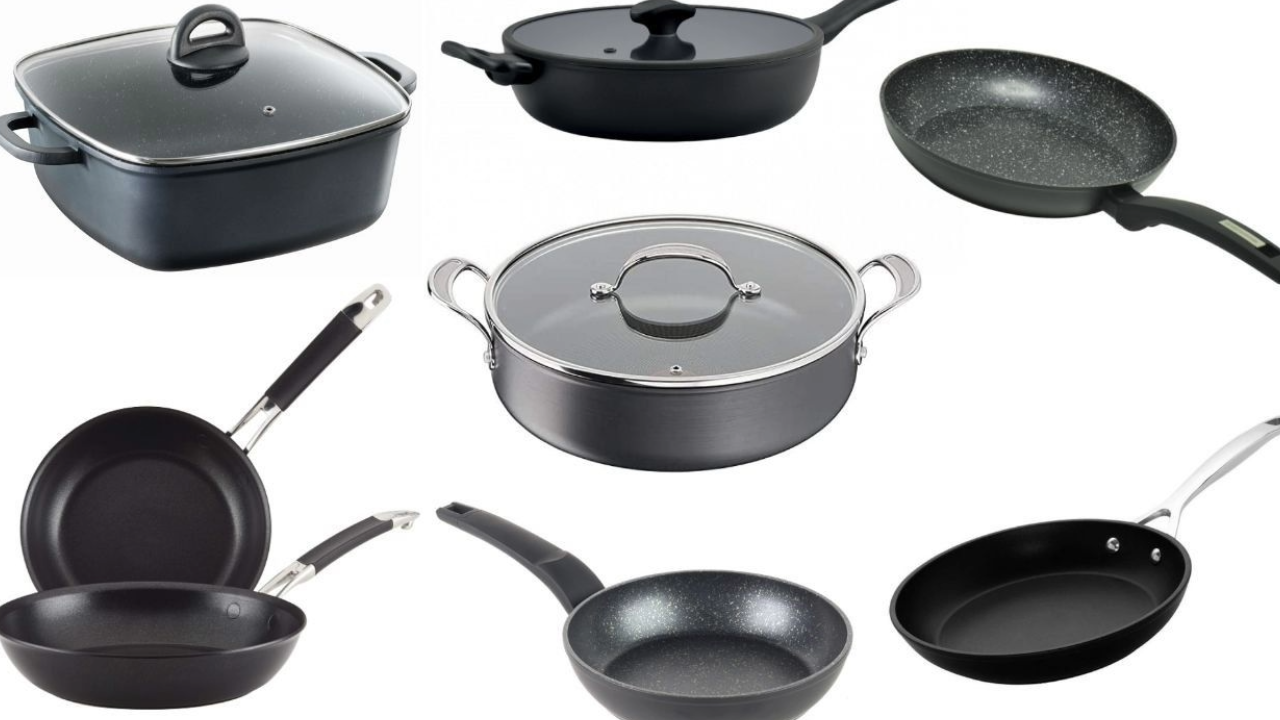
DuPont registered the Teflon trademark in 1945, revolutionizing cooking utensils by applying the coating to sandblasted pan surfaces.
Zippo Started With Three People and Kitchen Equipment
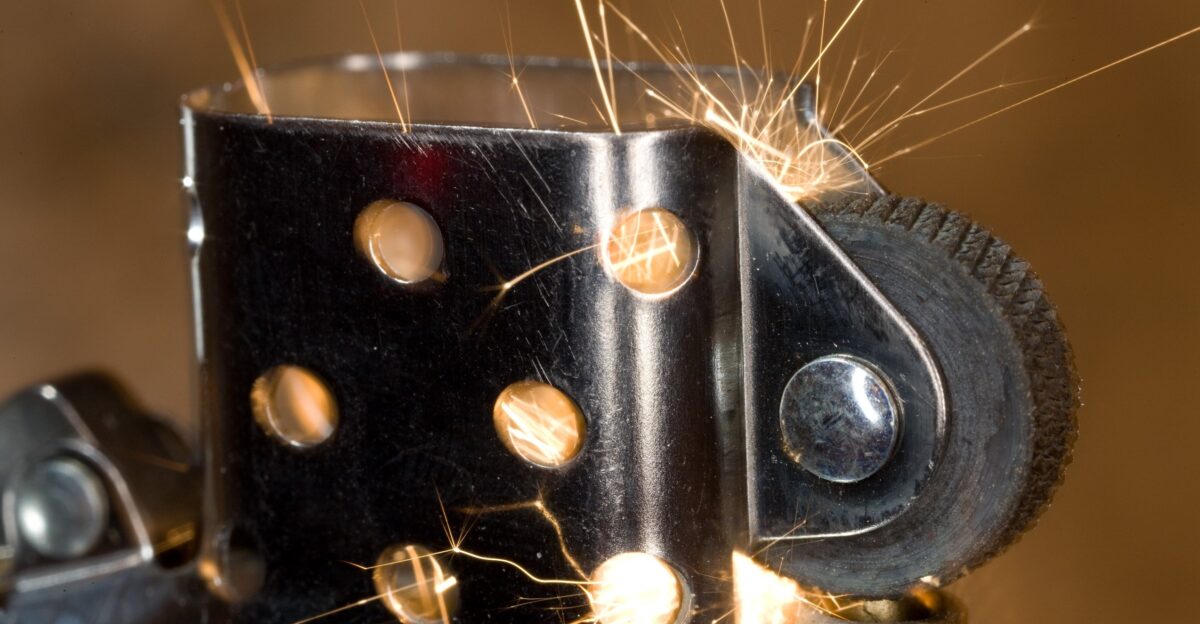
George Blaisdell founded Zippo in 1932 with two employees using welding kits, kitchen hotplates, and punch presses in Bradford, Pennsylvania.
The factory started with modest initial production that grew steadily over the following months. By 2012, over 500 million Zippos had rolled off production lines, transforming smoking into a status symbol throughout the twentieth century.
TAG Heuer’s 1916 Stopwatch Achieved 1/100th Second Accuracy
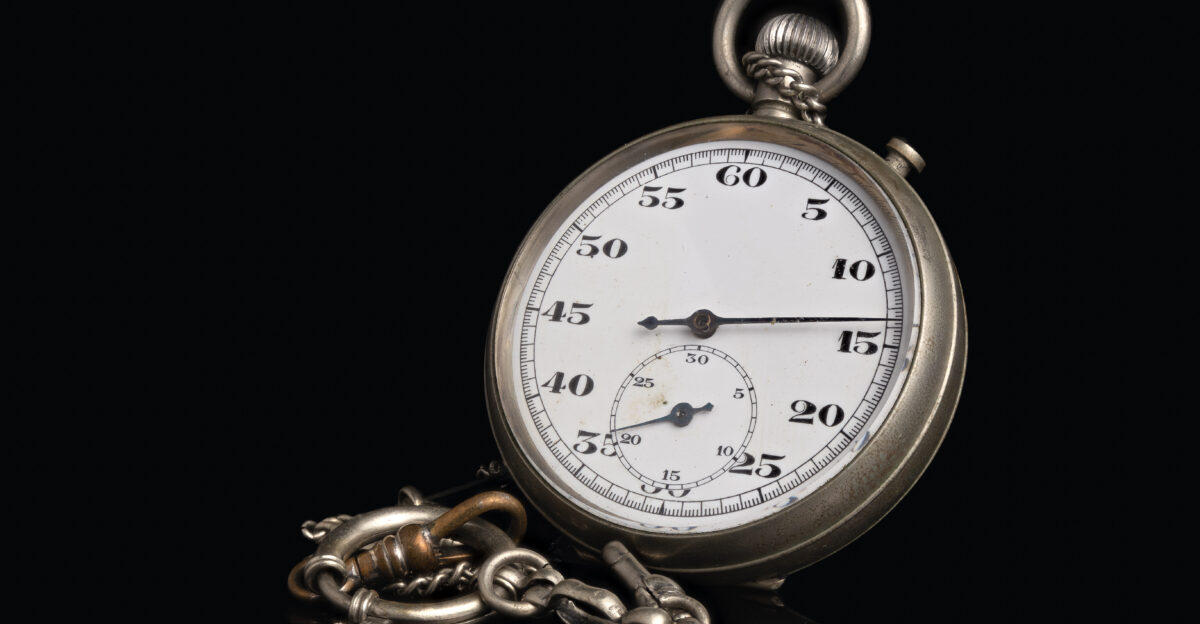
TAG Heuer introduced the Mikrograph in 1916, measuring time with unprecedented 1/100th of a second precision. The accuracy earned TAG Heuer appointments as official timekeeper for three Olympic Games in 1920, 1924, and 1928.
Digital stopwatches achieving even greater precision emerged in the 1970s, further advancing timing capabilities for competitive sports worldwide.
Electric Drip Coffeemaker Ended Decades of Percolator Dominance
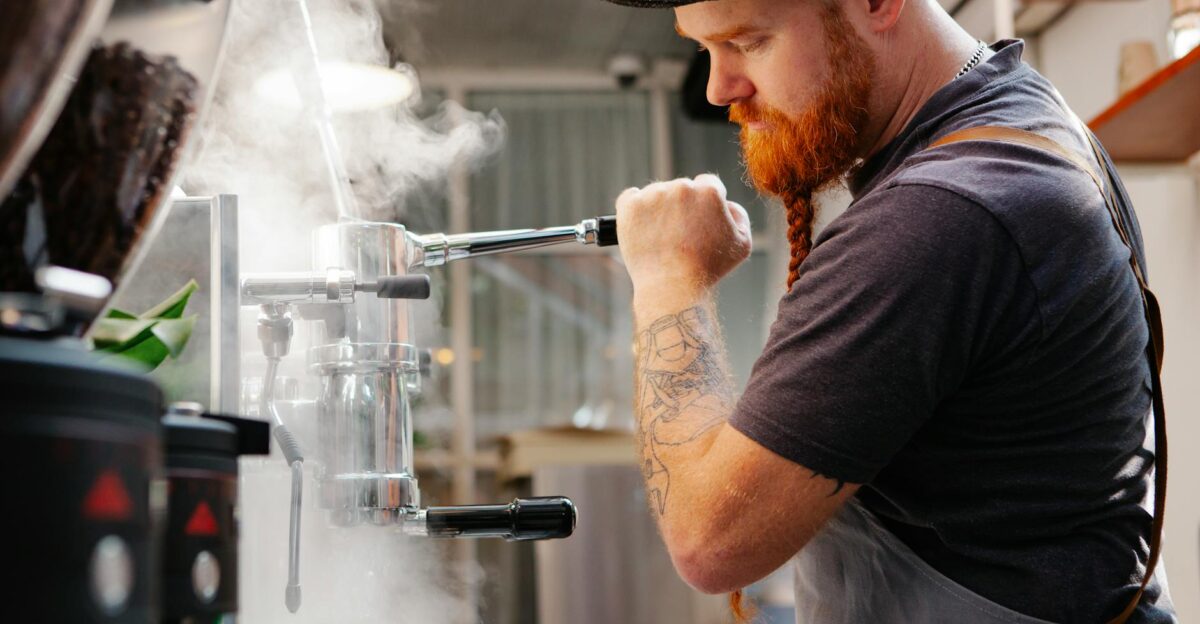
Gottlob Widmann of Germany received the first electric drip coffeemaker patent in 1954 for his Wigomat machine, one of the world’s first electrical drip coffee makers. The device used optimal brewing temperature, addressing complaints that percolators brewed coffee too hot. Mr.
Coffee later popularized the technology throughout the United States with simplified brewing processes, making morning coffee preparation faster and more consistent for millions of households.
Charles Strite’s Pop-Up Toaster Transformed Ancient Ritual
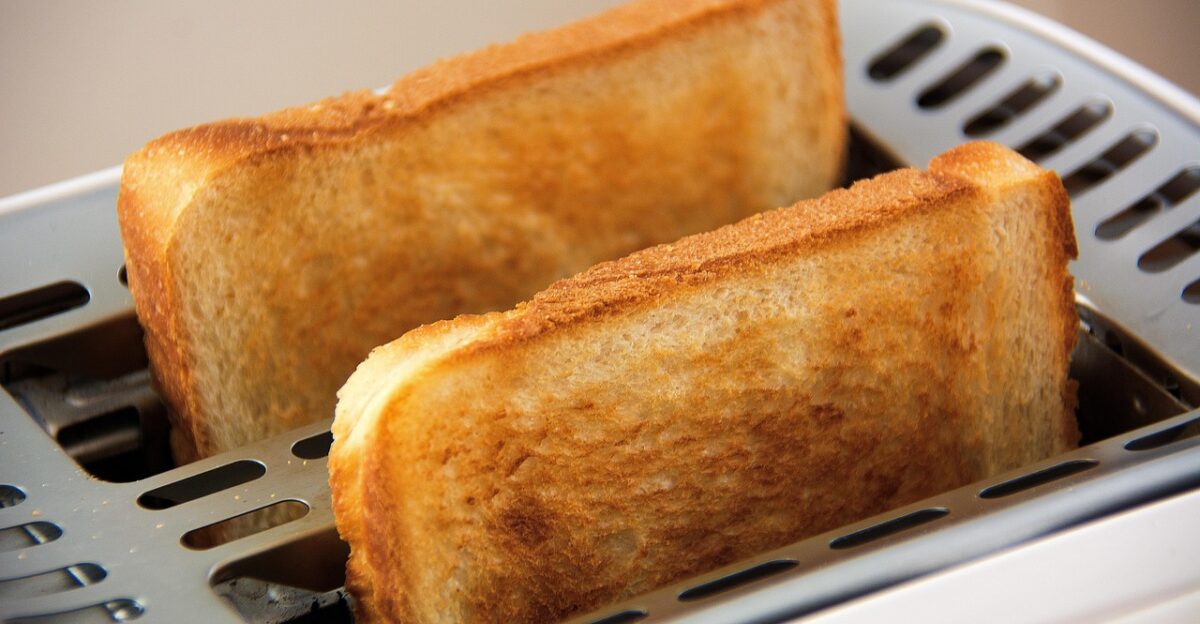
Charles Strite invented the electric pop-up toaster and received his U.S. patent in 1921. He formed the Waters Genter Company and initially sold his “Toastmaster” to restaurants before introducing a consumer version in 1926.
The spring-release mechanism automatically ejected perfectly toasted bread, eliminating constant monitoring required by previous methods. By 1930, over one million toasters were sold annually in America, transforming breakfast preparation into an effortless daily routine.
Leaf Blower Started as Agricultural Chemical Disperser

The leaf blower originated as agricultural equipment designed to disperse chemicals onto crops before being adapted for yard maintenance. In water-scarce California, backpack leaf blowers offered economical alternatives to washing leaves away with precious water resources.
However, air pollution and noise concerns led numerous California cities to ban or restrict the devices, with many more municipalities considering similar regulations.
DVD Player Prototype Nicknamed “Fire Tower” in 1994
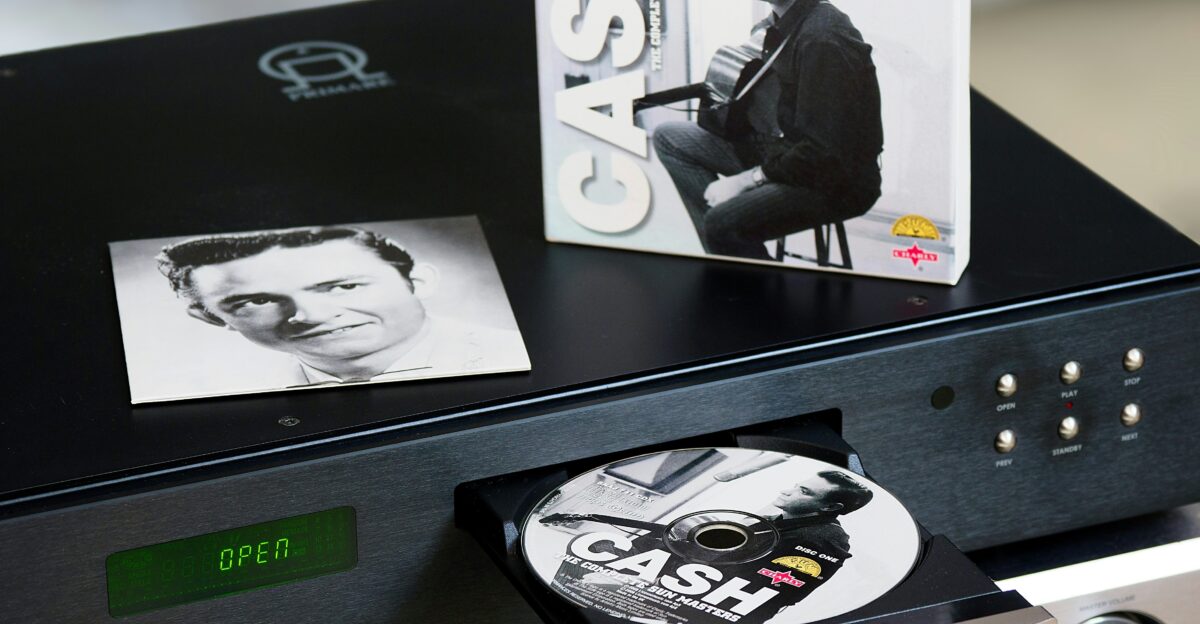
Toshiba developed an early DVD player prototype in the mid-1990s, a messy circuit board assembly engineers nicknamed “Fire Tower.” The second prototype, called “Vanguard,” demonstrated DVD’s superior audio and video quality over VHS tapes. DVD players launched commercially in 1996, with the first feature film released on DVD just one year later, rapidly displacing videocassettes in home entertainment systems.
Chainsaw’s Original Purpose Was Medical, Not Forestry

The first chainsaw appeared in John Aitken’s 1785 publication “Principles of Midwifery, or Puerperal Medicine” designed for removing diseased bone, not cutting trees.
For many decades, chainsaws remained large, heavy devices requiring multiple operators with considerable strength to function effectively. McCulloch Motors Corp. introduced a portable, lightweight chainsaw in 1949, enabling single-person operation for backyard firewood cutting and tree pruning.
Electric Razor Development Involved Multiple Competing Inventors
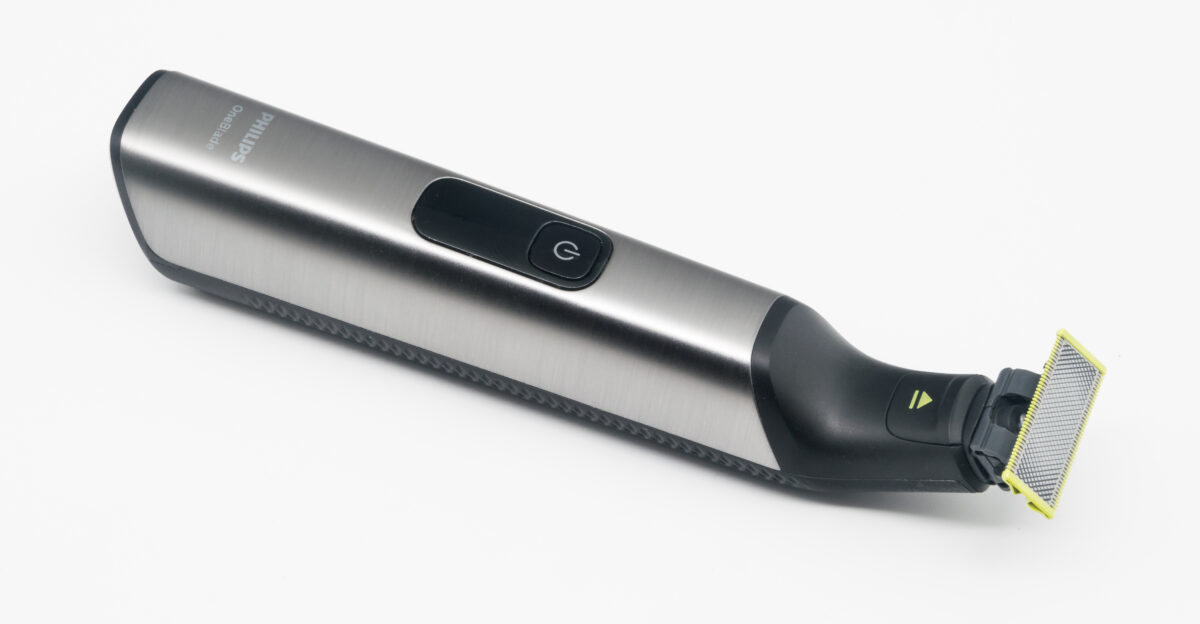
John F. O’Rourke filed the first electric razor patent in 1898, pioneering the concept of motorized shaving. Philips engineer Alexandre Horowitz later invented the Philishave in 1939, featuring revolutionary rotary cutting heads instead of the reciprocating cutters used in previous designs.
Remington Rand Corporation manufactured another early commercial electric shaver in 1937. Waterproof models with built-in rechargeable batteries emerged in subsequent decades, transforming daily grooming routines for millions worldwide.
Xerox and IBM Competed for Laser Printer Supremacy
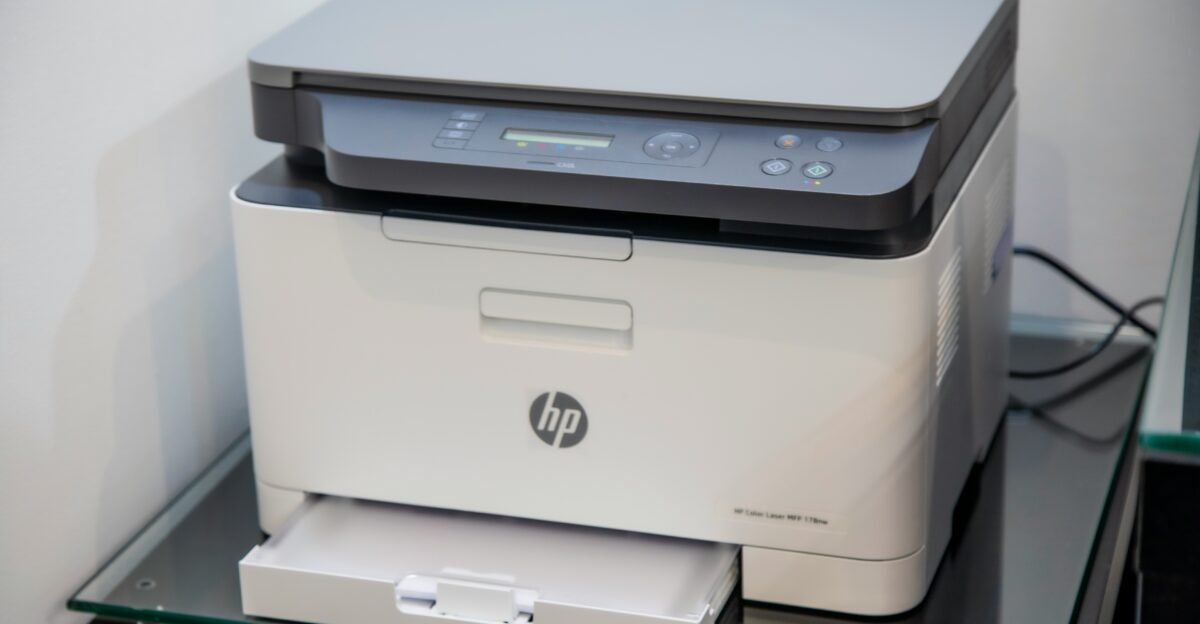
Xerox PARC developed the original laser printer between 1969 and 1971, releasing the “9700 Electronic Printing System” in 1977 with page formatting and laser scanning capabilities. IBM claimed leadership by installing its 100-impressions-per-minute industrial laser printer in an accounting office in 1976.
Hewlett-Packard’s 1988 DeskJet inkjet printer made home printing viable at a consumer-friendly price point, democratizing printing technology for households worldwide.
Fishing Reel Innovation Saved Struggling Bomb Company
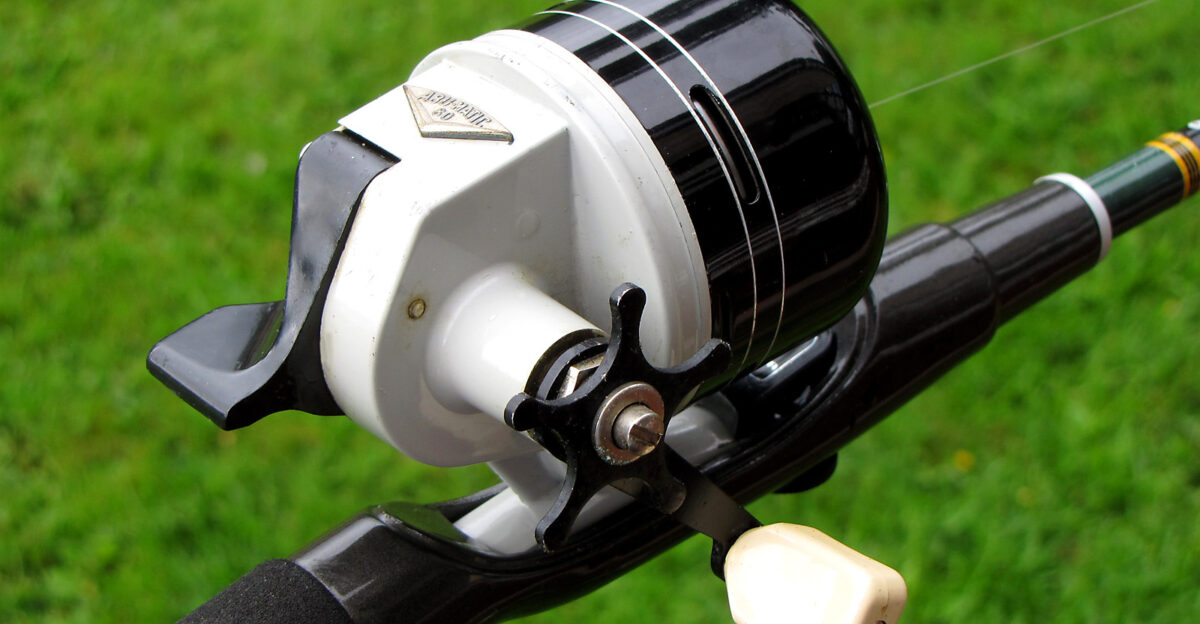
Zero Hour Bomb Company (ZEBCO) faced extinction in 1949 until inventor R.D. Hull proposed manufacturing his user-friendly enclosed backlash-free fishing reel design. ZEBCO partnered with Hull and produced their first reel, called the “Standard,” in May 1949.
The innovative spincast reel sold in large quantities immediately, and the company remains successful today, having built an empire from a single innovation that democratized recreational fishing for beginners and experts alike.
Sam Foster Mass-Produced First Modern Protective Eyewear
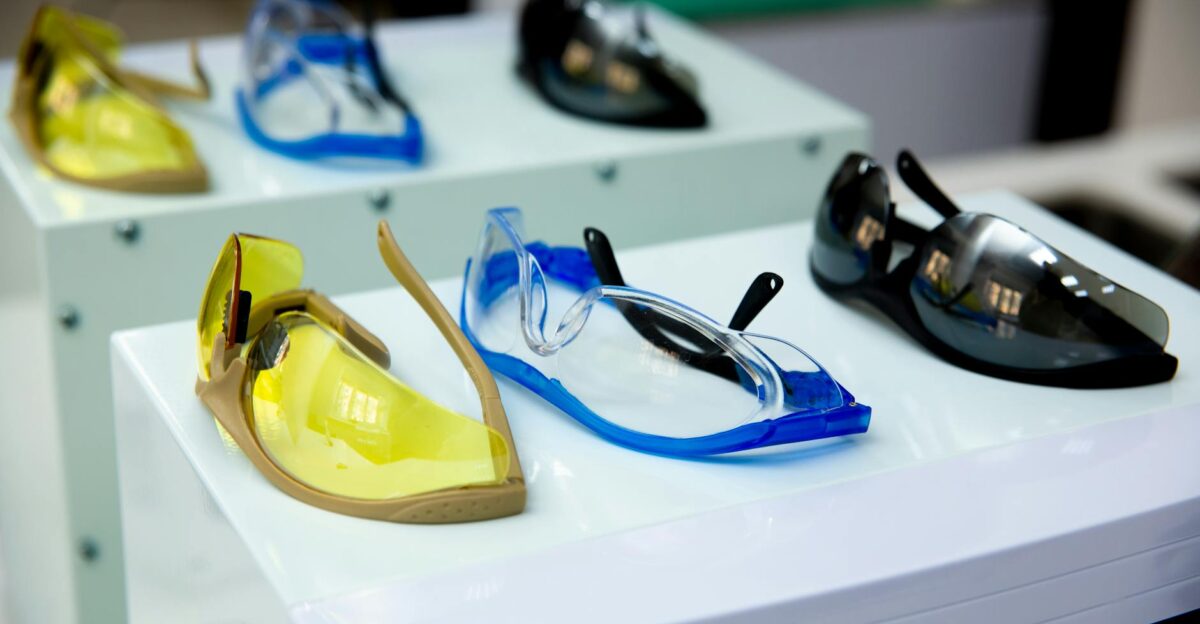
Sam Foster founded Foster Grant in 1919 in Leominster, Massachusetts, initially manufacturing women’s hair accessories from celluloid. Ten years later in 1929, Foster introduced the first mass-produced modern sunglasses, selling his first pair at a Woolworth store on the Atlantic City Boardwalk in New Jersey. By 1930, stores nationwide carried the product.
Foster Grant became the first American company to adopt injection molding techniques in 1934, revolutionizing American plastic manufacturing processes and eventually becoming the world’s largest sunglasses manufacturer.
Simple Solutions Generate Extraordinary Impact

These inventions prove that transformative innovation rarely requires complexity or enormous resources but emerges from observing everyday problems with fresh perspectives. Bill Gates captured this principle perfectly: “The advance of technology is based on making it fit in so that you don’t really even notice it, so it’s part of everyday life.”
From bathroom experiments to hospital bed revelations, ordinary moments sparked extraordinary breakthroughs.
Sources:
“Lonnie Johnson: Biography, Inventor of Super Soaker.” Biography.com, 2024.
“Lyle Goodhue.” Wikipedia, 2024.
“Erik Rotheim.” Wikipedia, 2009.
“Ski binding.” Wikipedia, 2003.
“Mary Jacob.” Lemelson-MIT Program, 2024.
“Fujio Masuoka.” Wikipedia, 2008.
“Inventing Memory, but Feeling Forgotten.” Computer History Museum, 2024.