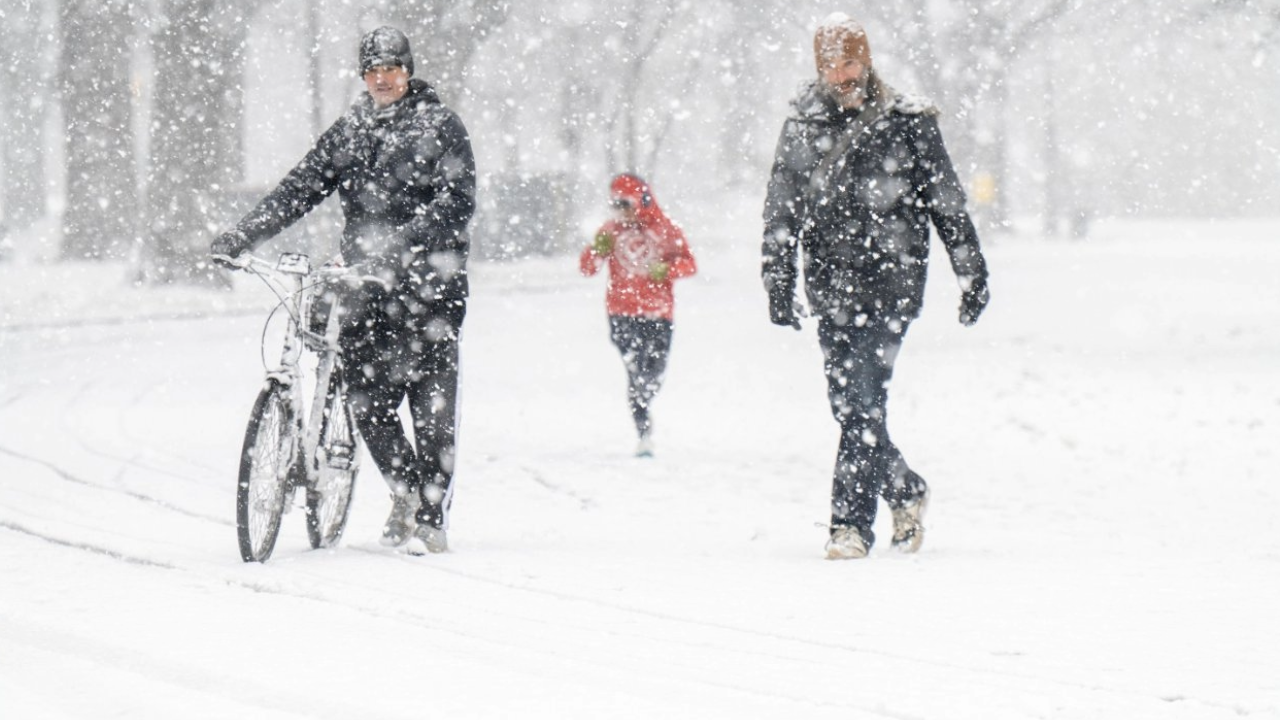
Stretching across much of the country, Winter Storm Fern extended for well over 1,000 miles as it swept east. It prompted emergency declarations in numerous states and winter alerts for well over 100 million people. Wind gusts reached around 60 mph in some areas, and widespread outages highlighted weaknesses in parts of the power grid.
Thousands of flights were canceled nationwide, and the storm intensified as it evolved into a powerful nor’easter. Other regions braced for similar blackout risks.
Historic Path
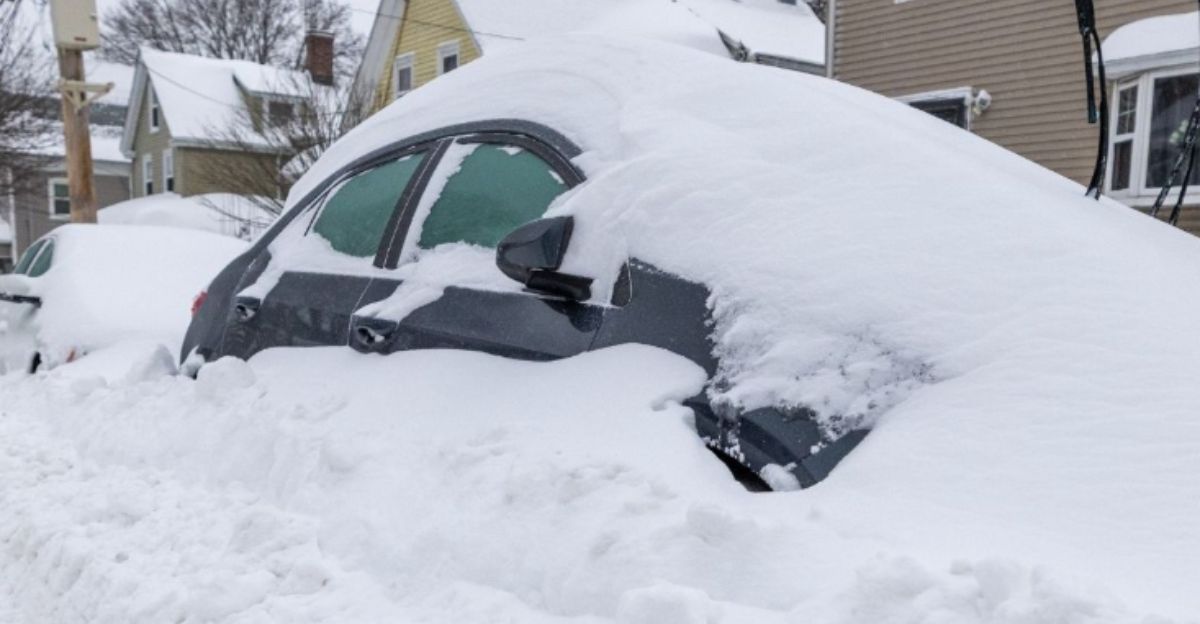
The storm began developing on January 22 over the Pacific, intensifying as it approached the Baja California region and then moving through the Plains by January 23. Texas and Oklahoma were affected early, as sleet and freezing rain impacted the region.
NOAA reconnaissance flights collected data to help predict the storm’s path. By January 24, central Arkansas was seeing heavy snowfall, underscoring how persistent and disruptive the system would become.
Ice Onslaught
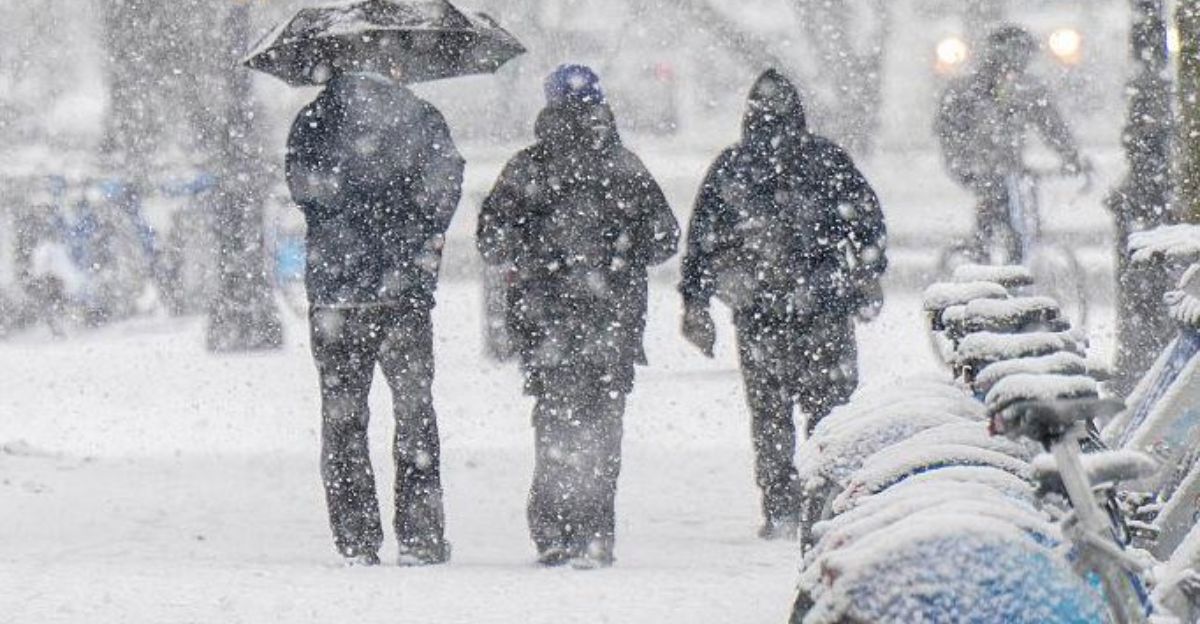
Following waves of freezing rain, ice approaching an inch thick in some locations coated parts of Mississippi, Alabama, and Tennessee, toppling trees and downing transmission lines. Strong winds compounded the damage, turning many Southern communities into blackout zones.
The National Weather Service issued warnings, expecting conditions to worsen as the ice accumulated. Utilities worked to protect the grid from the ongoing storm.
Million Milestone
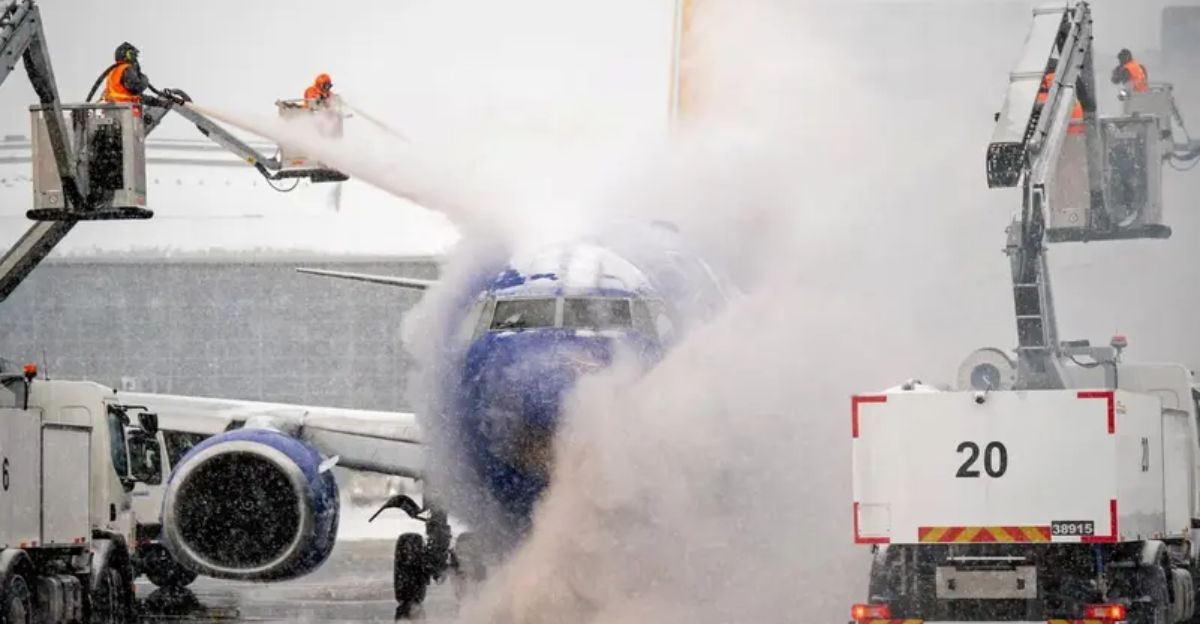
By January 25, over 1 million customers had experienced power outages across the country, with some of the hardest‑hit areas in the South. From Texas to the Ohio Valley, ice‑covered trees and power lines led to widespread disruptions.
Data from outage trackers showed interruptions across many states as the storm spread east. The storm’s strength lay in its ability to burden the grid under the weight of ice and heavy, wet snow.
Southern Blackouts
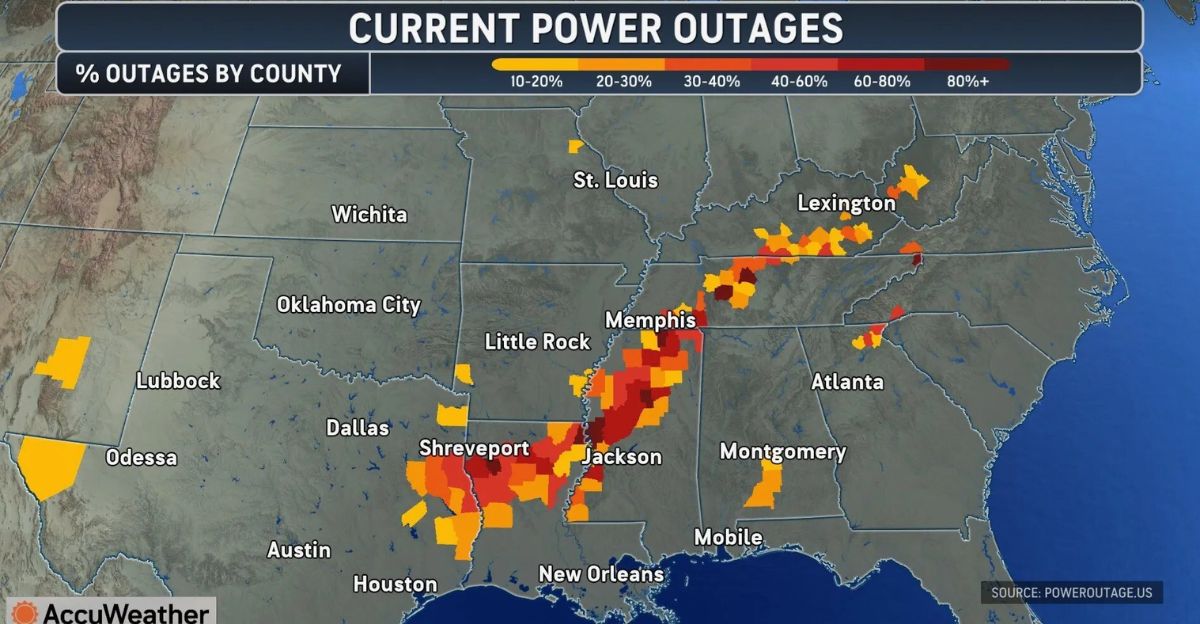
Texas, Louisiana, Mississippi, and Tennessee were among the storm’s hardest‑hit states, with several hundred thousand outages still lingering into January 26. Utilities such as Entergy and the Tennessee Valley Authority reported infrastructure damage from snapped poles and downed high‑voltage lines.
Travel restrictions and shelter‑in‑place guidance were issued in some areas as streets turned icy. Residents worked to stay warm without power in dangerously low temperatures.
Death Toll
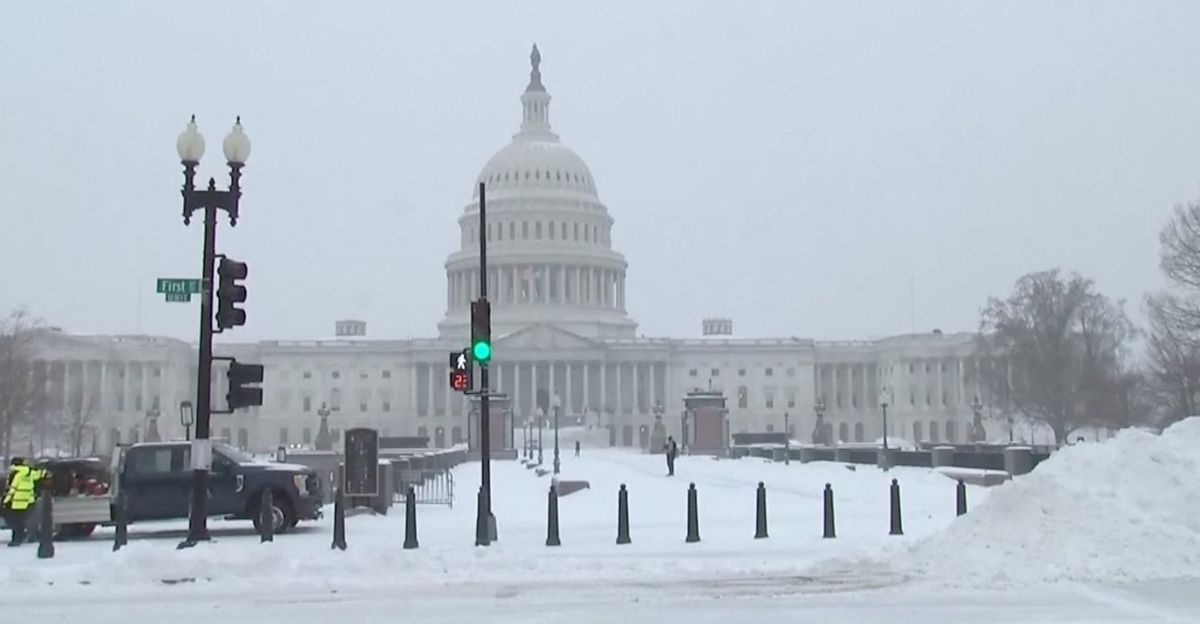
By January 26, the reported death toll from the storm had risen to several dozen people across the United States. The victims included people who died from cold‑related causes in states such as Louisiana, Kansas, and Texas, as well as residents killed by falling trees and branches.
In Mississippi, a man died after a tree collapsed onto his home. Sledding accidents, traffic crashes, and other storm‑related incidents added to the toll as families sought firewood and safe heat sources during extended outages.
Grid Vulnerabilities
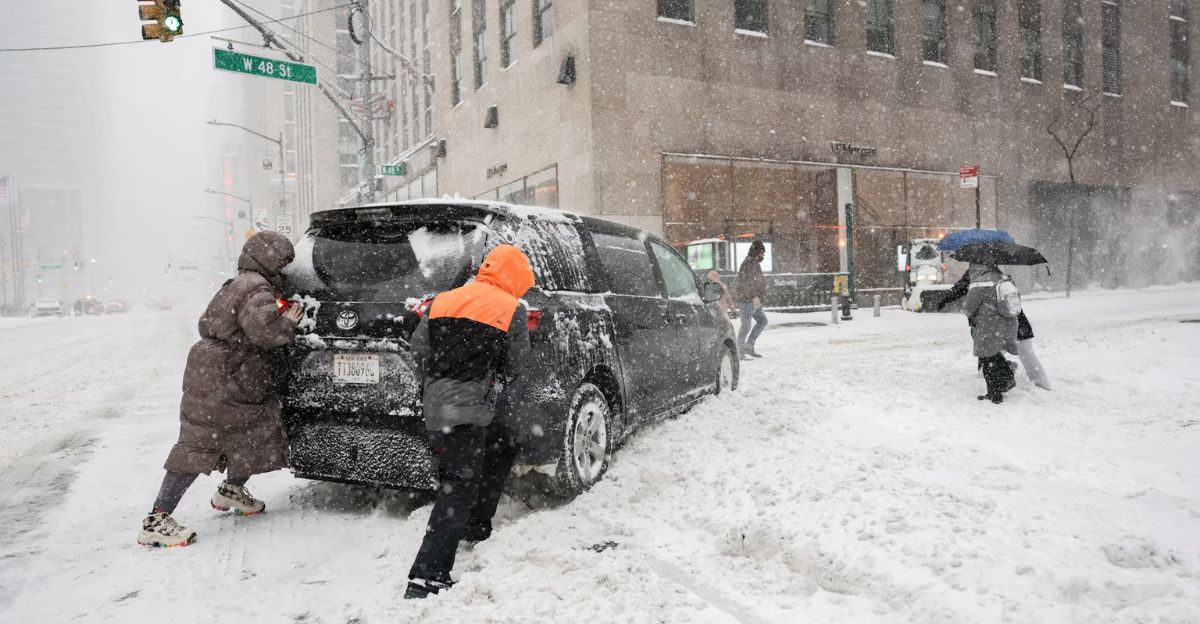
Southern power grids struggled under roughly half an inch to an inch of ice in some areas, which weighed down lines and contributed to equipment failures, according to utilities and emergency officials. In response, multiple states mobilized the National Guard, and disaster recovery efforts increased to clear debris and restore service.
As outages expanded, supply chains for de‑icing materials and repair components came under strain. The storm raised questions about how quickly utilities can adapt to reduce the risk of similar failures in the future.
Snow Records Shattered
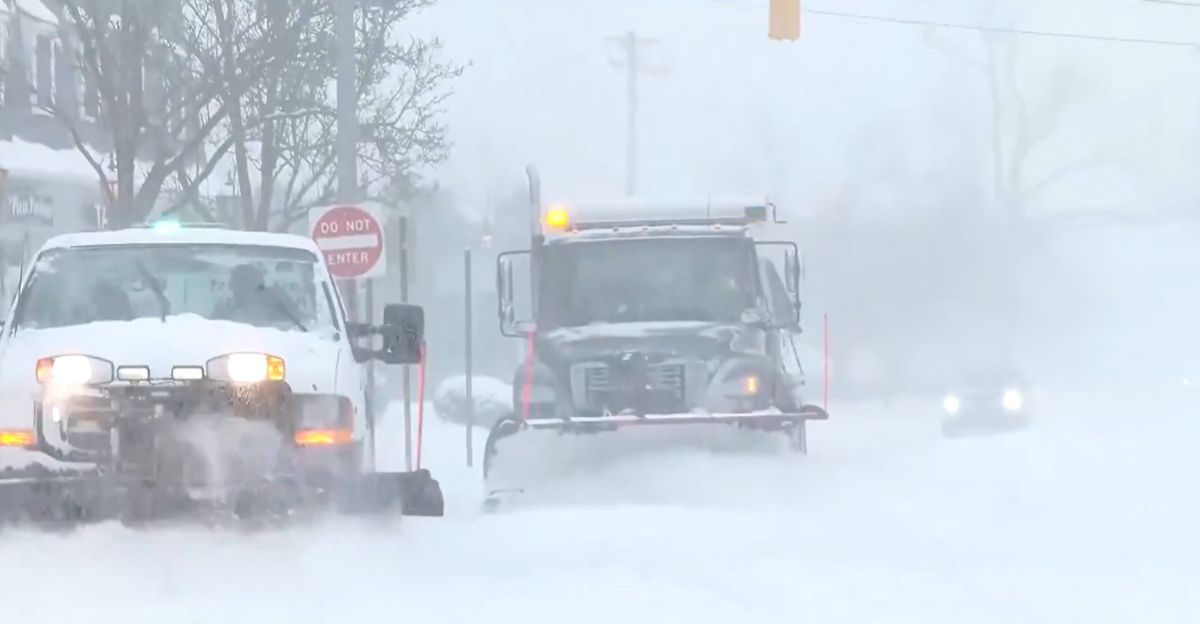
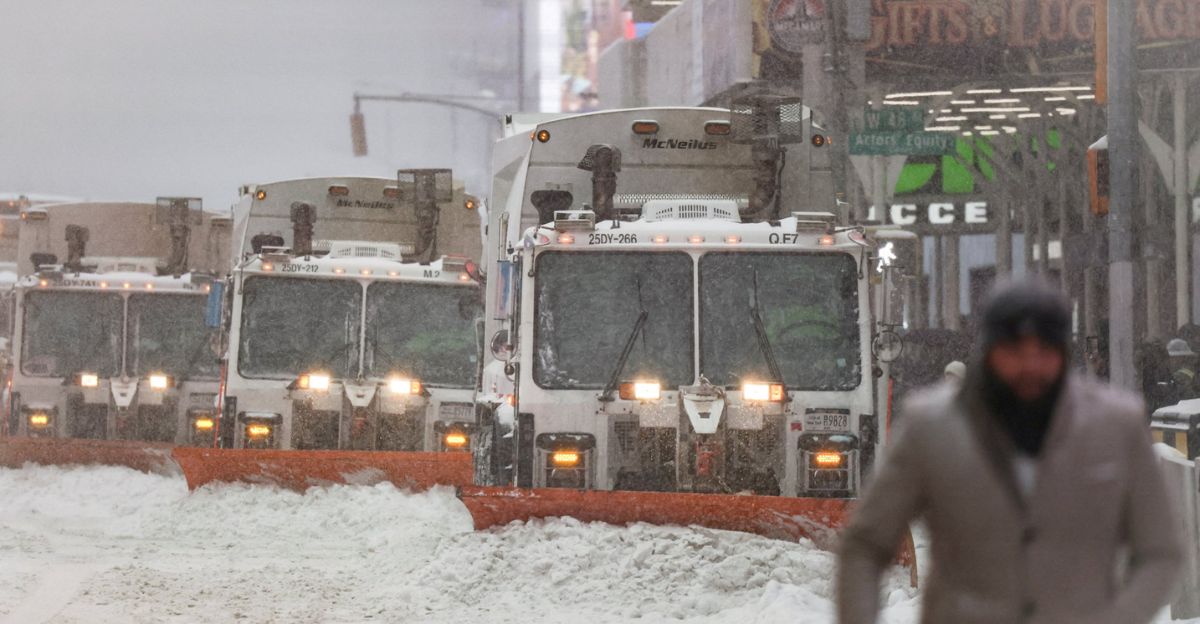
The storm brought not only ice but also heavy snow. From parts of Texas to New England, it dumped more than a foot of snow in some communities, breaking daily snowfall records in a number of locations. Oklahoma City recorded several inches of snow, Columbus, Ohio saw over 10 inches, and Philadelphia measured close to 9 inches—its heaviest snow in years.
Along the I‑95 corridor, major cities were covered in deep snow that compounded the disruption already caused by ice and wind.
Hidden Casualties
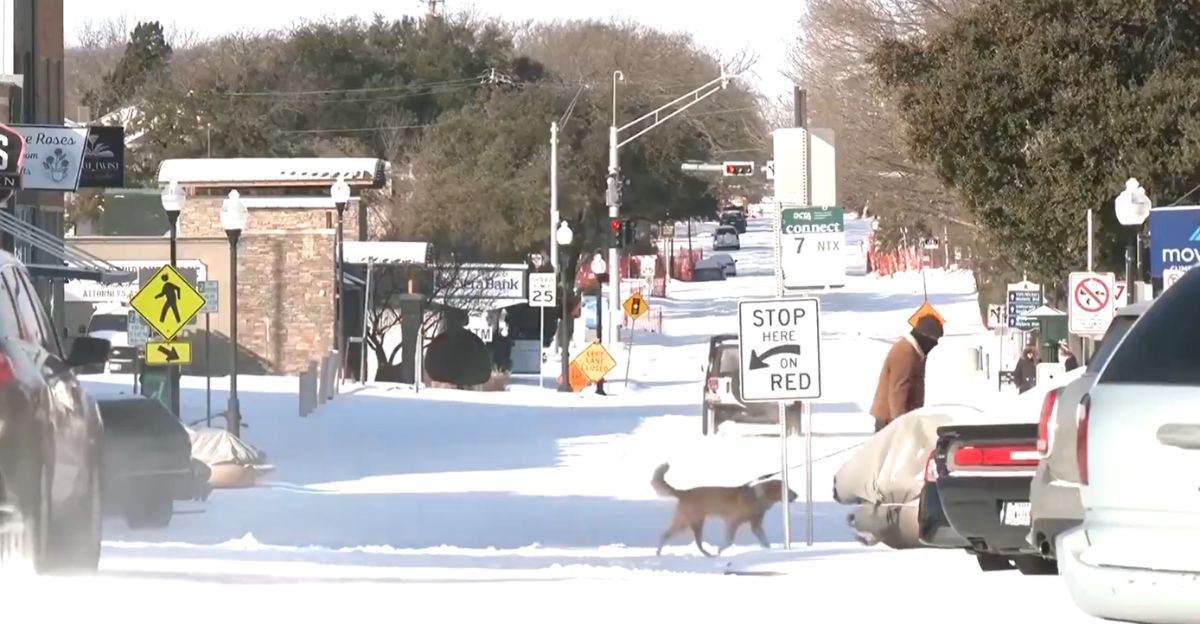
Travel was heavily disrupted as the storm affected the nation’s transportation network. Tens of thousands of flights were delayed or canceled over multiple days, leading to one of the more severe air‑travel disruptions since early 2020 for a winter storm. Amtrak cancelled or adjusted numerous trains, and major sporting events, including some NBA games in storm‑affected cities, were postponed.
Food‑delivery services temporarily suspended operations in parts of Texas and other states, adding to the storm’s economic impacts.
Utility Strains
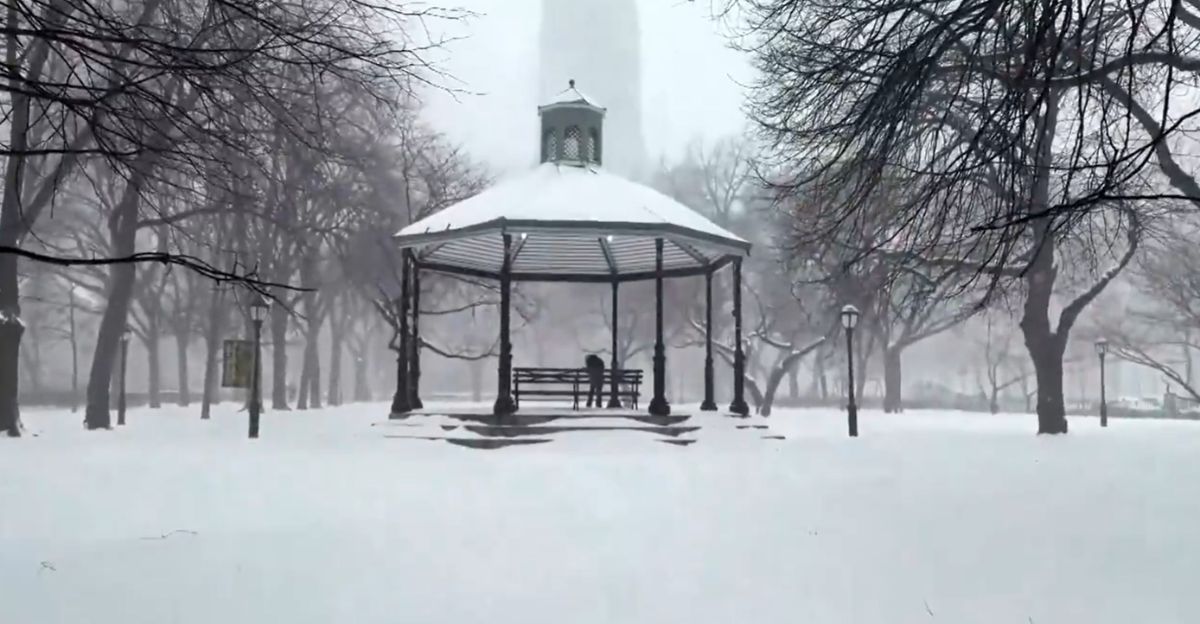
Frustration grew as utility companies encountered major challenges restoring power in heavily damaged areas. In places like Oxford, Mississippi, residents endured prolonged outages as crews navigated icy roads and repeated line breaks. Utilities pledged to restore power as quickly as possible, but persistent cold caused ice to refreeze on lines and equipment, slowing progress.
Crews worked extended shifts to keep up with repair demands.
Governor Mobilizes
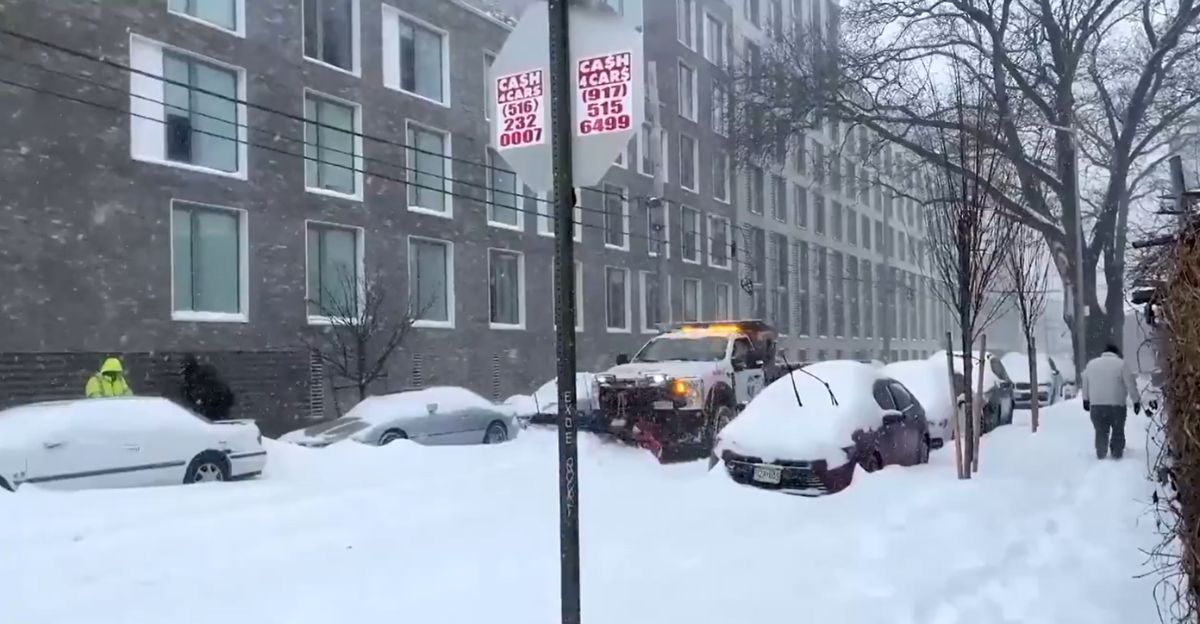
State leaders took broad action as the storm developed. Texas Governor Greg Abbott activated emergency operations on January 21, and Louisiana’s Governor John Bel Edwards declared a state of emergency on January 18. In total, governors in roughly two dozen U.S. states issued emergency declarations or similar measures in response to the storm’s wide‑ranging impacts.
National Guard units deployed, and states rolled out large snowplow fleets, such as Ohio’s highway crews, to clear roads and support rescue efforts.
Restoration Push
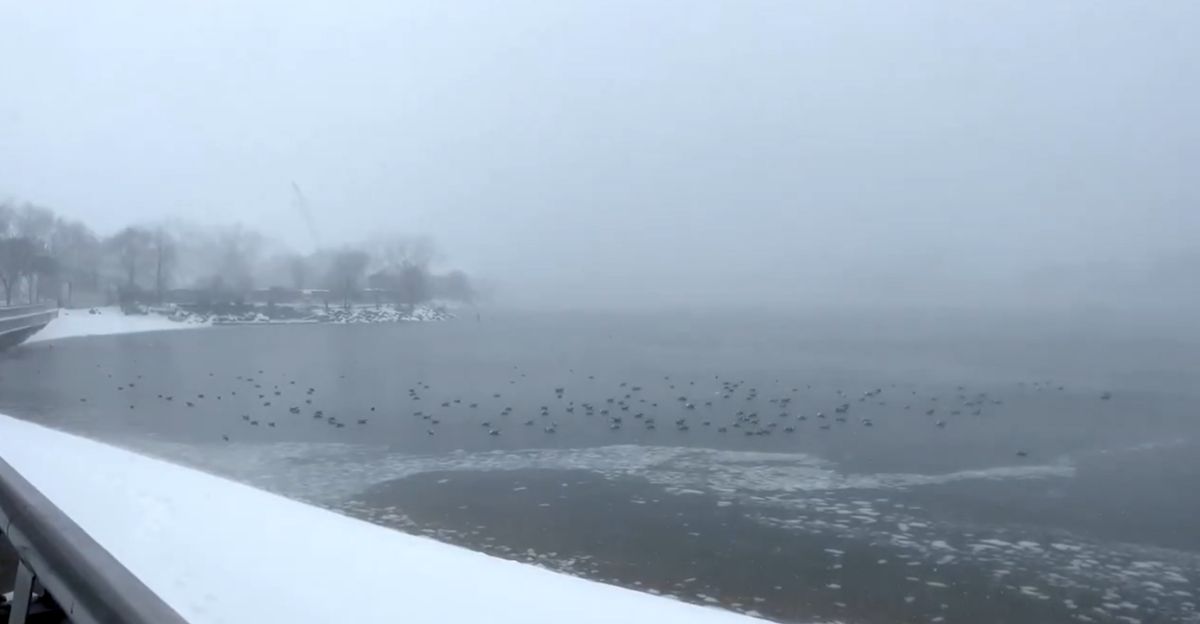
By January 26, the number of customers without power had decreased to several hundred thousand, but a new surge of Arctic air loomed over the South and Midwest. Crews continued repairing damaged infrastructure while highway teams treated icy roads in states such as Missouri and Kentucky.
Emergency managers relied on systems such as the Disaster Information Reporting System to coordinate with broadcasters, and regulators temporarily relaxed some communications rules to help keep critical information flowing. Officials warned that the grid and response systems could be tested again by renewed cold.
Expert Warnings
Meteorologists remained cautious about the ongoing risk of prolonged outages in the South as cold air continued to push deep into the United States. Forecast centers projected numerous potential record‑low temperatures over several days.
The National Weather Service and private forecasters warned that even after the heaviest snow ended, dangerous wind chills and lingering ice could continue to strain the grid and delay recovery. Communities were urged to prepare for additional days of hazardous weather and the possibility of new outages.
Cold Legacy
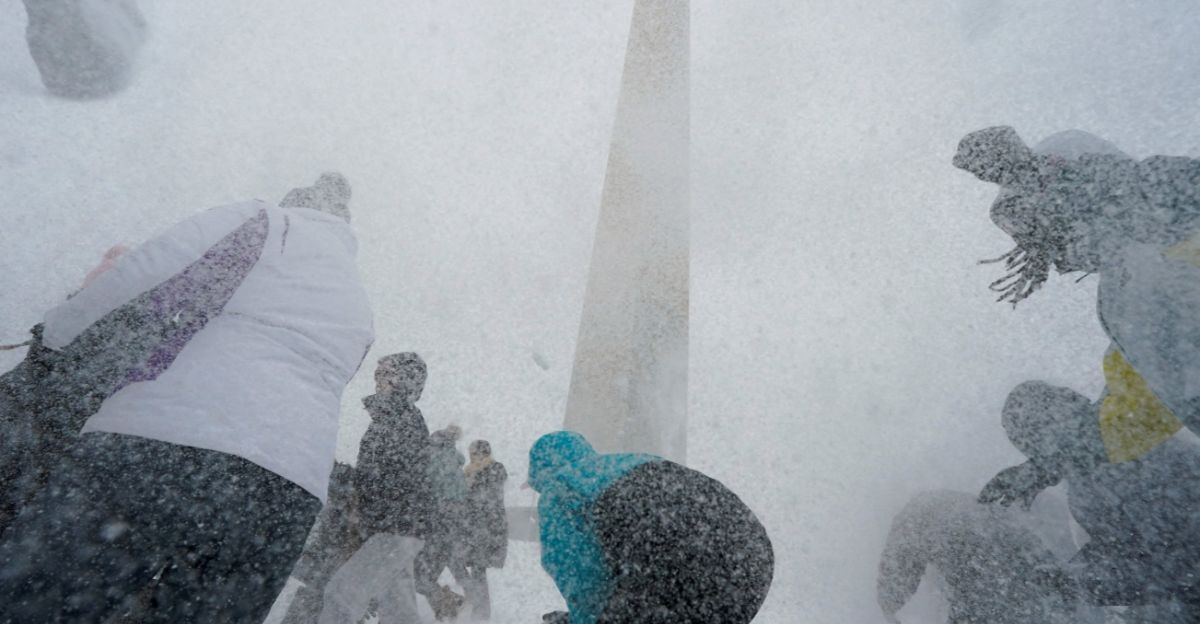
With Arctic air continuing to grip parts of the nation, temperatures in many Northern and interior regions stayed well below late‑January averages. The storm’s combination of ice, snow, wind, and extreme cold has prompted renewed discussion about how to strengthen America’s power grid and infrastructure against future winter events.
The loss of several dozen lives and the storm’s economic impacts have led communities to examine their readiness for future severe weather. This winter outbreak may influence how officials, utilities, and residents plan for similar events.
Sources:
The Weather Channel (weather.com), “Winter Storm Fern Slamming South, East,” January 24, 2026
Wikipedia, “January 2026 North American winter storm,” January 19, 2026 (with subsequent updates)
NPR, “Winter storm wallops U.S., killing 25 and knocking out power,” January 26, 2026
CNN, “Snow and ice put up final stand in Northeast as brutal cold …,” January 25, 2026
ABC News, “Winter storm live updates: At least 29 dead across the US,” January 26, 2026
Texas Division of Emergency Management / Office of the Governor, “Governor Abbott Adds Counties To Texas Disaster …,” January 24, 2026