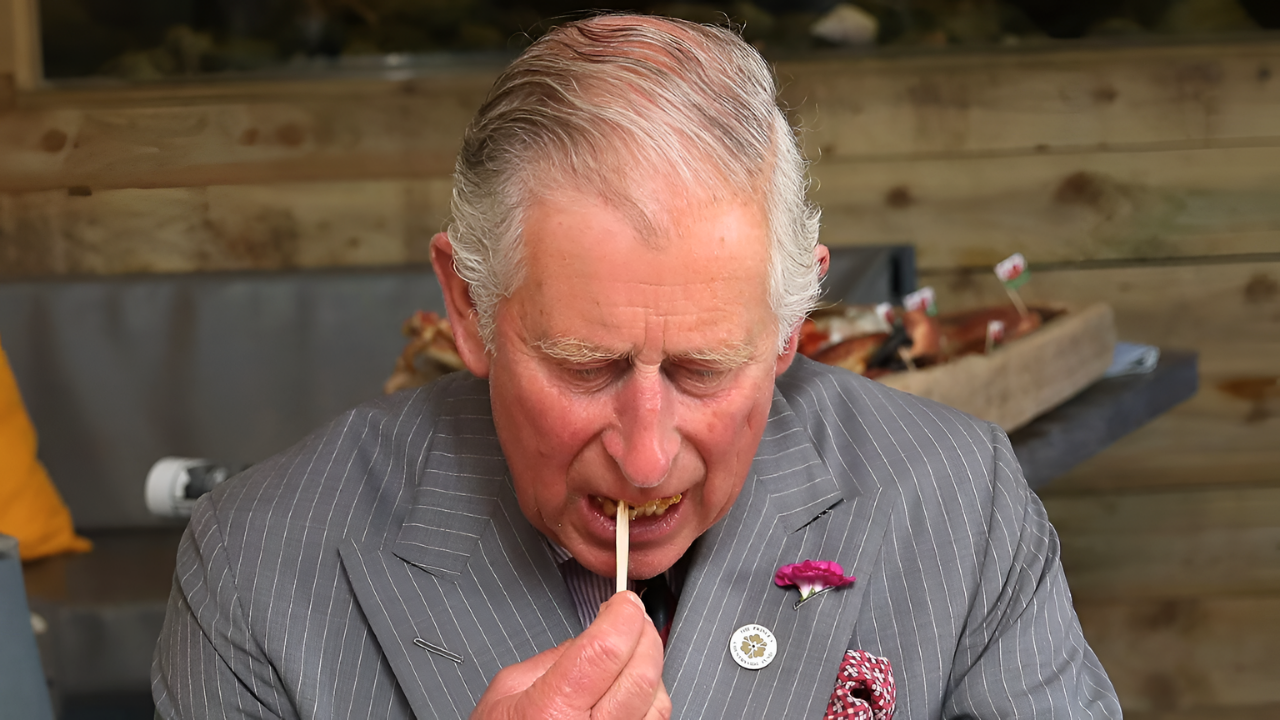
King Charles III enforces strict food rules at royal residences, limiting certain items at menus and events. These preferences reflect ethics, health, and tradition, strongly influencing palace kitchens.
His long-standing environmental activism and sustainable farming ethos, including his Duchy Originals brand founded in 1990, demonstrate that these rules express decades-long commitments to ethical consumption now defining how the royal household operates.
From chocolate and garlic to foie gras and out‑of‑season fruit, the King’s firmly held preferences shape everything palace chefs plan and serve. Here are 10 foods King Charles won’t touch at the Royal Palace.
1. Chocolate
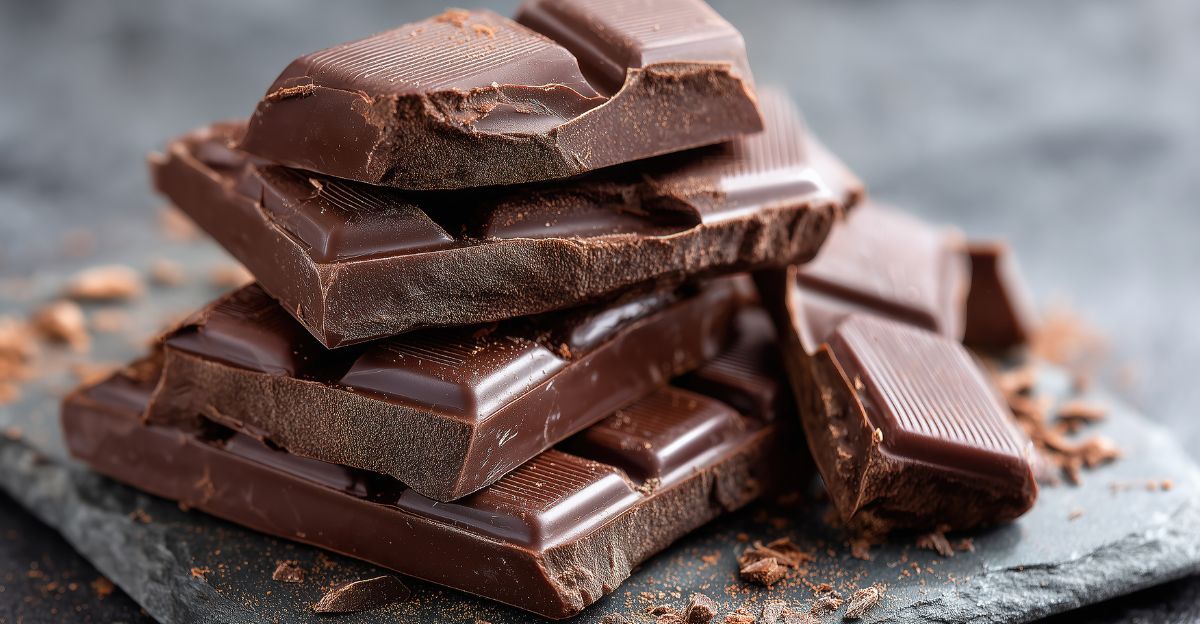
Former Welsh Culinary Team manager Graham Tinsley MBE confirmed King Charles does not like chocolate, opting for other desserts instead.
This personal aversion means chocolate desserts are generally avoided on his menus, even at lavish banquets, though they may still be served to other guests at palace events.
2. Garlic
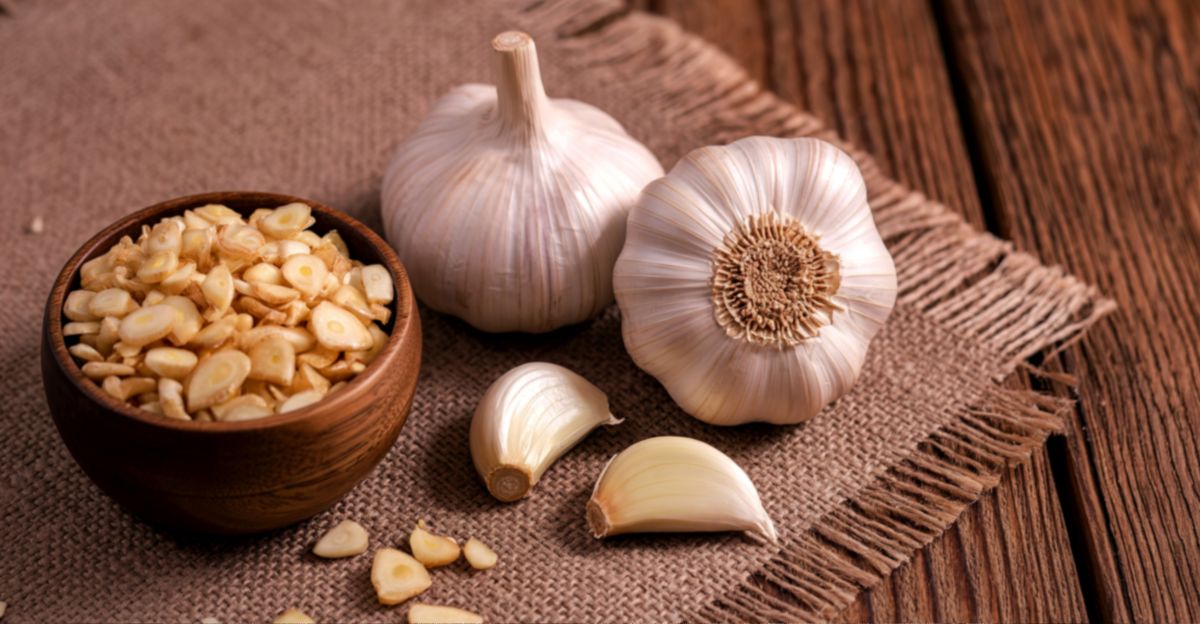
Queen Camilla stated garlic is a “no-no” for royal engagements to avoid bad breath during duties.
This convention effectively keeps garlic off official menus for major royal events and public-facing occasions, reshaping fine dining protocols for the monarch and his household staff.
3. Coffee
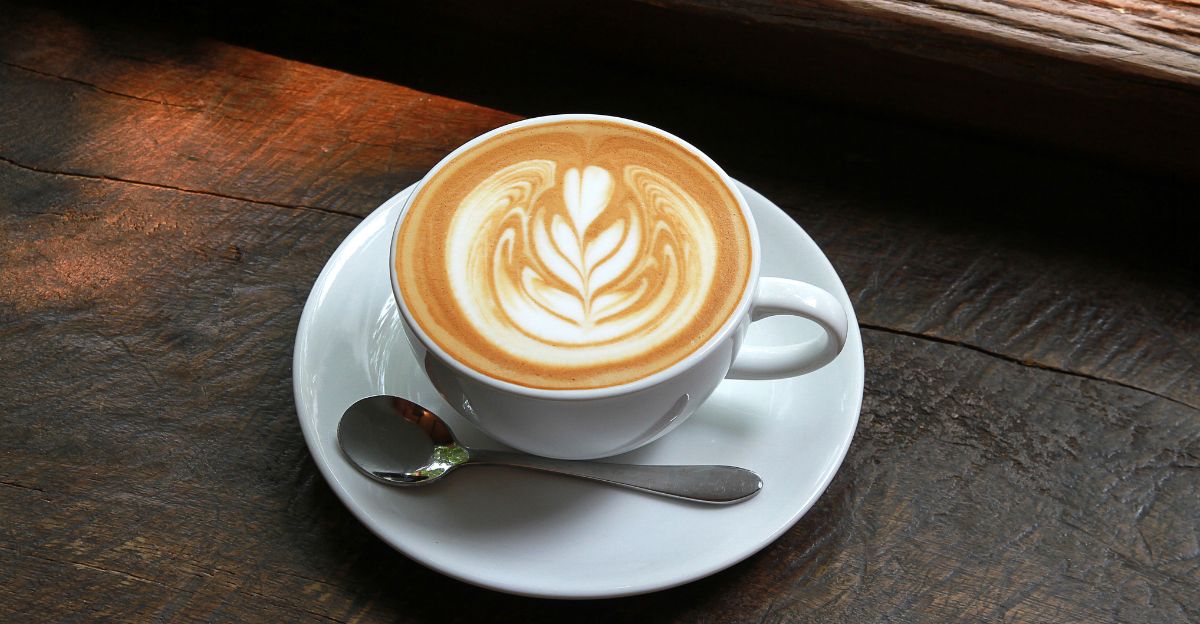
King Charles skips coffee entirely, preferring tea only. Accounts of his daily routine note he does not drink coffee, so coffee courses are not planned for him at state banquets or formal meals. This habit shapes palace beverage service protocols accordingly for his personal consumption.
4. Foie Gras
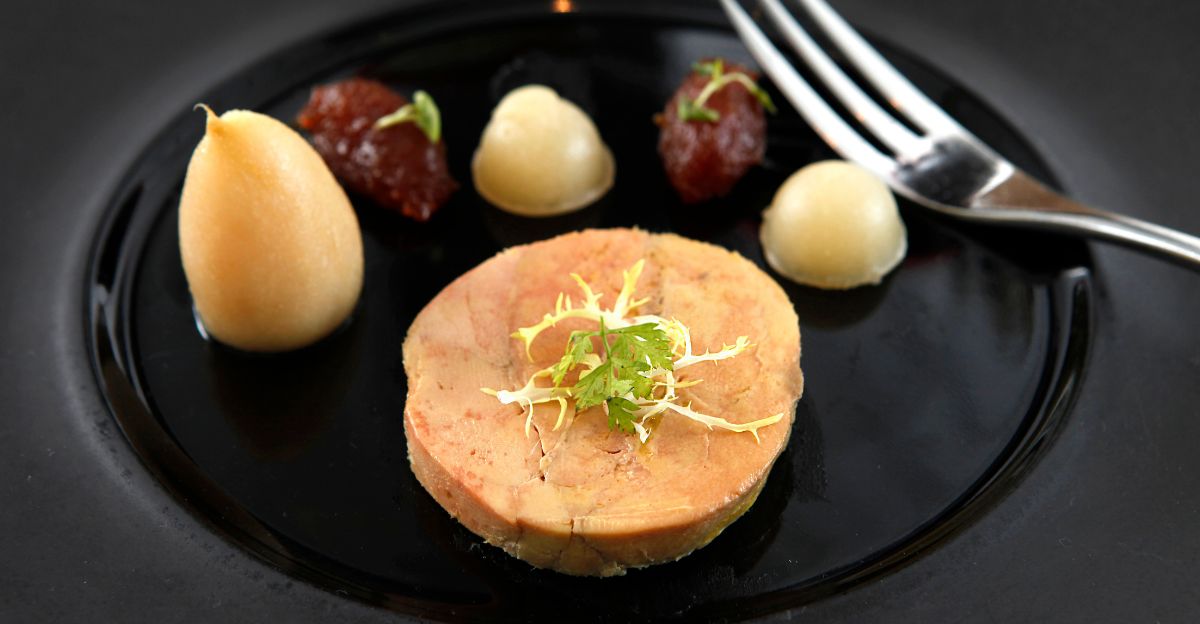
In 2008, Charles banned foie gras from being served in his royal households due to ethical concerns over force-feeding animals.
The decision, echoed across all royal residences, underscored his animal-welfare stance and removed this luxury delicacy from palace menus permanently, setting a precedent for royal sourcing practices.
5. Out-of-Season Produce
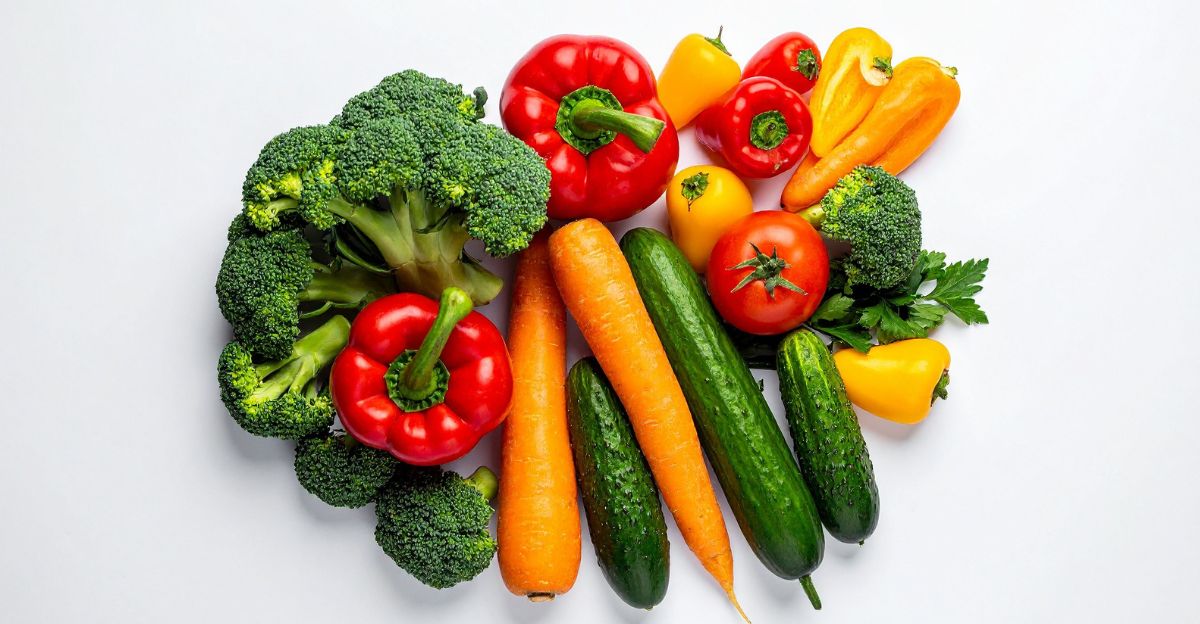
Charles strongly prefers seasonal ingredients only. Former royal chef Carolyn Robb said, “You wouldn’t dare serve asparagus or strawberries in December.”
This preference steers royal kitchens toward sustainability, limiting out-of-season imports and promoting local, seasonal sourcing that aligns with his environmental ethos.
6. Non-Wild Mushrooms
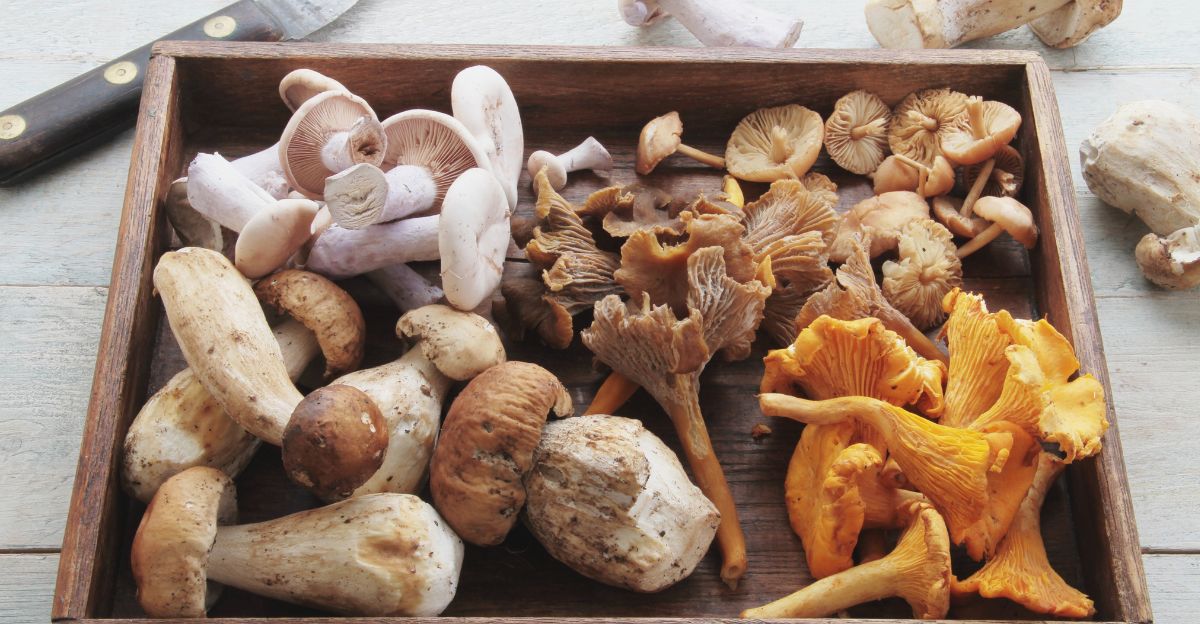
Charles favors wild mushrooms, especially porcini foraged on the Balmoral estate, with experts guiding chefs.
He is known as a mushroom enthusiast, and ordinary farmed mushrooms are sidelined in favor of choice wild varieties that reflect his foraging passion and culinary selectivity.
7. Meat
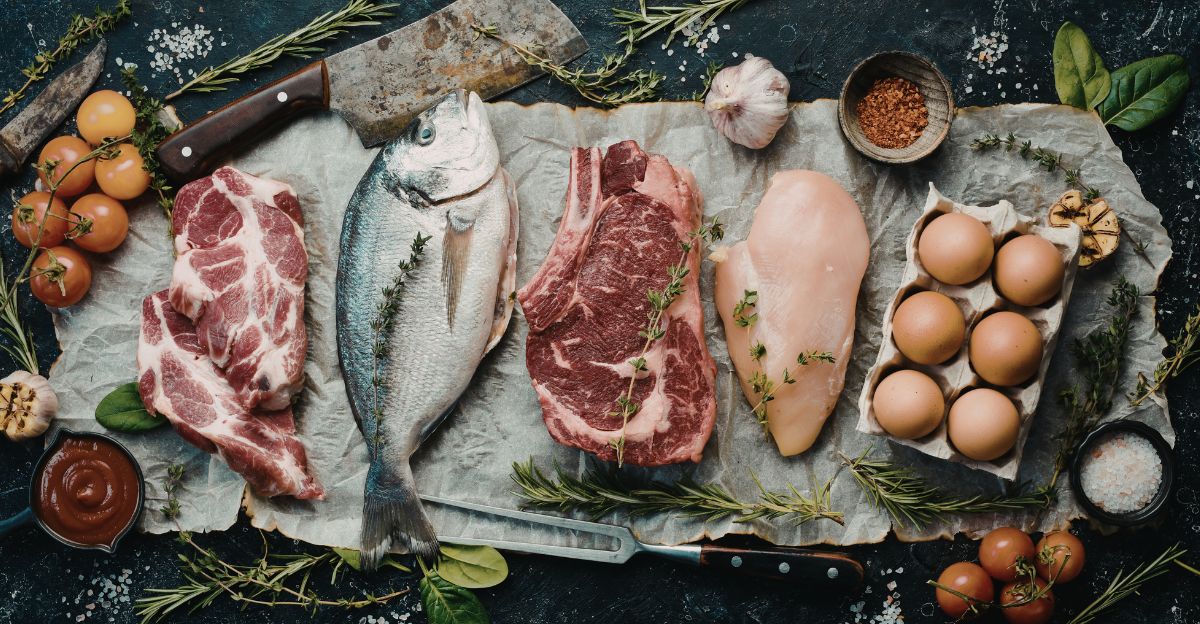
Charles abstains from meat and fish two days a week for environmental reasons. He has described this practice publicly, influencing palace meal planning by building in regular meat-free days.
This habit reflects his climate concerns and demonstrates how royal dietary choices translate into institutional policy.
8. Dairy
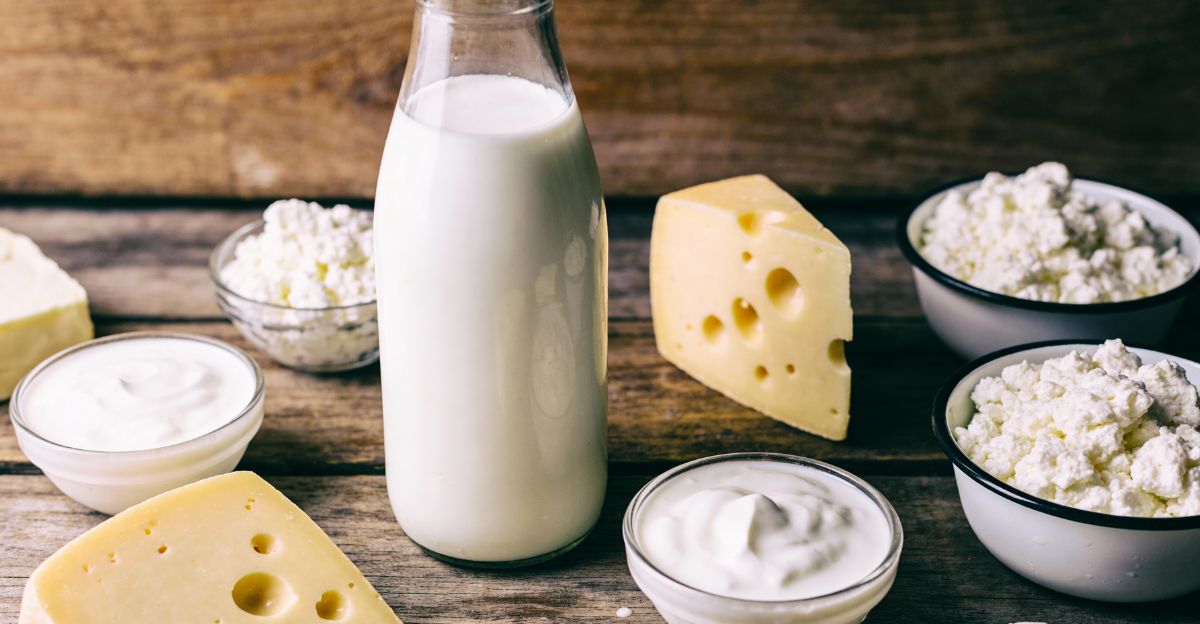
One day each week, Charles avoids dairy products entirely. He has tied this habit to his sustainability efforts, and royal kitchens adjust menus accordingly to reduce animal-product consumption on that designated day, quietly shifting palace practices toward lower-impact dining options.
9. Cold Biscuits
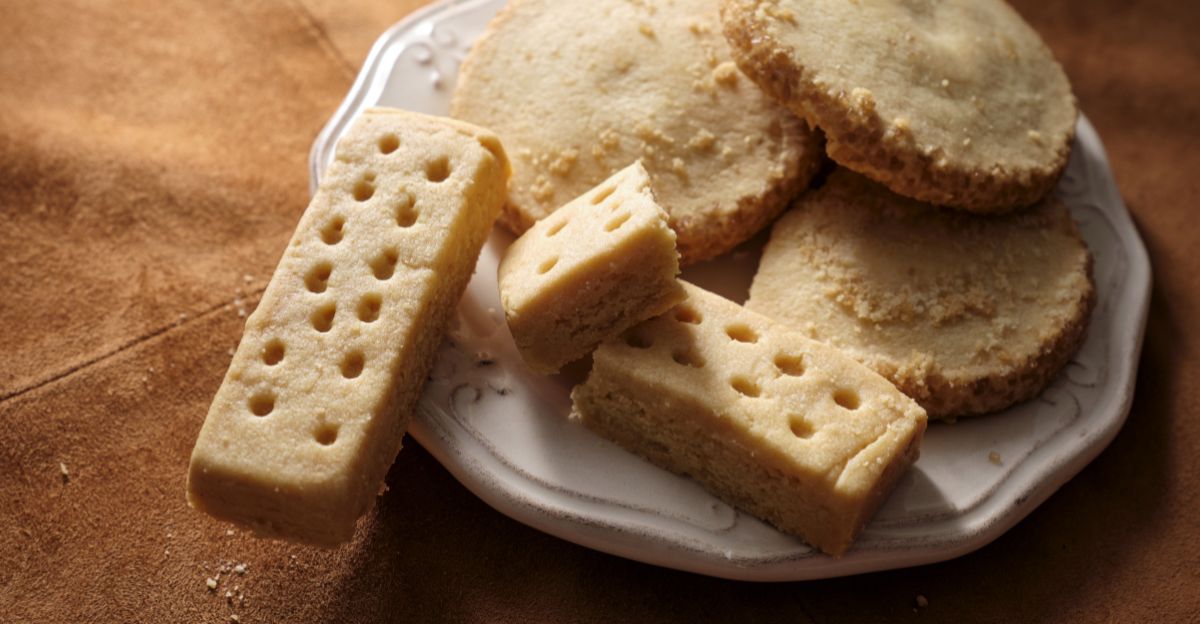
Charles prefers his biscuits pre-warmed in a pan before serving. Former staff note that room-temperature biscuits are unacceptable for him, and a warming pan is kept ready so his biscuits arrive at just the right warmth with tea, reflecting his exacting personal standards.
10. Improper Tea
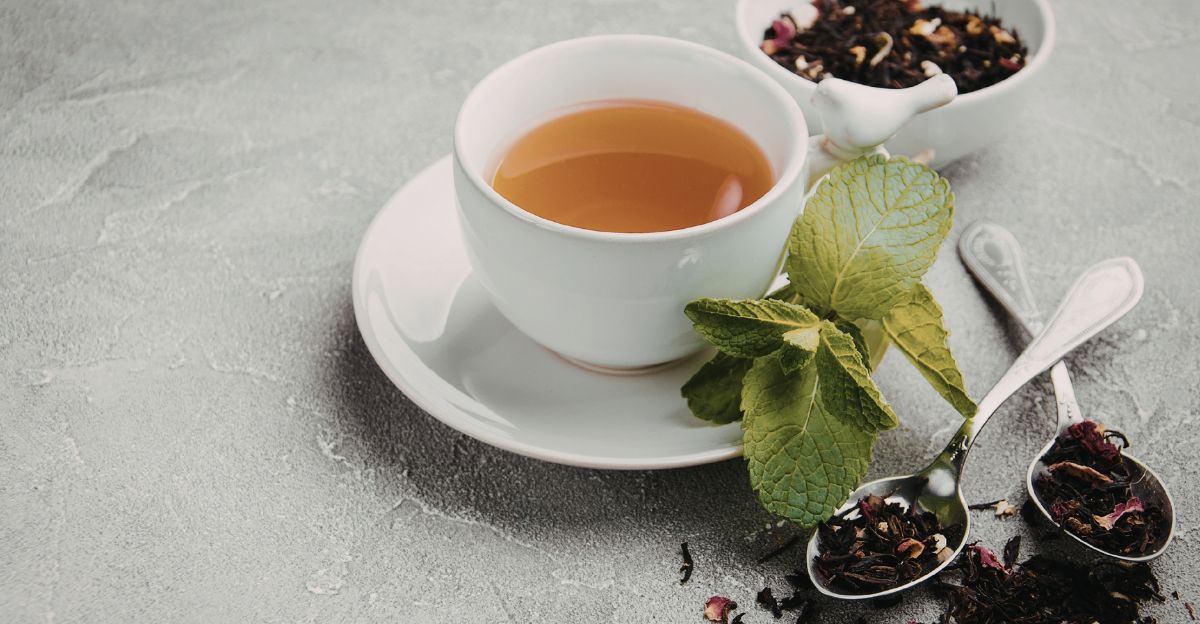
He is particular about loose-leaf tea brewed precisely using a thermometer and specific times. Green tea is made at about 70°C for several minutes; black teas like Earl Grey are brewed with freshly boiled water, often served with organic honey, creating a carefully ritualized royal tea service.
No Lunch
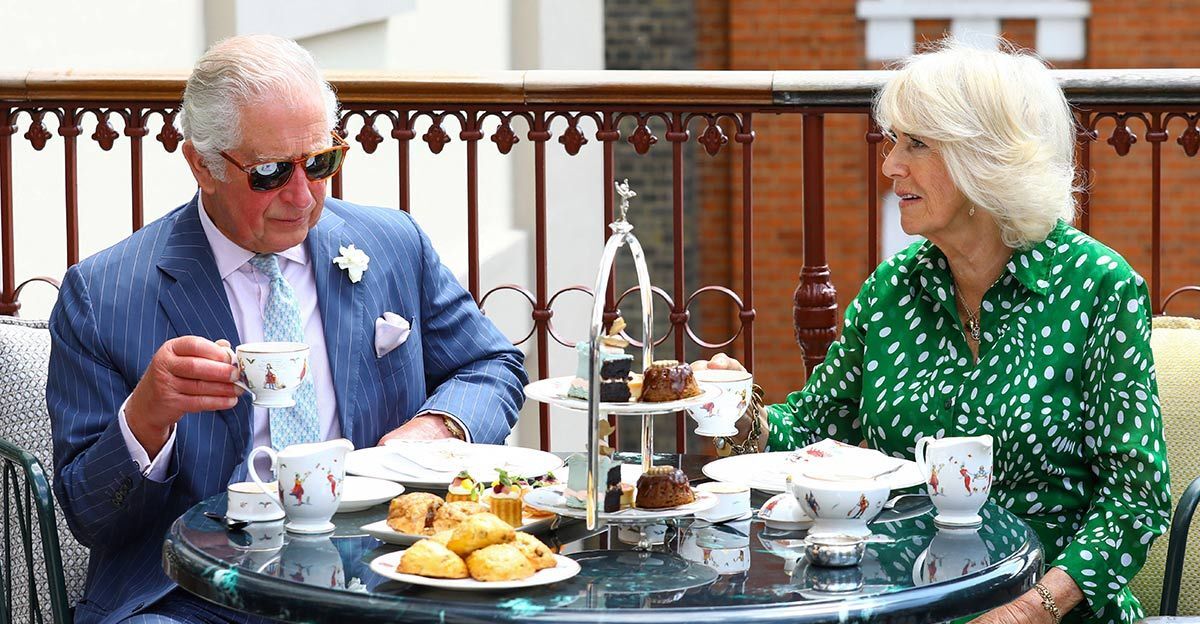
For many years, King Charles has typically not eaten lunch, working straight through the day. Reports describe this long-standing habit as part of his schedule, focusing staff planning on breakfast, afternoon tea, and dinner instead of a formal midday meal, demonstrating his work-focused discipline.
Palace Garlic Legacy
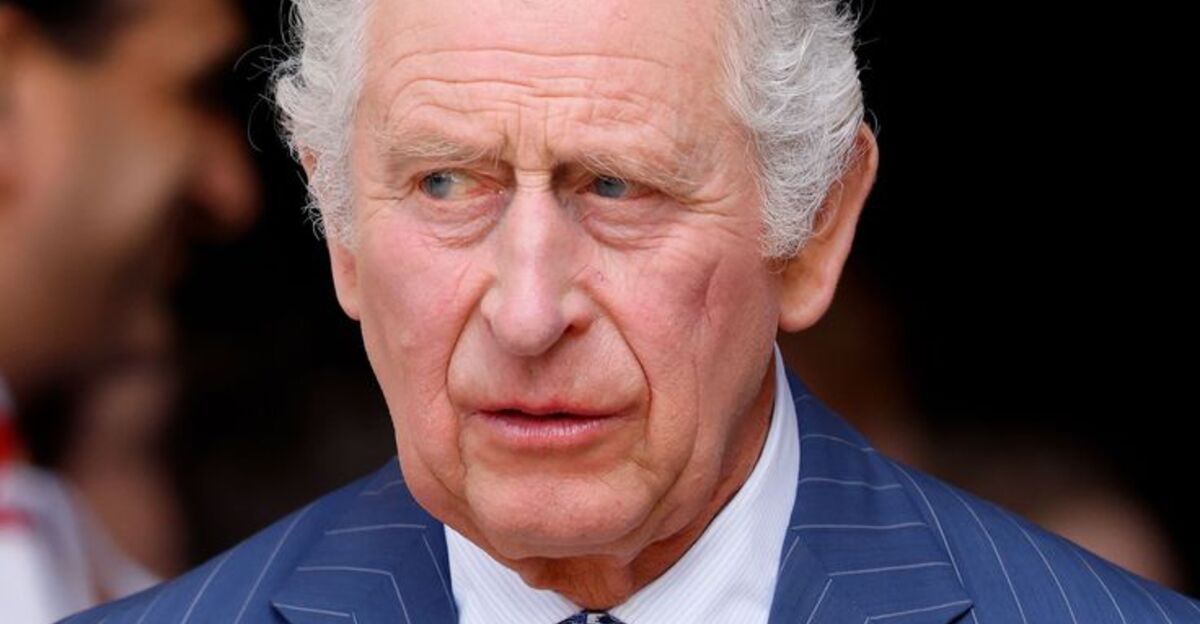
Garlic’s near-ban at formal occasions stems from practical royal needs, as Camilla explained, to avoid lingering odors before engagements.
Over time, this has shaped household practice for large events and banquets, blending etiquette with personal preference in royal dining history and protocol.
Ethical Foie Gras Stand
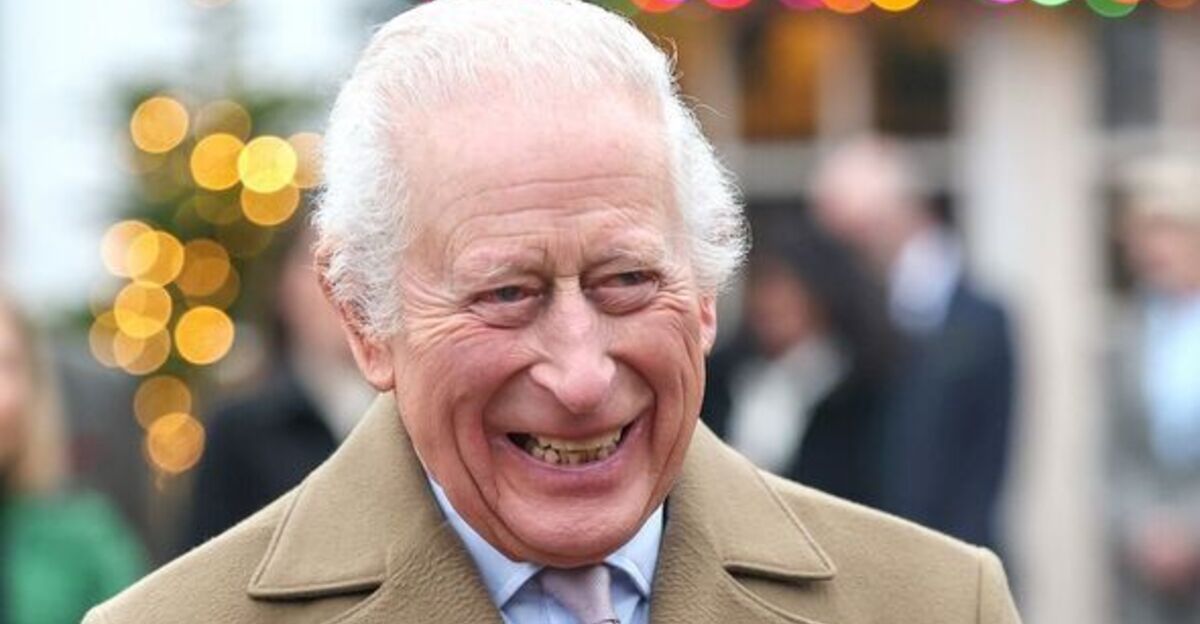
Charles’s 2008 decision not to serve foie gras in his households set a visible animal-welfare precedent for the royals.
It signaled to suppliers and staff that ethical sourcing would override traditional luxury when the two conflict, reshaping palace sourcing practices permanently.
Seasonal Eating Roots
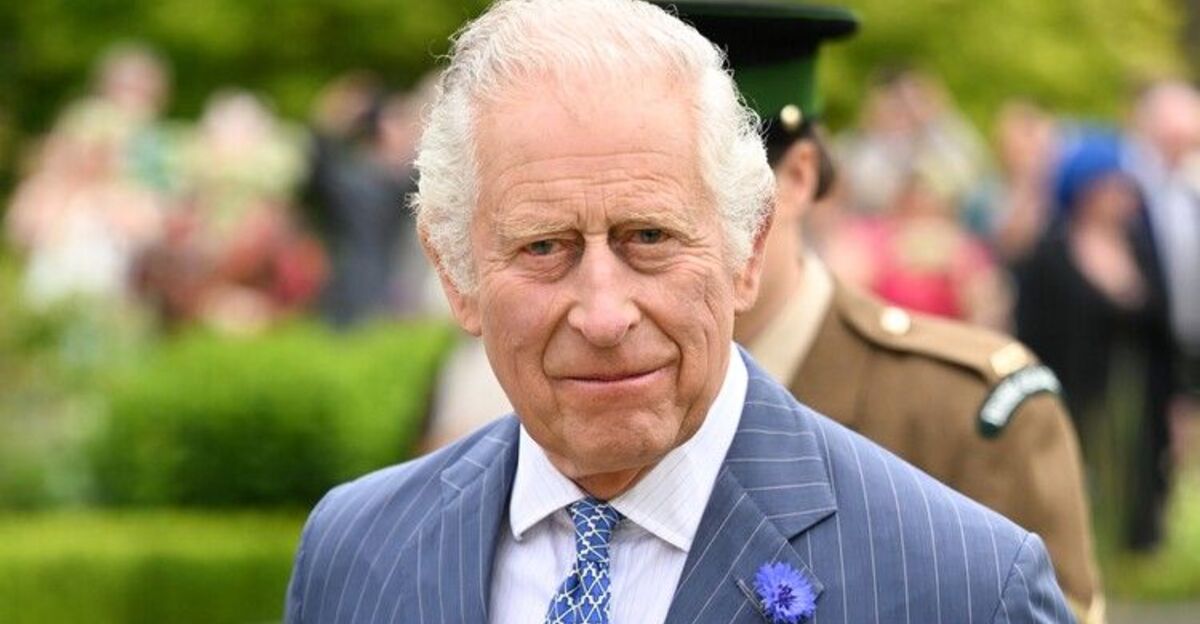
His refusal to eat out-of-season produce aligns with traditional British ideas of eating with the calendar and land.
Chefs like Carolyn Robb adapted long ago, and this supports biodiversity by encouraging menus that follow nature’s cycles, promoting sustainable palace food operations.
Meat-Free Debate
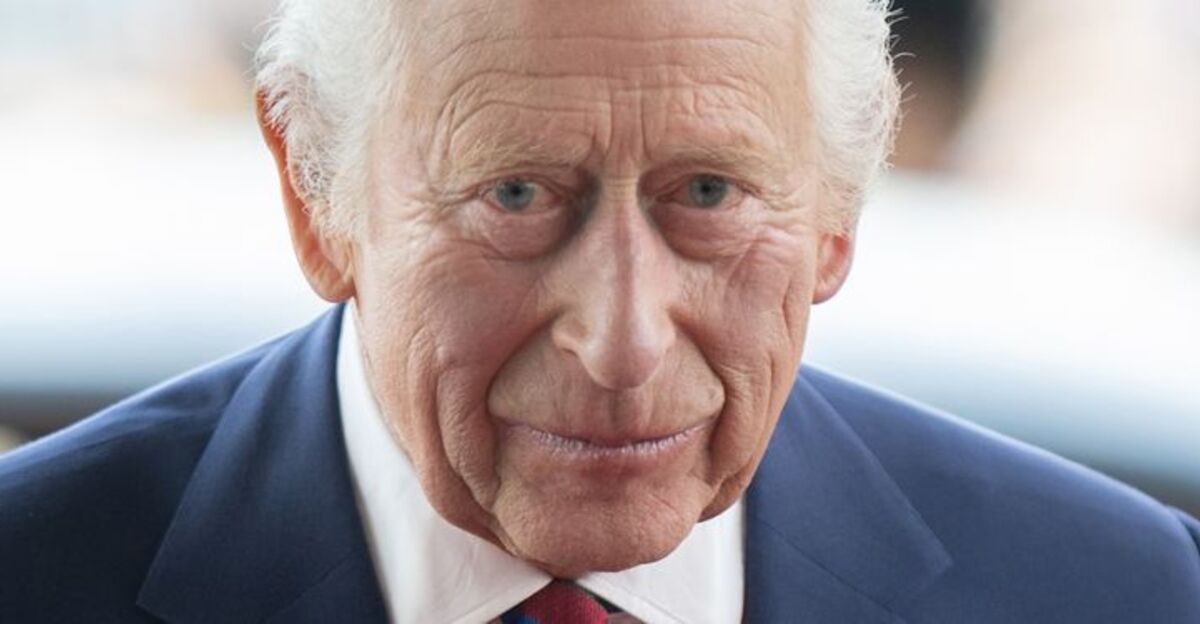
Two meatless days weekly have sparked discussion about royal influence on sustainable diets. Charles’s public pledge challenges conventional elite dining norms and is cited by supporters and critics when debating climate-conscious eating, demonstrating how monarchy shapes broader cultural food conversations.
Dairy Skip Surprise
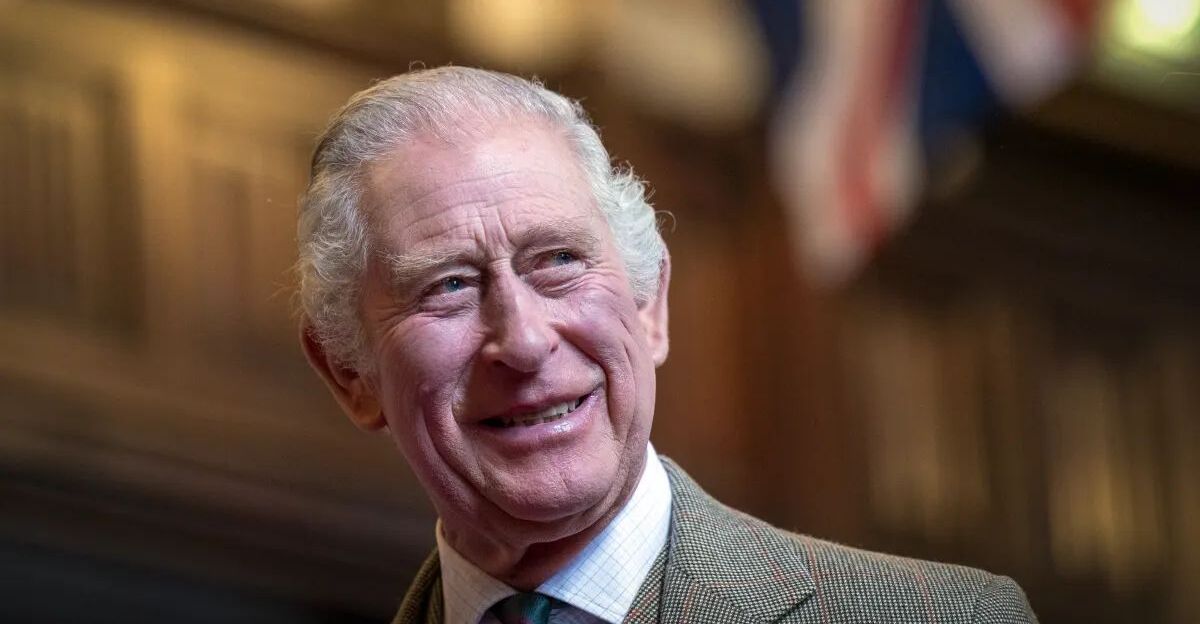
His weekly dairy-free day is less publicized but firmly established in his routine. Quietly, it nudges royal menus toward lower-impact options and is seen by insiders as practical everyday environmentalism, reflecting his commitment to reducing the palace’s ecological footprint.
Mushroom Mania Hidden
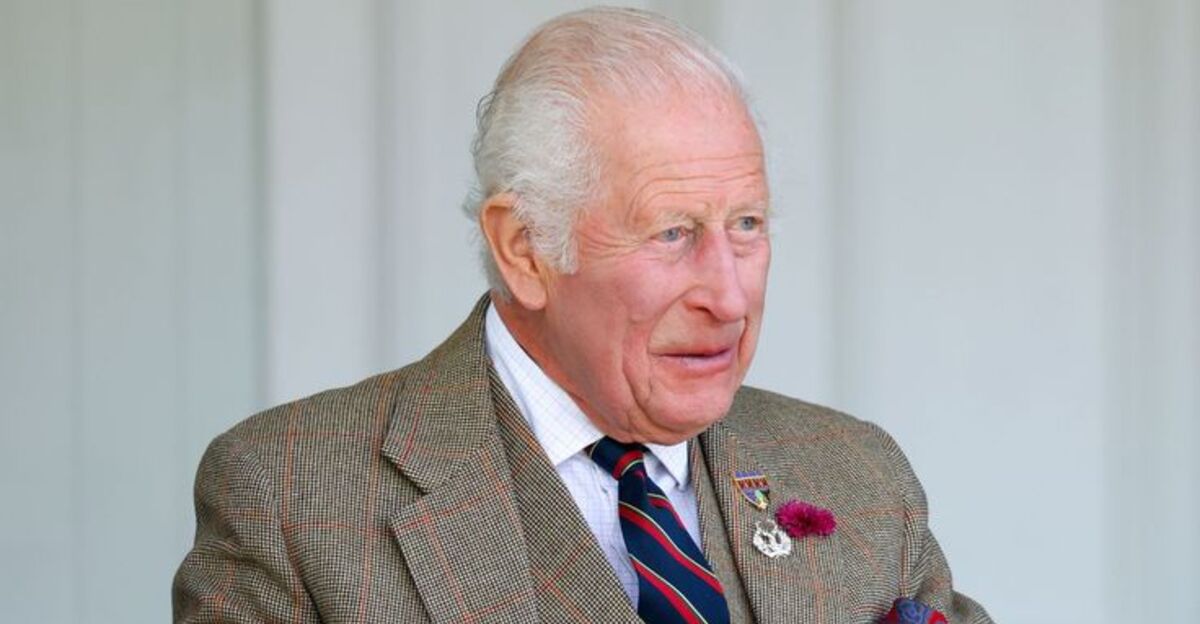
Charles’s enthusiasm for wild mushrooms, including expert-guided foraging at Balmoral, has become part of his culinary reputation.
This niche passion elevates rare, wild fungi above common shop-bought varieties in his personal menus, reflecting his deep connection to foraged, authentic food sources.
Breakfast Rituals

Mornings for King Charles are anchored by a carefully structured breakfast rather than an extravagant feast. He is known to favor simple, high‑fiber options such as fruit and seeds, often accompanied by tea instead of rich cooked dishes.
Everything is laid out with precision so he can move quickly from the table to his first engagement. This restrained, purposeful start to the day reflects his preference for routine over excess.
Activism on the Plate
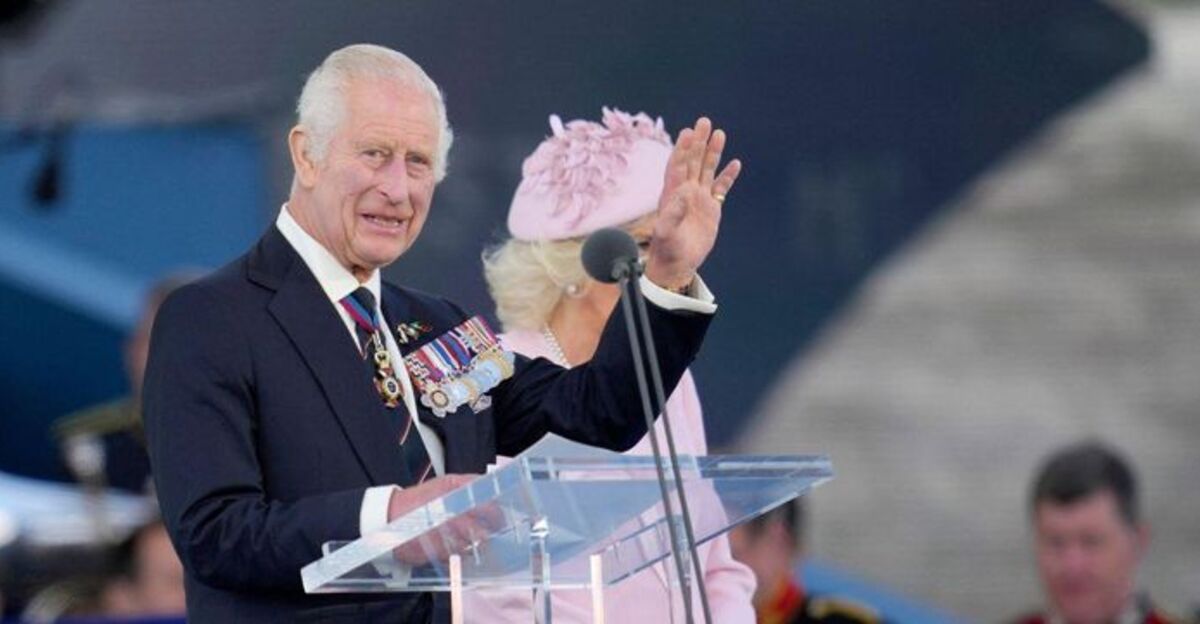
These food rules—from foie gras bans to seasonal mandates, meat-free days, and tea rituals—mirror Charles’s ethics and quirks alike.
Palace kitchens bend to sustain this vision, showing how a monarch’s table reflects decades-long commitments to sustainability, animal welfare, and tradition.
Sources:
The Guardian 11 Jun 2008 foie gras report
BBC Breakfast 2021 Charles meat and dairy quote
MasterChef Australia / BBC 2018 Camilla garlic comment
Telegraph 2022 King Charles diet profiles
Independent 2022 royal food habits
Interviews with former royal chef Carolyn Robb