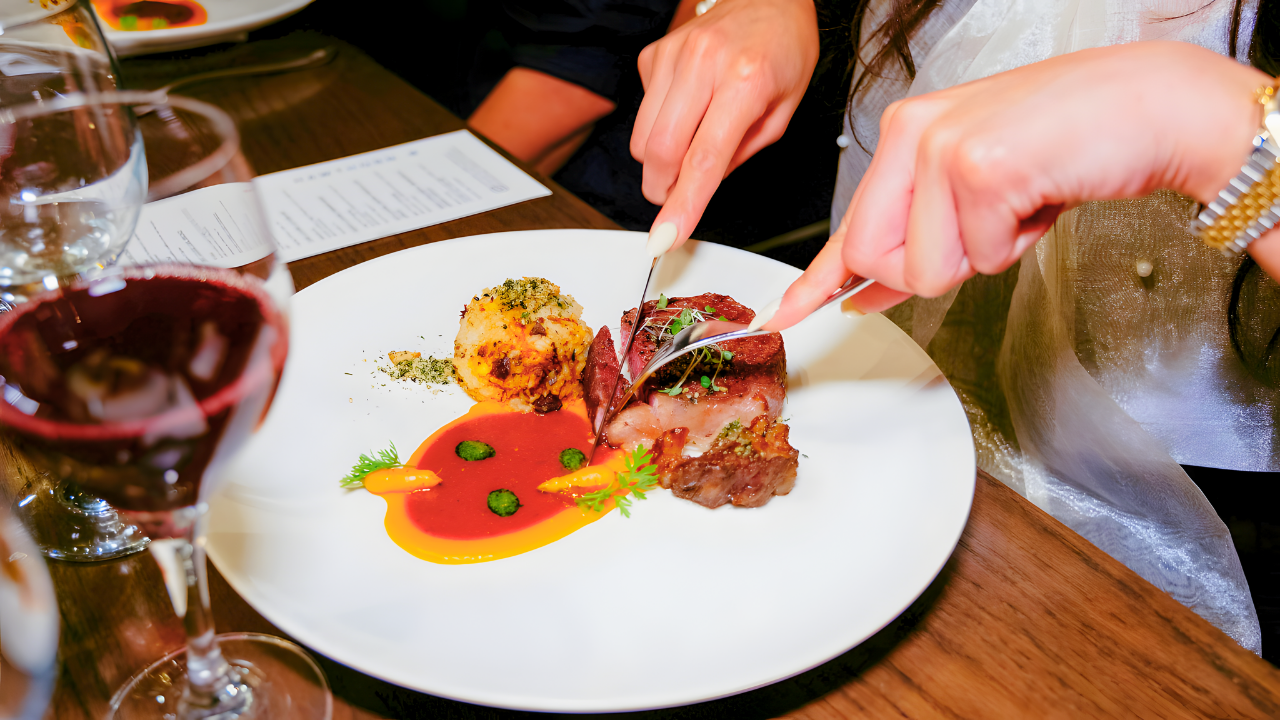
A cream‑embossed letter dispatched from Clarence House on 17 November 2022 carried a direct decree: foie gras would no longer grace any royal residence, as confirmed in correspondence cited by animal‑rights campaigners and UK media. This move, spearheaded by King Charles III, transformed a longstanding luxury into a marker of the monarchy’s ethical boundaries, spotlighting a broader array of dietary restrictions shaped by health, welfare, and diplomacy.
How Strict Is the Royal “No” List?
Royal menus undergo meticulous scrutiny, blending health safeguards, animal welfare, and image considerations, according to former royal staff and chefs. Former chefs and butlers report that certain foods face outright bans at official events, while others are discouraged during public duties to avert disruptions like food poisoning or unflattering optics. These choices prioritize reliability, especially amid packed schedules where illness could derail international engagements and high‑profile appearances.
Who Sets the Rules—and When They Apply
Guidelines evolved from Queen Elizabeth II’s travel‑era caution, now infused with Charles’s focus on environment and ethics. Enforcement peaks at state banquets, overseas trips, and receptions, where risks to diplomacy and security loom large. Privately, the family sometimes bends the rules—Prince William and Catherine, for instance, have spoken about enjoying sushi and other foods that are treated more cautiously on official tours.
Food #1: Foie Gras
Produced by force‑feeding ducks or geese to enlarge their livers, foie gras has drawn welfare backlash for decades. Charles banned it from his households long before extending the prohibition palace‑wide post‑accession, in line with UK rules that bar domestic production and with a growing number of retailers shunning imports. Animal‑rights advocates praised the step as influential, given the royals’ prominence in shaping consumer trends and hospitality norms.
Food #2: Shellfish
Shellfish like clams, oysters, mussels, and prawns seldom appear at official engagements, particularly abroad or when dining out on duty. Prone to bacteria, viruses, and toxins if mishandled, they pose acute poisoning risks that could sideline royals for days. Former butler Grant Harrold has called it “a very sensible move” to avoid seafood when out on public duties, citing shellfish poisoning and their packed schedules. More recent coverage notes that while King Charles may sometimes eat shellfish in private, shellfish remains a high‑risk choice that is typically avoided at formal, work‑related events.
Food #3: Tap Water Abroad and the Bottled‑Water Rule
Royals often opt for sealed bottled water overseas, sidestepping tap sources in higher‑risk areas—a standard precaution echoed by travel health advice. At home, Queen Elizabeth II was reported to prefer Hildon Natural Mineral Water, which has held a Royal Warrant and now a King’s Warrant, reflecting its long‑standing place on royal tables. This reinforces a broader pattern of controlled, trusted water sources rather than casual reliance on unfamiliar taps abroad.
Food #4: Garlic
Garlic vanishes from state banquets and public events, despite no blanket private ban. Its lingering odor risks awkward close encounters, handshakes, and media close‑ups. Queen Camilla affirmed this on “MasterChef Australia,” calling garlic “a no‑no” for royal engagements because the family is constantly talking to people at close range. Former royal chefs have likewise said they “can never serve anything with garlic” for formal palace events.
Food #5: Rare or Raw Meats
Rare or raw meats are generally discouraged at official functions, especially out‑of‑palace or abroad, due to bacterial threats from uneven cooking amid variable standards. Former royal chef Darren McGrady has explained that Queen Elizabeth II preferred her meat cooked through and that safer internal temperatures are a priority for royal menus. Travel‑health guidance backs the same caution with undercooked meats, making well‑done dishes the default when the stakes of illness are high.
Food #6: Long‑Held Soups and Stews
Soups and stews made in large quantities and held warm for extended periods can raise food‑safety concerns at big events, since improper holding temperatures invite bacterial growth. For state occasions and large receptions, royal caterers are reported to favor dishes that travel and hold safely over long service windows, steering away from anything especially high‑risk in a banquet‑style environment. This doesn’t mean such dishes never appear, but that they are chosen and managed conservatively when hundreds of guests are being served at once.
Food #7: Bulky Square Sandwiches at Formal Teas
Afternoon teas at royal residences and formal events typically feature crustless fingers or triangles rather than bulky square sandwiches. Etiquette and palace‑style guidance emphasize neat, photogenic bites that can be eaten in one or two mouthfuls during standing chats and photo opportunities. While square sandwiches may appear in informal or private settings, the formal standard—especially when cameras are present—leans toward slim fingers and triangles.
Food #8: GM Foods
Charles’s long‑standing advocacy for organic and traditional farming methods tends to sideline genetically modified produce on official menus. Public statements and commentary over the years show his skepticism toward GM crops and preference for seasonal, local, often organic items, which strongly influences royal catering choices. As King, that emphasis on low‑input and sustainable sourcing continues to shape what appears on menus at major royal events.
Food #9: Alcohol from Unvetted Sources
Alcohol flows at events but is expected to be served through trusted palace or vetted venue staff, in line with tight security and tampering‑prevention protocols. Reports on royal banquets describe carefully controlled service, with food and drink subject to security checks rather than being accepted from unknown individuals or unsolicited offers in crowds. For high‑profile figures whose safety is paramount, avoiding drinks from strangers is simply an extension of broader security practice.
Food #10: Travel Protocols and Global Public‑Health Lessons
Avoiding shellfish, tap water in higher‑risk regions, and undercooked meats during travel mirrors common tourist advisories and World Health Organization–style food‑safety guidance. These habits showcase evidence‑based caution worldwide, especially for high‑profile figures whose illness could disrupt diplomacy and state visits. At the same time, younger royals have shown they are willing to enjoy items like sushi in controlled, reputable settings, reflecting how personal taste and modern dining culture intersect with long‑standing precautions.
The Next Course: Ethics, Safety and Image
Younger royals like William and Catherine have openly said they enjoy sushi and other cuisines privately, suggesting gradual shifts in personal tastes even as formal protocols remain cautious. Across the hospitality sector, royal‑adjacent coverage shows a growing focus on safe, sustainable, and camera‑friendly fare that can withstand both public‑health scrutiny and social‑media close‑ups. As welfare, sustainability, and health debates grow, royal choices offer one visible model for institutions trying to balance tradition with environmental concerns, food‑safety science, and the realities of modern public life.
Sources:
“King Charles: Foie Gras Banned at Royal Residences.” BBC News, 17 Nov 2022.
“King Charles: Foie Gras Banned in All Royal Residences.” Evening Standard, 17 Nov 2022.
“King Charles Bans Foie Gras From All Royal Households.” Animal Equality UK, 24 Nov 2022.
“This Is the One Food Royals Can’t Eat, According to Camilla.” Glamour, 7 Jul 2018.
“7 Foods the British Royal Family Never Eats and Why.” The Times of India, 9 Oct 2025.
“Why Queen Elizabeth Always Brought Her Own Water While Abroad.” Tasting Table, 14 Sep 2022.