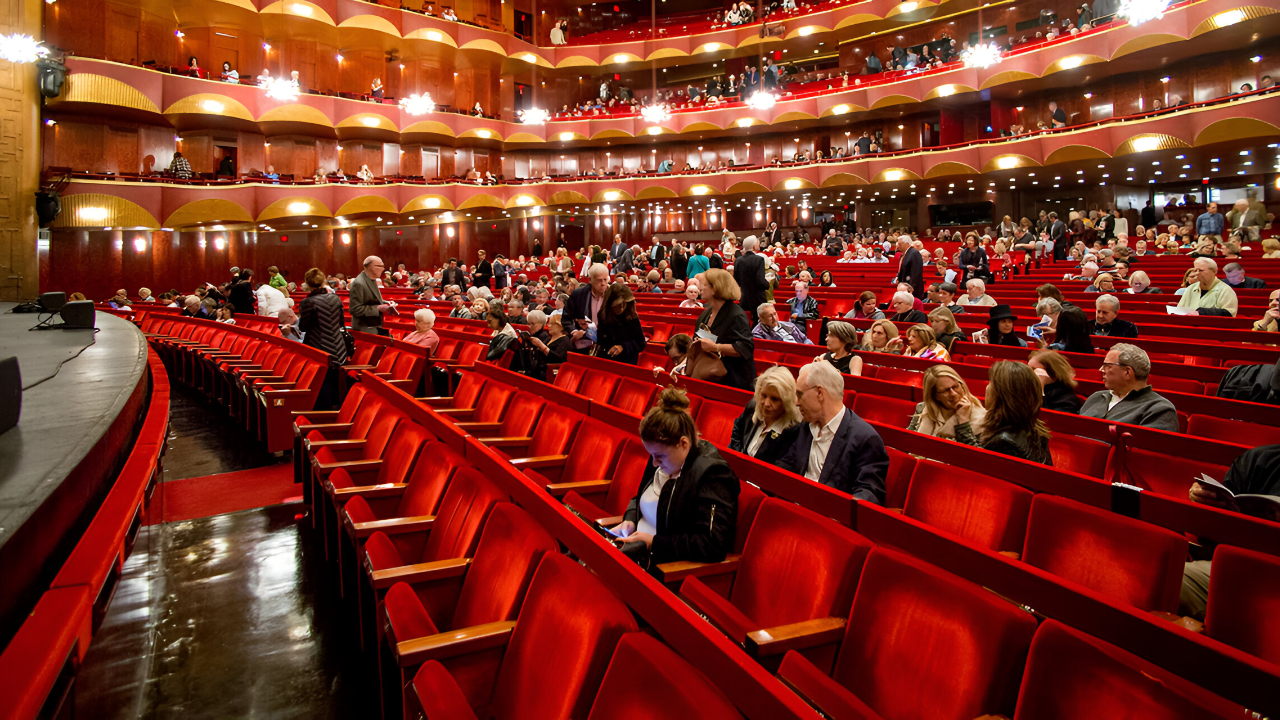
One of America’s most prestigious cultural institutions just announced sweeping cuts after decades of uninterrupted prestige. New York’s Metropolitan Opera, home to world-class singers and storied performances since 1966, has begun laying off staff and slashing executive pay.
The move signals deep financial strain beneath the glamorous surface. But the real story of what forced this moment remains partially hidden. What invisible force brought the Met to this breaking point?
Stakes Rise
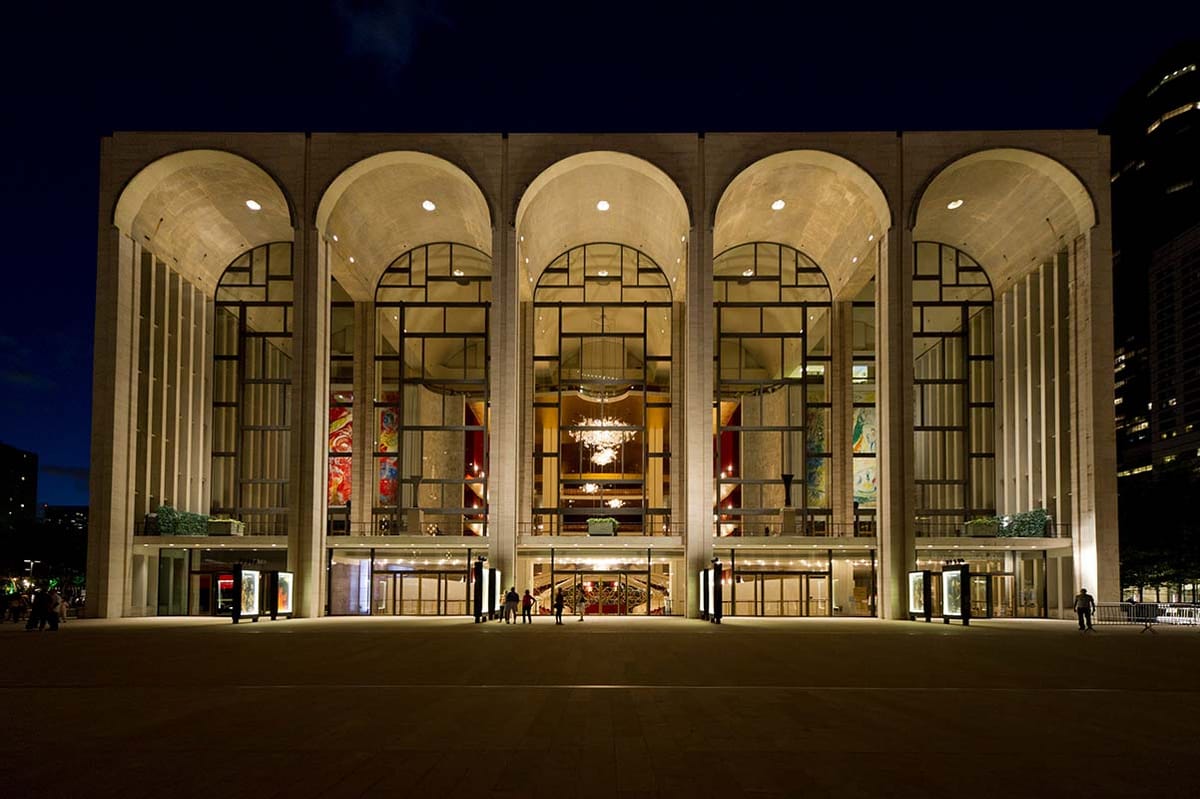
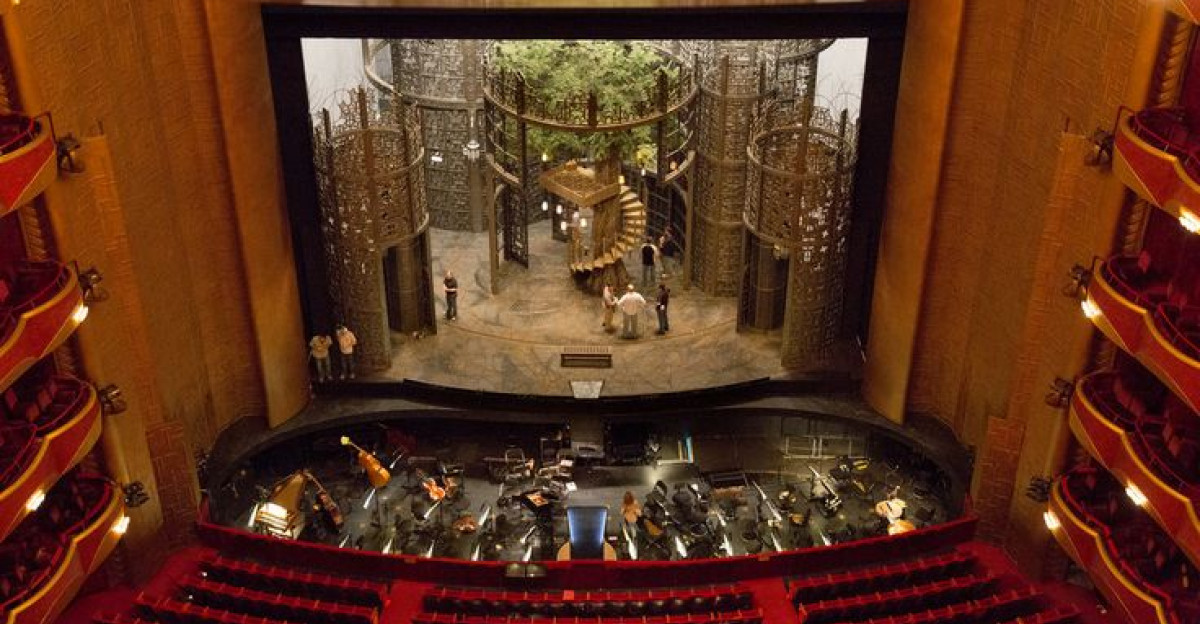
The Met is not just tightening its belt; it is considering selling its own name and the world-famous Marc Chagall murals, valued at $55 million, to stay afloat. Management has also begun renting its 3,800-seat Lincoln Center theater to pop artists during dark periods, a move that would have been unthinkable five years ago.
These are not prudent cost-controls; they are desperation measures. The once-untouchable cultural crown jewel is now open to any bidder willing to pay the price.
A House Built on Endowment
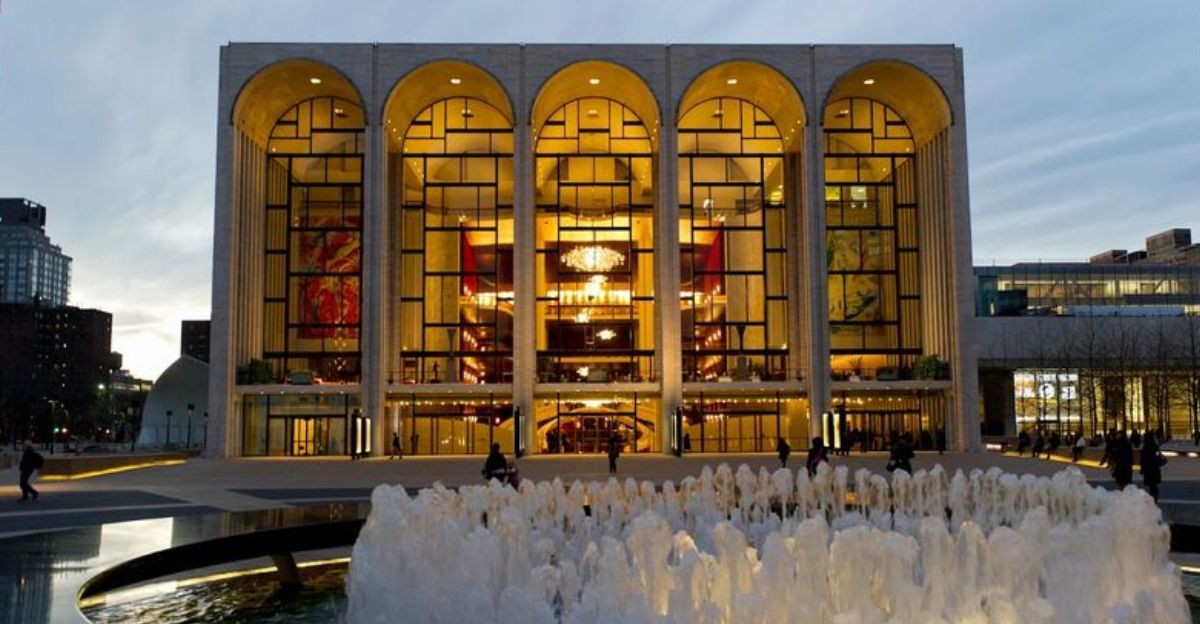
The Metropolitan Opera’s financial model relied on a simple formula: ticket revenue covers operations, while the endowment, a massive investment fund, provides stability during lean years. This fortress-like approach worked for decades, allowing the Met to weather recessions and shifting tastes.
The endowment was supposed to be untouchable, a generational safety net. But that assumption has crumbled. The real vulnerability was more profound than anyone publicly acknowledged.
The Strain Accelerates
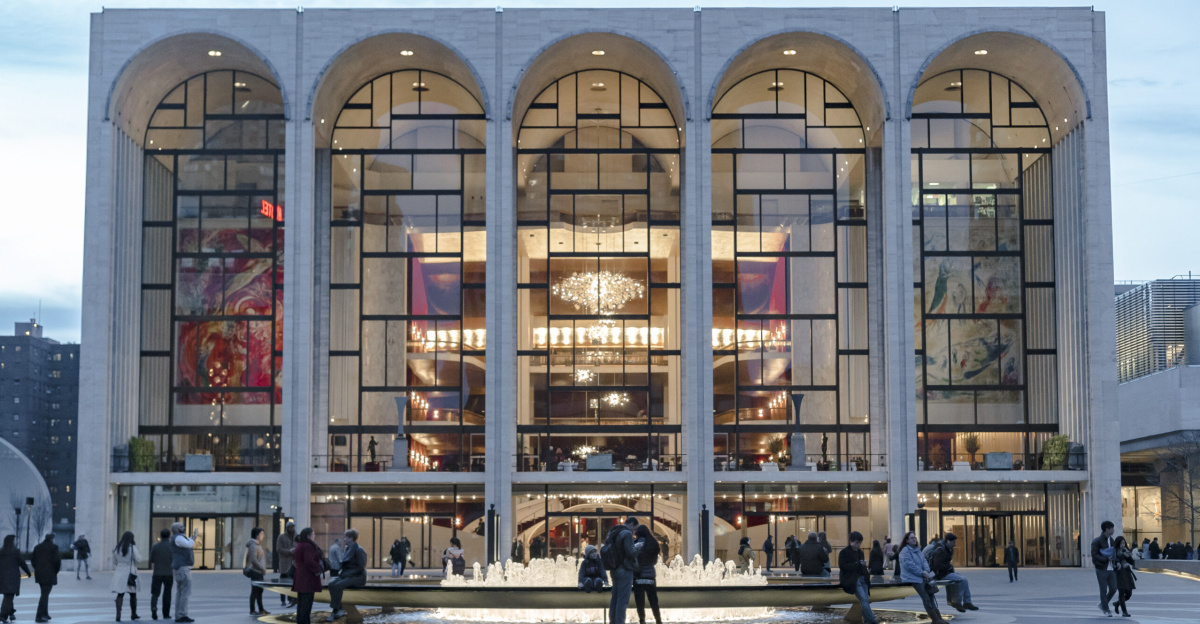
Over the past several years, the Met has faced mounting pressures: aging donor bases, declining ticket sales, rising production costs, and competition from streaming services and other entertainment.
Traditional opera audiences are aging, and younger demographics have not replaced them at sufficient rates. Administrative overhead has grown bloated. Each season carried a deficit that grew harder to ignore. By 2024–2025, the institutional math was no longer tenable.
The Rescue That Never Came

In September 2025, the Met signed a landmark deal with Saudi Arabia: a $200 million, 8-year agreement to fund performances at a new Royal Diriyah Opera House.
This was hailed as a lifeline, the external cash injection that would stabilize the institution and buy time for structural reform. But by January 2026, that money had still not arrived. The payout was delayed, then delayed again. Uncertainty over the Saudi funds forced management’s hand.
The Axe Falls in New York
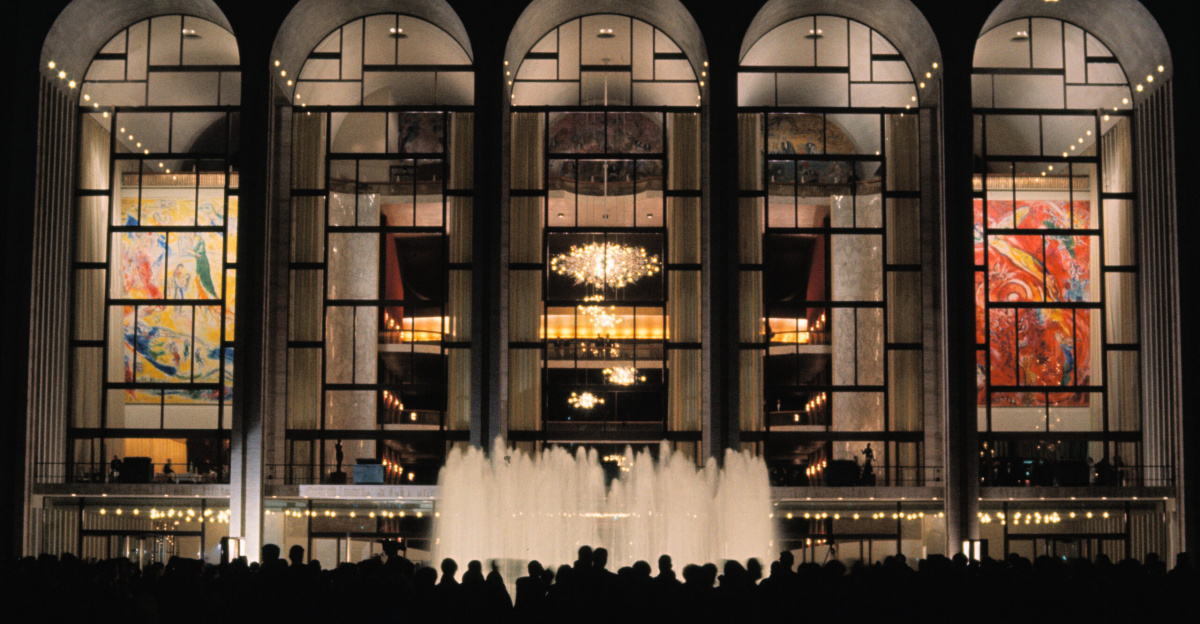
On January 19, 2026, the Met announced the elimination of 22 administrative positions from its staff of over 3,000. The cuts target back-office roles: finance, human resources, planning, and operations.
Additionally, 35 of the organization’s top-paid executives accepted temporary salary reductions of 4 to 15 percent. A new production scheduled for the 2026–2027 season will be postponed. The damage is real and immediate for those affected.
The Human Cost

Losing a job at the Met is not just an economic blow; it carries emotional weight. Some staff members have worked there for decades, part of a community that sees itself as custodians of cultural excellence. For New York, which prides itself on its arts ecosystem, each dismissal represents a crack in the institutional foundation.
The layoffs also come at a time when the broader economy is fragile. These are families losing a stable, middle-class income in a high-cost city.
The Pricing Trap

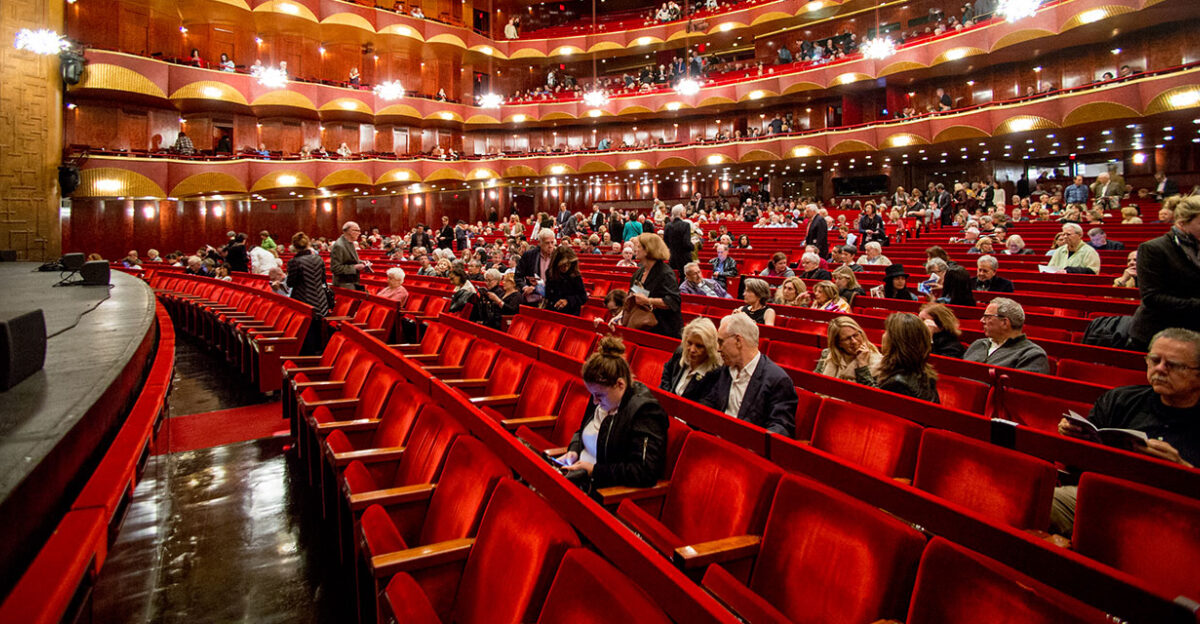
The Met’s ticket strategy has inadvertently created a barrier to younger audiences. Standard seats cost up to $800, pricing out all but the wealthy and elite patrons. While the Met does offer a limited number of $40 subsidized student tickets, that program reaches only a fraction of potential young opera-goers.
This pricing structure, once a sign of exclusivity, has become a liability as the donor base ages and new audiences fail to materialize. The financial model is literally excluding its future.
The Wider Arts Crisis

The Met’s troubles are not isolated. Major museums, orchestras, and theaters across the United States face similar pressures: inflation, labor costs, declining philanthropic support, and shifting entertainment habits.
The revenue-endowment hybrid model that sustained American high culture for a century is fracturing. COVID-19 accelerated closures and audience loss. Supply-chain inflation increased production costs. The sector is in collective distress, with the Met serving as a cautionary tale for peer institutions.
The Endowment Hemorrhage Revealed
Here is the hidden crisis: the Met has withdrawn approximately $120 million from its endowment principal in recent years, spending nearly half of the fund’s total reserves to cover operating deficits. This is not normal, prudent management; this is institutional burn-down.
Management has now committed to halting further endowment withdrawals, but the damage is done. The safety net that was supposed to last generations has been depleted in less than a decade. This is the real story.
Stakeholder Frustration Surfaces

Board members, donors, and longtime patrons have privately expressed frustration over years of management missteps and delayed strategic decisions. Some board insiders believe the organization waited too long to downsize and modernize operations.
Others point to bloated administrative salaries and inefficient spending on new productions that failed to attract audiences. The current cuts, while necessary, feel like a crisis response rather than visionary leadership. Trust in management is frayed.
Leadership in the Crosshairs
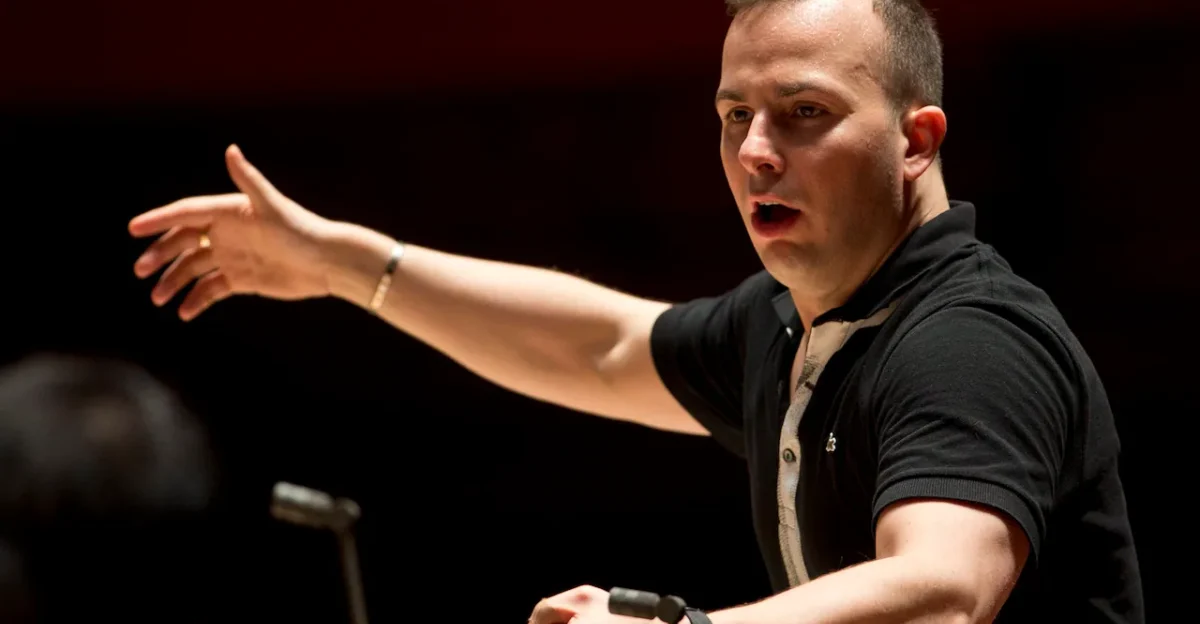
The Met’s leadership faces intense scrutiny. General Director Yannick Nézet-Séguin and President Peter Gelb have guided the organization through the pandemic and its aftermath. Still, questions linger about whether they moved fast enough to address structural problems.
Some opera critics and insiders argue that Gelb’s tenure has been marked by expensive, risk-heavy productions that drained resources without reliably selling seats. Whether either leader will survive this crisis remains uncertain.
The Naming Rights Gambit

In a bold move to raise capital, the Met has hired CAA Sports, a significant talent and sports agency, to explore selling the naming rights to the Metropolitan Opera House. Comparable deals in the sports and entertainment world have fetched $10–$20 million annually.
If successful, this deal could inject $100–$200 million over a ten-year term. But it also symbolizes a Rubicon moment: selling the institution’s identity to survive is a statement of desperation.
Expert Skepticism Grows

Music critics and cultural economists warn that cost-cutting alone cannot solve the Met’s structural problems. The real fix requires attracting younger, more diverse audiences and reimagining what opera means in the 21st century.
Simply cutting jobs while maintaining $800 ticket prices will only accelerate the decline. Some experts question whether the Saudi deal, if it ever fully materializes, will be enough to stabilize the organization in the long term. The outlook remains cloudy.
The Open Question

Will the Met emerge from this crisis leaner and more relevant, or will these cuts be merely the opening chapter of a more prolonged institutional decline? The delayed Saudi funding must eventually arrive for the strategy to hold.
Pricing reforms and outreach to younger audiences must accelerate. And the broader question of how Americans will fund high culture in an age of streaming and economic inequality remains unresolved. What comes next will define the Met’s future.
The International Dimension

The Saudi deal itself raises diplomatic and cultural questions. Saudi Arabia, despite its wealth, has been criticized for human rights concerns and limited artistic freedoms domestically. Why would the Saudi government fund the Met so generously? Some analysts suggest geopolitical soft power: positioning the Kingdom as a patron of world-class culture on the global stage.
The arrangement is mutually beneficial but also complex. Cultural prestige now carries an international dimension; the Met must navigate carefully.
Generational Wealth and Philanthropy Shifts
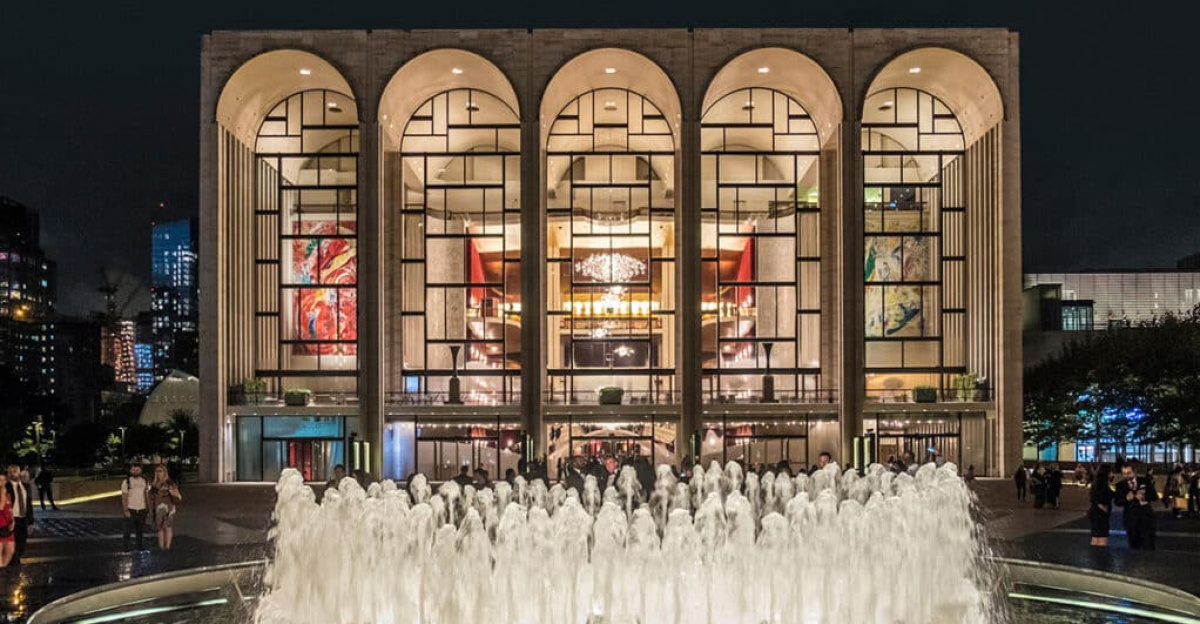
A deeper structural issue underlies the Met’s crisis: philanthropy in America is shifting. Older, ultra-wealthy donors who sustained the Met for decades are aging. Their heirs are less committed to opera and classical culture. Tax incentives for charitable giving have weakened.
Meanwhile, billionaires now prefer to fund their own vanity projects or tech-focused causes rather than traditional nonprofits. The Met must compete for philanthropic dollars against universities, medical research, and climate initiatives. The cultural priority has fallen.
Labor and Wage Considerations
The Met’s decision to impose pay cuts on executives while laying off lower-paid administrative staff raises equity questions. Are executives bearing sufficient burden relative to the workforce? Union contracts protect some worker benefits, but administrative staff often lack that protection.
The move could invite labor pushback and further reputational damage. In a city where wealth inequality dominates headlines, the Met’s choices will be scrutinized as either visionary sacrifice or convenient cost-shifting.
Opera’s Cultural Mortality
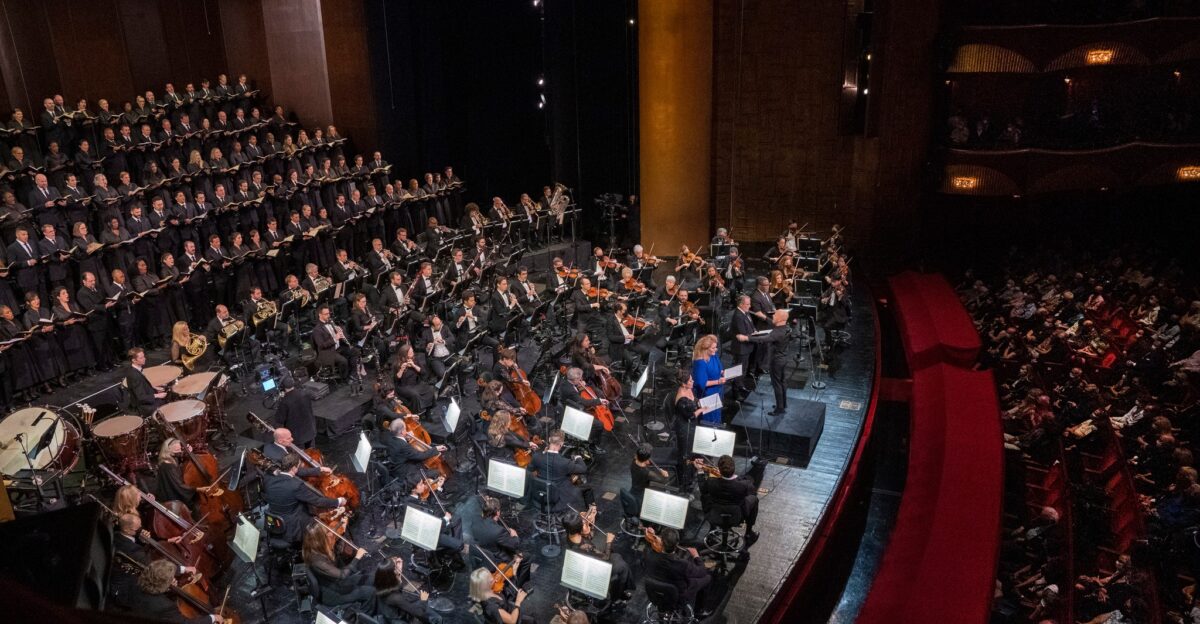
The Met’s crisis emblematizes a larger cultural anxiety in America: Is opera itself dying? Attendance at opera houses nationwide has declined for thirty years. Young people do not grow up learning operatic tradition as previous generations did.
Digital entertainment offers instant gratification. High-culture institutions that once seemed immortal now feel vulnerable. The Met’s crisis is not just about management or money; it is about whether a 150-year-old art form can survive in a radically different cultural ecosystem.
What This Signals
The Metropolitan Opera’s financial unraveling is a mirror held up to American culture and philanthropy. If the nation’s flagship opera house, endowed, prestigious, and financially privileged, cannot sustain itself, what does that say about the health of high art in America? The crisis demands not just corporate belt-tightening but fundamental questions: Who funds culture? What role should the government play? How do institutions remain relevant without abandoning their core mission? The Met’s future will offer answers that ripple far beyond Lincoln Center.
Sources:
New York Times – Despite Drastic Financial Steps, Met Opera Turns to Saudi Arabia for Support
OperaWire – Metropolitan Opera Announces Layoffs, Salary Cuts & Postponement of a New Production
BroadwayWorld – Metropolitan Opera Announces Layoffs, Salary Cuts, and Reduced Programming Amid Ongoing Financial Challenges
ABC7 New York/Yahoo News – Metropolitan Opera House announces layoffs, salary cuts amid financial woes: report
The Art Newspaper – Metropolitan Opera considers selling multi-storey Chagall murals to stay afloat
Semafor – Saudi Arabia lures The Met Opera with $200 million opera deal