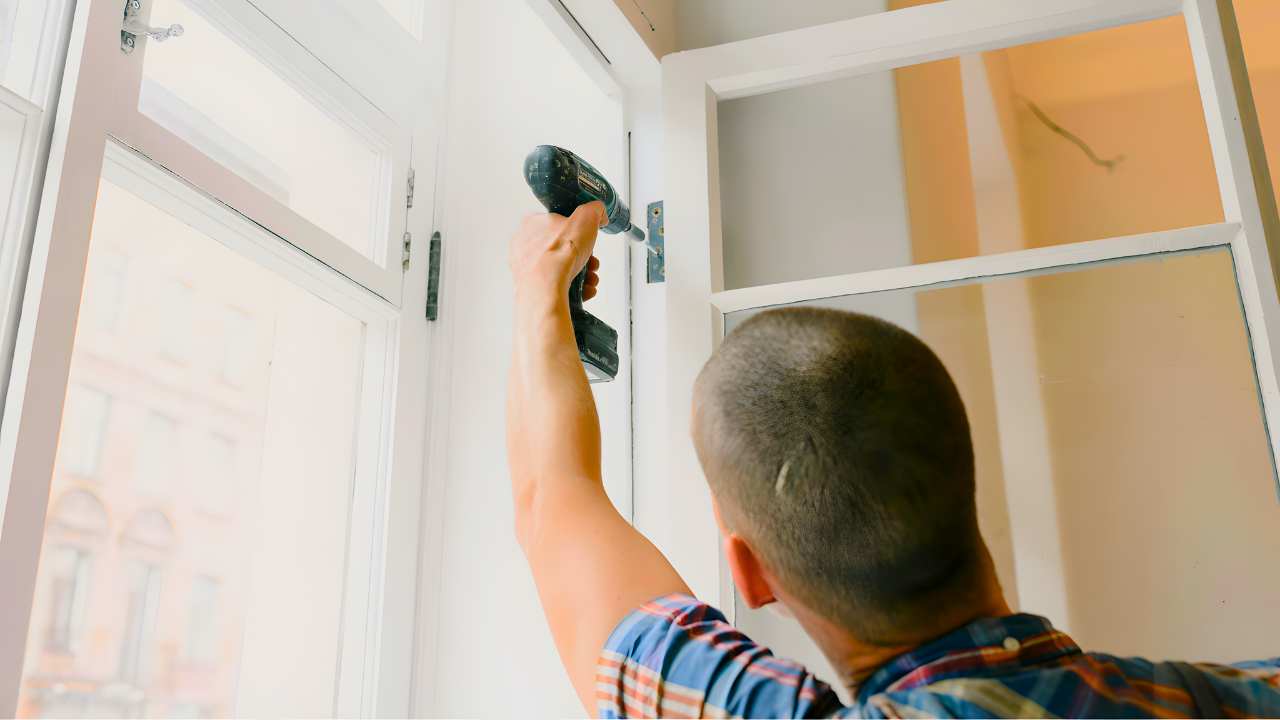
When a washing machine failed in a Baby Boomer household, the response was often immediate: grab the toolbox and repair it. This self-reliant reflex, forged in an era of fewer consumer options and more limited services, contrasts with Millennials’ world of endless choices, instant feedback, and optimized decisions. These generational differences reveal a wisdom gap in handling discomfort, money, relationships, and daily challenges, rooted not in character but in conditioning.
Embracing Discomfort as Normal
Boomers often viewed life’s frictions—unfulfilling jobs, rigorous schooling, demanding relationships—as routine parts of existence, not personal failures. This mindset aligns with what psychologists describe as distress tolerance, a key resilience factor enabling people to endure hardship without panic or premature retreat.
Millennials, guided by ideals like “follow your passion” and “don’t settle,” are more likely to interpret such hurdles as signs that something is fundamentally wrong, which can contribute to anxiety. Boomers tended to normalize discomfort; Millennials are more inclined to question it.
Keeping Progress Private
Life milestones for many Boomers unfolded without fanfare—no social media posts seeking likes for graduations or promotions. Achievements were largely shared within close circles, which could help build a sense of inner strength less dependent on broad external validation.
Millennials came of age in an era of curated online sharing where audience approval can accompany every step, potentially fostering emotional fragility when affirmation wanes. Greater privacy often preserved Boomers’ solidity; constant publicity tests Millennials’.
Mastering Repairs Over Replacement
Boomer homes frequently doubled as workshops: fixing cars, appliances, and fences was common and often economically necessary, cultivating practical competence, a pillar of self-determination theory’s intrinsic motivation. This hands-on approach reinforced problem-solving confidence
Millennials navigate a more disposable consumer landscape of fast fashion, short phone lifecycles, and products where repairs can exceed replacement costs. Self-reliance more strongly shaped many Boomers’ identities; convenience and cost-benefit calculations more often define Millennial practicality.
Building Wealth Through Patience
Boomers absorbed broadly frugal habits: save first, avoid unnecessary debt, and prioritize stability. In many countries during their early adulthood, typical home prices were only a few times median household income, and borrowing requirements were lower relative to prices than they are today, making access to ownership generally easier for average earners. This context rewarded delayed gratification and long-term thinking.
Millennials face substantially higher barriers to homeownership, including larger deposit gaps and higher effective price-to-income or deposit-to-income multiples than previous generations, alongside widespread student loan burdens that often average around 40,000 dollars in the United States. Boomers were more likely to treat money as quiet power; Millennials more often grapple with temptation, structural barriers, and instability.
Choosing Silence Over Reaction
Social norms emphasized restraint for many Boomers: avoid needless confrontations and let minor issues pass. Emotional maturity was often equated with selective response and keeping the peace.
Online culture exposes Millennials to constant prompts for instant opinions and outrage, rewarding hot takes and rapid reactions. Boomers more often wielded silence strategically; Millennials more often express freely, sometimes at resilience’s cost.
Commitment as Duty, Not Emotion
Boomers who could secure steady work often stuck with jobs, relationships, and communities through imperfections, viewing loyalty as a core part of adulthood. Psychological research supports the idea that consistent, enduring actions help strengthen bonds over time.
In a world of expanded options—dating apps, job-hopping opportunities, and remote work—Millennials are more likely to view persistence as one choice among many. Boomers often learned that value emerges from staying; Millennials weigh constant alternatives.
These divides extend to technology and culture. Boomers tinkered with mechanical tools and early technologies, more directly grasping cause and effect and building a sense of personal agency. Millennials rely more on opaque digital systems and algorithms, which can foster both efficiency and dependency. Social media’s dopamine loops, absent in Boomers’ youth, now shape Millennial and younger users’ habits; several widely cited analyses estimate that people check their smartphones roughly 150 times a day, underscoring how frequently attention is drawn back to devices.
Structural realities amplify these difference
Boomers in many markets experienced relatively more accessible paths into homeownership and longer job tenures, helping them build equity and local belonging. Millennials are more likely to confront gig or contingent work, digital overload, and performance pressure from an early age, alongside higher education and housing costs.
Yet wisdom transcends generations
Boomers offer resilience through habits learned under material and social constraints; Millennials bring heightened awareness, flexibility, and adaptability to rapid change. Learned behaviors—like deliberate self-reliance, financial patience, or more restrained sharing—can cross-pollinate across age groups. Every cohort faces unique pressures—Boomers’ more visible hardships, Millennials’ more invisible psychological and economic ones—highlighting that true insight lies in blending strengths, fostering whole-person growth amid evolving challenges.
Sources:
VegOut Magazine Dec 2025 generational lessons feature
Psychology Today 2024 distress tolerance & resilience
American Psychological Association 2023 social media validation research
Self-Determination Theory archives (Deci & Ryan intrinsic motivation)
U.S. Census Bureau 2024 housing affordability analysis
National Student Loan Data System federal debt statistics