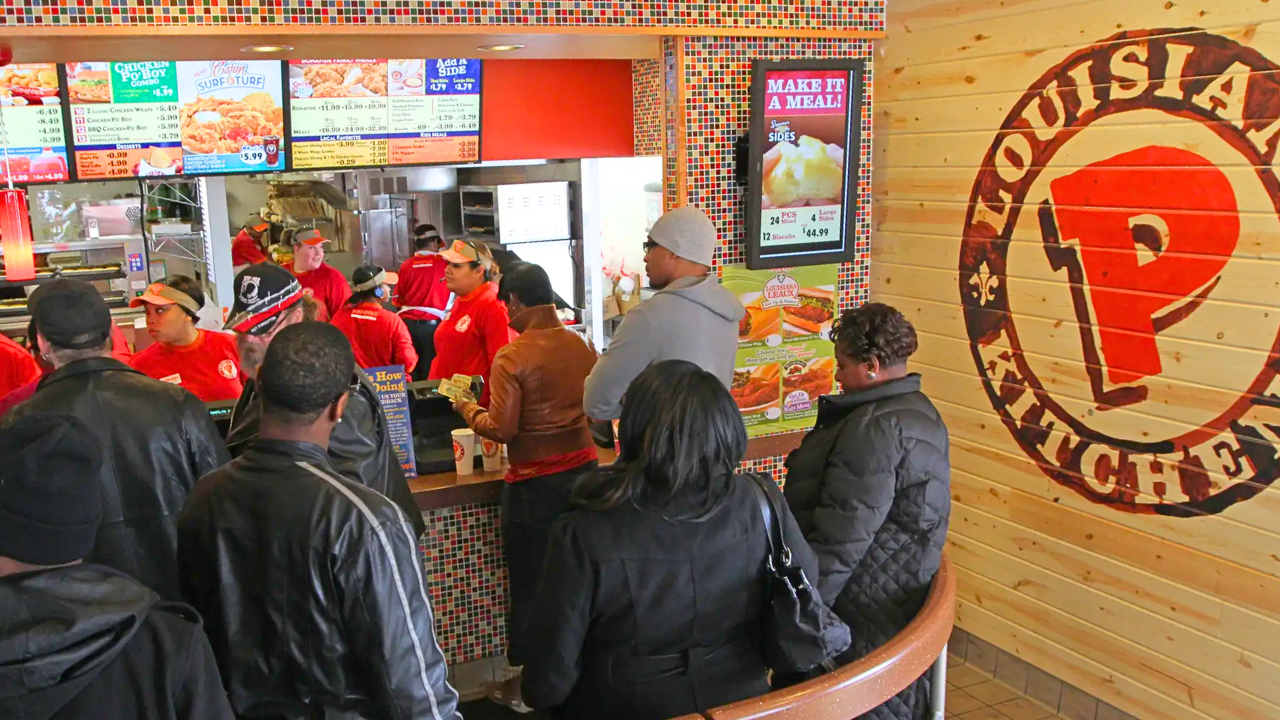
January 15, 2026 — In the Southern District of Florida, Sailormen Inc. filed for Chapter 11 bankruptcy protection, affecting one of the largest Popeyes franchisees in the U.S.
The Miami-based Popeyes franchisee, which operates over 130 locations across Florida and Georgia, reported roughly 129–130 million dollars in secured debt tied primarily to its lending relationship with BMO Bank, according to court filings.
The filing indicates the company reached a financial breaking point after years of accumulating obligations.
The Bankruptcy Surge
Late 2025 and early 2026 saw a wave of restaurant bankruptcies, including brands such as Pieology Pizza, which filed for Chapter 11 in December 2025.
Many of these companies cited high debt loads and pressure on traffic and margins, suggesting a broader pattern of financial strain in the restaurant sector.
Sailormen’s Legacy
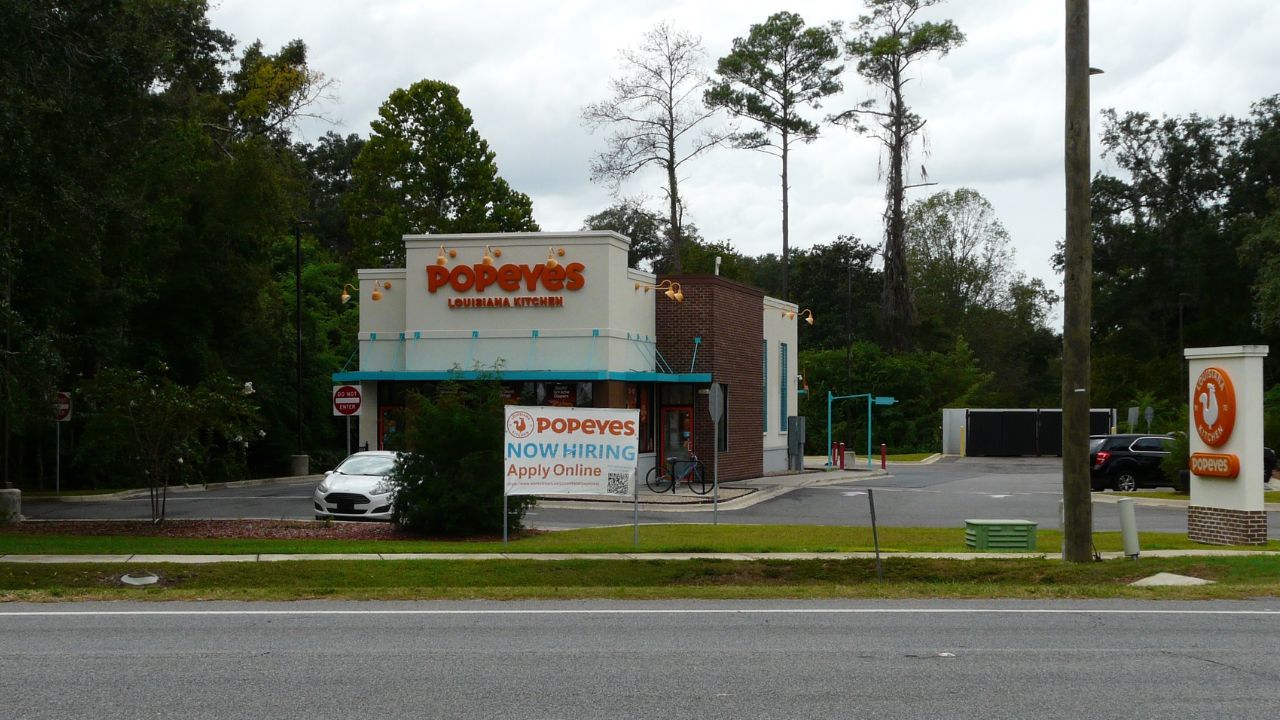
Founded in 1984 and acquired by its current leadership in 1987, Sailormen Inc. became one of the largest Popeyes operators in the United States.
Over the decades, the company expanded across multiple regions before concentrating its operations in Florida and Georgia.
Despite that strategic focus, rising costs and other pressures eventually weighed on the business, according to bankruptcy and lender documents.
Financial Strain
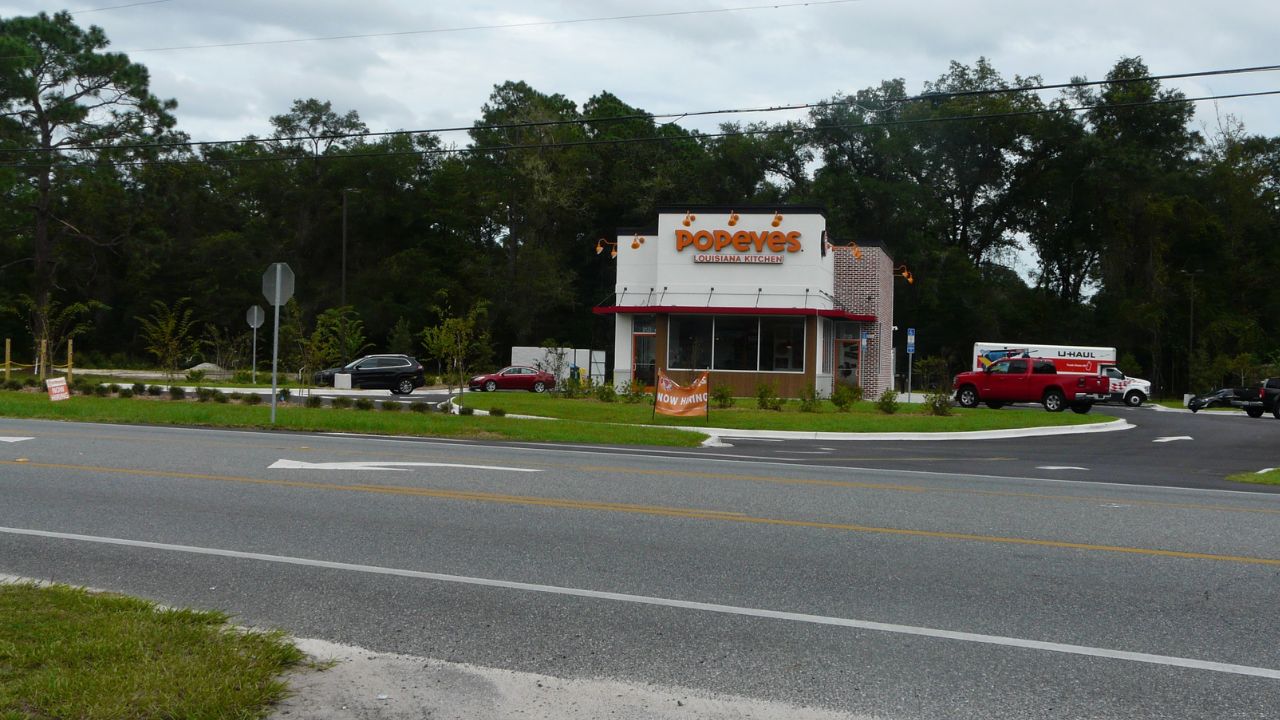
By 2025, Sailormen was under pressure from higher food and labor costs, as well as elevated borrowing rates, consistent with trends affecting many restaurant operators.
Court and lender documents show that the company experienced declining sales and earnings, and BMO described Sailormen as effectively insolvent before the filing.
A failed effort to sell a group of Georgia locations in 2023 also appears in case-related reporting as a missed opportunity to reduce obligations.
Filing for Chapter 11
On January 15, 2026, Sailormen filed for Chapter 11 bankruptcy protection in the U.S. Bankruptcy Court for the Southern District of Florida.
Filings indicate Sailormen has assets and liabilities in the hundreds of millions of dollars, with approximately 129–130 million dollars owed to BMO and additional obligations to landlords and vendors.
The filing followed litigation in which BMO sought to have a receiver appointed to take control of the company.
Local Impact
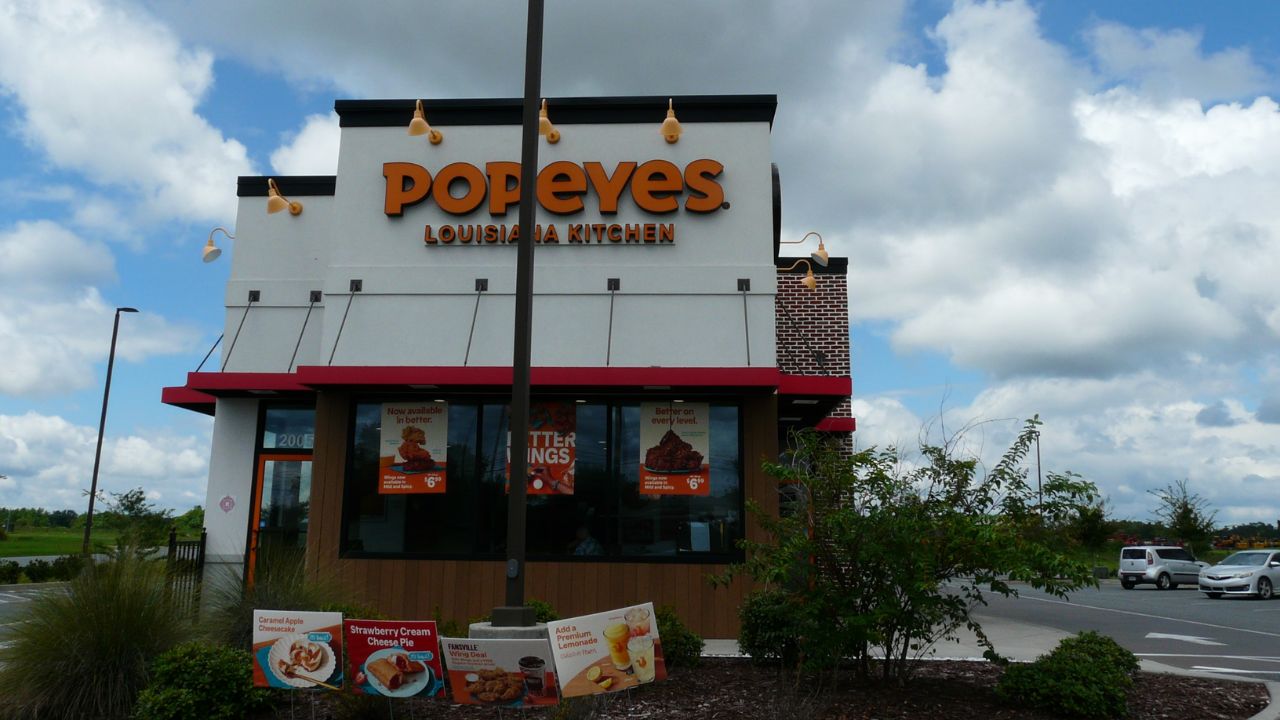
The bankruptcy filing covers more than 130 Popeyes restaurants in Florida and Georgia, which together represent a significant share of the chain’s presence in parts of those states.
Court and news reports indicate that Sailormen’s financial issues have implications for landlords, suppliers, and service providers exposed to unpaid bills and lease commitments.
Job Losses Loom
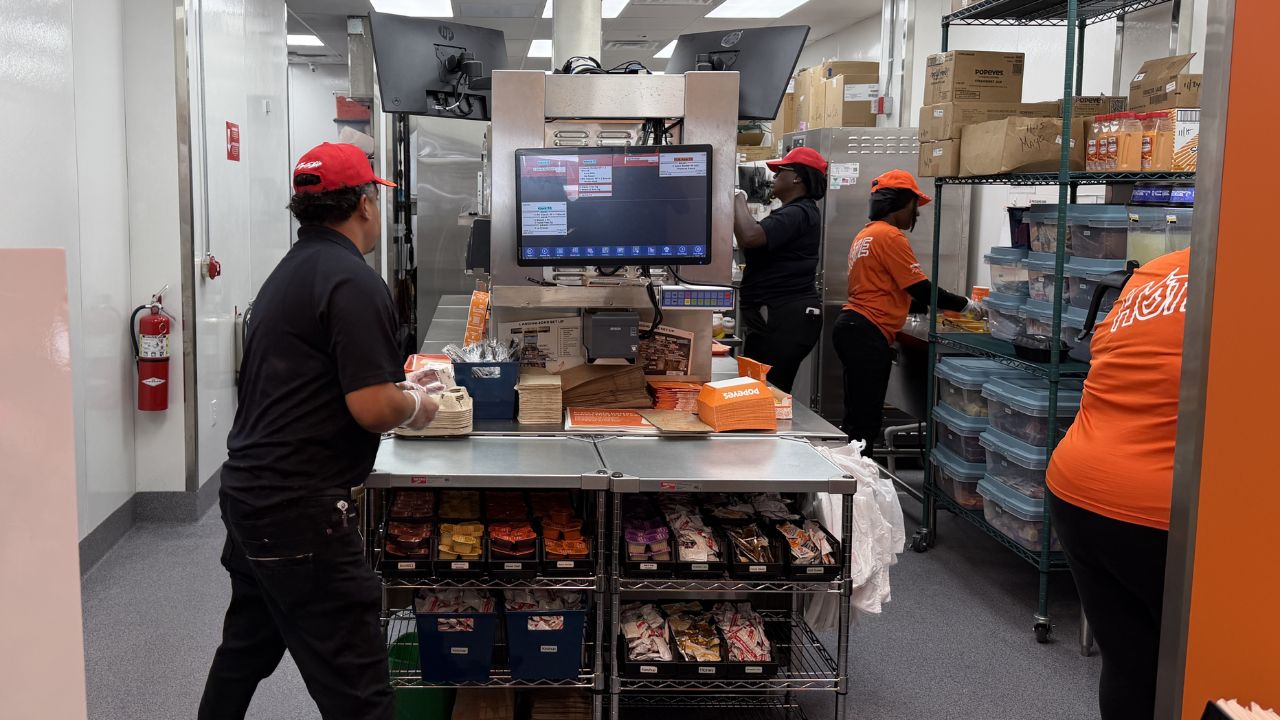
Filings and news coverage indicate Sailormen employs more than 3,000 workers across its restaurants, with one widely cited figure of about 3,272 employees.
Under Chapter 11, the company is allowed to continue operating while it restructures, but the long‑term status of all locations and positions remains uncertain.
Industry-Wide Struggles
Sailormen’s case comes amid similar Chapter 11 filings by other franchise operators, including Del Taco’s Matador Restaurant Group and Burger King franchisee Consolidated Burger Holdings.
These companies also cited heavy debt and cost pressures, illustrating how smaller and mid-sized franchisees can be particularly vulnerable to inflation and weak traffic, while better-capitalized operators may be positioned to acquire distressed assets.
Economic Pressures

High inflation, labor shortages, and elevated interest rates have been widely documented as challenges for U.S. restaurants in recent years.
Operators have faced higher food input costs and wage bills at the same time that financing has become more expensive, putting sustained pressure on profit margins.
The Failed Asset Sale
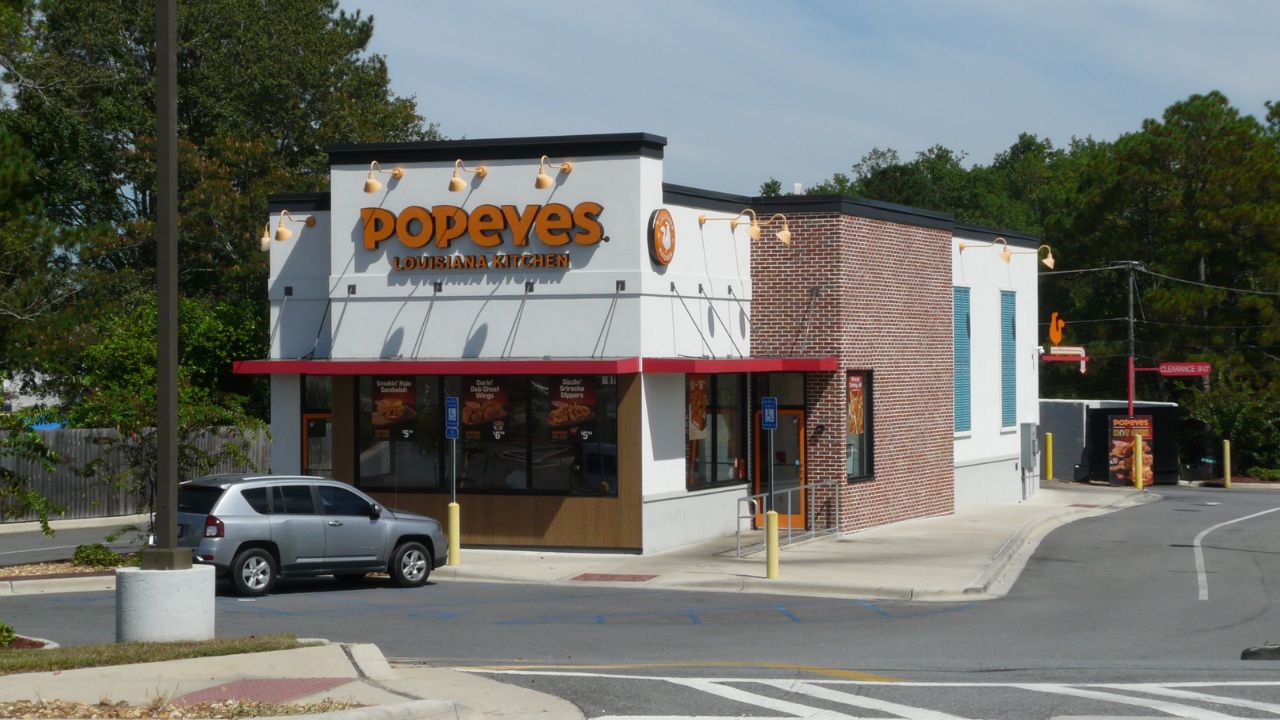
In 2023, Sailormen agreed to sell 16 Georgia locations to another operator, but that deal did not close.
As a result, the company retained associated leases and obligations, which contributed to its ongoing financial strain, according to reporting and case summaries.
Lender’s Pressure
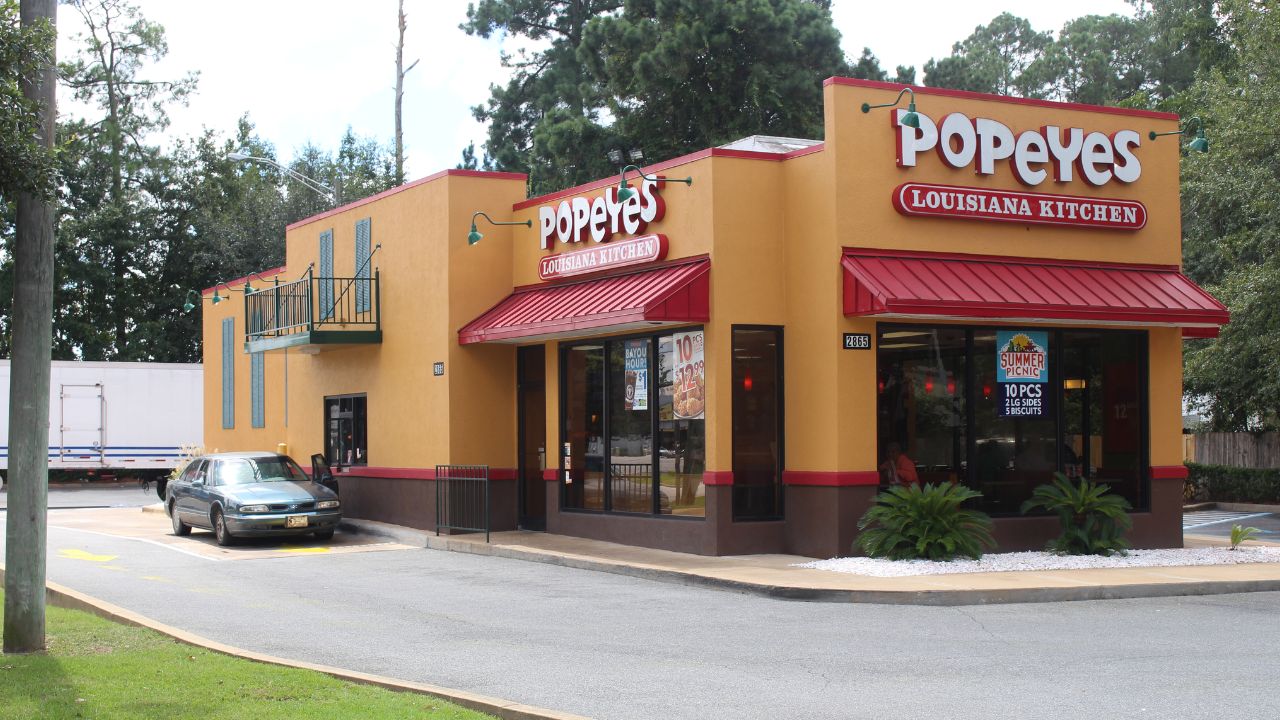
BMO, Sailormen’s primary secured lender, sued the company in December 2025 seeking the appointment of a receiver and alleging defaults under loan agreements.
In its pleadings, BMO asserted that Sailormen had stopped making required payments and was effectively unable to meet its obligations without exhausting available cash for operations.
Sailormen’s Debt Breakdown
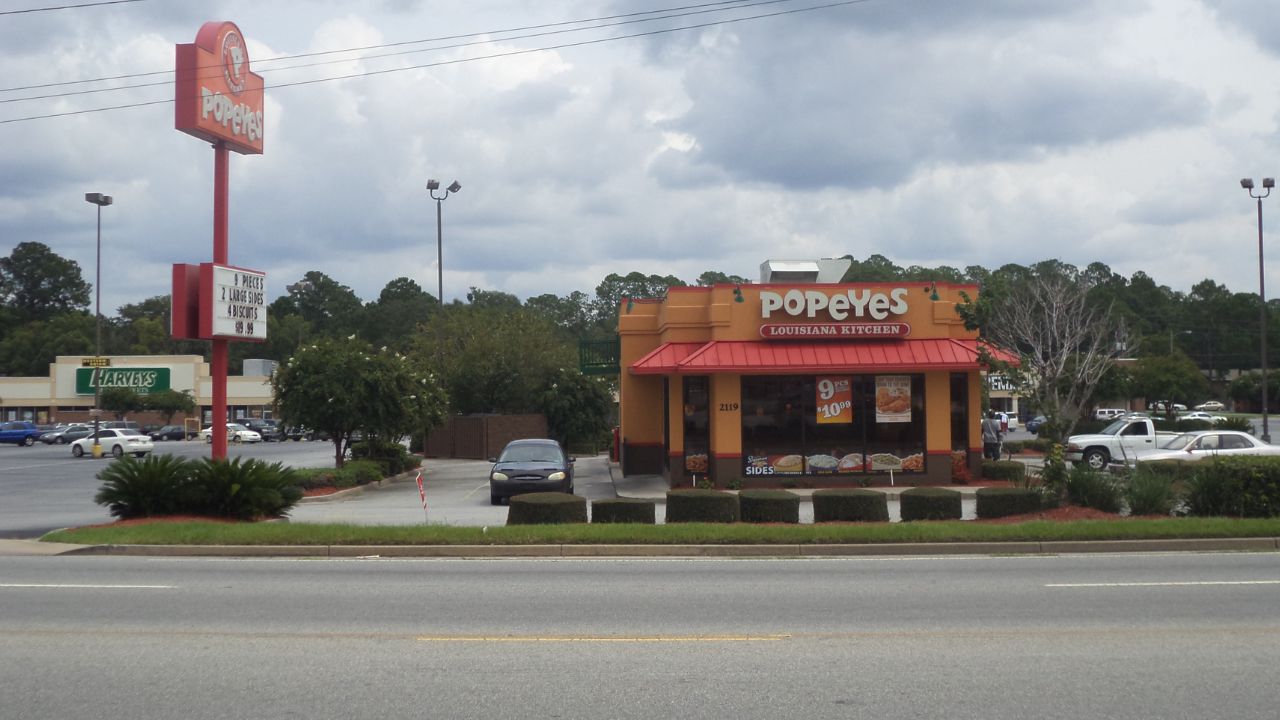
According to court filings and case summaries, Sailormen owes about 129–130 million dollars to BMO and has additional liabilities to landlords and trade creditors.
Reports indicate the company generated roughly 223–233 million dollars in sales in 2025 but still recorded an operating loss in the high‑teens of millions of dollars.
Support from Popeyes
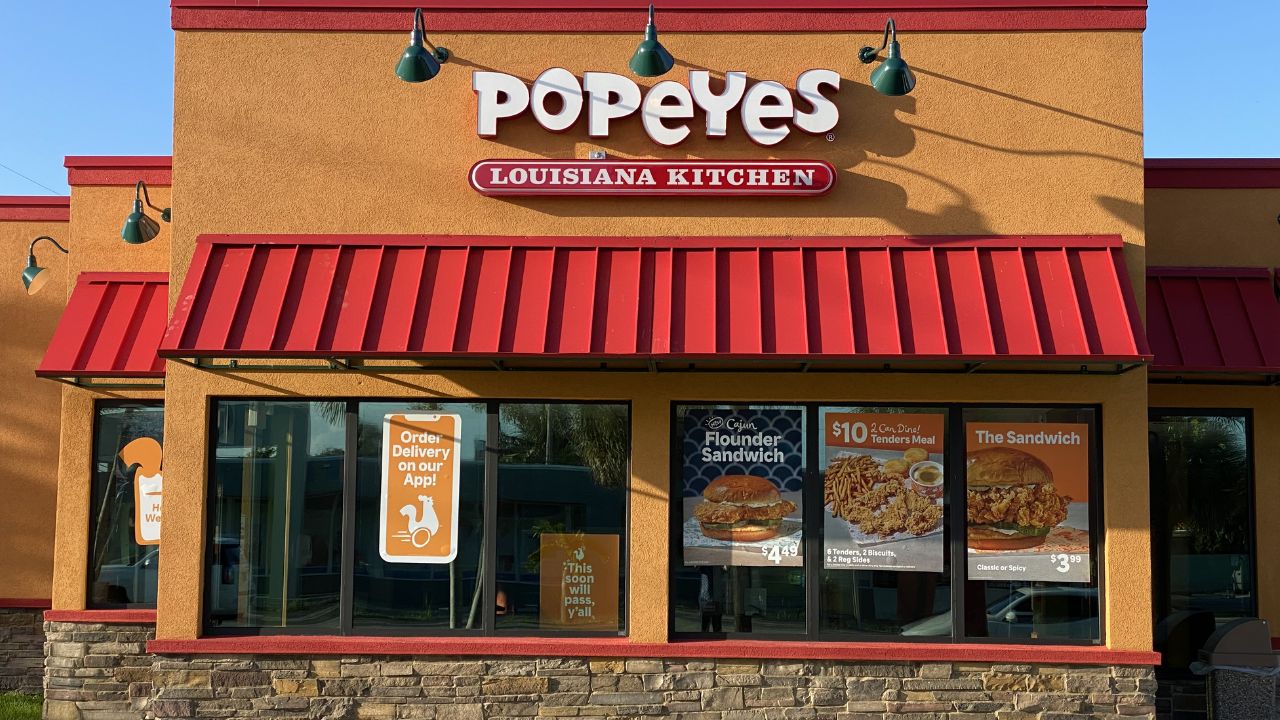
Industry coverage notes that Popeyes’ U.S. leadership, including brand president Jeff Klein, has communicated to franchisees that Sailormen’s filing does not reflect the overall health of the Popeyes system and that corporate is engaged in the process.
Those communications emphasize that many Popeyes restaurants, including Sailormen-operated units, remain profitable at the store level according to the brand.
A Path Forward for Sailormen
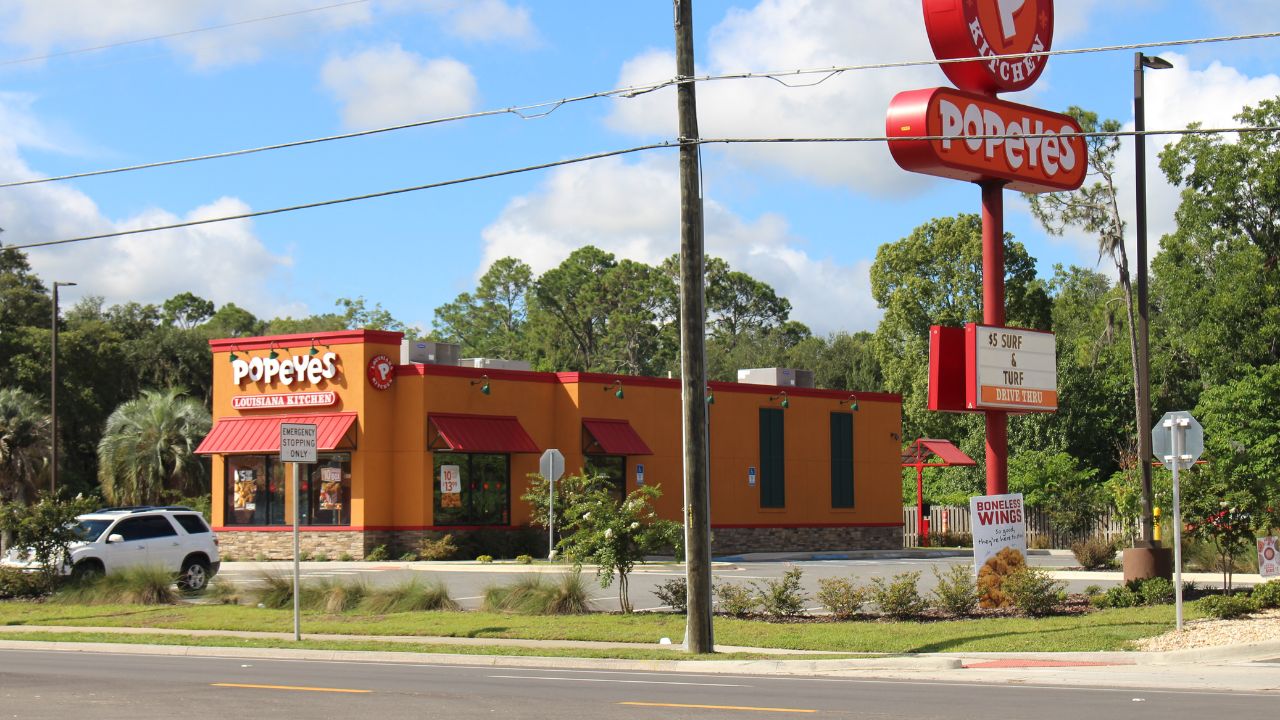
Chapter 11 gives Sailormen the ability to operate its business while pursuing a restructuring plan or potential asset sales under court supervision.
The company’s ability to stabilize will depend on its success in renegotiating with lenders and landlords or finding buyers for some or all of its restaurants.
What’s Next for the Restaurants?
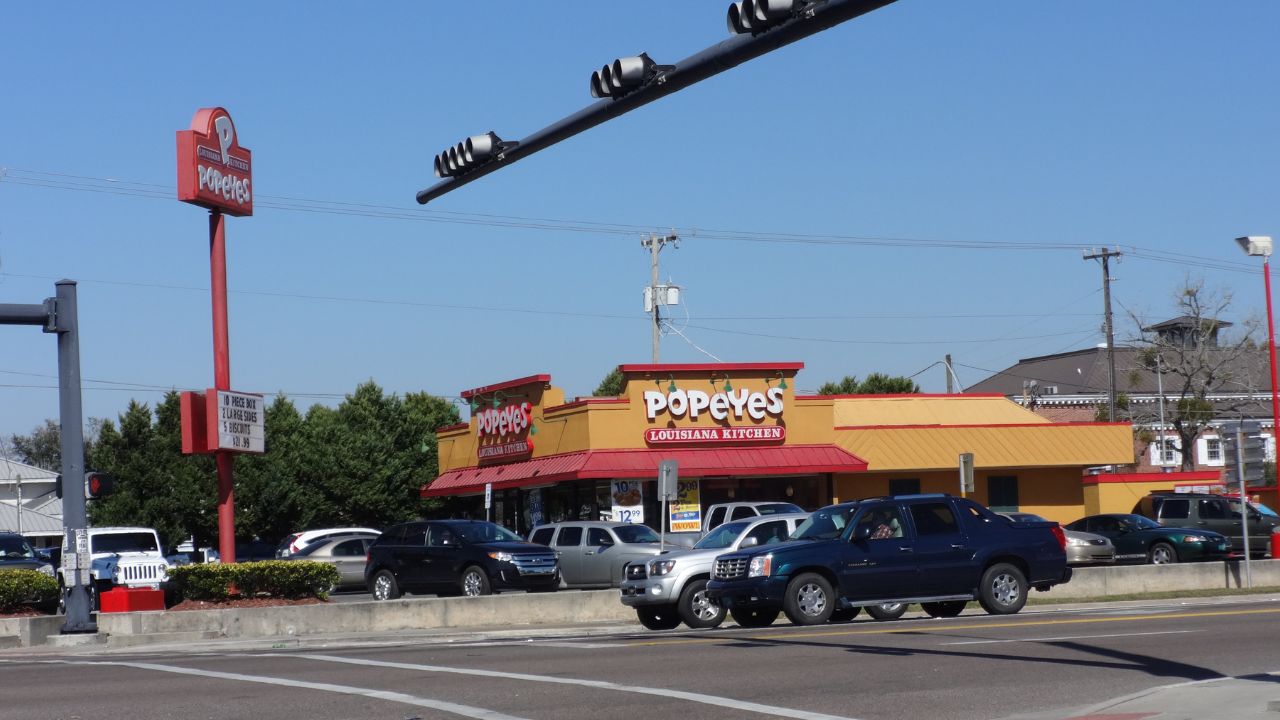
Case filings and news reports indicate that the majority of Sailormen’s approximately 130 restaurants are expected to remain open during the early stages of the Chapter 11 process.
Over time, some locations could be closed, sold, or consolidated as part of a restructuring or sale strategy, which may affect employees and local communities.
Strain on the Franchise Model
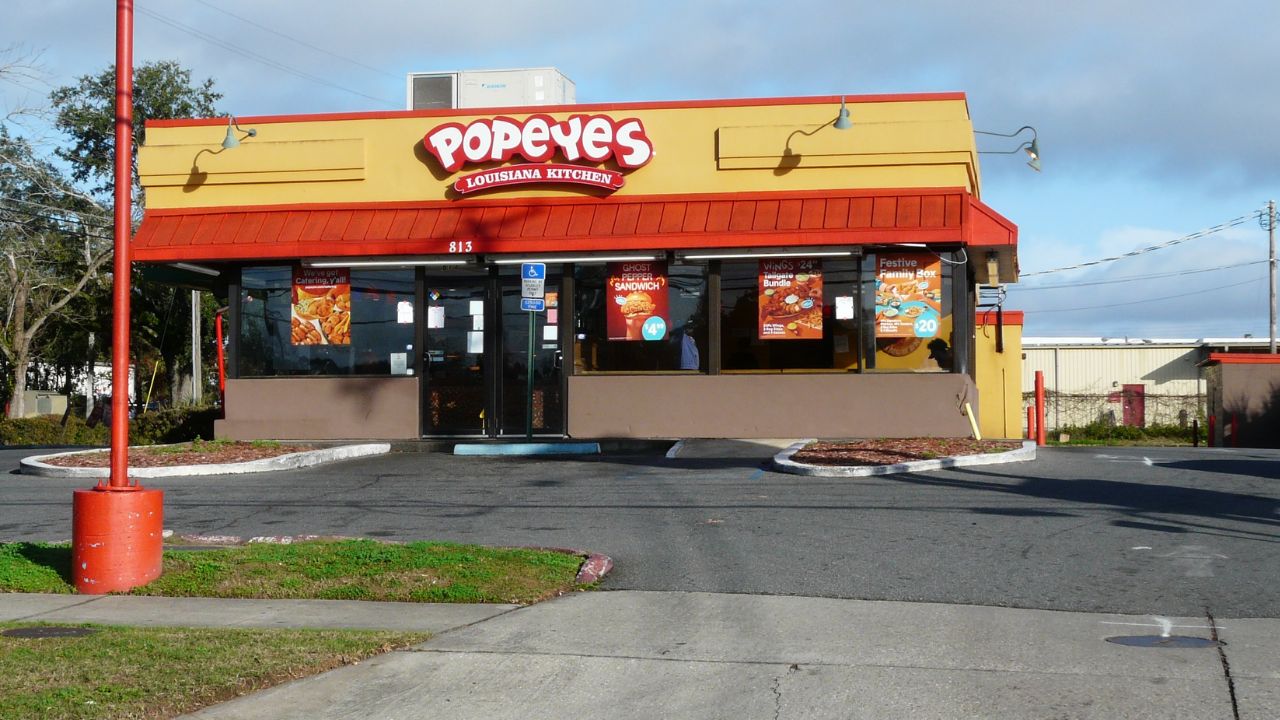
Sailormen’s situation underscores how franchisees often carry significant operating and financing risk, while their brands receive royalties and maintain strategic control.
When economic conditions worsen, heavily leveraged franchisees can find it difficult to service debt and lease obligations, leading to distressed restructurings or bankruptcies.
Consolidation in the Popeyes System
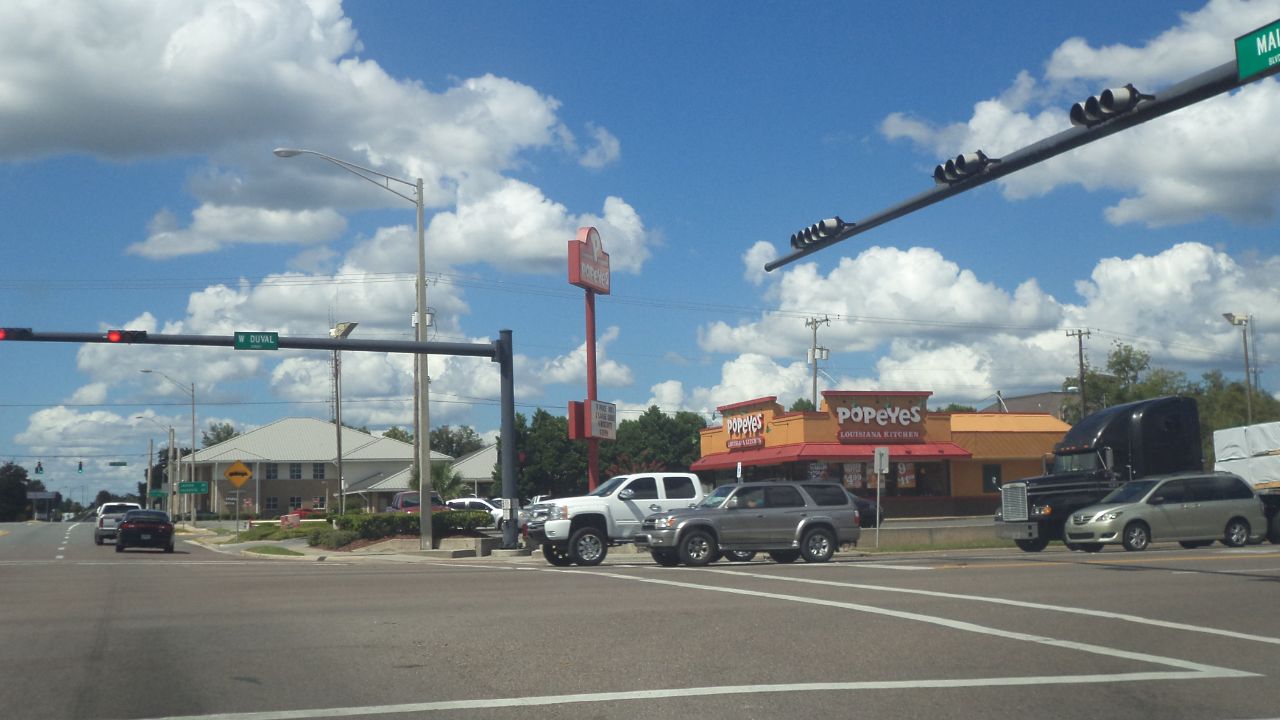
Analysts and trade publications have noted that large franchisee bankruptcies can lead to consolidation, with stronger operators acquiring units from distressed peers.
If Sailormen sells restaurants through the Chapter 11 process, those transactions could shift market share to better-capitalized Popeyes operators.
Pandemic Debt
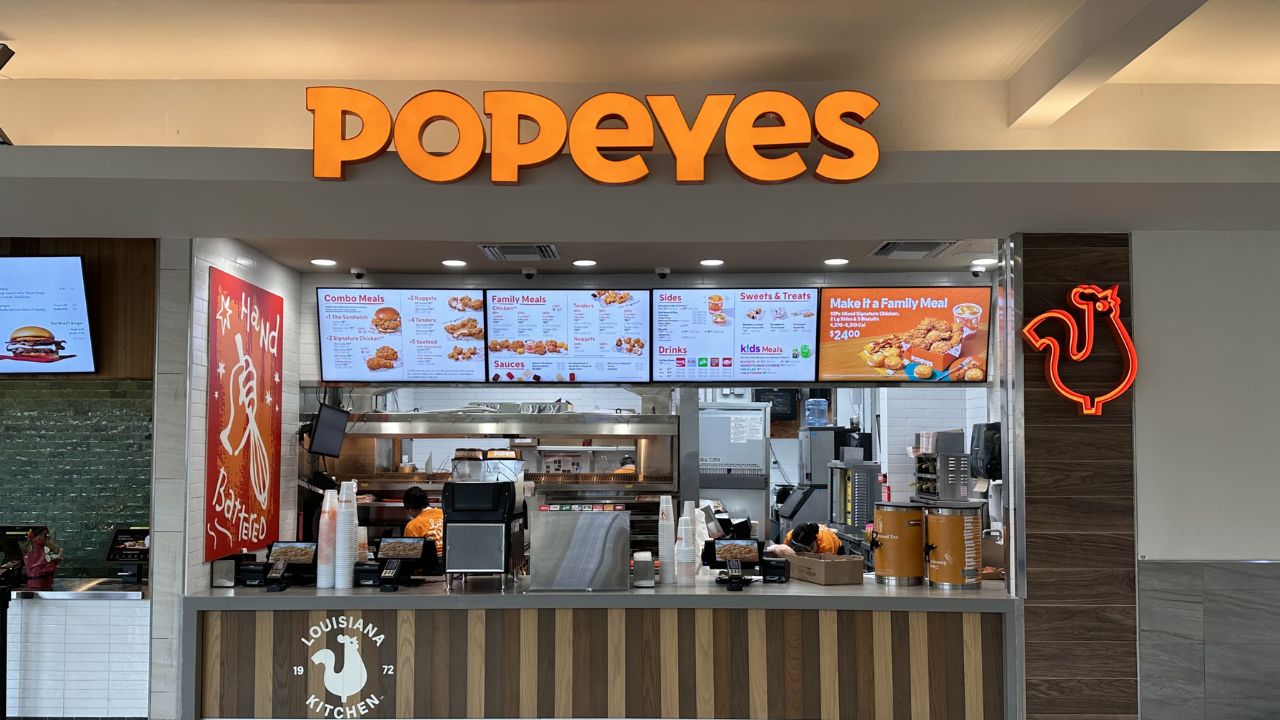
Multiple sources indicate that many restaurant operators, including large franchisees, took on significant debt during the pandemic to survive lockdowns and reduced traffic.
In Sailormen’s case, its capital structure and guaranteed lease obligations became harder to sustain once costs rose and sales softened, according to court and lender narratives.
The Future of Fast Food
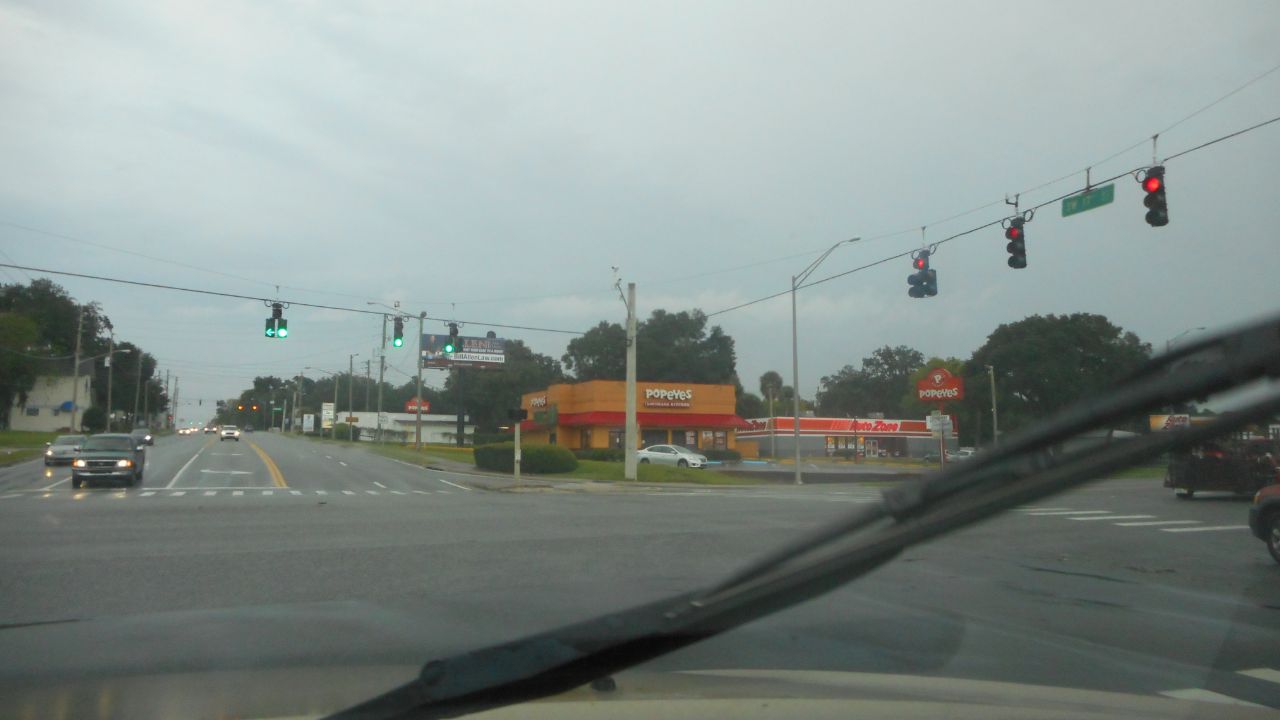
Experts following the restaurant sector have warned that elevated costs, higher interest rates, and cautious consumers could result in additional fast-food bankruptcies.
Operators with high leverage or weak sales trends may be particularly exposed if conditions do not improve.
Sailormen’s Signal
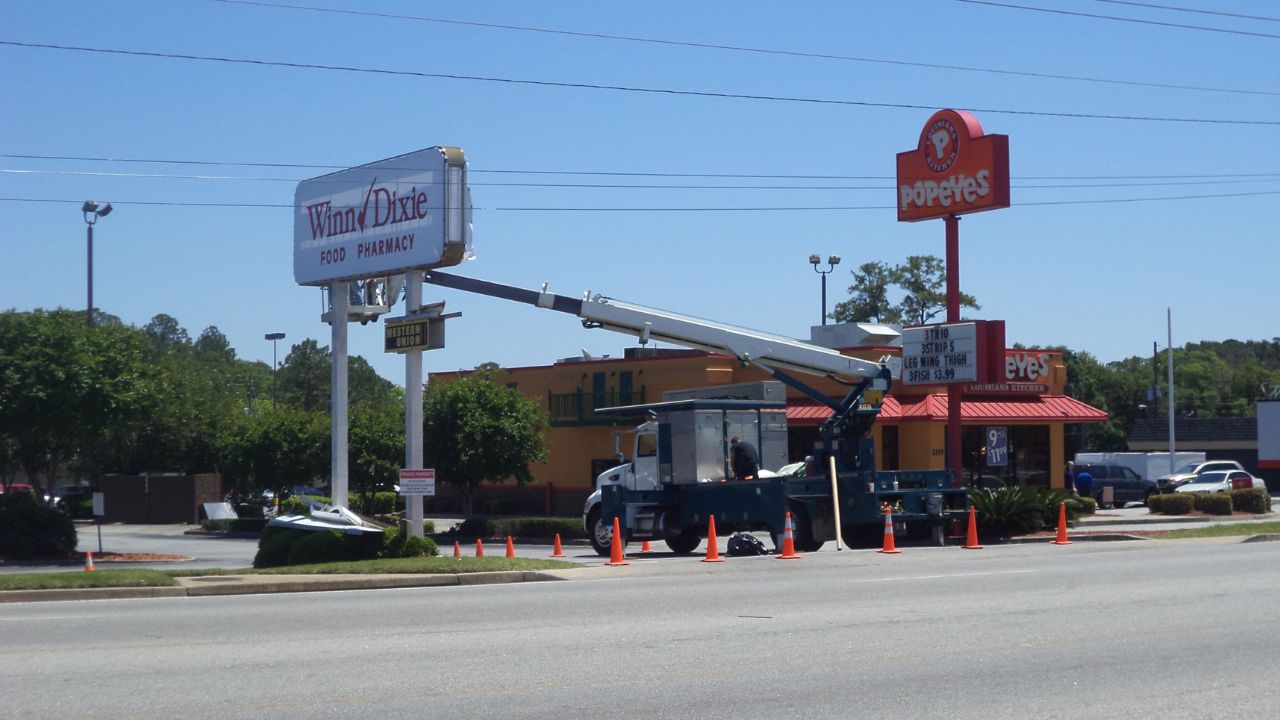
Sailormen’s Chapter 11 case is one of the largest recent bankruptcies among U.S. chicken-focused franchisees, involving more than 130 Popeyes locations and substantial secured debt.
The filing highlights structural stresses facing indebted franchise operators and may foreshadow further restructurings and ownership changes in the fast-food industry.
Sources:
“Popeyes franchisee with over 130 locations files for Chapter 11 bankruptcy.” USA Today, 16 Jan 2026.
“Large Popeyes franchisee files for Chapter 11.” Restaurant Dive, 15 Jan 2026.
“Popeyes franchisee Sailormen files for Chapter 11 in Florida.” Yahoo! Finance, 19 Jan 2026.
“Popeyes franchisee with 130-plus locations files for bankruptcy.” Nation’s Restaurant News, 16 Jan 2026.