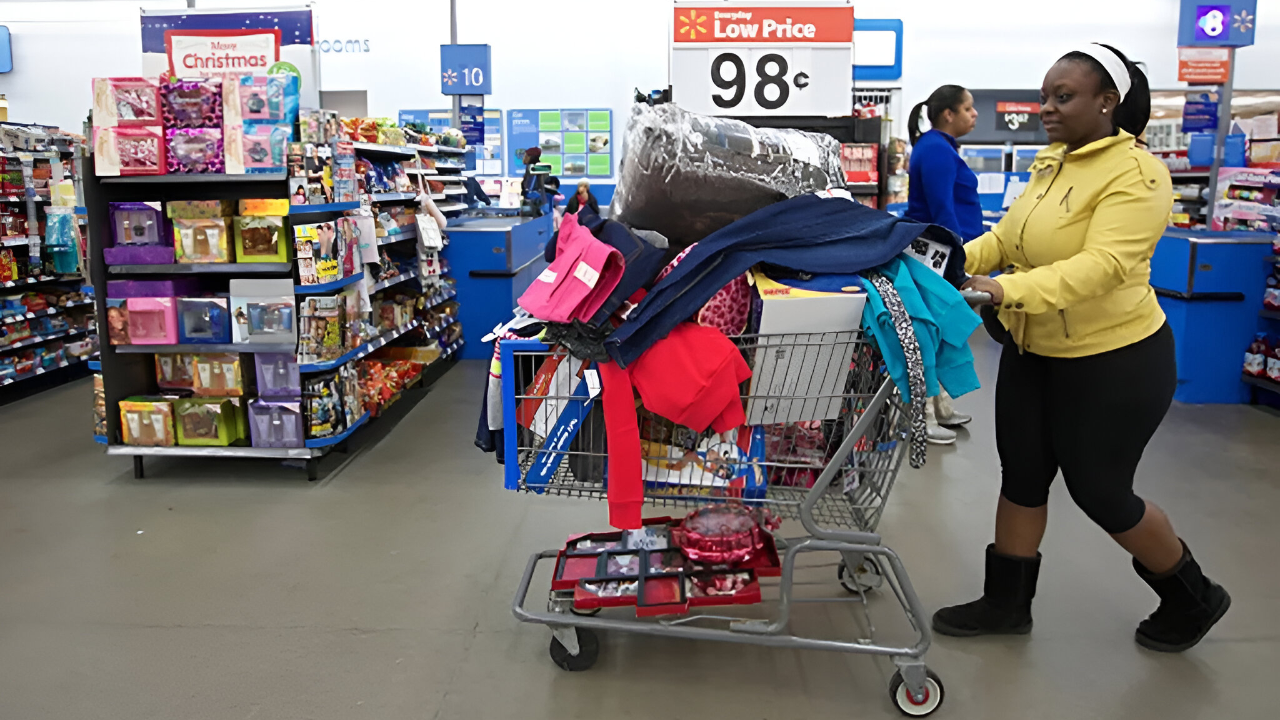
At the grocery checkout, a scanner beeps as items tally up, prompting a shopper to glance between cart and screen. In that fleeting moment, a decision emerges: retain the item, exchange it, or return it discreetly. These subtle choices in stores like Walmart expose attitudes toward money—whether prices fade into the background or enforce strict limits.
Running Tally Habits
Many shoppers mentally track totals as items scan, recalling staple prices and gauging space for extras without fanfare. This vigilance appears seamless but demands ongoing focus, often stemming from past budget constraints rather than anxiety. Others delay until the final figure, viewing surprises as minor hassles. For those with narrower margins, however, the same total sparks returns, weekly adjustments, or self-consciousness at the register, forging a reflexive preemptive count to avert shocks.
Selective Store Brands
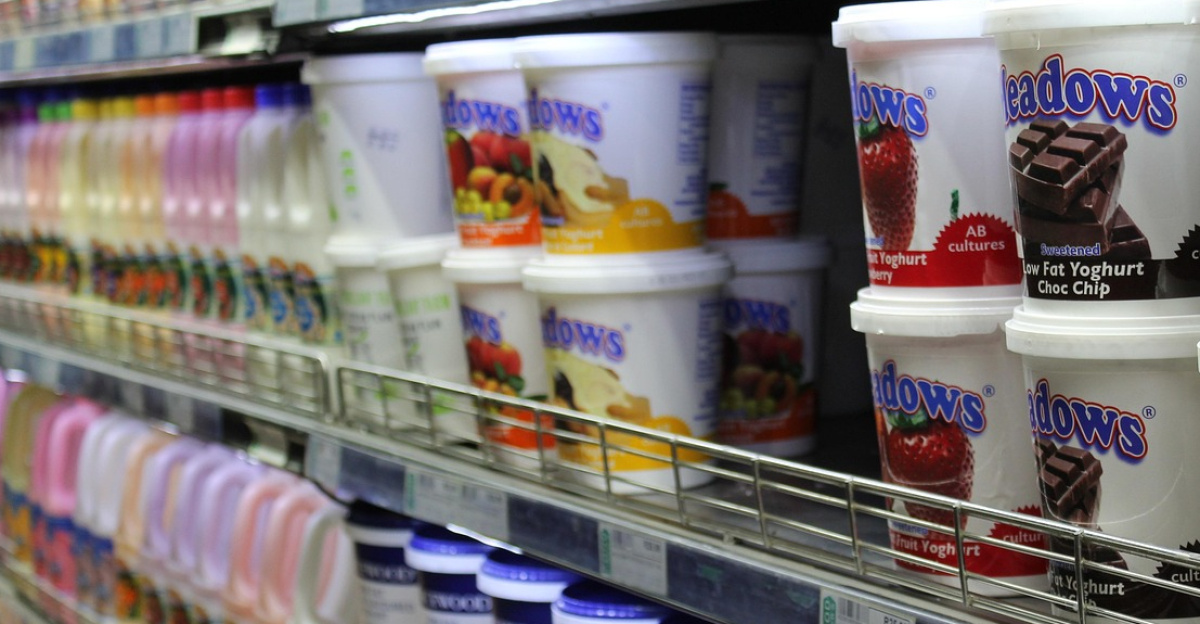
Budget-aware carts often feature Great Value labels on cereal, canned goods, and cleaners, but selection involves testing equivalents to name brands. Shoppers curate reliable swaps through trial, creating personalized savings guides repeated over visits. In contrast, those with looser finances favor familiar names, skipping comparisons to avoid effort or disappointment. Small per-item differences weigh lightly when pressure eases but accumulate under strain, sharpening scrutiny.
Unit Price Vigilance
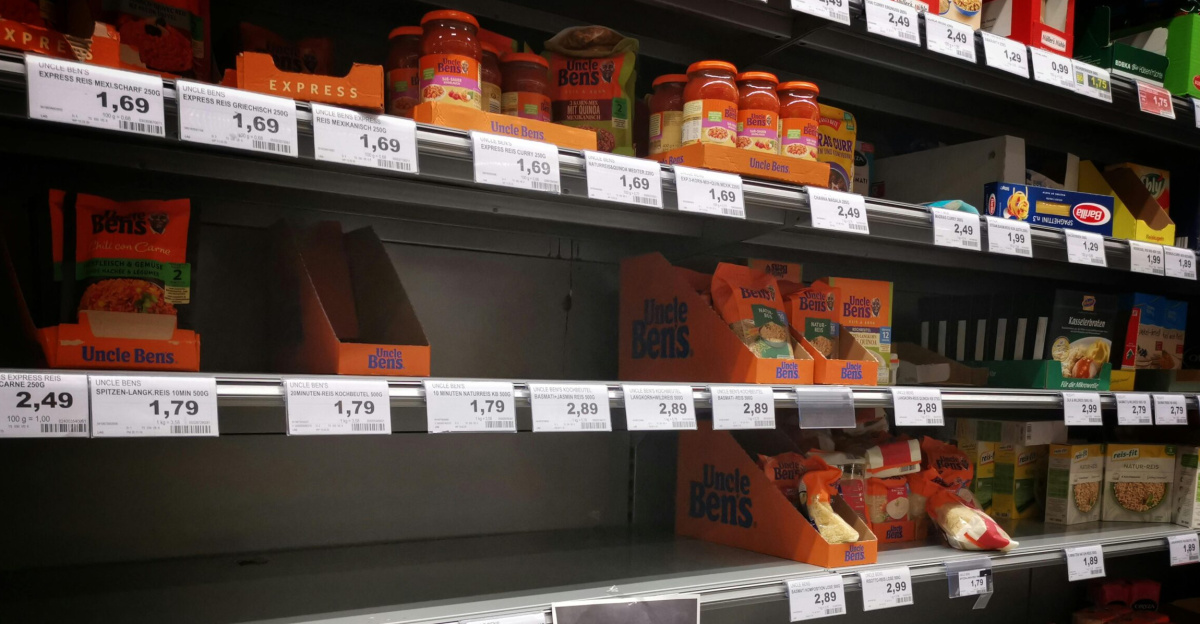
Shelf-edge unit prices—cost per ounce or unit—guide some to verify if larger packs truly save before grabbing. This aisle analysis uncovers illusions of value, stacking cents into substantial cart reductions over time. Casual shoppers overlook them, deeming gains trivial amid ample cushion. The practice signals not desperation but a waste-minimizing equation, where ignored labels suit flexibility and checked ones preserve resources.
List Discipline Versus Impulse

Pre-planned lists serve as safeguards, curbing detours that inflate totals on slim budgets. Impulse browsing tempts others, with data indicating higher-income groups indulge more freely. Strict adherence yields predictability, shielding subsequent days from register regrets, while loose plans risk later trade-offs. Identical splurges carry divergent fallout based on financial slack—one a shrug, the other a recalibration.
Strategic Timing and Circuits
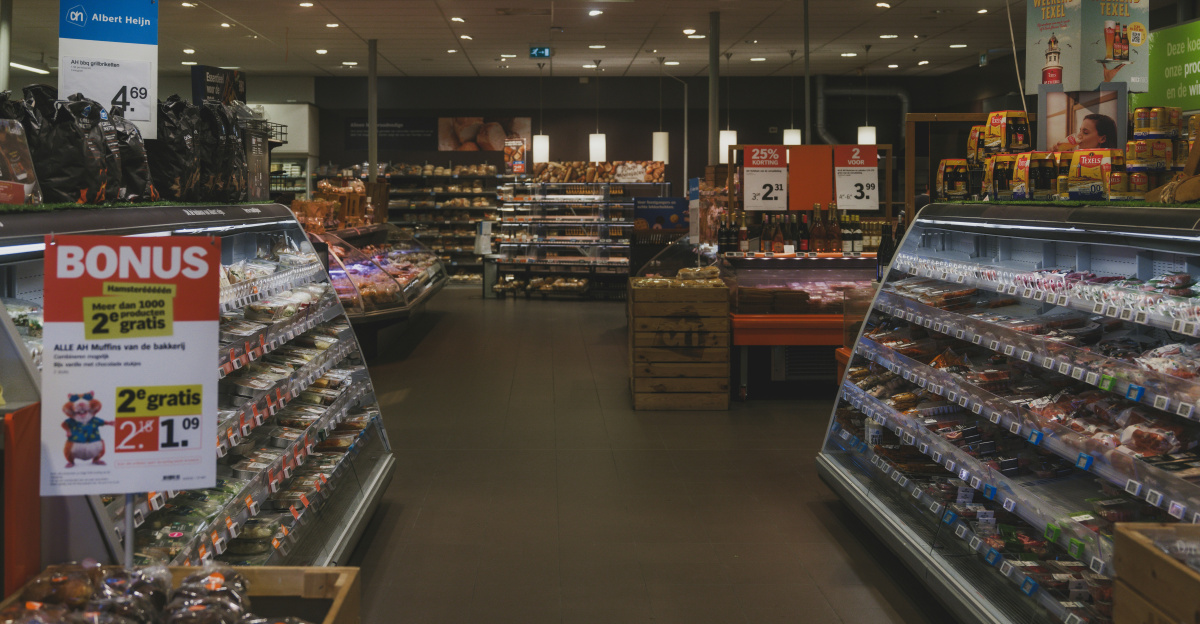
Savvy shoppers time visits for markdowns on meat, bakery clearance, or rotating deals, aligning with store rhythms for concrete gains. Those prioritizing immediacy buy regardless, treating discounts as perks. Tighter budgets extend to multi-store routes—Walmart staples, Aldi basics, targeted stops elsewhere—balancing gas and time against savings. Convenience ranks high for some, but money’s pull overrides for others navigating scarcity.
Produce Caution and Cash Limits
In produce, selections favor durable basics over perishables to sidestep waste, which stings sharper under duress; studies link higher food discard to affluent homes. Cash payments enforce tangible caps, resisting card-enabled drifts, especially valued by budget enforcers per Federal Reserve observations. Patience delays nonessentials until rollbacks, compounding with other tactics into a resilient system.
These patterns—tallies, brands, prices, lists, timing, routes, choices, cash, waits—interlock for some, blending into ordinary carts. They hint at money’s grip without defining it, shaped by circumstance over character. As economic pressures vary, such signals underscore how shopping mirrors broader realities: relaxed navigation for the buffered, calculated preservation for the stretched. Observing one’s own habits next trip reveals personal stakes in an era of shifting costs.
Sources:
“Consumer Expenditure Patterns — 2025 Data.” U.S. Bureau of Labor Statistics, Dec 2025.
“Low-Income Households Are Cutting Back and Shopping More Strategically, Walmart Says.” CNBC, 20 Nov 2025.
“Food Waste Linked to Income Levels, Study Finds.” Journal of Consumer Research, 2024.
“Cash Use Persists Among Lower-Income and Budget-Conscious Shoppers.” Federal Reserve Bank of Atlanta, 2025.