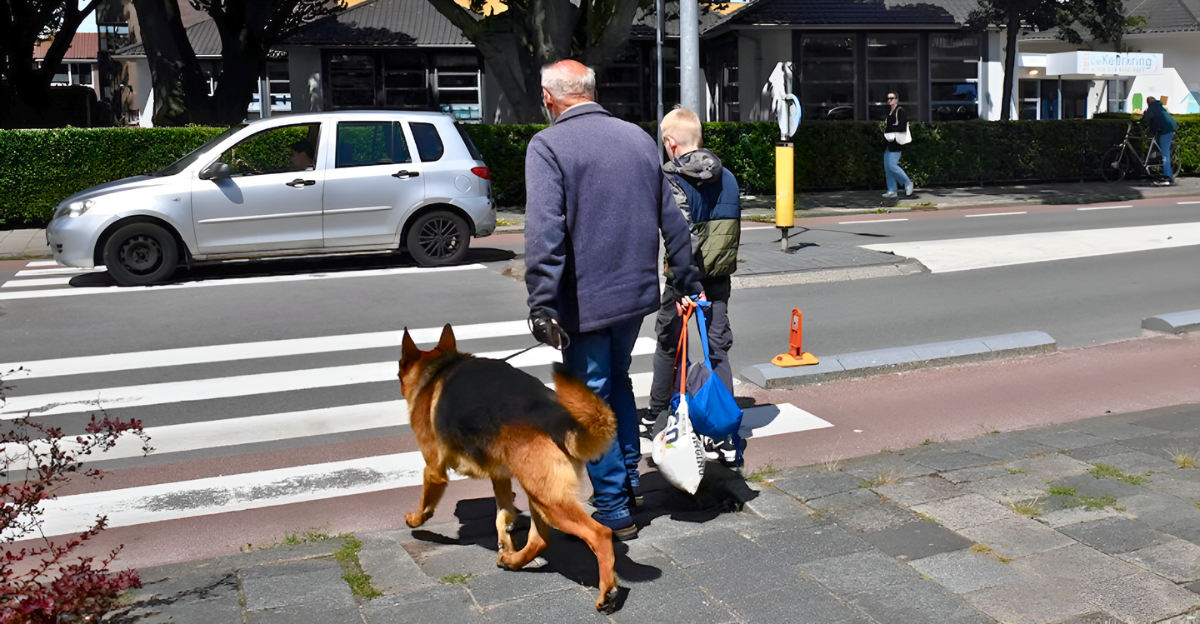
For certain dog breeds, daily exercise isn’t just a preference, it’s essential to their basic health and wellbeing. High-energy dogs, particularly those bred for herding, hunting, or sport, have extraordinary stamina and thrive on intense physical activity combined with advanced mental stimulation.
Meeting a target of 20,000 steps a day for these dogs is comparable to the exercise levels for marathon runners or professional athletes. Without this degree of activity, they may experience restlessness, behavioral challenges, obesity, and other health problems.
1. Border Collie
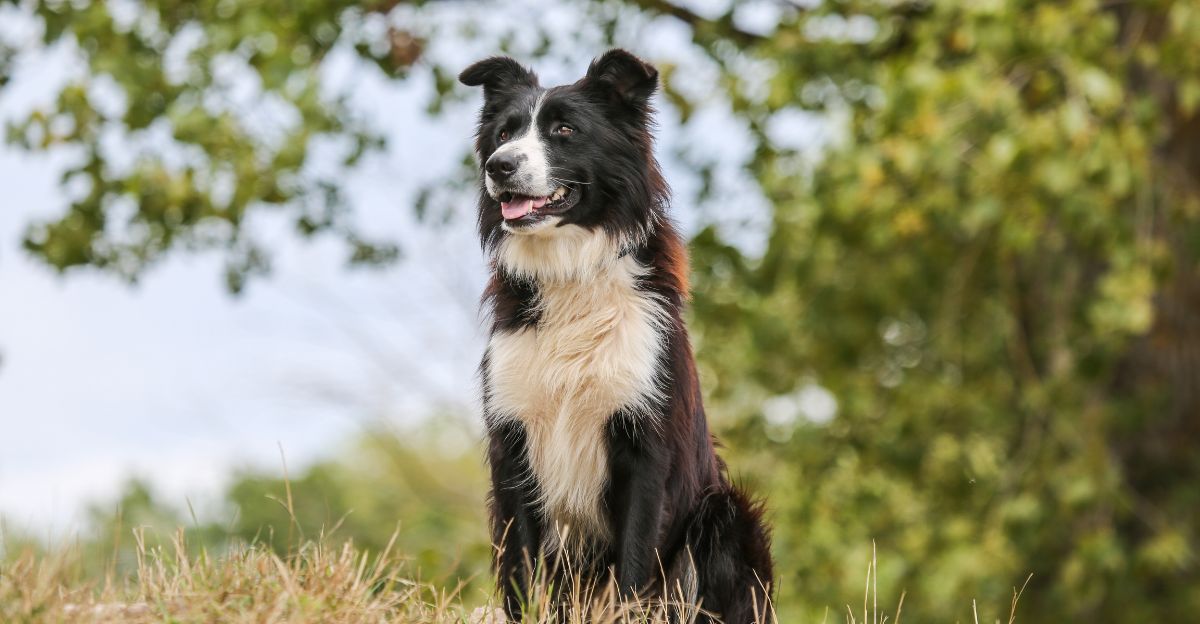
These pups are one of the world’s most intelligent and energetic breeds, initially developed for herding sheep across challenging terrain. This heritage has endowed them with boundless stamina and a tireless need for both physical and mental stimulation, making daily exercise absolutely vital to their wellbeing.
Experts recommend at least two hours of rigorous physical activity to meet their natural drive. Mental challenges, like intricate training routines or puzzle toys, are equally important. Border Collies thrive in environments that engage their bodies and minds, and can develop behavioral problems such as excessive barking or chewing if understimulated.
2. Siberian Husky
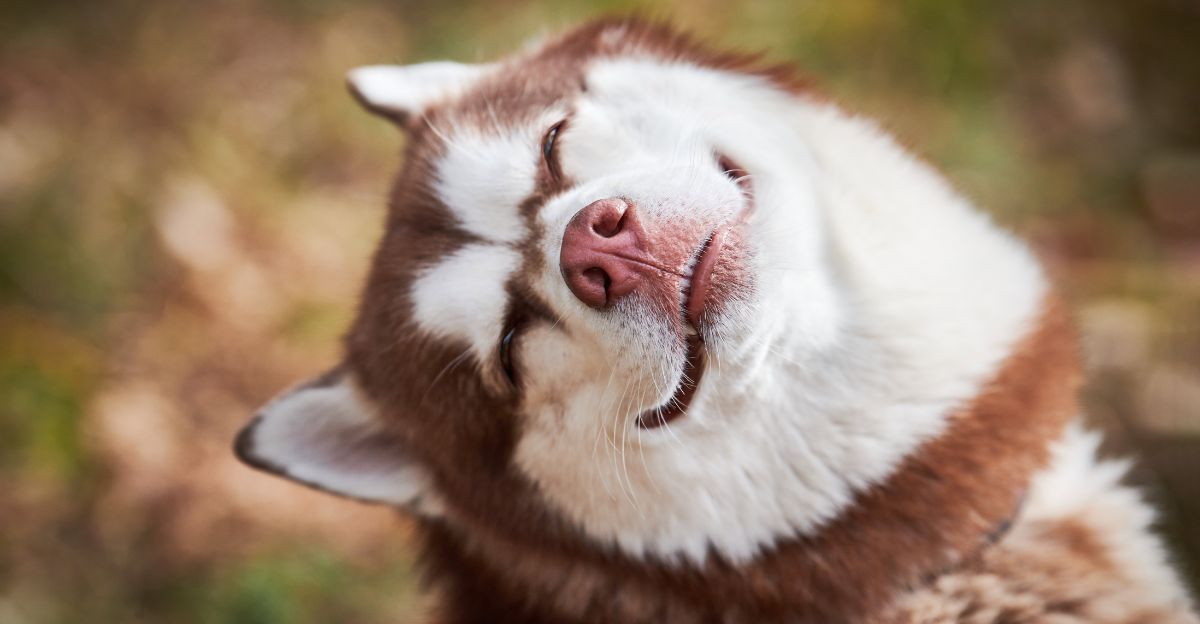
These pups are known for their history as sled dogs that traveled vast, frozen landscapes pulling heavy loads. To maintain their baseline health, they need at least two hours of vigorous exercise daily, ideally divided into morning and evening sessions to maximize their stamina and meet their mental and physical needs.
These energetic dogs thrive on long runs, challenging play sessions like fetch, and structured activities, all of which help burn off their boundless energy and keep their minds sharp.
3. Belgian Malinois
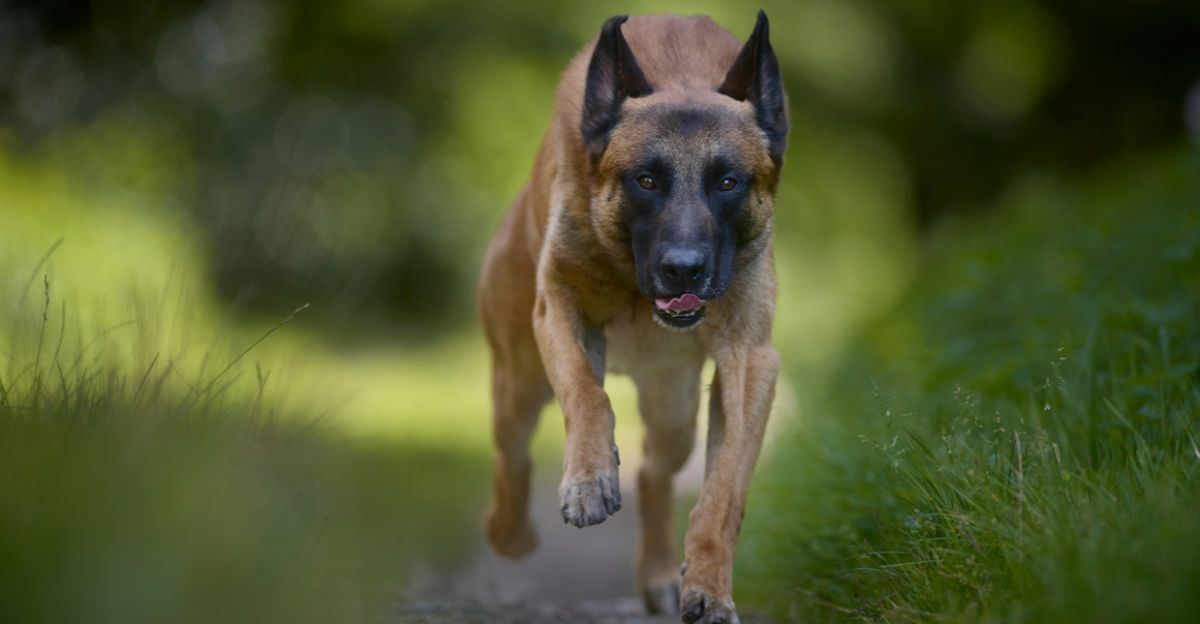
Originally bred for herding, their innate intelligence and athleticism have made them sought-after partners in police, military, and detection work worldwide. Experts recommend a mix of high-aerobic activities like running, hiking, agility, and biking, often adding up to 90 minutes to two hours or more of hard exercise each day, which easily translates to upwards of 20,000 steps.
Belgian Malinois are prone to developing problematic behaviors without this rigorous combination of movement and brain work. Owners regularly report that under-exercised Malinois invent their own amusements, which can be pretty destructive.
4. Labrador Retriever
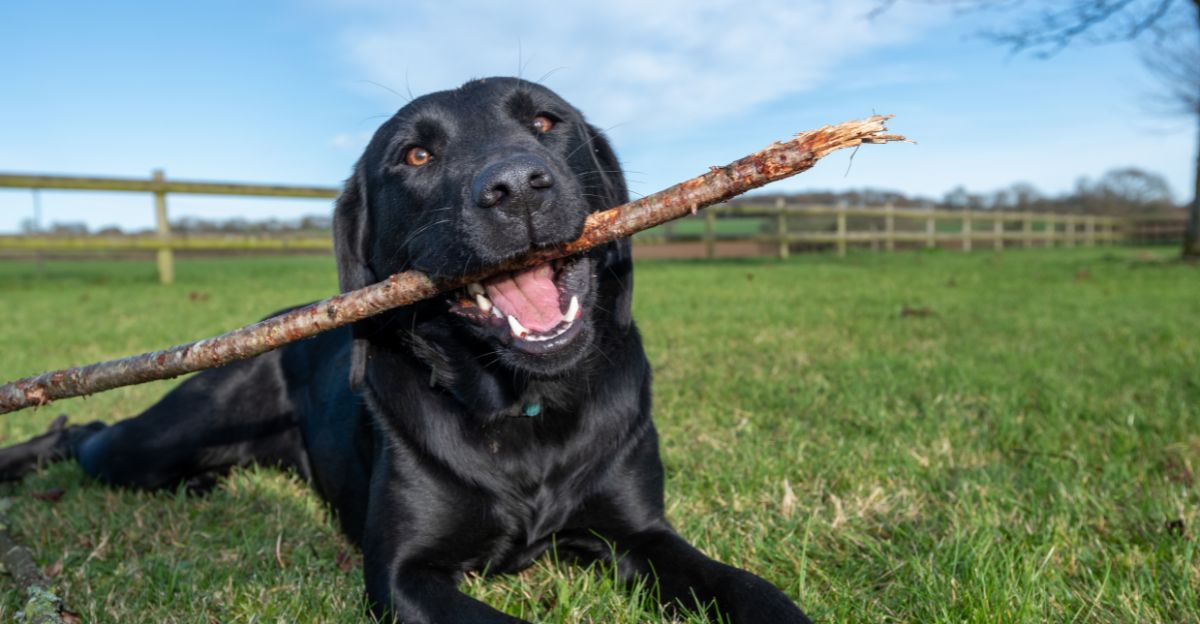
These energetic dogs need at least one to two hours of daily physical activity, but truly thrive when offered varied routines beyond simple leash walks, like intense games of fetch, swimming, hiking, or agility. Optimal Labrador health is tied closely to physical and mental stimulation gained from outings and interactive games.
Engaging their strong retrieving instincts through play and structured training keeps them mentally sharp and fulfilled.
5. Australian Shepherd
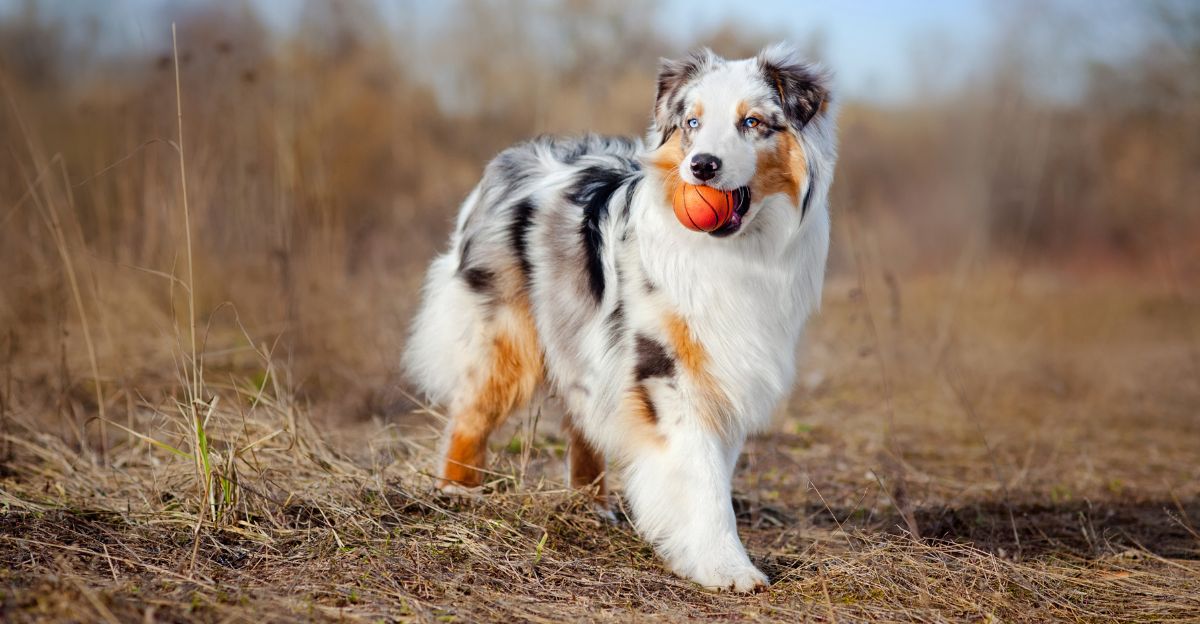
Despite its name, the breed originated in the western United States during the 19th century. It evolved alongside American ranchers and shepherds who valued a dog with keen intelligence, strong herding instincts, and remarkable stamina. The breed can effortlessly herd livestock for hours on end across rough terrain, demonstrating both agility and endurance.
Owners must be dedicated to providing daily physical and mental stimulation, long runs, hikes, structured games, and advanced training, to prevent boredom and channel the breed’s boundless energy into positive outlets.
6. German Shorthaired Pointer
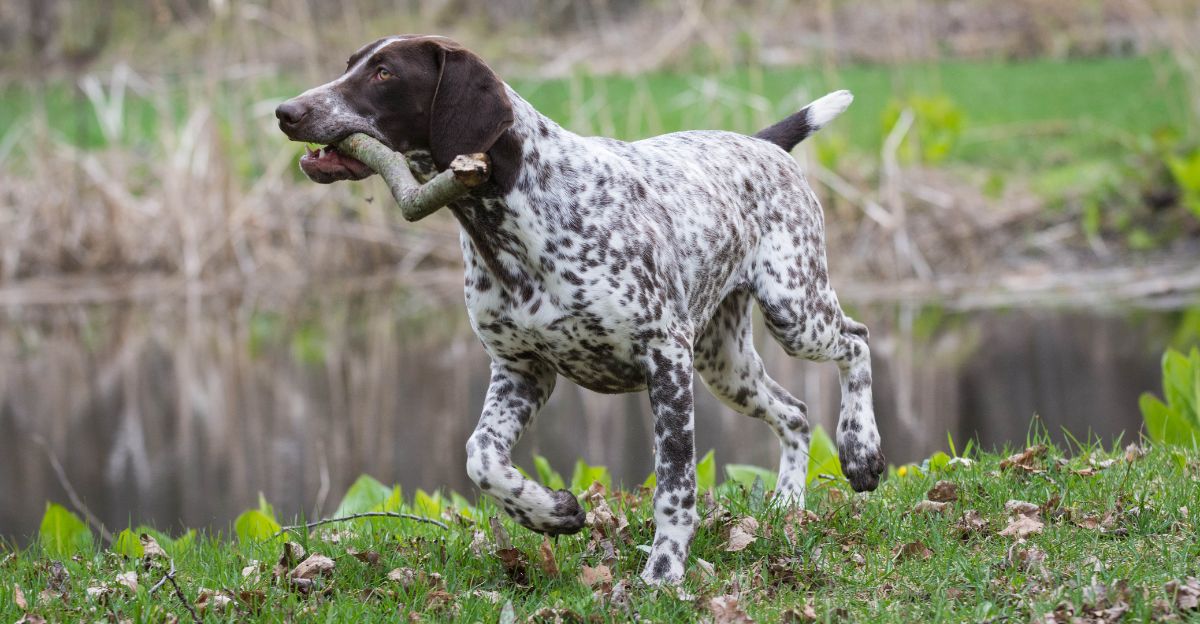
Originally bred as a versatile hunting dog, the GSP thrives on vigorous physical activity matched with substantial mental stimulation. Owners frequently report the need for dedicated routines that mix off-leash running, long walks or hikes, games of fetch, and occasional swimming to satisfy this breed.
As a routine-oriented animal, the GSP is happiest with predictable schedules and outlets for its drive, requiring one to two hours of strenuous activity per day, especially in its younger, more energetic years.
7. Vizsla
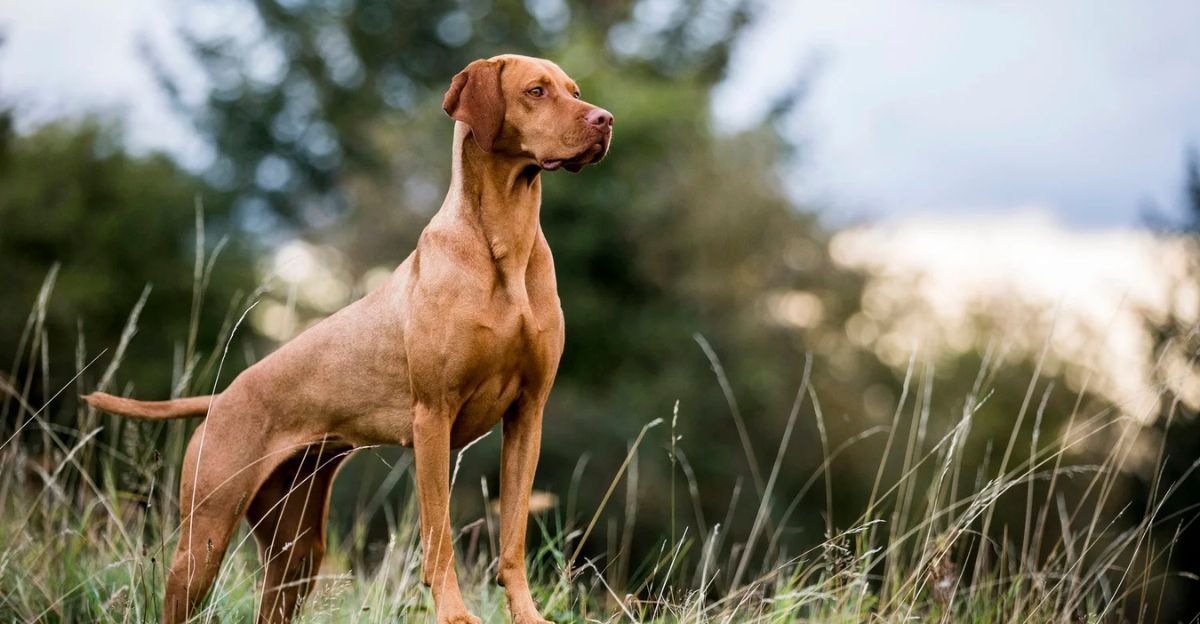
Originally developed as hunting companions in Hungary, Vizslas are versatile working dogs with exceptional stamina and intelligence. They excel in pointing, retrieving, and participating in demanding canine sports such as agility or field trials. Living with a Vizsla means embracing their “Velcro dog” reputation, as they thrive on close companionship and are rarely happier than when shadowing their family throughout the day.
For health and happiness, Vizslas require an active lifestyle incorporating vigorous daily exercise like running, hiking, engaging games, structured training, and opportunities for problem-solving.
8. Golden Retriever
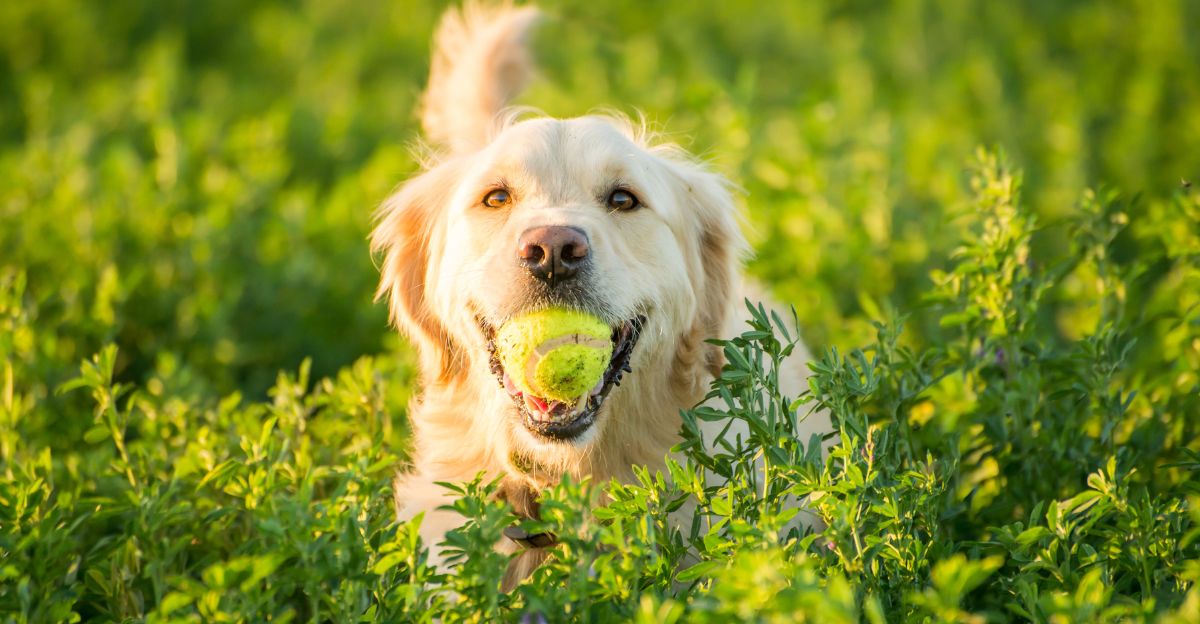
Golden Retrievers are renowned for their sociable temperament, intelligence, and high energy levels. To remain healthy and well-behaved, adult Goldens require a substantial daily exercise regimen, typically one to two hours daily, ideally divided among multiple high-quality activity sessions.
They also crave frequent mental stimulation, which can be achieved through training sessions, agility games, and problem-solving toys. Owners should remember that Golden Retrievers will push themselves to please and may not signal fatigue or discomfort, so handlers need to monitor their energy levels and adjust activities as needed.
9. Weimaraner
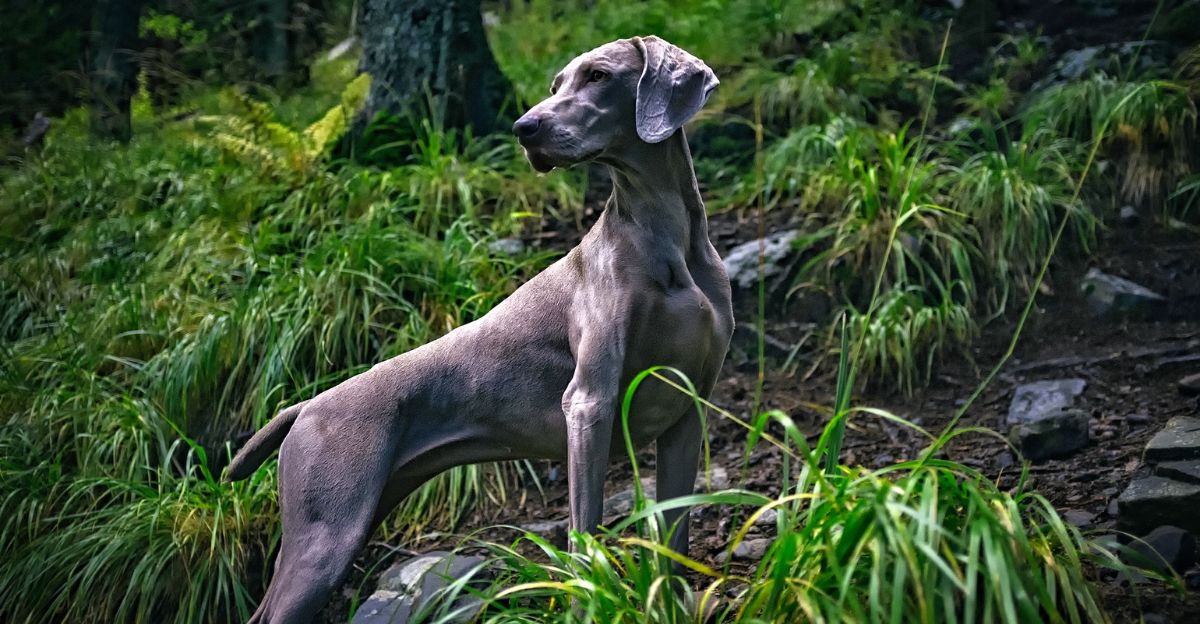
These pups were bred in Germany for hunting large game, and combine remarkable stamina, intelligence, and loyalty, all of which make them an exceptional companion for active households. They need at least one to two hours of vigorous exercise daily, including long walks, runs, hiking, and interactive games such as fetch or agility work.
These dogs excel at advanced obedience, scent work, and problem-solving tasks, which keep their minds and bodies occupied.
10. German Shepherd
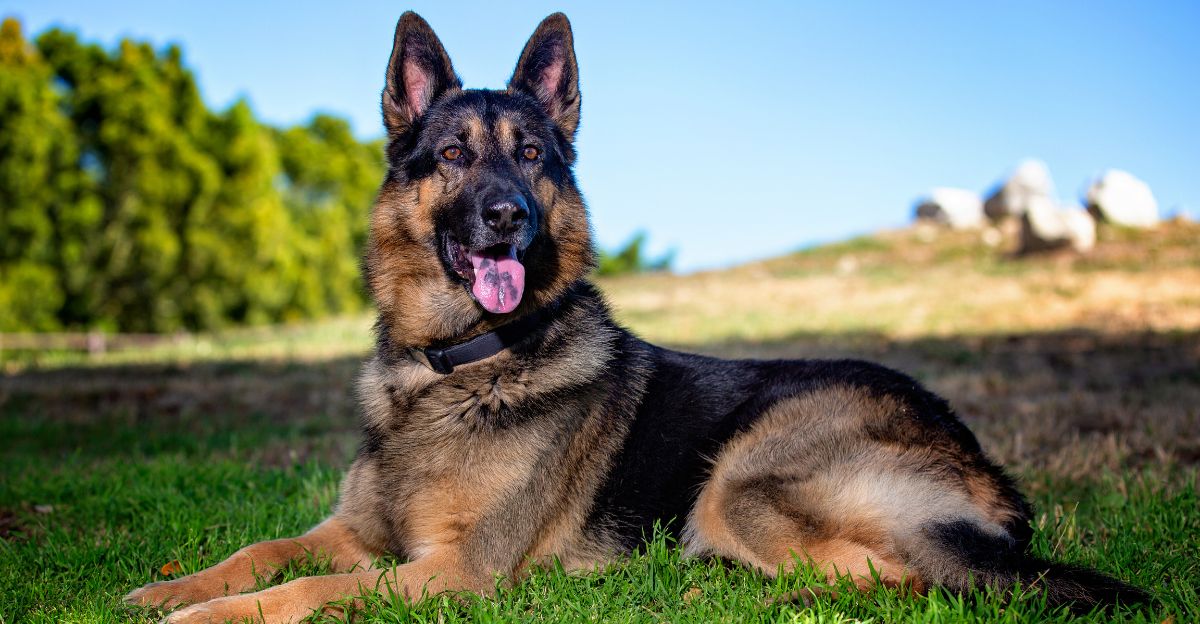
Adult German Shepherds typically require between 1.5 and 2 hours of active engagement daily, often approaching or exceeding 20,000 if routines combine hiking, running, and agility work. Neglecting these exercise requirements can lead to serious problems such as obesity, joint pain, anxiety, and destructive behaviors like chewing and digging.
Physical routines are best paired with advanced obedience and interactive mental stimulation, since this breed requires constant intellectual engagement alongside physical output.
11. Jack Russell Terrier
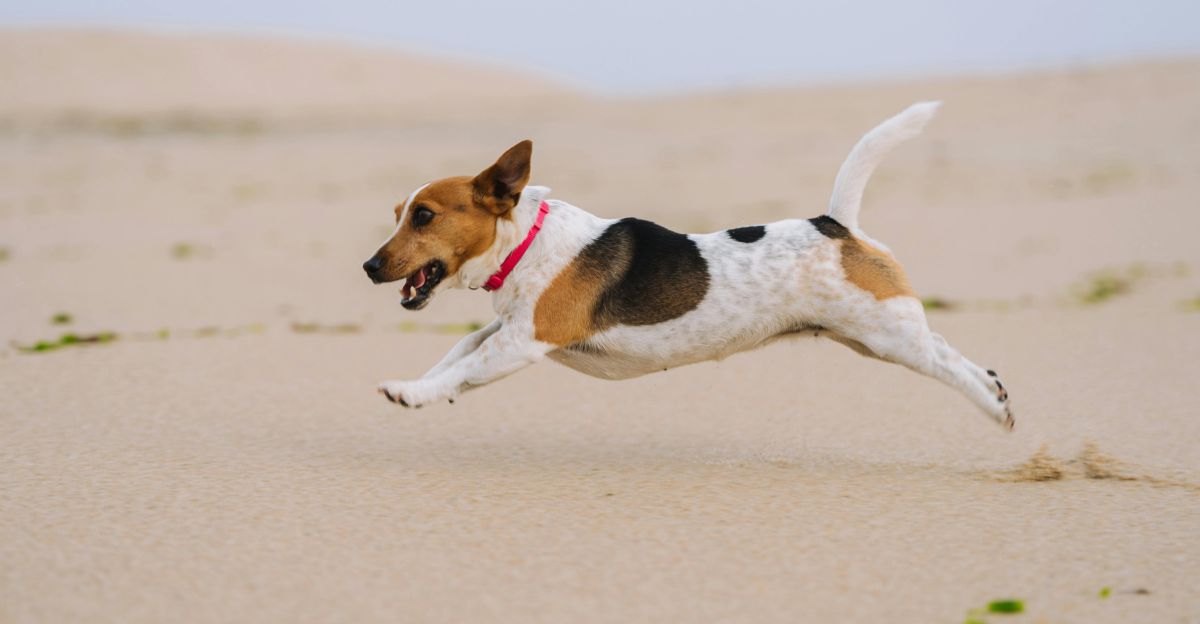
The Jack Russell Terrier stands out as a compact powerhouse of energy. Initially bred for fox hunting, it is celebrated for its lively spirit and keen intelligence. Despite their modest size, Jack Russells require at least one hour of structured exercise each day, often supplemented by 30 minutes of active play, to support their mental and physical health.
Daily walks should be split into multiple sessions, allowing time for rest, and complemented by engaging games like fetch, agility drills, and puzzle toys that challenge their sharp minds.
12. American Pit Bull Terrier
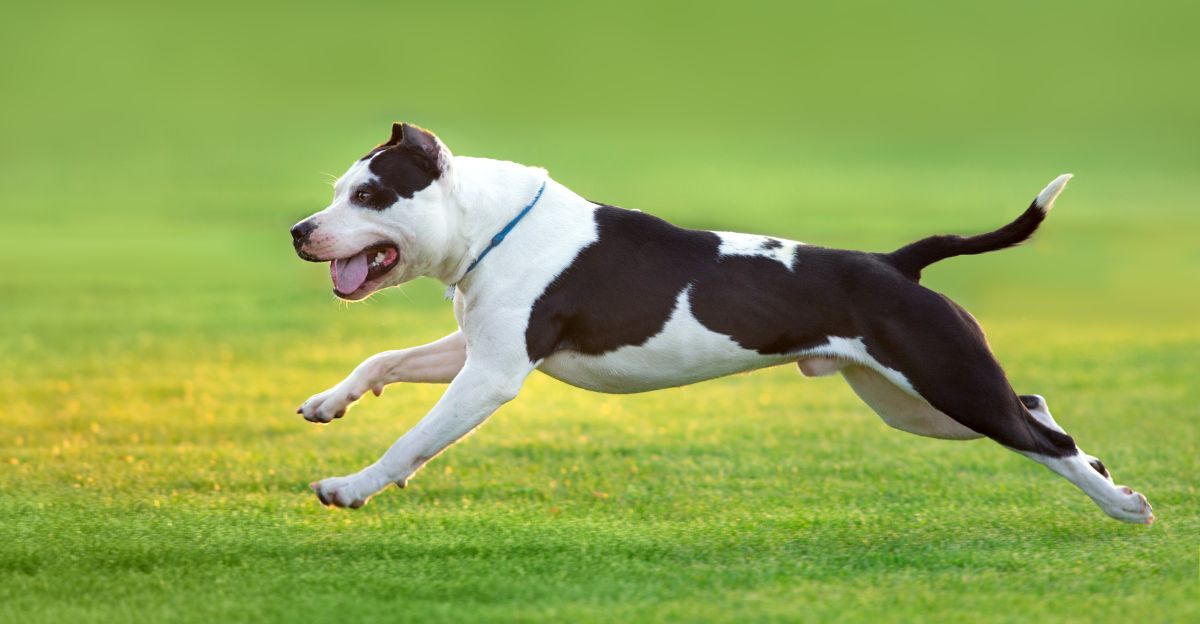
These dogs thrive on daily physical and mental challenges and require substantial exercise to remain healthy and well-balanced. Experts recommend 1 to 2 hours of varied activity daily, which usually amounts to several walks totaling upwards of 20,000 steps, along with muscle-building games, agility drills, and trick training.
The exercise should always involve active engagement with their human companions, as Pit Bulls form deep bonds and benefit from shared participation.
13. Australian Cattle Dog
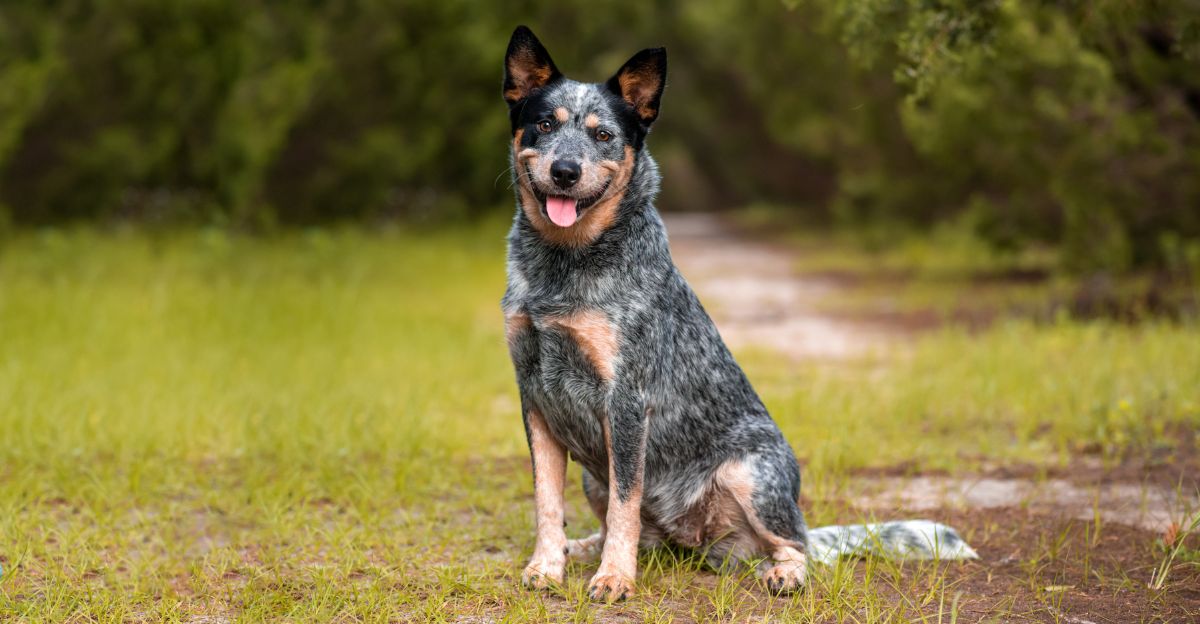
Developed in Australia to herd cattle over rugged terrain, this compact, muscular dog exhibits remarkable agility and energy, thriving best when given a job and plenty of space to work. The breed’s trademark blue-gray or red speckled coat, alert eyes, and upright ears give it a distinctive look, but its intensely driven personality truly sets it apart.
Australian Cattle Dogs require demanding daily exercise, long, structured runs, fetch, obedience training, and agility to keep their body and minds engaged. Without arduous activity and mental stimulation, these dogs can become bored, frustrated, and fall into destructive behavioral patterns.
14. Dalmatian
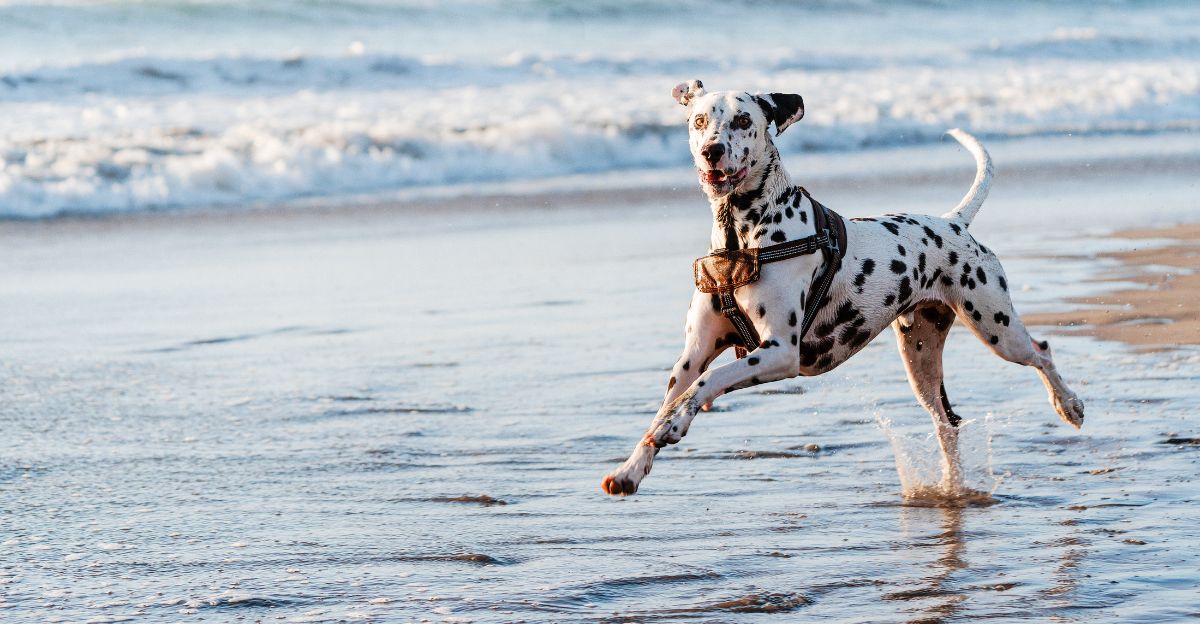
Historically, Dalmatians served various important roles: originating from Europe, most notably the Dalmatia region in present-day Croatia, they were employed as carriage dogs, clearing the way for horse-drawn vehicles and guarding stables from intruders.
This outgoing and friendly breed is noted for its intelligence, playful nature, and intense loyalty. It makes an excellent family companion, provided its high energy needs are met through long walks, running, and mentally stimulating activities.
15. Beagle
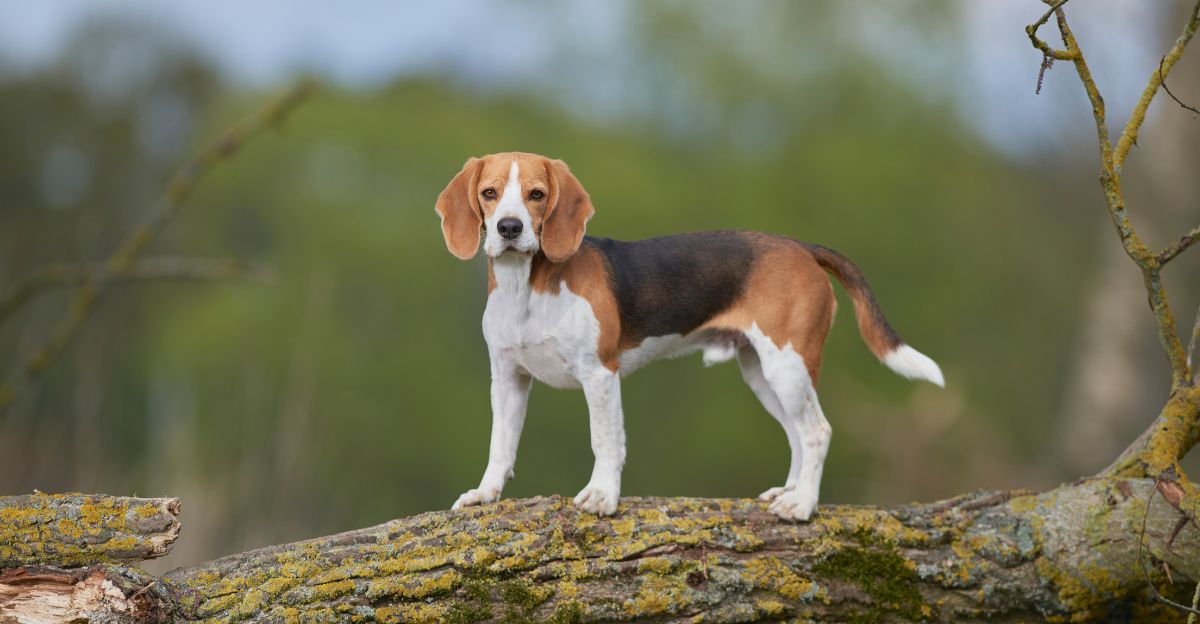
Beagles have a powerful instinct to follow their noses, making them perfectly suited for activities that involve searching and exploring. Their exercise needs are substantial, they typically require at least one and a half to two hours of physical activity each day to keep them happy and healthy.
They thrive in active households where they have plenty of companionship. However, they can become bored or even destructive if left alone for long periods or under-exercised. Fenced yards and secure exercise areas are crucial since Beagles have a notorious reputation for escaping in pursuit of captivating scents.
16. Goldendoodle
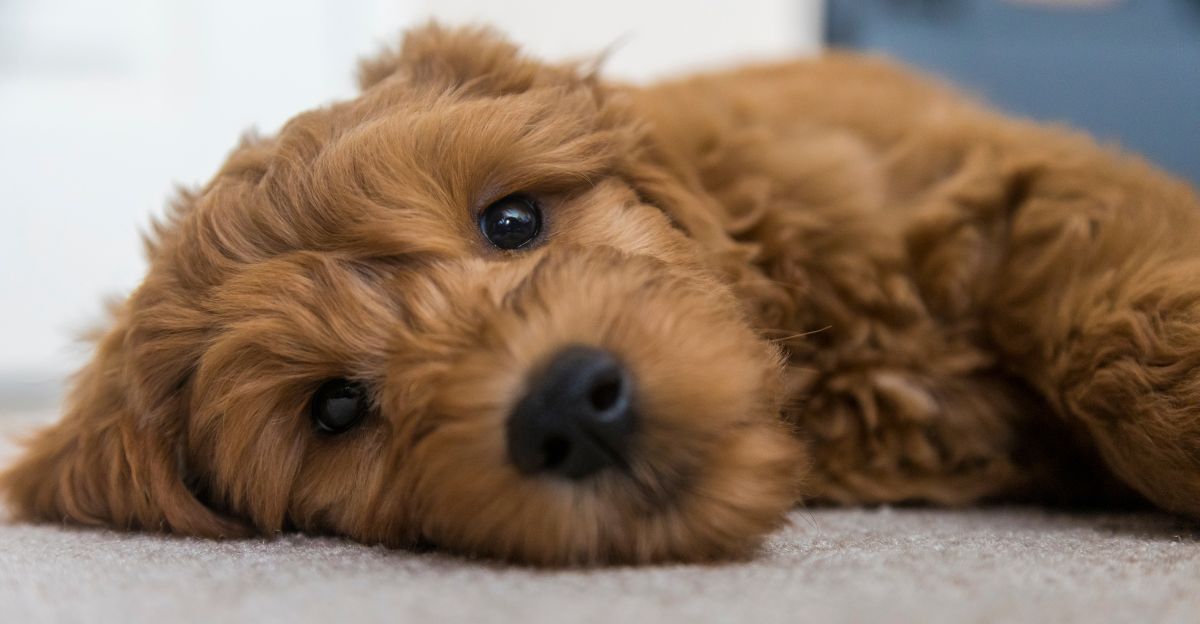
These pups are the result of crossing a Golden Retriever and a Poodle, both breeds known for their athleticism and stamina. It’s no surprise that Goldendoodles thrive on physical activity and mental engagement.
Maintaining a Goldendoodle’s baseline health means incorporating not only daily walks, which can accumulate 10,000–20,000 steps, but also playtime, interactive games, and diverse activities such as swimming, jogging, or agility training.
17. Alaskan Malamute
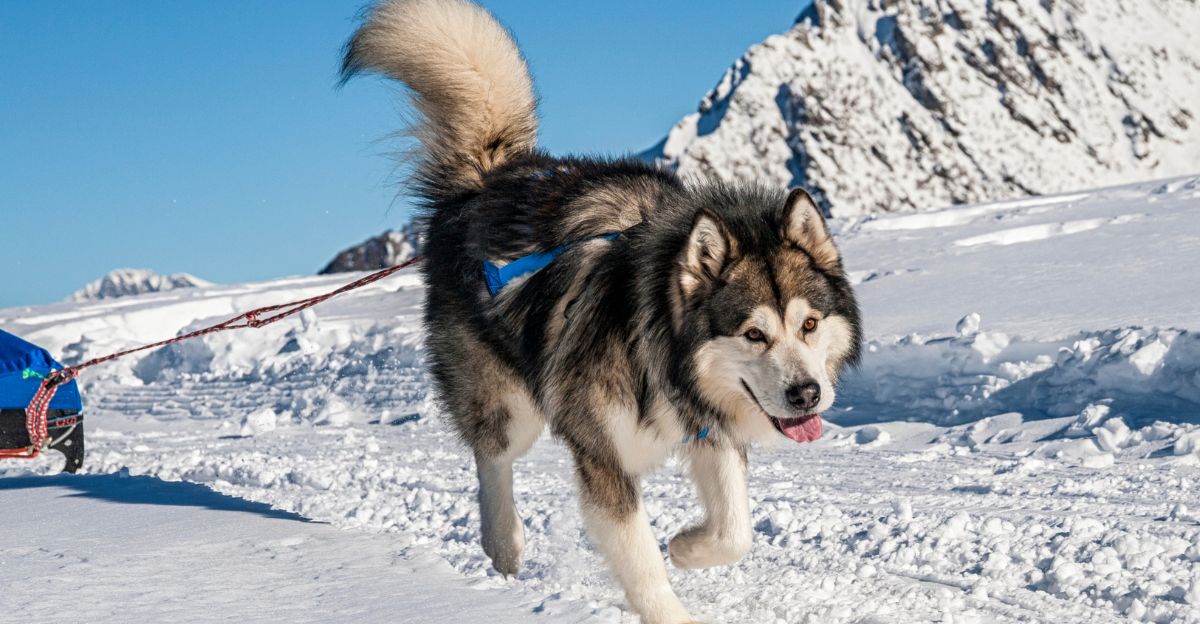
These pups are one of the most powerful, enduring, and resilient breeds in the canine world. They were historically bred for hauling heavy sleds across immense stretches of Arctic terrain. For most healthy adults, Malamutes should expect at least one to two hours of purposeful activity each day, which easily translates to upwards of 20,000 steps when combining sustained walks, runs, play sessions, and interactive work such as urban mushing or weight pulling.
Their stamina and enthusiasm for outdoor adventure make them ideal companions for hiking, running, and vigorous play, provided their daily exercise needs are met.
18. Brittany Spaniel
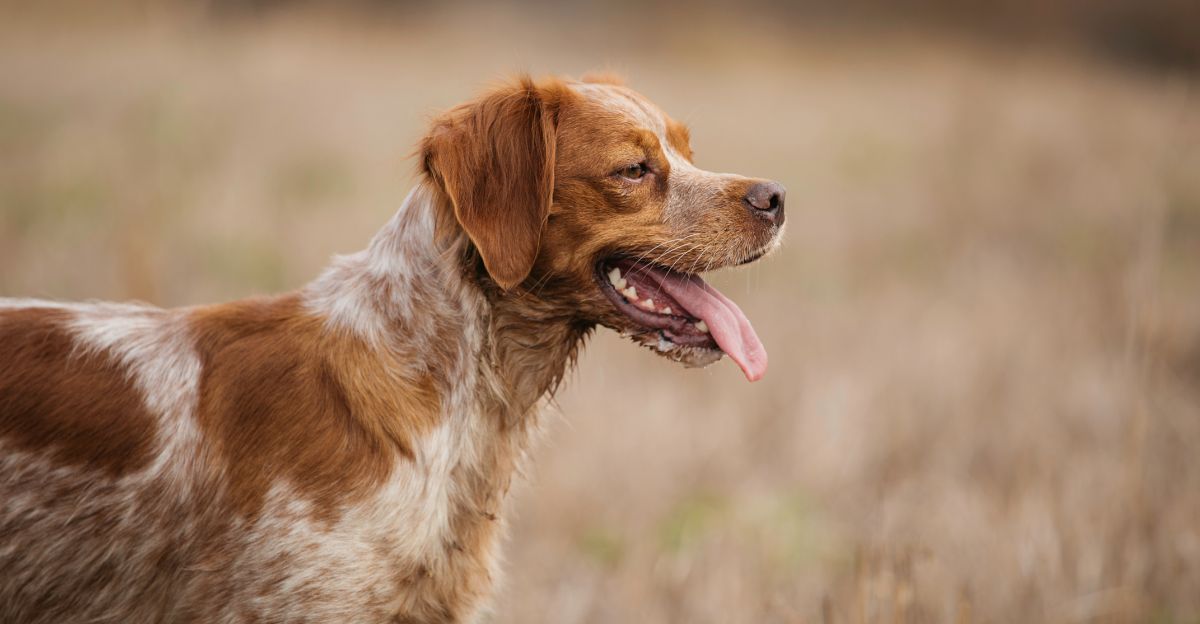
These pups have a boundless drive for physical activity. They thrive on field training, running, and long hunting excursions that demand robust stamina. Most experts recommend at least one hour of high-impact exercise daily, though two hours or more is ideal.
Routines integrate brisk walks, fetch sessions, agility drills, and intense scentwork or nose games to fully engage their minds and bodies. Without sufficient daily activity, Brittany Spaniels quickly become restless and anxious and may display undesirable behaviors such as barking or destructiveness.
19. Boxer
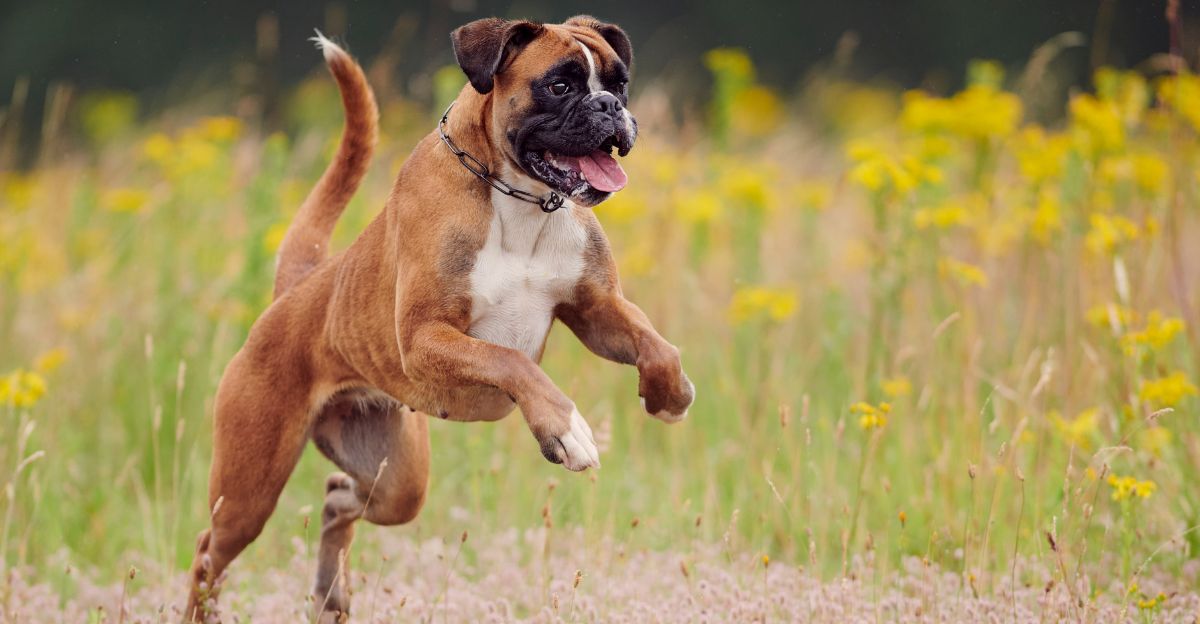
Adult Boxers generally require a minimum of two hours of exercise every day, ideally split between a couple of walks and structured play sessions. These may include hiking, running, fetch, and agility training. Their playful antics and zest for life mean Boxers often retain a puppy-like exuberance well into adulthood, making them demanding companions for owners who enjoy an active lifestyle.
Simply letting a Boxer outside in a yard does not meet its needs, these dogs need guided, people-oriented activities to remain truly healthy.