A massive winter storm fueled by a stretched polar vortex is sweeping across nearly half the United States from Friday to Sunday, threatening 160 million people with heavy snow, destructive ice, and life-threatening cold.
Arctic air plunging southward has triggered plummeting temperatures, blanketing major routes like the I-95 corridor in deep snow, coating the southern U.S. with ice, and gripping the northern Plains in extreme chill. The National Weather Service has issued stark warnings of unprecedented risks to life and property, marking this as a high-impact event driven by atmospheric disruptions including low sea ice levels.
Travel Disruptions Grip the Nation
Treacherous roads and highways are turning impassable as wind chills drop to deadly levels, stranding motorists and halting commerce. Major airports—Dallas-Fort Worth, Atlanta, Memphis, and Charlotte—brace for waves of cancellations, with runways slick from ice forcing airlines to deploy specialized de-icing methods. Domestic and international flights face prolonged delays, while interstates like I-40 and I-95 see shipments pile up at ports. Cross-border freight from Canada slows as the cold spills northward, prompting global shipping reroutes and supply chain ripples.
States Mobilize for Rescue and Recovery
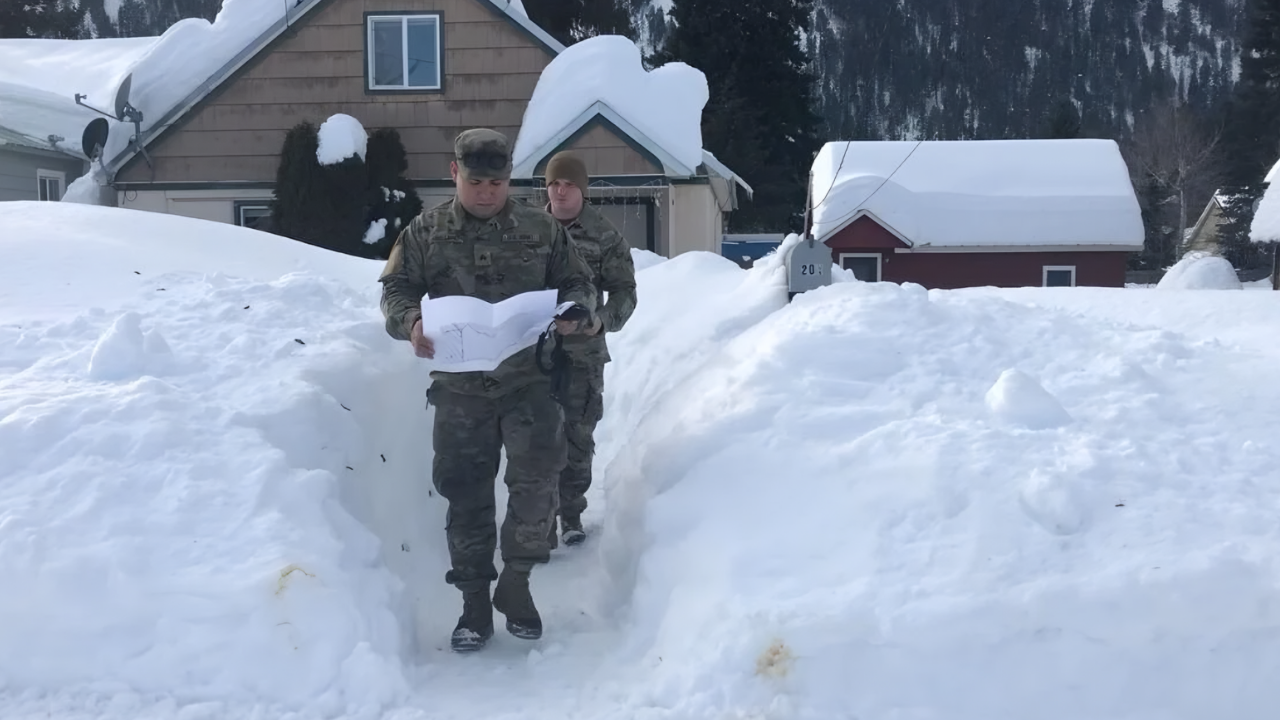
Governors in South Carolina, North Carolina, and Texas have declared states of emergency, echoing preparations from the 2021 Texas freeze. National Guard units in Texas and Arkansas stand ready for rescues, with Arkansas stockpiling 78,000 cubic yards of salt and Texas deploying over 1,000 pieces of winter equipment. Utility crews prepositioned across the region anticipate battling outages from ice-laden power lines and falling trees, particularly in southern states unaccustomed to such loads. Tennessee’s Department of Transportation has 850 salt trucks on alert, though cities like Jackson and Memphis grapple with limited snowplow resources.
Vulnerable Communities Face Harsh Realities
The human cost mounts as wind chills plunge to -50°F, heightening hypothermia risks for the elderly, rural residents, and outdoor workers—potentially affecting 55 million. Schools shutter, families hunker down, and hospitals prepare for patient surges amid strained essential services. Southern cities like Jackson, Mississippi, highlight gaps in winter readiness, with inadequate equipment exacerbating isolation during blackouts. Vulnerable populations in Tennessee and Mississippi bear the brunt of snow and ice, testing public safety nets.
Broader Ripples and Uneven Outcomes
Ports along storm-swept corridors report delays, energy stocks dip on outage fears, and consumers stockpile water, batteries, and non-perishables amid warnings of shortages. Salt suppliers in Arkansas and beet juice producers in Chicago see demand surges, while remote work rises as offices close—though airlines tally heavy losses. The event spotlights southern infrastructure vulnerabilities, fueling discussions on winter preparedness amid shifting weather patterns linked to stratospheric warming, with European forecasters eyeing similar cold snaps.
As the storm wanes, lingering deep freeze demands prolonged recovery efforts, underscoring the urgency for enhanced state-federal coordination, infrastructure upgrades, and adaptive strategies to mitigate future extreme weather’s toll on lives, economies, and trade.
Sources:
“Meteorologists blame a stretched polar vortex, moisture, lack of sea ice for dangerous winter blast.” Associated Press, late Jan 2026.
“Historic winter storm: over 235 million in path of dangerous snow, ice with first impacts tonight.” FOX Weather, Jan 22–23 2026.
“Long‑duration power outages and extremely hazardous travel expected as major winter storm spreads from the Southern Plains to the Northeast.” The Watchers (citing National Weather Service forecasts), Jan 23 2026.
“January 2026 United States winter storm.” Wikipedia (summarizing emergency declarations, storm impacts, widespread alerts across dozens of states), Jan 2026.