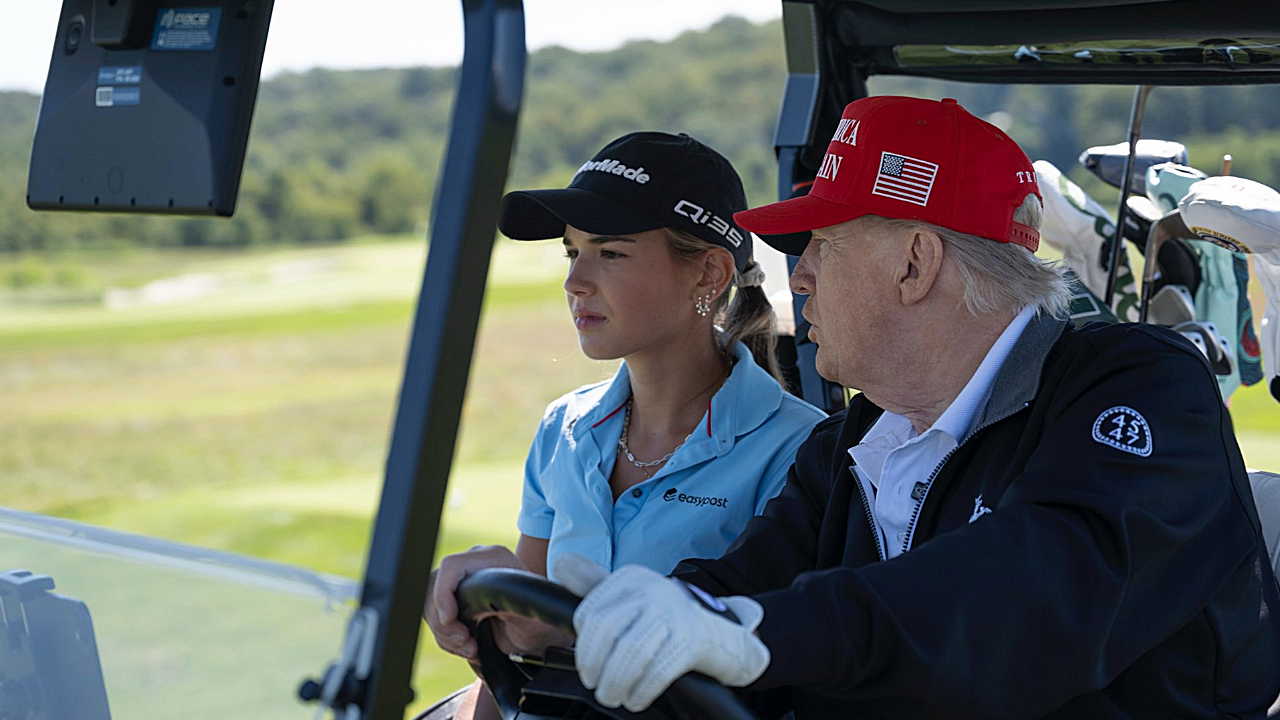
Donald Trump has filed a federal lawsuit against the BBC in the Southern District of Florida, seeking up to $10 billion in damages over how his January 6, 2021 speech was edited in a BBC Panorama documentary.
The case alleges defamation and violations of Florida’s deceptive and unfair trade practices law, turning a long-running dispute over media coverage into a high-stakes legal confrontation with global implications.
Why Trump Launched the BBC Suit
At the center of the complaint is the Panorama documentary “Trump: A Second Chance?”. Trump argues the program used an edited version of his January 6 speech that stitched together separate remarks while omitting his call for peaceful protest.
He claims the edit falsely suggested he encouraged violence. The lawsuit seeks $5 billion for defamation and $5 billion under Florida’s consumer-protection statute.
Direct Hit: BBC Faces a U.S. Court Challenge
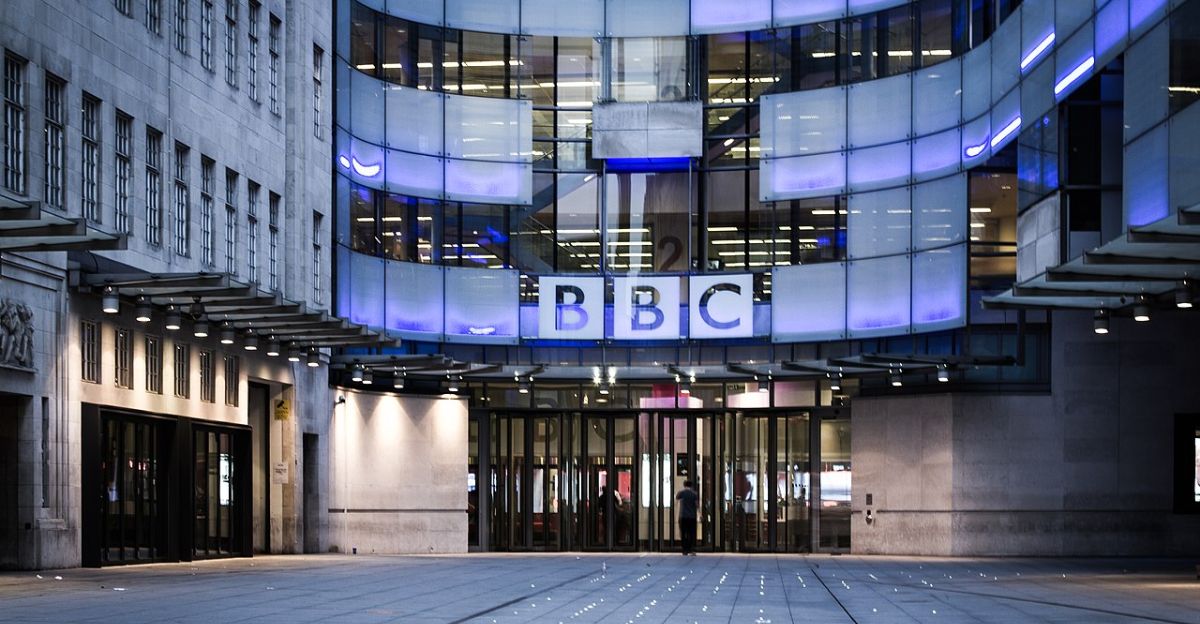
The lawsuit places the BBC, a U.K. public broadcaster, in a U.S. federal court. Trump argues the documentary’s availability and alleged impact in Florida justify jurisdiction.
The BBC has acknowledged the edit was misleading and issued an apology, but it denies defamation. Its legal team says the case should be dismissed on jurisdictional and substantive legal grounds.
Corporate Media Watches Closely
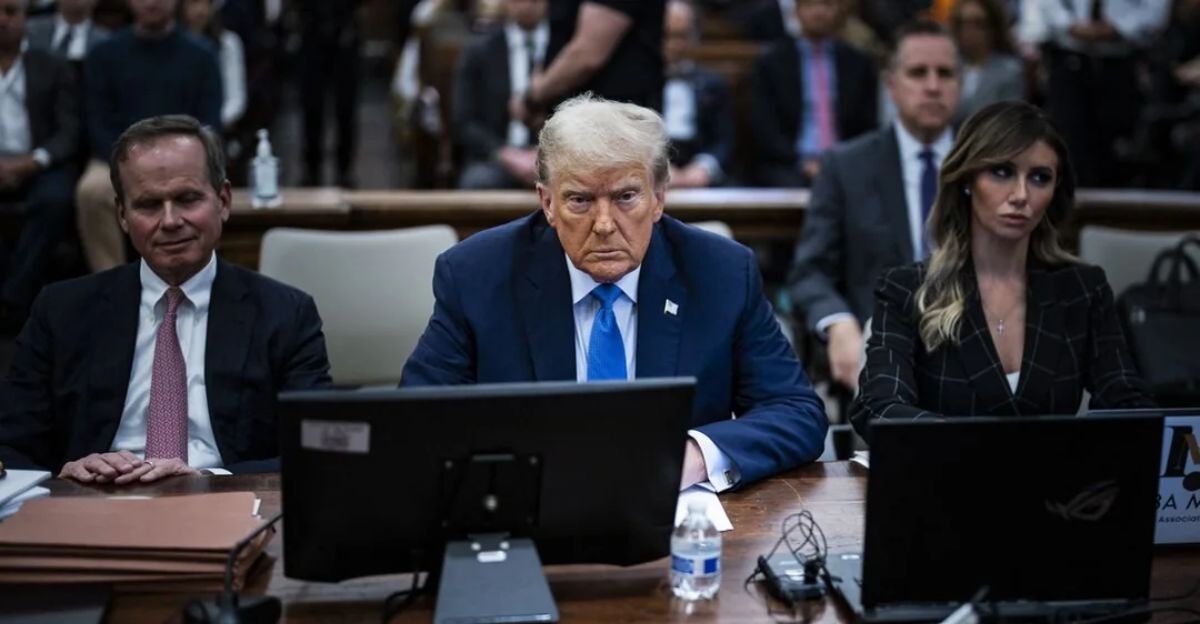
News organizations on both sides of the Atlantic are closely monitoring the case. It is viewed as another example of Trump’s aggressive legal strategy against major media outlets.
Internally, the BBC’s handling of the Panorama edit has sparked renewed debate about editorial safeguards, especially when covering politically explosive events like the Capitol riot and Trump’s rhetoric.
Rise of Alternative and Conservative Platforms
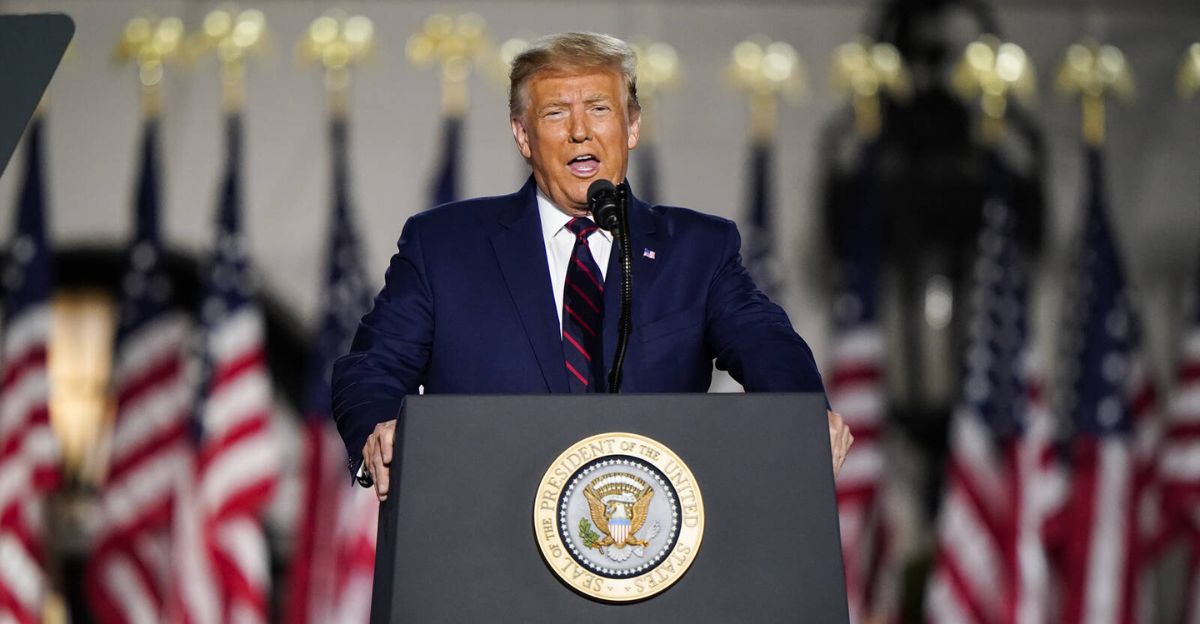
The controversy has boosted visibility for alternative and conservative-leaning media outlets that emphasize full, unedited versions of Trump’s speeches.
These platforms point to the Panorama edit as evidence of selective editing by mainstream broadcasters, arguing that access to complete primary footage is essential for viewers to judge politically charged statements accurately.
International Media and Jurisdiction Tensions
A core dispute is whether a U.S. court can hear a case against a foreign broadcaster. The BBC argues the documentary was produced and aired in the U.K.
Trump counters that global streaming and online access mean the content reached U.S. audiences, including Florida. The case highlights growing tension over how national laws apply to global media distribution.
Inside the BBC: Editorial Scrutiny Intensifies
Within the BBC, the Panorama segment triggered internal reviews of editorial decision-making. The broadcaster described the edit as an “error of judgment” and apologized publicly.
However, BBC lawyers maintain that acknowledging a mistake does not amount to legal liability and that Trump has not met the high legal threshold required to prove defamation.
Political Backlash and Policy Debate
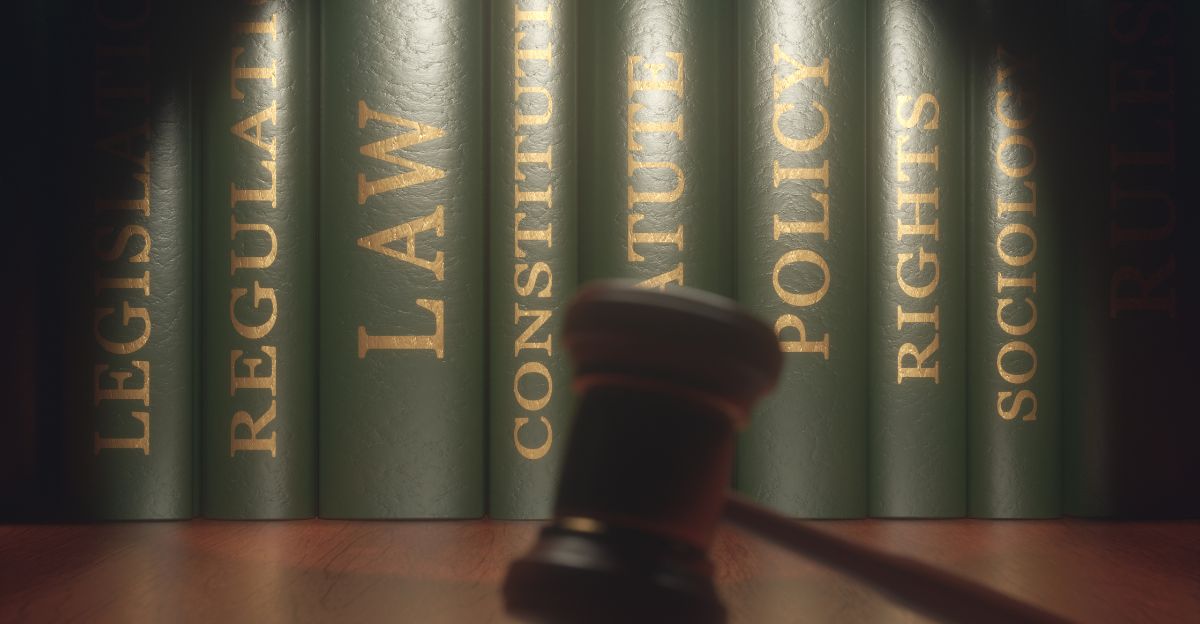
Trump’s lawsuit has become part of a wider U.S. debate over media accountability and press freedom. Supporters argue the case exposes harmful misrepresentation, while critics warn that massive damages claims risk chilling investigative journalism.
The dispute underscores tensions between protecting reputations and preserving robust reporting on powerful political figures.
Financial Exposure for a Public Broadcaster

Although the BBC disputes the claims, the sheer scale of the damages sought has drawn attention. Any prolonged litigation would involve significant legal costs, even without an adverse verdict.
The case has fueled debate in the U.K. about the BBC’s funding model, governance, and vulnerability to costly legal battles in foreign courts.
How Digital Platforms Handle the Dispute

Major digital platforms and news aggregators have highlighted comparisons between the edited Panorama clip and full recordings of Trump’s January 6 speech.
The episode has reinforced industry practices around labeling edited political content and encouraging users to view original footage, reflecting broader efforts to provide context in an era of viral clips.
Media Access Around Mar-a-Lago
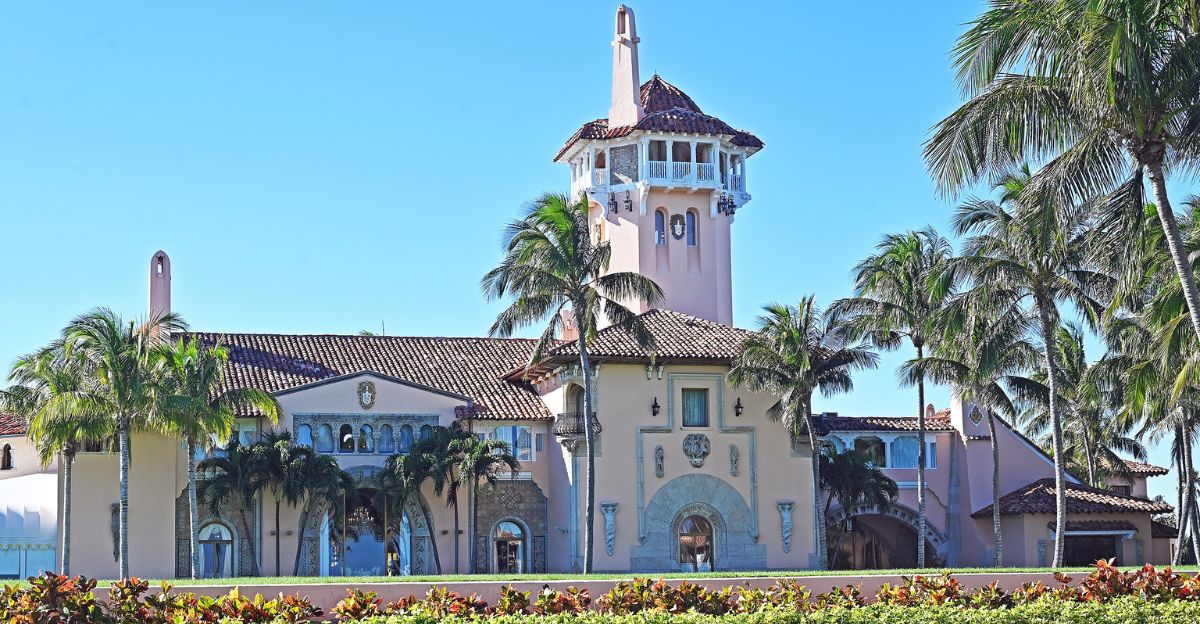
The lawsuit also intersects with the sensitive environment surrounding media access to Trump’s properties, including Mar-a-Lago.
These locations are frequent backdrops for political reporting. News organizations operating near them must now consider heightened legal, security, and reputational risks when gathering footage or conducting interviews tied to Trump.
Knock-On Effects for Tech and Legal Sectors
The dispute illustrates how streaming, online archives, and VPN access complicate where content is legally considered “published.”
It has also increased demand for legal expertise in media law, First Amendment issues, and international jurisdiction. Firms specializing in cross-border disputes are watching closely for precedents that could reshape liability standards.
Global Audiences Reassess Trusted News
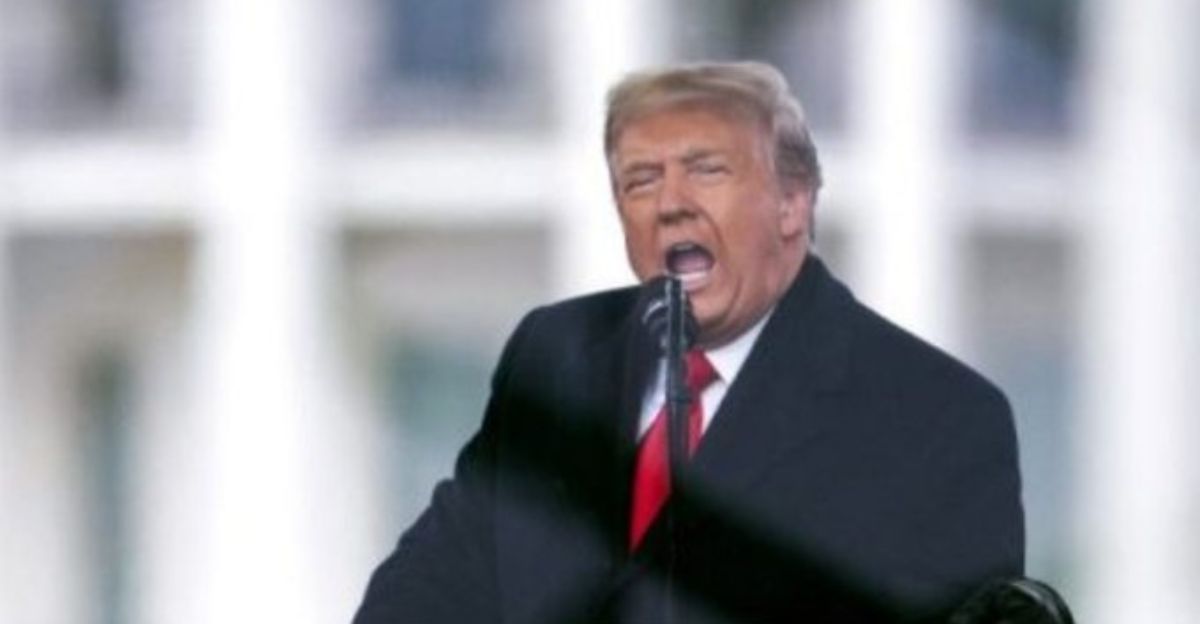
Viewers worldwide have responded by reassessing how much they rely on edited current-affairs programs versus raw source material.
The Panorama controversy has heightened awareness that even established broadcasters can make consequential errors, and that global audiences increasingly expect transparency and access to original political speeches and documents.
Fact-Checking Habits Gain Momentum

Commentators and educators now frequently cite the case as a lesson in media literacy. Audiences are encouraged to compare edited segments with full transcripts and recordings.
Civic groups argue that this habit helps viewers better evaluate contentious political claims and reduces the impact of misleading edits or decontextualized clips.
Cultural Clash Over Press Freedom
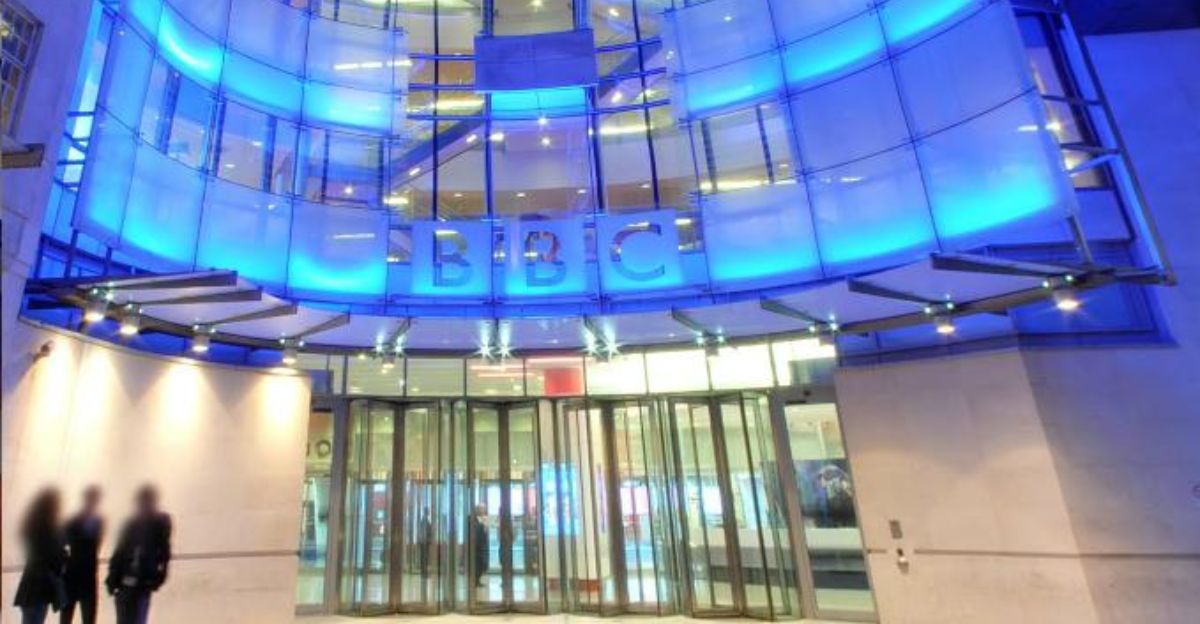
Debate continues over whether the Panorama edit was a serious journalistic failure or a correctable mistake.
The controversy has become entangled in broader cultural battles over Trump, January 6, and media bias. It reflects deep divisions about how aggressively broadcasters should interpret and present the words of polarizing leaders.
Conservative Media See Opportunity
Conservative U.S. outlets defending Trump’s January 6 remarks have used the lawsuit to reinforce their positioning against mainstream media.
They cite the BBC’s apology as validation of long-standing bias claims and argue the case shows why audiences should seek out alternative sources offering full, unedited political coverage.
Markets Track Litigation Risk

Analysts and insurers monitoring media companies view the lawsuit as another example of legal risk tied to covering polarizing figures.
Even if dismissed, such cases can drive up insurance costs and influence editorial decisions. The outcome could shape how media organizations assess risk when editing and distributing politically sensitive content.
Consumer Advice: Navigating Political Media
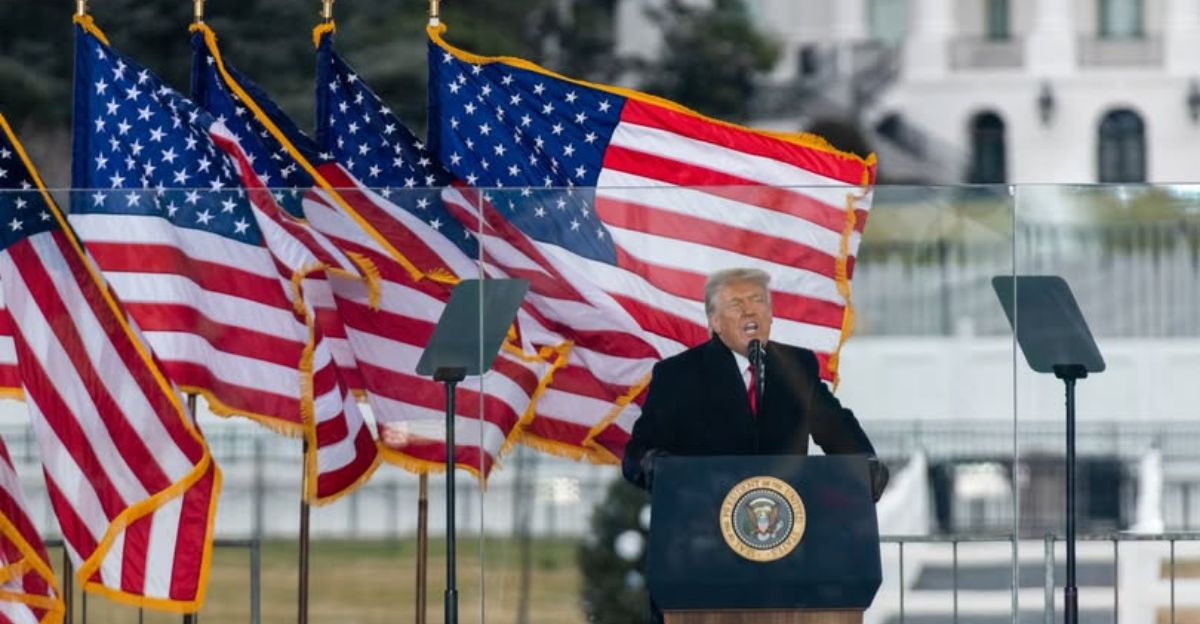
Media-literacy experts urge viewers to consult complete recordings and transcripts of Trump’s January 6 speech rather than relying on short clips.
Comparing multiple reputable outlets and original sources can help audiences form more accurate judgments about disputed coverage and better understand how editing choices affect interpretation.
What Comes Next in Court
The BBC has indicated it will move to dismiss the lawsuit, arguing lack of personal jurisdiction and failure to adequately allege defamation or unlawful trade practices.
If the case survives early motions, discovery and potential trial proceedings could test how U.S. law applies to foreign broadcasters in the streaming era.
Ripples Across Media and Law
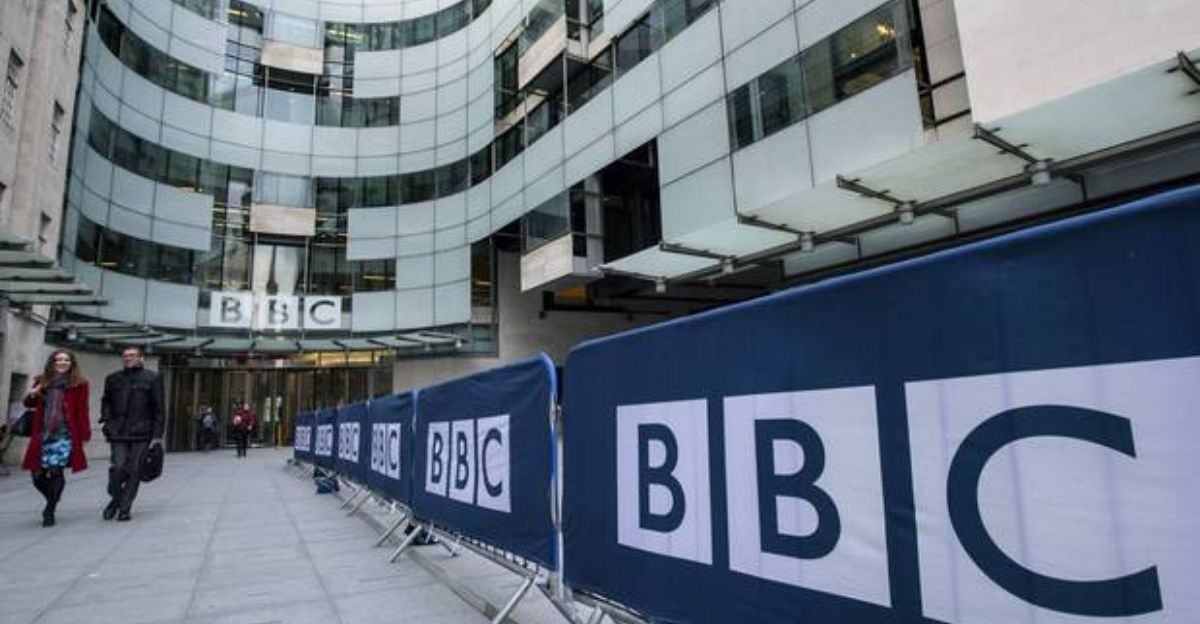
From Florida’s federal courts to BBC headquarters in London, the lawsuit has become a focal point in global debates over editing, accountability, and press freedom.
Regardless of the final outcome, the dispute is already influencing newsroom practices, legal strategies, and public expectations around transparency in political reporting.
Sources:
“Trump files $10B defamation lawsuit against the BBC over edited Jan. 6 speech” – CBS News
“BBC to seek dismissal of Trump’s $10 billion defamation lawsuit” – CBS News
“BBC apologizes to Trump over editing of his Jan. 6 speech in Panorama documentary” – CBS News
“Why is Donald Trump suing the BBC?” – BBC News
“BBC will aim to have Trump’s $5bn defamation lawsuit dismissed” – BBC News
“BBC apologises to Trump over Panorama edit but refuses to pay compensation” – BBC News