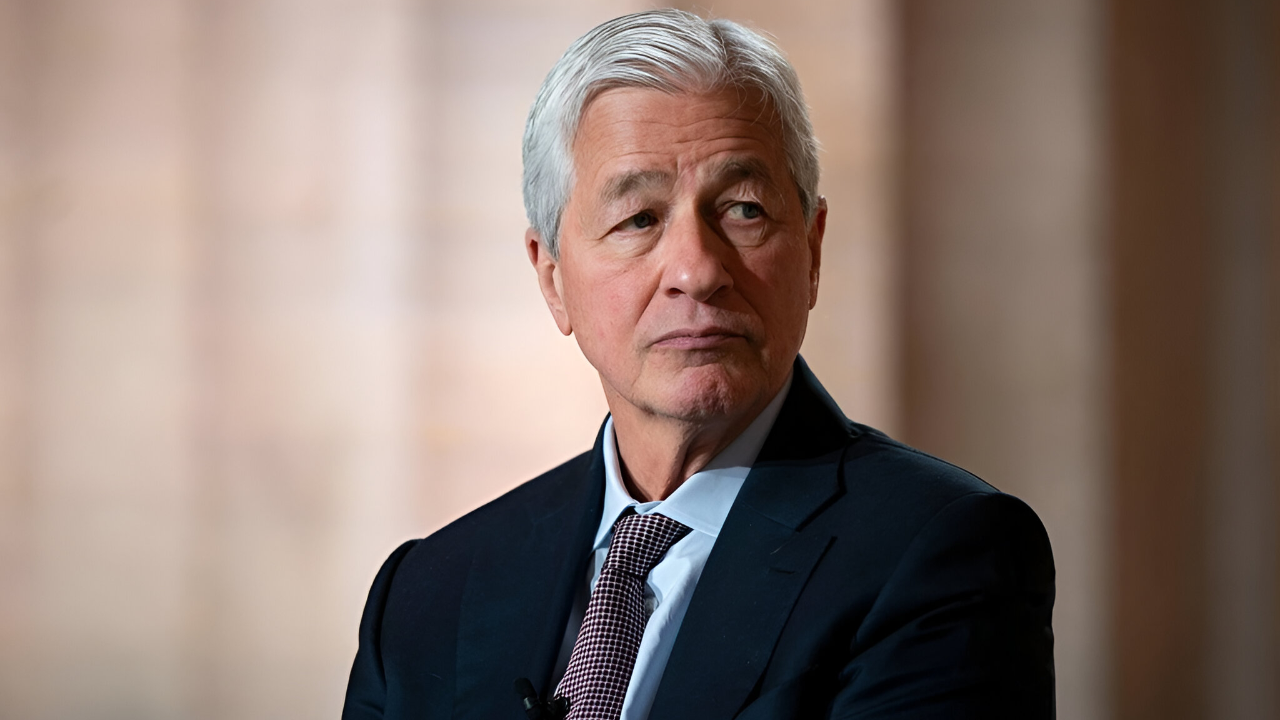
President Donald Trump is demanding at least $5 billion from JPMorgan Chase and CEO Jamie Dimon, accusing the nation’s largest bank of illegally “debanking” him by abruptly closing his accounts after the January 6, 2021 attack on the US Capitol, in a lawsuit that collides high finance with presidential politics.
Trump launches $5 billion legal offensive
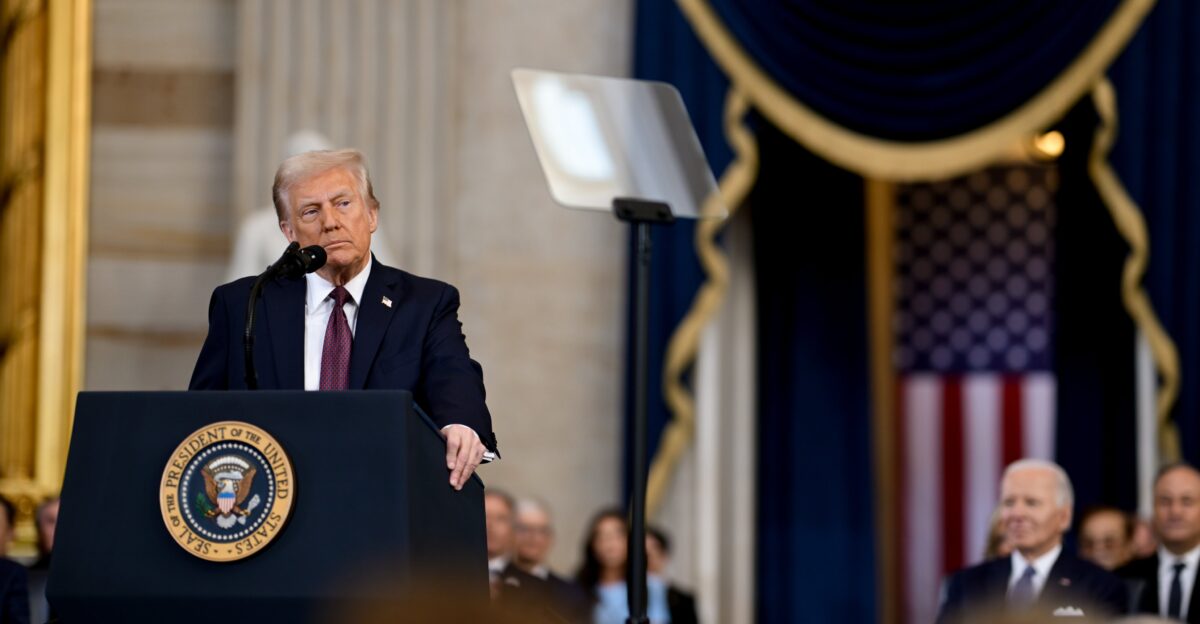
Filed in Miami-Dade County, Florida, the lawsuit claims JPMorgan deliberately cut ties with Trump and several of his businesses in 2021 to punish his conservative politics and avoid reputational risk after the Capitol unrest.
Trump argues that the closures shattered a decades-long relationship and inflicted serious financial and reputational damage on his companies.
Alleged political motive behind account closures
According to the complaint, JPMorgan notified Trump-linked entities in early 2021 that their accounts would be closed, giving roughly 60 days’ notice but no substantive explanation.
Trump contends he later learned the decisions were driven by political bias against him, his family, and the Trump Organization rather than traditional risk or compliance concerns.
Claims of a damaging ‘blacklist’

The lawsuit goes further, accusing JPMorgan of placing Trump, his relatives, and affiliated entities on an internal “blacklist” that allegedly flagged them as too risky for wealth-management services.
Trump’s attorneys say the list effectively warned other financial institutions away, amplifying financial harm and amounting to trade libel under Florida law.
Legal grounds Trump is pursuing
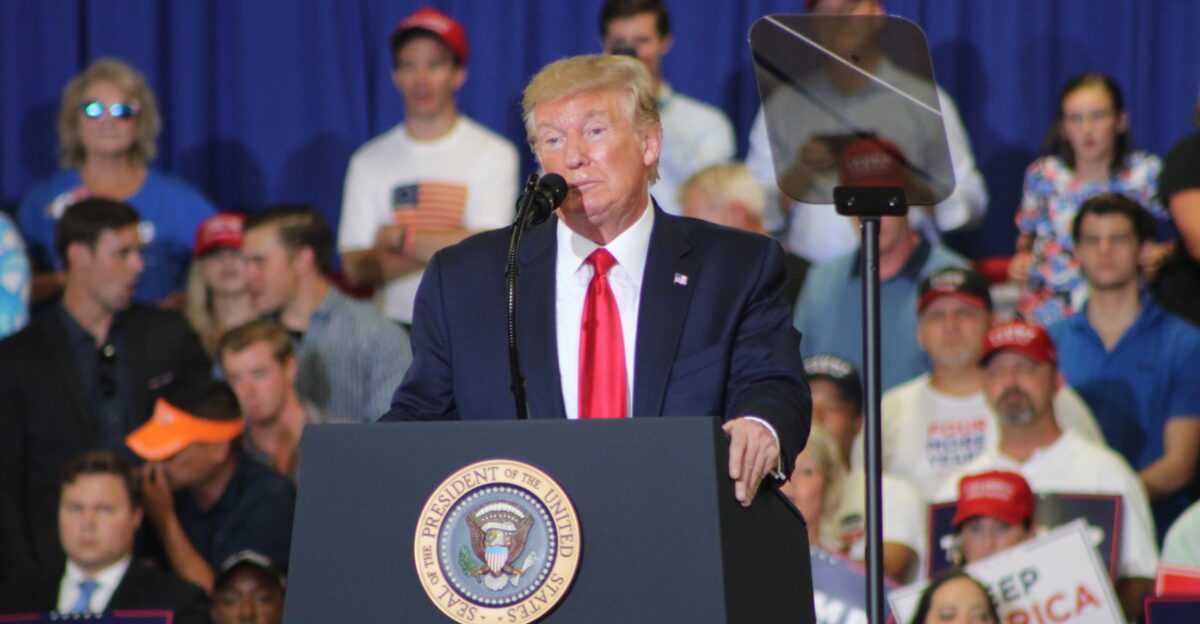
Trump and the co-plaintiff companies accuse JPMorgan of defamation and trade libel, arguing that any internal designation implying misconduct is false and harmful to their business reputation.
They also claim breach of the implied covenant of good faith and fair dealing and allege violations of Florida’s unfair and deceptive trade practices statute, including against Dimon personally.
JPMorgan’s firm denial of political bias

JPMorgan flatly rejects the allegations that politics played any role in its decision-making, calling the lawsuit “without merit” and vowing to fight it in court.
“While we regret President Trump has sued us, we believe the suit has no merit,” the bank said in a statement, adding that it does not close accounts for political or religious reasons.
Bank says closures driven by risk

The bank maintains that account closures, including those affecting Trump-linked entities, occur when clients pose legal, regulatory, or compliance risks the institution is not willing to bear.
JPMorgan argues that it acted within contractual rights and applicable law, noting that banks generally have broad discretion to terminate relationships with appropriate notice.
How the account shutdown unfolded

Court filings and media reports say JPMorgan informed Trump and various related enterprises around February 2021 that their accounts would be closed, with closures taking effect roughly two months later. The accounts included business and wealth-management relationships that had reportedly been in place for many years.
Trump says businesses scrambled for new banks
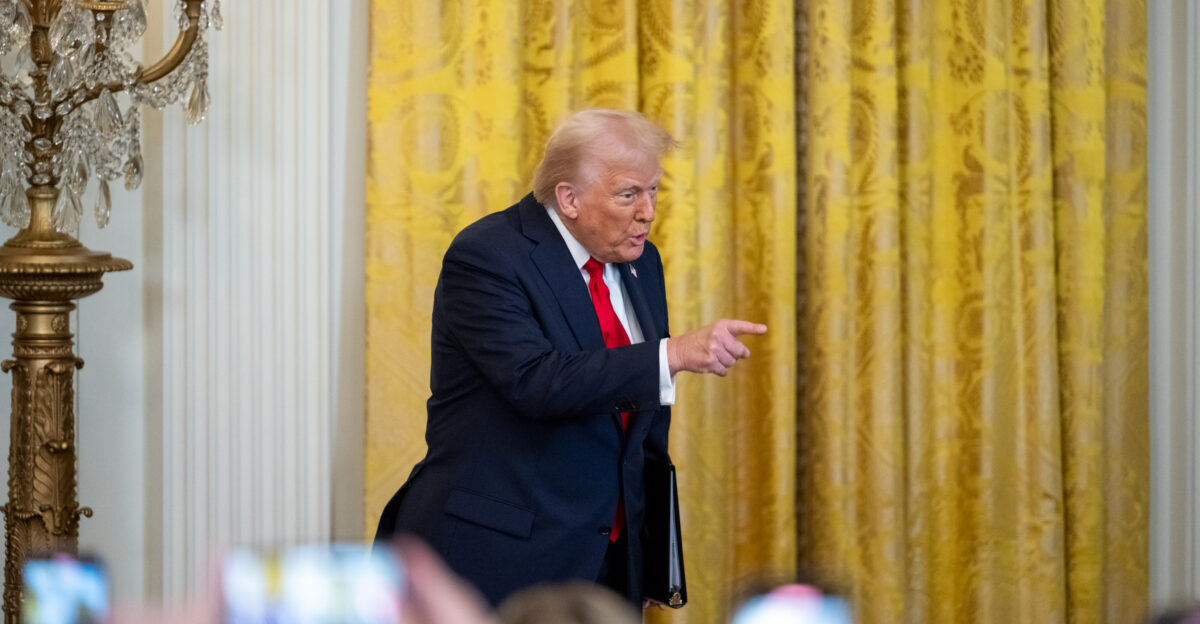
Trump claims the sudden severing of access to millions of dollars forced his companies to scramble for alternative banking arrangements, disrupting payroll, vendor payments, and day-to-day operations.
The lawsuit argues that being cut off by such a dominant institution influenced how other banks viewed doing business with him and his affiliates.
Davos remarks add fuel to the clash
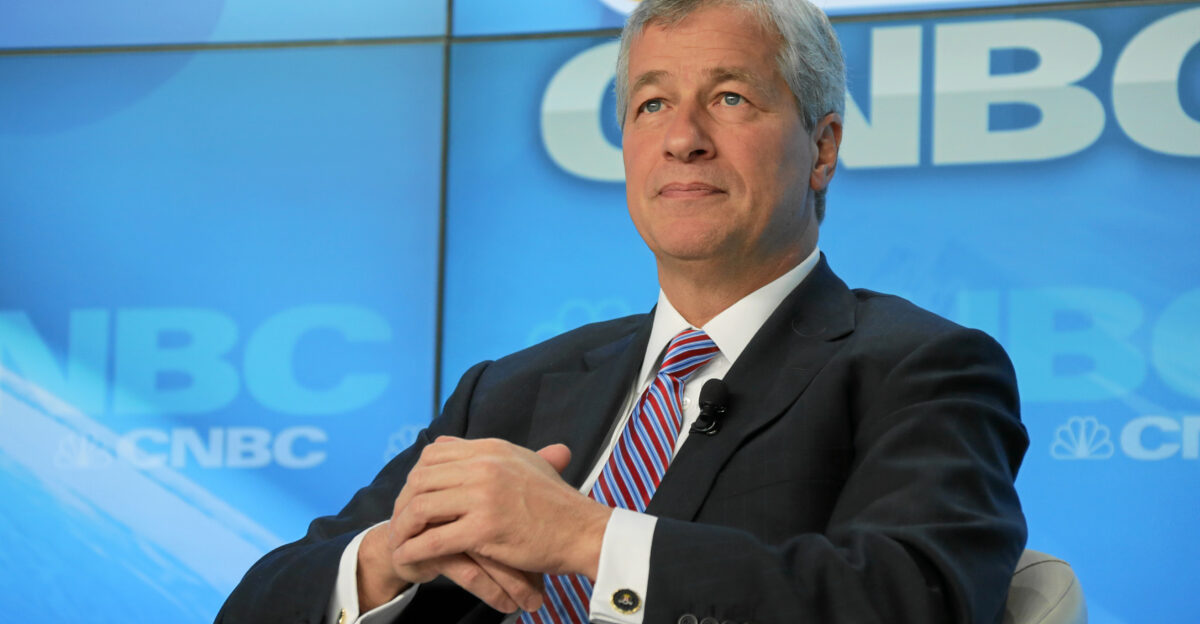
The filing came just as Dimon and Trump publicly clashed over policy at the World Economic Forum in Davos, where Dimon criticized Trump’s proposal to cap credit card interest rates as an “economic disaster.”
Coverage has noted the timing, though the complaint itself focuses on 2021 account decisions rather than more recent policy disputes.
Trump’s broader ‘debanking’ narrative
In the complaint and public comments, Trump casts himself as a high-profile victim of “debanking,” a term critics use for alleged ideological discrimination by financial institutions.
He argues that conservatives and their organizations face heightened risk of losing financial services if their views conflict with those of major banks and their stakeholders.
Long history of friction with big banks

The lawsuit extends a long-running tension between Trump and Wall Street giants, which has included past disputes over lending, credit lines, and reputational concerns.
Trump has previously complained that large US banks, including JPMorgan and Bank of America, declined deposits or services for his ventures after his first term.
Dimon personally drawn into the spotlight
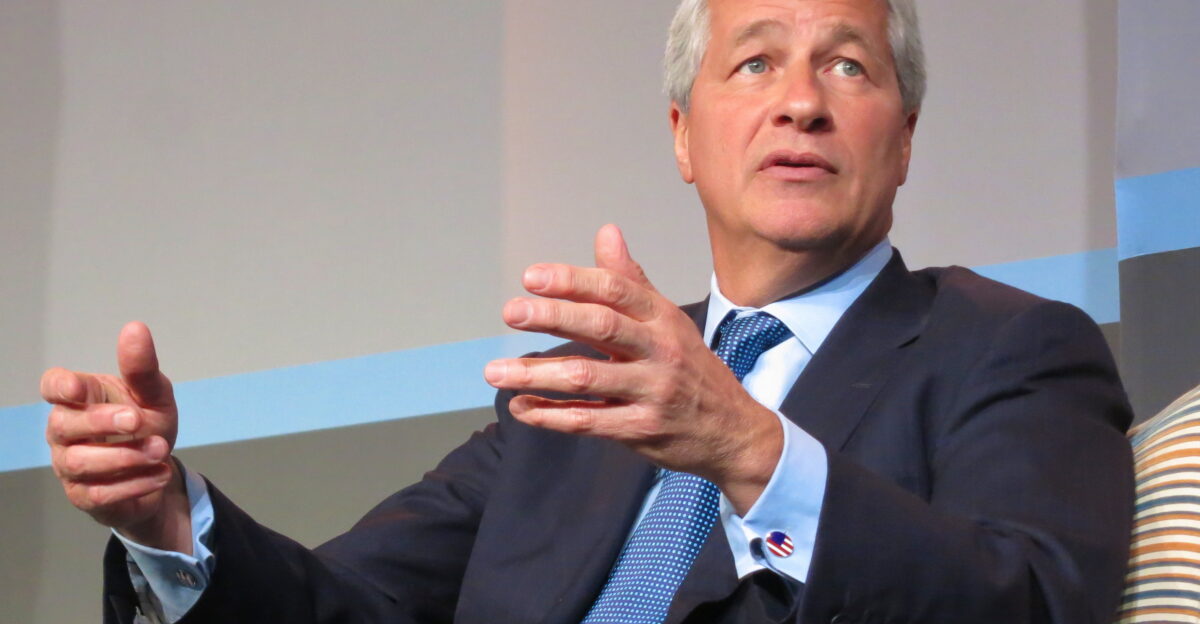
By naming Dimon individually as a defendant, Trump elevates the stakes for one of the world’s most prominent banking executives and invites closer scrutiny of his role.
The complaint alleges Dimon approved both the account closures and the alleged blacklist, effectively tying the CEO himself to Trump’s claimed losses.
What legal experts say about Trump’s chances

Some banking and legal analysts suggest Trump may face an uphill battle because bank contracts generally give institutions broad leeway to end relationships, especially with notice.
A Cato Institute analyst, for example, has said the lawsuit is “unlikely to be successful,” while noting it could still generate debate about how banks treat politically controversial clients.
The questions courts are likely to probe
Analysts expect the case to hinge on whether Trump can prove the accounts were closed specifically because of his political views, rather than standard risk assessments.
That could require internal JPMorgan documents and testimony showing how reputational, legal, and political factors were weighed when decisions about his accounts were made.
A test of ‘debanking’ claims in court
Beyond Trump personally, the case is being watched by activists and policymakers who claim banks sometimes quietly restrict services to groups based on ideology.
High-profile litigation could clarify how existing law treats alleged political discrimination by private financial institutions and whether new regulations might be considered.
JPMorgan’s reputation on the line
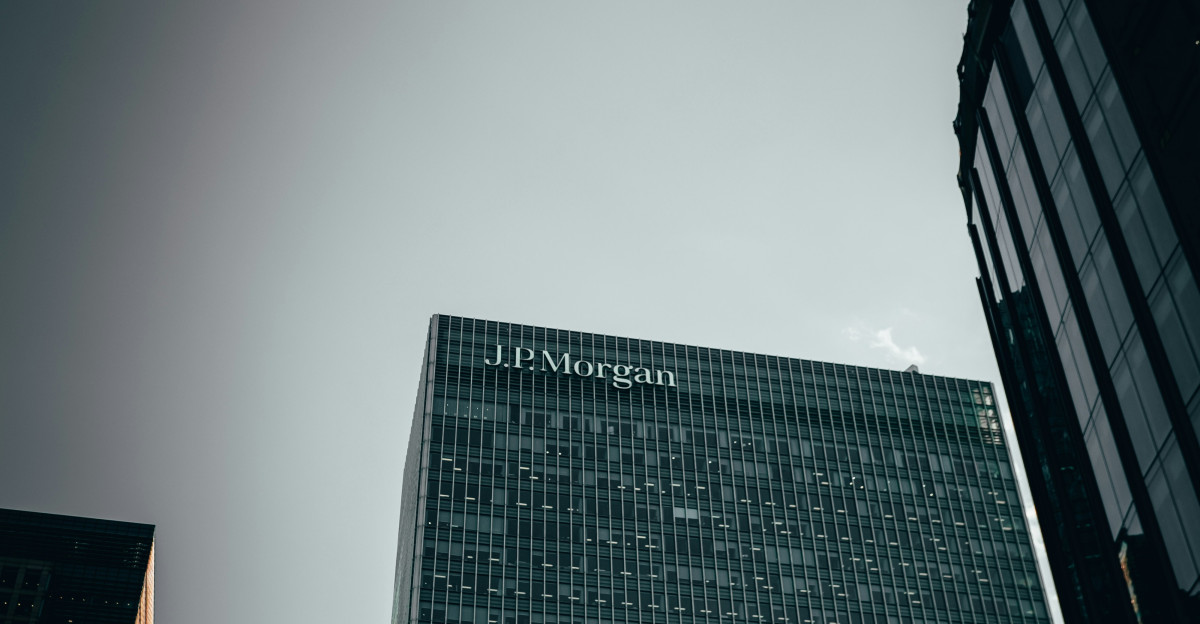
For JPMorgan, the world’s largest US-based bank by assets, the lawsuit risks dragging its risk-management decisions into a highly polarized political fight.
The bank must persuade both the court and the public that it applies its policies consistently, regardless of a customer’s politics or public profile.
Global scrutiny as financial giant faces ex-president

Because both Trump and JPMorgan operate on a global stage, the dispute has drawn coverage across major international outlets from Europe to the Middle East.
Many reports frame it as a vivid example of how financial power and political influence intersect when a former US president sues a leading global bank for alleged discrimination.
Case still in early stages
As of late January 2026, the lawsuit remains in its initial stages, with no ruling yet on JPMorgan’s expected efforts to have it dismissed.
Unless the parties reach a settlement, the case could proceed through months of motions and discovery that reveal more about how the bank handled one of its most politically charged client relationships.
What Comes Next In Court
For now, Trump’s $5 billion claim and JPMorgan’s forceful denial have ensured that what began as a bank–client dispute is now a global test of how politics and financial power collide.
Sources:
“Filing # 240043433: Donald J. Trump et al. v. JPMorgan Chase & Co. and Jamie Dimon.” Miami-Dade County Circuit Court, 22 Jan 2026.
“Trump sues JPMorgan for $5B, says the bank closed his accounts for political reasons.” Associated Press, 22 Jan 2026.
“Trump Sues JPMorgan, Saying the Bank Closed His Accounts for Political Reasons.” The New York Times, 22 Jan 2026.
“Trump sues Jamie Dimon, JPMorgan Chase over alleged ‘debanking.’” CNBC, 22 Jan 2026.
“Does Trump have a case against JPMorgan for closing his accounts?” Reuters, 24 Jan 2026.
“Trump sues JPMorgan and CEO Dimon over alleged ‘debanking.’” Al Jazeera, 22 Jan 2026.