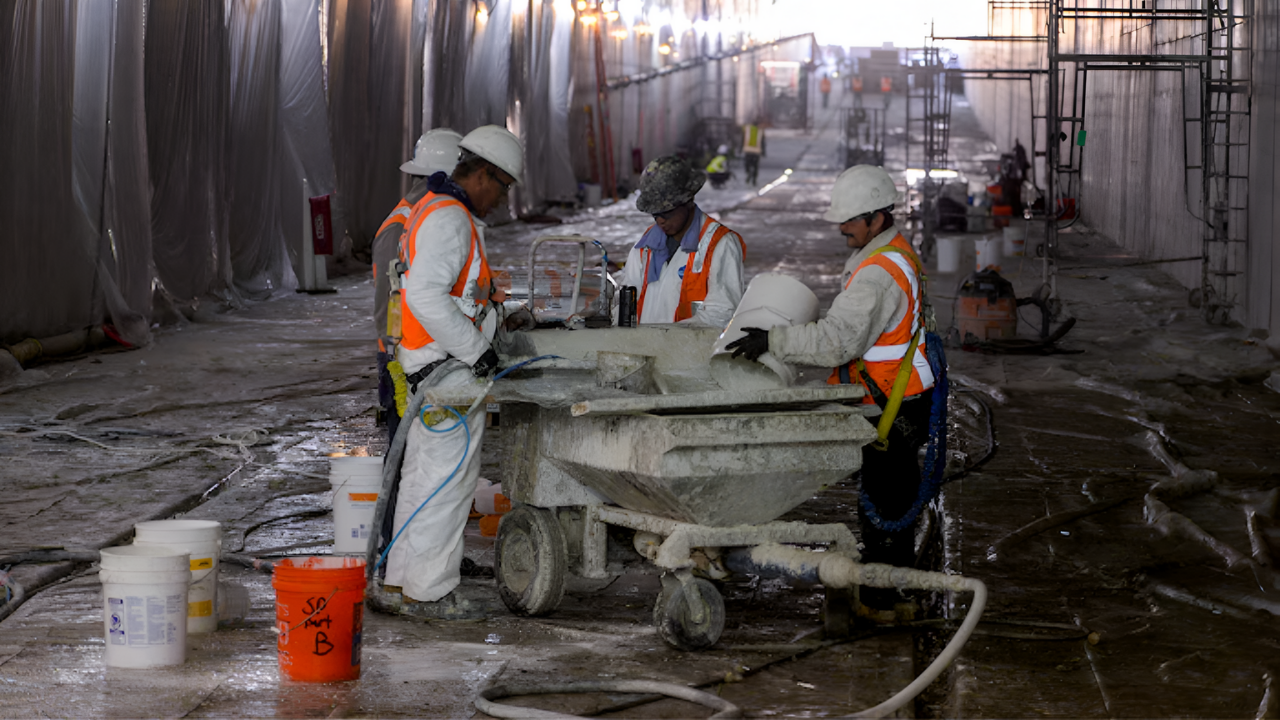
A major new airport being built near Baranów in central Poland has revealed an ancient story. Before construction crews arrive, archaeologists dig through fields and trenches. They find far more than scattered artifacts.
The evidence shows people lived here for thousands of years. Each soil layer tells of different communities that once walked this ground. What exactly did they discover below the future runways?
Hidden Depths
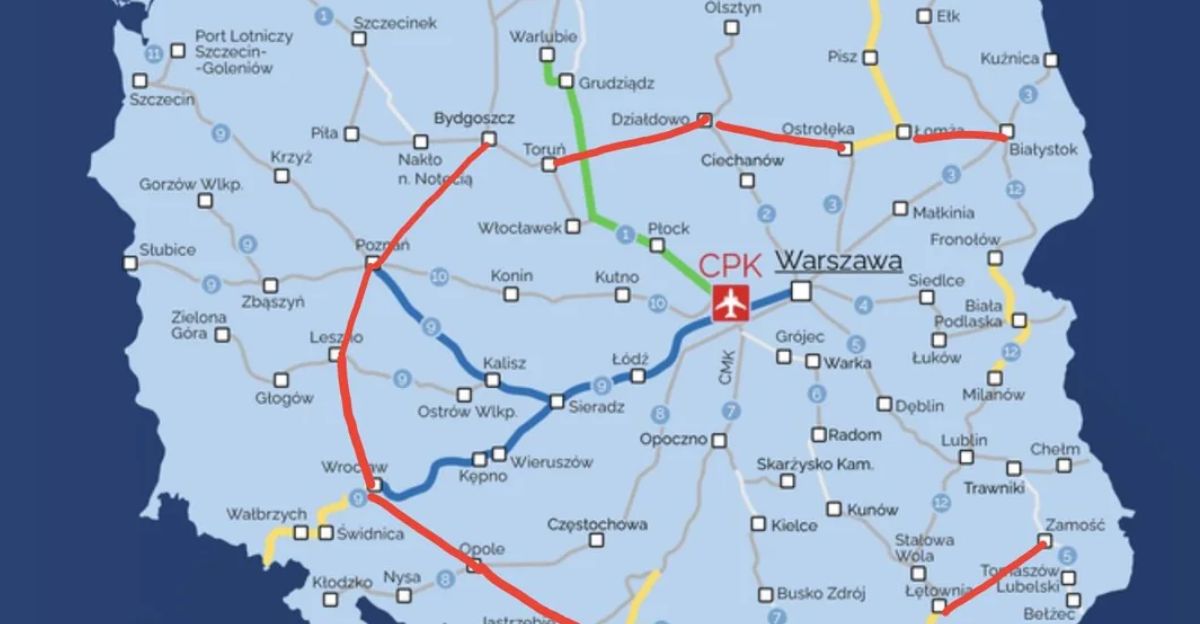
The CPK airport site sits about 31 miles west of Warsaw at the center of Poland’s major transportation upgrade. It links planes, trains, and roads. On a map, it looks like an ambitious hub to speed travel across Poland.
But archaeologists see something different: a rare chance to excavate huge connected areas. As they dig, they keep finding more artifacts. Could this be one of the richest dig sites in the region?
Landscape Of Eras
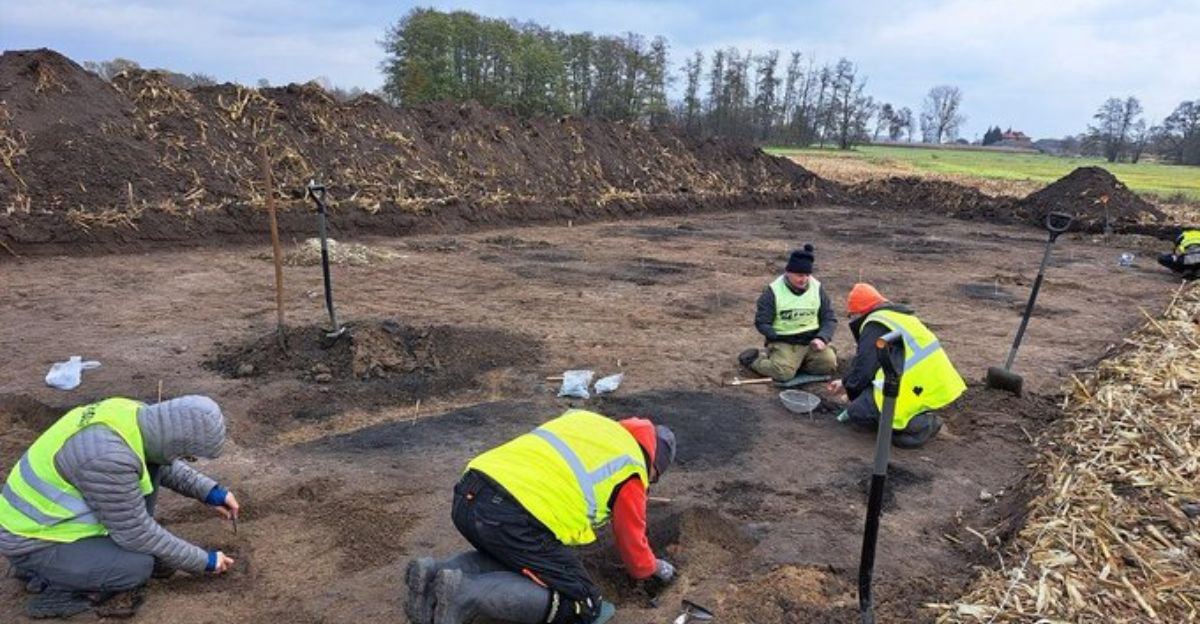
Archaeologists call the area “exceptional in archaeological terms” because it holds many time periods in one place. Neolithic farmers, Bronze Age metalworkers, Iron Age cultures, medieval villagers, and early modern families left traces here.
Researchers find a long chain of different communities returning repeatedly to the same ground. This pattern helps them track how technology, food, and social life have changed over time. How far back does this history really go?
Rescue Before Runways
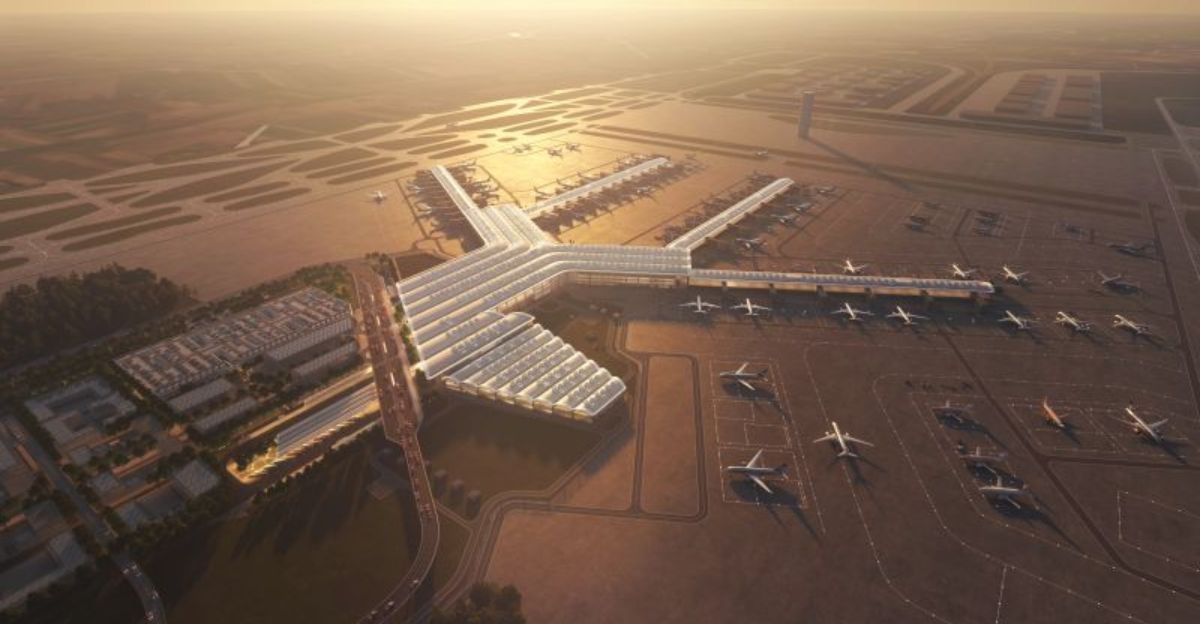
European law requires builders to search for archaeological remains before large construction projects disturb the soil. At CPK, this rule became a full-scale rescue project starting in October 2023 and running until the end of 2026.
The airport cannot begin major landwork until the surveys finish. This deadline pressures field teams to record everything fast yet carefully. How do you balance scientific care against a fixed deadline?
Seven Millennia Revealed
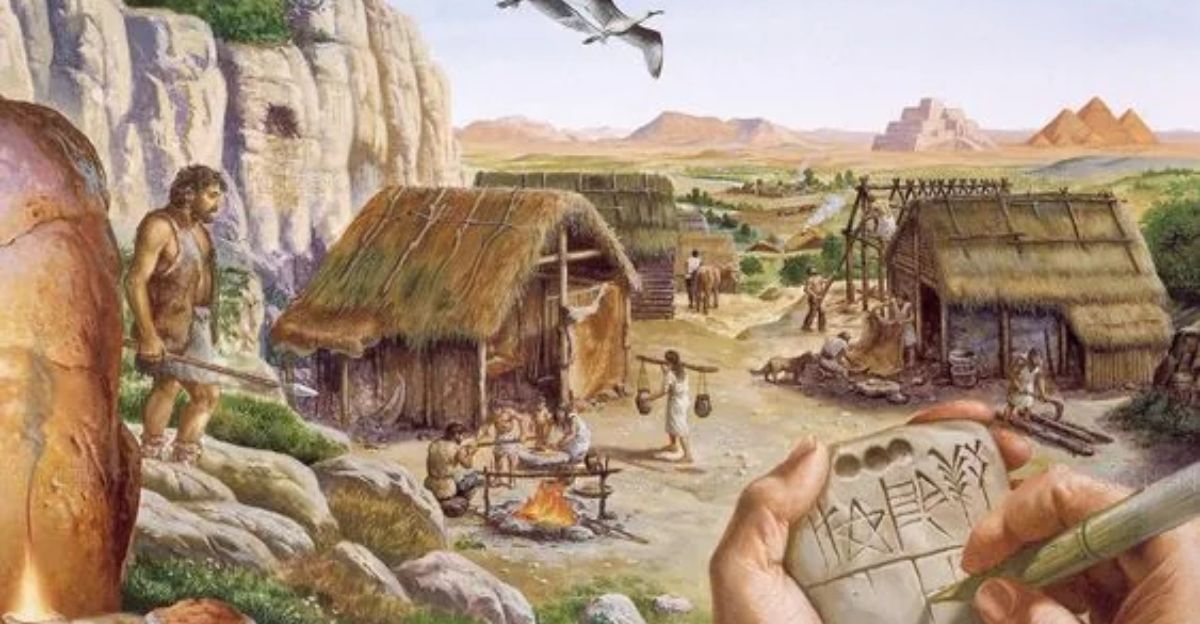
The main discovery is clear: artifacts at CPK span roughly 7,000 years of human life, from the Neolithic era to the early modern period. Stone and flint tools date from around 5200–1900 BC. Bronze Age ceramics and metal ornaments come next.
Medieval coins and early modern household items appear last. The time gap between the oldest and newest remains is about 7,000 years. A long strip of regional history was uncovered under a future airport.
First Farmers’ Footprints
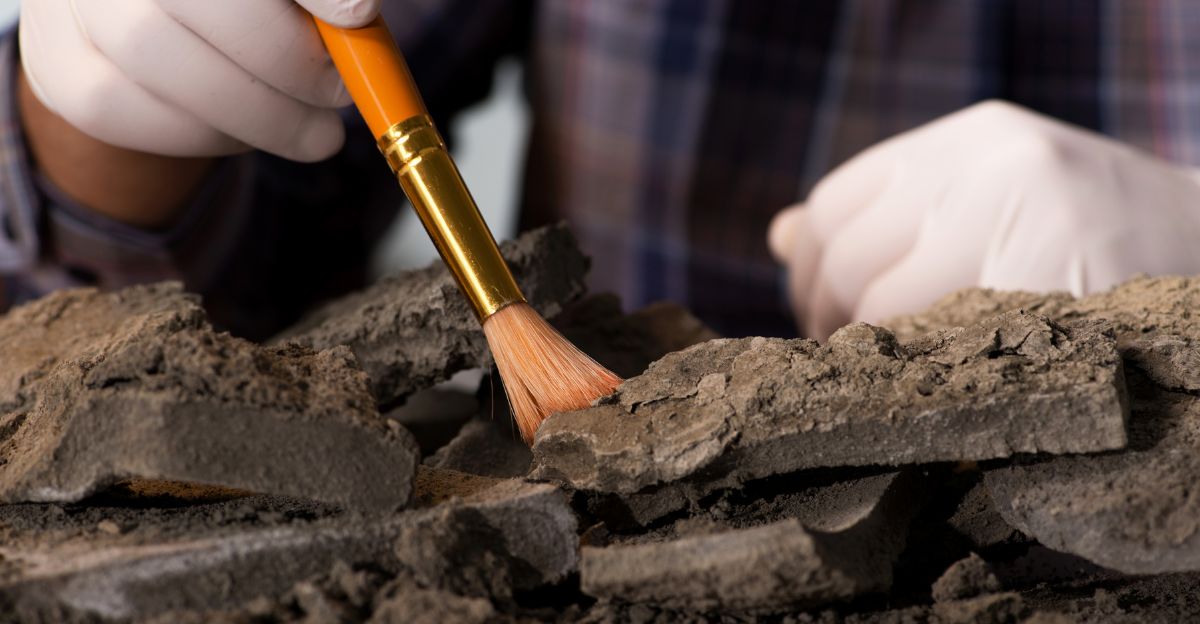
At the bottom of several dig sites, archaeologists found Neolithic layers associated with early farming. Finds include flint blades, stone tools, storage holes, and traces of simple wooden buildings. These remains show people cultivated crops and stored food here long before writing existed.
The CPK dig explains how early farming spread through central Poland. What brought those first farmers to this specific patch of ground?
Bronze Age Heat And Metal
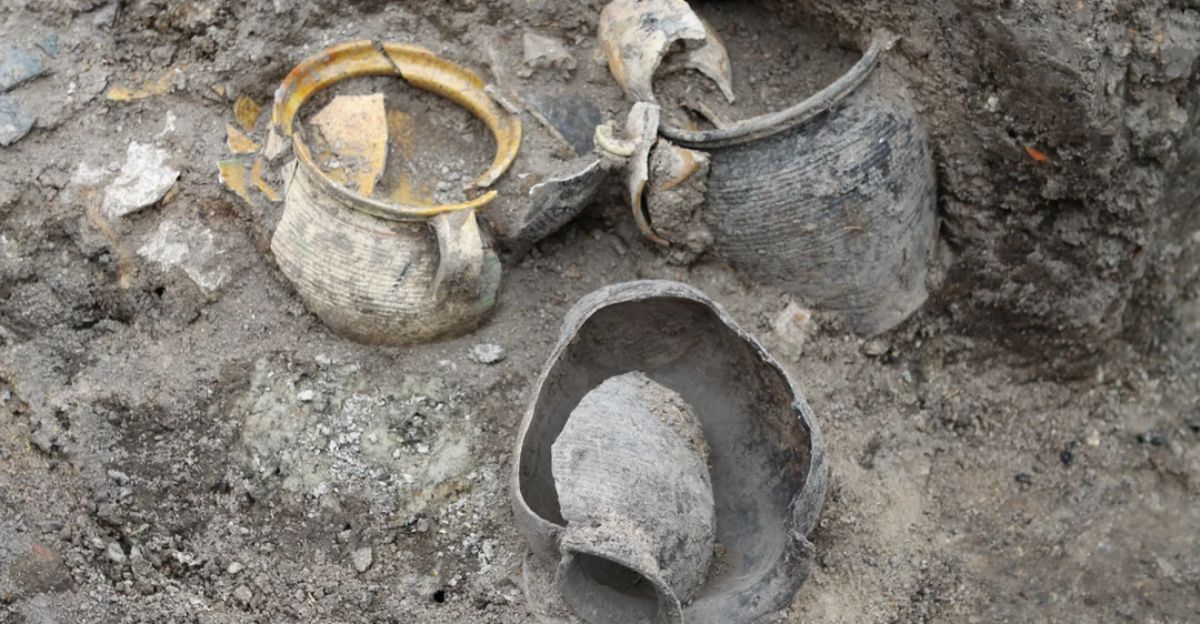
Above Neolithic layers, archaeologists uncovered Bronze Age storage pits, burnt earth, and clay pots. Some areas contain metal ornaments and weapons, indicating knowledge of metalwork and long-distance trade.
These finds reveal a more complex social order, surplus storage, and specialized craft jobs. By studying shapes and decorations, researchers link local artifacts to wider culture networks across Central Europe. How might Bronze Age people have seen the same view we see now?
Cultures In The Soil
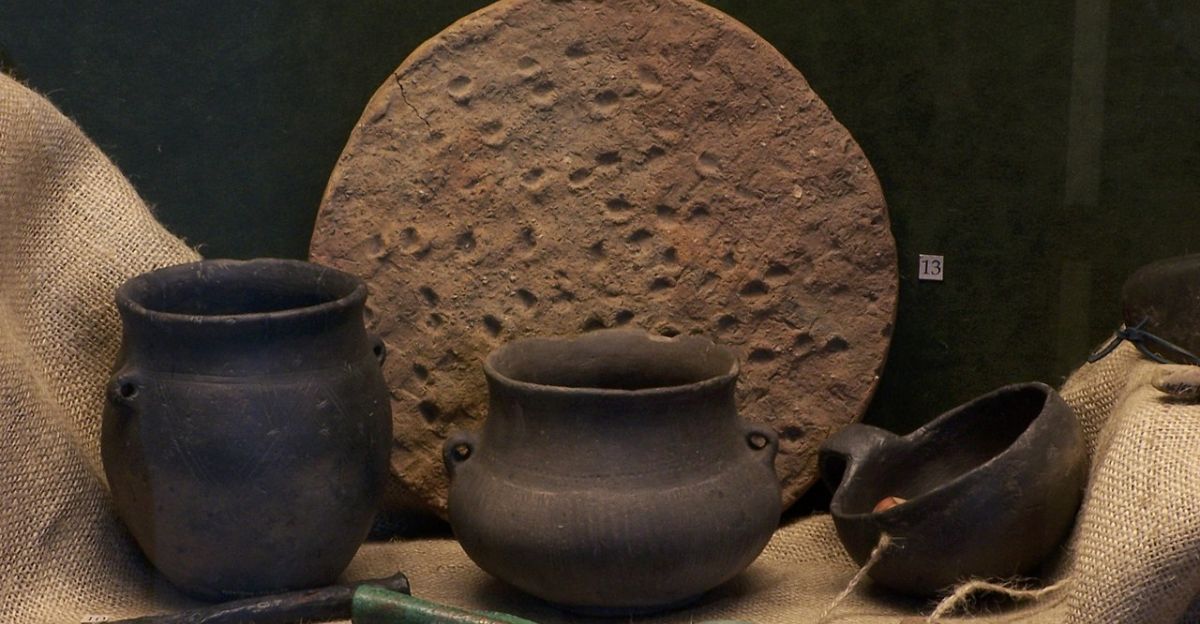
Higher up appear the Lusatian and Przeworsk cultures, major Iron Age and Roman-era groups in today’s Poland. Archaeologists point to half-sunken houses, trash pits, kilns, and burial grounds as markers of society.
The CPK site adds new details about how these people lived and traded in the Mazovian region. Each post hole helps refine maps of where these cultures thrived. What trade might these communities have had with ancient neighbors beyond modern Poland?
Wells, Coins, And Pipes
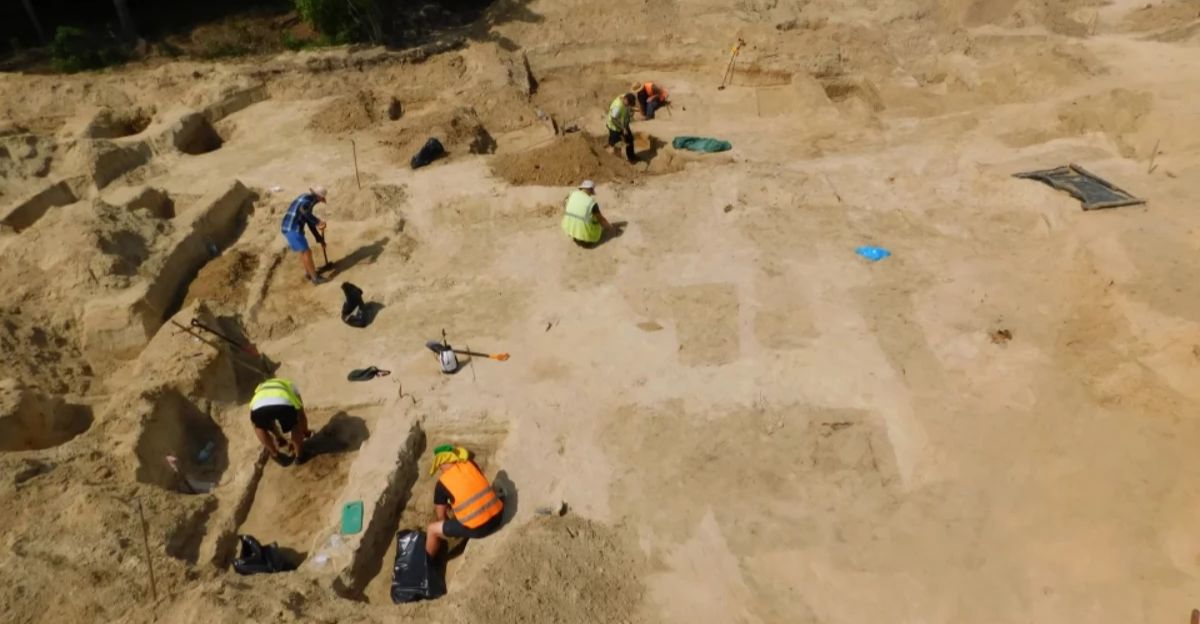
The top layers show medieval and early modern activity: wells, fireplaces, glass bits, clay pipes, and metal household tools. These features show that the area became a settled farm landscape linked to larger markets.
Coins and brought-in goods hint at trade routes and money ties beyond the area. In one trench, archaeologists move from prehistoric holes to early modern bought goods. How rare is it for construction projects to show such clear daily life across centuries?
Science Behind The Dates
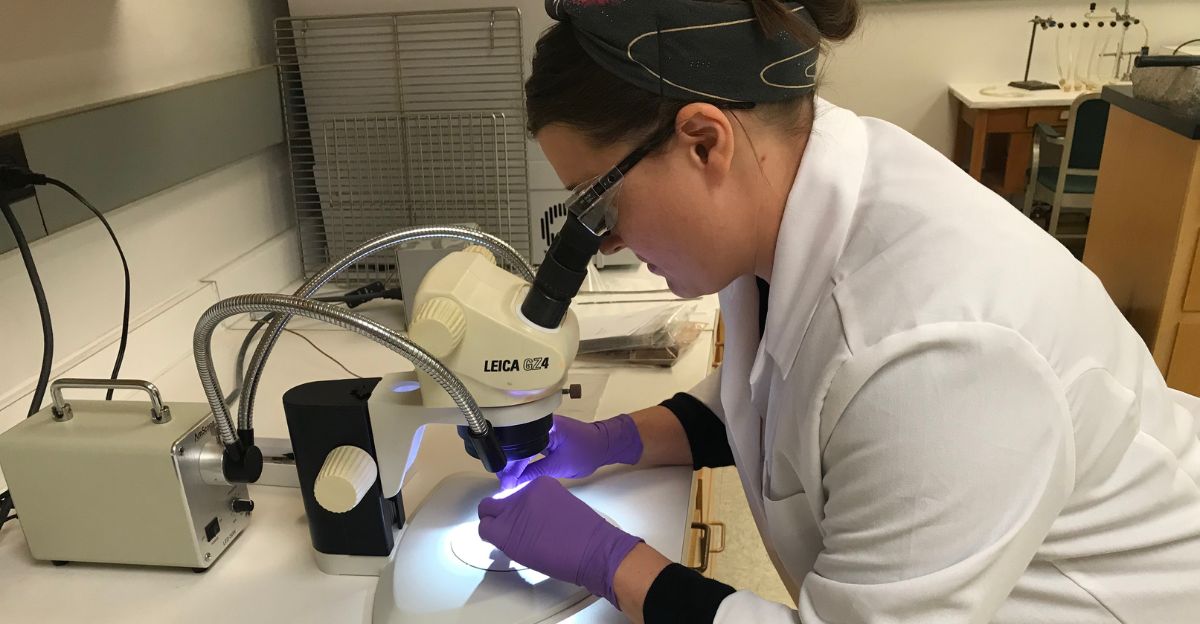
Dating this layered history takes more than studying artifact styles. Teams use radiocarbon (C14) tests on organic matter, tree-ring dating on saved wood, and X-ray scans on metals and fragile items. These methods anchor finds in time and show how objects were made without ruining them.
Experts in anthropology and conservation science study samples in labs after field work. How many individual samples must be tested to build a strong 7,000-year timeline?
Heritage Guardians
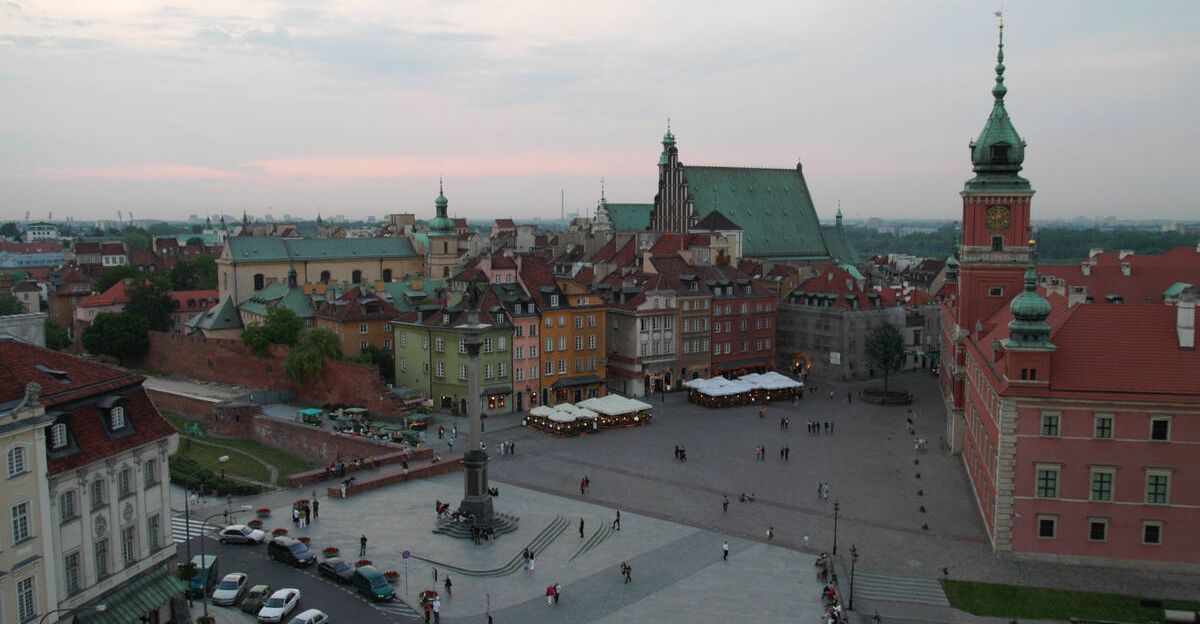
Poland’s Mazovian Provincial Heritage Protection Office supervises the CPK digs, with Senior Inspector Joanna Gawrońska leading site work. She calls the area “an exceptional area in archaeological terms” and says it holds major scientific value.
Her office gets permits, sets documentation standards, and works with other agencies. Their choices shape how much of this buried record is preserved and studied before advancing construction. What tough calls must they make?
Developer’s Balancing Act
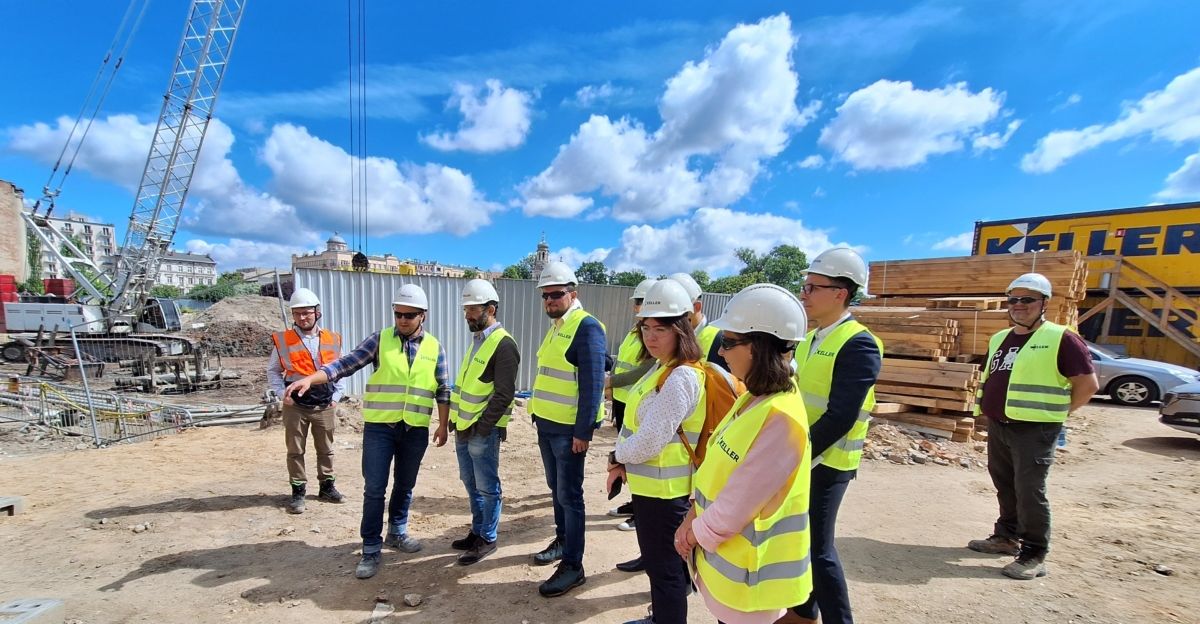
For CPK’s leadership team, the dig is both a legal duty and a chance. Board member Dariusz Kuś says the company works “to reach all areas where human traces may still lie, before major building starts,” calling the finds “national heritage.”
The airport project now includes major archaeological surveys in the early stages. This plan protects heritage while reaching long-term transport goals. Can big developments become models for building with history in mind?
From Field To Museum
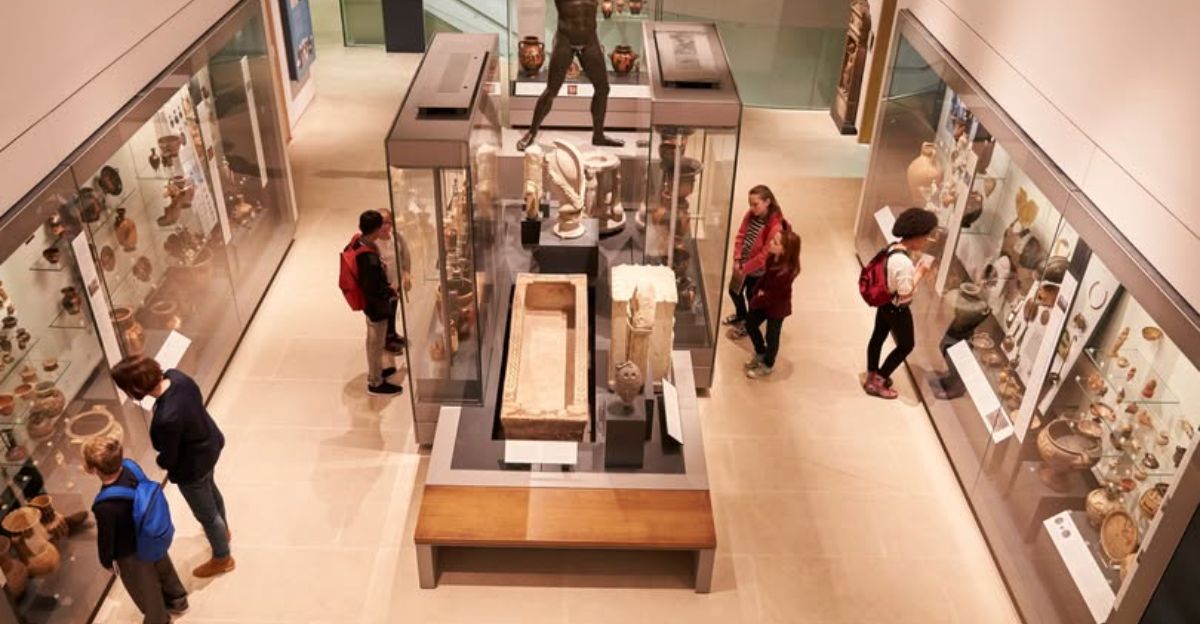
After recording and studying, many artifacts from CPK will move to museum collections. The Mazovian Provincial Heritage Conservator decides where items are stored and displayed, ensuring long-term care.
Conservation work stabilizes delicate materials, allowing them to survive handling and public viewing. Visitors may see objects that once lay hidden below planned runways. How might seeing these items in a museum change how people view the airport project?
Lessons For Future Builds
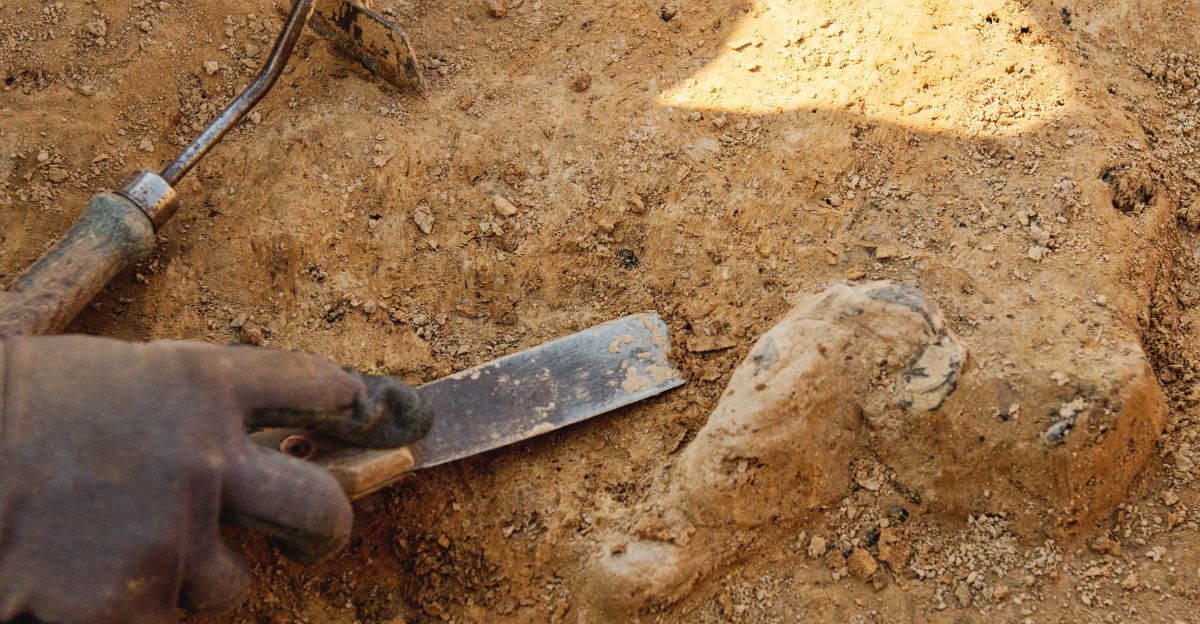
The CPK digs show how modern buildings can destroy or reveal old human stories. Large, connected construction zones offer rare opportunities for wide-area archaeological study, but only if survey work is done first.
The 7,000-year record at Baranów proves the value of rescue archaeology for understanding settlement, economy, and culture. As other countries build new airports or rail lines, this case may change how they treat buried heritage. Will more projects see archaeology as a core discipline?
Future Beneath Our Feet

When CPK opens, passengers will not know their flights leave above traces of farmers, metal workers, traders, and families spanning seven thousand years. Yet every runway, terminal, and rail line worldwide sits on land shaped by earlier lives.
The Baranów digs show how much survives when building pauses to look down and ahead. As climate, tools, and populations change, which other construction sites will uncover layers of forgotten human history below?
Sources:
Global Construction Review, Major dig at Poland’s new airport unearths trove dating back 7,000 years, 2 Dec 2025
IndustryRadar, CPK Airport site reveals 7,000 years of history, 3 Dec 2025
Earth com, 7,000 years of human history discovered under an airport construction site, 15 Jan 2026
CPK / Port Polska, CPK preserves the archaeological heritage of its investment areas, 2025
Instagram (Earth com), Uncovering 7000 Years of History at Poland’s Future CPK Airport, 25 Dec 2025
Explorator, 7,000 years of human history found under airport construction site – Earth com, 17 Jan 2026