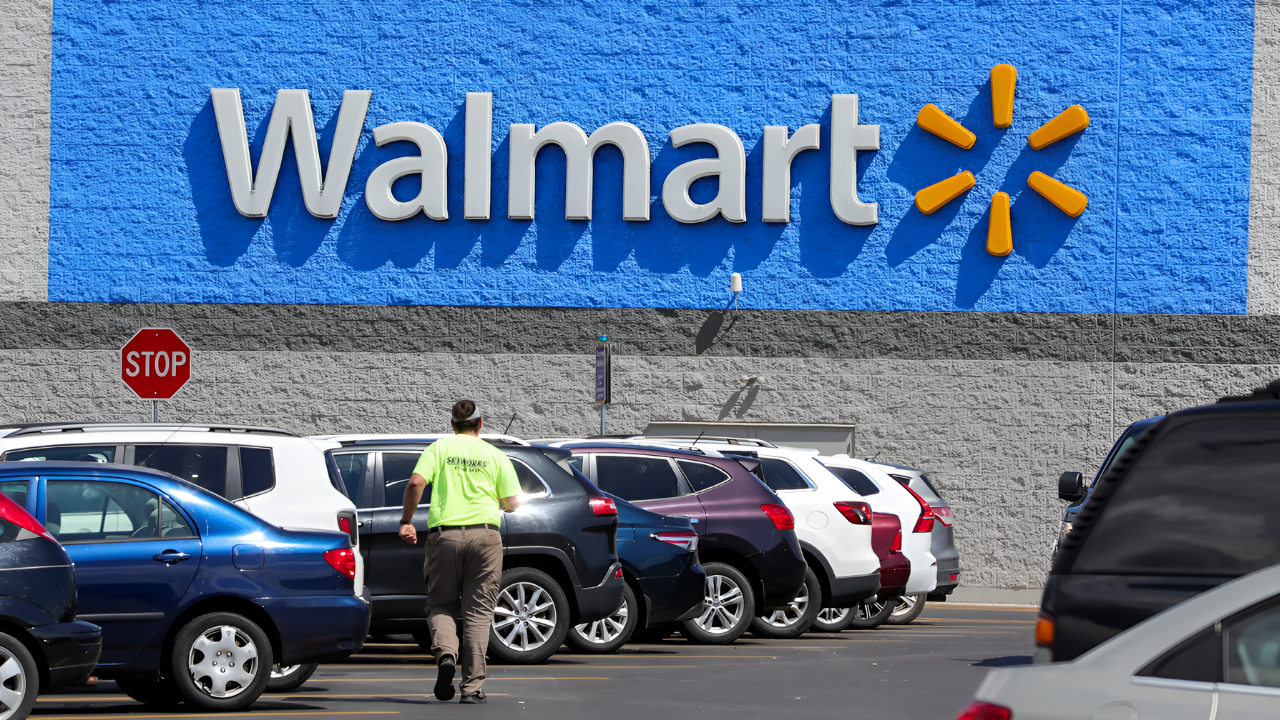
Walmart and Target may soon gain more flexibility to reject certain credit or debit cards at checkout if a court approves the proposed legal settlement. The potential change stems from an updated settlement proposal in long-running lawsuits over Visa and Mastercard “swipe” fees, which would relax some rules around how merchants accept different card types. If finalized by the court, this would give large retailers more control over which premium or higher-fee card products they accept, helping them manage costs, fraud risks, and transaction disputes. In the past, networks’ “honor all cards” rules generally required merchants that accepted Visa or Mastercard to accept most cards on those networks, but the settlement would allow more limits on high-cost products.
Retail groups and major chains, including Walmart and Target, have argued for years that rising processing fees and security concerns are difficult to manage under current rules. They say more discretion over which card products to accept could strengthen their bargaining position with card networks and issuers and potentially reduce costs over time. Critics warn that shoppers could feel confused if retailers refuse certain premium or rewards cards at checkout or add surcharges to them, even though the retailers still accept the overall card brand.
The settlement has not yet taken full effect and remains subject to court review and potential objections by some large merchants. If the court approves the settlement, retailers will still not reject every card “for any reason,” but they will gain more freedom to decline particular card categories, especially higher-fee or specialty products.
Why Retailers Are Pushing for Change

Retail and convenience store groups have long complained that interchange fees charged by card networks can add up to billions of dollars a year across U.S. merchants, particularly for large chains processing huge transaction volumes. These fees are typically a small percentage of each dollar spent, but they accumulate quickly for retailers with millions of daily purchases. By gaining more freedom to reject or discourage especially expensive card types, Walmart, Target, and others hope to secure better terms from card networks or steer customers toward lower-cost payment methods.
Security and fraud prevention are also important factors in the debate. Retailers have invested in checkout technology and data protection, and some argue that not all card products or networks provide the same level of protection or dispute handling. Greater flexibility could let merchants favor cards or payment methods they view as more secure or easier to manage in the event of an issue. Industry analysts note that if certain high-fee cards face more rejection or added surcharges, card issuers may respond by adjusting terms, rewards structures, or fees to keep their products attractive to both shoppers and merchants.
Some large merchants, including Walmart, have nevertheless criticized parts of the proposed settlement as not going far enough and have sought changes or the option to continue legal challenges. That tension underscores that the settlement is part of an ongoing negotiation between merchants and card networks rather than a final, one-sided victory for retailers.
What Shoppers Should Expect If the Settlement Is Approved

If the court ultimately approves the settlement, most shoppers will likely still use familiar card brands at Walmart, Target, and other major chains, but they may notice some differences in how retailers treat certain cards. For example, a retailer could add a surcharge to a particular premium rewards card or decline it if the retailer decides its fees are too high, even while the retailer continues to accept other cards from the same network. Stores may post signs at checkout or online explaining which card categories are subject to surcharges or restrictions, and employees may occasionally need to explain why specific cards are unavailable for certain purchases.
Consumer advocates say that if retailers change their card acceptance policies, they should provide clear, easily visible notice so shoppers know their options before paying. They also encourage people to carry at least one backup payment method, such as a different card or cash, to avoid problems if a preferred card is declined or surcharged. Over time, the combination of potential surcharges, selective acceptance, and ongoing fee negotiations could influence which cards customers choose to apply for and regularly carry in their wallets.
If the settlement reduces overall fee pressure on merchants, some analysts believe it could help limit future price increases or allow more investment in checkout technology and fraud prevention, though any direct impact on shelf prices is uncertain and may vary by retailer. The outcome will depend on how aggressively large chains like Walmart and Target use their new flexibility, how card networks adjust their pricing, and how quickly shoppers react to any surcharges or acceptance changes.
Sources:
- Retail Customer Experience, Why retail, convenience store industries won’t support Visa …, 2025-11-16
- NATSO, Merchants Coalition: “Reject Visa, Mastercard Proposed Settlement”, 2025-11-13
- Credit and Collection News, Why Credit Card Users At Walmart And Target Could Start Paying More, 2026-01-21
- PaymentsDive, Merchant lawyers laud surcharge option, 2026-01-19
- PaymentsDive, Visa, Mastercard rebuff merchant gripes, 2026-01-14
- Yahoo Finance, Walmart wants out of card class, 2025-12-16