
Big-box shoppers may soon pay extra fees when using their favorite credit cards at Walmart and Target. A revised $38 billion settlement with Visa and Mastercard would slightly trim average swipe fees while giving merchants more control.
They could choose which card categories to accept and when to add extra charges. For rewards card users, this legal shift could mean a surprise at checkout.
Hidden Fee Creep
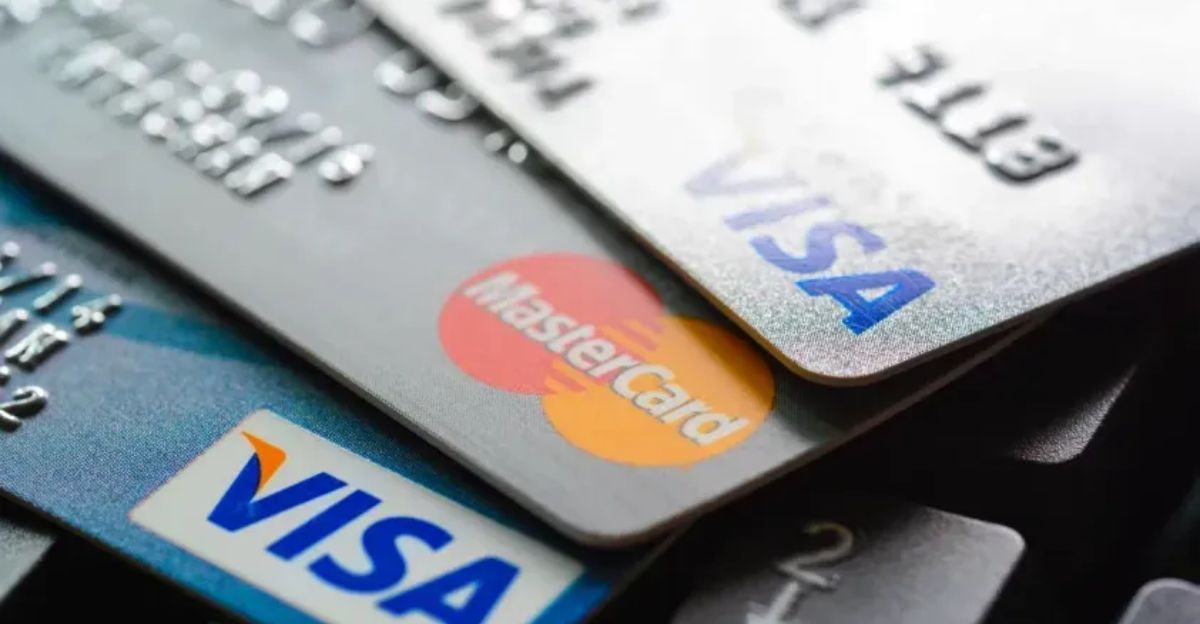
Industry groups say credit card fees add billions of dollars to retailers’ costs each year, with average Visa/Mastercard swipe fees around 2%–2.5% per purchase.
The new settlement would cut those fees by about 0.10 percentage points for five years, a modest reduction. Many merchants argue that it is not enough, so they are exploring surcharges and selective card acceptance to protect margins.
Long Fight Over Swipe Fees

The settlement follows more than 20 years of antitrust lawsuits accusing Visa and Mastercard of keeping swipe fees high. A federal judge rejected an earlier $30 billion proposal in 2024, calling projected savings “paltry” and criticizing strict acceptance rules.
The revised deal aims to address those concerns by lowering some interchange rates and giving merchants more say over which cards they take.
End Of ‘Honor All Cards’?

The “honor all cards” rule required merchants to accept virtually every Visa or Mastercard product if they accepted one. Retailers said this forced them to offer expensive premium rewards cards with higher fees.
Under the new proposal, merchants could accept standard consumer cards but refuse some premium or commercial categories. That flexibility strengthens their negotiating position with card networks.
Merchants Gain Veto Power

If courts approve the settlement, U.S. merchants would gain the power to decline certain high-fee Visa and Mastercard card categories, including many premium or rewards products. They could keep accepting standard cards while steering away from pricier ones.
This breaks from decades in which large retailers had to accept nearly all network cards. Some of the most generous rewards cards may no longer work everywhere.
Walmart And Target In Focus

Walmart and Target are frequently cited as key players in the swipe-fee fight and potential beneficiaries of new flexibility. Reporting notes that big chains could choose which card types to honor or surcharge, even if they initially avoid outright bans on popular rewards cards.
Instead, they may rely on targeted fees or steering tactics. For shoppers, the cost of convenience will depend on where—and how—they pay.
Shoppers Face Tough Choices

Consumers may first feel these changes as awkward moments at checkout rather than through broad announcements. Articles describe scenarios where some cards are declined while others carry surcharges of around 2%–3% on credit transactions, especially for premium products.
Research on payment incentives shows many people switch methods—often to cash or debit—when faced with extra fees. How many will quietly adjust their habits to avoid surcharges?
Networks Under Pressure
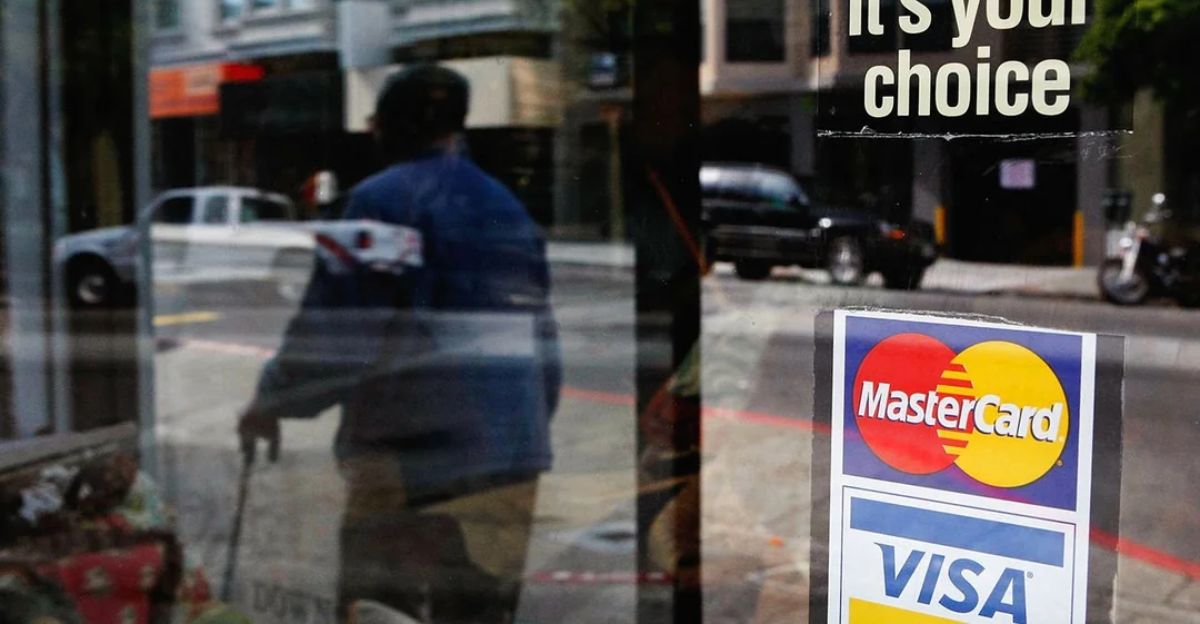
Visa and Mastercard are agreeing to modest fee cuts and greater merchant flexibility in exchange for ending legal uncertainty. The settlement would reduce average interchange by about 0.10 percentage points and cap some standard consumer card rates near 1.25% for eight years.
Premium rewards products often sit outside those caps. Networks must now balance bank interests, merchant demands, and cardholder expectations under a more complex structure.
Global Surcharging Trend

Studies worldwide show consumers respond to price signals at checkout. Research on payment discounts and surcharges finds that some shoppers switch from their preferred payment method to cash when fees or discounts are applied.
Surveys in markets like New Zealand show surcharges influence how often people use contactless cards and which methods they choose. If U.S. surcharges become more common, similar shifts could emerge.
Rewards Programs In The Crosshairs
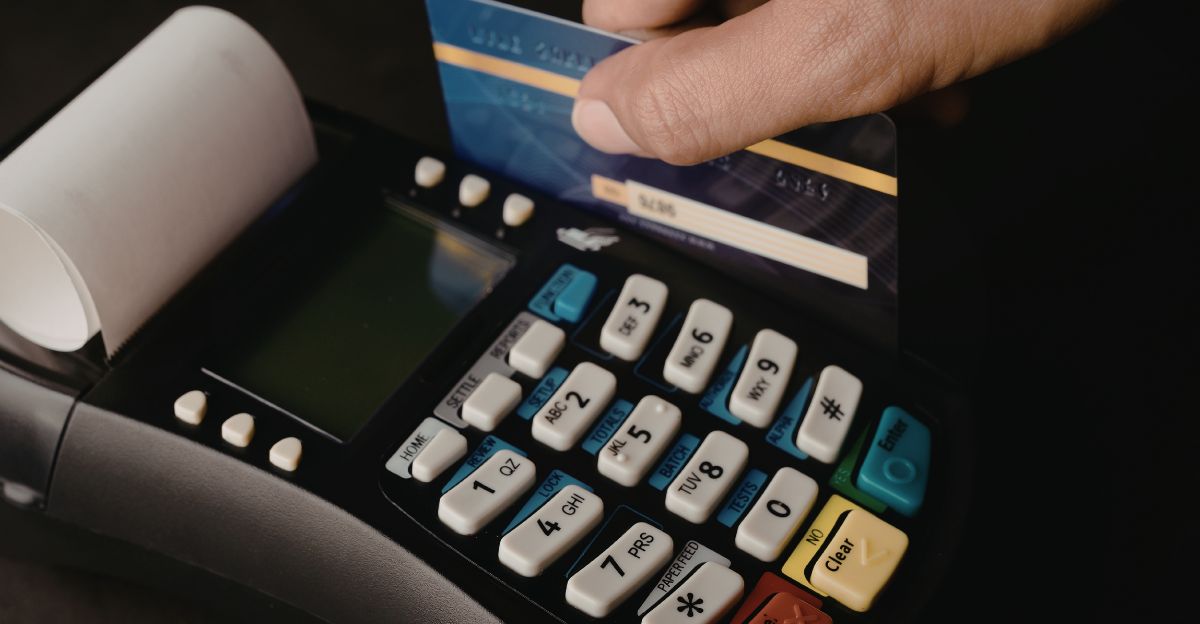
A likely side effect is pressure on rich credit card rewards. As merchants gain the power to decline or surcharge high-fee cards, banks and networks may revisit generous cashback and travel perks funded by interchange fees.
Analysts warn that, even if cards still work widely, point values and bonus offers could shrink over time. Today’s eye-catching rewards may be harder to justify in a tougher fee environment.
Retailer Frustration Boils Over

Merchant groups argue that swipe fees act like a hidden tax, often ranking just behind labor as a major operating cost. Small and mid-sized retailers say earlier settlements left them with high costs and little real leverage.
Some critics of the new deal contend that, even with reductions, recent fee increases are not fully reversed. That raises the question: will this compromise ease tensions or spark renewed fights?
Lobbying And Leadership Shifts
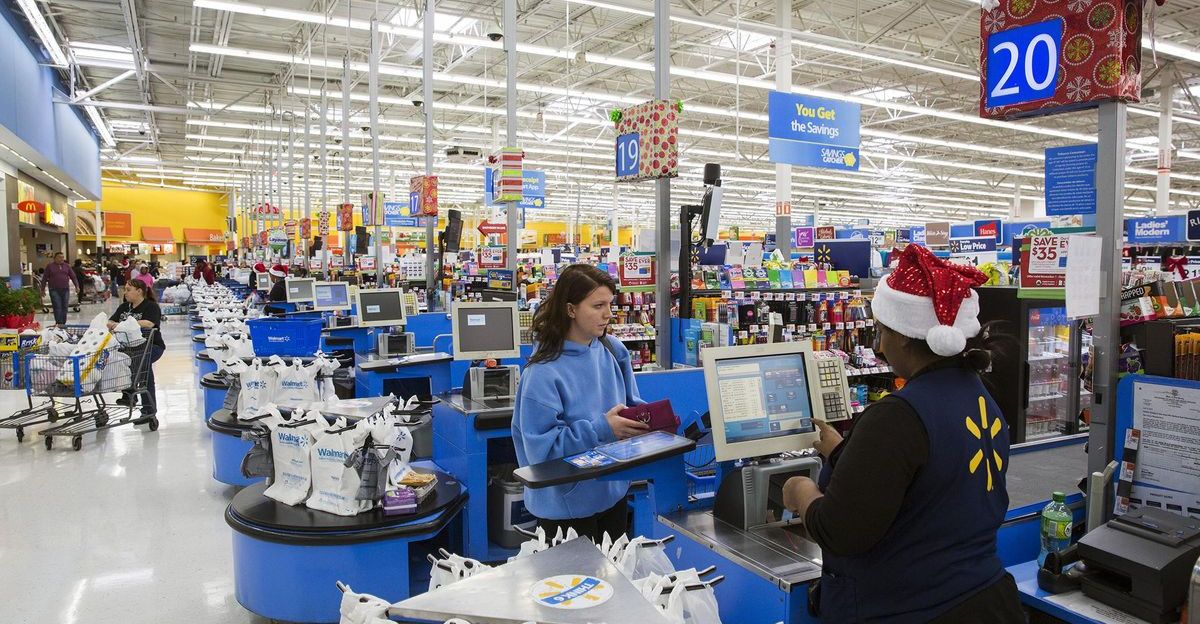
Debates over swipe fees have moved into Congress as well. Bipartisan bills aim to open up routing options and curb network control over transactions.
Major retailers, including Walmart and Target, support many of these efforts, while banking and card-industry groups warn of risks to rewards and card availability. As lobbying continues, different leaders and coalitions try to shape how far reforms will go.
How Stores May Adapt

Retailers now must decide how aggressively to use their new options. Some experts expect big chains to emphasize signage, staff prompts, or discounts for cheaper payment methods instead of outright bans.
Smaller merchants, facing tighter margins, may be more willing to reject certain rewards cards or add surcharges if savings look modest. Shoppers could see very different approaches from store to store.
Consumers Rewriting Habits
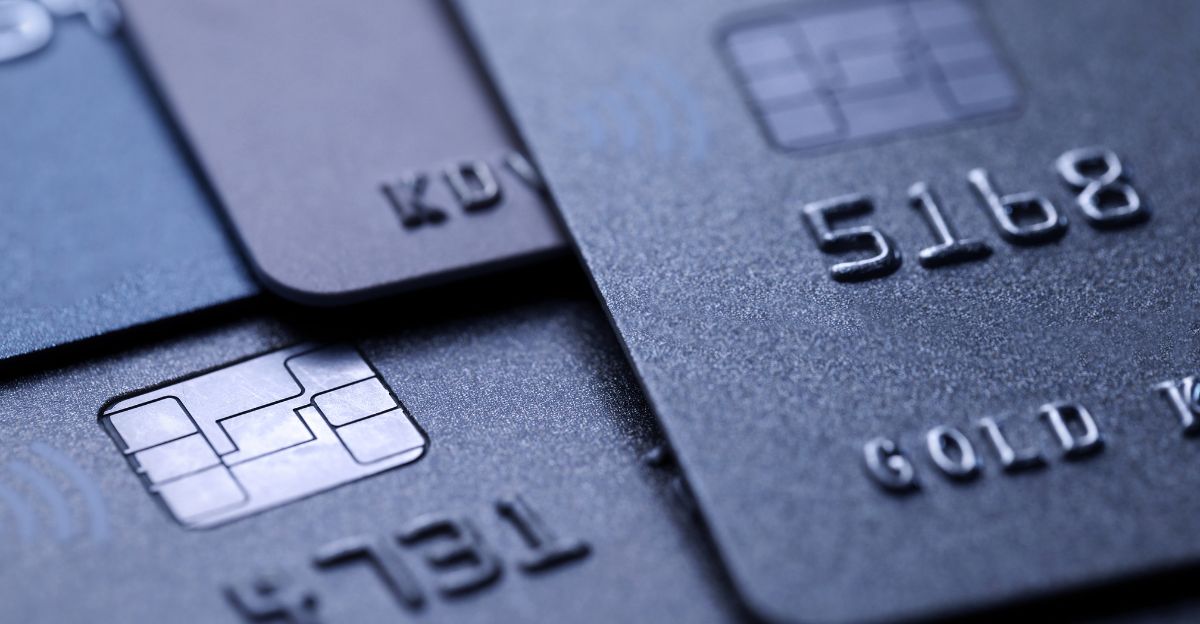
As acceptance rules and fees evolve, cardholders may rethink which cards they rely on most. Surveys show people adjust payment choices in response to surcharges, discounts, and transaction size.
If rewards cards increasingly trigger rejections or higher fees, debit, cash, or simpler credit products may become more attractive. Many travelers and rewards fans will weigh perks against predictability and broader acceptance.
The Future Of Paying

The settlement still requires final court approval, and retailers have not yet revealed how fully they will use these new powers. What is clear is that the balance between card networks, merchants, and consumers is shifting toward greater merchant control.
That may mean more options for stores, more complexity for shoppers, and new trade-offs for banks. The everyday experience of paying with plastic could gradually change.
Sources:
Reuters – Visa, Mastercard reach $38 billion swipe fee settlement with merchants – 10 Nov 2025
The Economic Times – Why using a credit card at Walmart and Target is about to cost you more – 16 Jan 2026
Payram – The 2025 Visa & Mastercard Swipe Fee Settlement – 18 Nov 2025
Yahoo Finance – Why Credit Card Users At Walmart And Target Could Start Paying More – 21 Jan 2026
Retail Systems – Visa and Mastercard agree revised settlement to cut interchange fees – 10 Nov 2025
RTE – Visa, Mastercard’s revised swipe-fee deal with merchants – 09 Nov 2025