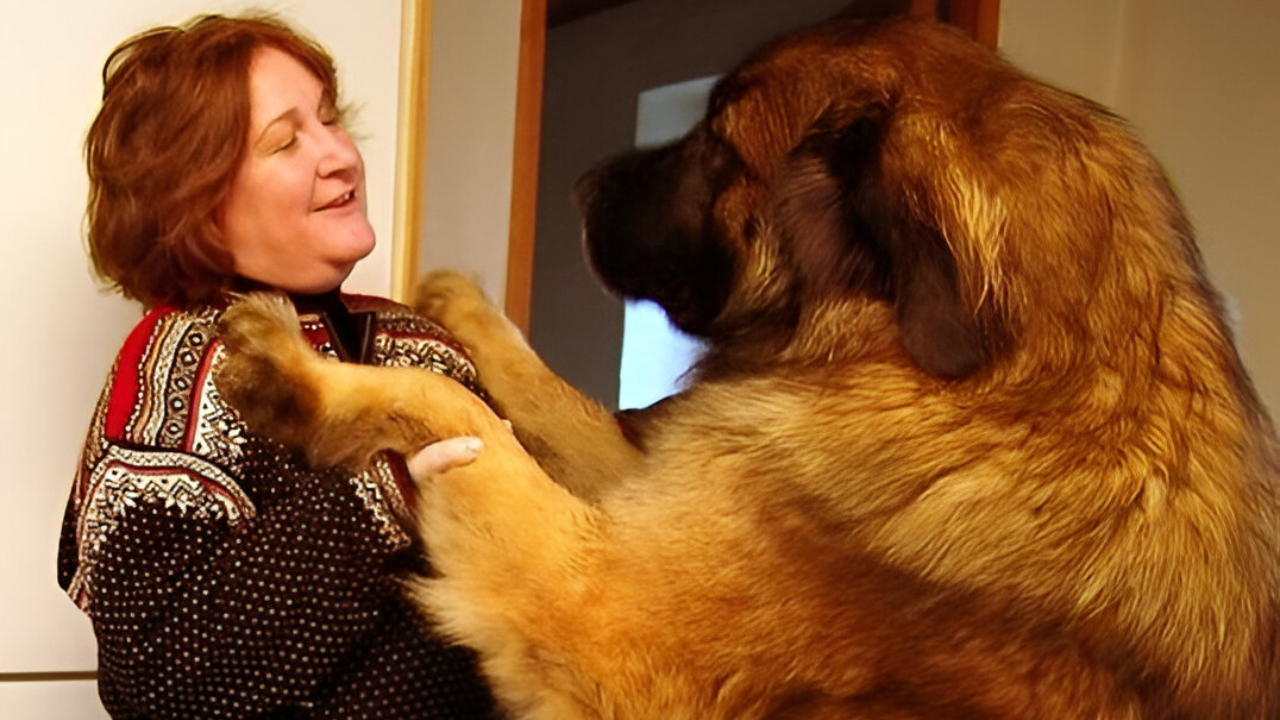
On a spring afternoon in a Husky household, it can look like a fur snowstorm as clouds of undercoat lift off with every brush stroke and drift across the living room. For owners of the heaviest‑shedding breeds, hair appears on clothes, furniture, and even in morning coffee if grooming routines slip for a single day.
1. Siberian Husky
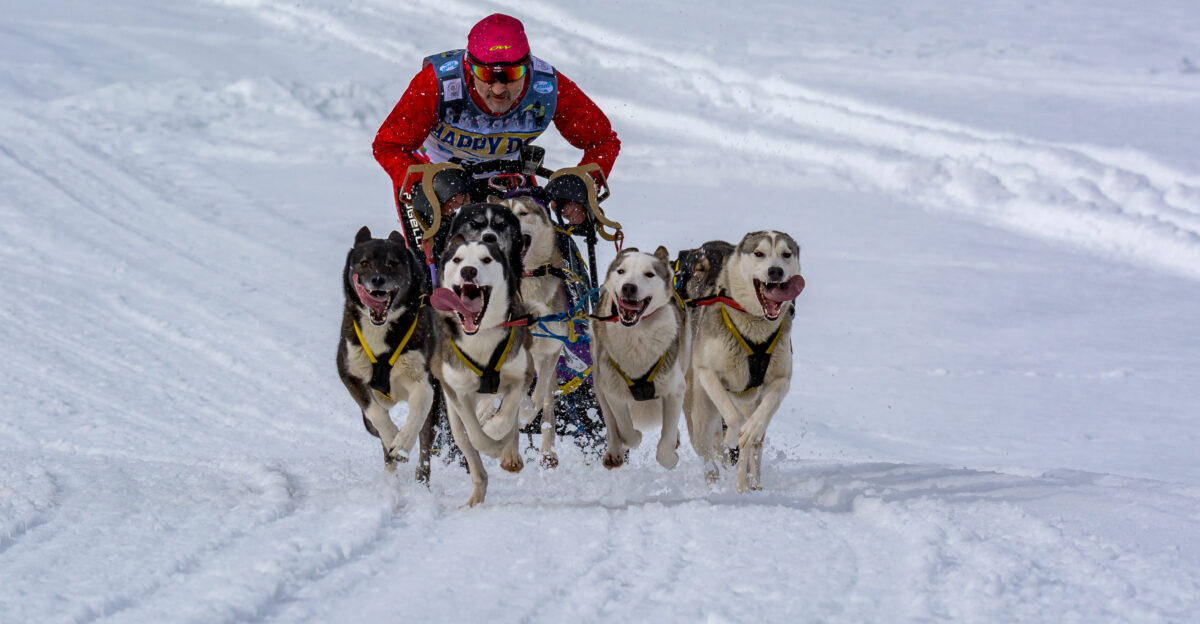
Siberian Huskies are the poster dogs for extreme shedding, thanks to a thick double coat built for Arctic work. They shed lightly most of the year, then “blow” their undercoat in spring and autumn, releasing astonishing volumes of fluff over a few weeks.
During those coat‑blow periods, daily brushing and constant vacuuming become almost non‑negotiable for keeping hair under control.
2. Alaskan Malamute
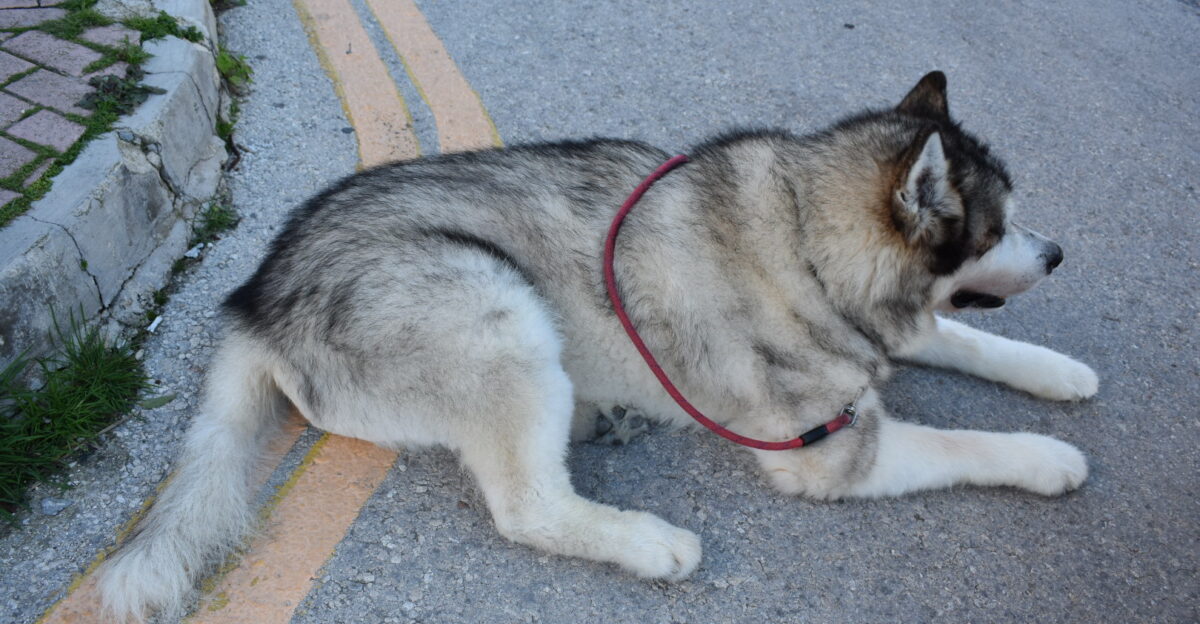
The Alaskan Malamute carries an even heavier, denser coat than the Husky, which means even more hair when shedding peaks.
Twice a year, entire sheets of undercoat come out in handfuls, coating floors and furniture in a matter of days. Many Malamute owners rely on undercoat rakes and high‑powered dryers just to keep up with the drifts of hair.
3. Labrador Retriever
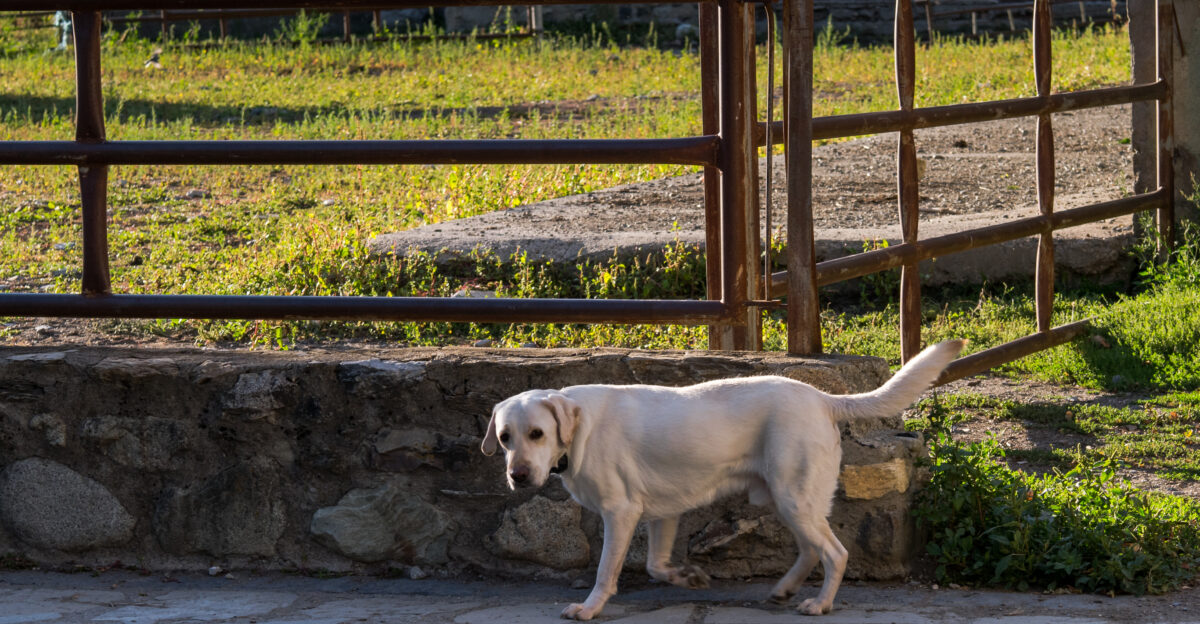
Labradors trick many first‑time owners: their hair is short, but there is a lot of it. Their dense, water‑resistant double coat sheds consistently all year and ramps up during seasonal changes.
The tiny hairs weave into upholstery and clothing, making Labs one of the most notorious family dogs for constant, hard‑to‑remove shedding even with regular grooming.
4. Golden Retriever
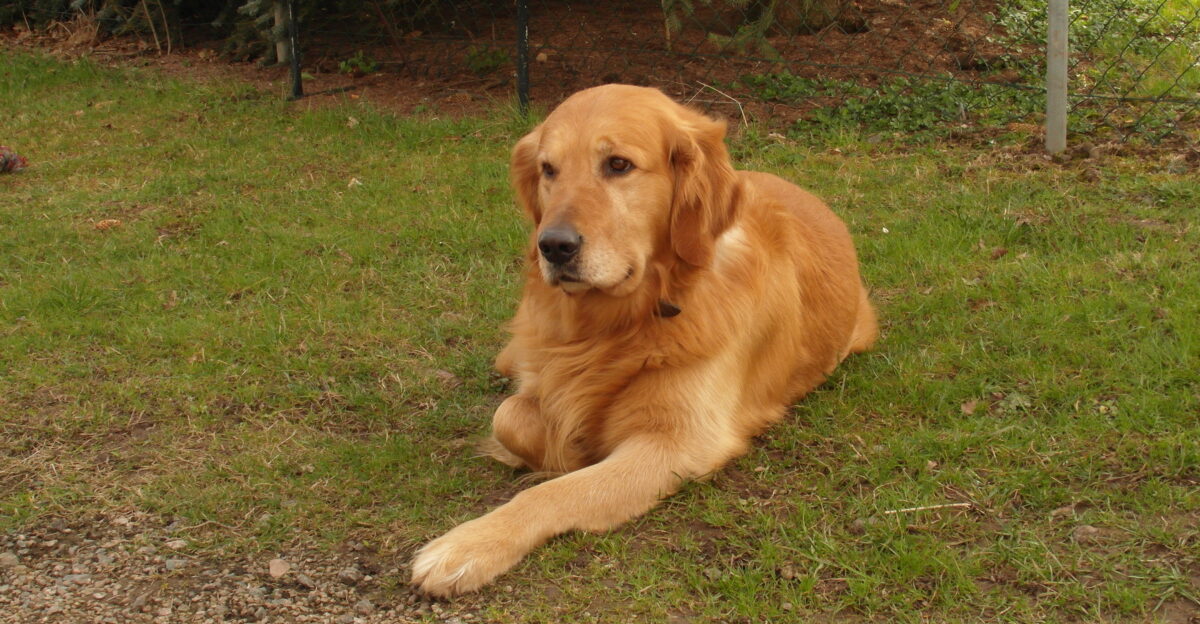
Golden Retrievers combine a luxurious outer coat with a thick undercoat, a combination that looks stunning and sheds relentlessly.
Goldens lose hair year‑round, with obvious bursts in spring and fall when old undercoat is replaced. Their long, light‑colored hairs are highly visible on dark floors, suits, and car interiors, so frequent brushing and vacuuming are essential.
5. German Shepherd
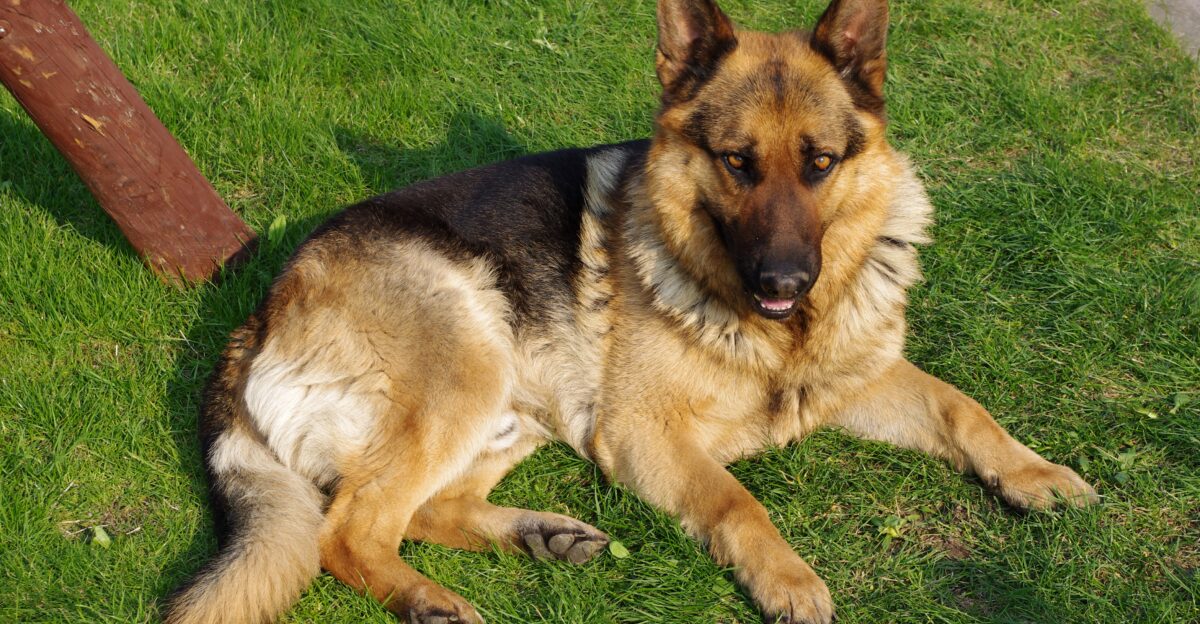
German Shepherds earned the nickname “German shedder” for good reason. Their medium‑length double coat sheds moderately every day and heavily during seasonal transitions.
Loose hair gathers quickly in corners and along skirting boards, and multi‑dog households can see tumbleweeds of fur unless brushing, deshedding, and vacuuming are part of the weekly routine.
6. Saint Bernard
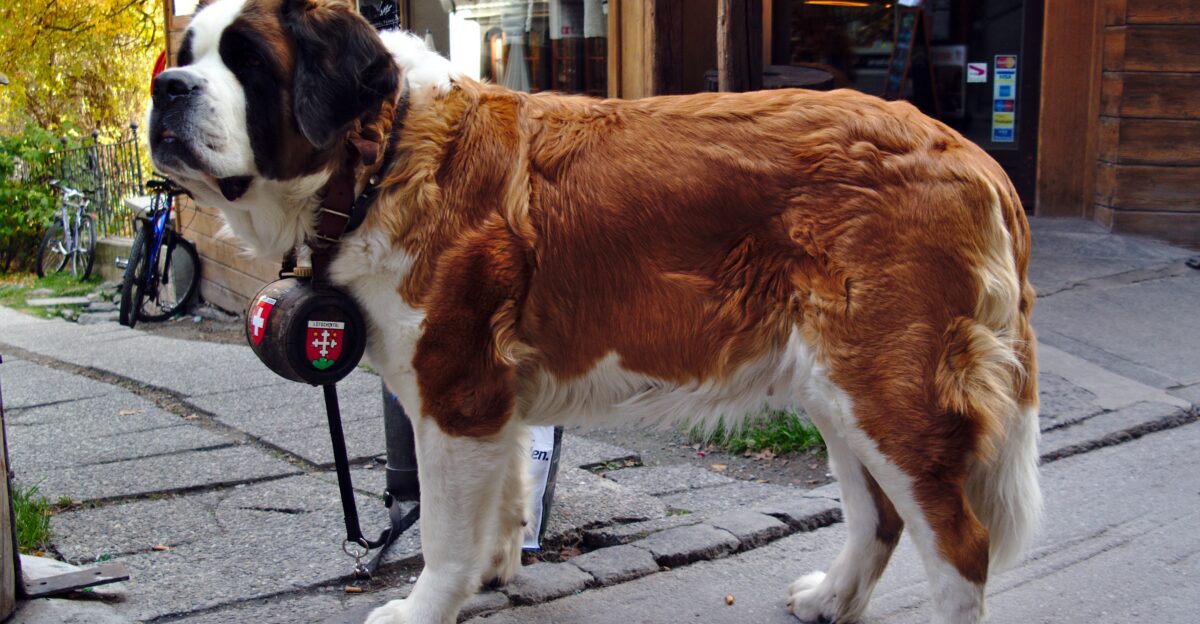
Saint Bernards’ size alone makes their shedding feel extreme, even before coat type is considered. Their thick, insulating coats—rough or smooth—drop significant amounts of undercoat, especially in warmer months and at seasonal changeovers.
Because there is simply more dog, every brushing session produces large piles of fur, and sweeping or vacuuming several times a week is common.
7. Akita
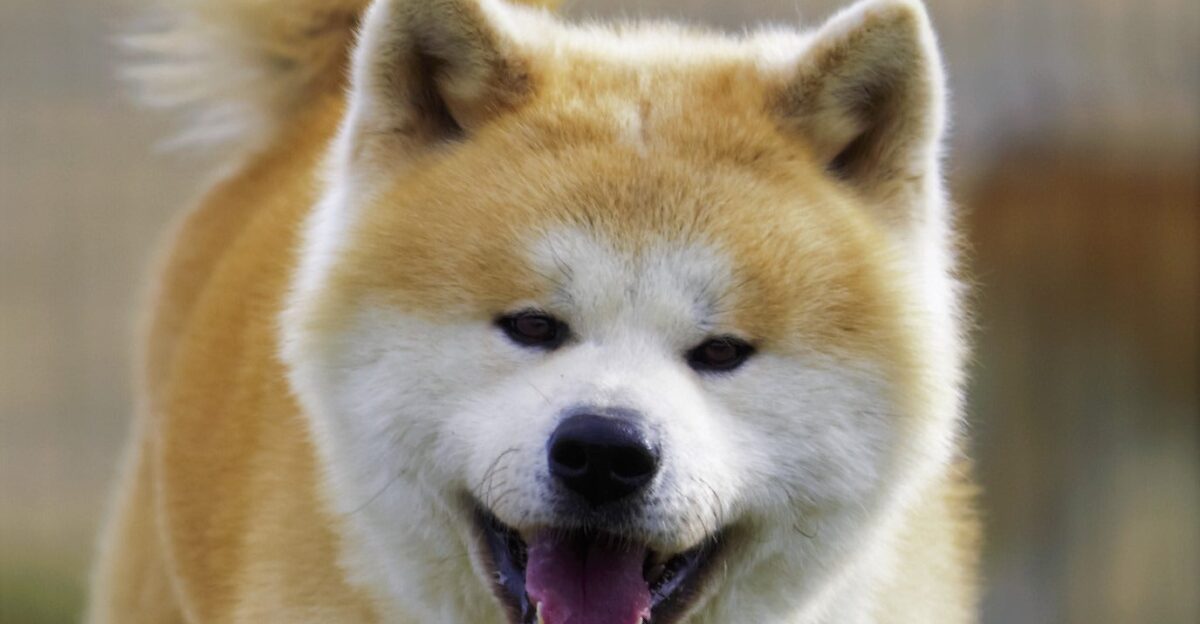
Akitas carry a powerful, weatherproof double coat originally designed for harsh winters. For much of the year they shed moderately, but when the seasons turn, they blow their undercoat in dense clumps.
During these periods, brushing can fill a rubbish bag in a single session, and missing a few days quickly shows up as visible fur across the home.
8. Chow Chow
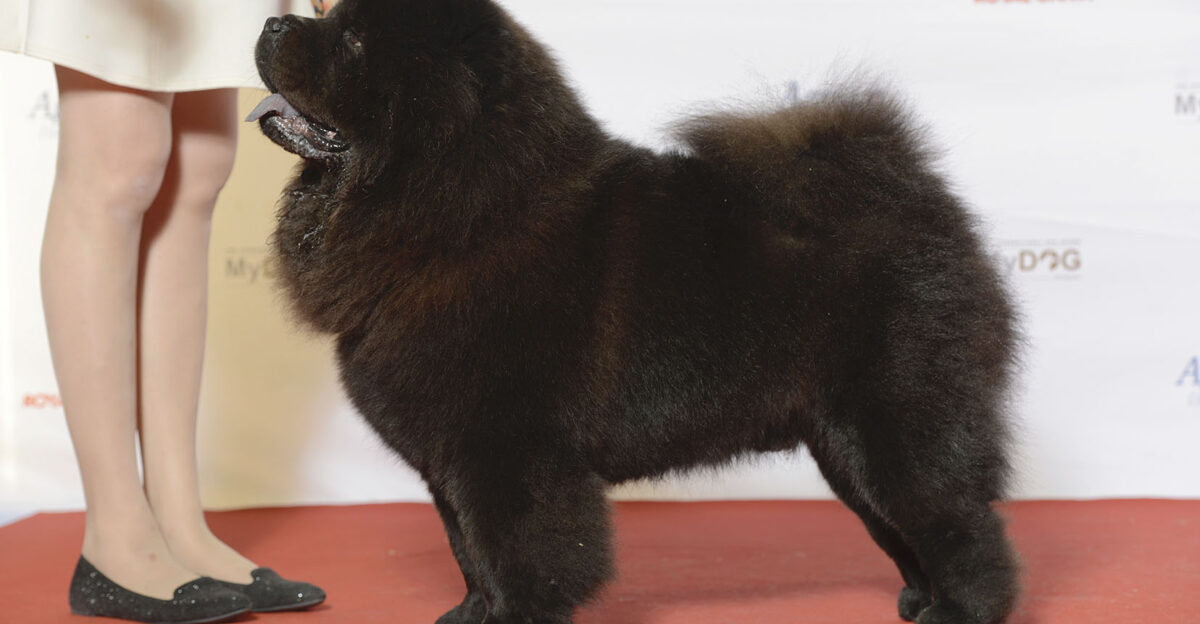
Chow Chows have one of the fluffiest coats in the dog world, with a thick mane and dense body fur. That impressive lion‑like look comes with heavy shedding, particularly in warm weather and during seasonal coat changes.
Their long, woolly hairs cling to fabrics and can form mats if owners do not keep up with frequent de‑shedding, combing, and professional grooming.
9. Great Pyrenees
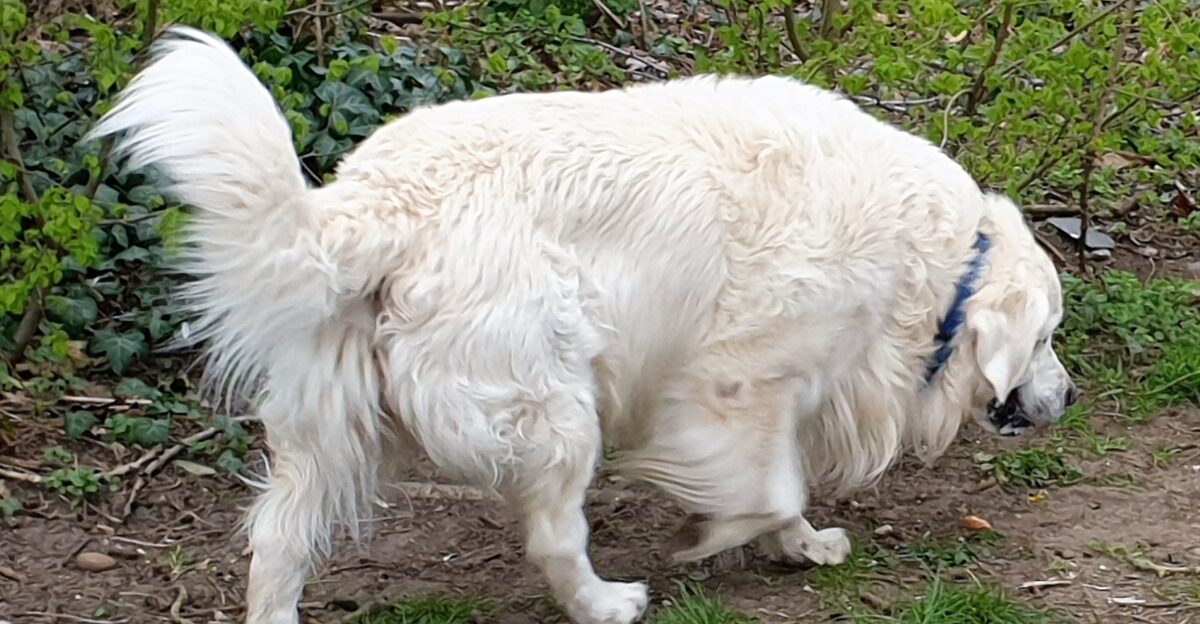
Great Pyrenees dogs were bred to guard flocks in mountain climates, so their coats are built to handle cold and moisture. Indoors, this translates to heavy, often year‑round shedding, with extra hair coming out as temperatures rise. Owners frequently describe brushing sessions that create piles of white fluff larger than the dog’s head, especially in spring.
10. Bernese Mountain Dog
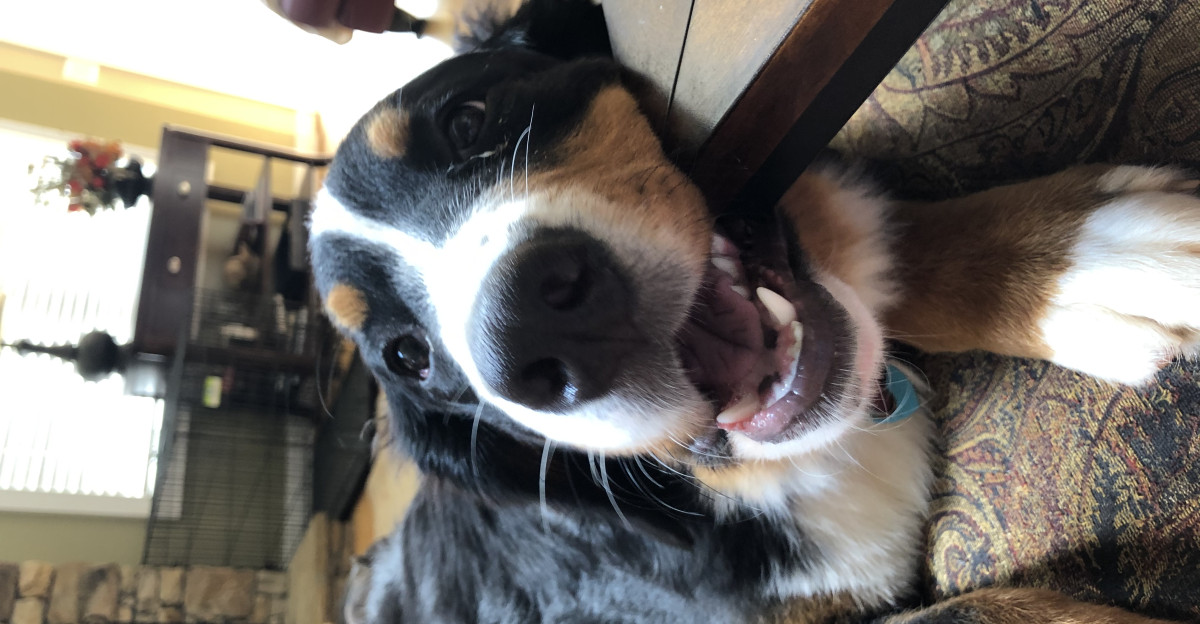
Bernese Mountain Dogs combine substantial size with a thick tri‑coloured double coat. They shed steadily most of the year and more intensely in spring and fall, when dead undercoat is pushed out.
Because they are large and heavily coated, even normal shedding produces a lot of hair on floors, rugs, and furniture, demanding regular brushing and cleaning.
11. Newfoundland
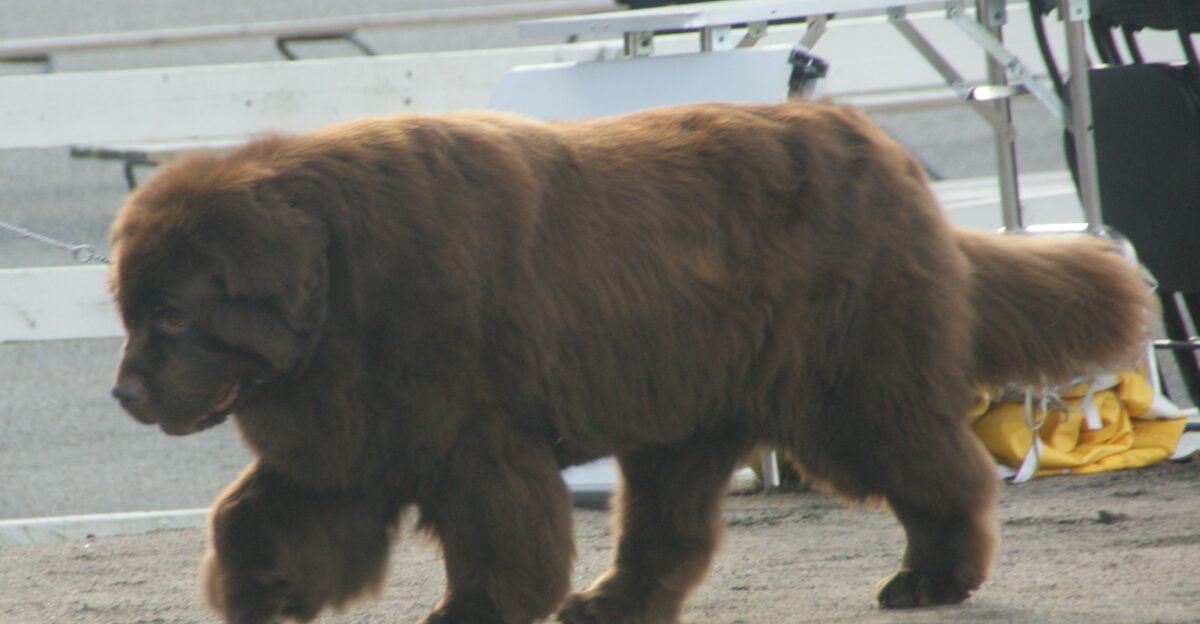
Newfoundlands were developed as powerful water dogs, protected by a heavy, water‑resistant double coat. That same coat sheds heavily, particularly as weather warms or homes are kept centrally heated.
Their long, coarse guard hairs and dense undercoat mean owners often find clumps of fur on stairs, in hallways, and along baseboards after only a few days without grooming.
12. Rough Collie
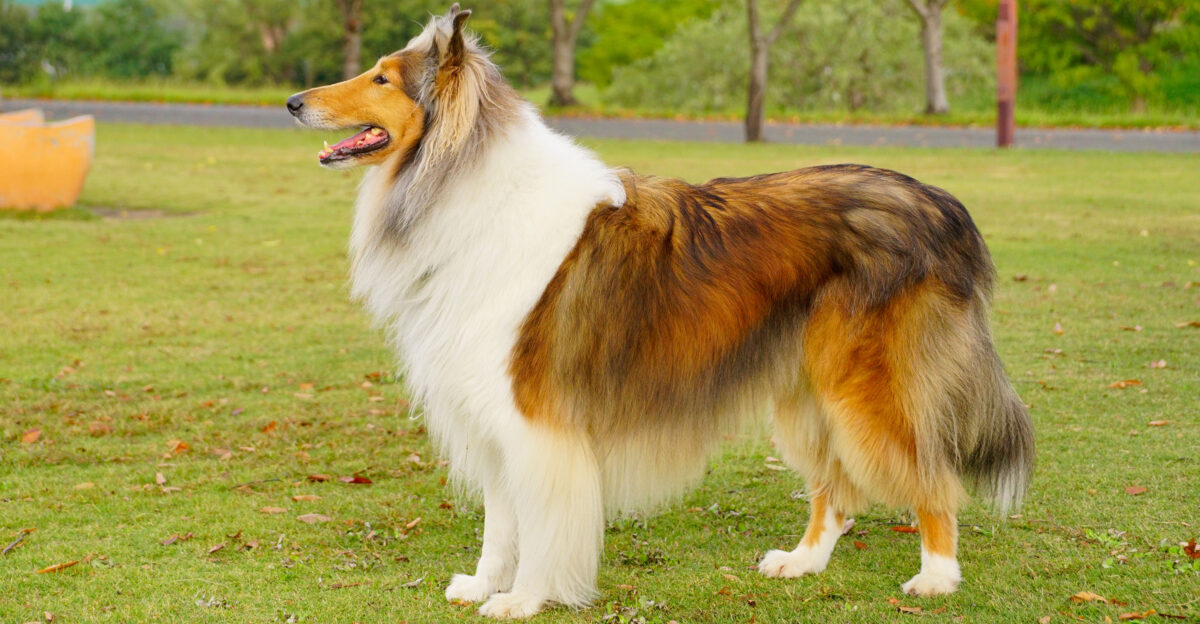
Rough Collies, with their long, flowing coats, are showstoppers—and serious shedders. Under the dramatic outer layer lies a soft undercoat that molts seasonally, producing clouds of loose hair.
The long strands easily tangle in carpets and fabric upholstery, and skipping regular brushing makes both shedding and matting noticeably worse, increasing the work later.
13. Welsh Corgis
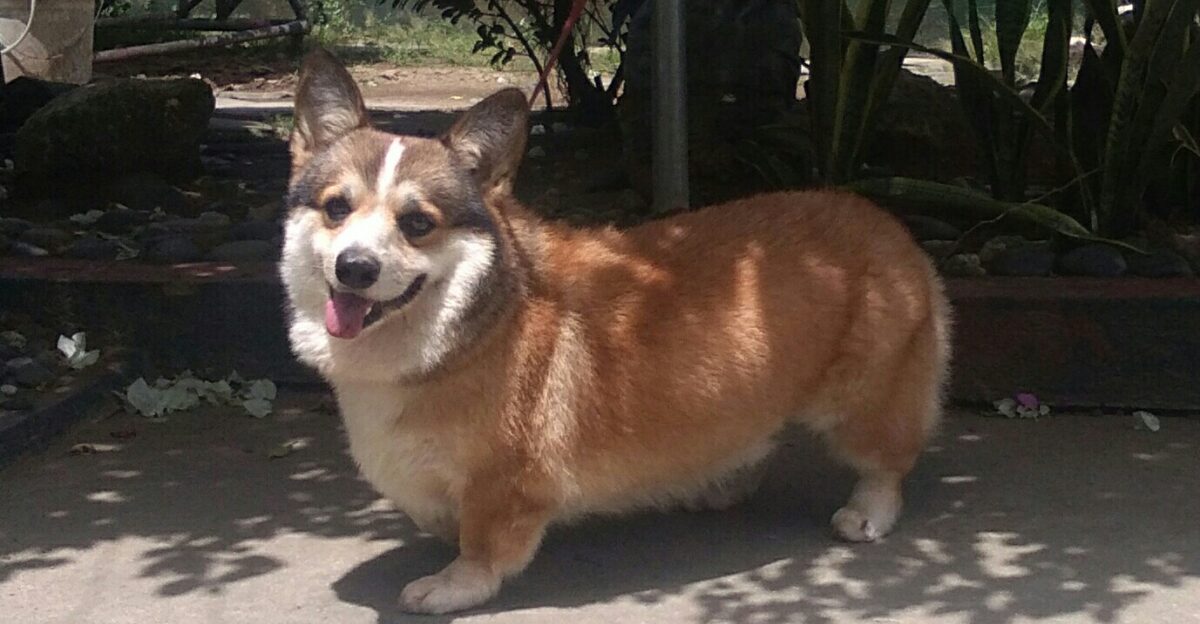
Cardigan and Pembroke Welsh Corgis may be short, but their double coats pack impressive shedding power for their size.
They drop hair steadily through the year and blow coat during seasonal transitions, surprising many first‑time owners. It is common to see fine hairs embedded in socks, bedding, and office chairs in homes with a Corgi, despite their small stature.
14. Australian Shepherd
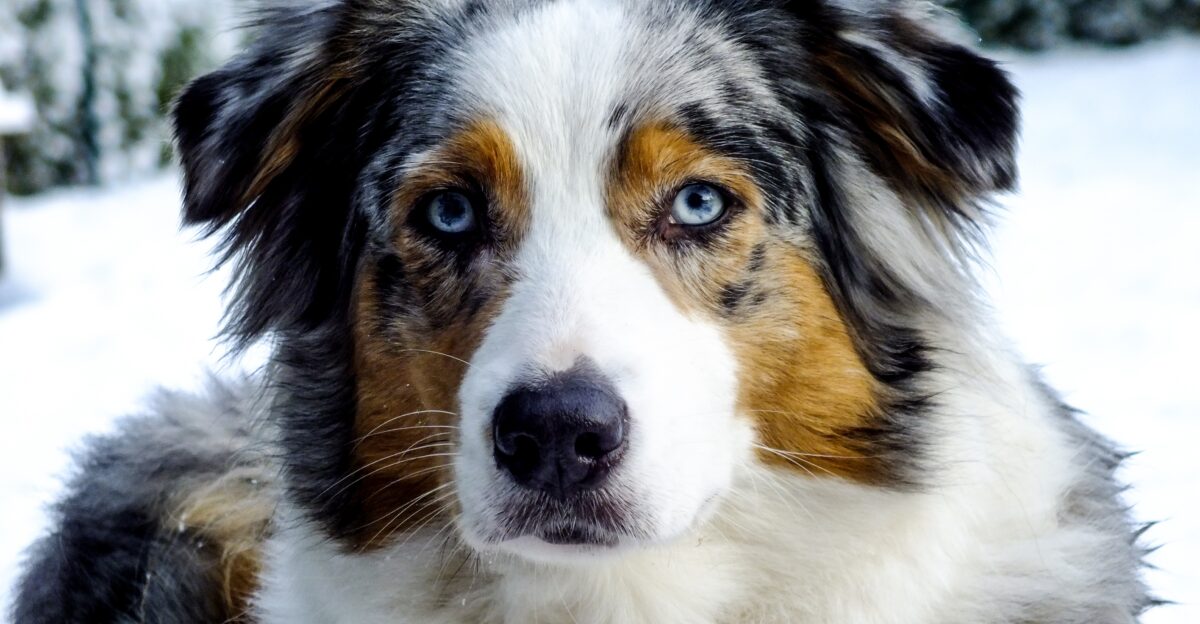
Australian Shepherds combine intense energy with a medium‑length double coat that sheds more than many people expect.
They lose hair all year and especially as seasons change, when undercoat sheds out in handfuls. Their active lifestyle means loose hair spreads everywhere—cars, couches, and training gear—if owners do not brush them regularly and keep tools handy.
15. Alaskan Husky and Other Northern Mixes
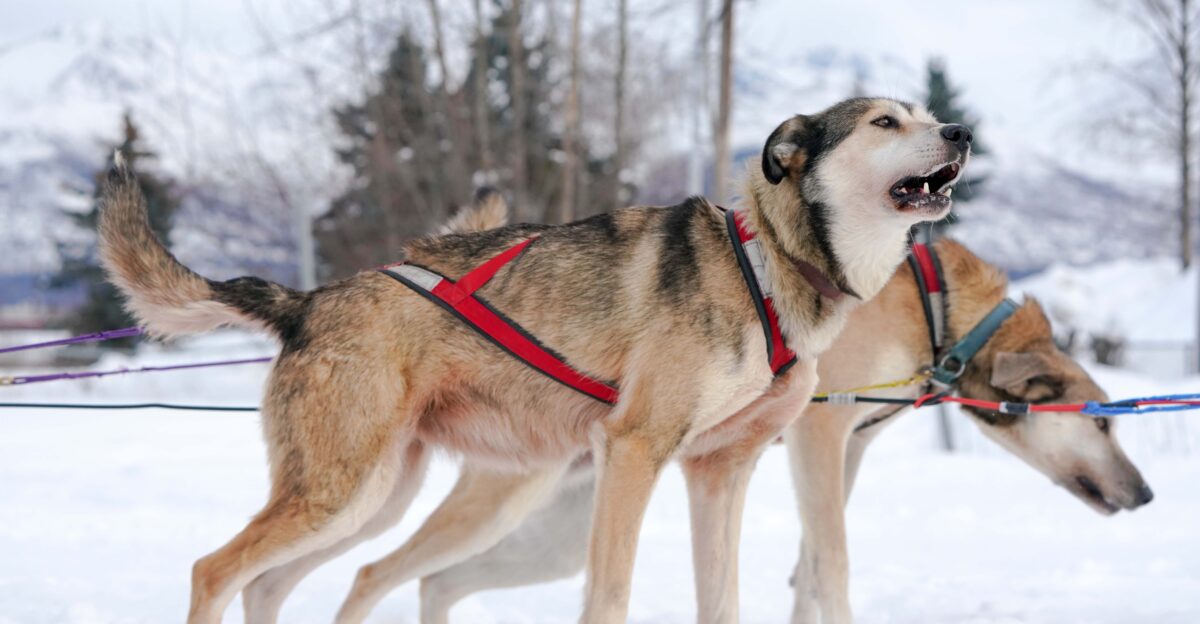
Alaskan Huskies and similar northern working mixes often inherit the thick double coats of their sled‑dog ancestors. They can rival purebred Huskies and Malamutes in shedding, especially during seasonal coat blows.
Because they are commonly kept as active companion dogs now, their heavy shedding can be surprising and overwhelming in modern indoor households.
Why These 15 Breeds Shed So Much
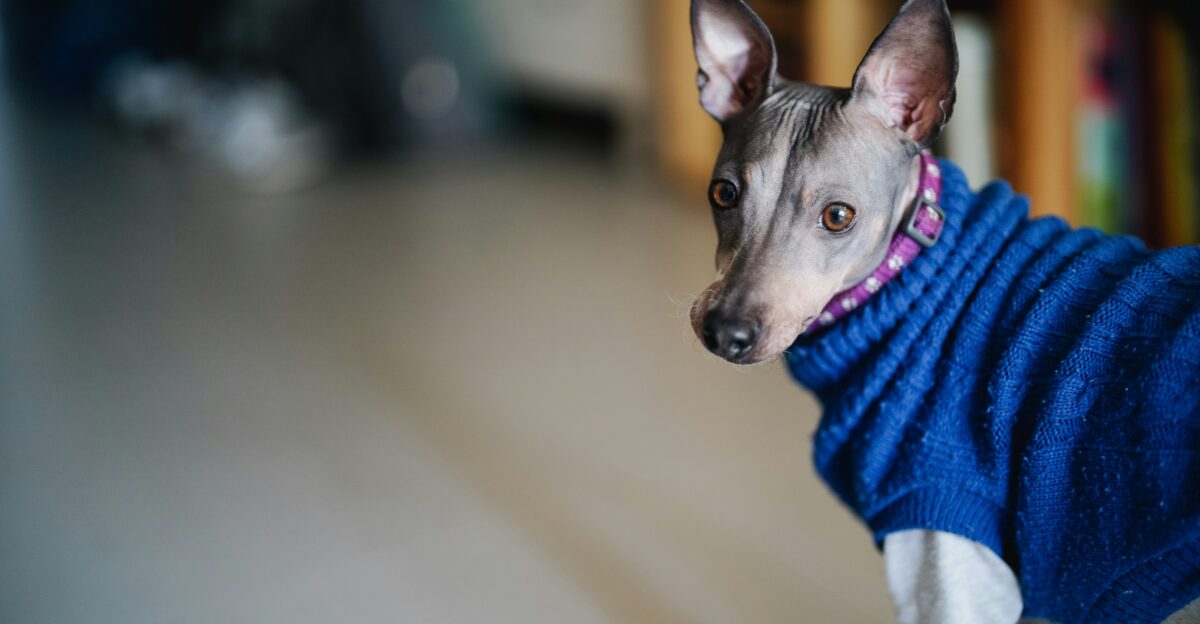
What unites these breeds is their dense double coat: a soft, insulating undercoat beneath tougher guard hairs.
This structure protects them from cold, moisture, and rough terrain, but also means massive amounts of undercoat must be replaced regularly. When that old undercoat lets go—especially in spring and fall—it becomes the visible “fur snowstorm” owners talk about.
Grooming Tools That Make the Biggest Difference
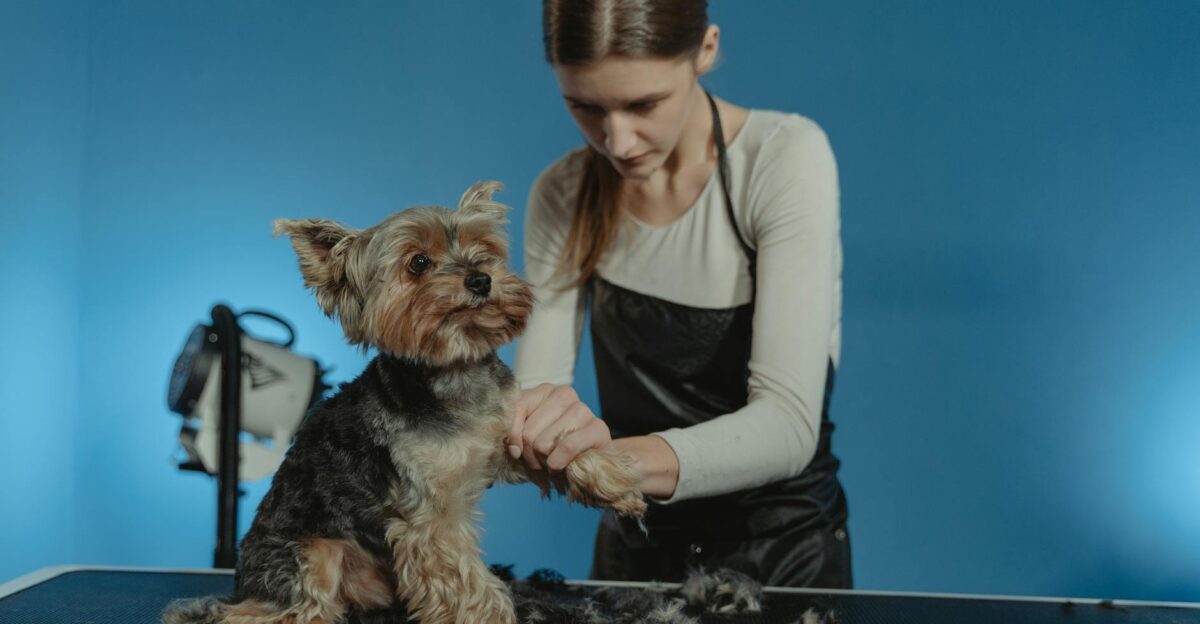
For these heavy shedders, the right tools turn chaos into something manageable. Undercoat rakes, slicker brushes, and deshedding tools reach down to the thick inner coat and pull out dead hair before it hits the floor.
Used a few times a week—daily during coat‑blow season—they can significantly reduce fur buildup around the home and keep coats healthier.
Is an Extreme Shedder Right for You?
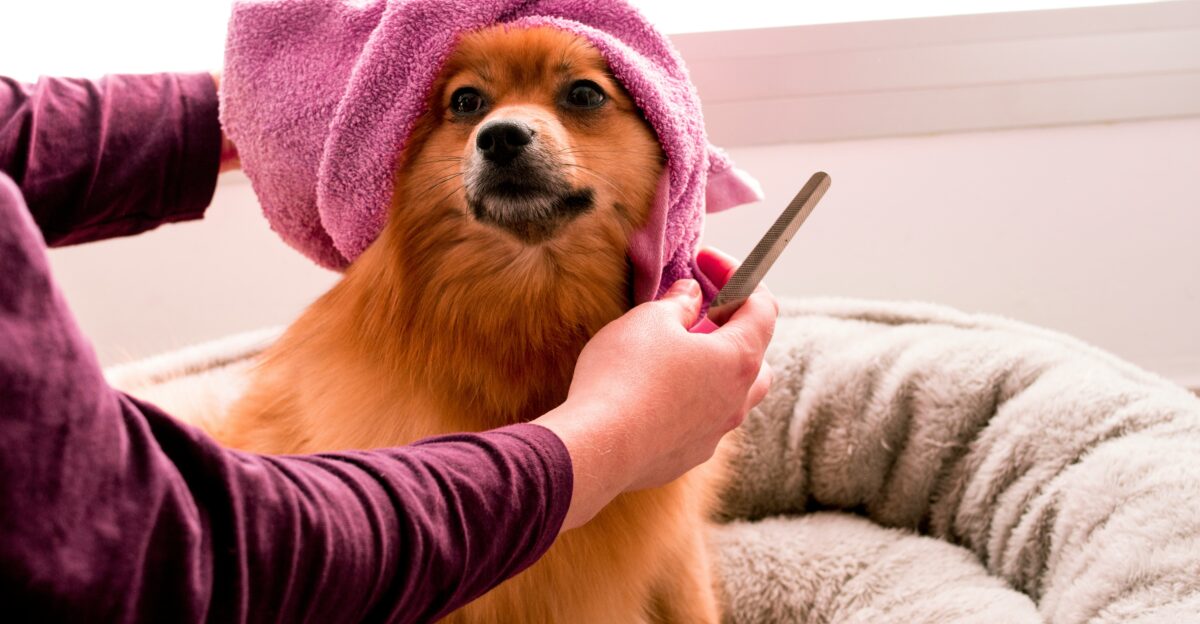
Choosing one of these 15 breeds means choosing both the dog and the grooming lifestyle that comes with them.
People who dislike cleaning or have limited time may be happier with a lower‑shedding breed that demands less daily maintenance. For those who do not mind regular brushing and extra vacuuming, these dogs offer loyalty, personality, and plenty of fluffy companionship.
Sources:
“Dog Shedding: What to Expect and How to Manage It.” American Kennel Club, 2024.
“Dog Breeds That Shed the Most.” Wisdom Panel, 2025.
“Dog Breeds with Heavy Shedding.” Purina, 2025.
“12 Dog Breeds That Shed the Most.” Healthy Paws Pet Insurance, 2022.
“Tips for Living with a Heavy-Shedding Dog.” Zoetis Petcare, 2025.
“Meet the Akita.” Akita Club of America, 2024.