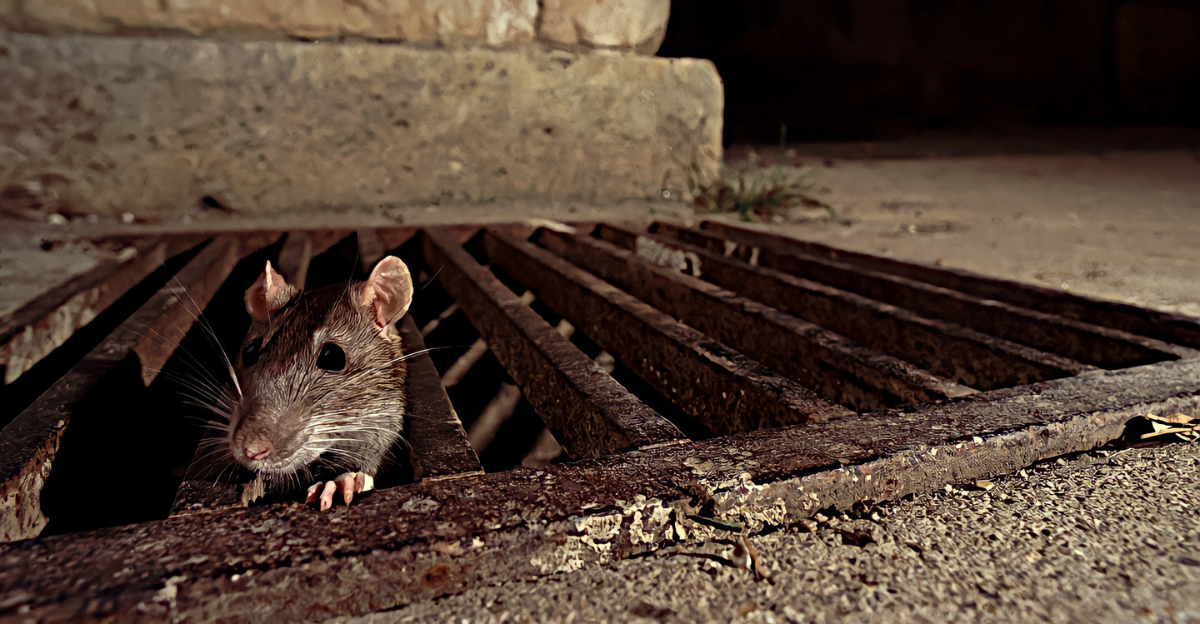
A remarkable transformation occurs among the rodent population in the heart of Chicago. Research from the Field Museum reveals surprising adaptations in these creatures that have dwelled in the city for over a century. As urban life reshapes their environment, scientists uncover physical changes that hint at a broader narrative of evolution.
“It’s fascinating to see how these animals are responding to the challenges of city living,” says Stephanie Smith, a mammalogist at the Field Museum. These findings prompt us to reconsider how urban settings influence the development of wildlife in ways that are both profound and unexpected.
Accelerating Change in Urban Rodents
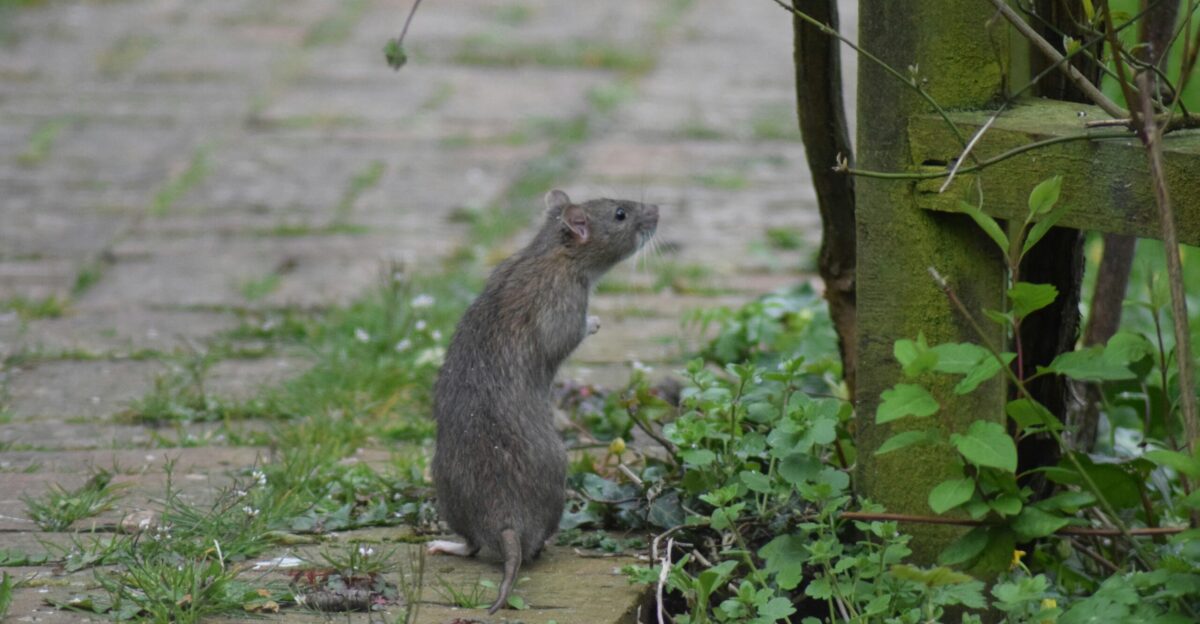
Recent studies indicate that the pace of rodent evolution in Chicago is faster than scientists initially thought. This heightened rate of change is especially evident in species like chipmunks and voles, which have exhibited significant physical differences compared to their rural counterparts. As urban pressures mount, these adaptations signal the intensive influence of the city environment on wildlife.
“We’re seeing evolution in real-time,” explains Anderson Feijó, another lead researcher. This rapid change challenges our previous understanding of evolution’s timeline and raises questions about the adaptability of urban-dwelling species in the face of ever-evolving city landscapes.
A Century of Adaptation
The Field Museum houses an extensive collection of over 245,000 mammal specimens, serving as a crucial archive that documents the adaptations of rodents from 1890 to the present. By analyzing these specimens, researchers have created a vivid timeline illustrating how urbanization has affected animal development over many decades.
“Museum collections allow you to time-travel,” Smith reflects, highlighting the importance of these preserved specimens in tracking change. As cities expand, the findings from these collections reveal not just the history of rodents but also how urban environments evoke ongoing evolutionary responses.
Urban Pressures Mount
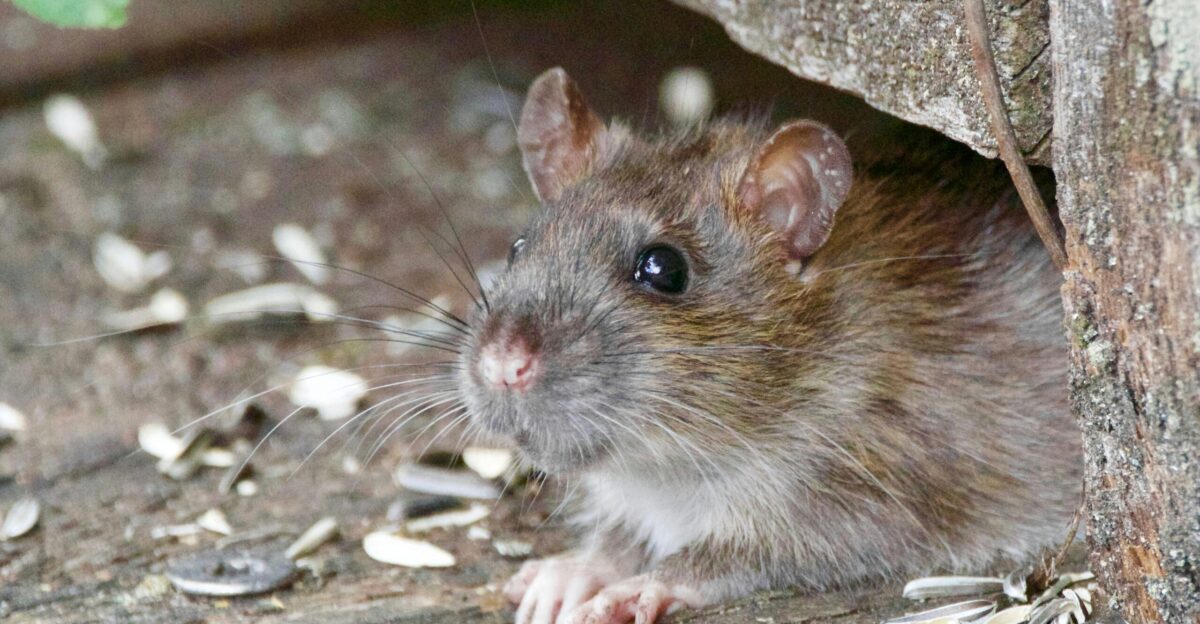
The rodent population faces unique challenges as Chicago’s landscape becomes increasingly dominated by concrete, noise, and human waste. “There’s a constant battle for survival,” shares a local wildlife expert, underscoring the pressures that city life imposes on these animals. With the availability of processed human food and the challenges of finding shelter, adapting to urban living is no longer optional but critical.
Researchers observe that these environmental challenges compel rodents to evolve rapidly, developing traits that enhance their chances of survival. This interplay of urbanization and wildlife adaptability opens new questions about the future of these species in the city.
Evolution Revealed
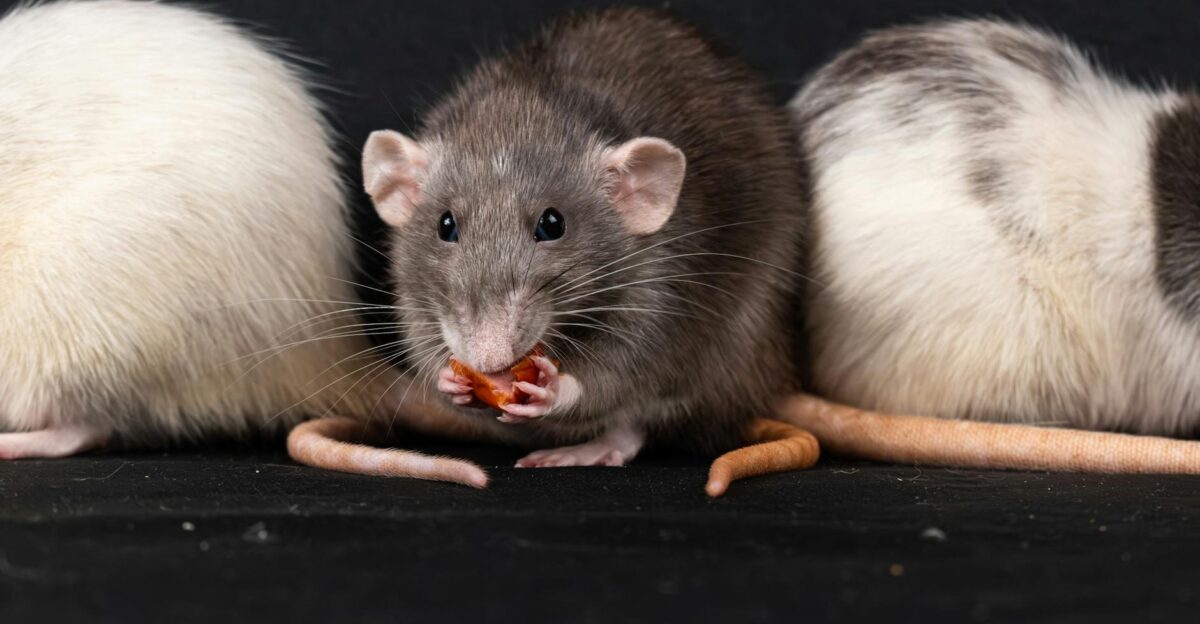
The key discovery from the Field Museum’s research highlights significant physical changes in urban chipmunks and voles: larger bodies, smaller teeth, and altered skull shapes have emerged in just 125 years. These adaptations suggest survival and a remarkable evolution spurred by urban conditions.
Detailed studies from museum specimens document these transformations and prove how local environments drive evolutionary change. “We’re witnessing evolution happen before our eyes,” states Feijó. Understanding these changes is essential for grasping how urban living shapes wildlife, and it adds nuance to the broader narrative of species adaptation.
The Urban-Rural Divide
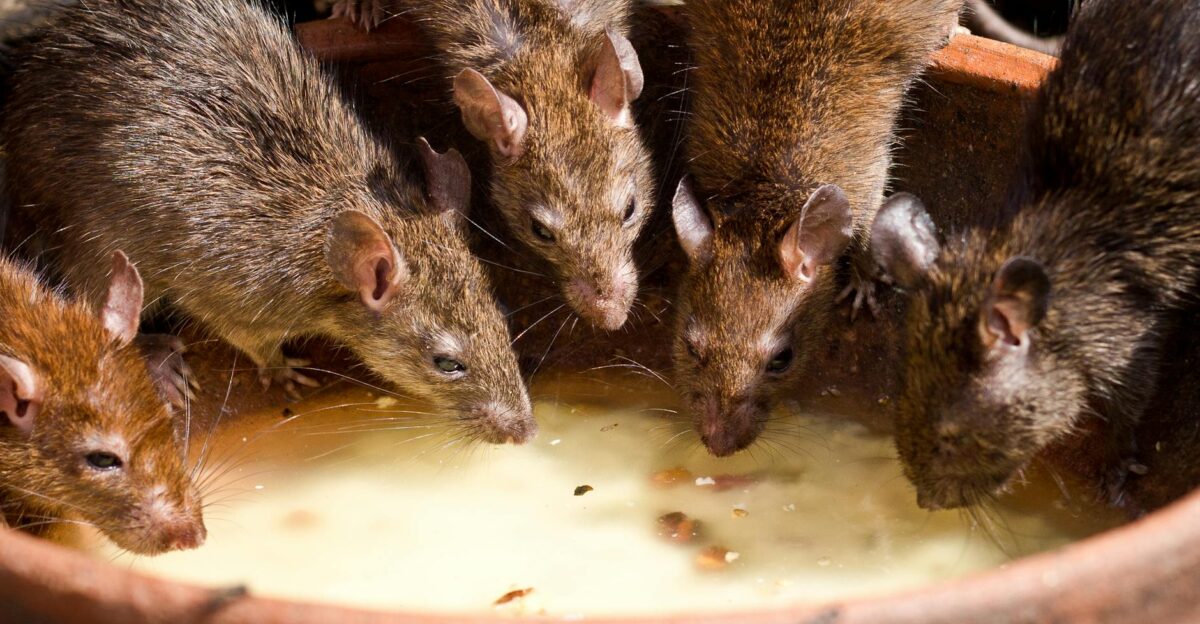
Chicago’s rodents present distinct characteristics compared to their rural relatives, reflecting adaptations driven by urban life. Chipmunks now showcase larger skulls and shorter teeth, while voles have evolved ear structures designed to mitigate the effects of urban noise.
This divergence underscores the physical changes and the behavioral changes necessitated by their surroundings. “You can see how life in the city is changing the animals,” comments a local ecologist. These differences highlight the greater impact of urbanization, emphasizing that environments can shape not just behavior, but physical traits as well.
Tracking Change
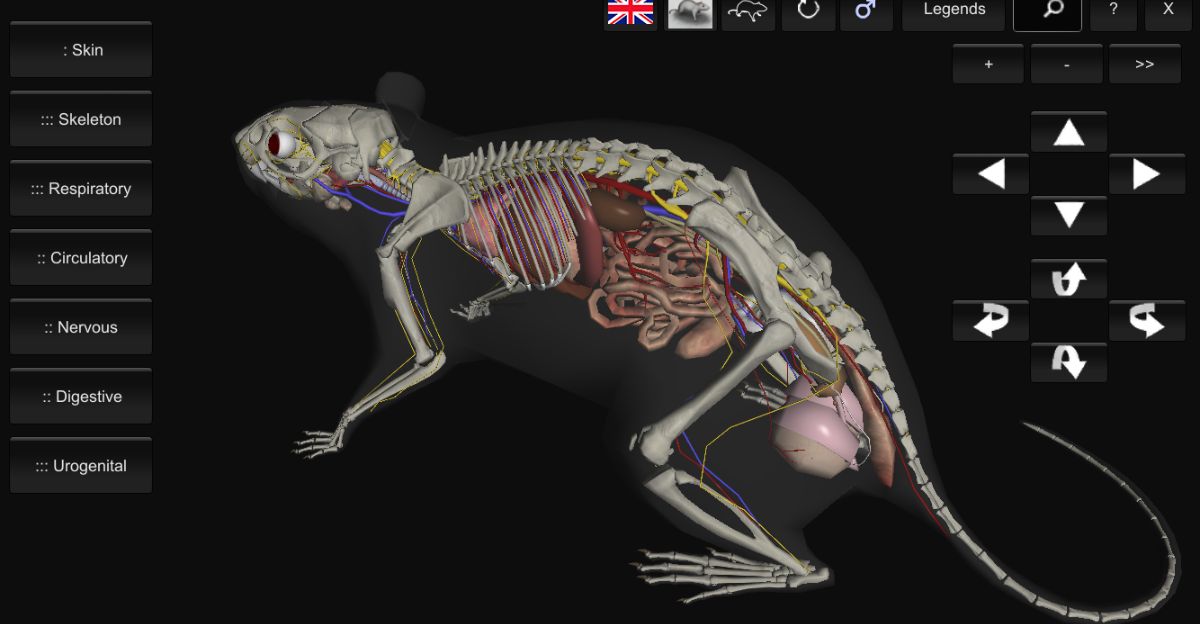
The research process involved using advanced techniques such as 3D specimen scans paired with traditional measurement methods to track rodents’ physical changes over generations accurately. “It’s been a rigorous process to ensure we don’t just see changes, but validate them,” explains Smith. Through peer-reviewed studies and curated museum collections, regulatory oversight ensures that only verifiable evolutionary shifts are communicated.
This diligence is crucial to maintaining scientific integrity as researchers work to understand the ongoing changes in rodent populations. The combination of modern technology and historical data allows for a comprehensive view of evolutionary trajectories in urban wildlife.
A Macro Perspective
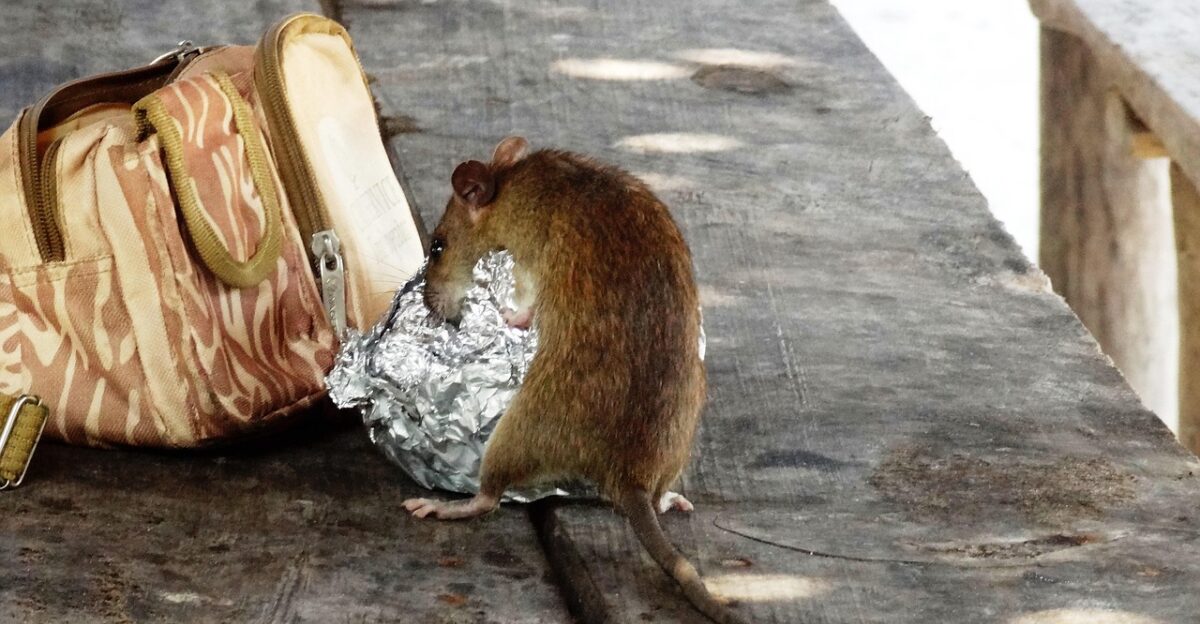
Similar evolutionary patterns are emerging across urban landscapes worldwide. For example, New York rats have shown reductions in tooth size, indicating that urban environments exert similar pressures on wildlife across different cities. “It’s a shared story of survival, wherever you look,” remarks a biologist studying urban adaptation.
This phenomenon raises important questions about the future of urban wildlife adaptation on a global scale. Understanding these shared adaptations might offer vital insights into wildlife management and urban planning as cities continue to grow, facilitating cohabitation strategies between humans and animals.
Food as a Catalyst for Change
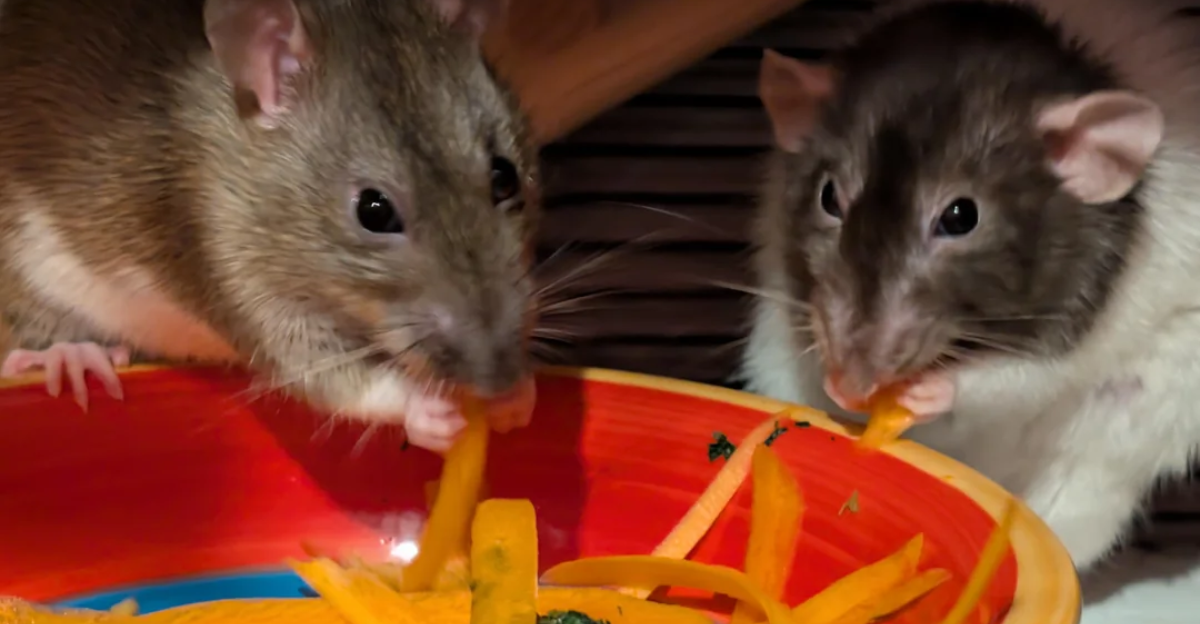
Processed human food waste has emerged as a critical factor in driving changes within rodent populations. In parks and alleyways, chipmunks have adapted to a diet rich in softer food, leading to larger body sizes but smaller teeth, an adaptation starkly different from their rural counterparts.
“The city has reshaped our ecosystem significantly,” reflects a local farmer observing the effects of urban wildlife on agricultural practices. This dependency on human refuse underscores the implications of human activity, making it clear that food sources heavily influence evolutionary trajectories and necessitate a deeper understanding of rodent behaviors in urban contexts.
Resilience and Limits
While these adaptations showcase resilience, experts caution against complacency. Smith emphasizes, “Adaptation isn’t infinite; there are limits.” As urban environments evolve, the capacity of wildlife to keep pace may falter. It’s a reminder of the delicate balance within ecosystems and the potential consequences of rapid changes.
Observing these shifts raises concerns for conservationists about the effects of accelerated urbanization on biodiversity. As urban areas expand, understanding the limits of adaptation becomes paramount in assessing the sustainability of wildlife cohabiting with human populations in unpredictable environments.
Future Research Directions
Researchers aim to extend their investigations beyond rodents to explore evolutionary trends in other urban species. By examining various animals, scientists hope to uncover patterns that could predict future adaptation strategies or even highlight risks faced by urban wildlife.
“This ongoing study will provide essential knowledge for urban habitat planning,” notes a wildlife analyst involved in the project. The insights gleaned from these comprehensive studies will inform future conservation efforts, ensuring that cities can coexist sustainably with diverse wildlife while proactively addressing the challenges posed by urban living.
A Shift in Leadership
The research team, led by Anderson Feijó and Stephanie Smith, aspires to link findings on rodent evolution with urbanization markers and policy changes. Their initiative seeks to understand how various aspects of city growth affect species adaptation.
“We have the opportunity to shape policy based on scientific data,” notes Feijó. By connecting research with actionable insights, the team hopes to foster more effective strategies in managing urban wildlife, ensuring that conservation efforts align with the realities of rapid urban development. This commitment promises to bridge the gap between science and policy to enhance urban ecological planning.
Outlooks from the Ground Up
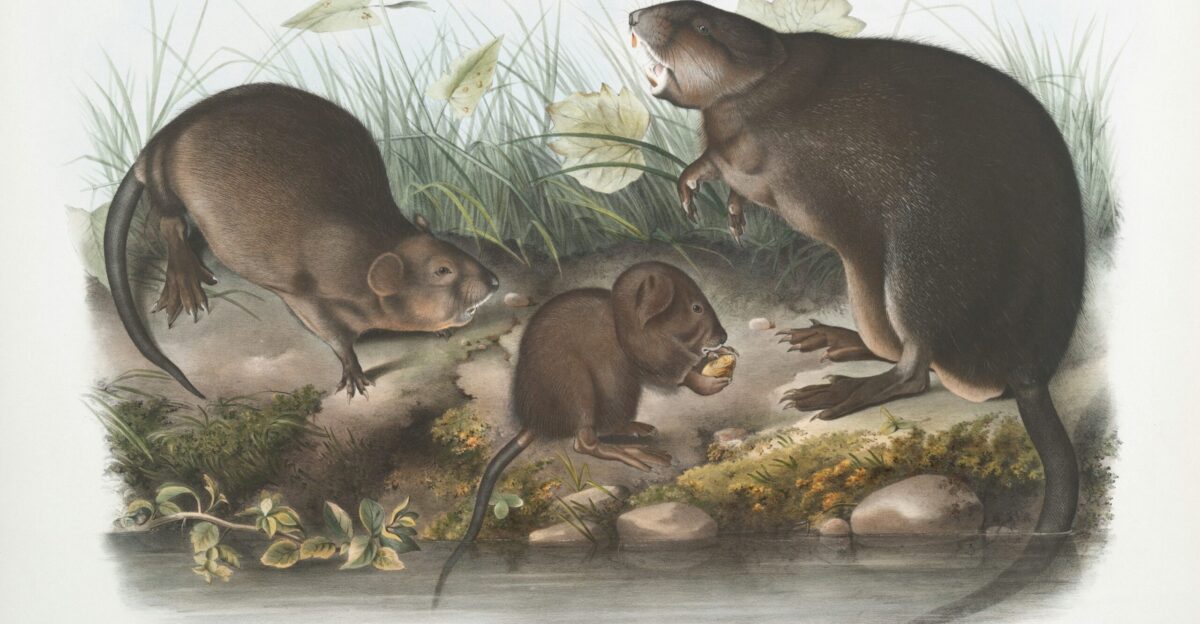
Despite the exciting discoveries, caution remains within the scientific community regarding the implications of rapid evolution. Some biologists warn that while documented adaptations are observable, they do not ensure long-term survival if urban expansion continues unchecked. “There’s a lot of uncertainty about the future,” expresses a conservationist involved in urban ecology.
This tension highlights the need for ongoing research into the effects of urban living on wildlife survival and adaptation. As cities evolve, the focus must remain on understanding these dynamics to inform conservation and urban management strategies effectively.
Questions for the Future
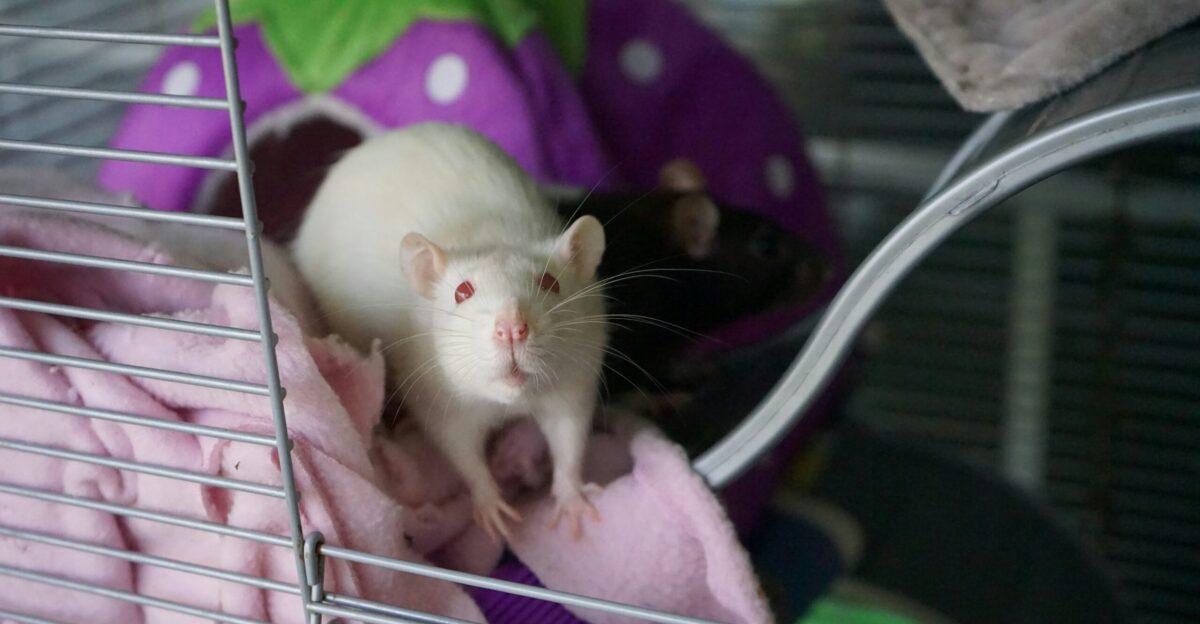
The pressing question remains: Will rodents and other urban wildlife continue to adapt successfully to their changing environments? Researchers are now tracking genetic shifts to understand the potential long-term consequences of urbanization on these species.
“It’s crucial to monitor these developments closely,” emphasizes a genetics expert studying urban adaptations. The ongoing exploration into genetic changes will provide deeper insights into the capacity for survival and adaptability amid constant change, contributing to our understanding of urban wildlife in the face of environmental pressures.
Policy Implications for Urban Wildlife
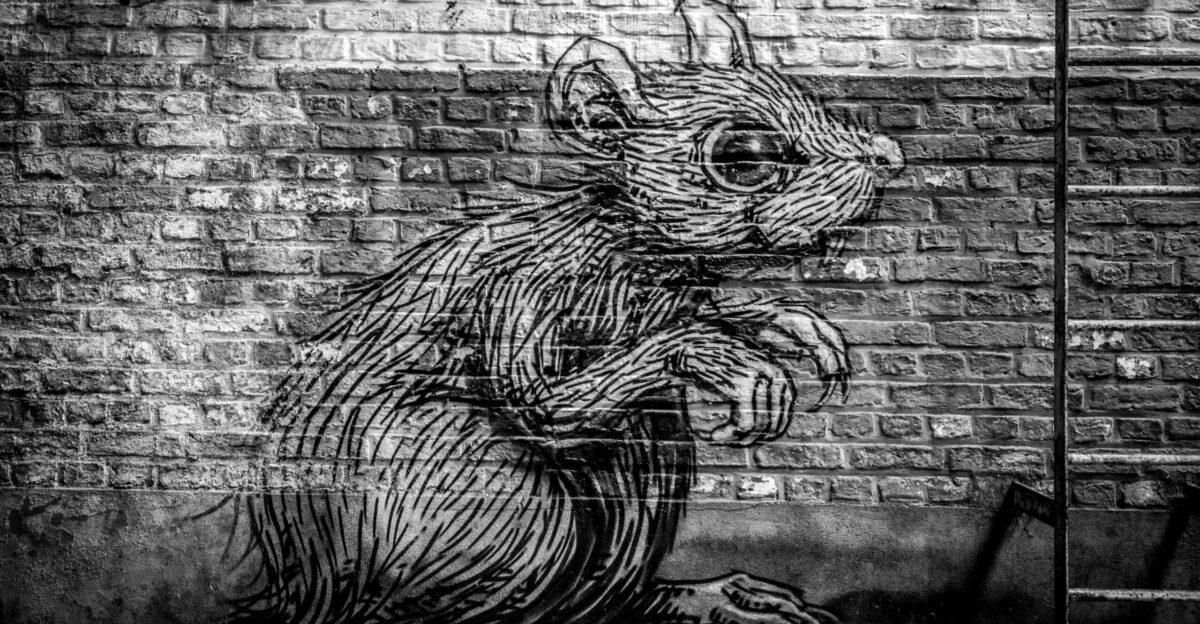
As rodent adaptation research progresses, city responses have evolved, too. Chicago has increased funding for rat control and introduced new urban planning standards to address these changes effectively. In addition, initiatives for sterilization and habitat interventions represent a proactive approach to managing rodent populations.
“We need to create environments where wildlife and people can thrive,” says an urban planner. By aligning scientific research with policy-making, cities can develop comprehensive strategies that address the challenges of evolving wildlife populations, fostering coexistence rather than conflict between urban life and nature.