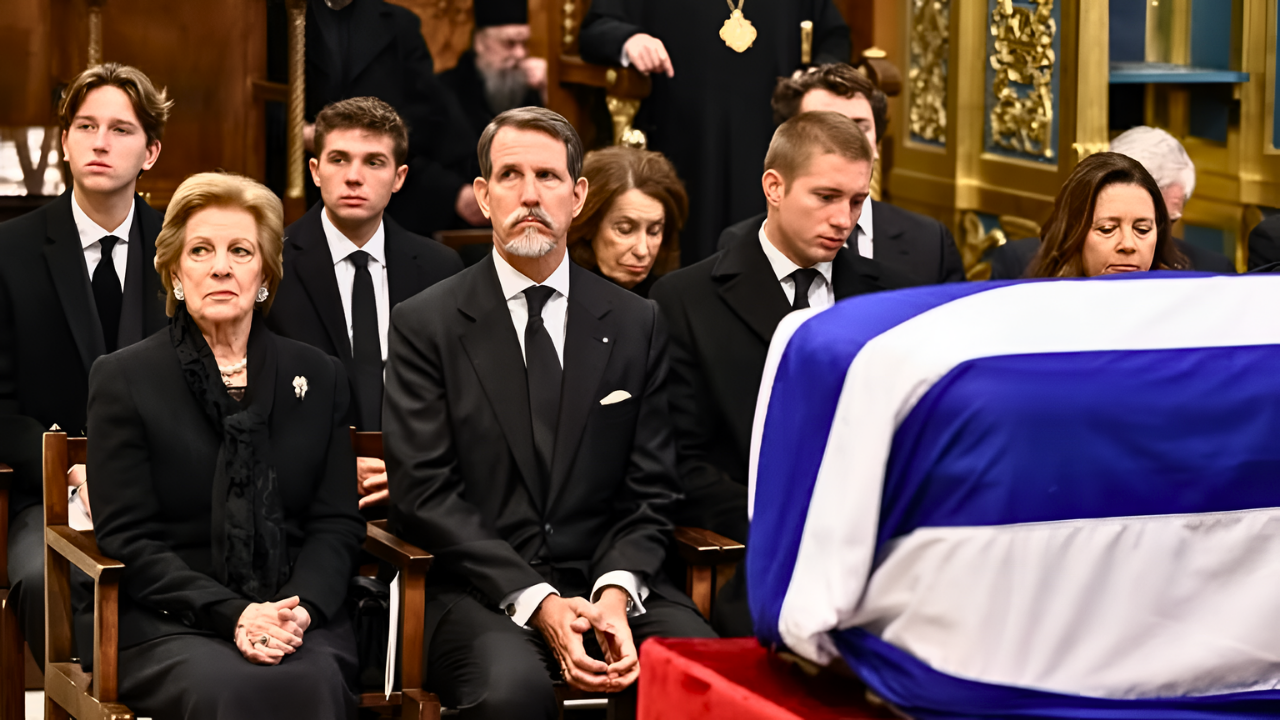
Just 3 weeks into this year, Sweden’s royal family faced devastating news: Princess Désirée, sister of King Carl XVI Gustaf, had died peacefully at her home in Västergötland at age 87.
Her passing marks the second profound loss for the aging monarch in just over a year, as the era of the “Haga Princesses” fades and Sweden’s monarchy faces a new generational reality.
A Quiet Goodbye At Koberg Castle
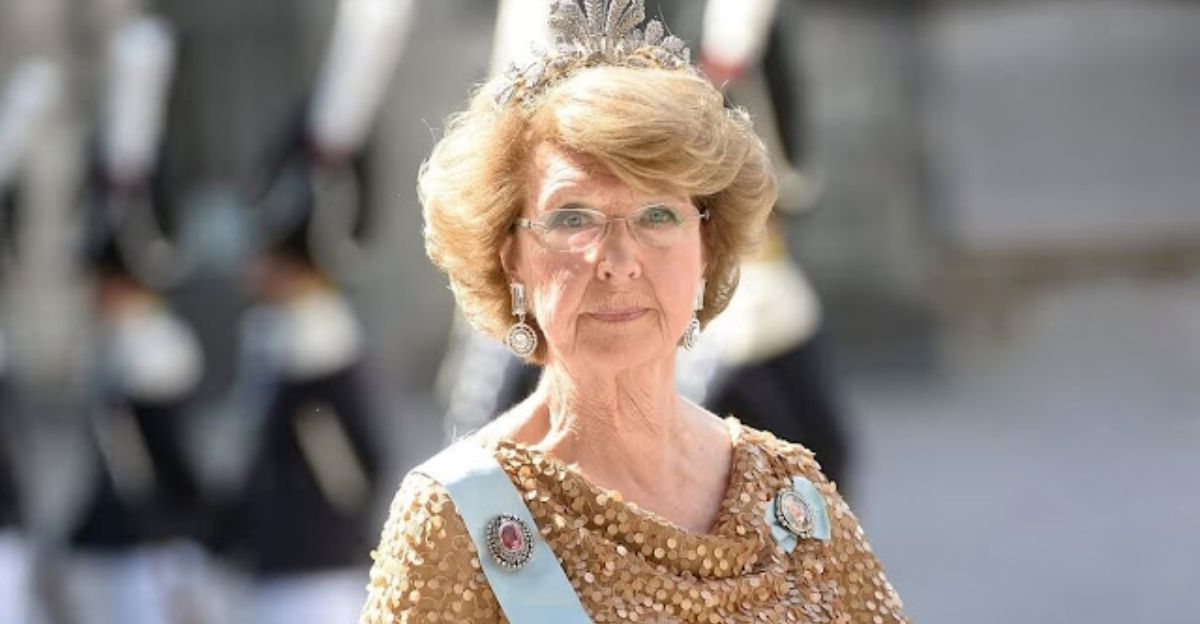
Princess Désirée of Sweden passed away on January 21, 2026, at her beloved home, Koberg Castle, located in Västergötland in southern Sweden. She was 87 years old and had lived there for decades with her late husband. The princess died peacefully, surrounded by her loving family, according to official statements. However, what made this loss particularly striking involved a painful family echo.
Two Sisters, The Same Final Age
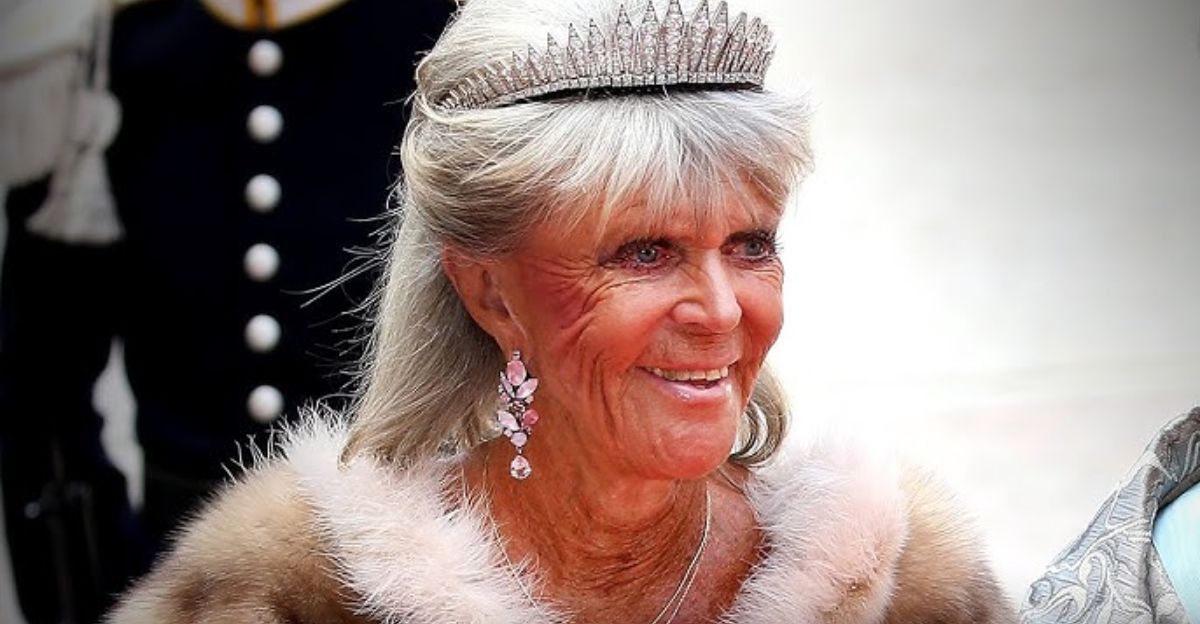
Just over 1 year ago, King Carl XVI Gustaf mourned his sister, Princess Birgitta, who died on December 4, 2024, also at age 87. Both women shared a birthplace at historic Haga Palace and remarkably parallel lifespans. For King Carl XVI Gustaf, now 79, the losses meant condensed family grief. His statement said, “With great sadness, I have today received the news that my sister, Princess Désirée, has passed away.” Yet Désirée’s legacy extended far beyond these numbers.
The Famous “Haga Princesses” Childhood
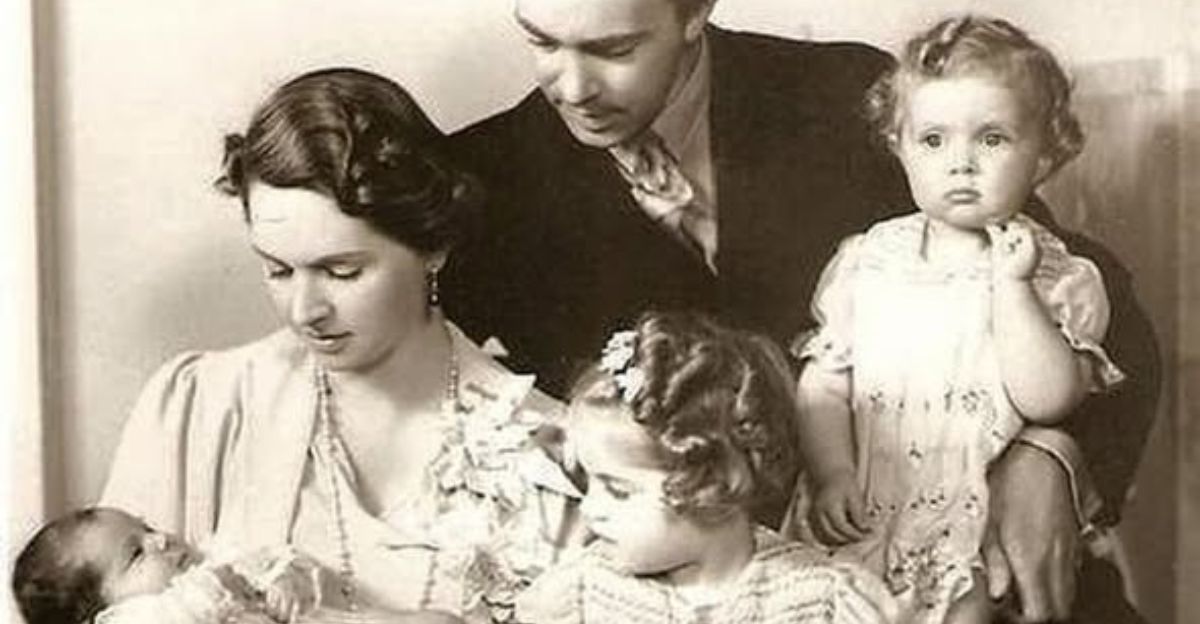
Princess Désirée was the third of 4 daughters born to Prince Gustaf Adolf and Princess Sibylla at iconic Haga Palace in Stockholm. Collectively, the sisters became known as the “Haga Princesses,” shaped by a shared upbringing just outside the capital. The girls were Princess Margaretha, Princess Birgitta, Princess Désirée, and Princess Christina, and their bond was closely followed in Sweden. Today, only 2 of the original 4 remain alive, and that reality keeps sharpening.
Two Sisters Still Carry The Story
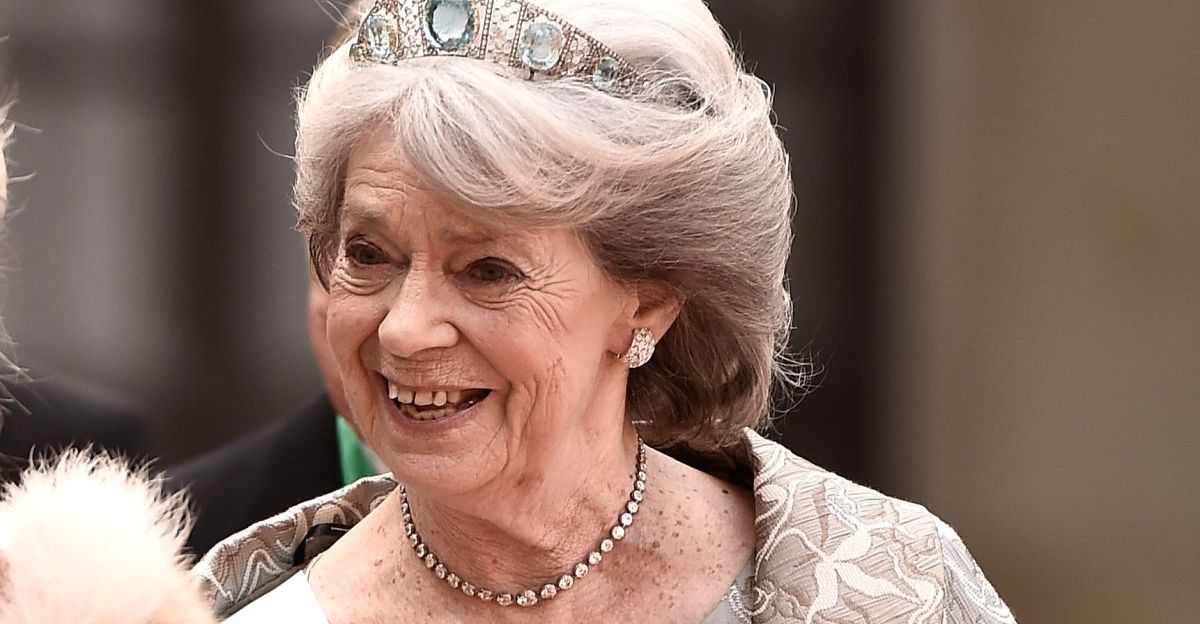
Princess Margaretha, the eldest, turned 91 in October and lives privately in Oxfordshire, England, away from royal duties. Princess Christina, now 82, has retired from official work and resides in Stockholm. Their survival means the Haga Princesses’ public era is quickly fading into history. The siblings were shaped by a defining tragedy in 1947 when their father died in a plane crash. That single moment still explains much of what followed.
The 1947 Crash That Reshaped A Family

On January 26, 1947, Prince Gustaf Adolf, Duke of Västerbotten, was returning from a hunting trip in the Netherlands aboard a KLM Douglas DC-3 when disaster struck at Kastrup Airport in Copenhagen, Denmark. All 22 people on board were killed. Désirée was 8, and Carl Gustaf was 9 months old. The tragedy devastated the Swedish royal family and left Princess Sibylla raising 5 children alone. In later years, that loss still hovered over every major decision.
A Name Borrowed From Royal History
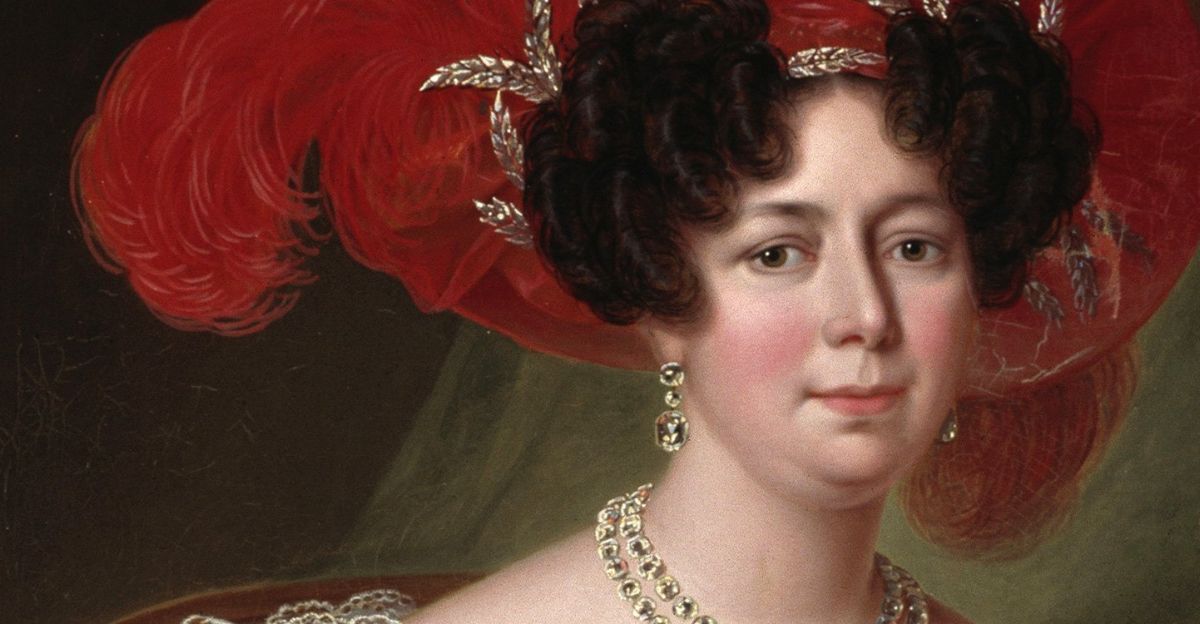
Désirée’s name carried historical significance, taken from Desideria, Queen Consort of Sweden and Norway during the 19th century. Born June 2, 1938, in Stockholm, she arrived when her great-grandfather, King Gustaf V, still reigned. The name signaled continuity, tradition, and expectations. Yet despite that symbolic weight, Désirée would forge a quieter path outside the formal succession. The turning point came when love collided with royal protocol.
Love That Cost A Royal Title
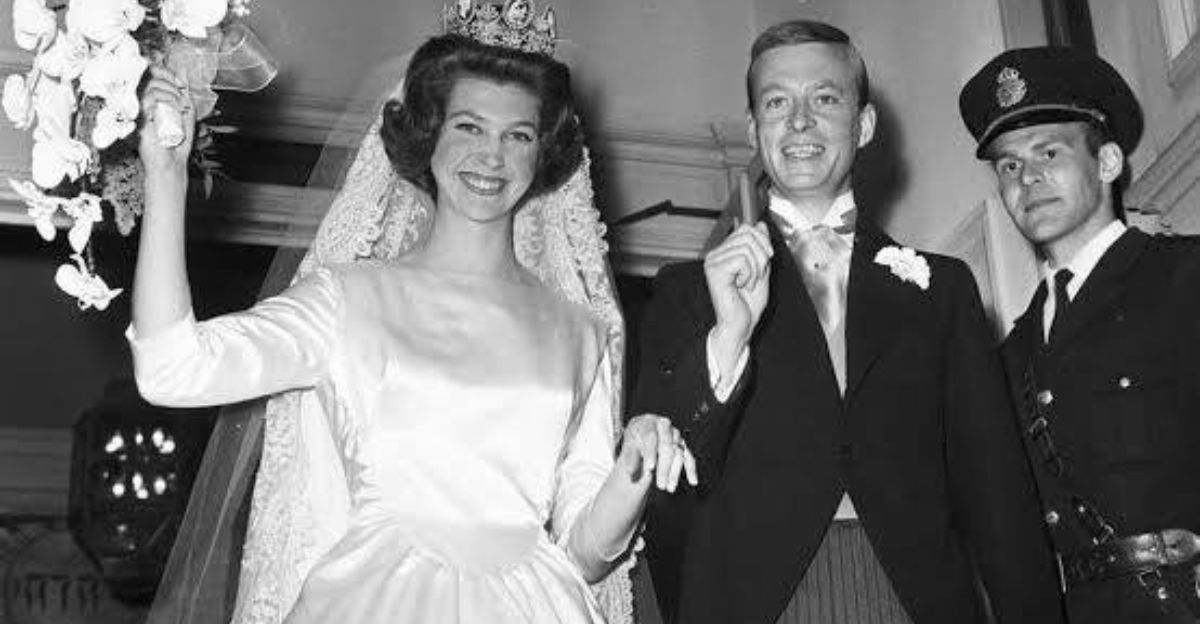
In 1964, Princess Désirée married Baron Nils-August Otto Carl Niclas Silfverschiöld, a captain in the Swedish Army, at Stockholm Cathedral. Their engagement was announced in December 1963 at the Royal Palace. Because he was not of royal rank, Désirée lost her style of “Royal Highness” and her position as a Princess of Sweden. This morganatic marriage removed her and her descendants from the line of succession. She retained the courtesy title “Princess Désirée, Baroness Silfverschiöld” and embraced a more private life, but family details soon drew attention.
Koberg Castle Became Her World
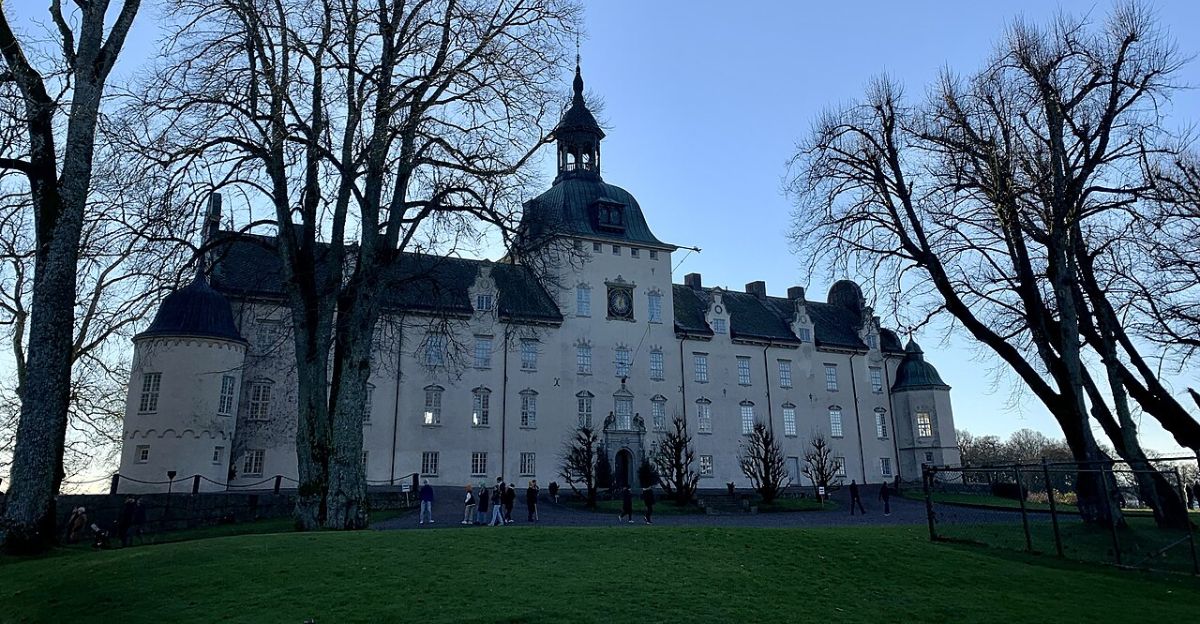
After marriage, Désirée lived at Koberg Castle in Västergötland and also kept a residence at Gåsevadholm Castle in Halland. The couple had 3 children: Baron Carl Otto Edmund, Baroness Christina Louise, and Baroness Hélène Ingeborg. She devoted herself to family, appearing at select inaugurations and ceremonies. Désirée also became godmother to her niece Crown Princess Victoria, keeping close ties despite changed status. Yet in later life, health problems began raising difficult questions.
A 2023 Illness That Raised Concerns
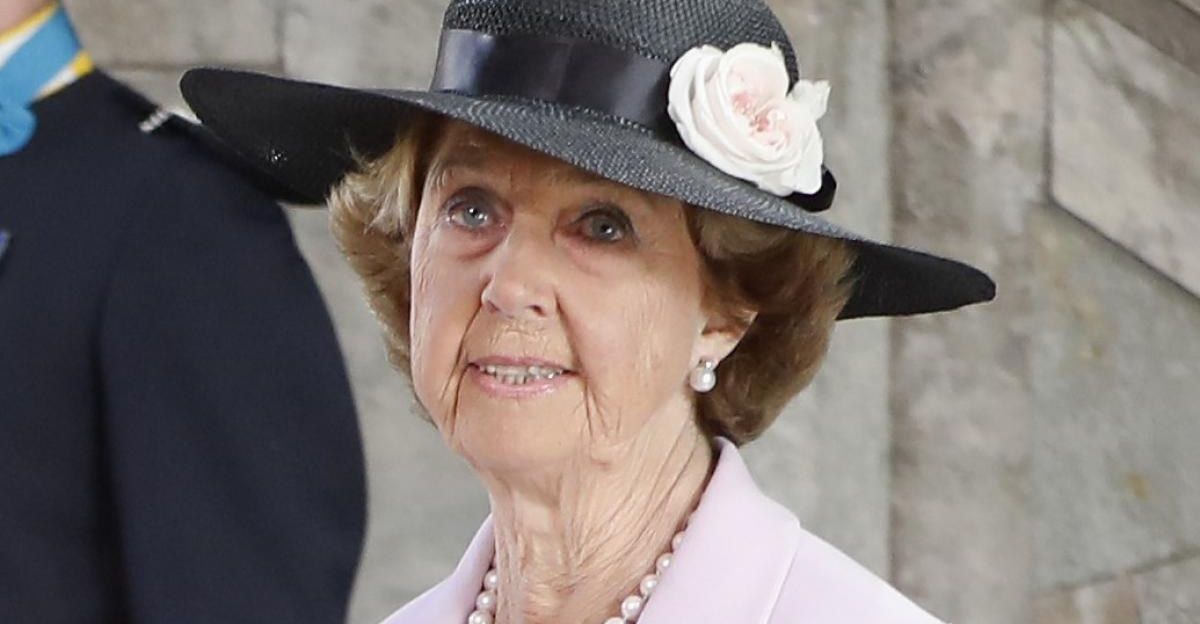
In 2023, Princess Désirée was hospitalized at Sahlgrenska University Hospital in Gothenburg for several months due to meningitis. The extended stay marked one of her most serious health crises and underscored how fragile she had become. She recovered enough to return home, but the illness took a toll. Few details about her condition between that hospitalization and January 2026 have been shared publicly, leaving many to wonder how quickly her strength declined. One personal detail from earlier years now feels especially poignant.
The Wedding Dress With A Hidden Message
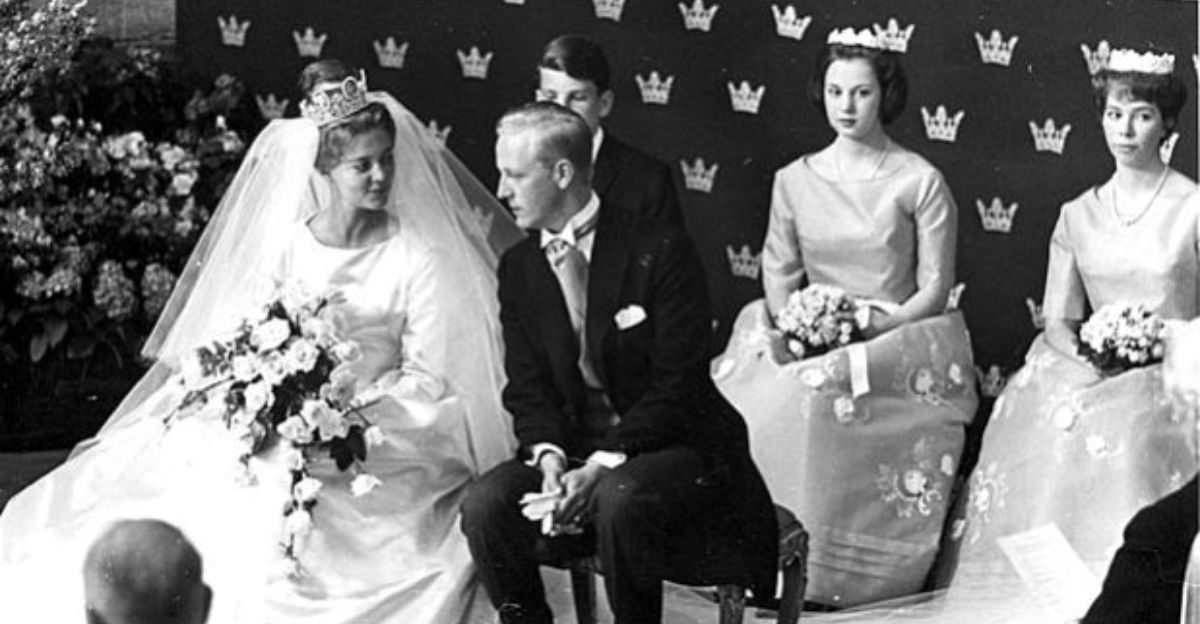
When Princess Désirée married on June 5, 1964, she wore her sister Birgitta’s wedding gown, first worn in 1961. The dress came from Swedish atelier Marthaskolan and featured pale ivory silk duchesse, a wide neckline, and three-quarter sleeves. The choice was a public symbol of sisterly closeness, reflecting how tightly the Haga Princesses were bound. They kept regular contact and appeared together at family milestones. But did both sisters’ marriages shape their royal lives in the same way?
Birgitta Kept What Désirée Lost
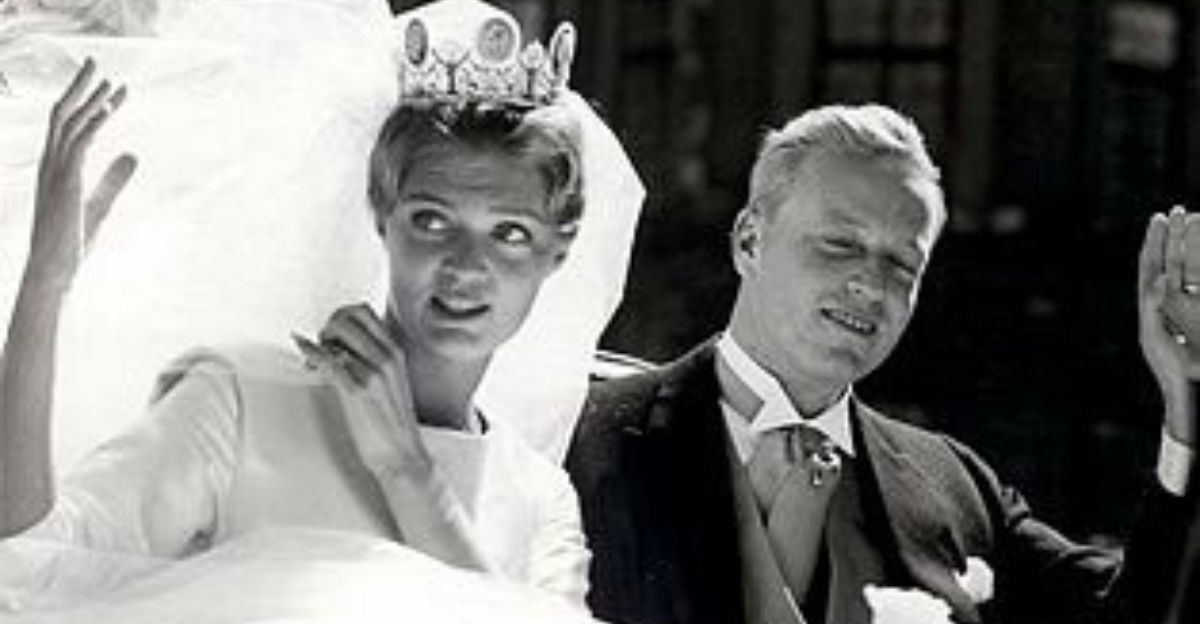
Unlike Désirée, Princess Birgitta retained her “Royal Highness” after her 1961 marriage because she wed Prince Johann Georg of Hohenzollern, a prince by rank. That difference kept Birgitta more formally anchored to royal protocol. She later lived for decades in Mallorca, Spain, and although separated in 1990, the marriage remained on paper. Birgitta died on December 4, 2024, from complications following a fall, leaving the family grieving before Désirée’s death arrived. The King’s reaction soon made the loss feel even more immediate.
The King’s Words Carried Private Weight
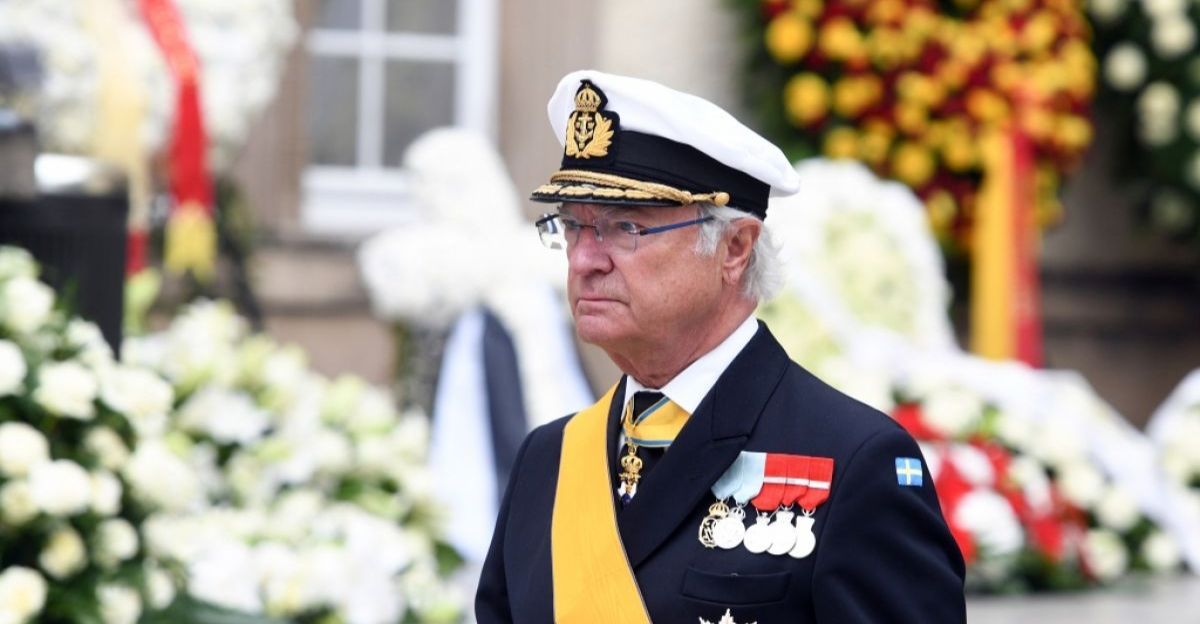
In an official statement shared through the royal family’s Instagram account, King Carl XVI Gustaf expressed his profound grief: “With great sadness, I have today received the news that my sister, Princess Désirée, has passed away. Many are the warm family memories created at the home of the Silfverschiöld family in Västergötland—a place in Sweden that came to mean a great deal to my sister. Today, my family and I send our condolences to Princess Désirée’s children and their families,” according to the Swedish Royal Court on January 21, 2026. The intimacy of that phrasing revealed something deeper about his shrinking circle.
An Aging Monarch, A Vanishing Generation
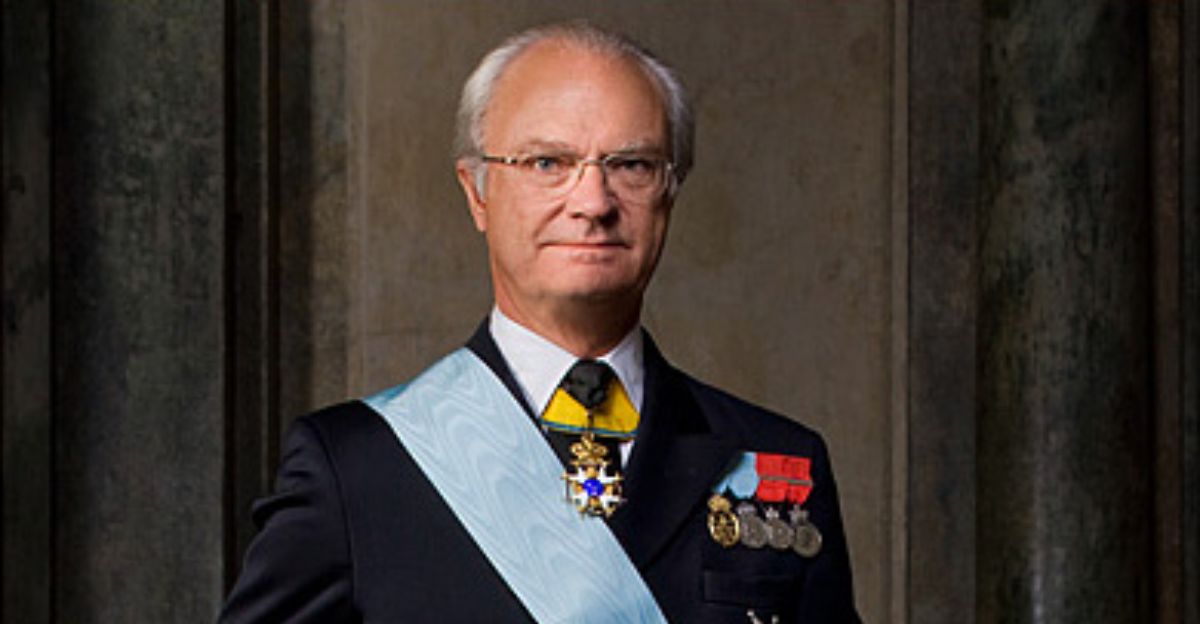
King Carl XVI Gustaf, now 79, has reigned since 1973 and is Sweden’s longest-reigning monarch. With the deaths of 2 sisters within 13 months, his generation within the immediate family is rapidly disappearing. The losses sharpen the reality of time and tradition in a monarchy built on continuity. He ordered flags at half-mast at 2 royal palaces, a visible symbol of grief. Yet even as the family mourns, attention remains fixed on how the monarchy moves forward.
Why The Sisters Never Had A Claim
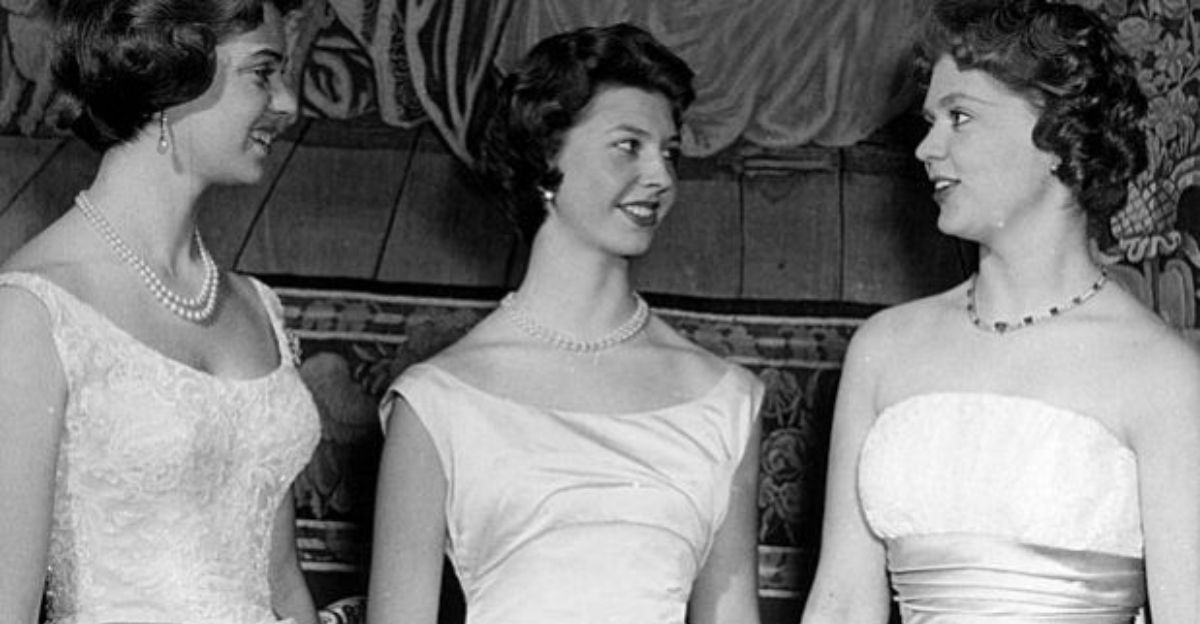
Neither Princess Désirée nor Princess Birgitta were in the direct line of succession, rooted in earlier law. Before 1980, Sweden used agnatic primogeniture, meaning only males could inherit. The 1979 Act of Succession created absolute primogeniture on January 1, 1980, making Sweden the first country to adopt it. Crown Princess Victoria became the first female heir in Swedish history. The change did not apply retroactively, permanently excluding the King’s 4 sisters. That legal boundary shaped Désirée’s role, but her bloodline still held a surprising international footnote.
A Quiet Link To Britain’s Succession
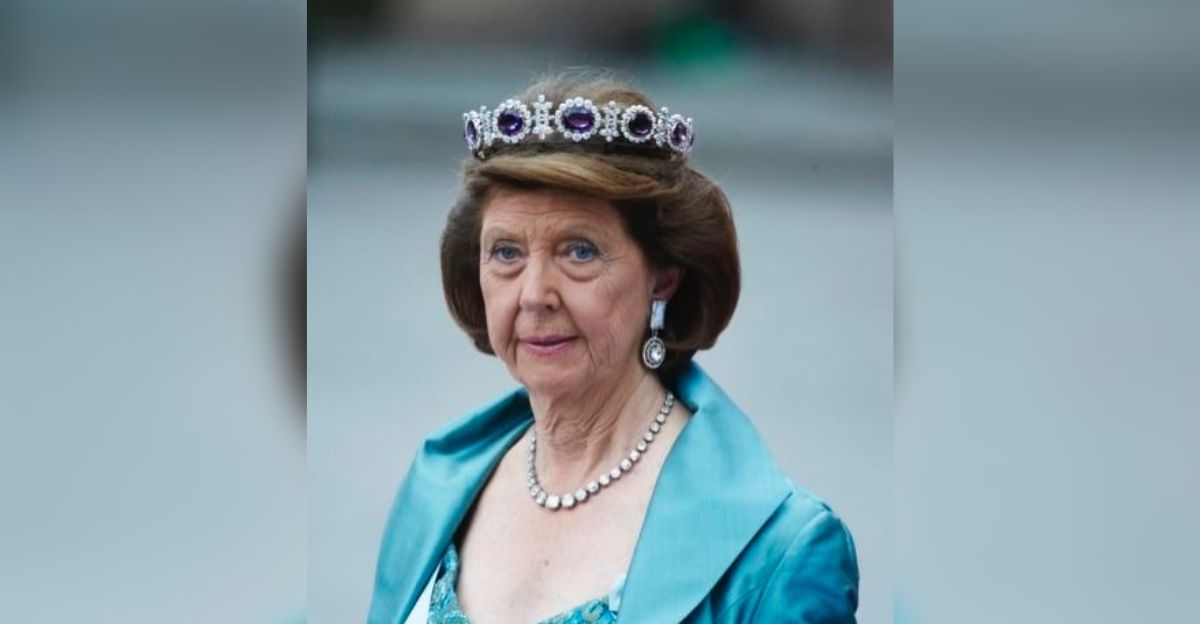
Despite losing Swedish succession rights through her morganatic marriage, Princess Désirée was included in the British Line of Succession. The connection ran through Queen Victoria via Princess Margaret of Connaught, who married King Gustaf VI Adolf in 1905. Désirée’s place was distant and largely ceremonial, but it showed how Europe’s royal families remain intertwined. Many never knew a private baroness at Koberg Castle still sat on that long list. Still, her most lasting legacy was never a technical ranking, but the family she raised.
Children, Grandchildren, And A Larger Legacy
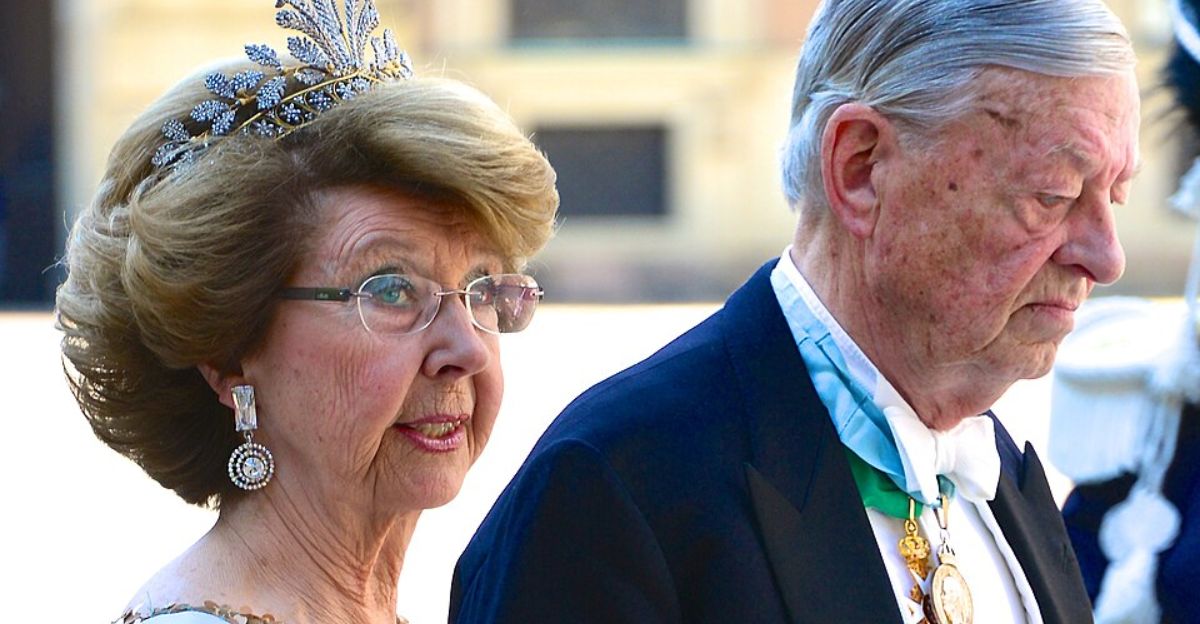
Princess Désirée is survived by her 3 children and several grandchildren. Baron Carl Otto Edmund married Maria Gunilla Fredriksson in 2005 and has 1 daughter. Baroness Christina Louise married Baron Hans Louis Gerard de Greer af Finspång in 1999 and has 3 children. Baroness Hélène Ingeborg has 1 son through her relationship with Fredrik Dieterle. Her role as mother and grandmother shaped multiple generations beyond public royal duties. As condolences arrive, one question lingers for many observers: when will the family say goodbye formally?
Widowed For 9 Quiet Years
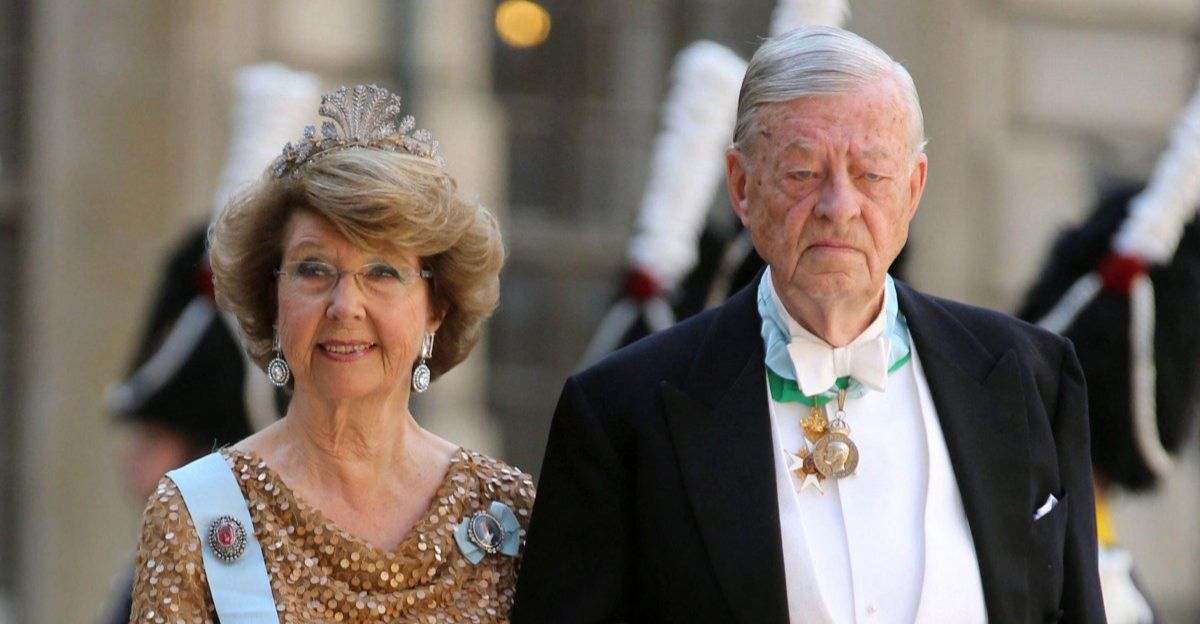
Princess Désirée was widowed on April 11, 2017, when Baron Niclas Silfverschiöld died at age 82. They had been married for over 5 decades, centered on life at Koberg and Gåsevadholm. His funeral took place on May 11, 2017, at Erska Church, attended by Swedish royals and Princess Märtha Louise of Norway. Afterward, Désirée lived about 9 years as a widow, with Koberg as her sanctuary. The King issued a condolence message then, showing bonds that endured beyond titles. Those bonds became visible again through formal protocol.
Flags Lowered At Two Historic Palaces

Following tradition, King Carl XVI Gustaf ordered flags flown at half-mast at Drottningholm Palace and Haga Palace on the day of Désirée’s death. Drottningholm is the King and Queen’s residence, while Haga Palace, her birthplace, is home to Crown Princess Victoria’s family. The gesture linked personal mourning with national symbolism. The Swedish Royal Court said funeral arrangements would be shared later, suggesting a private ceremony aligned with family preferences. With the rituals underway, the bigger picture of Sweden’s royal future comes back into focus.
The Haga Era Fades Into History
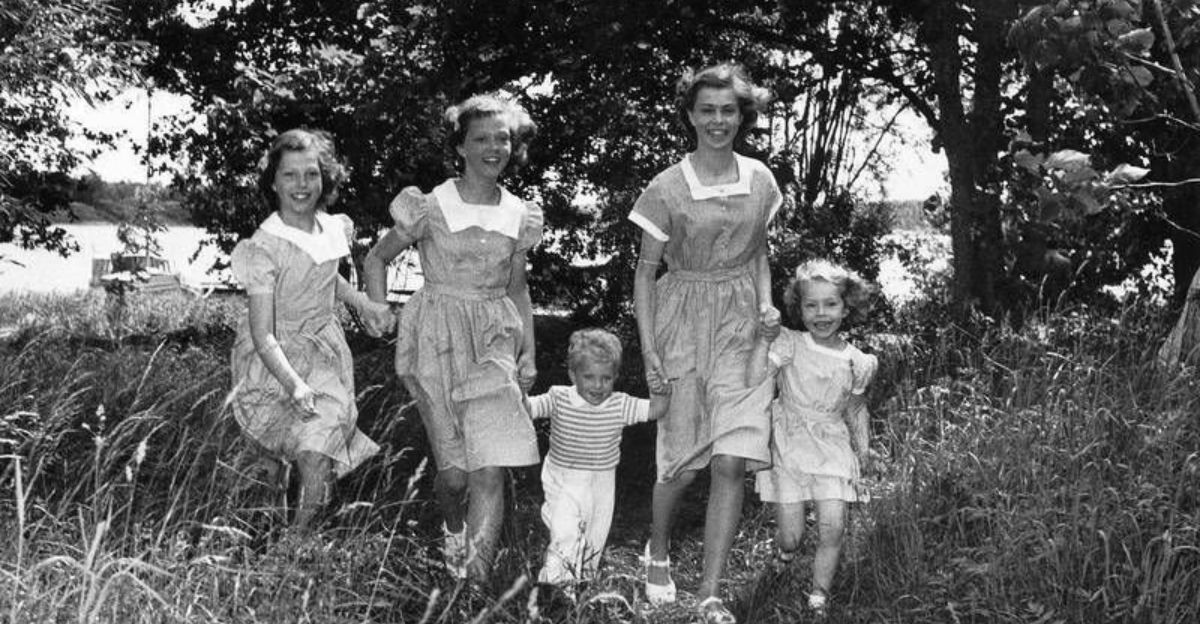
With Princess Margaretha living in England and Princess Christina retired in Stockholm, the once-celebrated Haga Princesses have largely stepped out of public view. Désirée’s death marks the twilight of that generation born in the 1930s and 1940s. The monarchy’s future now rests with the King’s 3 children: Crown Princess Victoria, Prince Carl Philip, and Princess Madeleine. Victoria, as heir apparent, is poised to become Sweden’s first reigning queen in nearly 3 centuries. As Sweden mourns, the sense of transition is unmistakable, but what will that change look like in practice?
Sources:
Swedish Royal Court Official Statement. Swedish Royal Court, January 21, 2026
Press Releases and Biography Pages. Kungahuset.se, 2024–2026
Sweden’s Act of Succession 1979:152. Riksdag, date published 1979
KLM Douglas DC-3 Crash At Kastrup Airport Records. Swedish National Archives, date published unknown
Princess Birgitta Death Coverage. Reuters, December 4, 2024