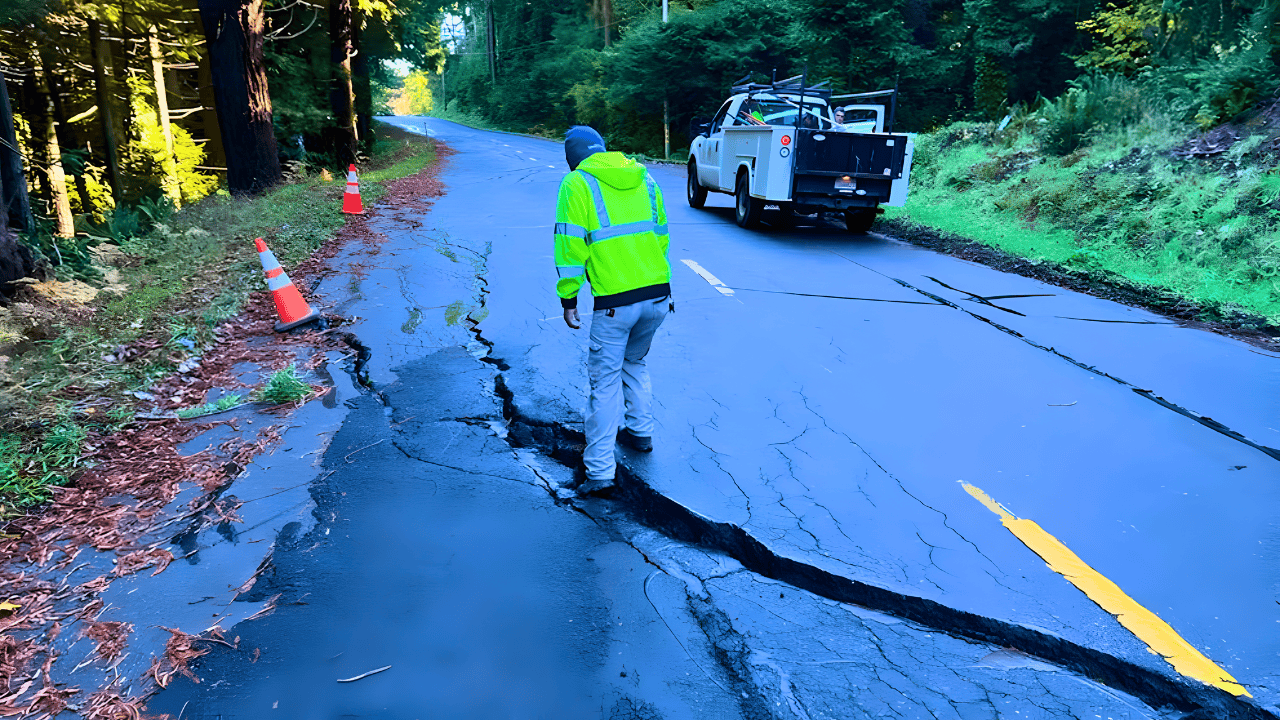
On the evening of January 19th, a magnitude 4.9 earthquake jolted Southern California, shaking 20+ million residents from the desert to the coast. Within days, over 250 aftershocks rattled the region, including a powerful 4.2 magnitude quake that struck before dawn. No major damage or injuries emerged, yet the sequence reignited urgent conversations about California’s seismic future. It started with the first jolt near Indio.
Ground Shakes Without Warning
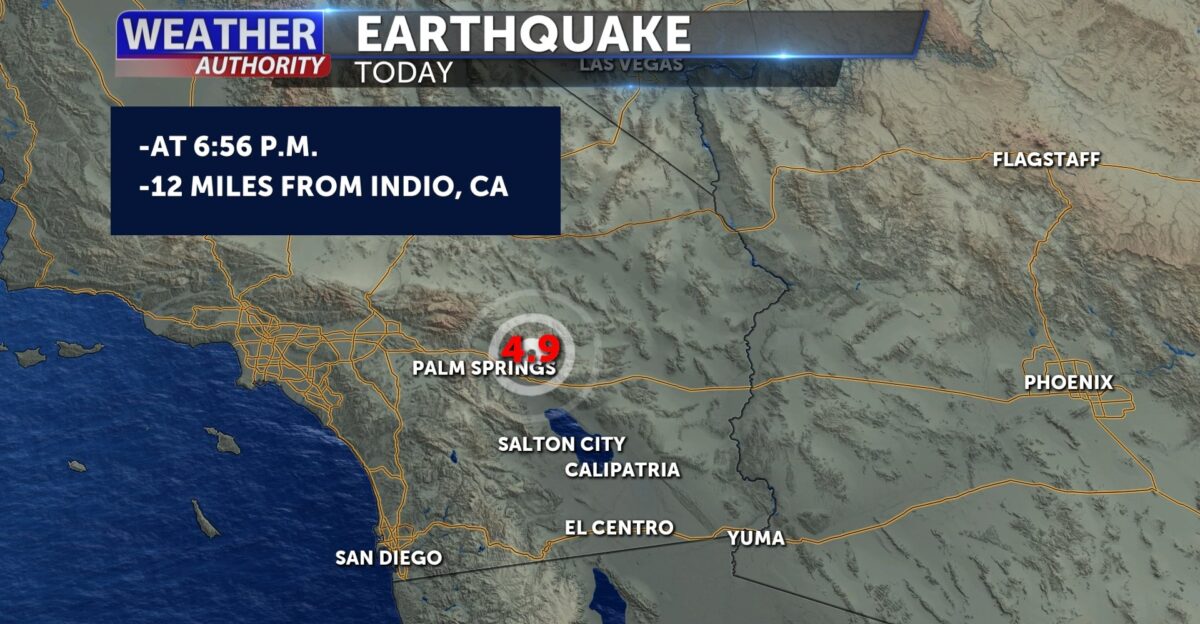
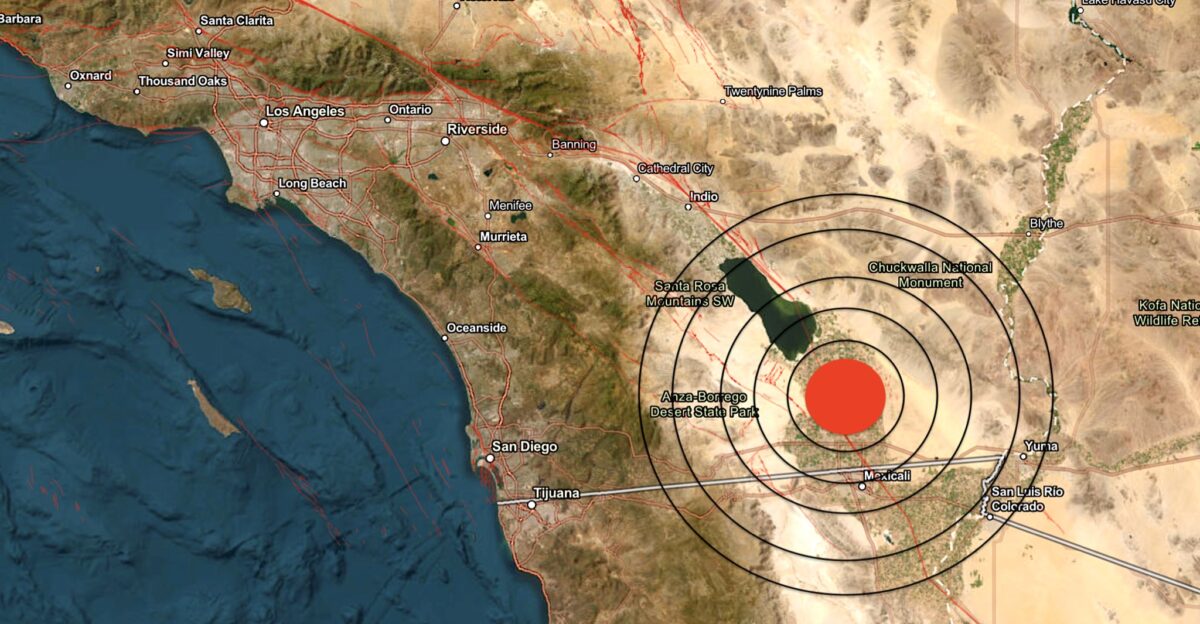
On January 19th at 5:56 p.m., Southern California felt a sudden jolt. A magnitude 4.9 earthquake struck 12 miles northeast of Indio, near the Mission Creek strand of the San Andreas Fault. The epicenter was shallow, 1.9 to 3.1 km deep, amplifying shaking across the region. Over 8,000 people reported feeling it to USGS, yet early numbers sparked confusion.
Why Magnitudes Kept Changing Fast
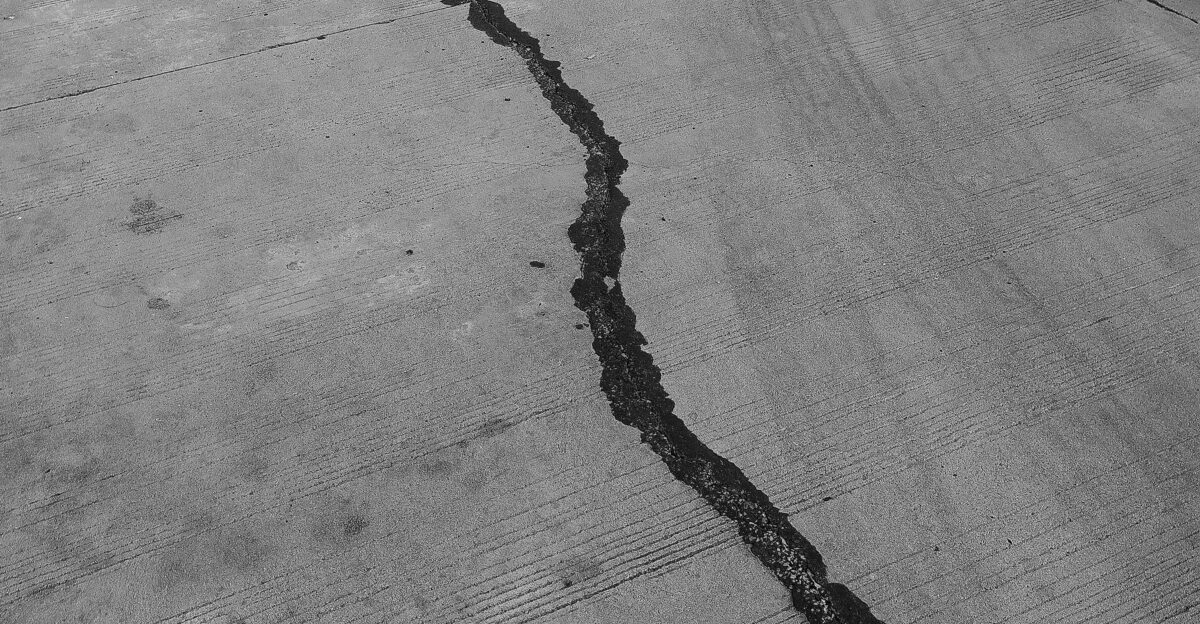
When the earthquake first struck, alert systems initially reported magnitude 5.1, then revised downward to 4.6, before settling at 4.9. This rapid recalibration is normal as more sensor data streams in. ShakeAlert detected the quake and issued alerts in 5.9 seconds. Some residents got 6 seconds warning, but those closest felt shaking first.
Aftershocks Start Piling Up Quickly
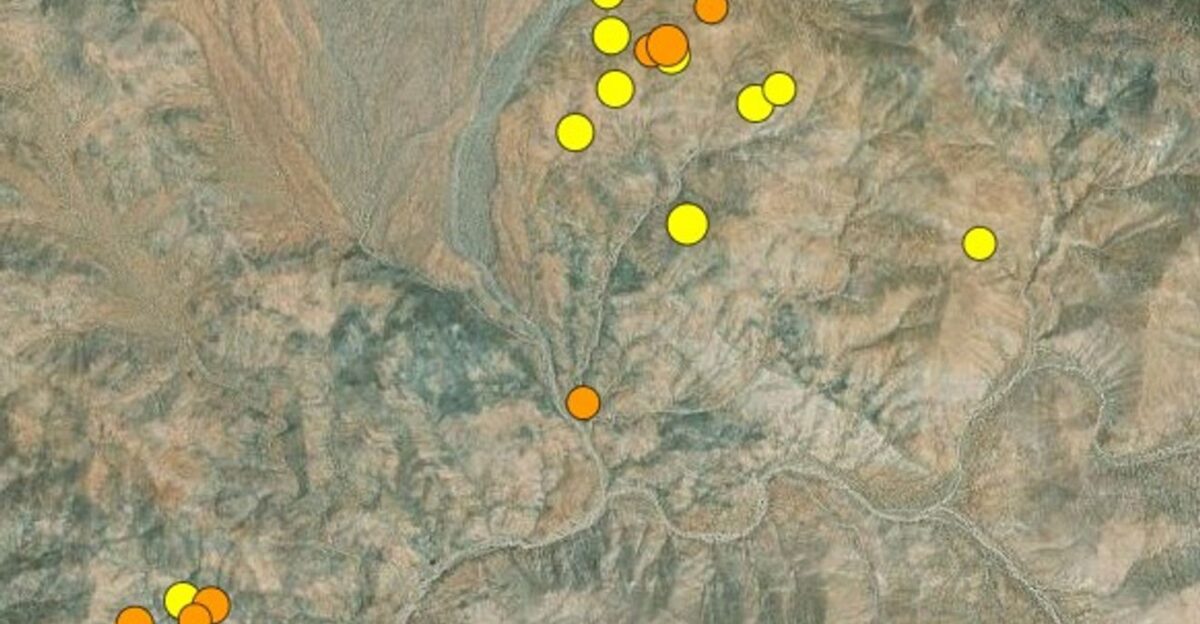
Within the first hour after the main quake, multiple aftershocks rattled the Coachella Valley. At least 4 aftershocks of magnitude 3.0+ were recorded by 7 p.m., with the largest at 3.4. Over 17 aftershocks followed by 6:30 p.m. Most were brief, sudden jolts tied to strike-slip motion where the ground shifts sideways. How long could it last?
“Normal” Still Covers A Lot
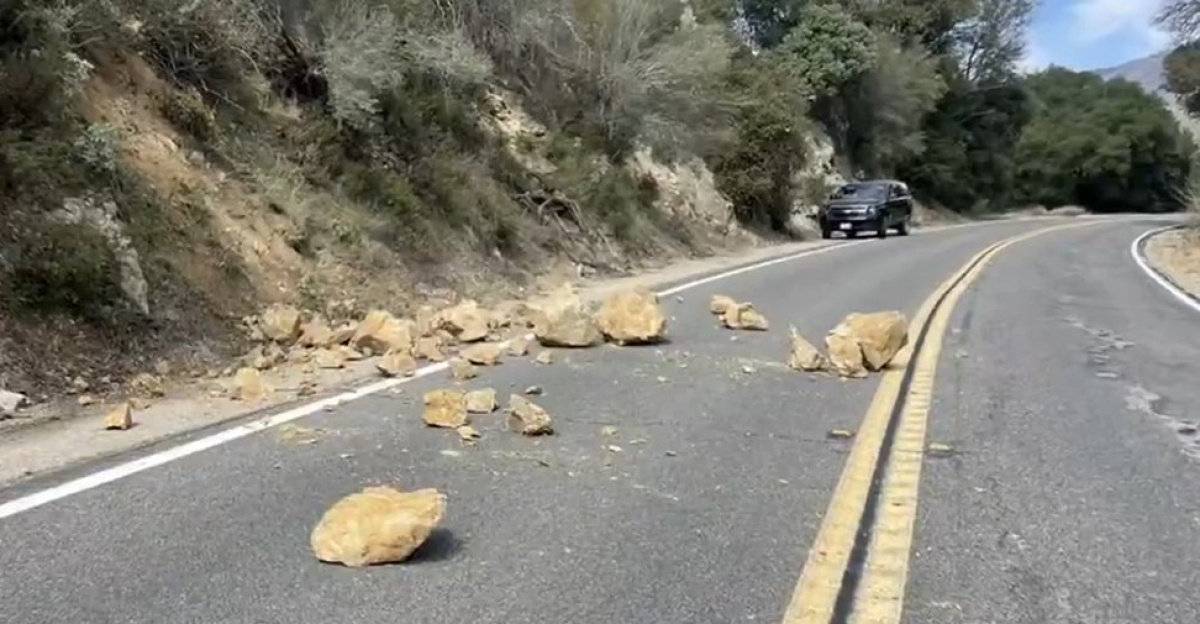
“You’ll get one like this where there have been almost a dozen magnitude threes in the next two days, and sometimes you end up getting something even bigger. So ‘normal’ is a very wide range,” said seismologist Dr. Lucy Jones on January 21, 2026. She stressed small quakes do not release pressure. That message shaped how officials talked about risk.
Damage Checks Bring Surprising Relief
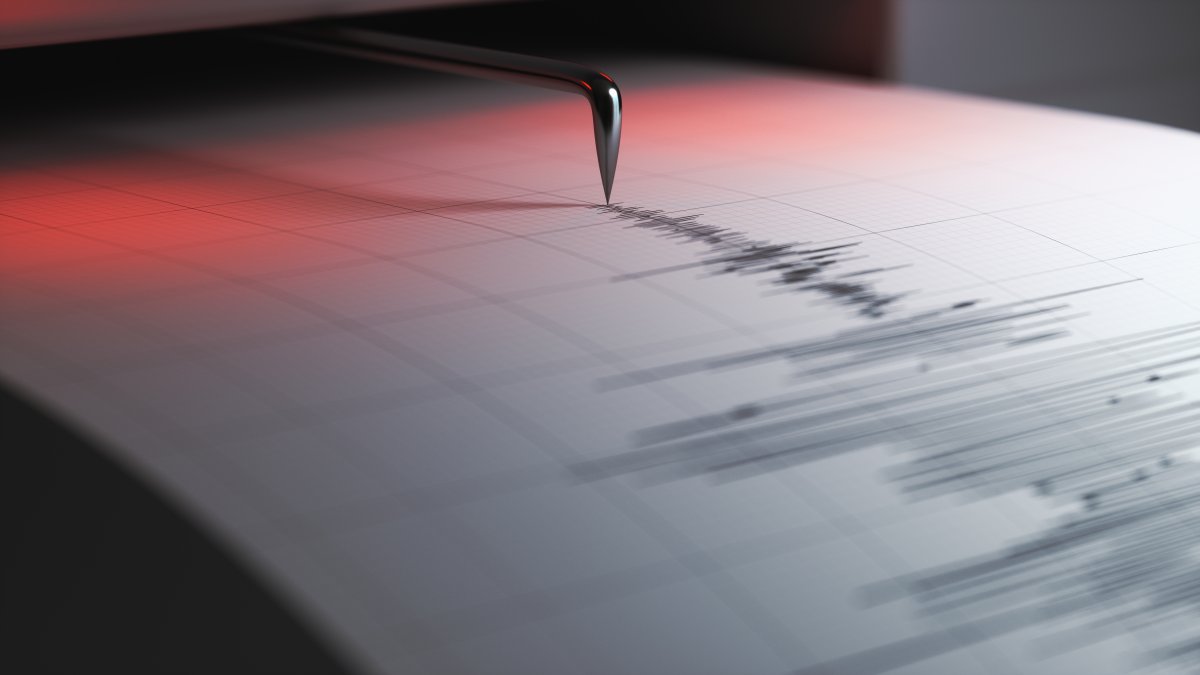
By evening on January 19th, emergency officials completed preliminary damage surveys across the Coachella Valley and Inland Empire. No serious injuries appeared, and authorities reported no structural damage or downed power lines. Palm Springs Police spokesperson Gustavo Araiza said there were “no reports of damage.” The shaking reached Level VI near the epicenter, but modern codes helped.
A Swarm Tops 250 Aftershocks
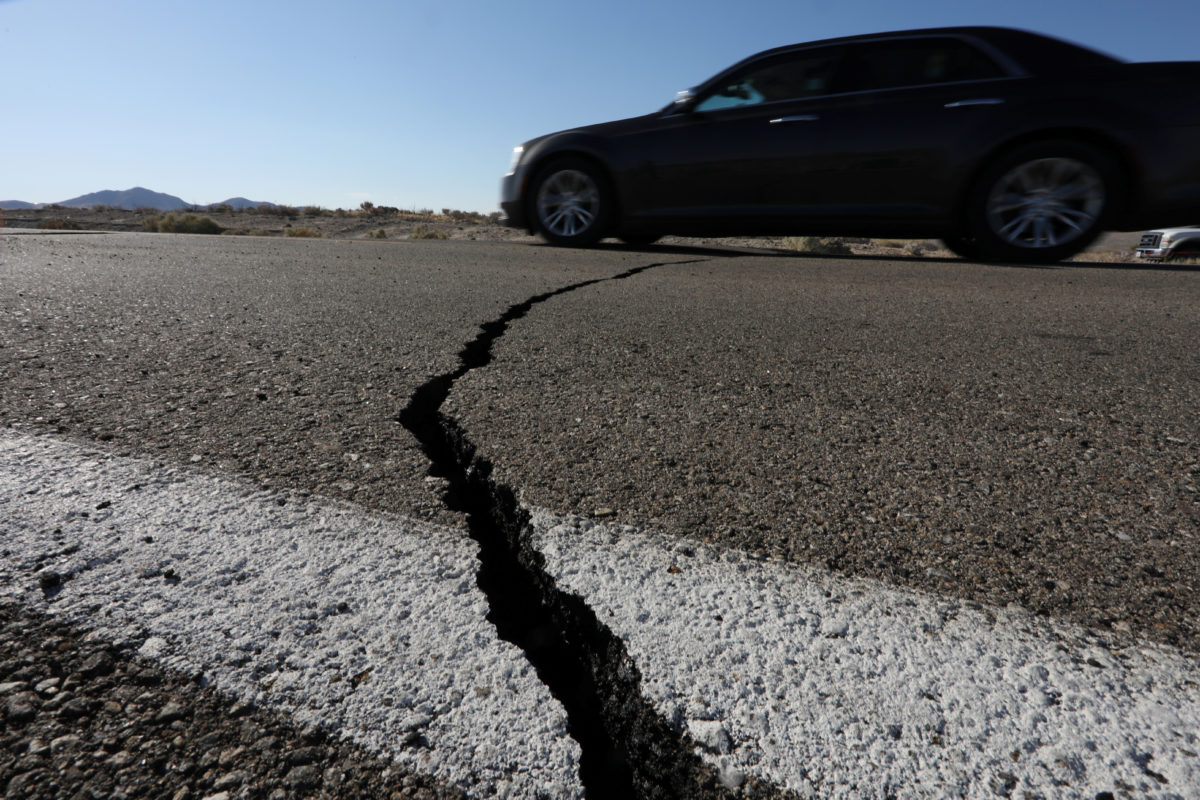
By January 20th, the count grew to over 250 aftershocks in the first day, including at least 11 at magnitude 3.0+ or higher. USGS data showed tremors from magnitude 0.8 to 4.3. Smaller events rattled Borrego Springs, Joshua Tree, and the Indio Hills. Residents who thought it was over kept waking up, wondering what the numbers meant.
Risk Forecasts Try To Calm Nerves
USGS scientists issued forecasts to frame risk without panic. There was a 5% chance the 4.9 was a foreshock. Chances for a magnitude 6.0+ were 0.4%, and for 7.0+ just 0.04%. Yet there was a 97% probability of at least one magnitude 3+ aftershock in the coming week, keeping tension high. Could the odds shift again?
A Strong Jolt Hits Before Dawn
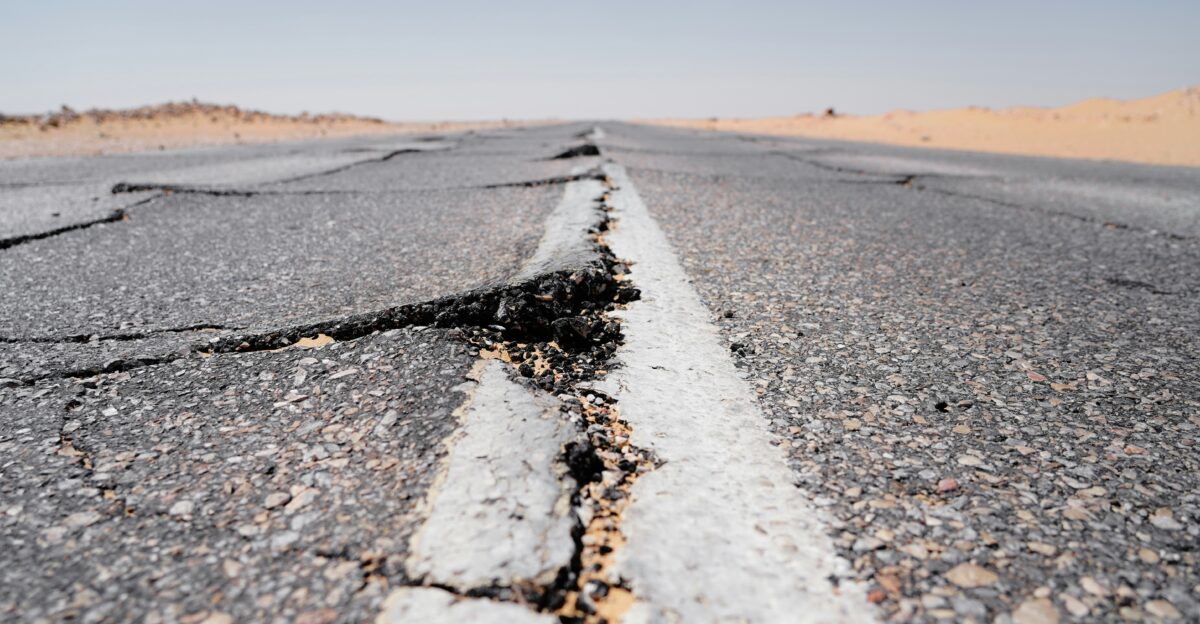
Just before midnight on January 20th, another significant quake shook the region. A magnitude 4.2 earthquake struck 12 miles north-northeast of Indio Hills at 12:30 a.m. on January 21st, at about 2.6 miles deep. About 1,400 people reported it to USGS. Thirty minutes later, a 2.5 followed, keeping the swarm active.
Scientists Map The Pattern In Detail
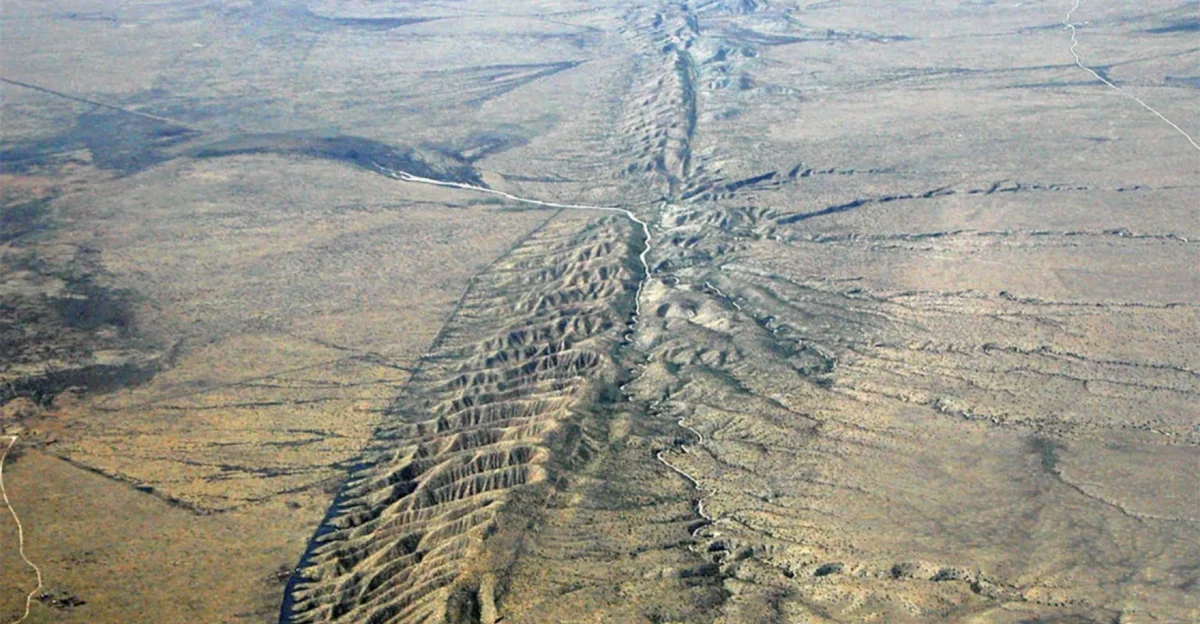
Using Southern California’s dense monitoring network, scientists mapped rupture zones and aftershock patterns with precision. The events occurred at very shallow depths, within 5 km of the surface. Strongest shaking clustered near Indio, Thousand Palms, Indian Wells, Twentynine Palms, and Palm Springs. Data suggested strike-slip quakes on north-trending faults, near but not directly on the San Andreas.
Why A Moderate Quake Felt Intense

The Indio quake’s depth, 1.9 to 3.1 km, explained the strong shaking despite moderate magnitude. Shallow quakes concentrate energy near the surface. The Modified Mercalli scale rated Level V to VI, enough to knock items off shelves. Desert basins like the Coachella Valley can amplify seismic waves through loose sediments. One resident described a sharp sideways jolt that stopped quickly, raising new worries.
ShakeAlert’s Seconds Matter In Real Life
California operates ShakeAlert, serving 50+ million residents across California, Oregon, and Washington. For the Indio quake, it issued alerts in 5.9 seconds. Palm Springs residents 37 km away received about 6 seconds warning, while one person in Niland 67 km away also did. Derek Lambeth said, “You may not always get ten seconds, but you’d be amazed at how quickly you can react. Seconds matter”. But what about areas right on top of the epicenter?
The San Andreas Fault Looms Nearby
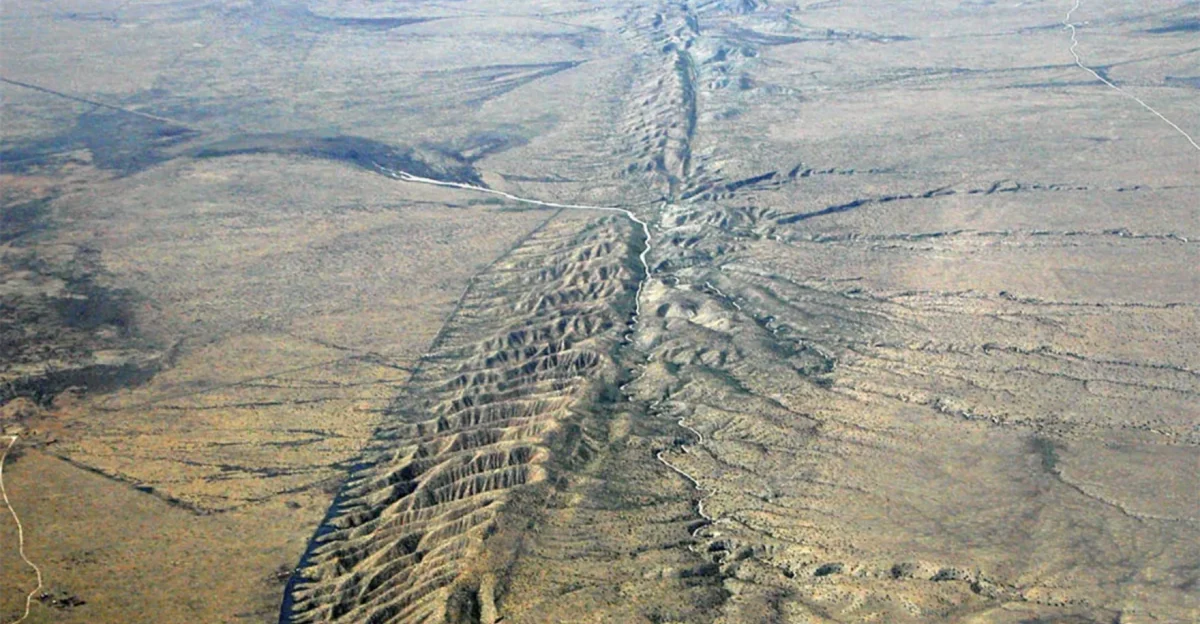
The San Andreas Fault runs roughly 750 miles from the Salton Sea to Cape Mendocino, marking the boundary between the Pacific and North American plates. The southern segment can produce magnitude 8.1 earthquakes. Near Los Angeles, it passes about 35 miles northeast. The Coachella Valley section has a slip rate of 23 millimeters per year and has not ruptured since about 1680 to 1690. That long quiet stretch kept attention locked on this swarm.
How Close Was This To Real Triggering?
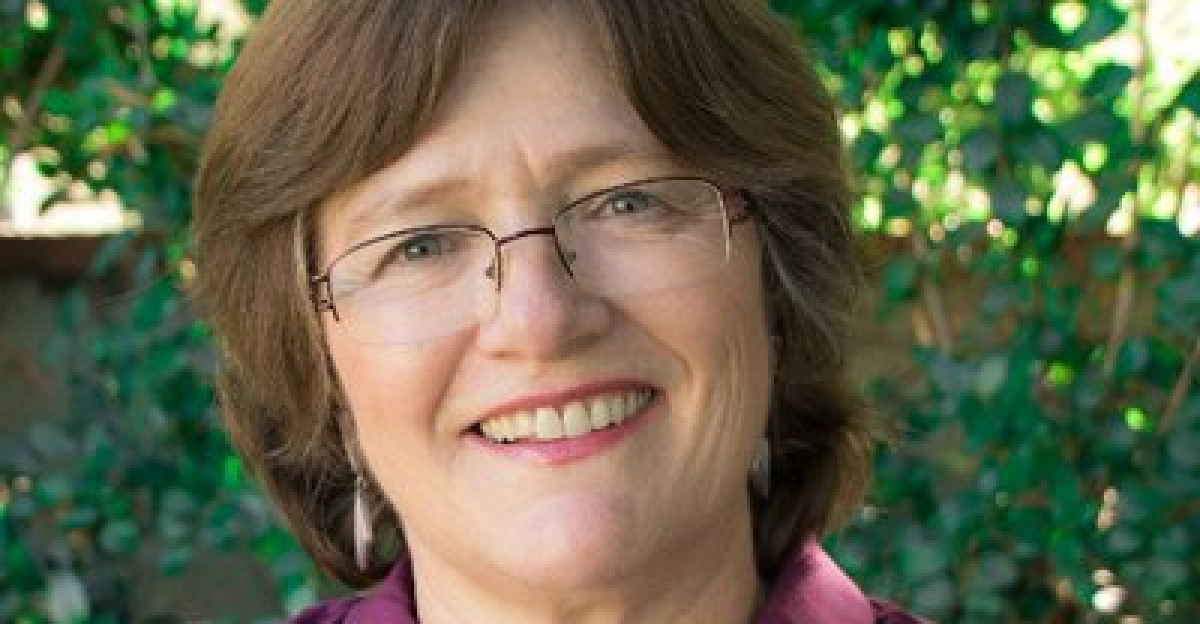
Dr. Lucy Jones noted the quakes occurred about 10 kilometers from the main San Andreas line, near the threshold where triggering becomes a concern. “Earthquakes trigger very nearby,” Jones noted, “so if you have a big fault nearby there’s more risk. But this is not that close to the San Andreas”. Historically, foreshocks triggering larger events have not been observed beyond 6.2 miles. Still, the Mission Creek strand is watched for stress buildup.
A 1992 Reminder Californians Remember
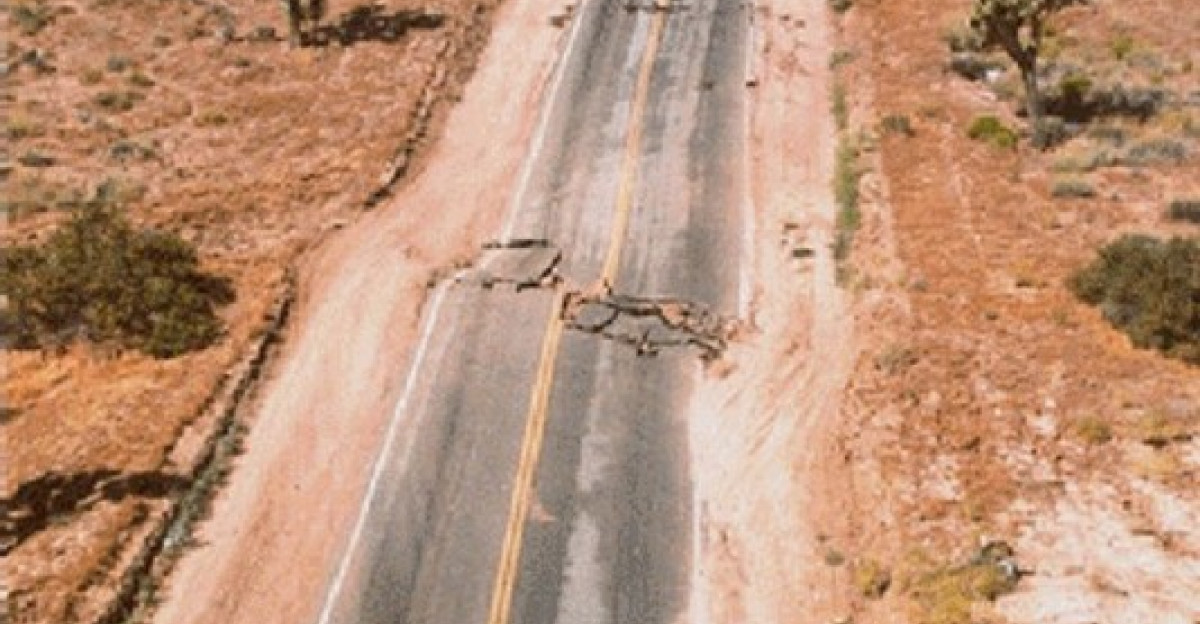
In April 1992, a magnitude 6.1 Joshua Tree earthquake preceded the magnitude 7.3 Landers earthquake on June 28th. Landers ruptured nearly 100 km of fault, killed 3 people, and injured over 400. Three hours later, a magnitude 6.5 Big Bear quake followed. Surface displacements exceeded 5.5 meters, and damage reached beyond the desert. That history shows how a sequence can escalate when conditions align.
Aftershock Forecasts Keep Updating
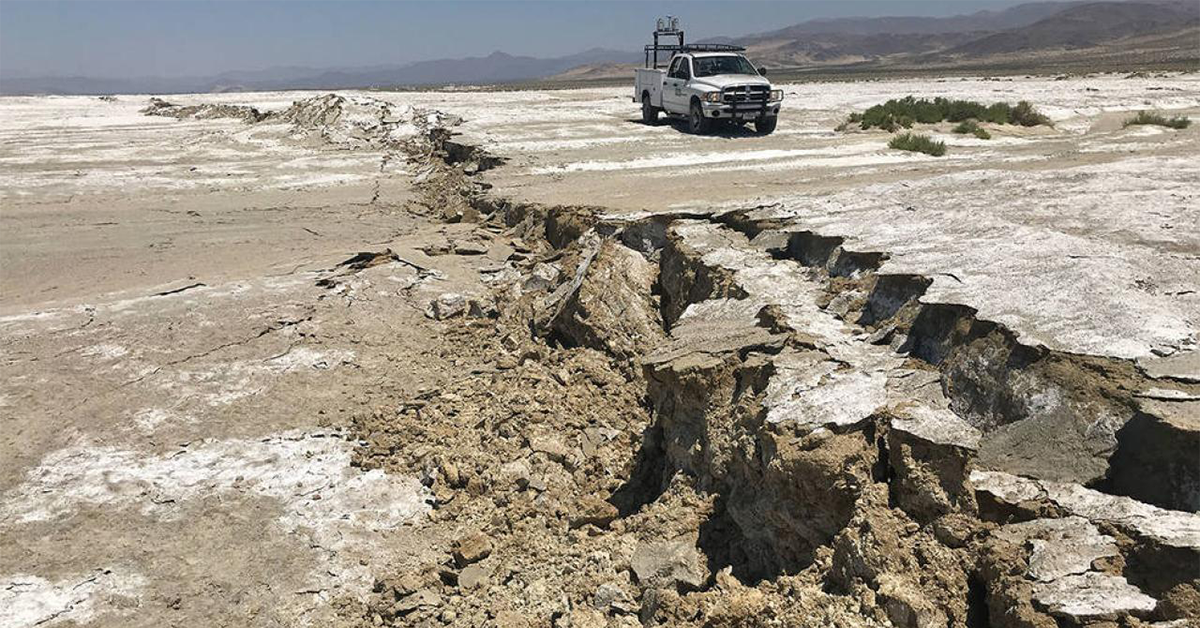
By January 22nd, USGS forecasts predicted a 97% chance of at least one magnitude 3+ aftershock through January 29th. There was a 34% chance of magnitude 4+ activity, with zero to 2 events expected, and a 4% probability of magnitude 5 or larger. “Aftershocks generally decline in frequency and intensity over time, though a larger tremor can temporarily increase seismic activity,” USGS explained. More than 440 aftershocks were recorded by Thursday afternoon, keeping residents alert.
Millions Live Close To Major Faults
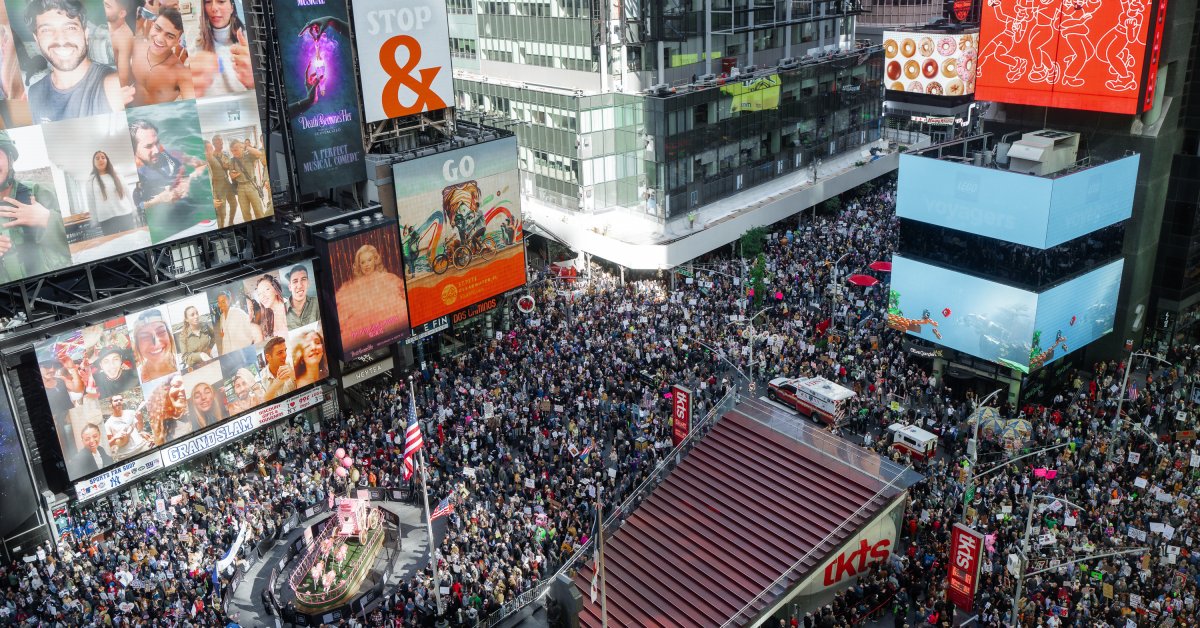
More than 70% of California’s population, roughly 28+ million people, lives within 30 miles of a fault capable of high shaking in the next 50 years. California’s 40 million residents drive the nation’s highest seismic risk. The USGS ShakeOut scenario estimates a magnitude 7.8 on the southern San Andreas could kill 1,800+, injure 5,000+, and displace 500,000 to 1 million. Those numbers turn swarms into urgent warnings.
The 30-Year Odds Are Stark
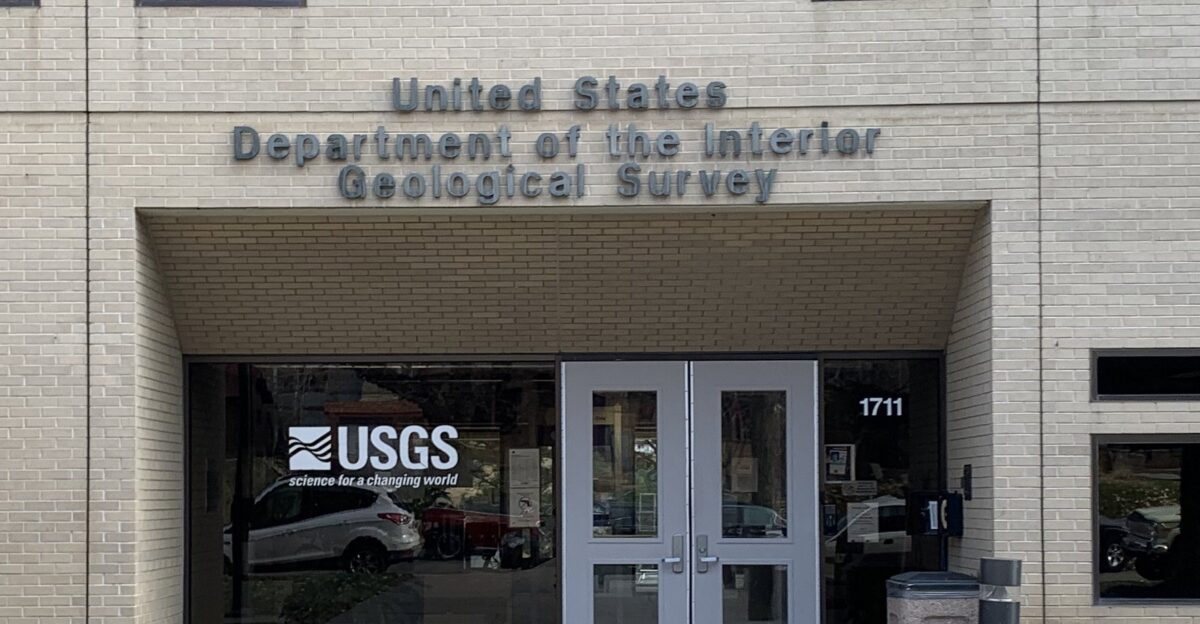
USGS forecasts for the next 30 years show, in Los Angeles, a 60% chance of magnitude 6.7, 46% chance of 7.0, and 31% chance of 7.5. In the Bay Area, odds are 72% for 6.7, 51% for 7.0, and 20% for 7.5. Statewide, there’s a 99% probability of at least one magnitude 7+ within 30 years. Christine Goulet said, “It’s gonna happen. An earthquake could be in a matter of minutes, the next hour, tomorrow, or in a week from now. We can’t predict that precisely. But we need to prepare”. What does that preparation look like when the shaking starts?
The Simple Move That Saves Lives
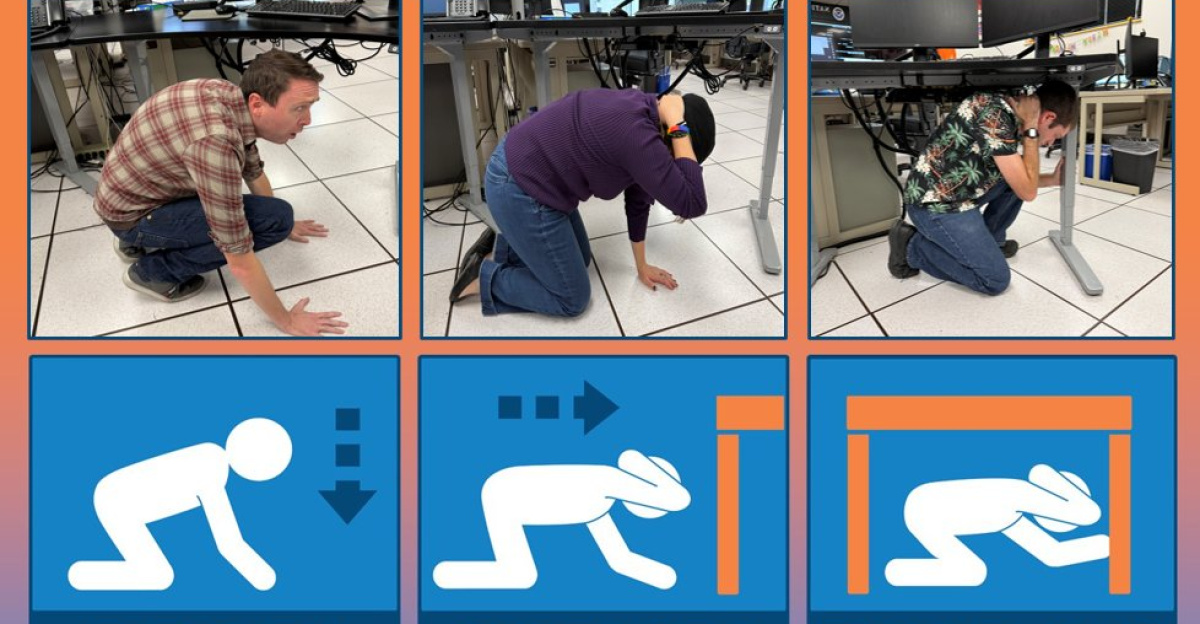
Officials urge one core action during shaking: Drop, Cover, and Hold On. Drop to hands and knees, cover head and neck, and hold onto sturdy furniture until shaking stops. Stay away from windows, exterior walls, and heavy objects. Outside, move to open space away from buildings and power lines. In vehicles, pull over safely and stay inside. Research tied to Loma Prieta and Northridge found 50% of injuries came from falling objects, which is why securing furniture matters. But readiness goes beyond one drill.
Staying Ready Through Late January
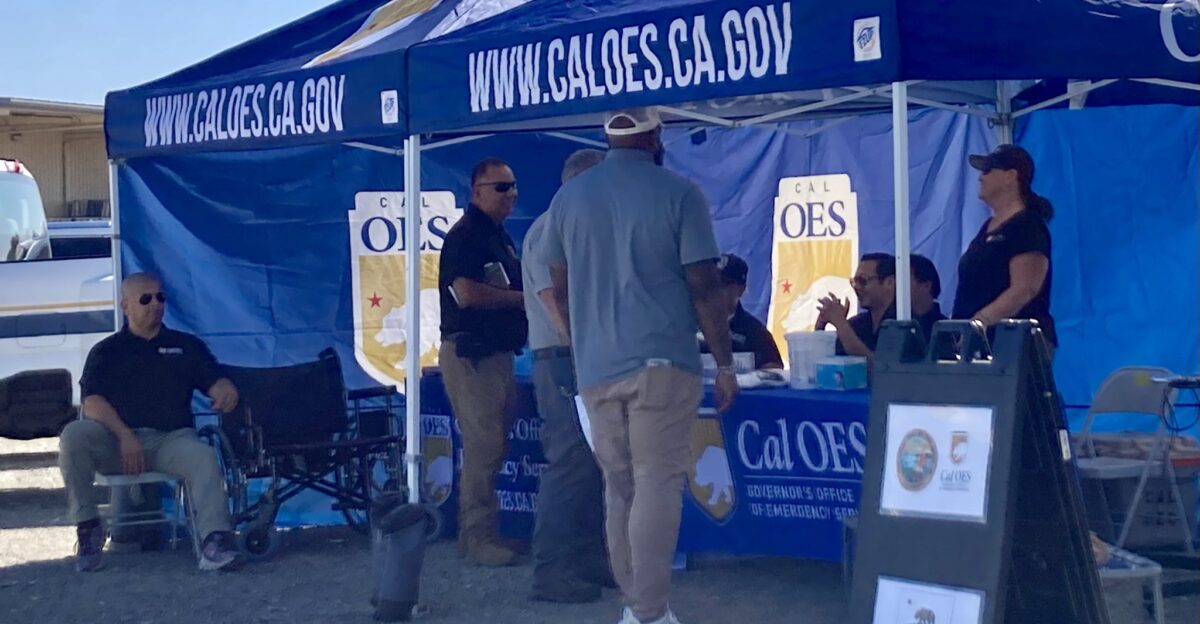
USGS projected aftershocks through January 29th, 2026, mostly low magnitude. Cal OES urged residents to review plans and stock supplies: water, food, flashlight, batteries, first-aid kit, and medications. Officials recommended downloading MyShake for real-time alerts. Residents should know how to shut off gas if a leak is suspected, identify safe spots, and choose an out-of-area contact. Derek Lambeth urged, “The best thing people can do is sign up for alerts like MyShake app, put together a go-kit, and have a plan for your family or workplace”. The bigger lesson showed up in what did not happen.
California’s Restless Reality Returns Again
The January 2026 Indio earthquake rattled millions and triggered 250+ aftershocks, yet caused no major damage and no significant injuries. It still reminded residents the ground is never truly still. Dr. Pat Abbott said Southern California is overdue for a magnitude 7.8, even though timing cannot be predicted. The 1906 San Francisco 7.9 and the 1857 Fort Tejon 7.9 remain the last megaquakes in modern history. Preparedness is prudence, because the earth will move again, and the next sequence could look very different.
Sources
Southern California Hit by a Swarm of Earthquakes in a Single Day Starting Near Indio. EDHAT, January 20, 2026
4.9 mag earthquake in southern CA followed by over 250 aftershocks, 98% chance of more. KMPH, January 21, 2026
4.2 magnitude earthquake strikes near Indio overnight. KESQ News, January 21, 2026
Series of aftershocks rattle Inland Empire after 4.9 earthquake in Indio area. Seismologist Dr. Lucy Jones weighs in. ABC7, January 21, 2026
U.S. Geological Survey (USGS). The Modified Mercalli Intensity Scale, January 23, 2026
ShakeAlert. ShakeAlert Because seconds matter, January 23, 2026