The amber glistened as paleontologists slowly turned over a fossilized tree resin piece, revealing something unexpected: a perfectly preserved ancient predator, its wings and body structure still intact after 105 million years.
This was no ordinary insect—it was an extinct wasp, Cretevania orgonomecorum, a discovery that stunned the paleontology world. Trapped in this time capsule beneath the limestone mountains of northern Spain, this wasp had never been seen by modern science until now. What other secrets does this prehistoric site hold?
A Fossil Deposit Like No Other
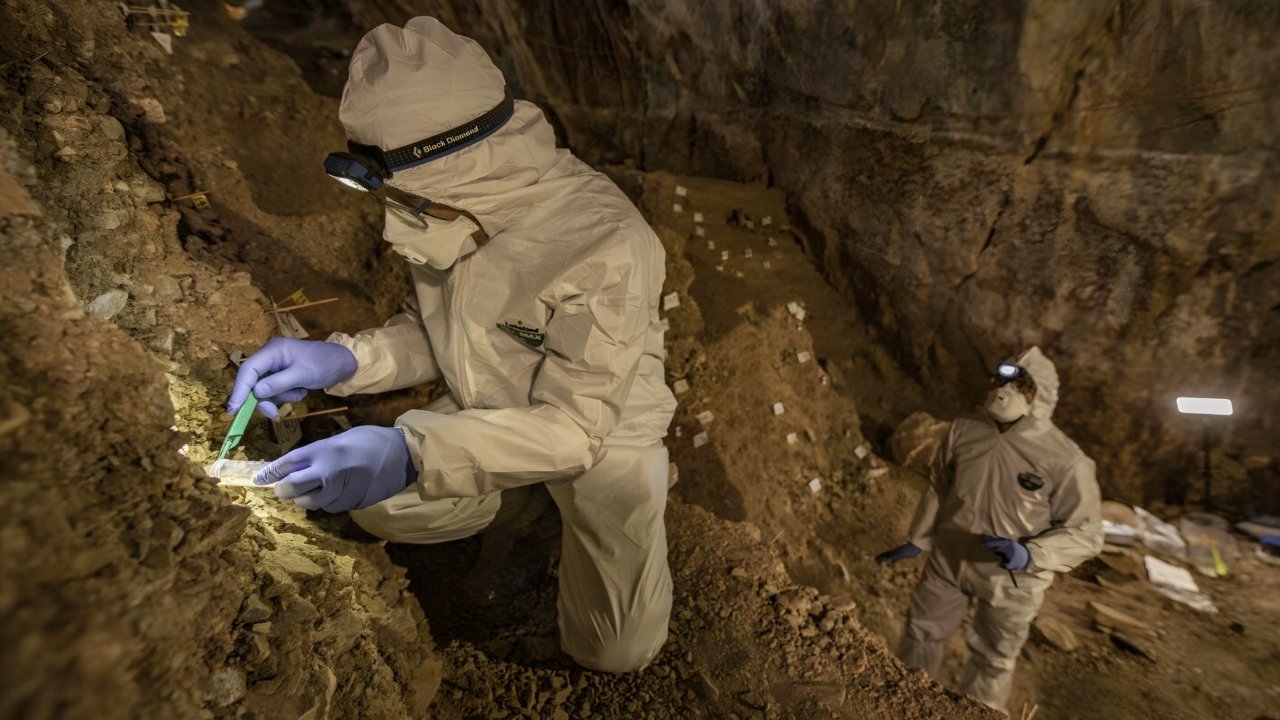
El Soplao’s amber deposit stands out as one of the most remarkable in paleontological history. With over 1,500 fossil inclusions recorded, it captures a pivotal moment in the Early Cretaceous period, around 105 million years ago.
The site has already yielded 30 distinct species, but many more discoveries are expected as hundreds of amber pieces await analysis, promising future breakthroughs in our understanding of ancient life.
Amber: The Biological Time Capsule
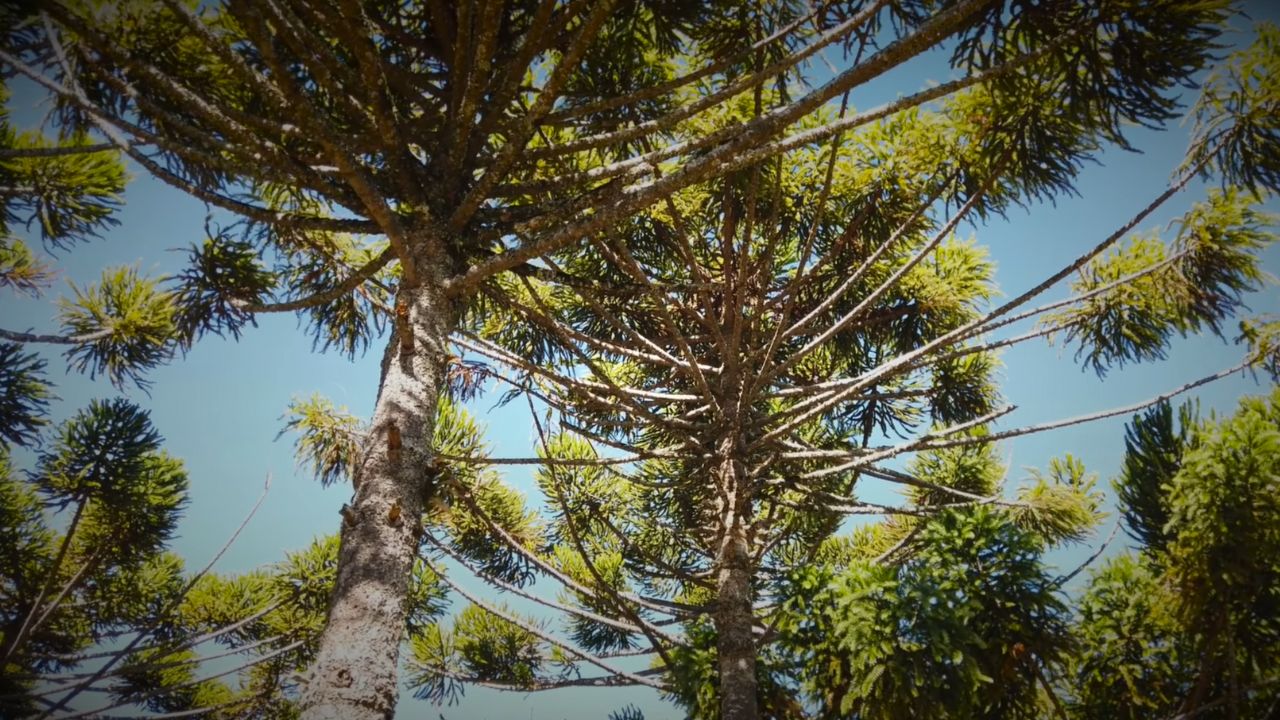
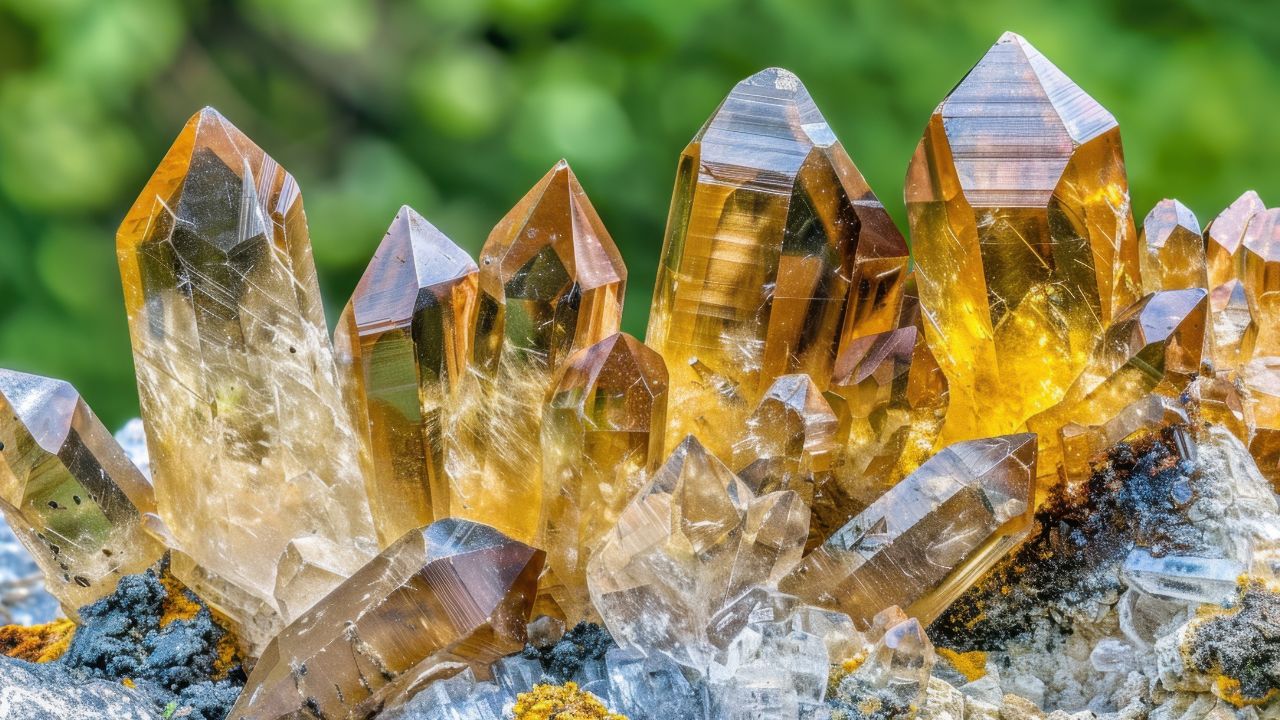
Amber serves as a biological time capsule, preserving ancient organisms in stunning detail. This resin from ancient araucariacean conifers perfectly encapsulated insects, plants, and small creatures, leaving behind a pristine record of Cretaceous ecosystems.
Unlike other preservation methods, amber maintains intricate details such as wing structures and tiny hairs, offering a glimpse into the past that’s impossible to replicate elsewhere.
A Snapshot Before Mass Extinction
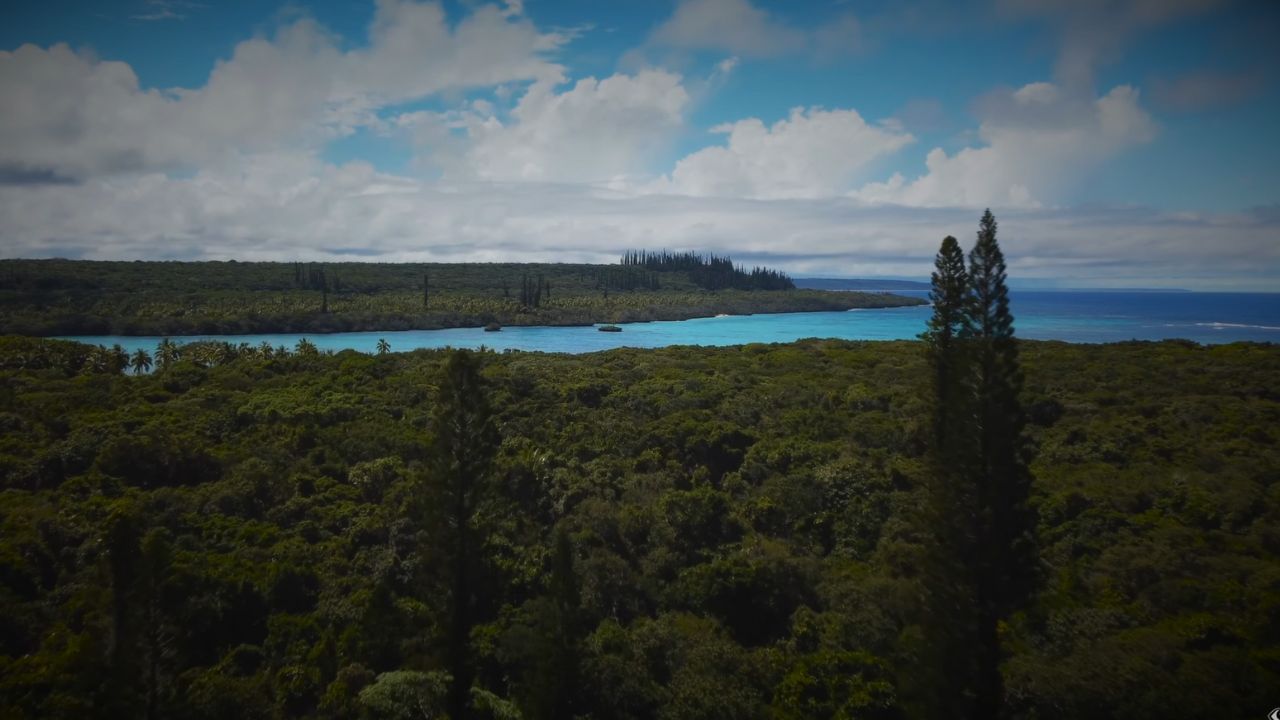
The middle Albian stage of the Early Cretaceous, which El Soplao preserves, predates the infamous asteroid impact by 40 million years. During this time, the Iberian Peninsula was teeming with insect life in diverse ecosystems.
The deposit offers a snapshot of insect evolution and ecology just before the mass extinction event that wiped out non-avian dinosaurs.
Introducing Cretevania orgonomecorum
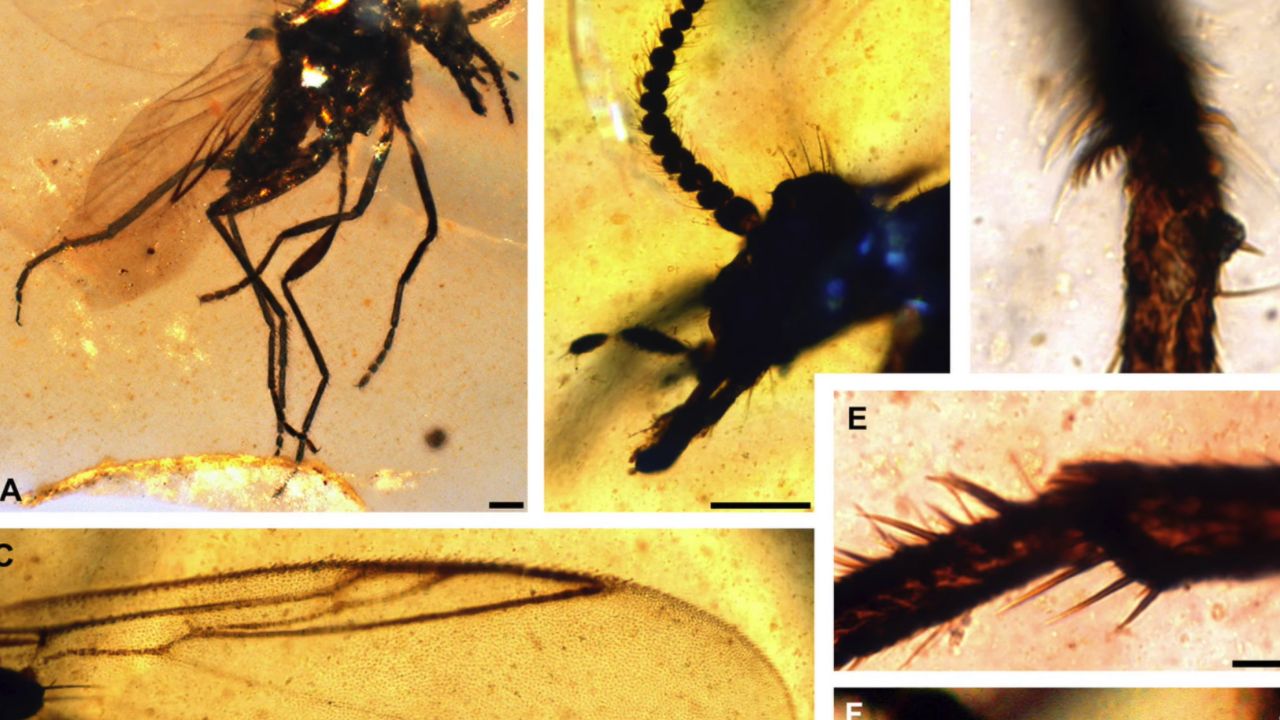
In October 2025, researchers revealed the discovery of Cretevania orgonomecorum, a new species of wasp from El Soplao amber.
This species, preserved in exquisite detail, offers scientists an unprecedented look at a wasp from the extinct genus Cretevania.
The discovery was documented by paleontologists Enrique Peñalver and colleagues and adds another piece to the puzzle of prehistoric insect life.
Parasitoid Predator Revealed
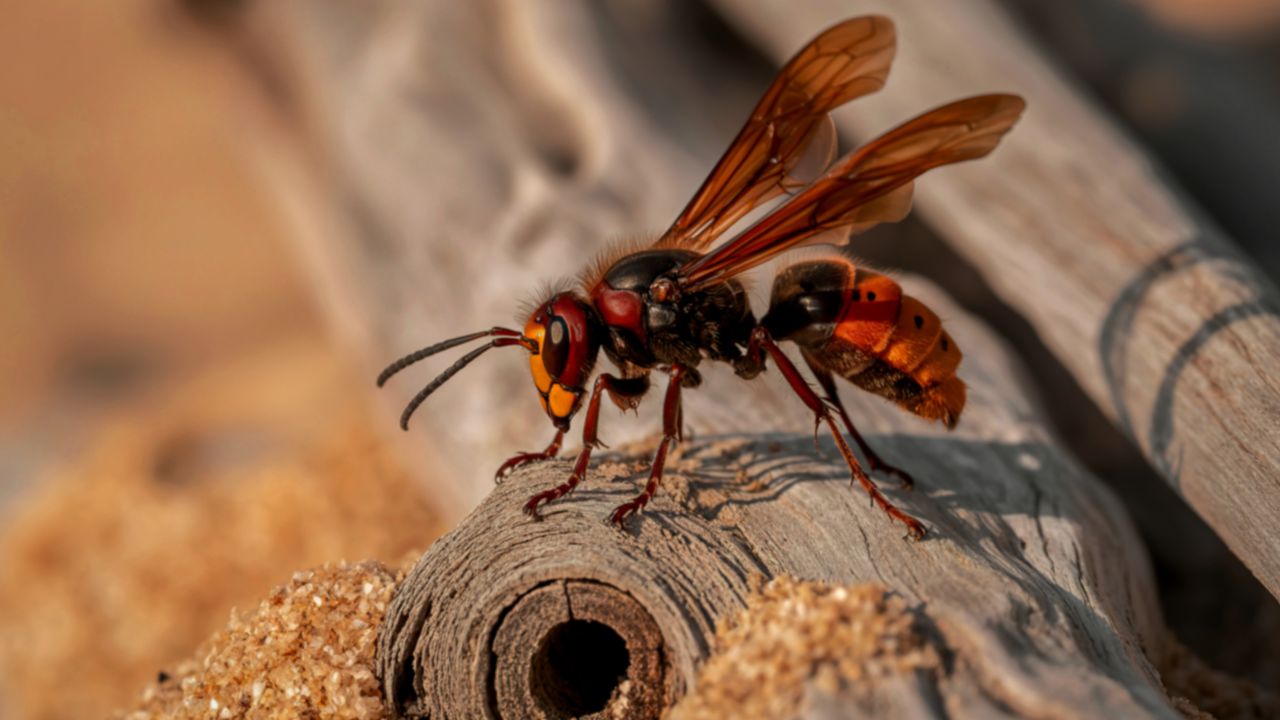
Cretevania orgonomecorum belongs to the parasitoid wasp family Evaniidae, known for laying eggs in other insects.
This method of reproduction makes them natural predators in ancient food webs, consuming their hosts from within.
The near-perfect preservation of this species allows scientists to study its anatomy, providing new insights into the life and hunting strategies of Cretaceous wasps.
A Giant Among Wasps
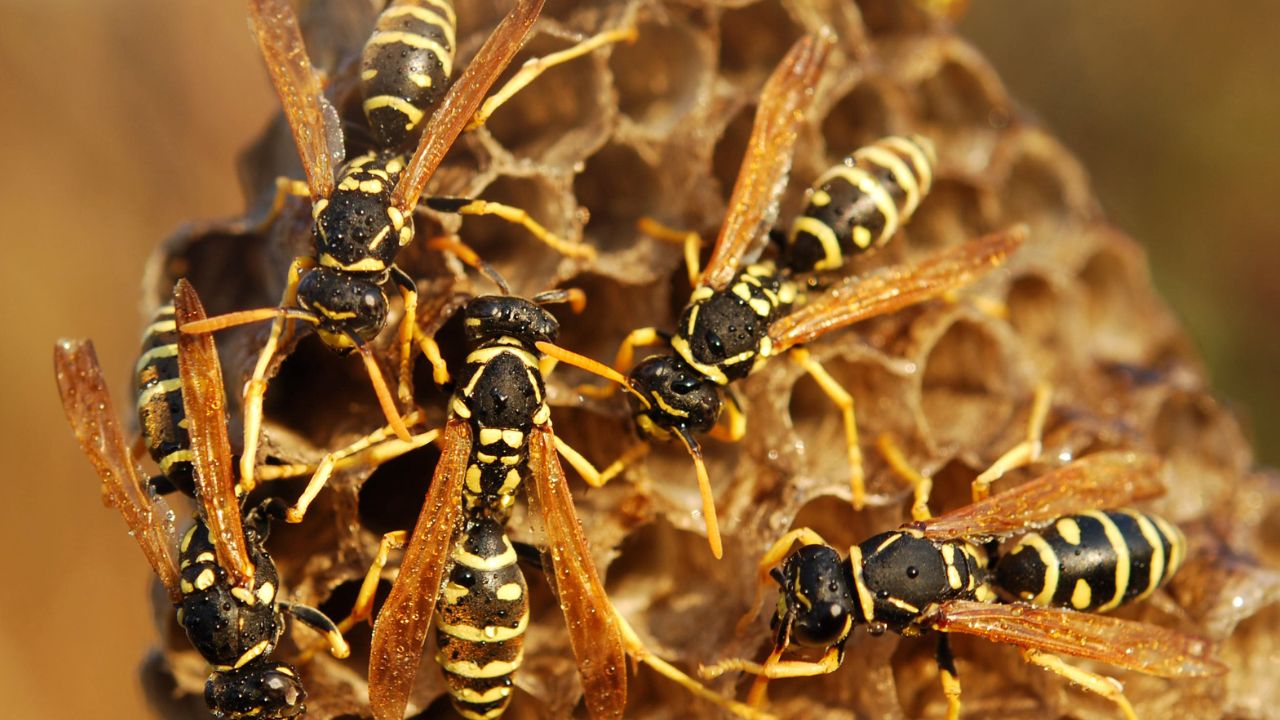
The newly discovered Cretevania species rivals the largest members of its genus, including C. tenuis and C. pristina. These wasps, preserved in amber from different regions, reveal that the Cretevania genus had substantial ecological success during the Cretaceous period.
The size and features of the Spanish specimen indicate it was one of the largest in the genus, offering valuable clues to its evolution and ecological niche.
Redefining a Genus
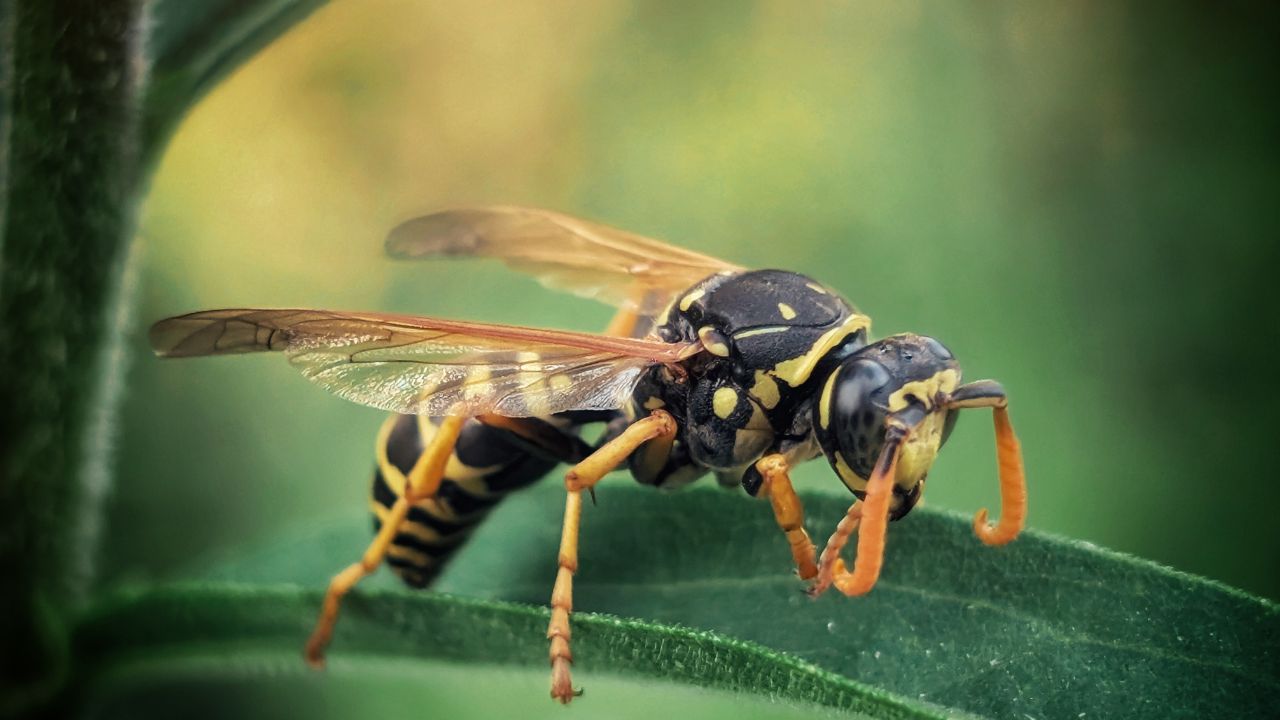
The discovery of Cretevania orgonomecorum spurred a broader revision of the genus Cretevania. New anatomical features were uncovered that refined the scientific understanding of the genus.
This revision also led to a reclassification of a related genus, Procretevania, as a junior synonym of Cretevania.
These findings demonstrate the evolving nature of taxonomic science and how new fossils can reshape classifications.
A Key Fossil for Dating Cretaceous Layers
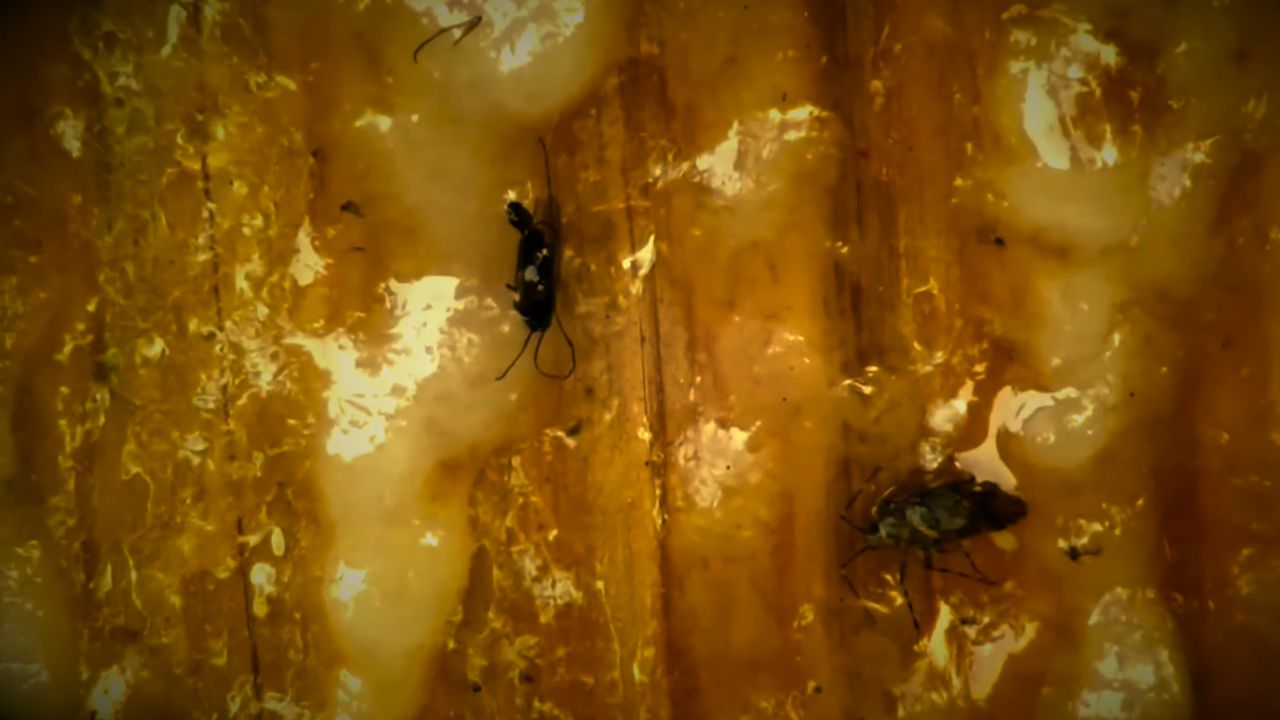
Scientists propose that Cretevania orgonomecorum could become a “guide fossil,” helping geologists date other Cretaceous deposits.
Guide fossils are species with well-established time ranges and wide distribution, aiding in the correlation of rock layers across different regions.
If C. orgonomecorum is confirmed as a guide fossil, it could improve the accuracy of dating strata from the Albian period.
Spain’s Amber Riches
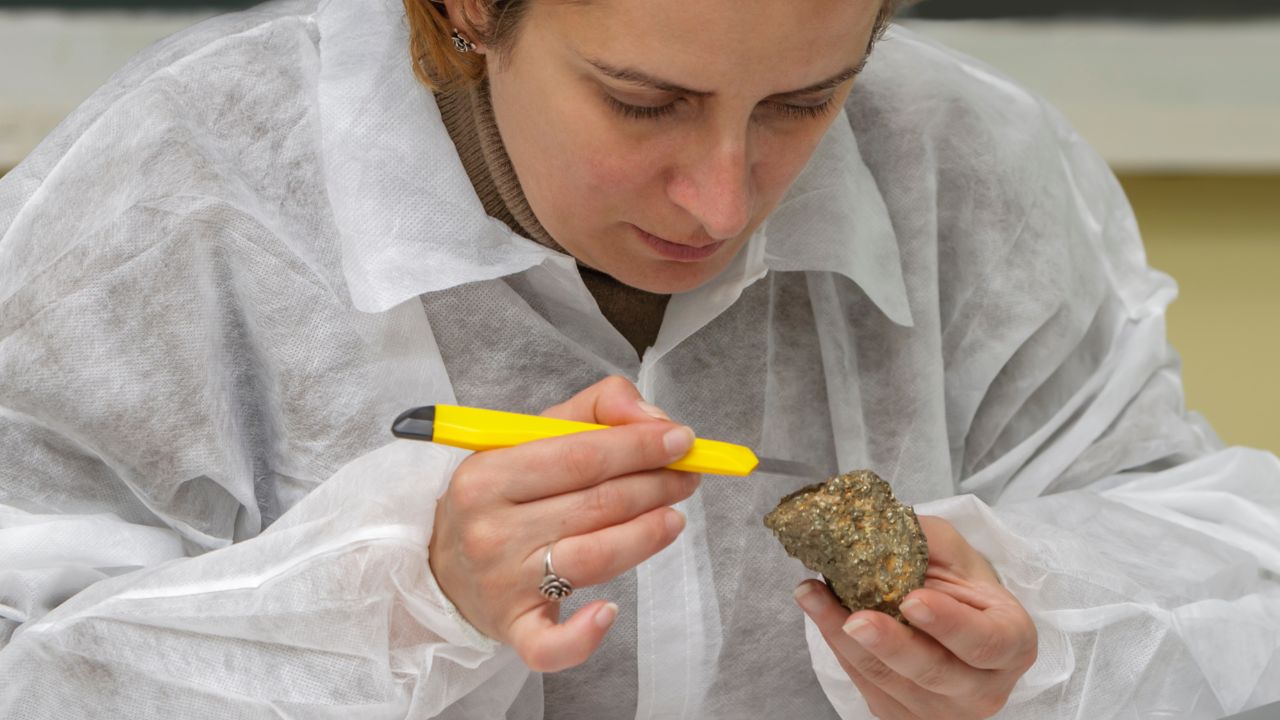
The discovery of Cretevania orgonomecorum solidifies El Soplao’s place as a leading site for Cretaceous amber fossils.
Spain is home to some of the world’s most important amber deposits, and El Soplao is just one of several sites rich in prehistoric fossils.
This concentration of Cretaceous amber in Spain makes it a hotspot for understanding insect evolution and ancient ecosystems.
An Untapped Treasure Trove
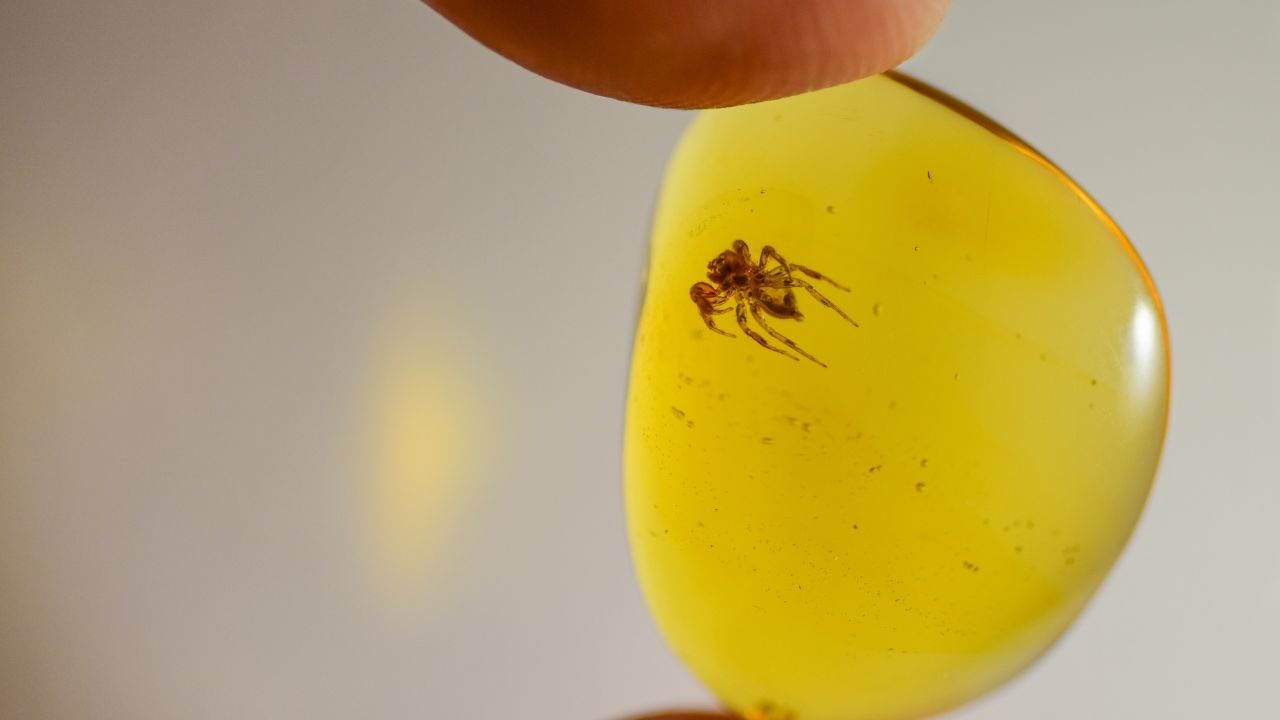
While over 1,500 fossil inclusions have been cataloged, only about 30 species have been formally described.
The remaining amber pieces at El Soplao hold countless unknown species, creating a backlog of research that could span decades.
With the site’s fossils meticulously analyzed under microscopes, scientists anticipate many more groundbreaking discoveries in the years to come.
Leading the Charge at IGME-CSIC
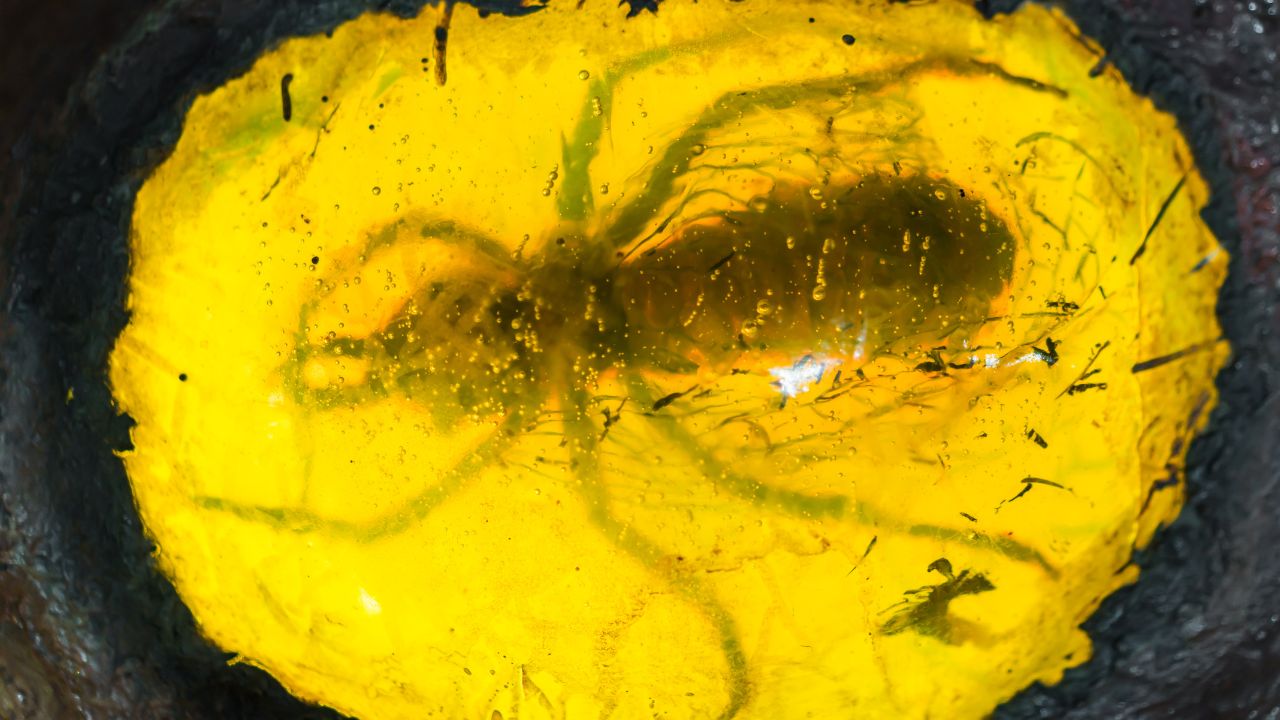
Spain’s Geological and Mining Institute (IGME-CSIC) plays a central role in El Soplao research. Paleontologist Enrique Peñalver has been at the forefront of studying the site’s fossils for over a decade.
The team’s expertise, combined with their access to El Soplao’s rich collections, positions them as global leaders in Cretaceous paleontology, driving significant advances in insect taxonomy and classification.
An International Collaboration
The discovery of Cretevania orgonomecorum involved a team of paleontologists from Spain and beyond. Researchers from institutions across Europe and Asia contributed to the analysis, showcasing the global collaboration that has become essential in paleontological research.
This international effort reflects the growing interconnectedness of the scientific community and the importance of cross-border cooperation in major discoveries.
A Long Road Ahead
Despite the remarkable discoveries at El Soplao, paleontologists acknowledge the long timeline ahead.
The sheer volume of unstudied fossils means that it will take decades to catalog and formally describe each species.
Continued investment in research facilities and training will be crucial to accelerate the pace of discoveries in Spain’s amber deposits.
Connecting Ancient and Modern Ecosystems
The study of ancient species like Cretevania orgonomecorum offers valuable insights into modern conservation.
By understanding ancient food webs and predator-prey dynamics, scientists can better appreciate how ecosystems evolve and adapt.
These insights provide lessons for preserving biodiversity and ecological resilience in today’s rapidly changing environment.
How Fossils Revolutionize Paleontology
The discovery of Cretevania orgonomecorum exemplifies how well-preserved fossils catalyze major advances in paleontological science.
The revision of an entire genus demonstrates that fossil records are not static; they evolve with new data and technologies.
Each new specimen, like this wasp, refines our understanding of ancient life, showcasing the dynamic nature of scientific progress.
The Global Role of European Amber
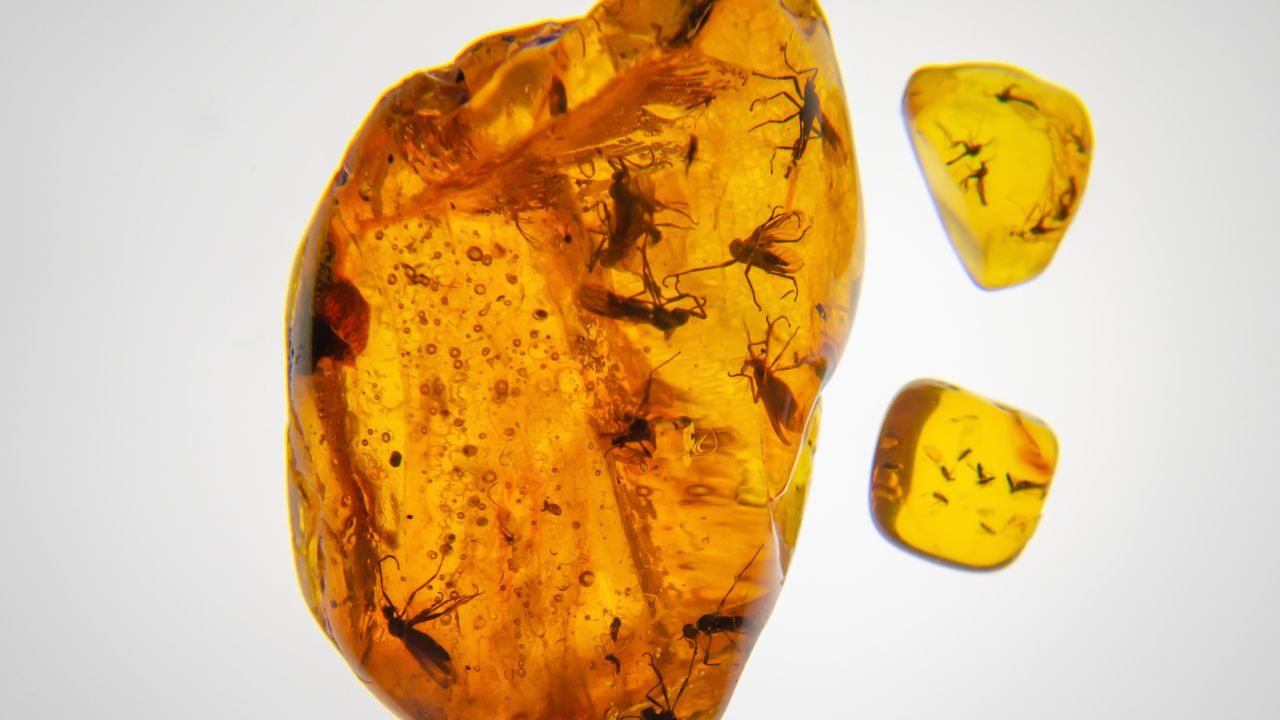
Spain’s El Soplao is part of a wider European network of amber sites that are crucial to understanding Cretaceous ecosystems.
Amber deposits in countries like Germany, France, and the UK provide an unparalleled record of ancient life. As research extends to lesser-studied regions, new insights into global insect diversity during the Cretaceous period may emerge.
The Future of Fossil Research
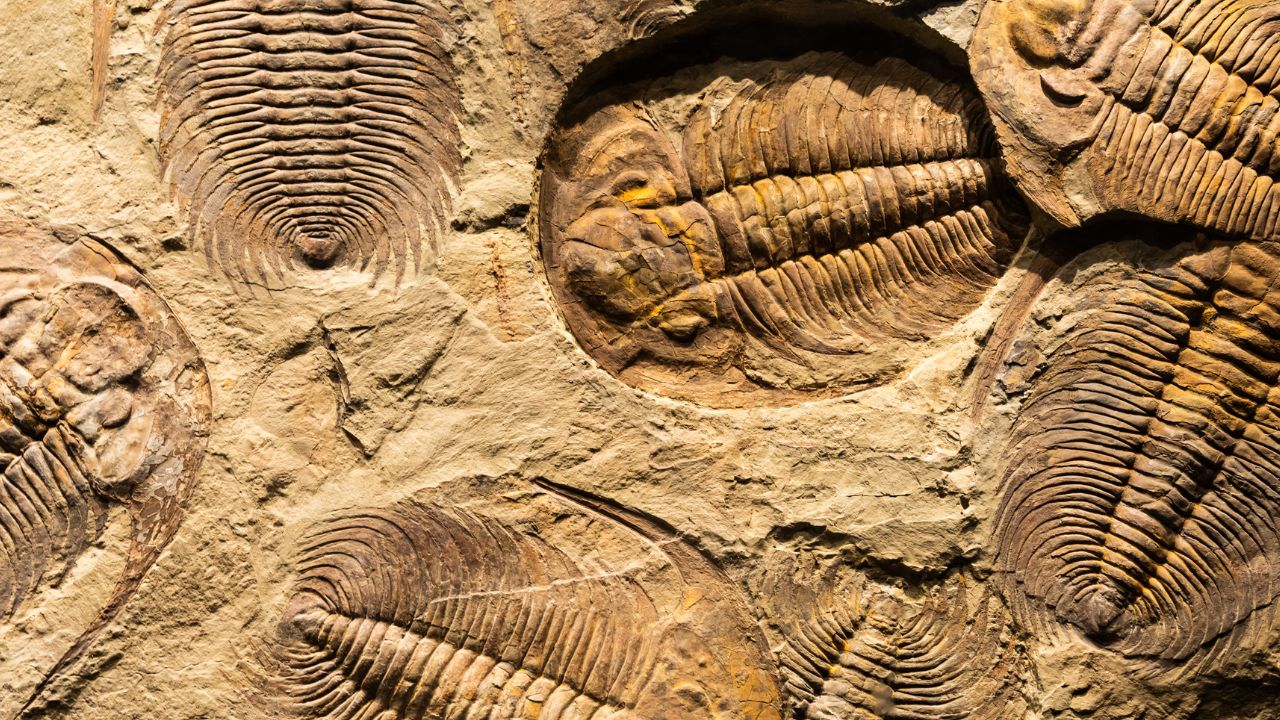
Advancements in technology, such as CT scanning and 3D imaging, are transforming fossil analysis. These non-destructive tools allow scientists to study fragile specimens like Cretevania orgonomecorum without damaging them.
As these technologies continue to evolve, new discoveries will emerge, offering even deeper insights into ancient biology and the evolution of species.
Public Fascination with Prehistoric Life
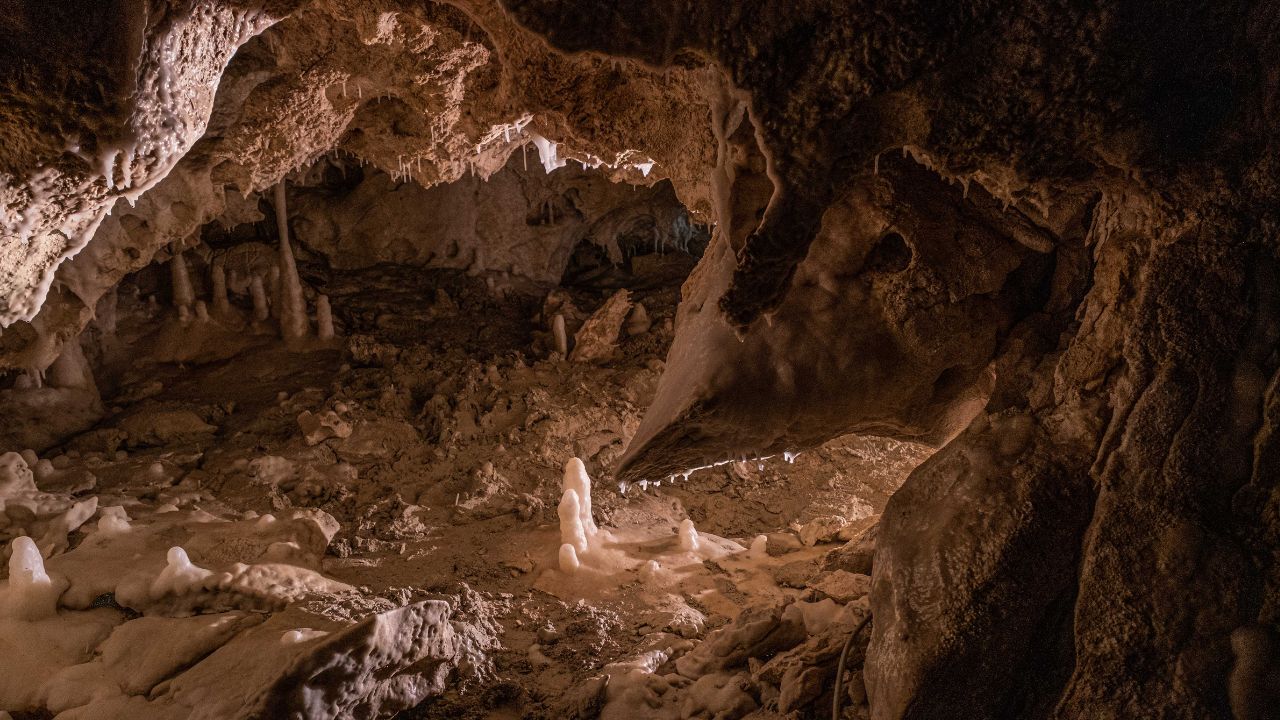
The discovery of Cretevania orgonomecorum has captured the public’s imagination, sparking interest in the prehistoric world.
Spanish media outlets have embraced the “time capsule” narrative, while museums like the Museo Geominero have featured the find. These efforts help bridge the gap between science and the public, instilling appreciation for Spain’s natural heritage.
The Unfolding Story of Earth’s Ancient Life
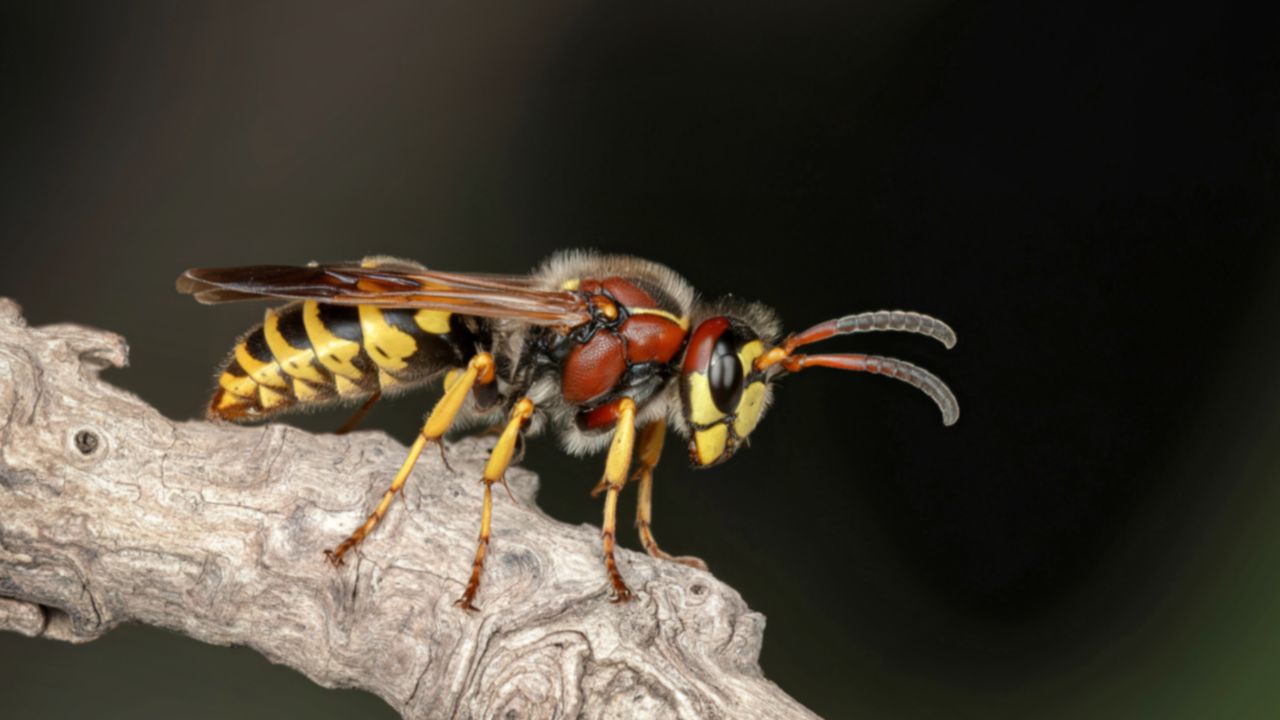
The emergence of Cretevania orgonomecorum from 105 million-year-old amber symbolizes the untapped potential of paleontology. Every discovery, every species, adds a new chapter to our understanding of ancient ecosystems.
As research continues, El Soplao and similar sites will offer more insights into the history of life on Earth, revealing secrets that have remained hidden for millions of years.
Sources:
“A new species of Cretevania (Hymenoptera: Evaniidae) preserved in Albian amber of El Soplao (Cantabria, Spain).” Peñalver, Enrique, et al., Palaeoentomology, Oct 2025.
“Review of the El Soplao Amber Outcrop, Early Cretaceous of Cantabria, Spain.” Najarro, M., et al., Acta Geologica Sinica, 2010.
“Cretaceous Spanish amber: History, research and checklist of taxa.” Peñalver, Enrique, et al., Palaeoentomology, Apr 2025.
“Mesozoic Evaniidae (Insecta: Hymenoptera) in Spanish Amber.” Peñalver, Enrique, et al., Journal article on Early Cretaceous Evaniidae from Spanish amber, 2010s.