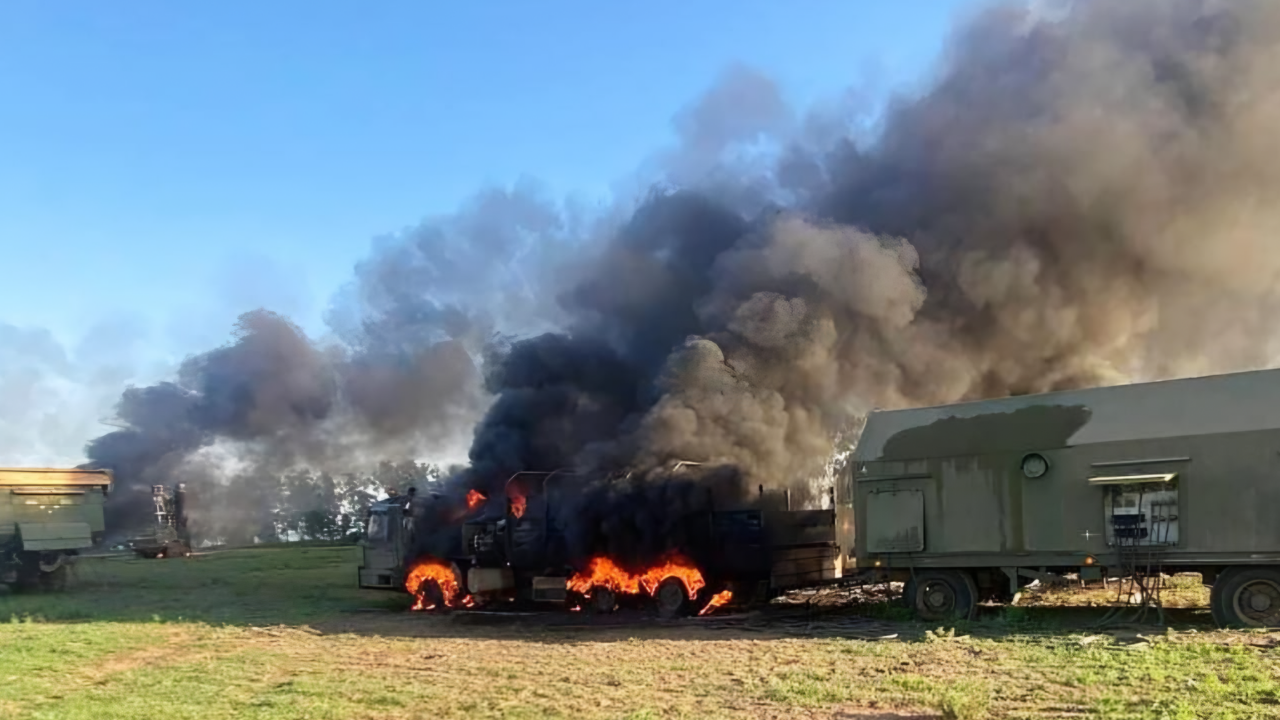
The deafening roar of drones fills the air as they streak across the sky, cutting through the once-impenetrable shield of Russia’s air defenses. Ukrainian special forces, backed by drones, are deep behind enemy lines, dismantling the towering S-400 systems and radar installations that guarded Moscow and its occupied territories.
One by one, Russia’s air defense systems fall, their radar blacked out, leaving gaps wide enough for Ukrainian strikes to slip through. This is no longer a battle of defense; it’s a calculated dismantling of Russia’s defense architecture—one system at a time.
Can Ukraine maintain this momentum, or will Russia adapt fast enough to seal the gaps and regain control?
The $4 Billion Reckoning
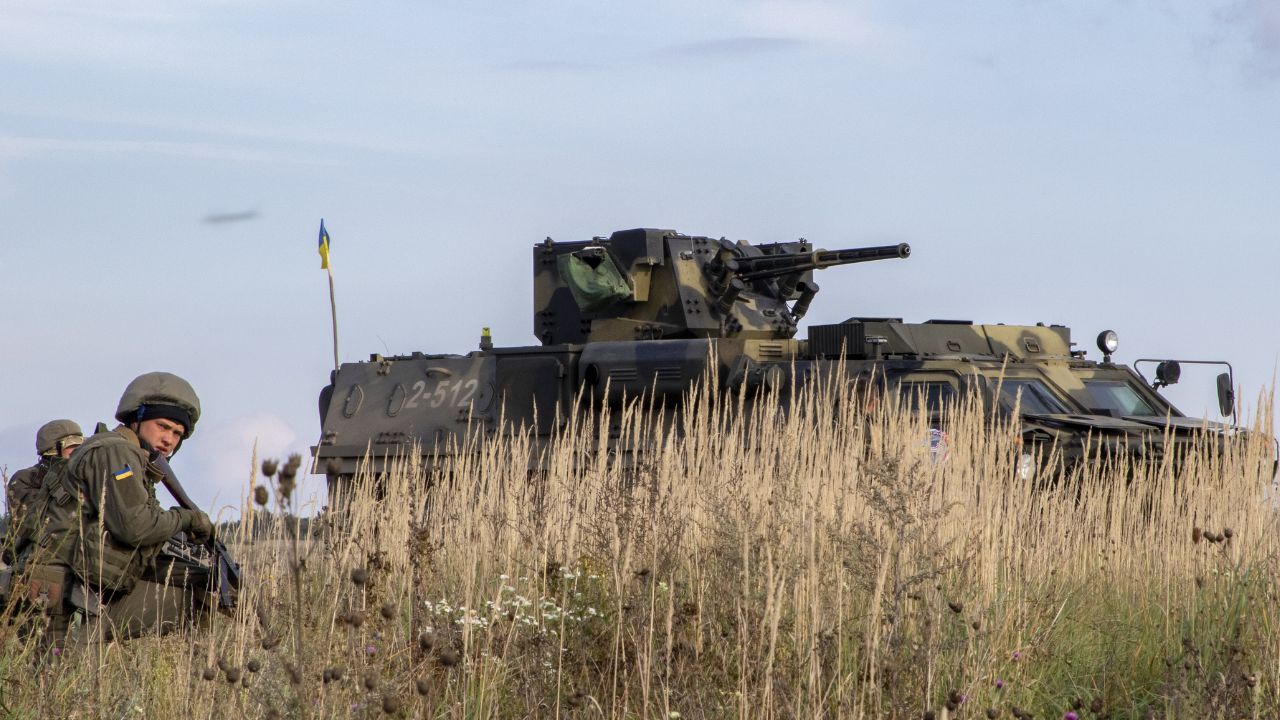
Ukraine’s Security Service revealed in January 2026 that its Alpha special operations unit has devastated Russian air defense systems worth $4 billion. This sum reflects the destruction of key systems, such as S-400, S-350, and critical radar stations.
While the financial damage is staggering, the real impact goes beyond dollars; the strategic loss of these systems disrupts Russia’s ability to defend critical areas, forcing them to relocate assets and leave vulnerabilities.
Russia’s Layered Shield: How It Works
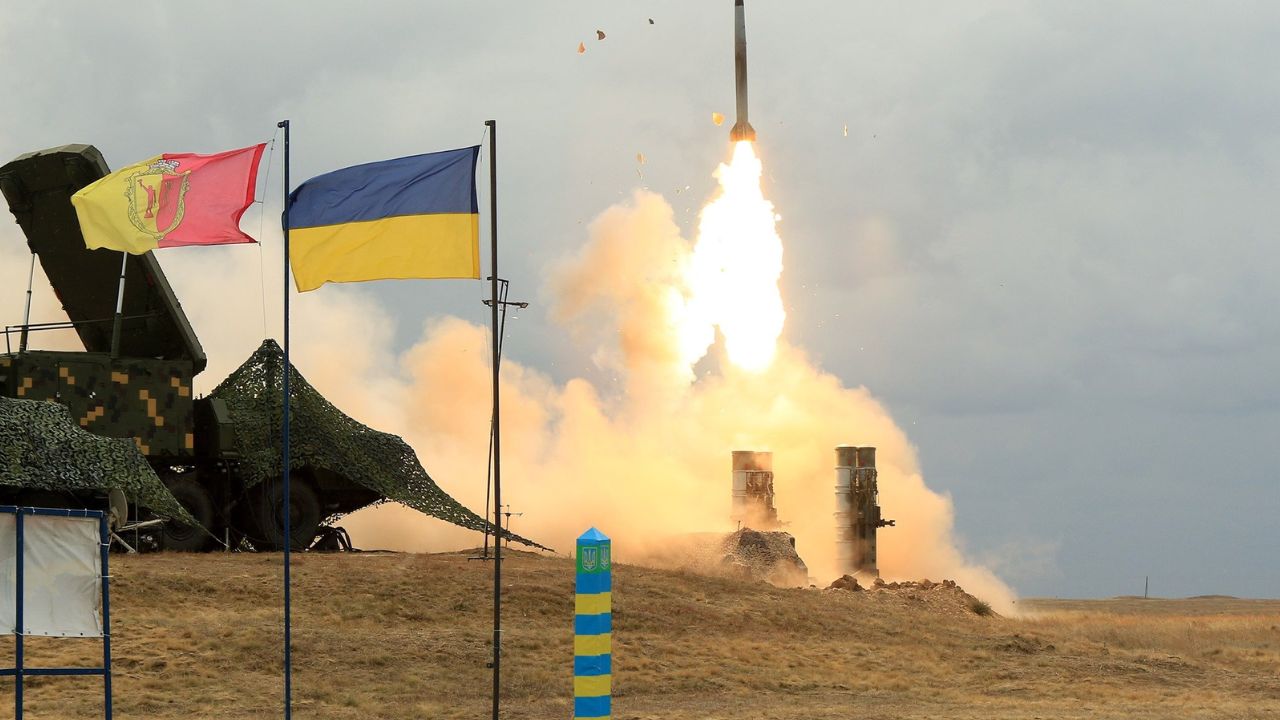
Russia’s air defense network is a multi-layered system, with long-range S-400 and S-300 systems guarding the outer perimeter. Mid-range Buk and short-range Pantsir batteries protect against medium and low-altitude threats.
Radars like Nebo-U and Nebo-M provide detection over vast distances. Destroying these radars effectively blinds the launchers, which rely on them for targeting, weakening Russia’s air defense capabilities and enabling deeper strikes by Ukraine.
The Radar Backbone Crumbles
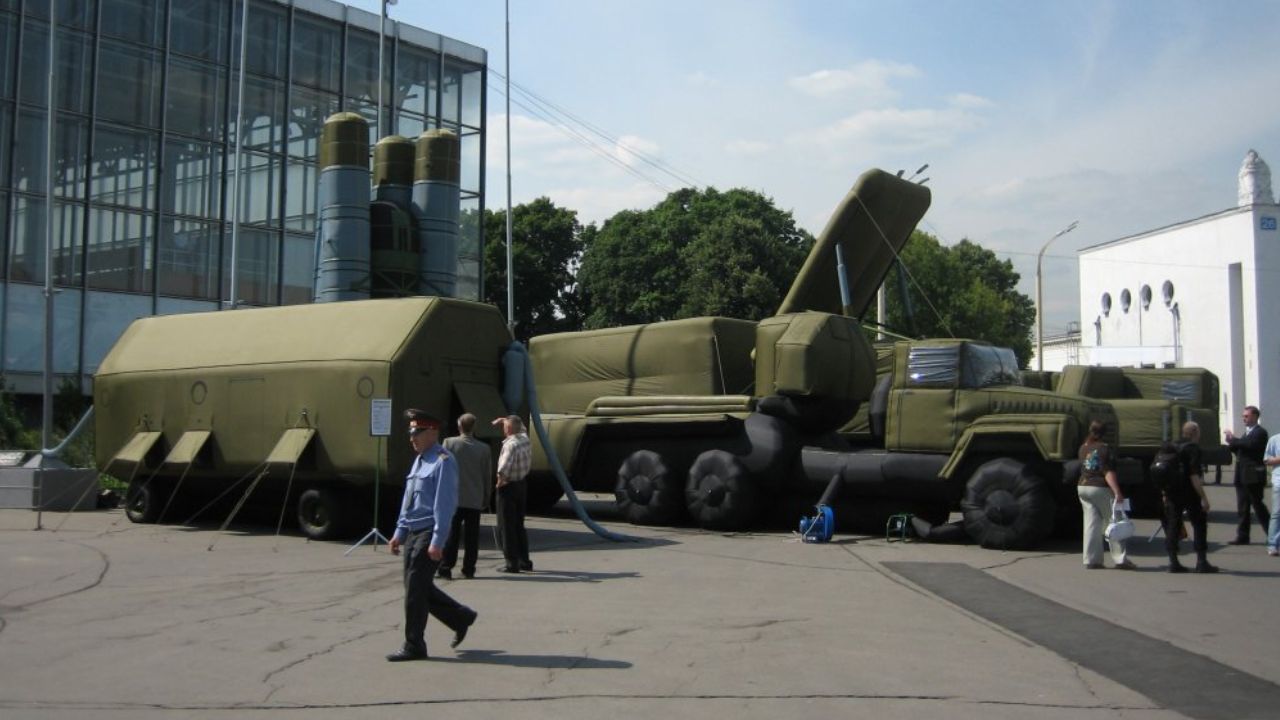
Ukraine’s focus on destroying Russian radar systems has paid off. Critical radars like the Nebo-U, Nebo-M, and specialized 92N6E systems have been targeted, crippling Russia’s ability to track aerial threats.
This strategy disrupts not only surveillance but also the coordination of other air defense elements, leaving Russian assets exposed and forcing Russia to rely on less capable systems.
Alpha’s Year-Long Campaign Revealed
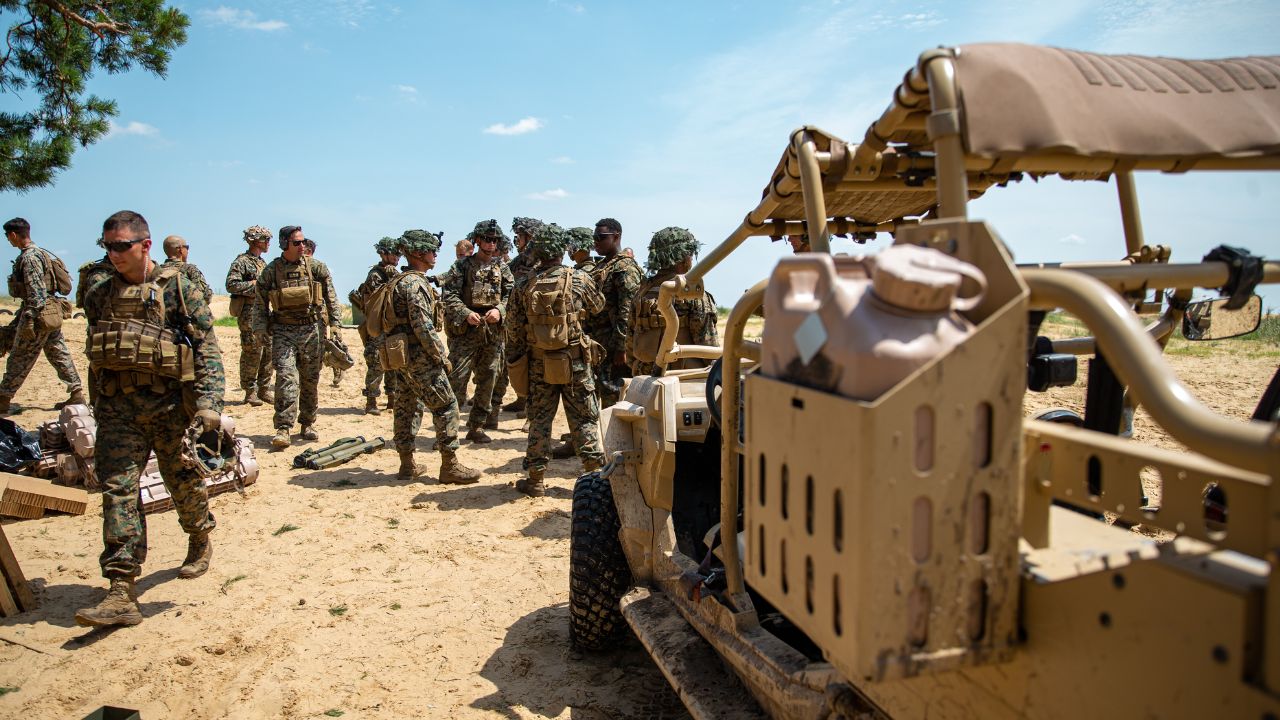
Ukraine’s Alpha unit has been relentless, launching precision drone strikes across Russian-held territory throughout 2025. These operations have targeted high-value systems, including S-400 launchers and radars, Buk medium-range platforms, and Pantsir-S1 batteries.
One of the most notable strikes was a November assault on an S-400 system in Novorossiysk. Ukrainian drones have proven highly effective at breaching deep into Russian territory, escalating the pressure on Russia’s air defense network.
Corridors Open: Ukrainian Drones Reach New Targets
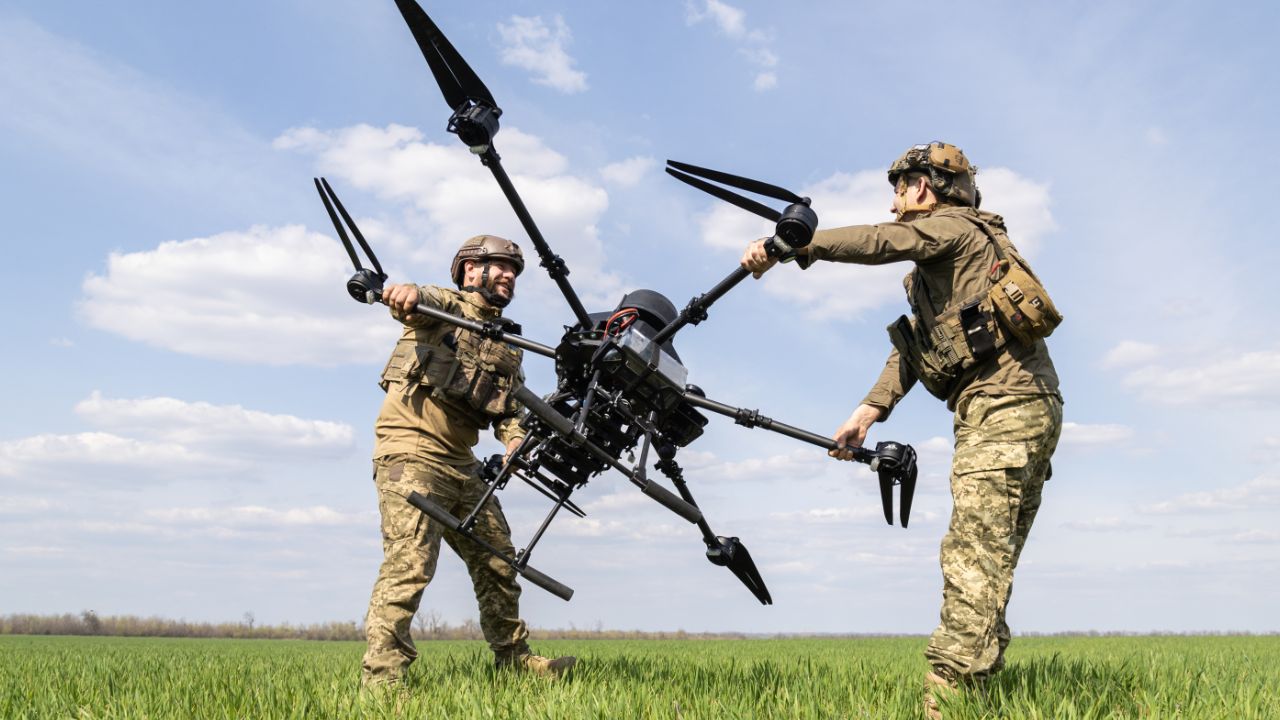
The destruction of Russian air defenses has created exploitable gaps, allowing Ukrainian drones to penetrate deeper into Russian-held areas. These corridors enable strikes on critical military installations like ammunition depots and airfields.
As the air defense network weakens, Ukraine’s drones can now reach strategic targets once thought untouchable, significantly impacting Russian military operations.
November’s Toll: 1,500 Russian Soldiers and Counting
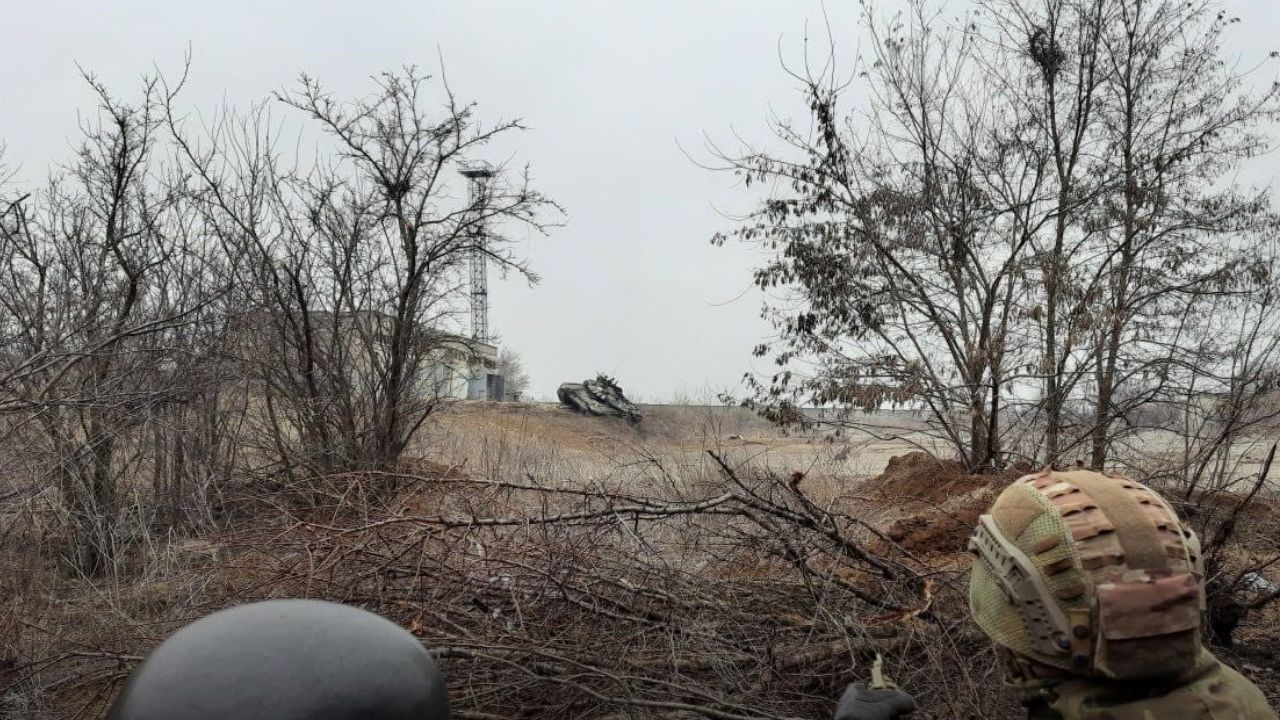
Alpha’s operations have not only targeted air defense systems but also inflicted heavy casualties on Russian personnel. In one month, over 1,500 Russian soldiers were killed, along with dozens of armored vehicles and artillery systems.
This broader offensive demonstrates the growing reach of Ukrainian operations, which are now striking deep into Russian-held areas, degrading Russia’s ability to maintain control over key military hubs.
Multiple Ukrainian Units Join the Fight

Ukraine’s success in degrading Russian air defenses is a collective effort. In addition to Alpha, other units like GUR and specialized brigades—such as the 412th Unmanned Systems Brigade and the 15th Separate Artillery Reconnaissance Brigade—have also targeted Russian assets.
Their coordinated strikes on S-350 systems and S-400 launchers have significantly contributed to the degradation of Russia’s defensive capabilities.
Russia’s Remaining Arsenal: Still Formidable
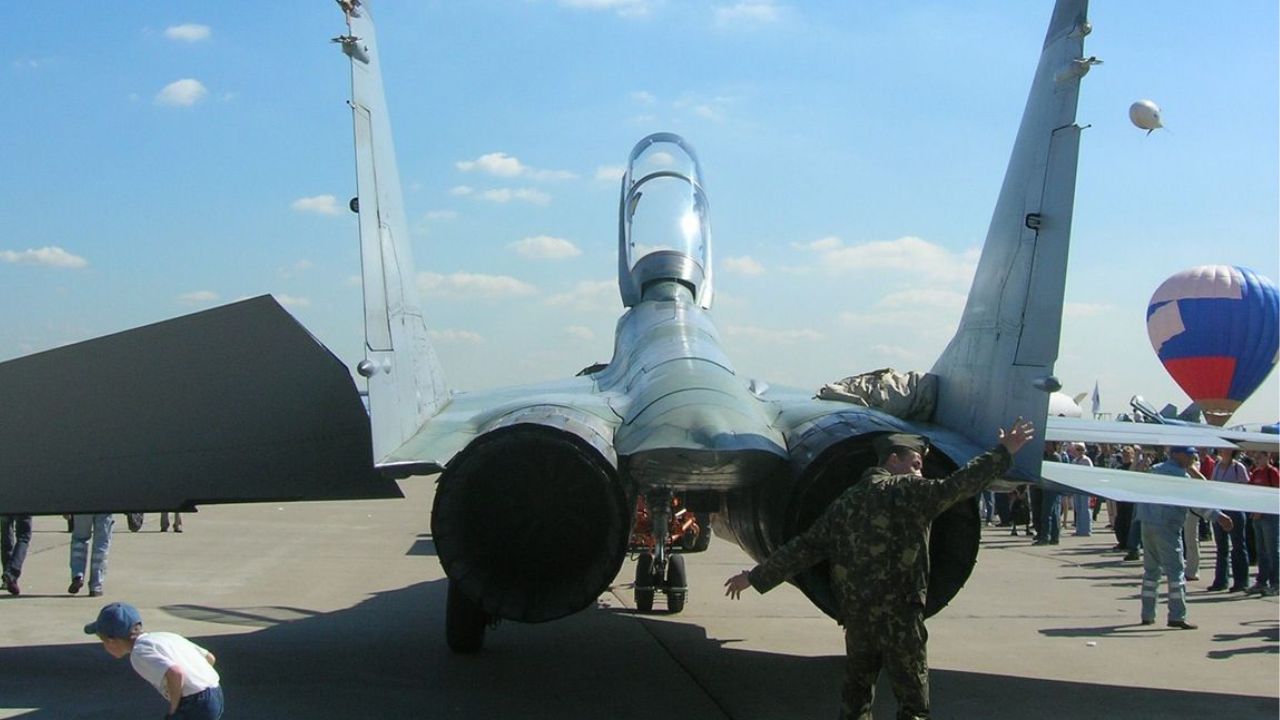
Despite suffering billions in losses, Russia’s air defense network remains robust. With several hundred systems still in place, Russia’s defense capabilities are far from neutralized.
These assets have become more effective since the invasion began, with only a small fraction of Ukraine’s deep strikes successfully hitting well-protected targets.
Russia’s extensive and redundant systems allow it to endure these losses and maintain defensive strength.
The Adaptation Cycle: Russia Learns, Ukraine Innovates
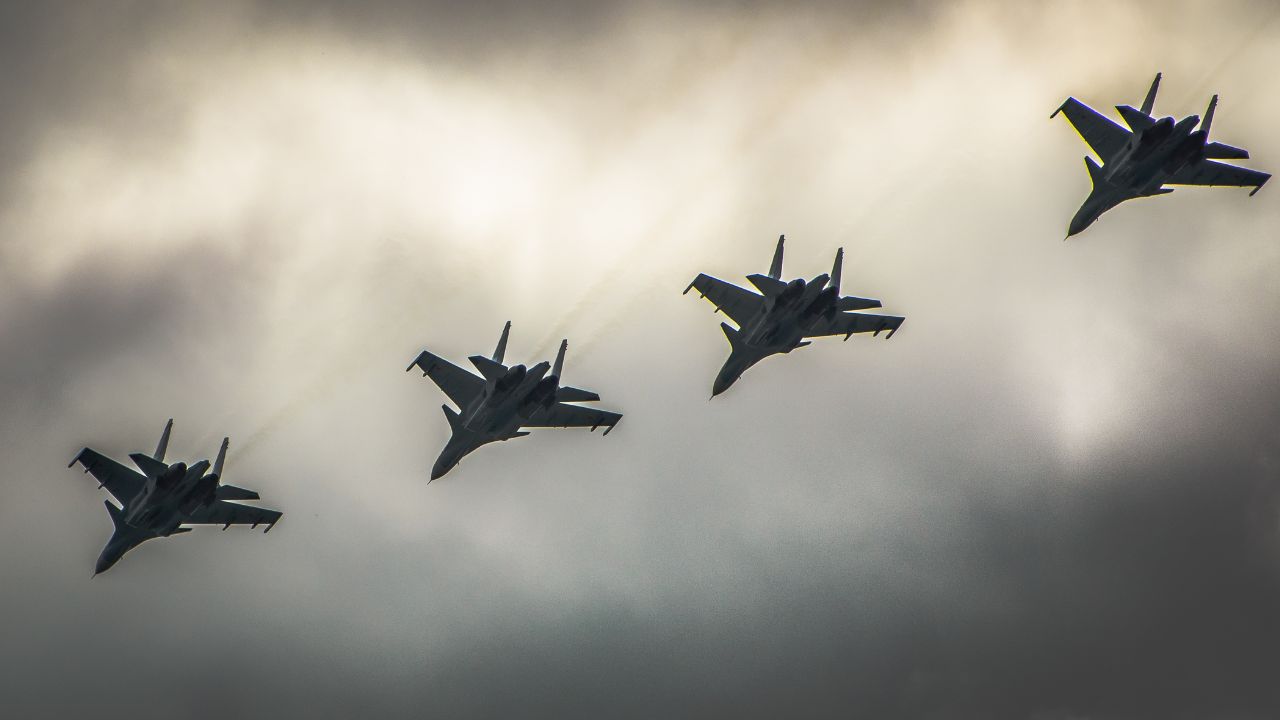
As Ukraine destroys Russia’s air defense systems, Russia adapts its tactics. Systems are repositioned, coordination is improved, and new countermeasures are implemented.
The cycle of Ukrainian innovation and Russian adaptation has created an evolving battlefield in the air domain.
While Ukraine continues to develop new strategies, Russia’s defenses are learning and evolving in real-time, making this an ongoing arms race.
Coordination Challenges: Fragmented Ukrainian Command
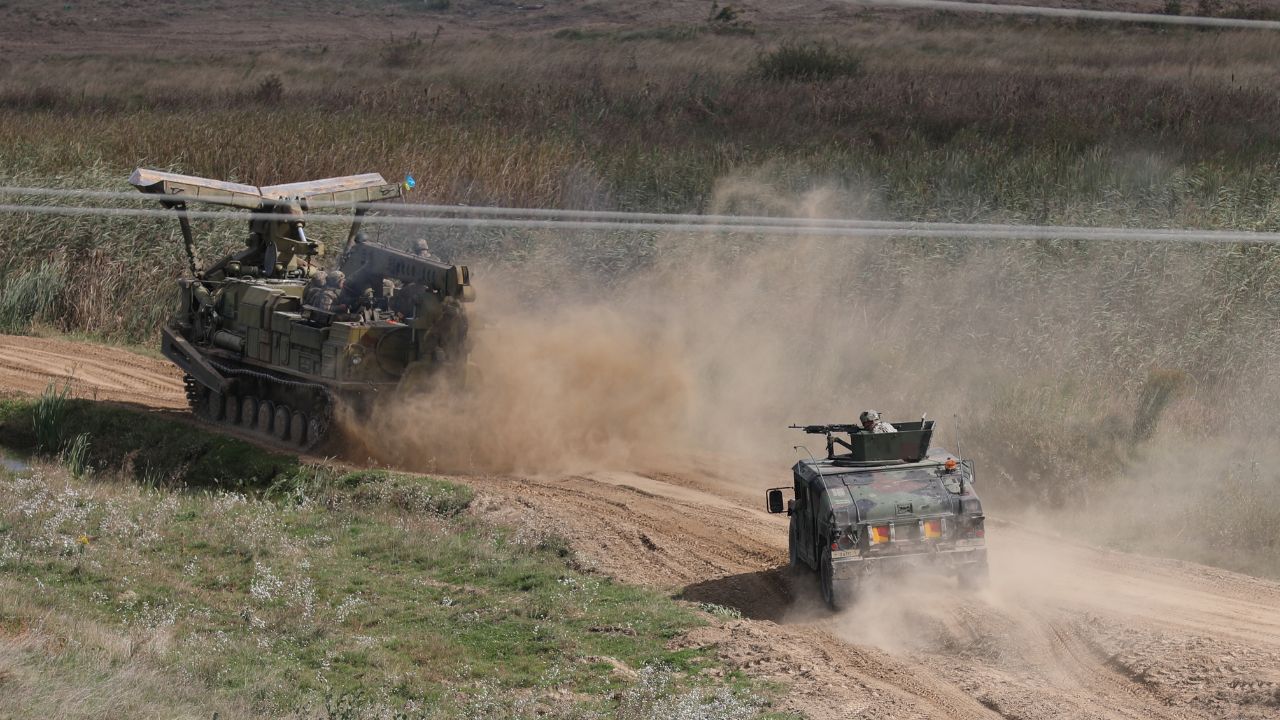
Despite impressive gains, Ukrainian forces face coordination challenges. Units like the 412th and 15th Brigades operate independently, leading to inefficiencies in targeting and resource allocation.
A more unified command structure could streamline efforts, ensuring that targeting is more precise and that Ukrainian forces operate more cohesively. This structural gap presents an opportunity for improving the campaign’s effectiveness.
Strategic Implications: Degrading Russia’s War Machine
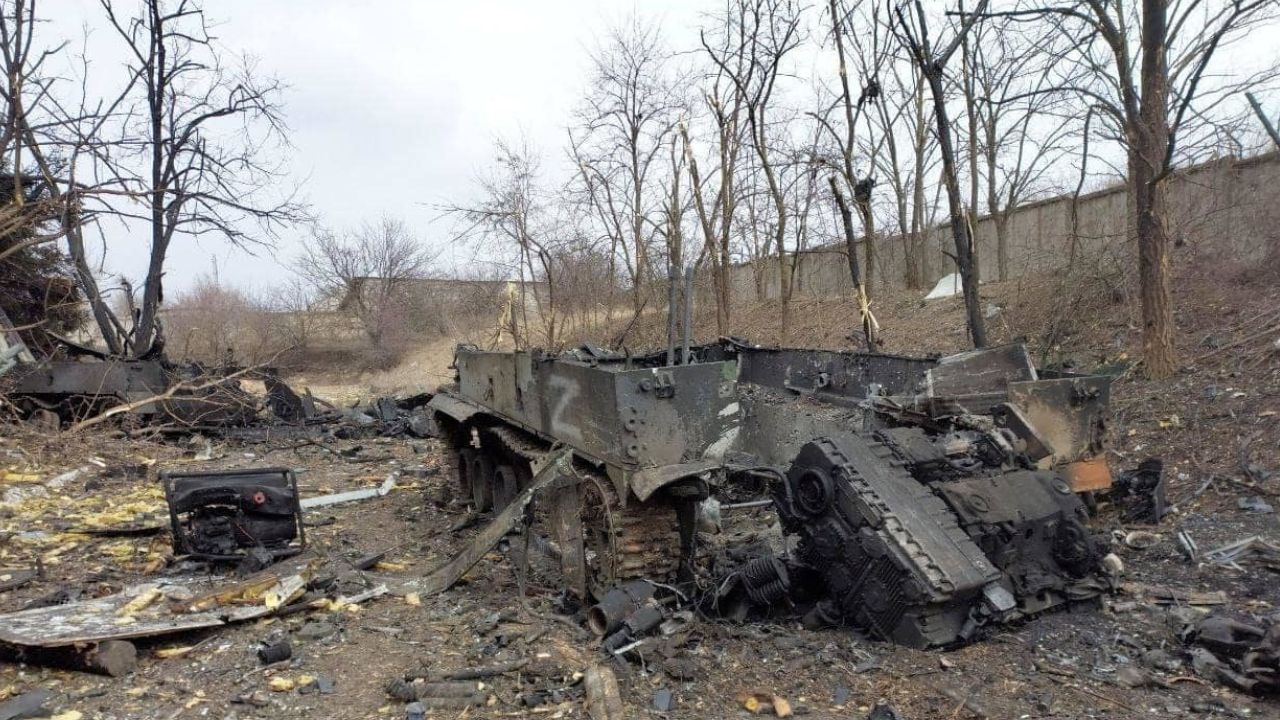
Destroying Russia’s air defenses has far-reaching strategic consequences. By forcing Russia to reposition its remaining assets, Ukraine creates vulnerabilities in other sectors.
Analysts argue that this degradation not only weakens Russia’s defensive capacity but also strains its economy and military logistics. With critical supply lines exposed, Russia’s ability to sustain military operations is increasingly in jeopardy.
NATO’s Interest: European Air Defense Lessons
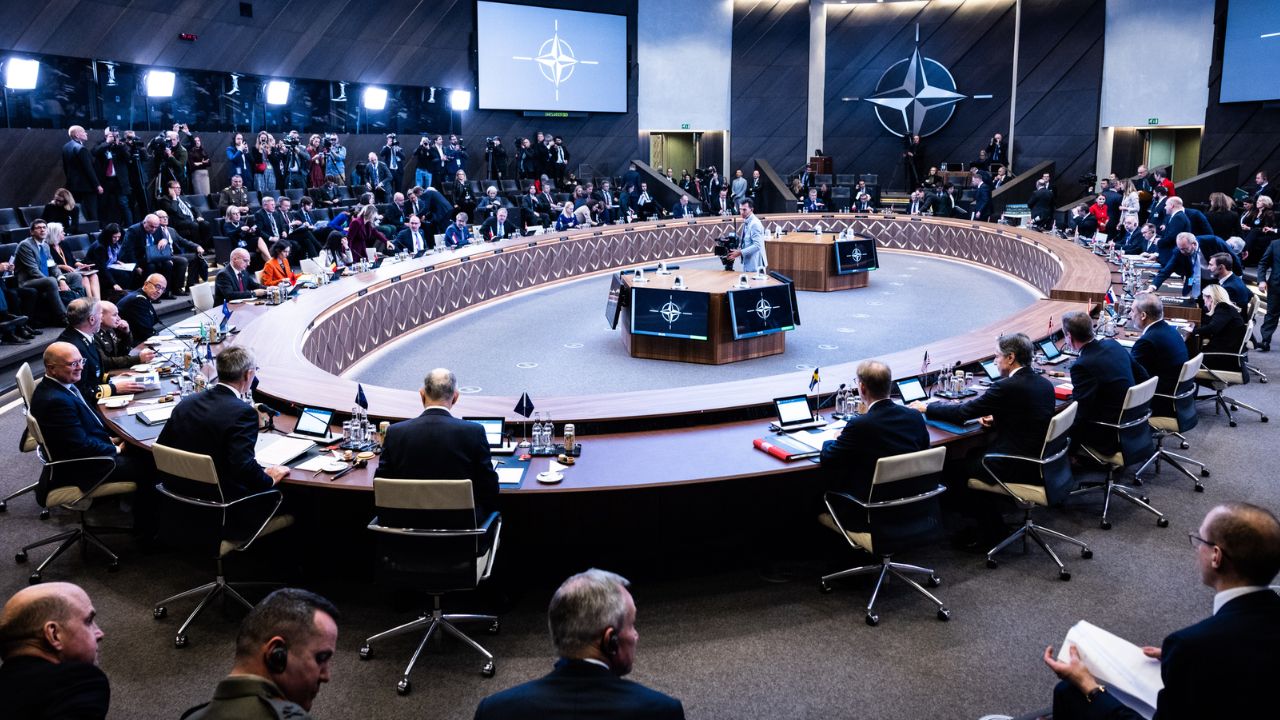
NATO is closely watching Ukraine’s successful suppression of Russian air defenses, seeking lessons for its own strategies.
Russia’s air defense capabilities are seen as a potential threat to NATO’s European operations, and NATO planners are studying Ukraine’s methods of targeting Russian assets.
The campaign highlights vulnerabilities in Russia’s defenses that NATO may exploit in future engagements.
Expert Skepticism: Can Ukraine Sustain the Pace?
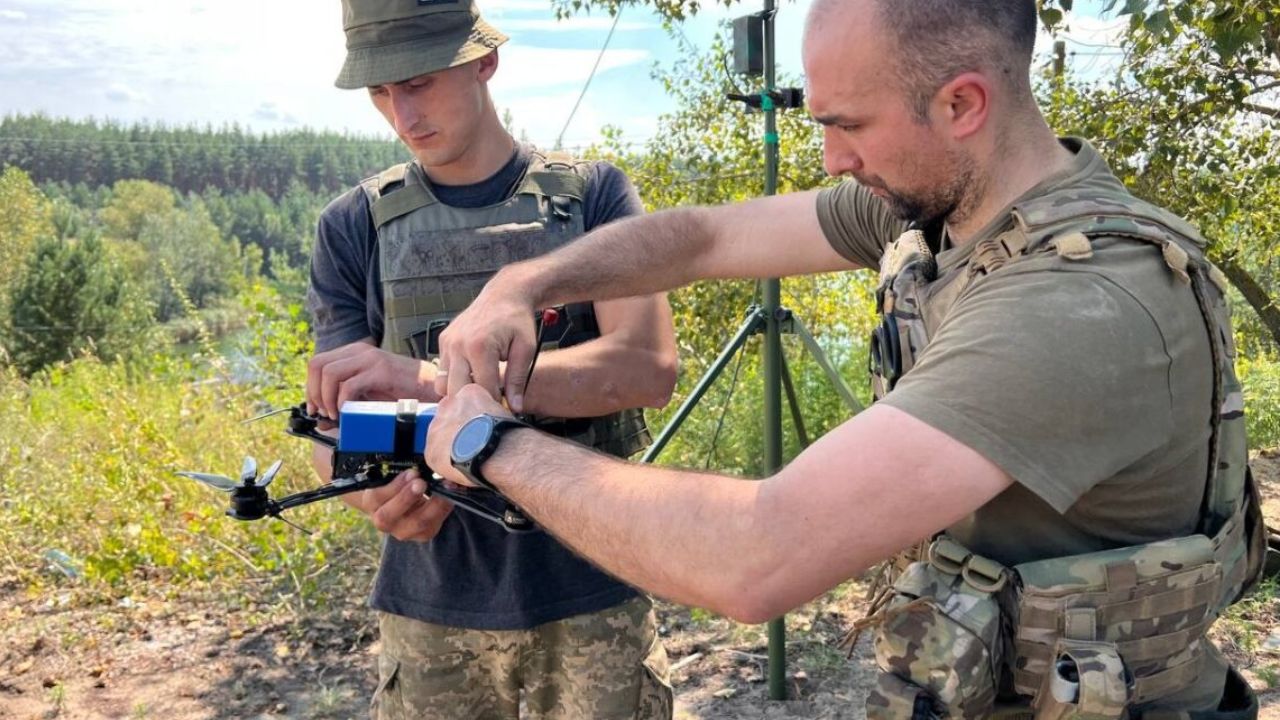
While Ukraine’s success is undeniable, experts question whether it can maintain this operational tempo. Resource constraints, logistical challenges, and Russia’s ability to replace lost systems will test Ukraine’s ability to keep up the pressure.
Experts caution that sustaining this pace of innovation and strike capability is a formidable challenge, as both sides adapt to each other’s strategies.
The Unfinished Battle: What Comes Next?
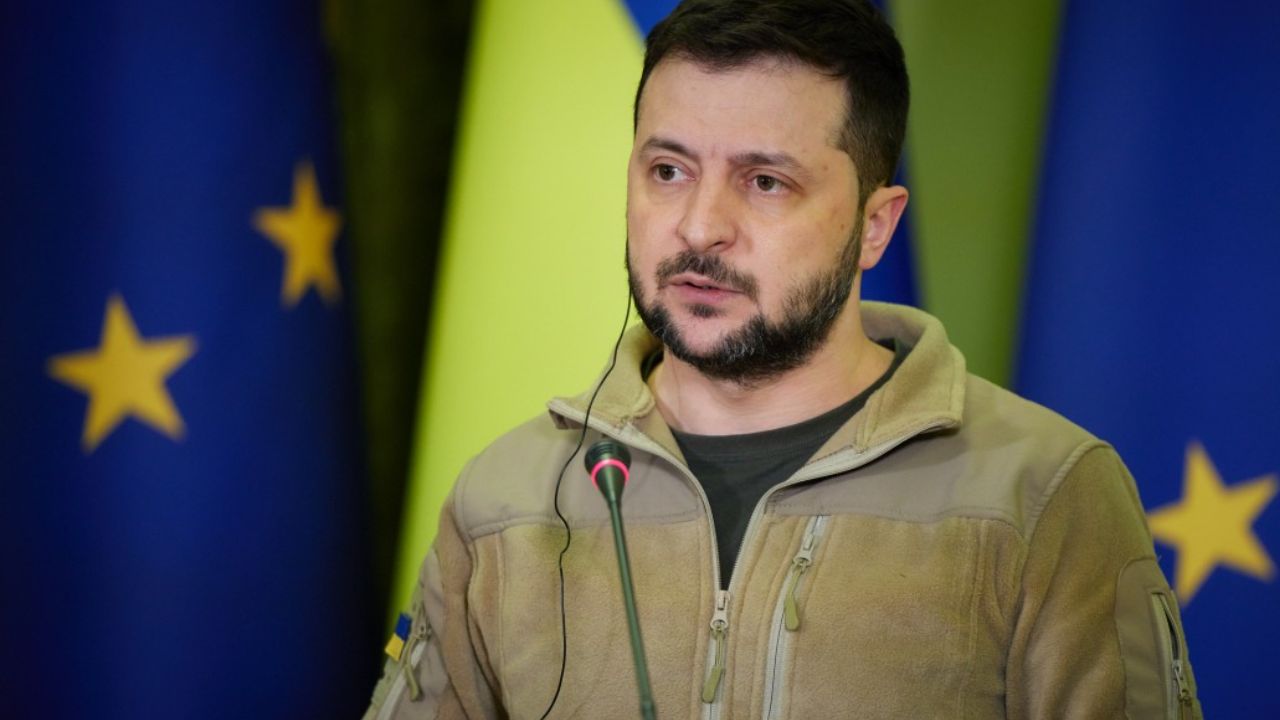
As Ukraine continues to chip away at Russia’s air defense network, the big question remains: can this success be translated into lasting operational advantage?
While the $4 billion campaign has dealt significant blows, Russia’s adaptability and ongoing defensive investment could turn the tide.
The next phase of the conflict will test whether Ukraine’s momentum is sustainable or if Russia’s defensive reinforcements will regain control of the skies.
Sources:
“SSU’s Center of Special Operations ‘A’ Destroys $4 Billion Worth of Enemy Air Defense Systems in 2025.” Ukrinform, 19 Jan 2026.
“SBU Destroys Enemy Air Defense Assets Worth $4 Billion in 2025.” Interfax-Ukraine, 18 Jan 2026.
“SBU Says It Tore $4 Billion Hole in Russia’s Air Defenses in 2025.” Euromaidan Press, 18 Jan 2026.
“Ukraine’s Elite ‘Alpha’ Unit Dealt a $4 Billion Blow to Russian Air Defenses Over the Past Year.” Business Insider, 18 Jan 2026.