The streets of Minneapolis pulse with energy as hundreds of protesters flood the streets. Their cries for justice are deafening after Renee Nicole Good was killed during an ICE operation.
Tensions rise daily, escalating into marches and calls for accountability. As federal agencies keep a close watch, the unrest reaches a breaking point. Federal authorities are on high alert—what happens next? This is the boiling point of a city, a nation watching as history unfolds.
Federal Response Mobilizes
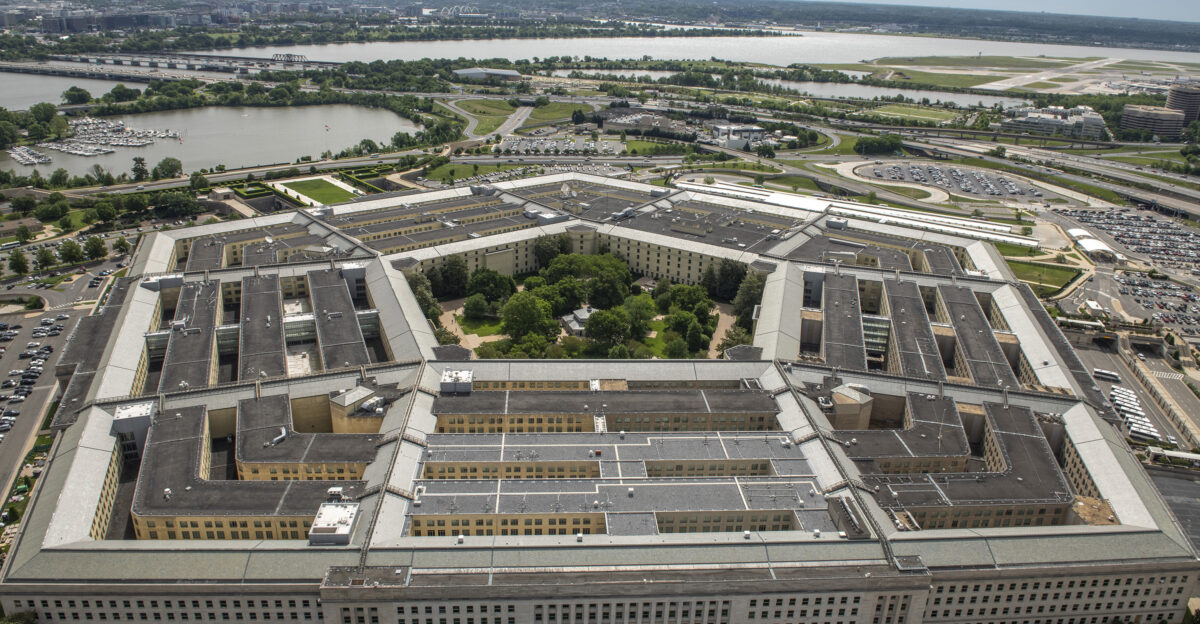
As the protests swell, the Pentagon reacts. Active-duty military units are now on heightened alert, with the Department of Defense initiating rapid contingency planning.
Intelligence reports are being delivered at a pace not seen before. This preparation signals the gravity of the situation in Minneapolis. Federal officials see this crisis as an urgent test case for their response strategy.
Military Readiness Doctrine
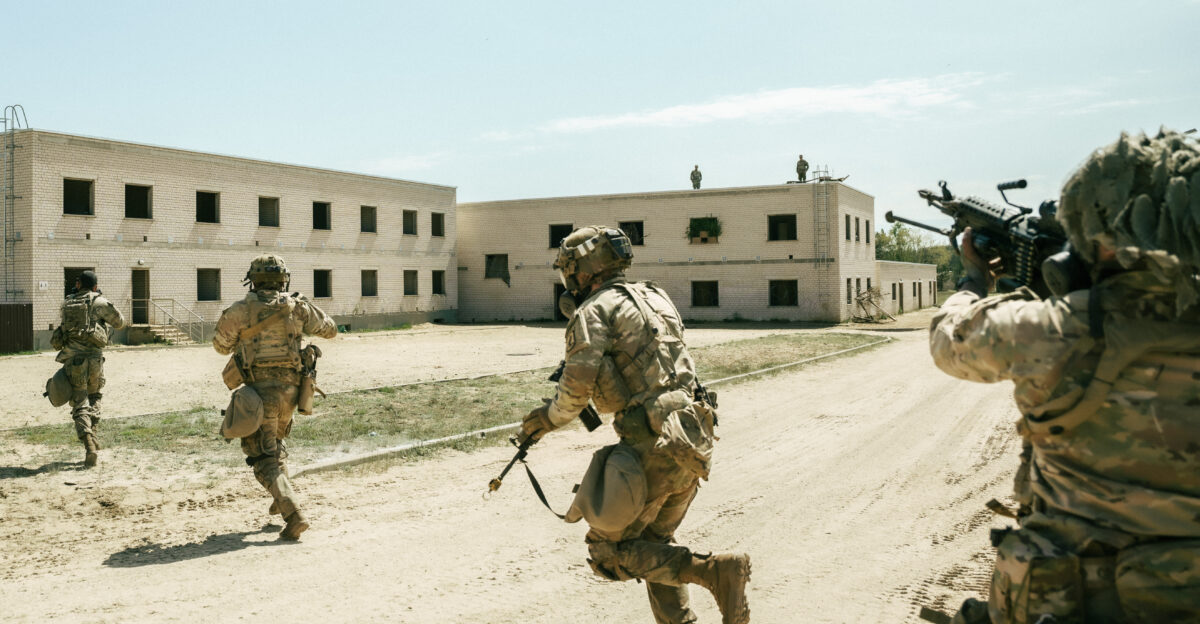
Under U.S. law, active-duty troops are generally forbidden from engaging in law enforcement without presidential authorization. The Insurrection Act, invoked in rare cases like the 1992 Los Angeles riots, could change that.
With the streets of Minneapolis tense and volatile, the President may be forced to make a historic decision, one that could send federal troops into American cities once again.
Minneapolis Under Pressure
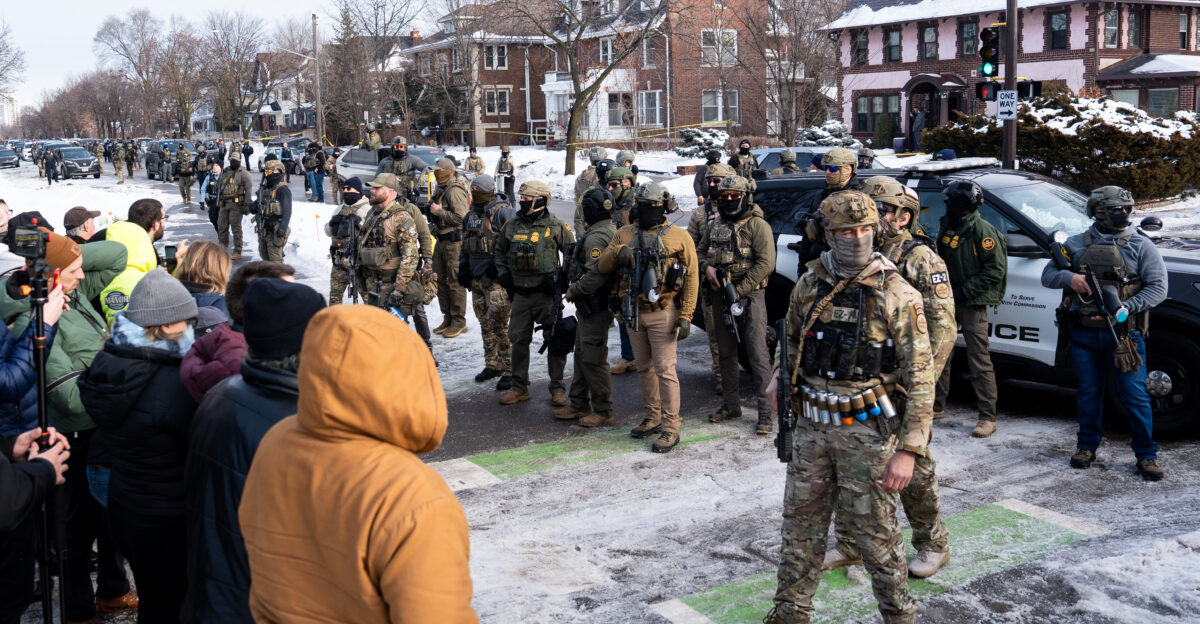
The shooting of Renee Nicole Good ignited protests that have rocked Minneapolis. Civil liberties groups, immigrant rights activists, and community organizers have joined the streets, demanding action.
Disruptions to daily life intensify as marches block traffic and escalate in size. With the National Guard already deployed, city officials worry federal intervention could make matters worse.
Fort Bragg Troops Ordered to Prepare
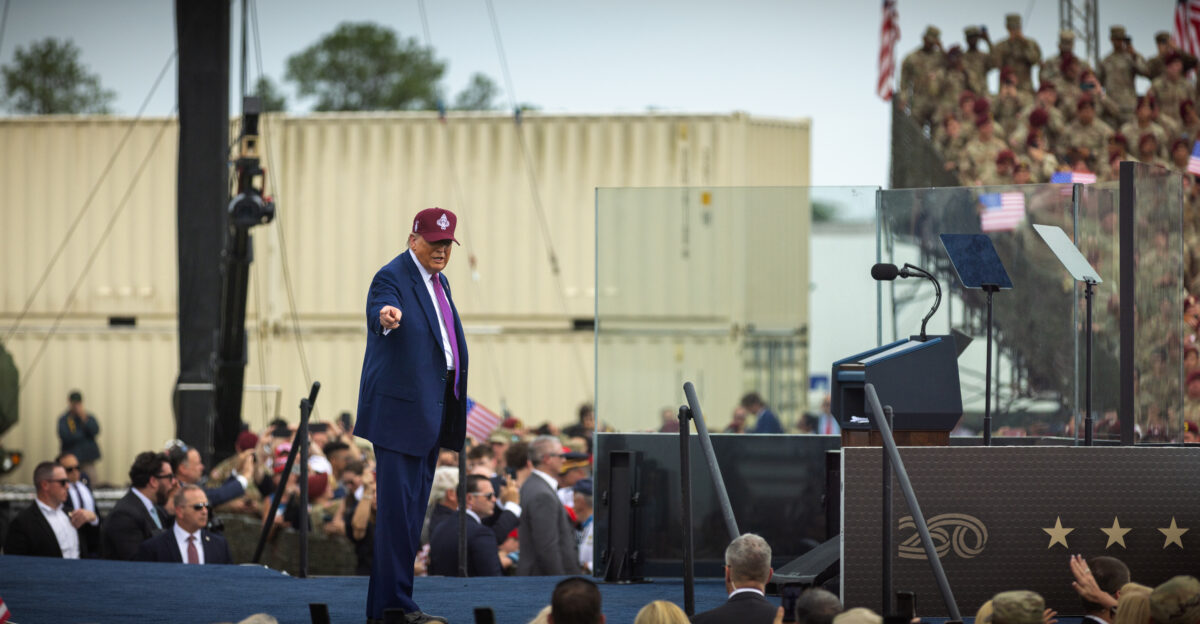
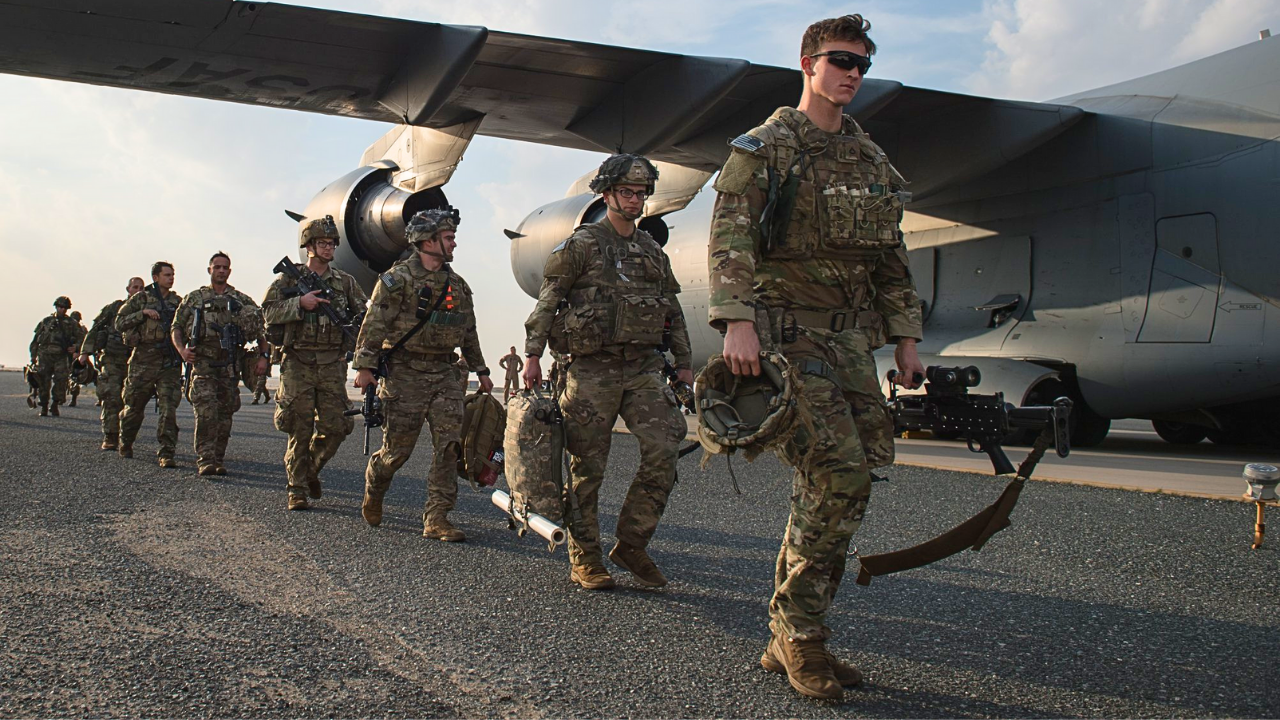
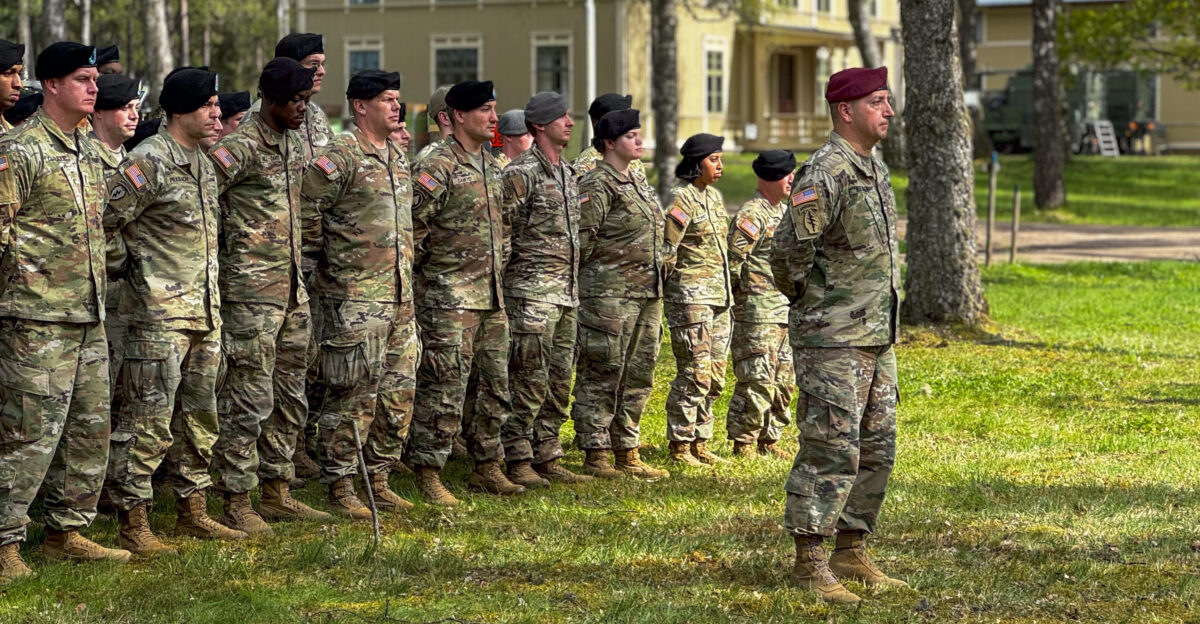
The Pentagon has given Fort Bragg, North Carolina, troops their first-ever prepare-to-deploy order for Minneapolis. The order affects between 300 to 500 personnel from the 16th Military Police Brigade.
Although the deployment requires presidential approval, this marks the first concrete military action to support Minneapolis during the protests.
Arctic-Trained Reinforcements Arrive in Region
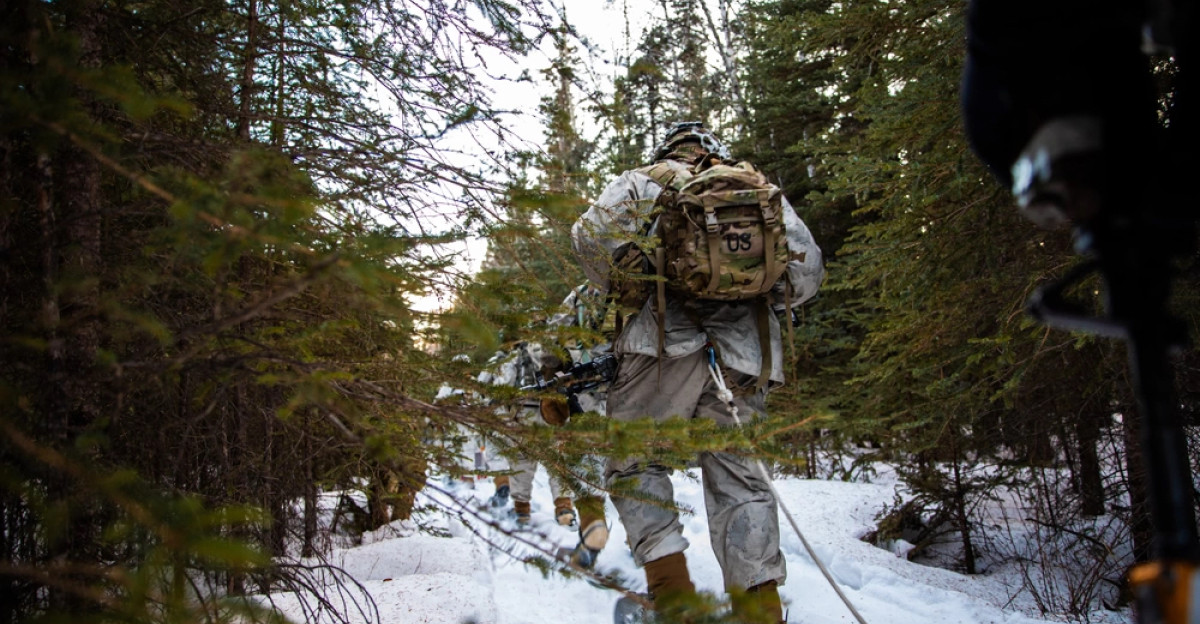
Cold-weather soldiers from the 11th Airborne Division, based in Alaska, have been placed on standby for a potential deployment to Minneapolis. These highly specialized troops are trained for Arctic conditions and can establish vital supply lines quickly.
The Pentagon’s diverse deployment plans signal that the federal presence may be more substantial and longer-lasting than anticipated.
Minneapolis Leadership Warns Against Federal Force
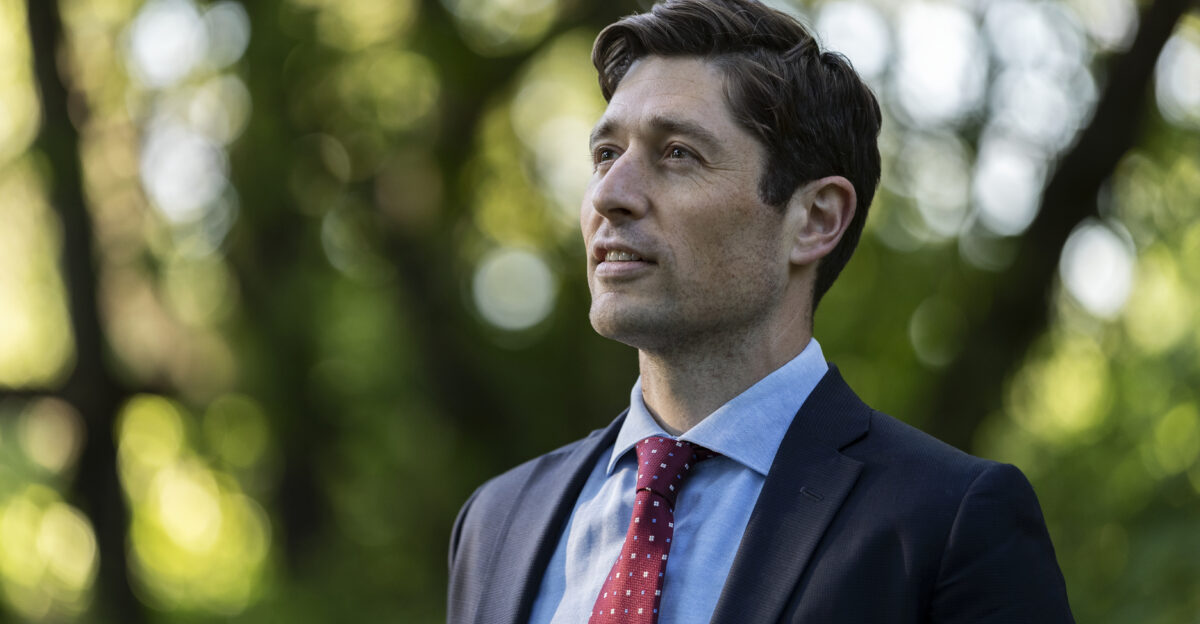
Minneapolis city officials are vocal in their opposition to federal military intervention. Mayor Jacob Frey and other leaders argue that bringing in federal troops would only inflame tensions, not resolve them.
Local community organizers and civil rights groups echo these concerns, stating that military presence would infringe on the right to protest.
The Insurrection Act Looms
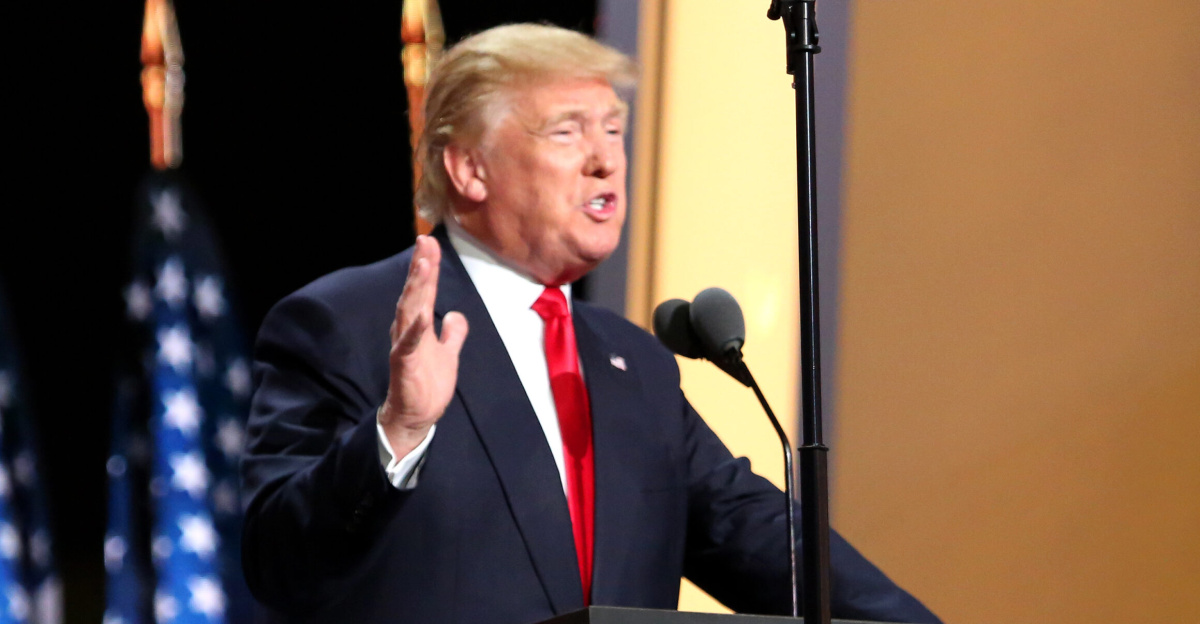
President Trump has suggested the possibility of invoking the Insurrection Act to quell the unrest. The rare use of this law could grant sweeping powers to deploy federal troops for law enforcement, but it comes with significant legal risks.
The act would bypass constitutional limits, potentially reshaping how the government responds to domestic protests forever.
Congressional Concerns Mount
A bipartisan group of lawmakers has expressed deep concern about the potential invocation of the Insurrection Act. While some Republicans are cautious about the effectiveness of military intervention, Democrats worry about the abuse of power.
Tensions are rising as Congress seeks clarity on whether the unrest in Minneapolis justifies such extraordinary measures.
Pentagon Downplays Imminent Deployment
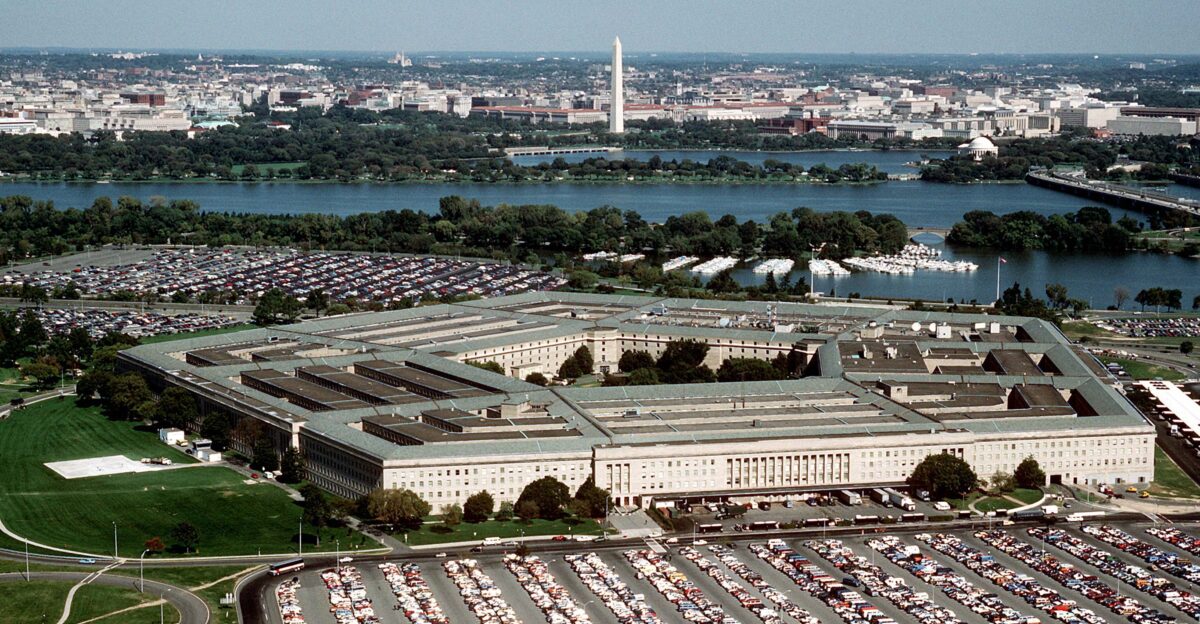
Pentagon officials emphasize that the prepare-to-deploy orders are part of routine planning for potential domestic crises. They stress that no final decision to send troops has been made, suggesting a cautious approach.
However, the very existence of these orders indicates the federal government is seriously preparing for escalation.
Internal Pentagon Friction Over Deployment Legality
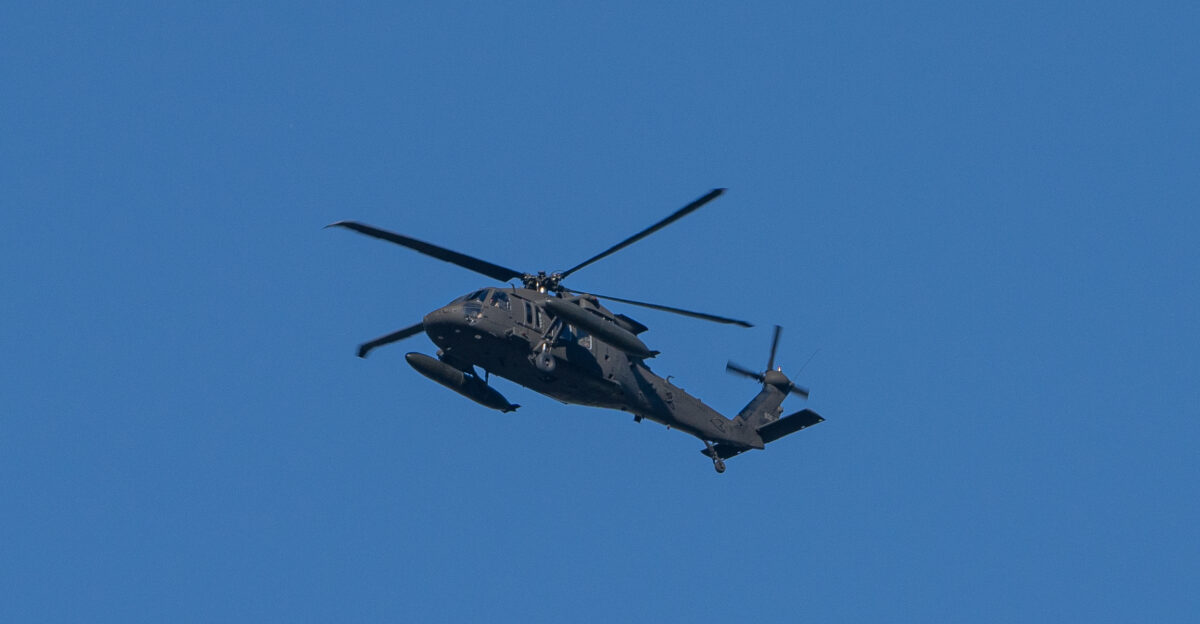
Not all military officials agree on the legality of deploying troops in Minneapolis. Career military lawyers are raising alarms about potential violations of the Posse Comitatus Act, which prohibits military involvement in domestic law enforcement.
The tension between military lawyers and civilian leaders reveals the deep uncertainties surrounding this unprecedented decision.
Trump Administration’s Hardline Posture
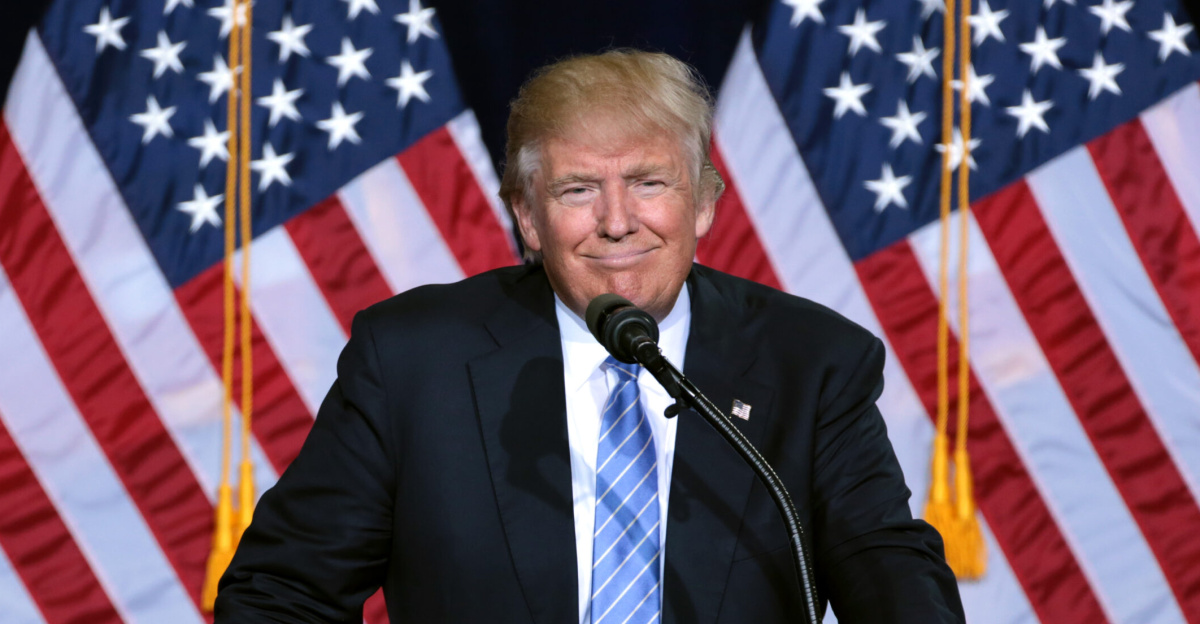
The Trump administration has taken a firm stance on domestic unrest, citing threats from anarchists and violent extremists. Officials argue that deploying federal troops is necessary to restore order.
This more aggressive rhetoric contrasts sharply with the Pentagon’s measured response, raising concerns about the risks of escalating the situation.
Minneapolis Prepares Counter-Strategies
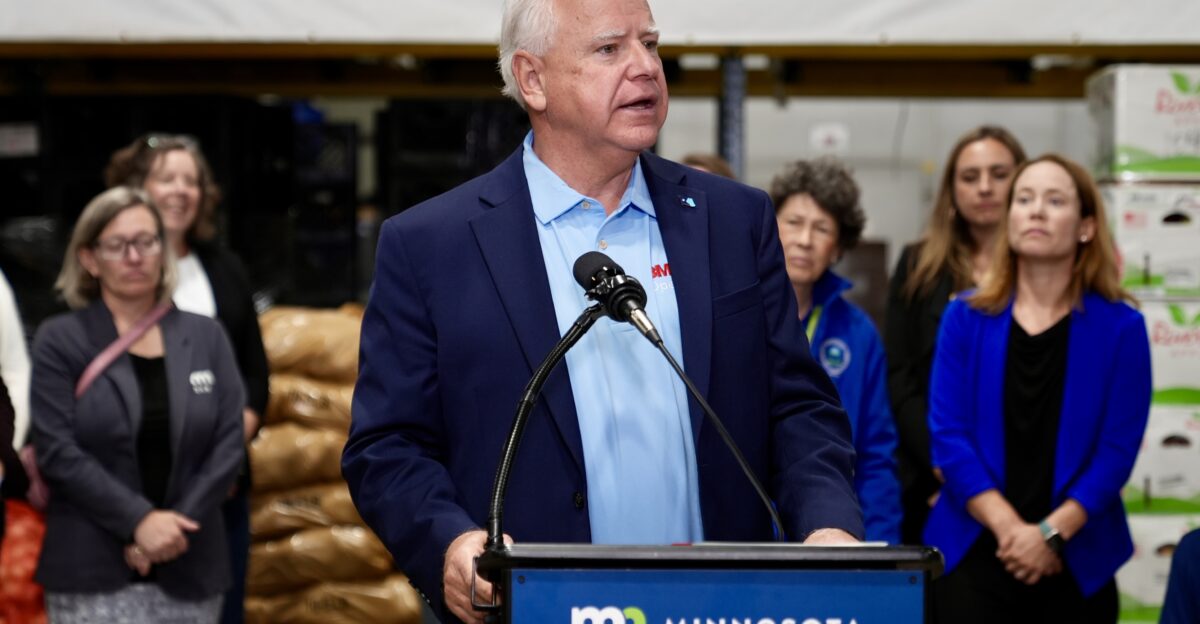
Despite the looming threat of federal intervention, Minnesota officials are preparing for any eventuality. Governor Tim Walz has expressed reluctance to involve federal troops, preferring state and local responses.
Meanwhile, civil rights organizations are preparing legal challenges to any potential Insurrection Act invocation, signaling that the fight could move to the courts as well as the streets.
Expert Assessment: Deployment Would Be Unprecedented
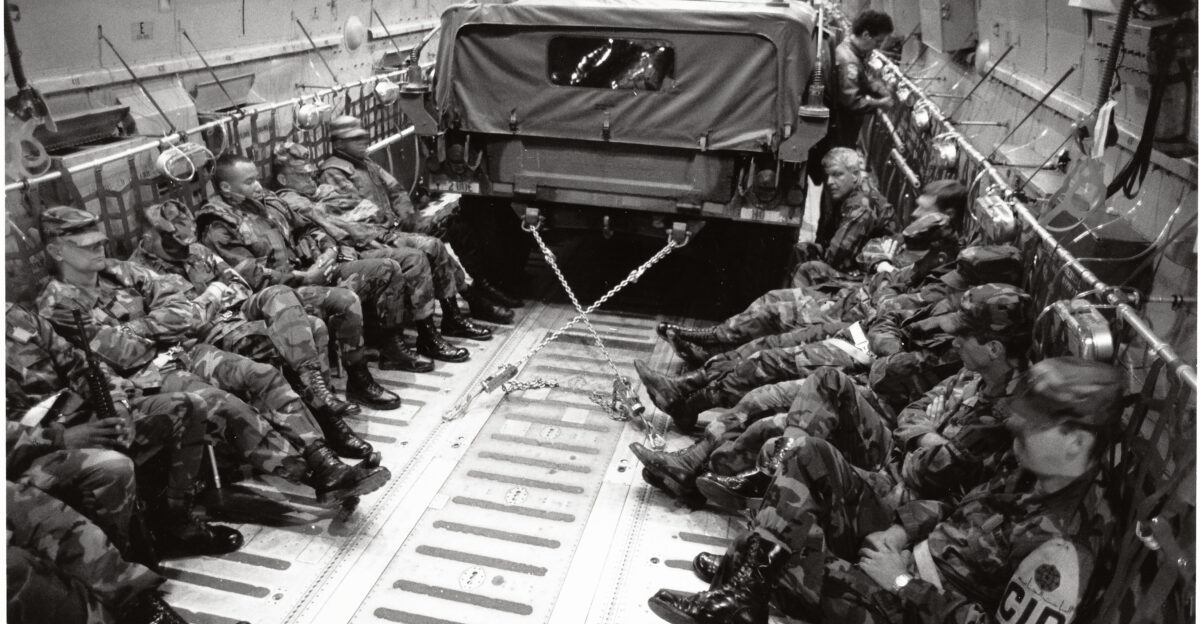
Legal scholars and security experts warn that deploying active-duty troops to Minneapolis would be a monumental shift in how domestic unrest is managed.
While previous cases like the 1992 riots and Hurricane Katrina involved limited federal intervention, a sustained presence would set a dangerous precedent for future political conflicts in U.S. cities.
What Happens Next?
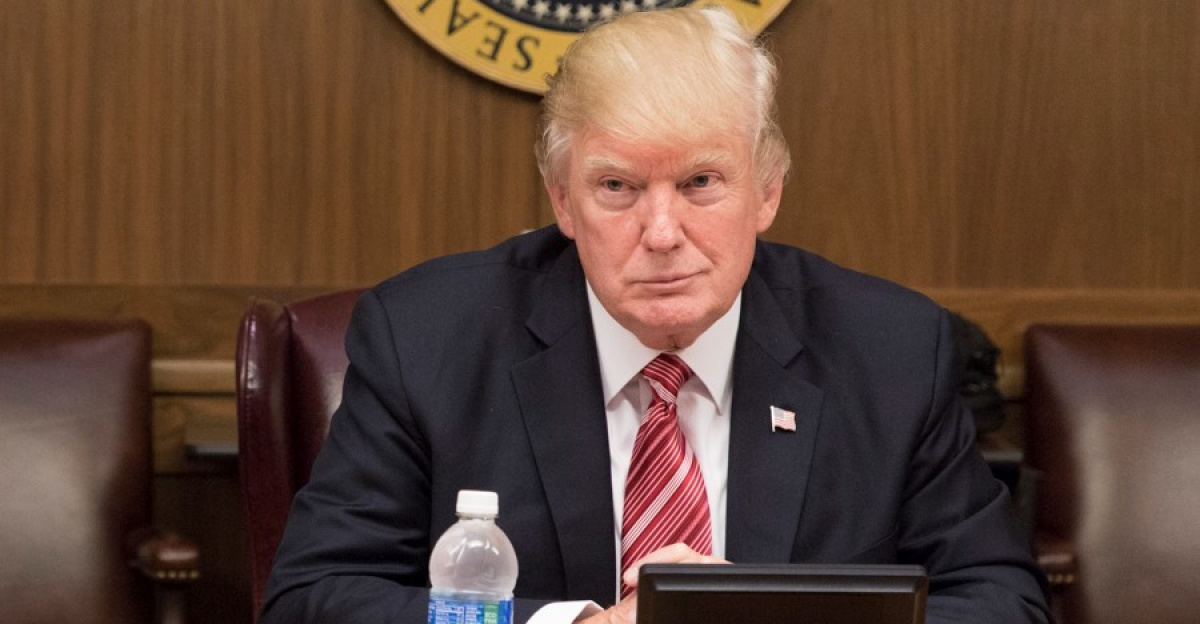
The looming question is whether President Trump will invoke the Insurrection Act. If so, federal troops could begin arriving within days.
If not, the Pentagon’s orders will remain a symbol of federal concern, and the unrest will likely continue to shape political discourse in Minneapolis and beyond for weeks to come.
The Constitutional Crossroads
This moment represents a pivotal crossroads in American governance. If the Insurrection Act is invoked, it will grant extraordinary powers to the executive branch.
Legal battles could ensue, testing the limits of federal power. The decision made now will influence the balance of power between the branches of government for generations to come.
Global Implications: America’s Soft Power at Stake
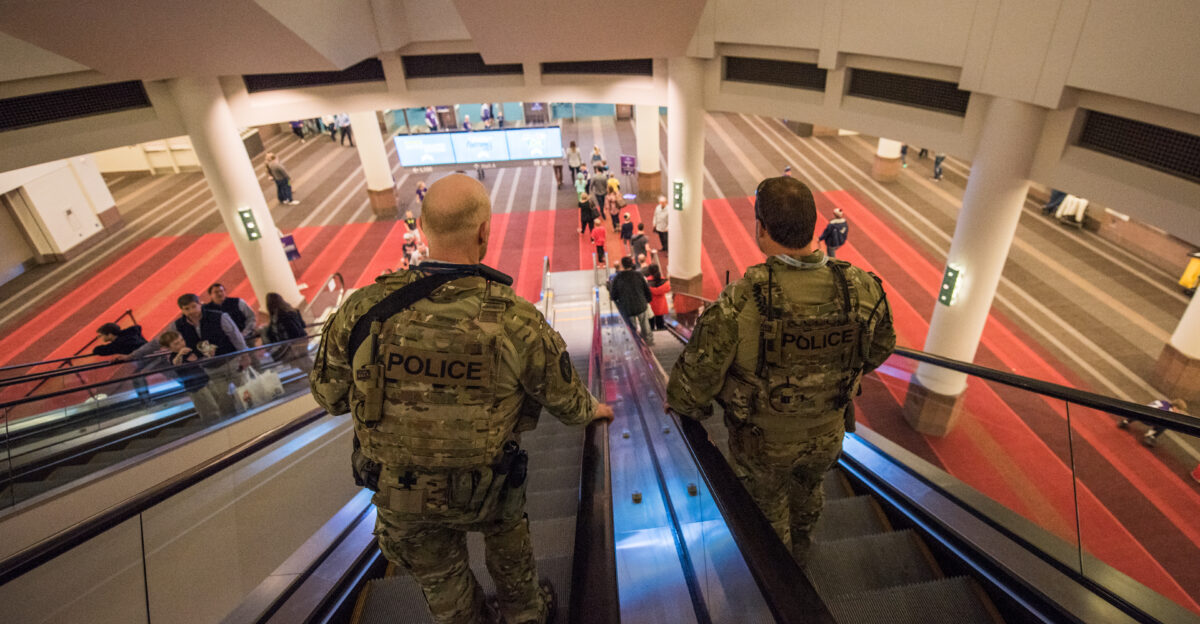
The world is watching as Minneapolis becomes the stage for a constitutional showdown. Allies are concerned that federal military deployment could damage America’s credibility on human rights.
Meanwhile, adversaries like Russia and China are quick to highlight the instability of American democracy. The global repercussions of how this plays out are substantial.
Legal Vulnerabilities and Litigation Ahead
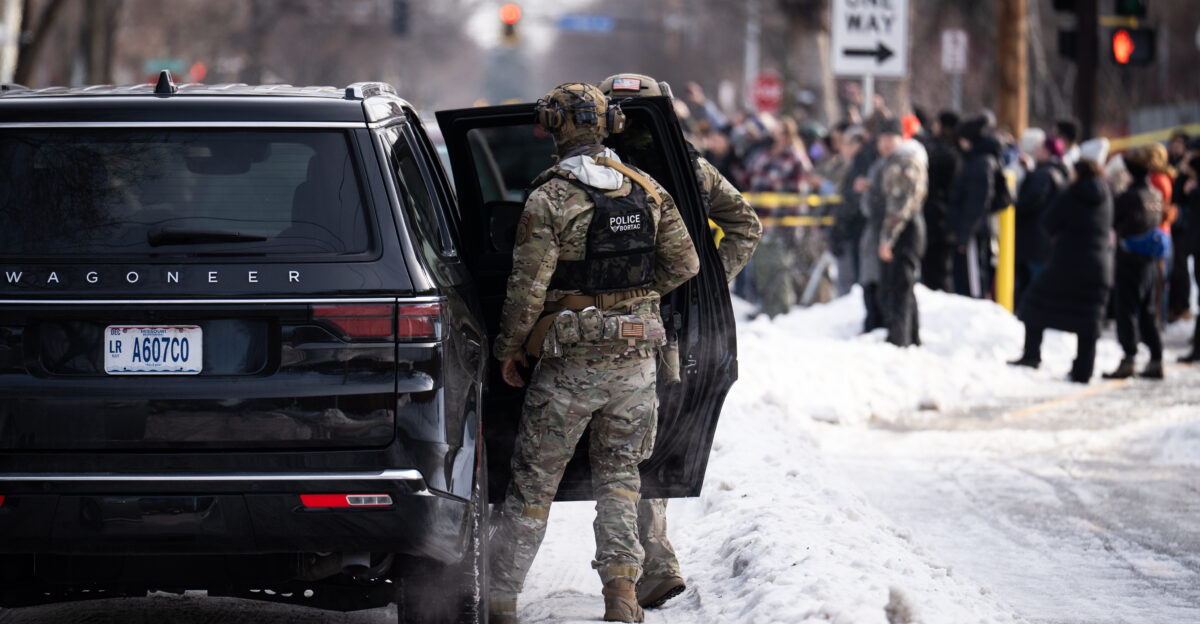
Civil rights groups have already filed preemptive lawsuits to block any Insurrection Act invocation. These legal challenges could delay or block federal troop deployment for weeks or months, creating significant uncertainty.
The courts will play a key role in determining whether federal military presence in Minneapolis is lawful.
Generational Divides on Federal Authority
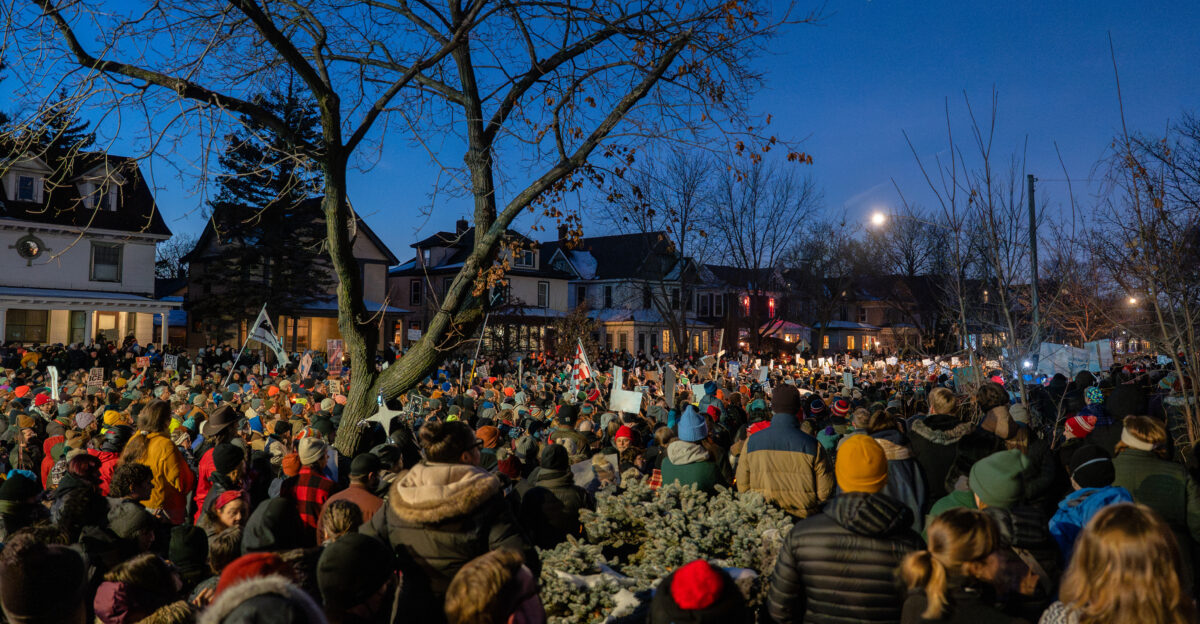
A deep generational divide is emerging over the use of federal military power. Younger Americans, shaped by skepticism toward government actions in Iraq and post-9/11 surveillance, are wary of military deployment.
Older generations, shaped by the 1960s and Vietnam War, have mixed views. This division will shape the political discourse on federal power for decades.
What Does America Become?
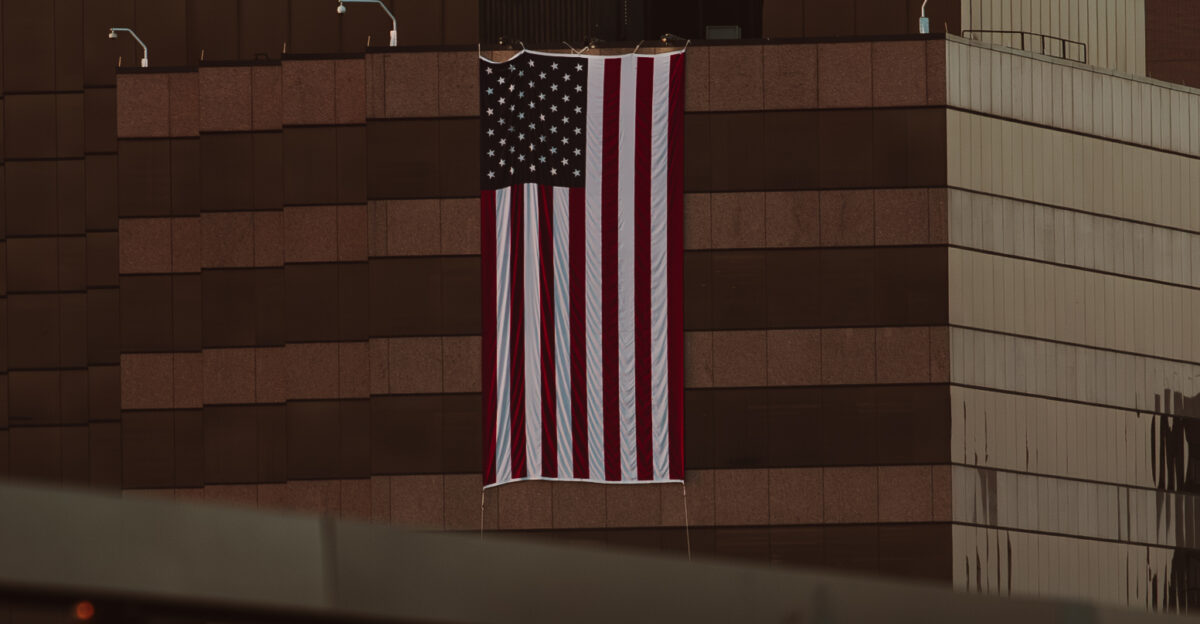
The decision to deploy federal troops to Minneapolis is more than just a response to unrest—it’s a decision that will define America’s commitment to civilian control of the military.
The stakes are far higher than the outcome of any single protest. This crisis will reshape how future generations view the role of the military in American society.
Sources:
U.S. News & World Report, Army Orders Military Police to Get Ready for a Possible Minneapolis Deployment, January 21, 2026
The New York Times, Military Police Troops Put on Alert for Possible Deployment to Minneapolis, January 21, 2026
Army Times, Army Orders Soldiers to Stand By for Possible Minneapolis Deployment, January 21, 2026
Yahoo News, Are Fort Bragg Troops Headed to Minneapolis? Here’s What We Know, January 22, 2026
CBS News, Active-Duty Soldiers Put on Standby as Minneapolis ICE Protests Grow, January 19, 2026
Military.com, Active Duty Troops and Minnesota National Guard Placed on Standby Amid Minneapolis Protests, January 18, 2026