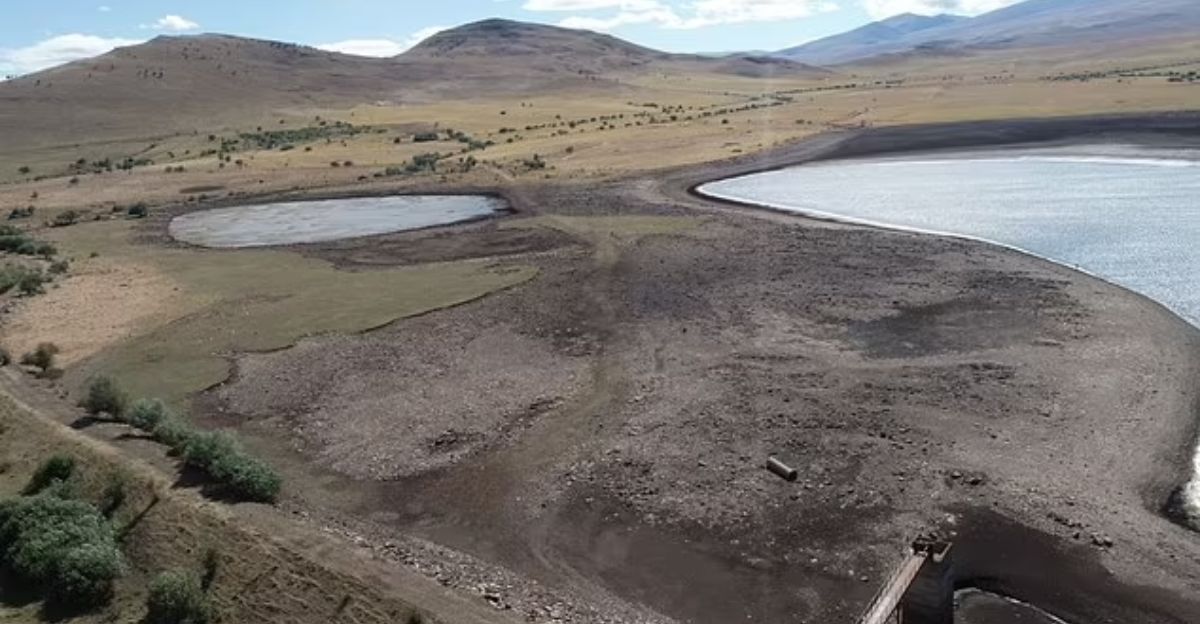
In late autumn 2021, a routine day of fishing on Georgia’s Bashplemi Lake turned into an extraordinary moment of discovery. As the water level dropped, mud pulled back to reveal a flat stone slab marked with strange symbols that no one on the shore could recognize. Local fishermen alerted authorities, and soon archaeologists and historians were on site, realizing they might be looking at something that had slept under the lake for thousands of years.
The stone was carefully removed and sent for detailed study, beginning a scientific investigation that is still unfolding. Early impressions hinted this was no ordinary rock, but a rare and possibly unique artifact containing a message from an unknown ancient culture.
A Small Tablet With a Big Story
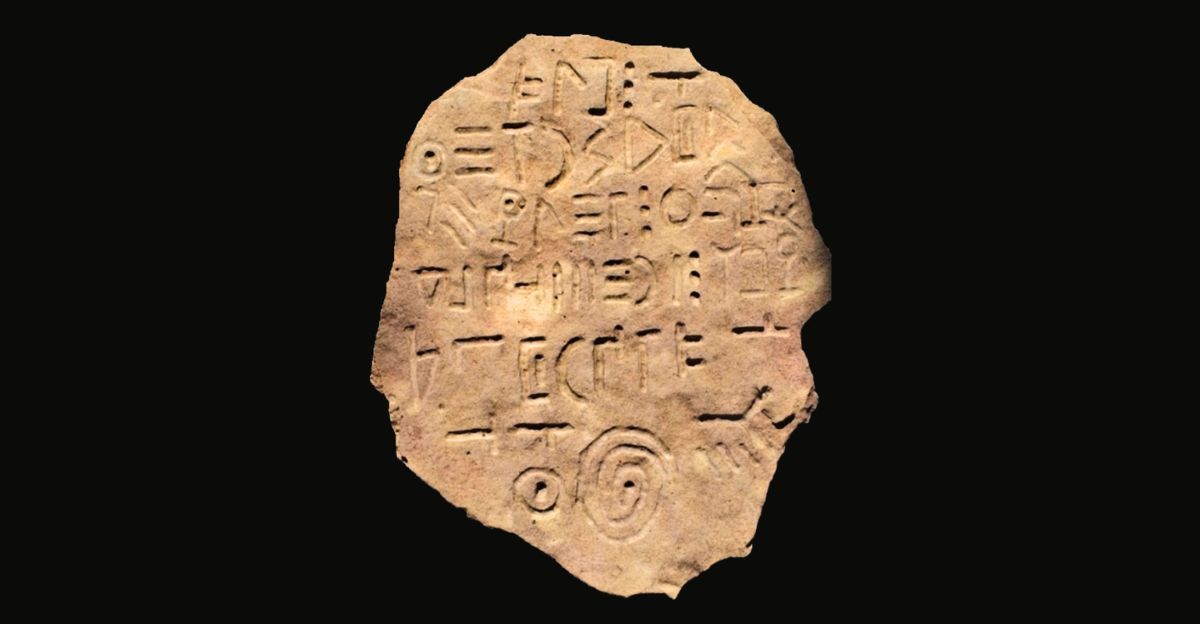
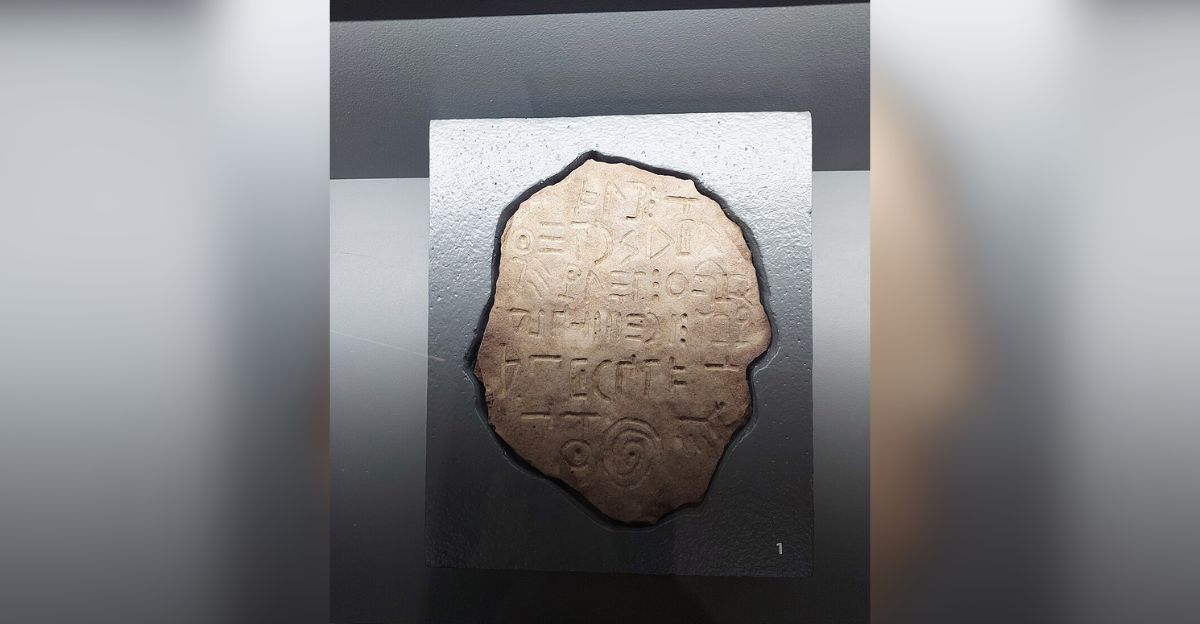
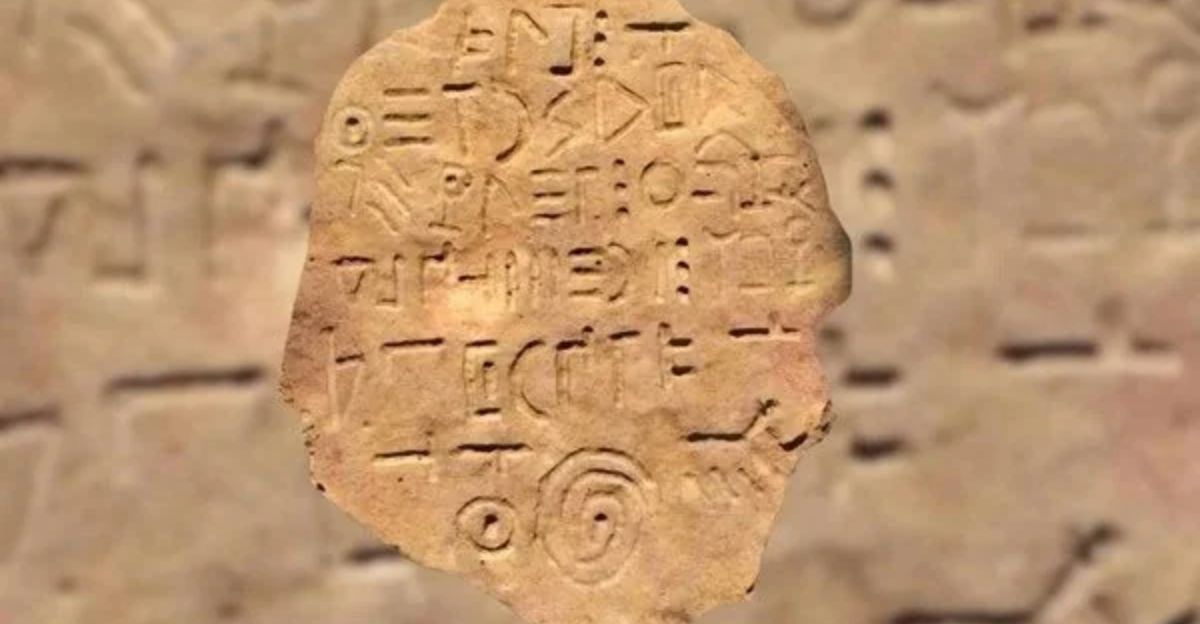
The Bashplemi tablet is surprisingly small: about 24 by 20 centimeters, roughly the size of a thin hardback book. It is carved from tough vesicular basalt, a porous volcanic rock that is difficult to shape, suggesting whoever made it thought the message was worth a serious effort. After its discovery, the tablet was transferred to Tbilisi State Medical University, where a team led by Professor Ramaz Shengelia began photographing, measuring, and scanning every symbol and surface detail.
The slab’s face carries an organized set of characters rather than random scratches, immediately signaling that it is part of a deliberate writing system. For scholars of the Caucasus, the object quickly became a potential game-changer.
A Tablet in the Shadow of the Bronze Age
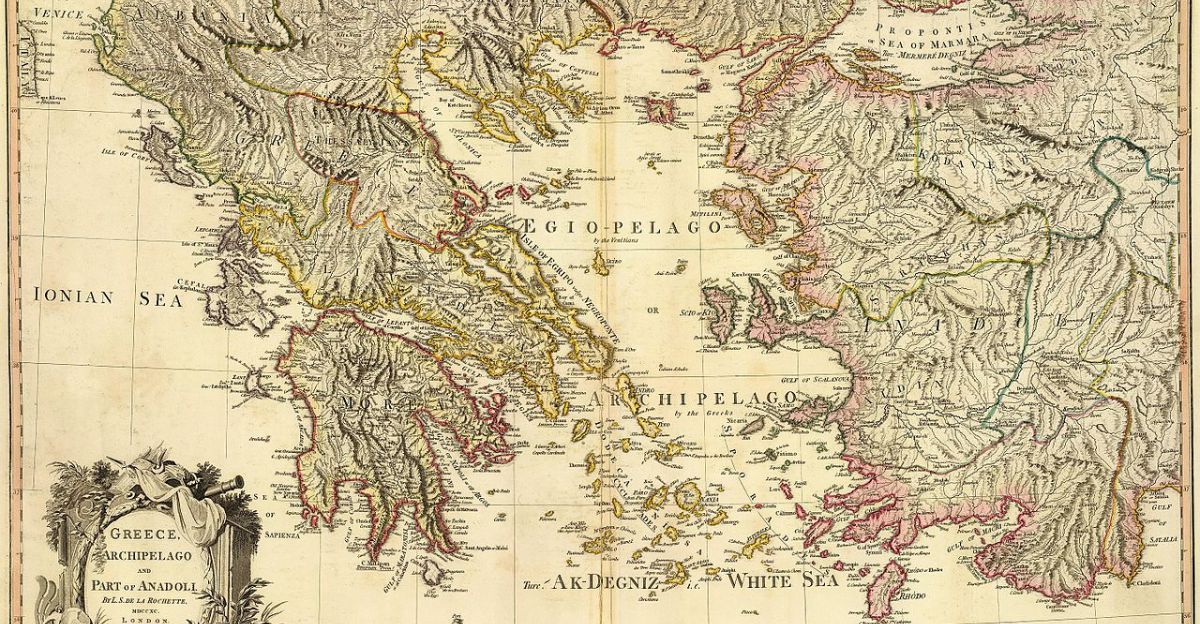
To understand why this tablet matters, you have to look at the world around 1200–800 BCE, when powerful states across the Mediterranean and Near East were busy writing on clay, papyrus, and stone. In Egypt, Mesopotamia, and later Greece, writing systems helped governments track taxes, armies, and religious rituals. Yet for the Caucasus, wedged between Eastern Europe and Western Asia, the record from this same period is thin and often indirect.
Greek authors wrote of Colchis and Iberia as organized societies, sometimes hinting at literacy, but did not preserve their alphabets or documents. Without local inscriptions, historians had to guess how, or even whether, people here wrote their own languages.
Old Questions, New Clues
For decades, scholars puzzled over why the Caucasus left so few written traces compared with neighboring regions. Ancient stories mention treasures, rituals, and royal courts in Colchis, but inscriptions from those societies never seemed to surface.
Stone inscriptions are rare because they are harder to produce, but when they survive, they offer precious glimpses of lost worlds. The Bashplemi tablet highlights a troubling possibility, that entire writing systems may have flourished and disappeared, leaving almost nothing behind.
Sixty Symbols, No Known Language
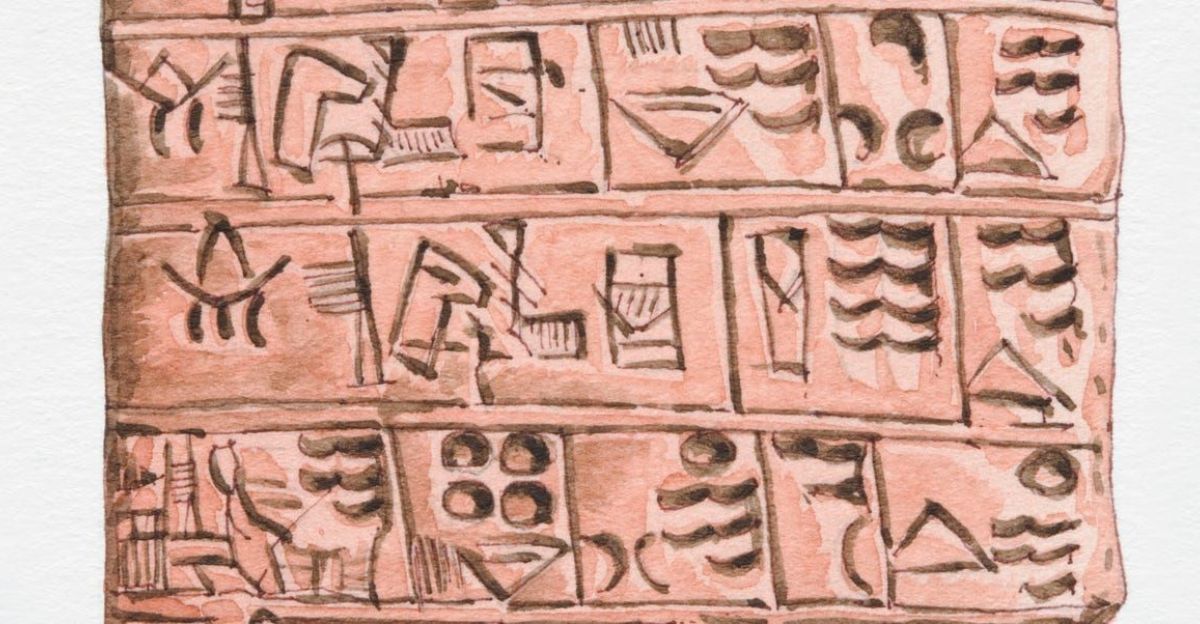
The heart of the mystery lies in the writing itself. The Bashplemi tablet carries 60 signs arranged in seven neatly ordered registers, or lines, across its face. Of these, 39 appear to be unique symbols that occur only once in the inscription. Shengelia’s team compared the shapes against more than 20 known scripts from the Near East, Mediterranean, India, Egypt, and Iberian regions.
Despite some visual echoes, the scholars concluded the text could not be mapped onto any established writing system. In their published study, they write, “Generally, the Bashplemi inscription does not repeat any script known to us.” That line has since become the key sentence quoted in reports around the world.
Rethinking Ancient Georgia
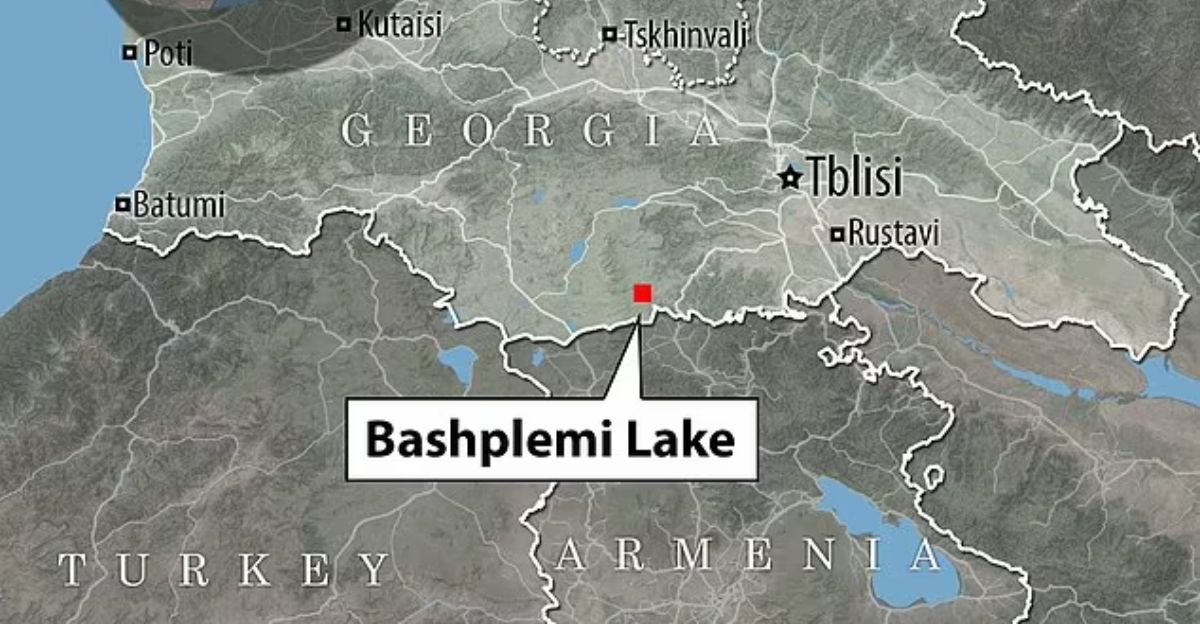
Once you accept that the tablet’s script is unknown, the implications for Georgia’s deep past become enormous. The find strongly suggests that a literate culture existed in the region around Bashplemi Lake during the Late Bronze or early Iron Age, even though no other texts from that culture have been identified so far.
For historians, this means large sections of Georgia’s early written history may be missing, not because they never existed, but because they have not yet been found or have decayed away. It challenges older views that placed the Caucasus on the fringes of major civilization zones.
The Team Behind the Mystery

At the center of this investigation is Professor Ramaz Shengelia, a Georgian historian whose name is now closely tied to the Bashplemi tablet. Working with colleagues Levan Gordeziani, Nikoloz Tushabramishvili, Nodar Poporadze, and Othar Zourabichvili, he has spent years cataloguing each sign and testing ideas about the inscription’s origins and meaning.
Their main academic report appeared in the Journal of Ancient History and Archaeology in 2024, laying out the evidence for an unknown script. In May 2025, Shengelia presented the project at the University of Helsinki’s AMME seminar titled “Deciphering Lost Languages,” placing the Bashplemi tablet alongside other undeciphered scripts under active study.
Similarities Without a Match
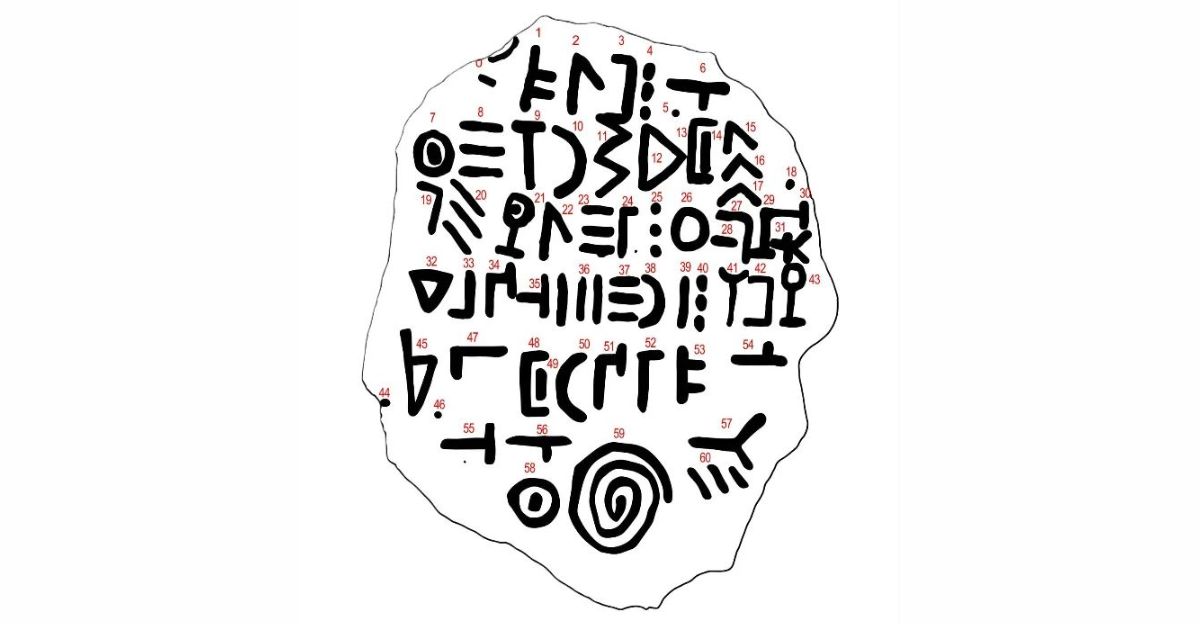
To make sense of the signs, the research team used comparative analysis, lining up Bashplemi characters next to other scripts to see where shapes overlap. They found that some symbols resemble letters or signs from Middle Eastern alphabets, ancient Brahmi from India, Egyptian systems, and Iberian scripts from the western Mediterranean.
The strongest visual parallels, however, showed up in Caucasian traditions, including Georgian Mrgvlovani and Albanian-related scripts, as well as forms associated with Proto-Kartvelian language traditions.
How the Tablet Was Carved

Microscopic studies of the tablet’s surface reveal that the inscription was produced using a sophisticated two-step method. First, the carver seems to have used a conical drill to outline each character with small pits, carefully marking the main contours. Then a smoother, round-headed tool was applied to connect these pits into continuous lines, creating characters with even depth and rounded ends.
This level of control is notable because basalt is a very hard rock, far from ideal for casual carving. The consistent technique across all 60 signs suggests a trained craftsperson working within an established tradition, not a one-off experiment.
What the Message Might Say
Because nobody can yet read the script, interpretations of the tablet’s content remain educated guesses. Still, patterns in the signs offer clues. Several characters appear repeatedly, hinting at standard words, titles, or formulaic phrases often found in official or religious texts.
Shengelia’s team believes some symbols likely represent numerals, reinforcing the idea that the text could be recording quantities or lists. Drawing on these features, researchers propose three main possibilities: the inscription may list war booty or tribute, describe a construction project, or record a dedication to a deity.
Dating a Stone Without a Clock
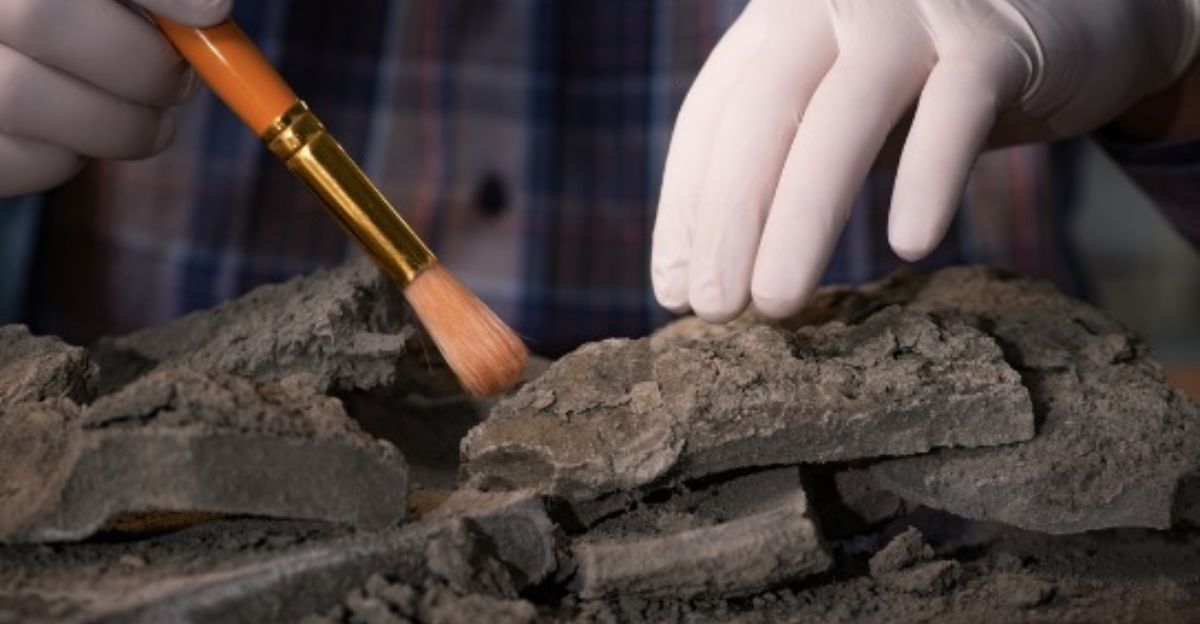
Stone cannot be radiocarbon dated, so the age of the Bashplemi tablet must be inferred from context rather than measured directly. Archaeologists looked instead at associated finds, including pottery fragments and a stone mortar from the surrounding area, which match Late Bronze or early Iron Age material.
One arrangement closely mirrors the layout of the Didnauri settlement in southeastern Georgia, a site dated to the 14th–12th centuries BCE. Taken together, these clues point to the first millennium BCE as the most likely timeframe for the tablet.
The Frustration of Uncertain Dates
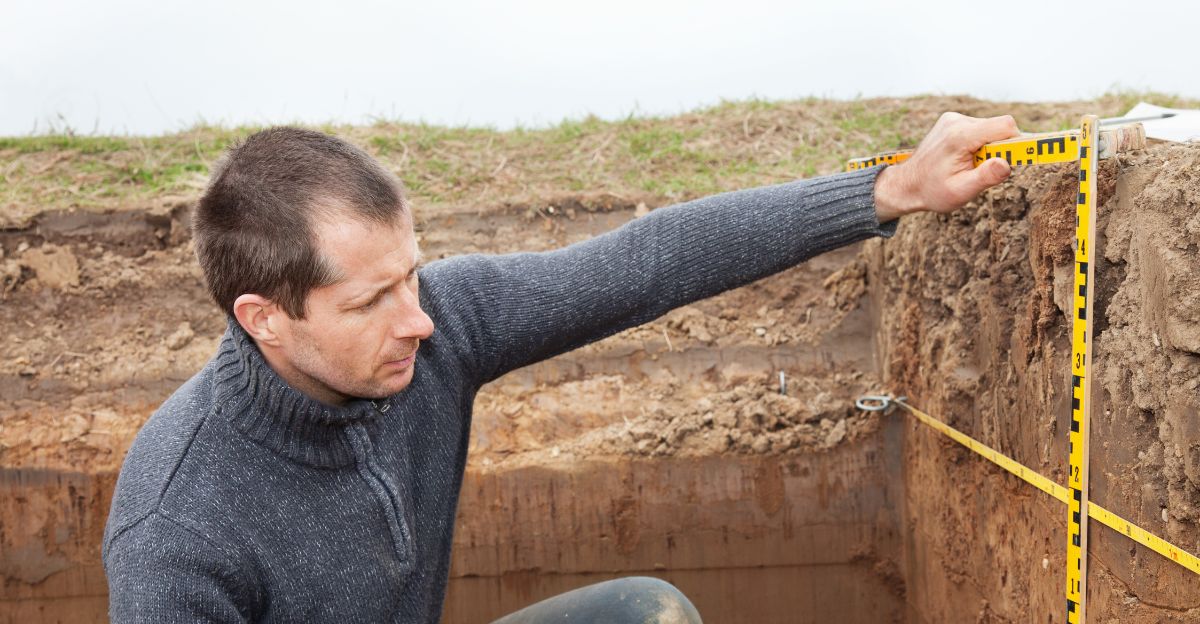
For historians and archaeologists, not knowing the tablet’s exact age is more than a minor annoyance, it limits almost every conclusion they might want to draw. Because the slab was found on an exposed lakeshore rather than buried in a sealed, well-documented archaeological layer, the team cannot be absolutely sure when it was carved or how long it lay in that environment.
This ambiguity makes it difficult to link the inscription to specific cultures, rulers, or known events in regional history. The likely window, Late Bronze to early Iron Age, spans several centuries, leaving a wide margin.
Searching the Lake’s Shores
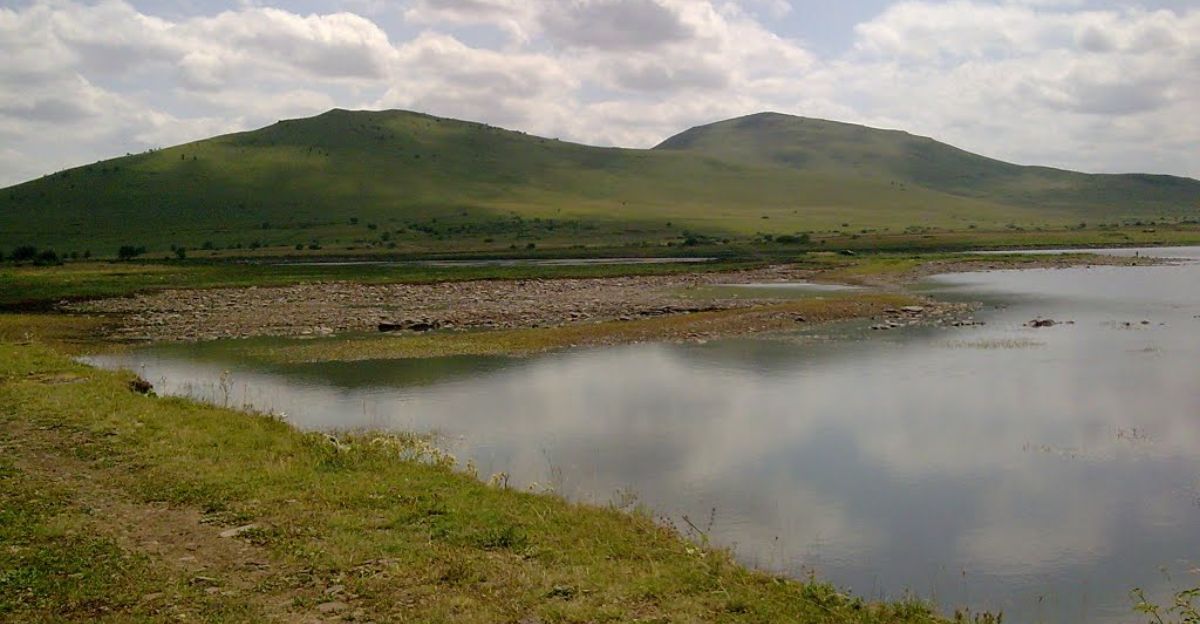
Rather than treating the tablet as a one-off curiosity, Shengelia’s team has turned Bashplemi Lake into an active research zone. Systematic surveys now cover the shoreline and nearby slopes, searching for traces of settlements, workshops, storage pits, or ritual sites that might explain who carved the stone and why.
Researchers use drones, ground inspection, and mapping tools to document patterns in vegetation and stone alignments that could signal buried structures. Optical and electronic microscopy tests confirmed that the tablet is made of local vesicular basalt, identical to rock formations around the lake.
Why Experts Remain Skeptical
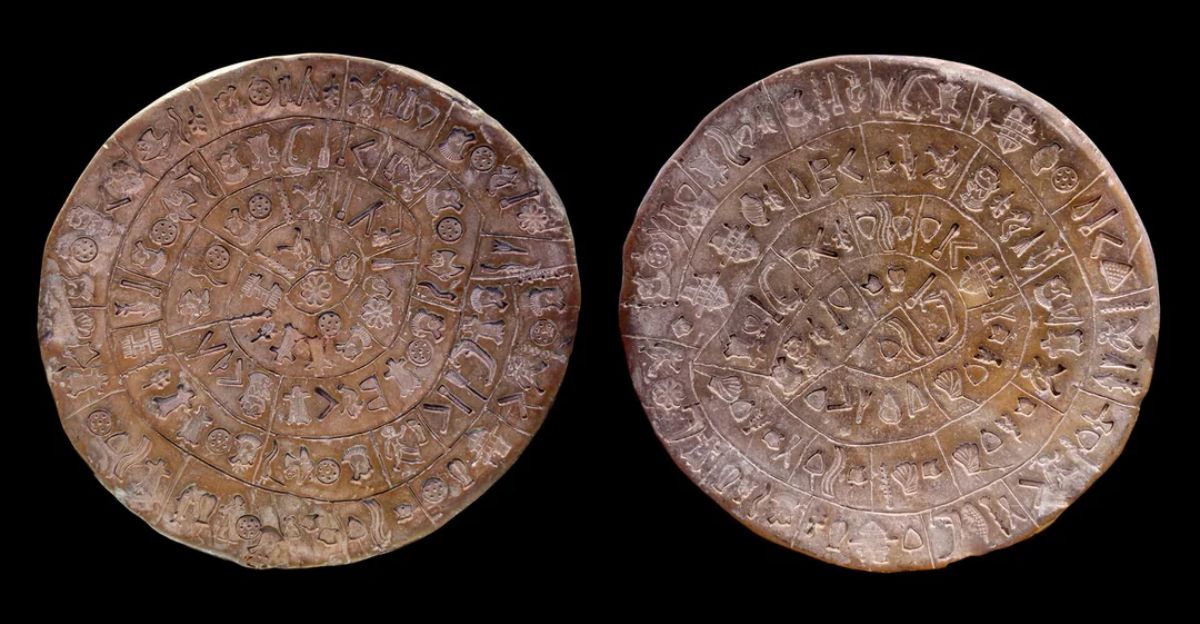
Despite the excitement, specialists in undeciphered writing urge patience and skepticism about how much can realistically be learned from a single artifact. History is full of scripts that have resisted efforts at decoding, including the mysterious Phaistos
Disk from Crete and the Indus Valley inscriptions. Without a larger body of texts or a bilingual inscription linking the unknown script to a known language, even the smartest algorithms and most creative scholars hit a wall. Several experts have publicly warned that the Bashplemi script may remain unreadable for decades, or perhaps indefinitely.
Waiting for a Rosetta Stone
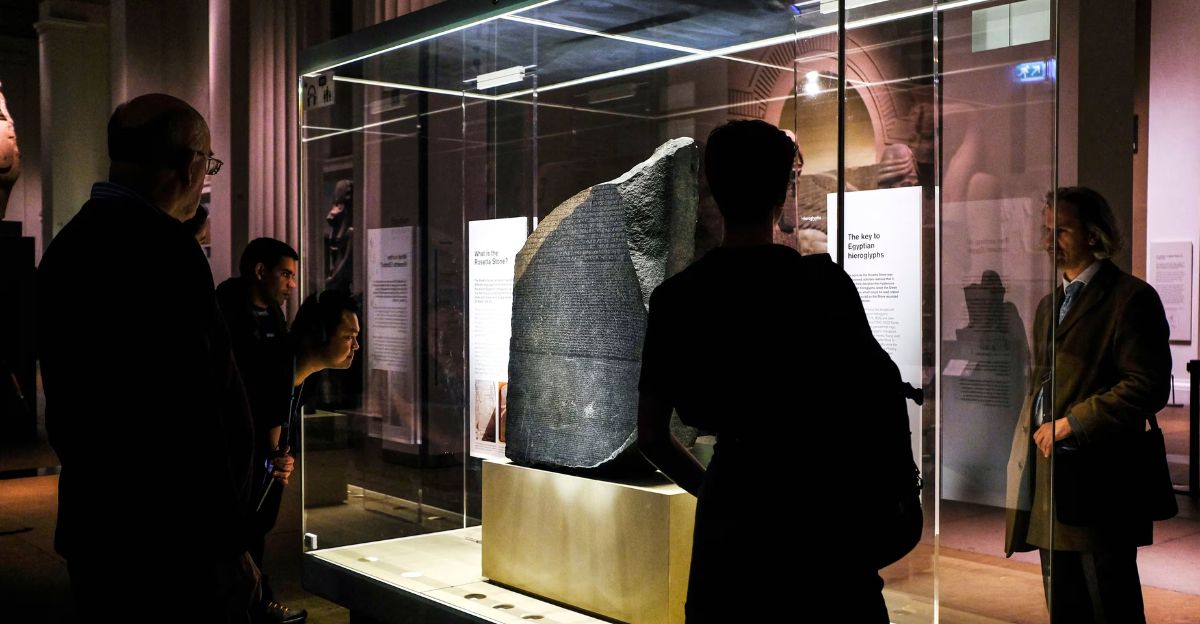
The Rosetta Stone is the classic example of how a bilingual text can open a locked script: the same message written in Greek and Egyptian finally allowed scholars to crack hieroglyphics. Many researchers now see the Bashplemi tablet in similar terms, an extraordinary find that still needs its counterpart.
That could provide a key for aligning Bashplemi characters with known words or sounds. So far, however, no such object has appeared. Some scholars even raise the possibility that the tablet may represent an isolated or short-lived writing experiment, leaving no other surviving examples.
Changing the Map of Ancient Literacy
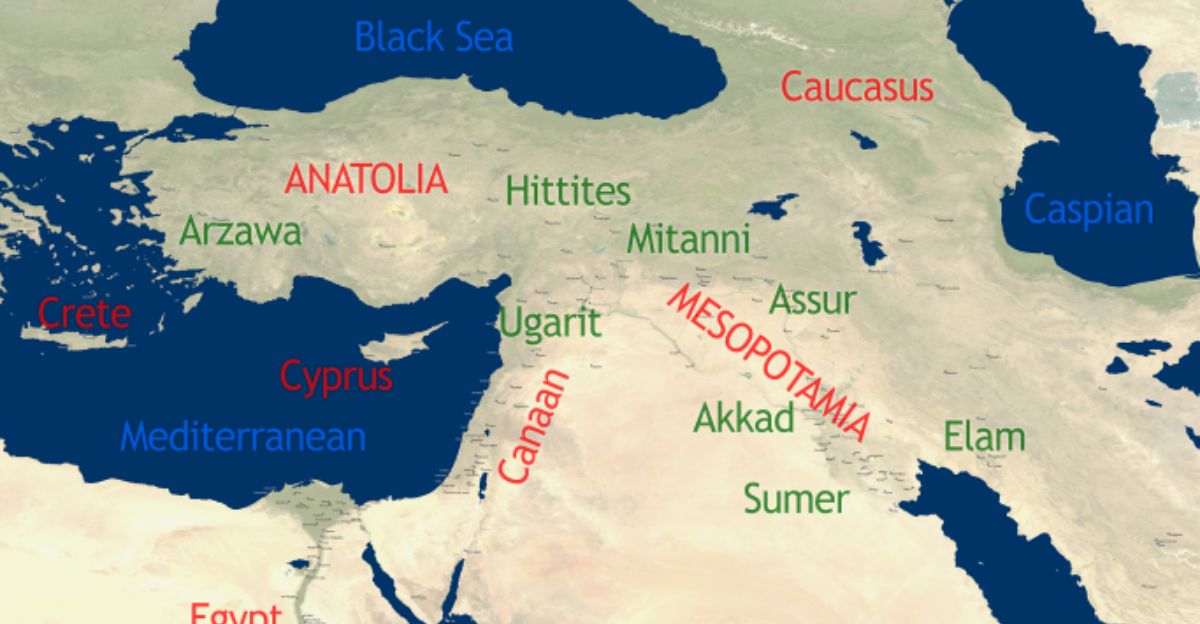
Beyond the puzzle of the script itself, the Bashplemi tablet carries political and historical weight. For years, academic narratives have emphasized that true centers of early writing lay primarily around the Mediterranean, Mesopotamia, and the Nile.
Regions like the Caucasus were often treated as cultural sidelines or buffer zones. The appearance of a complex, apparently local script carved on durable stone undermines that hierarchy. It suggests that people in what is now Georgia may have developed or adopted their own writing traditions earlier and more fully than previously assumed.
A Global Academic Spotlight
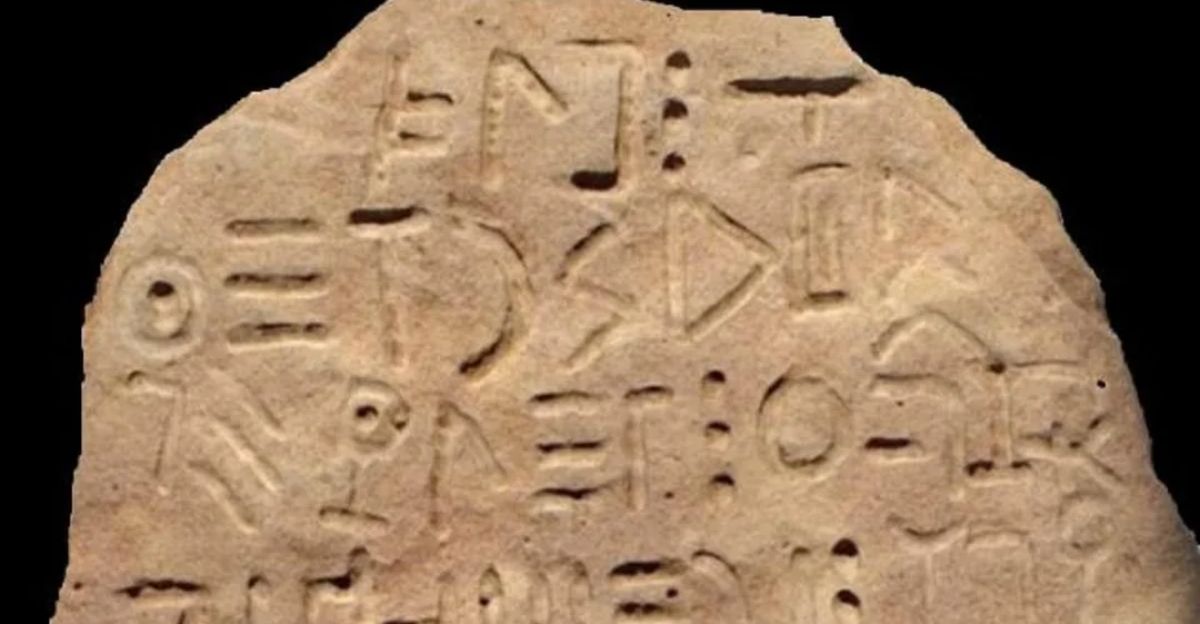
Since the first reports appeared, the Bashplemi tablet has drawn international attention from archaeologists, linguists, and history enthusiasts. The core research was published in the Journal of Ancient History and Archaeology in 2024, giving the inscription formal academic visibility.
The University of Helsinki’s “Deciphering Lost Languages” seminar in May 2025 featured Shengelia’s talk alongside broader discussions on how to crack undeciphered scripts. Other conferences have started including Bashplemi in panels about Bronze Age writing and the limits of current decipherment methods.
Handling a Chance Discovery

The Bashplemi tablet also raises important questions about archaeological method and ethics. Because fishermen, not archaeologists, found the stone, there was no systematic excavation around it at the time of discovery. That means some contextual clues, such as precise depth, orientation, or nearby micro-artifacts may be lost forever.
Researchers have since tried to reconstruct the setting using environmental surveys, aerial photography, and targeted fieldwork, but they acknowledge that retroactive documentation is never as strong as information recorded in the moment.
A Challenge to Old Narratives
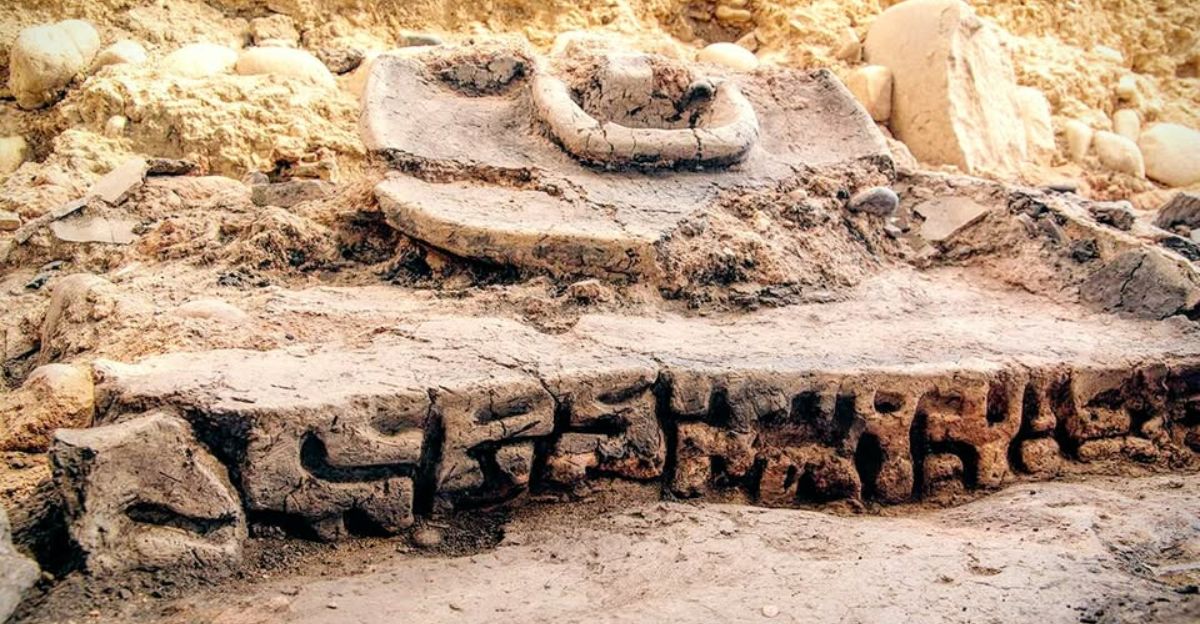
Culturally, the Bashplemi tablet becomes part of a broader shift in how historians tell the story of the ancient world. For generations, textbooks centered on a narrow set of classic civilizations, leaving smaller or less well-documented societies at the edges.
Younger archaeologists, especially, are questioning these old priorities and pushing for more inclusive, non‑Eurocentric frameworks. The Bashplemi find supports that push by showing that complex writing traditions may be hiding in places that earlier scholars overlooked or dismissed.
A Monument to Lost Voices
In the end, the Bashplemi tablet is both a solid piece of basalt and a powerful metaphor. It shows that entire writing systems, and the people who used them can slip almost completely out of view, leaving behind only a single, fragile thread. At the same time, its discovery proves that such threads still exist, waiting in riverbeds, lake shores, and forgotten fields around the world.
The Bashplemi tablet is a reminder of how much remains unknown and how much work lies ahead. It calls for humility from experts, openness to surprise, and continued exploration.
Sources:
Earth com, 60 carved signs on stone slab defy every known script, 2026-01-20
Indian Defence Review, Is This a Lost Language? Ancient Stone Tablet Pulled from Lake with Mysterious Symbols, 2026-01-20
The Travel, Experts Are Still Uncertain Over Language In Rare Stone Tablet at Lake Bashplemi, 2025-05-18
Helsinki University, AMME Seminar 6.5.2025 “Deciphering Lost Languages”, 2025-04-25