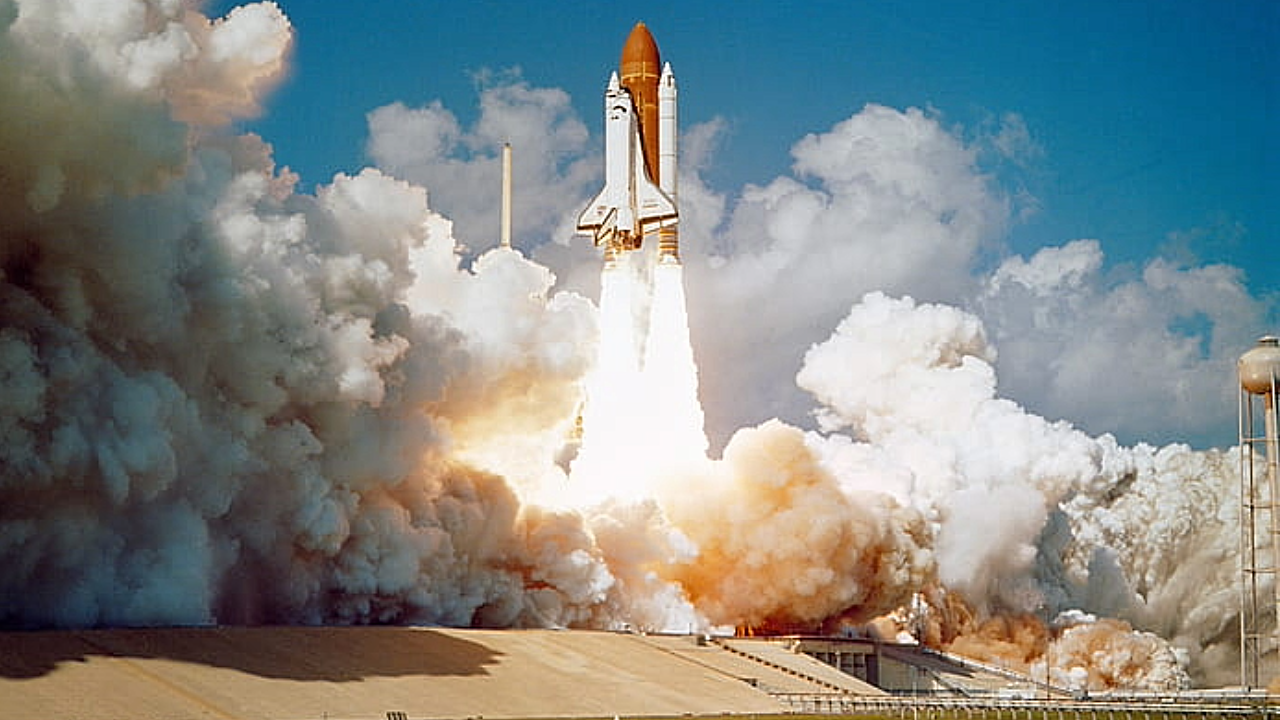
The thick smoke swirled as astronauts fought to escape. January 1967 marked one of the darkest days in space history: Apollo 1’s catastrophic fire. In seconds, three brave souls lost their lives, and spaceflight was forever altered. This disaster sparked a complete overhaul in NASA’s safety measures, reshaping the future of space exploration.
Apollo 1’s disaster wasn’t the only incident in humanity’s venture to better understand the stars. From the Challenger breaking apart to X-15’s tragic crash, space exploration comes with a heavy toll.
Apollo 1 Tragedy: The Catalyst for Change
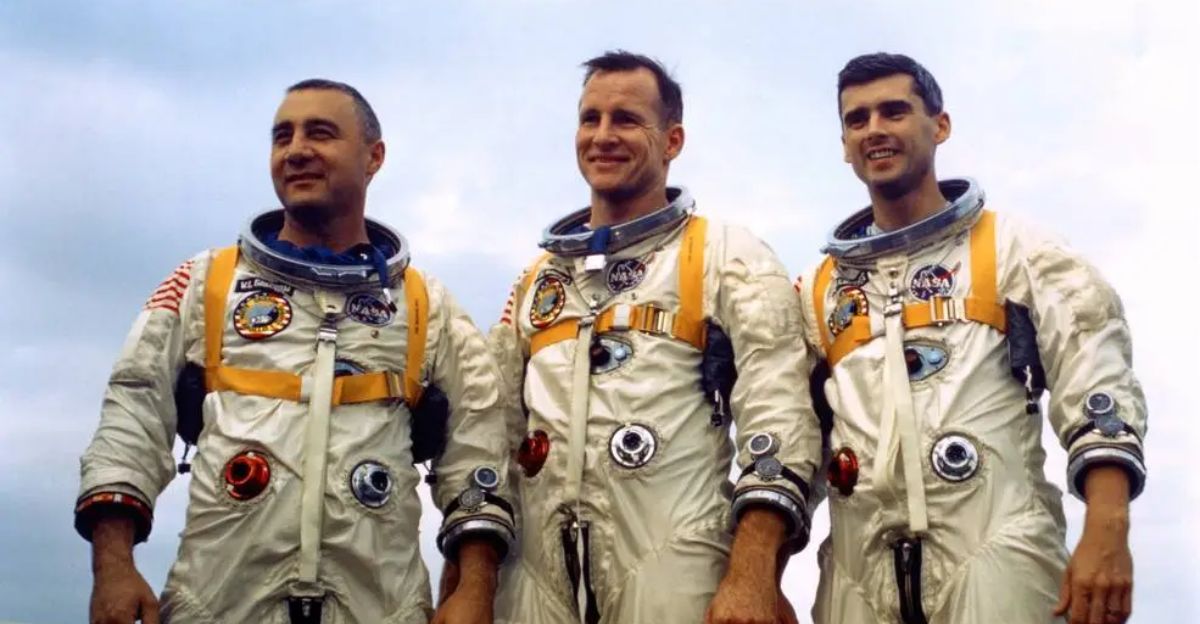
On January 27, 1967, a fire during a pre-launch test took the lives of astronauts Gus Grissom, Ed White, and Roger B. Chaffee. The fire, which spread rapidly in a high-pressure pure oxygen environment and was likely triggered by an electrical fault, highlighted crucial flaws in spacecraft safety. The tragedy forced NASA to reassess its entire approach to spaceflight.
This devastating event led to major changes in NASA’s spacecraft design and procedures. It initiated improvements such as replacing the pure oxygen atmosphere used on the ground with a safer oxygen-nitrogen mixture for tests, which significantly increased astronaut safety in future missions.
Challenger Disaster: A Nation in Shock
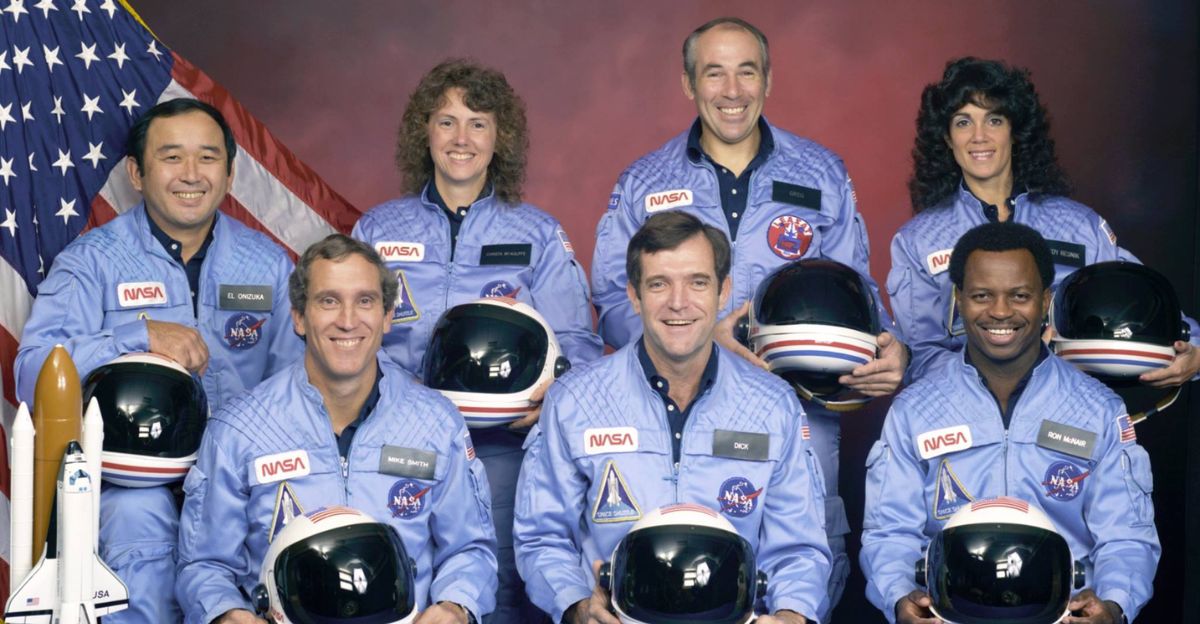
January 28, 1986: The Space Shuttle Challenger broke apart 73 seconds after launch, claiming the lives of seven astronauts, including teacher Christa McAuliffe. A failure of the solid rocket booster O-ring seals in cold weather allowed hot gas to escape and damage the external tank. This tragedy led to a redesign of the boosters and sweeping changes in NASA’s safety protocols.
The Challenger loss prompted an independent investigation and a broad re-evaluation of the shuttle program. It resulted in improved mission protocols and safety measures that would change the way NASA approached space missions in the years to come.
The Columbia Disaster: A Dreaded Re-Entry
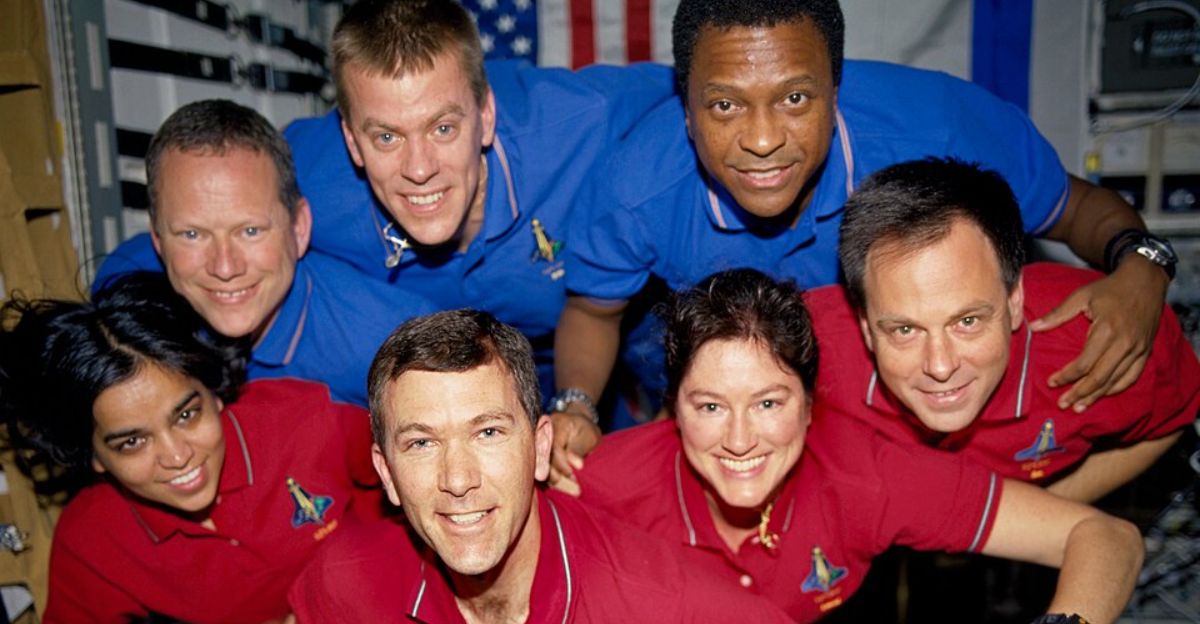
On February 1, 2003, the Space Shuttle Columbia disintegrated during re-entry, killing all seven crew members. The cause was a piece of foam insulation that struck the shuttle’s wing during launch, damaging the thermal protection system. This damage led to the destruction of Columbia as it re-entered Earth’s atmosphere.
The loss of Columbia led to extensive investigations and the suspension of shuttle flights. NASA implemented new safety measures, including rigorous inspections of shuttle wings and on-orbit inspection techniques, which became standard procedure for subsequent missions.
Soyuz 11: A Soviet Tragedy
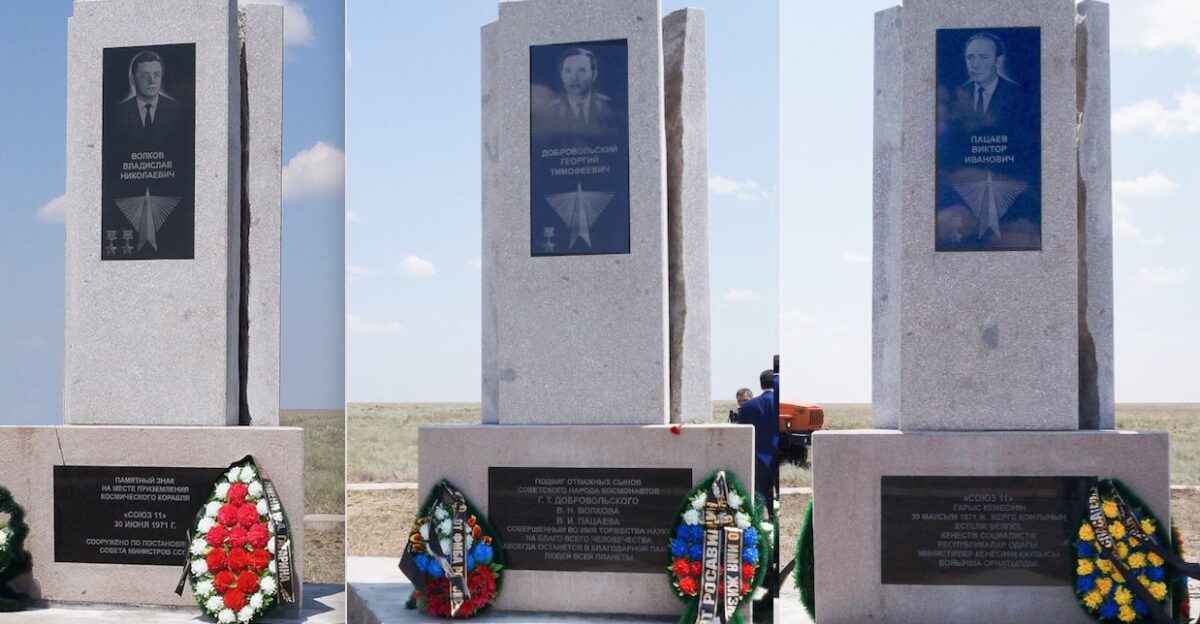
On June 30, 1971, Soyuz 11’s crew of Georgi Dobrovolski, Viktor Patsayev, and Vladislav Volkov died during re-entry after undocking from the Salyut 1 space station. A cabin valve opened prematurely, causing depressurization of the descent module. The accident led to critical changes in Soviet spacecraft design, including requiring cosmonauts to wear pressure suits during key mission phases.
The Soyuz 11 tragedy had profound implications for Soviet space missions. It highlighted the need for better safety features and protocols, especially for space station missions, ultimately resulting in significant design and operational improvements.
Apollo 13: A Heroic Failure
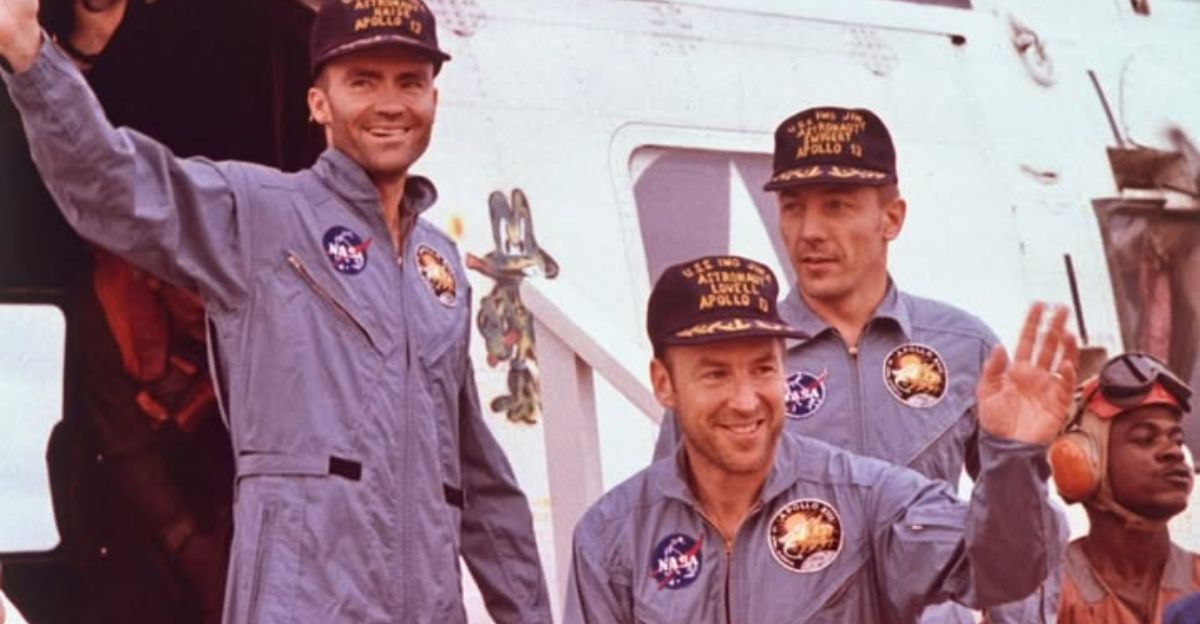
On April 13, 1970, an oxygen tank explosion crippled Apollo 13 on its way to the Moon. Despite the explosion, astronauts Jim Lovell, Jack Swigert, and Fred Haise used ingenuity and teamwork with Mission Control to safely return to Earth. The mission’s success in the face of disaster improved NASA’s risk management and led to advancements in spacecraft life-support and contingency planning.
Although not fatal, Apollo 13’s problems exposed weaknesses in NASA’s approach to emergency scenarios. The event led to the creation of new safety protocols and better training for astronauts to handle unforeseen challenges during space missions.
Soyuz T-10-1: The Launch Pad Fire
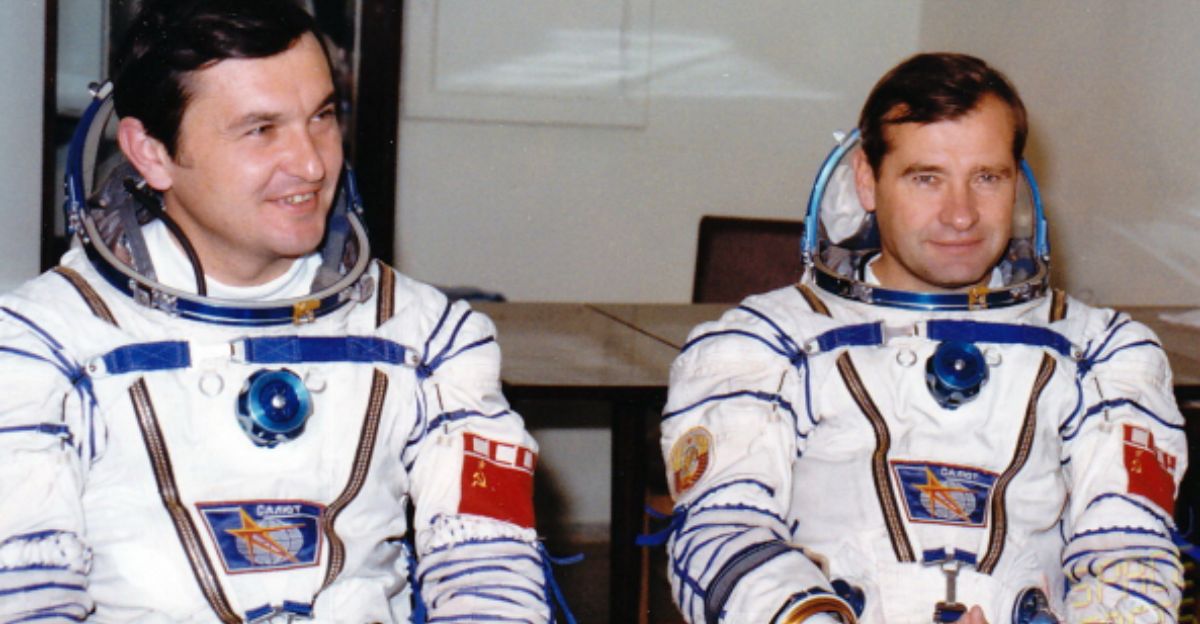
On September 26, 1983, a fire broke out on the launch pad just before the launch of the Soyuz T-10-1 mission. The launch escape system fired seconds before the booster exploded, allowing cosmonauts Vladimir Titov and Gennady Strekalov to eject and narrowly escape disaster. The incident reinforced the importance of robust launch escape systems, enhancing crew safety during launch emergencies.
The Soyuz T-10-1 near-disaster was a close call that pushed for further improvements in spacecraft safety mechanisms. The proven effectiveness of the launch escape system became a crucial advancement, significantly improving crew protection during high-risk launches.
X-15 Crash: Pushing the Limits
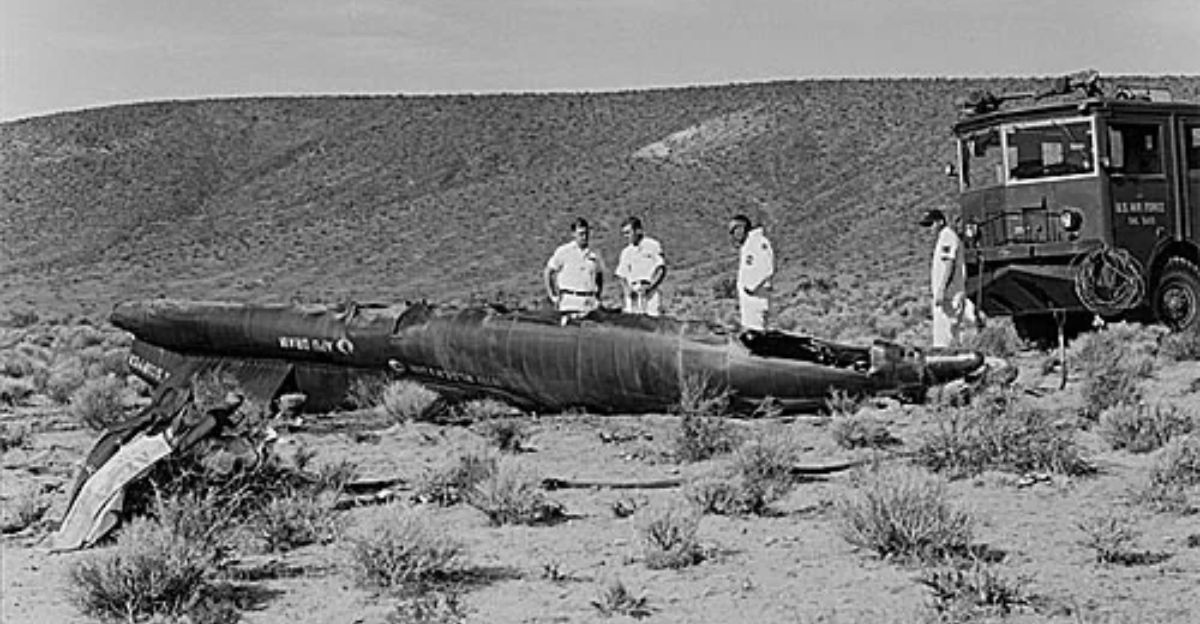
On November 15, 1967, X-15 pilot Michael J. Adams lost control of the experimental rocket-powered aircraft during a high-altitude flight. The vehicle entered a spin and broke apart, killing Adams. This accident prompted NASA and the U.S. Air Force to refine high-speed, high-altitude flight protocols and invest in better instruments and procedures for handling the extreme conditions at the edge of space.
The X-15 crash marked a turning point for high-speed flight safety. It led to the development of more reliable systems for monitoring and controlling vehicles during re-entry and to improvements that influenced later spacecraft design and operations.
Soyuz 1: A Fatal Parachute Failure

On April 24, 1967, Soyuz 1 crashed during re-entry due to the failure of its main parachute to deploy correctly, killing cosmonaut Vladimir Komarov. Problems with the spacecraft had been identified during development, and the parachute system did not function as intended. The failure led to major changes in Soviet spacecraft design and more rigorous testing of space capsule systems.
The Soyuz 1 disaster became a turning point for the Soviet space program. It highlighted flaws in spacecraft design and testing protocols, which led to improvements in parachute systems and the development of enhanced safety measures for cosmonauts.
Mars Climate Orbiter: A Simple Mistake
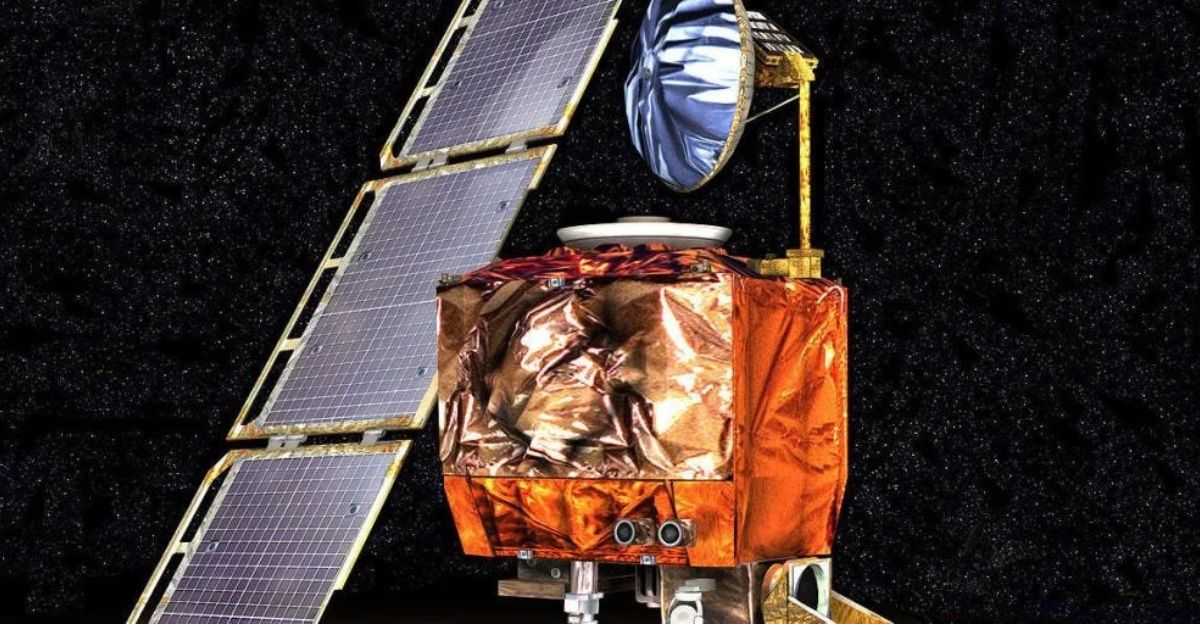
In 1999, NASA’s Mars Climate Orbiter was lost when a navigation error sent it too low into the Martian atmosphere. The mistake arose from a mismatch between metric and imperial units in different parts of the software. The failure highlighted the need for strict cross-checks on mission details and unit consistency across teams.
The Mars Climate Orbiter loss underscored the importance of attention to detail in space science and engineering. It prompted NASA to implement more stringent quality control measures, helping future missions avoid similar mistakes.
Apollo 12: Lightning Strikes
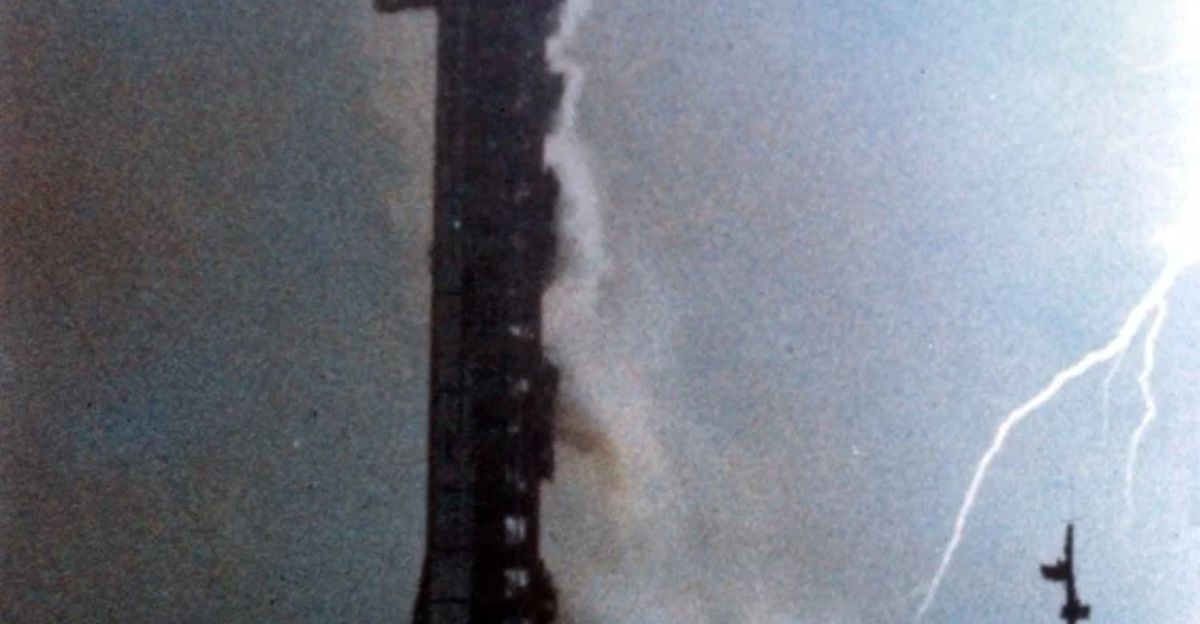
On November 14, 1969, lightning struck the Apollo 12 launch vehicle during ascent, causing power loss and temporary system failures. Despite the incident, the crew and flight controllers restored systems and successfully continued the mission to the Moon. This event led to NASA’s development of stronger protection systems and launch rules to shield rockets from lightning and other environmental hazards.
The lightning strike during Apollo 12’s launch revealed vulnerabilities in spacecraft and ground procedures during ascent. NASA used the incident to improve lightning protection measures and develop more robust environmental safety protocols for future launches.
Salyut 7: A Station in Trouble
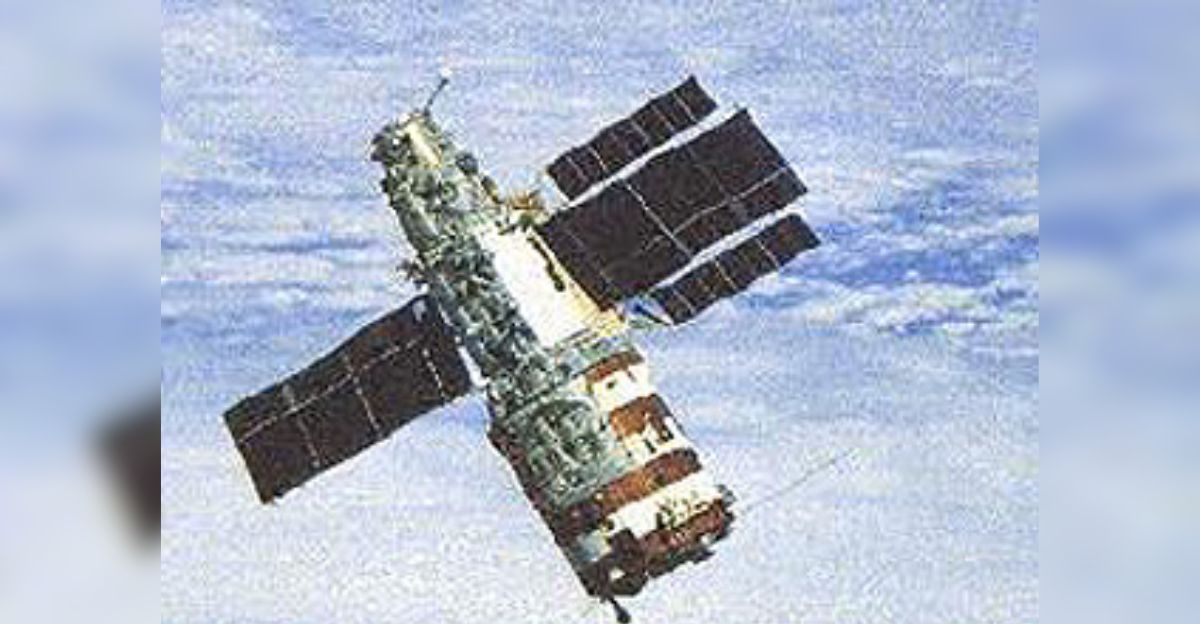
In 1985, the Soviet space station Salyut 7 experienced serious technical problems, including power and control failures that left it unresponsive. A later mission had to dock manually and restore its systems, demonstrating how crews could recover a seemingly “dead” station. These challenges inspired new protocols for spacecraft maintenance and repair on long-term space missions.
The difficulties with Salyut 7 prompted significant changes in how space stations were monitored and operated. They led to improvements in the training of cosmonauts, with a focus on troubleshooting and repair techniques to avoid similar crises in the future.
Tethered Satellite Setback
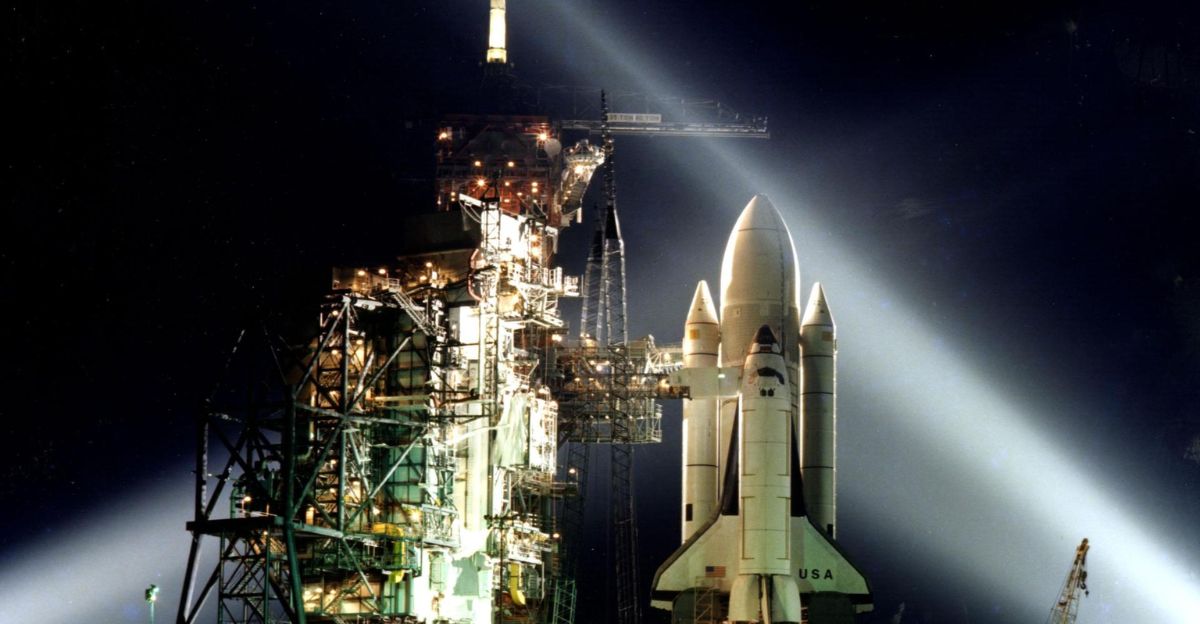
On February 25, 1996, during the STS-75 mission of Space Shuttle Columbia, NASA’s Tethered Satellite System was deployed but lost when the tether snapped. The satellite drifted away into space, leading to a reevaluation of the challenges involved in deploying large tethered objects in orbit. This incident contributed to updated safety and design guidelines for satellite and tether missions.
The Tethered Satellite setback revealed the challenges of controlling large space-based tether systems. It led NASA and its partners to refine guidelines for deploying and recovering satellites and to improve tether materials and designs to reduce the risk of similar failures.
Star City Fire: A Training Facility Incident

In the early years of the Soviet space program, a fire at training facilities near the Star City cosmonaut center damaged infrastructure and highlighted safety gaps on the ground. Although detailed public information is limited, such incidents helped drive an overhaul of fire safety measures at space training centers. New protocols were introduced to protect personnel and equipment from future accidents during training.
Incidents like the Star City fire forced the Soviet space program to reassess safety standards in its training facilities. This led to wider use of fire-resistant materials, enhanced evacuation procedures, and better training for crews to deal with emergency situations during preparation.
Hubble Telescope: A Multi-Billion-Dollar Fix
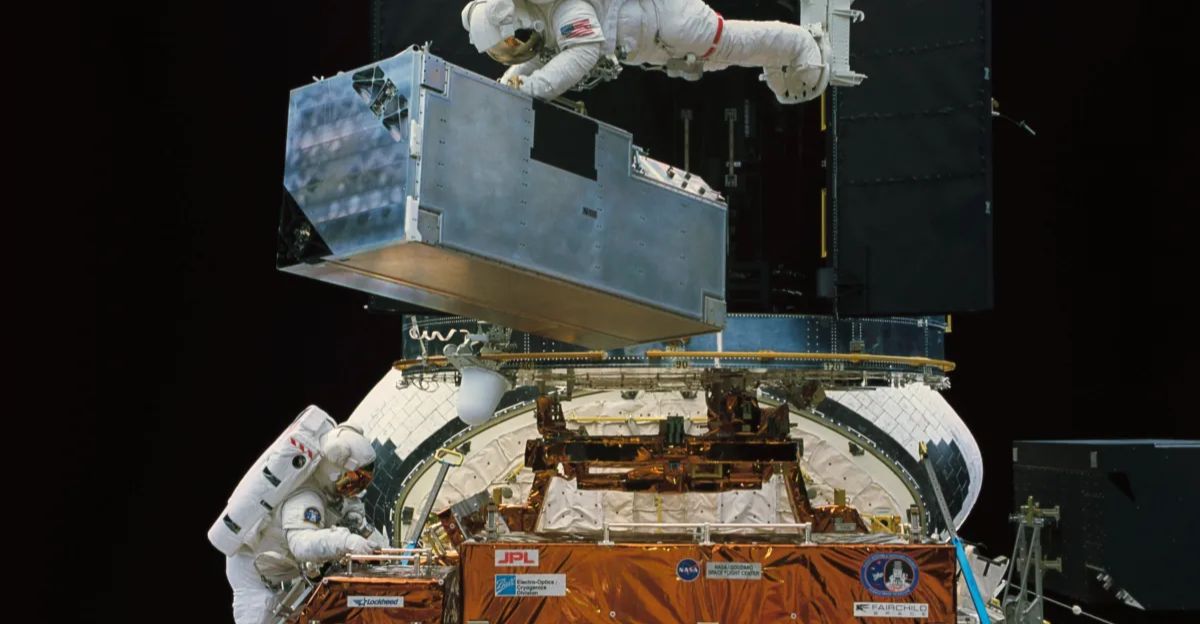
In 1990, NASA’s Hubble Space Telescope launched with a flawed primary mirror that suffered from spherical aberration. This defect initially prevented the telescope from achieving sharp focus. In 1993, astronauts performed a repair mission to install corrective optics, demonstrating the possibility of complex on-orbit repairs. The success of this mission was pivotal for future space equipment maintenance.
The correction of Hubble’s mirror flaw proved that astronauts could repair and upgrade space equipment in orbit. This mission became a milestone in space engineering, laying the groundwork for future servicing of satellites and space-based observatories.
Skylab: A Space Station in Peril
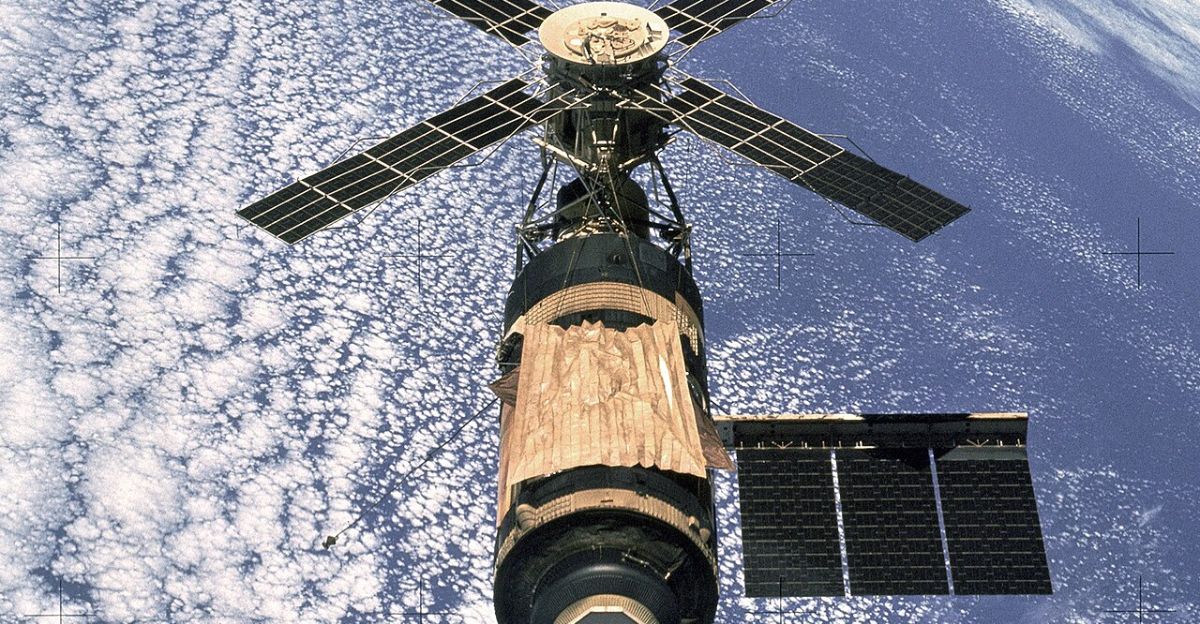
In 1973, NASA’s first space station, Skylab, was damaged during launch when it lost its micrometeoroid shield and one solar array. The damage reduced power and exposed the station to higher temperatures, threatening its ability to support crews. Skylab’s problems led to the development and use of in-orbit repair techniques and better protective measures for future space stations.
The damage to Skylab emphasized the need for better shields and protective structures for space stations. It also led to improvements in safety protocols for missions involving long-term space habitation and the deployment of critical space infrastructure.
LDEF Satellite: Unexpected Wear and Tear
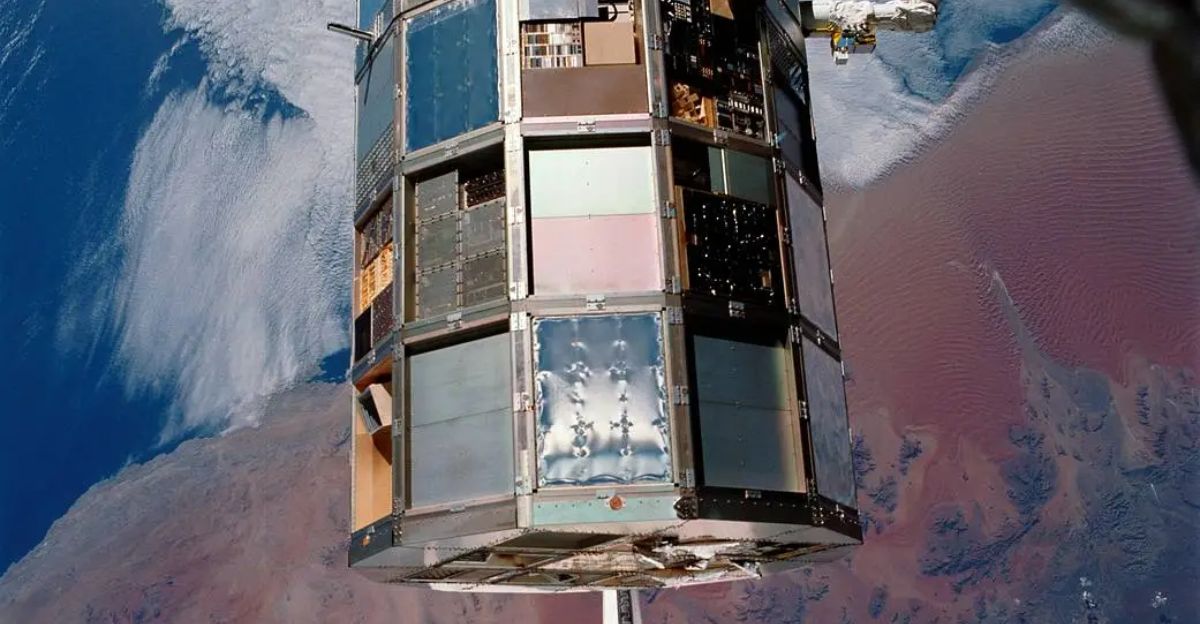
The Long Duration Exposure Facility (LDEF), launched in 1984 to study space radiation and micrometeoroids, spent nearly six years in orbit. Upon retrieval in 1990, it showed more surface impacts and material degradation than originally anticipated. The findings led to changes in how long objects could safely remain in space and how spacecraft materials were selected.
The LDEF results raised concerns about the long-term durability of objects left in low-Earth orbit. They influenced the design of future satellites and operational timelines, emphasizing the importance of damage assessments and protection for equipment during extended missions.
Zond 4: A Lunar Mission Fail

On March 2, 1968, the Soviet Zond 4 mission, aimed at testing hardware for flights around the Moon, suffered a guidance problem on its return to Earth. The spacecraft deviated from its planned recovery zone, and its self-destruct system was triggered over the Atlantic. This failure led to significant improvements in Soviet spacecraft navigation and re-entry systems.
The failure of Zond 4 highlighted the importance of reliable spacecraft navigation and recovery systems. It led to redesigns of guidance and control systems and to better planning and execution for future lunar test missions.
Gemini 8: A Malfunction at the Edge of Space
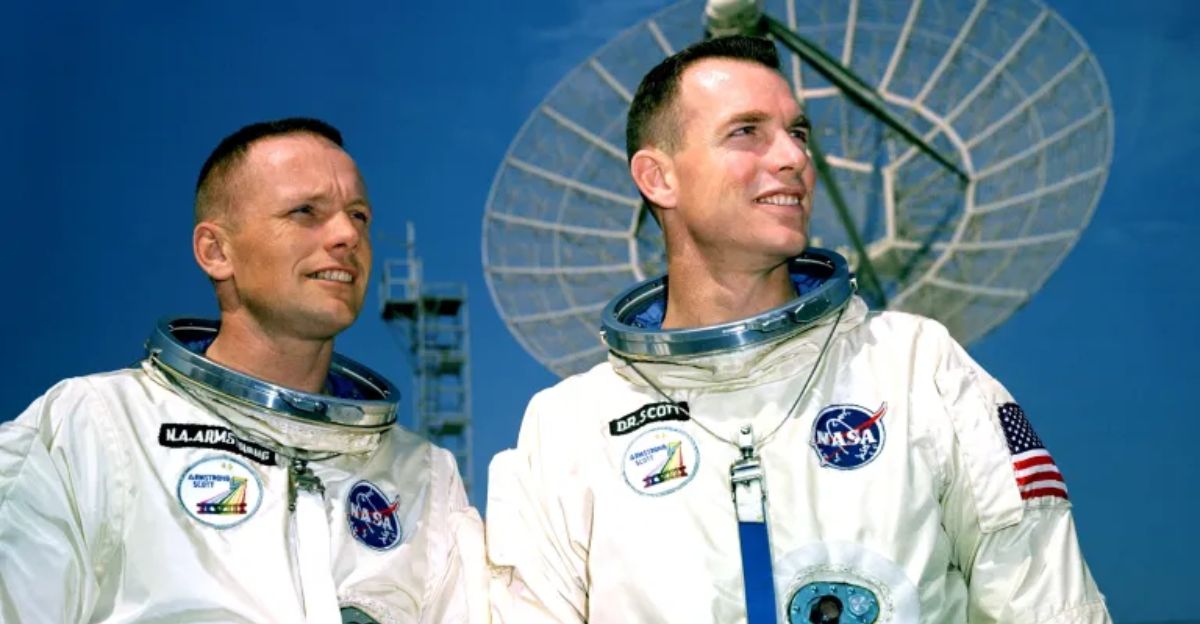
On March 16, 1966, Gemini 8 encountered a dangerous malfunction when a stuck thruster caused the spacecraft to spin uncontrollably after docking with an Agena target vehicle. Astronauts Neil Armstrong and David Scott regained control by undocking and using the re-entry control system, but the mission was cut short. This incident led to the development of more reliable spacecraft attitude-control systems.
Gemini 8’s crisis also had a significant impact on astronaut training. New methods were introduced to ensure that astronauts could handle life-threatening malfunctions, improving preparedness for future space missions.
Venera 7: The First Venus Landing
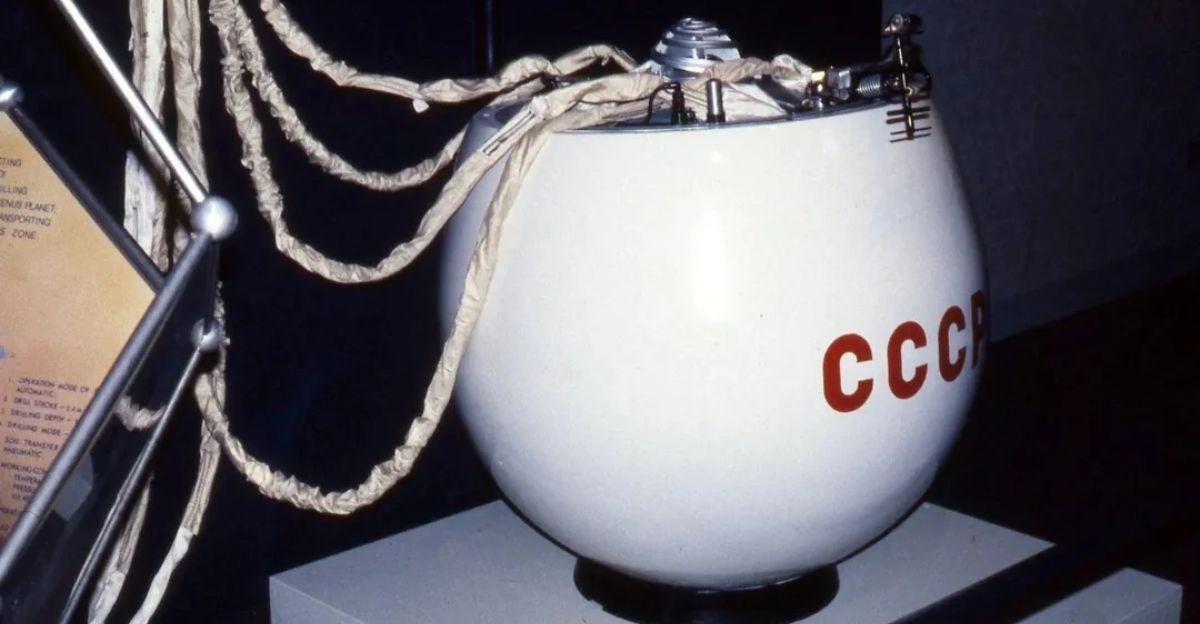
On December 15, 1970, the Soviet Union’s Venera 7 became the first spacecraft to successfully land on Venus and transmit data from the planet’s surface. Despite difficulties with its radio system and a shorter-than-hoped transmission time, the mission marked a breakthrough in planetary exploration. It led to refinements in lander designs and increased research into extending the lifespan of instruments during long-duration missions.
Venera 7’s limitations prompted a rethinking of planetary exploration methods. The mission’s success also highlighted the need for better communication systems between spacecraft and Earth-based mission control, which was essential for future interplanetary missions.
Sources:
NASA – “Apollo 13” – 10 July 2024
NASA – “Report of the Presidential Commission on the Space Shuttle Challenger Accident” – 1986 (archived 12 August 2019)
Columbia Accident Investigation Board – “Columbia Accident Investigation Board Report Synopsis” – 31 January 2003
NASA / historical record – “Apollo 1” – 21 September 2001
Universe Magazine – “The Story of Soyuz-1 and Soyuz-11 Tragedies” – 5 September 2023
Astronomy Magazine – “Dec. 15, 1970: Venera 7 lands on Venus” – 15 December 2025