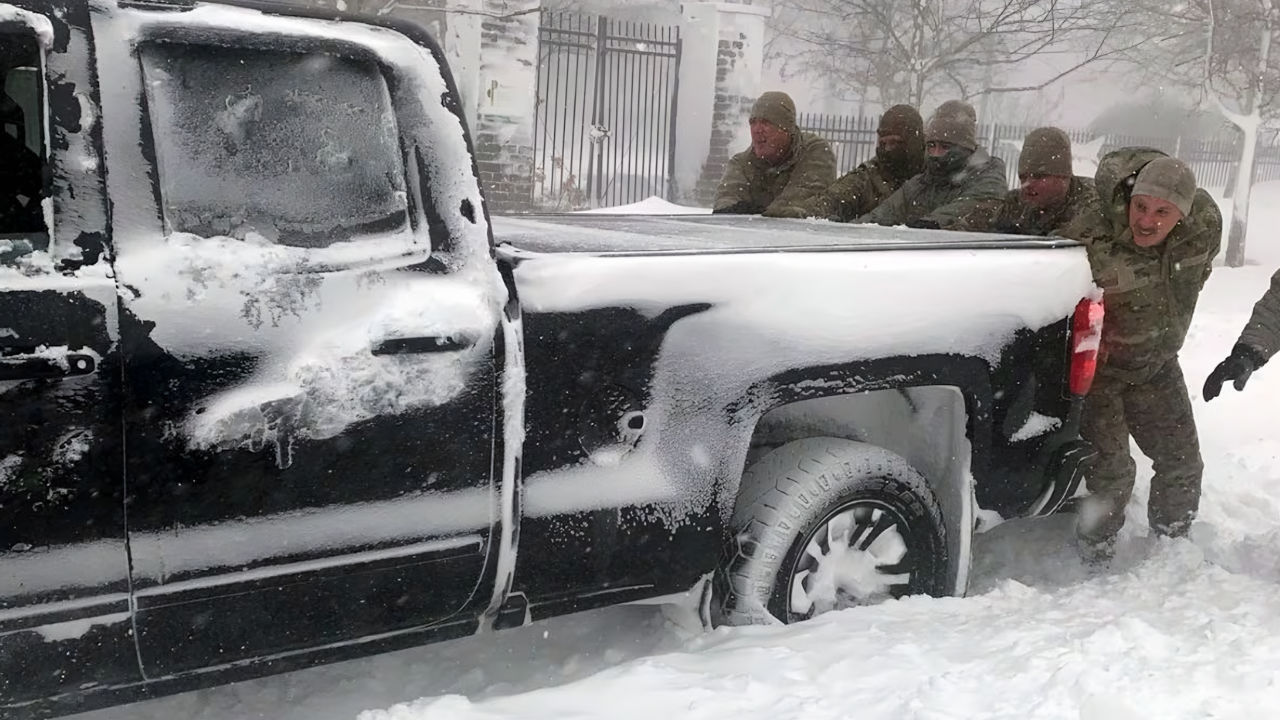
A massive winter storm, driven by a stretched polar vortex, will blanket nearly half of the U.S. from Friday to Sunday.
With snow, ice, and dangerously cold winds forecast, 160 million people are under threat, as state authorities prepare for catastrophic impacts on travel, power infrastructure, and public safety.
Polar Vortex’s Role in the Storm’s Power

The stretched polar vortex is unleashing Arctic air southward, causing temperatures to plummet. This atmospheric anomaly is expected to bring heavy snow to major corridors like I-95, destructive ice across the southern U.S., and extreme cold in the northern Plains.
The National Weather Service warns of a unique and significant risk to life and property.
Travel Chaos: Road Closures and Stranded Passengers
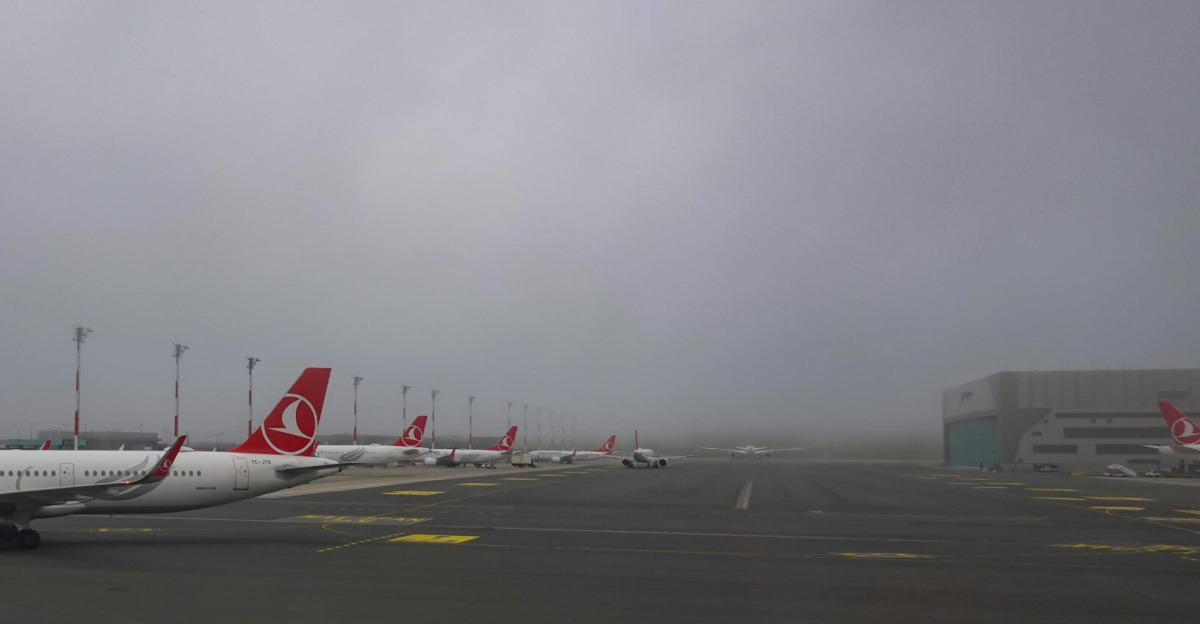
With millions of Americans under alerts, travelers face treacherous conditions. Major airports, including Dallas-Fort Worth, Atlanta, Memphis, and Charlotte, are expecting cancellations.
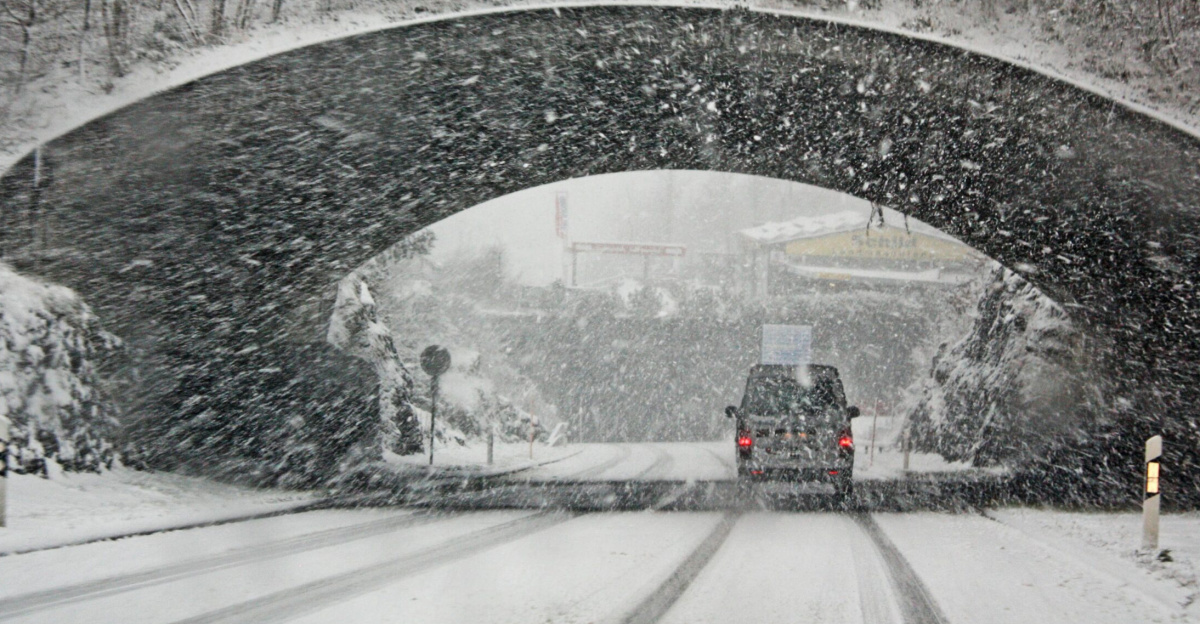
Major highways will be impassable, with severe wind chills making it dangerous to travel. Families are preparing for the possibility of being stranded for days.
State Preparedness: National Guard and Emergency Gear
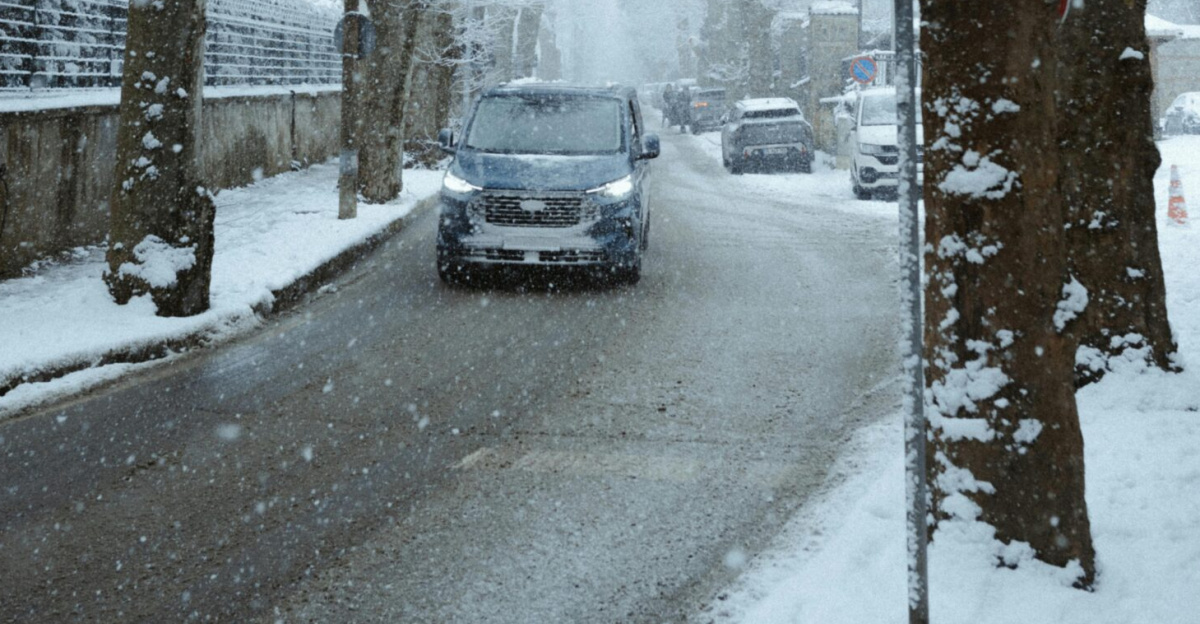
States like Texas and Arkansas are activating National Guard units to assist with rescues and recovery. Arkansas has stockpiled 78,000 cubic yards of salt, while Texas has over 1,000 pieces of winter weather equipment.
Utility companies have pre-positioned crews to address power outages from the severe ice storm, with officials preparing for long recovery periods.
Utilities Under Pressure: Power Outages and Ice Damage
Prolonged ice accumulation, especially in southern states like Louisiana, Alabama, and Georgia, is expected to cause widespread power outages.
Power lines and trees will likely collapse under the weight of the ice. Officials warn of extended blackouts, as southern cities like Jackson, Mississippi, face significant challenges due to a lack of snow removal equipment.
Airlines Grounded: Hubs Face Cancellations and Delays
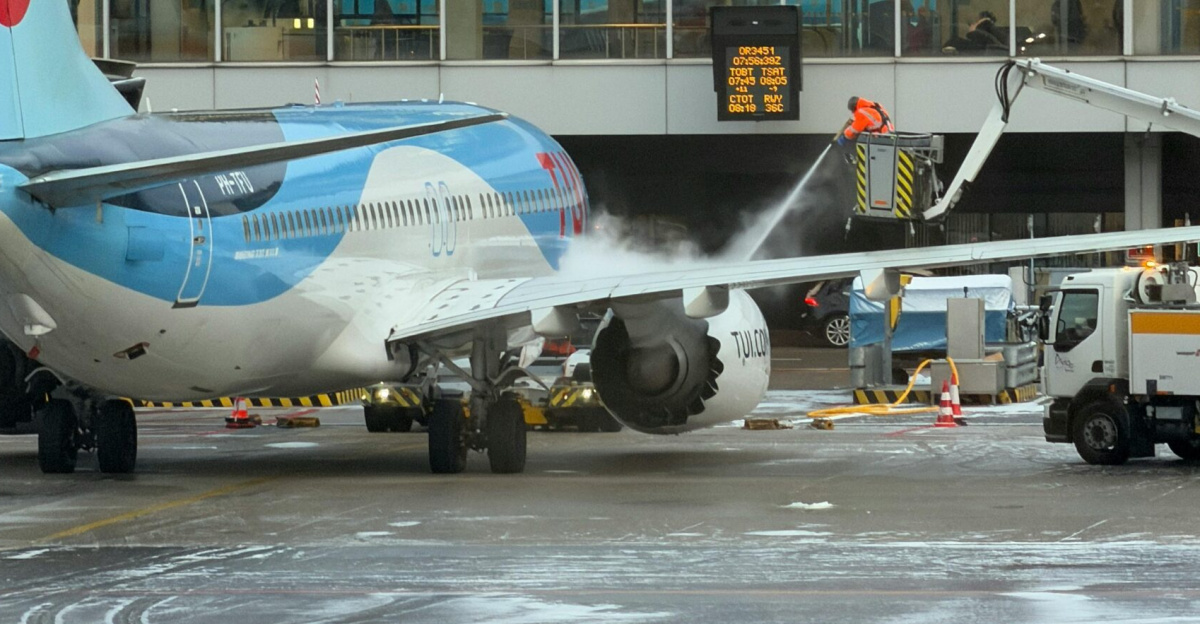
As the storm approaches, major airport hubs in Dallas-Fort Worth and Atlanta are preparing for extensive flight cancellations.
Ice on the runways is forcing airlines to switch to alternative de-icing techniques. The storm’s reach is expected to cause major disruptions, affecting both domestic and international flights.
Impact on Trade: U.S. Ports and Cross-Border Freight Affected
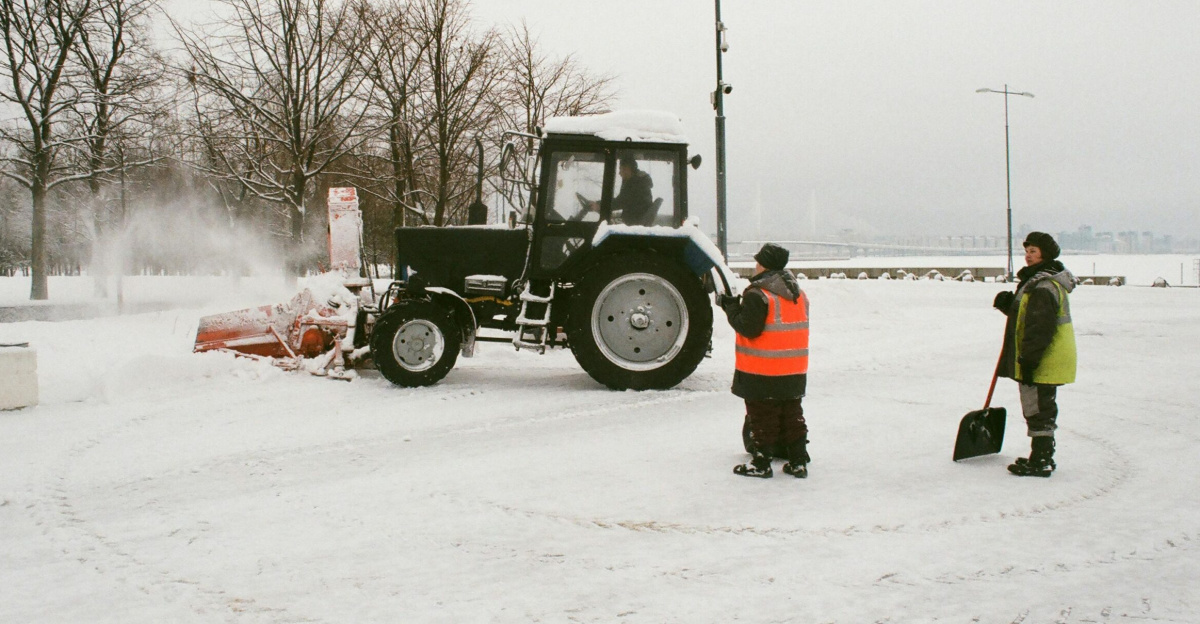
The storm’s path along major interstate corridors, such as I-40 and I-95, will delay shipments at U.S. ports. Cross-border trucking from Canada is also expected to slow as cold temperatures spill over into Canadian provinces.
Global shipping is already adjusting to the disruptions, with vessels rerouting to avoid the storm’s impact.
Human Toll: Struggles Faced by Workers and Families

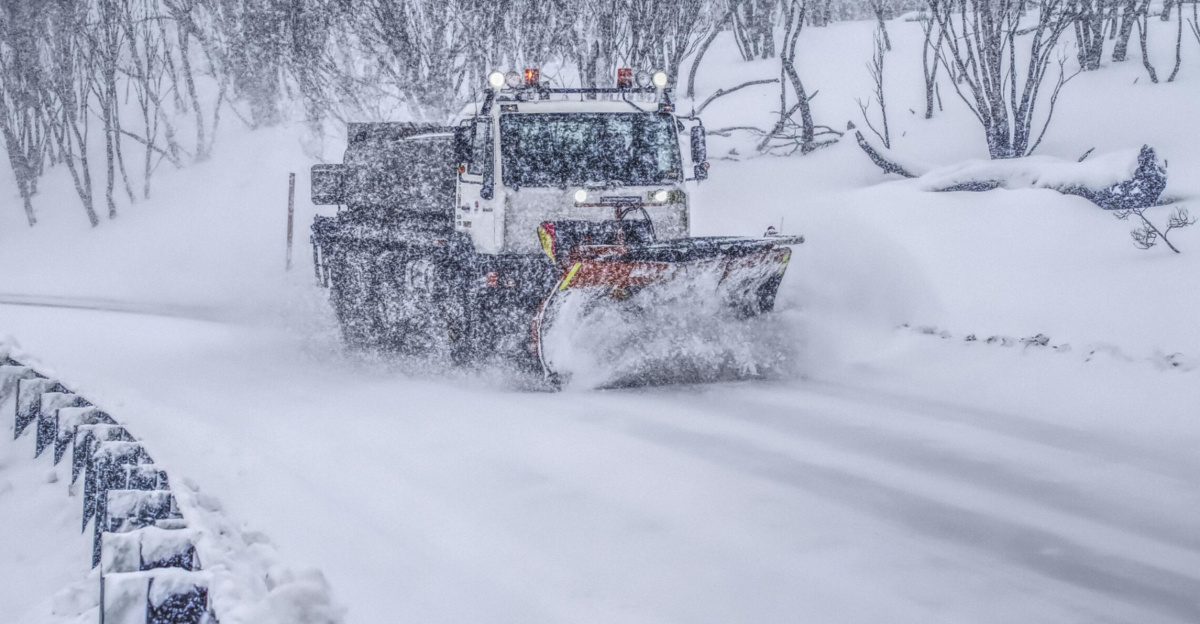
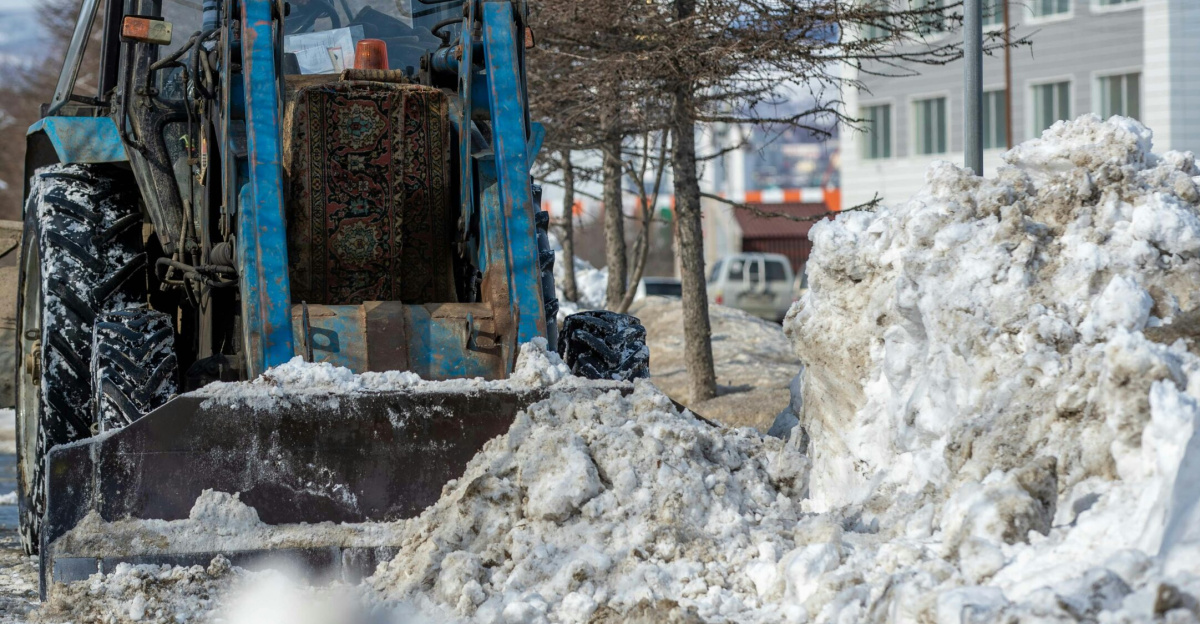
The deep freeze will be particularly hard on vulnerable populations. Tennessee and Mississippi face heavy snow and ice, with inadequate snowplows in Jackson and Memphis.
Meanwhile, the Tennessee Department of Transportation readies over 850 salt trucks to clear roads. Many families are forced to hunker down as schools close and essential services are strained.
Emergency Declarations: Governors Take Action
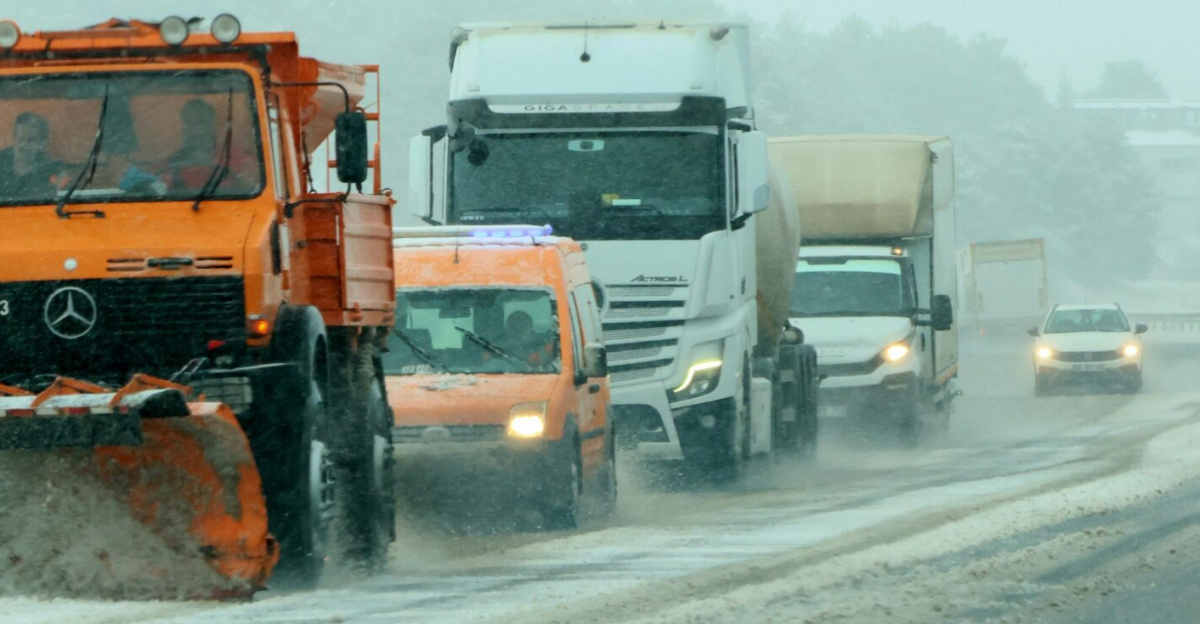
In response to the storm, governors from South Carolina, North Carolina, and Texas have declared states of emergency.
The National Guard has been mobilized, and federal aid is being coordinated across multiple states. Emergency response plans, similar to those during the 2021 Texas freeze, are now in place to assist affected communities.
Health Risks: Hypothermia and Isolation Concerns
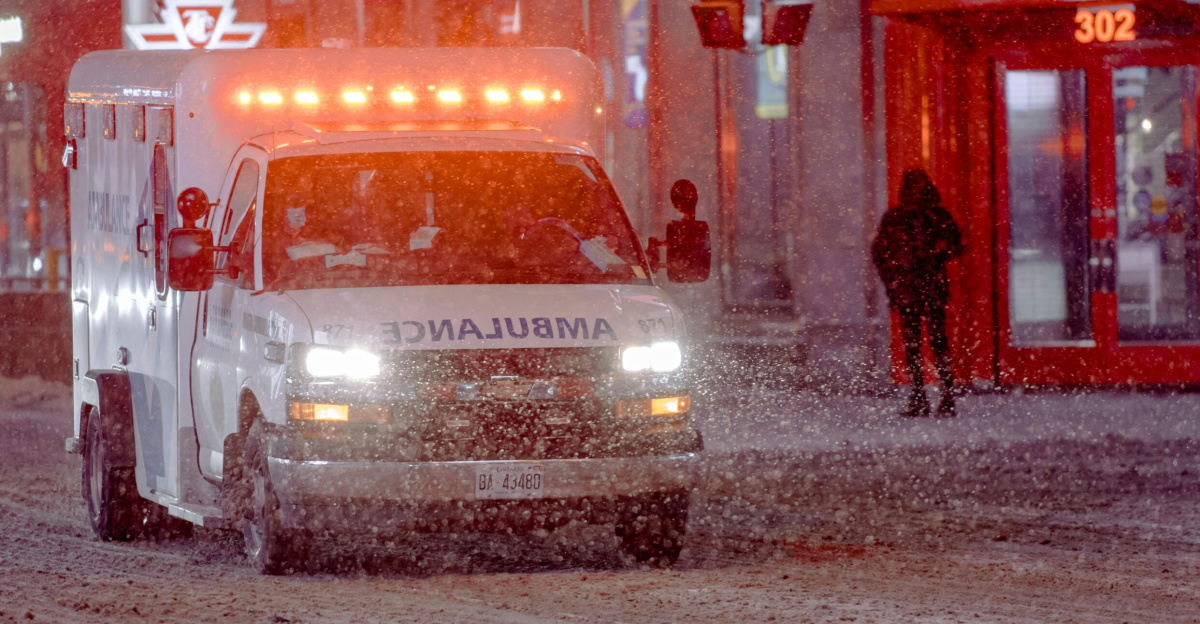
Wind chills reaching -50°F threaten to cause hypothermia, particularly for the elderly and those in rural areas. As many as 55 million people are at risk.
Hospitals are bracing for an influx of patients, and public health agencies are urging people to stay indoors. The storm will test the limits of healthcare facilities and emergency responders.
Climate Conversations: Is This the New Normal?

This storm is reigniting debates over the South’s preparedness for winter weather. Southern cities with inadequate snow removal equipment, like Jackson, Mississippi, are in the spotlight.
Environmentalists argue that warming trends are making extreme weather events like this more common, pushing for long-term infrastructure investments and better readiness.
Global Impact: U.S. Freeze Resonates Worldwide
International markets are watching closely as the U.S. faces this intense storm. European meteorologists are predicting similar cold spells in February due to stratospheric warming, which could disrupt global trade.
Canadian provinces are preparing for the Arctic air to spill over, and international supply chains are bracing for delays.
Unlikely Beneficiaries: Salt Suppliers and Remote Work Boom

Some businesses are thriving amid the chaos. Salt suppliers in Arkansas are seeing a boom in demand, while beet juice producers are benefiting from de-icing operations in Chicago.
The surge in remote work is also a positive side effect, as companies adapt to office closures. However, airlines are facing significant financial losses.
Market Response: Stock Up and Prepare for Shortages
With power outages expected and supply chains strained, markets are reacting. Energy stocks are dipping due to concerns over outages, and prices for certain goods may spike.
Consumers are urged to stock up on emergency supplies like water, batteries, and non-perishable foods ahead of the weekend’s peak. Prepare for potential disruptions.
Aftermath: Recovery and Lessons Learned
As the storm subsides, the deep freeze will persist, with temperatures remaining dangerously low. States will assess their responses, with a focus on improving emergency protocols and infrastructure.
The event highlights the need for better coordination between state and federal agencies, as well as a reevaluation of the nation’s preparedness for extreme weather.
Sources:
“Meteorologists blame a stretched polar vortex, moisture, lack of sea ice for dangerous winter blast.” Associated Press, late Jan 2026.
“Historic winter storm: over 235 million in path of dangerous snow, ice with first impacts tonight.” FOX Weather, Jan 22–23 2026.
“Long‑duration power outages and extremely hazardous travel expected as major winter storm spreads from the Southern Plains to the Northeast.” The Watchers (citing National Weather Service forecasts), Jan 23 2026.
“January 2026 United States winter storm.” Wikipedia (summarizing emergency declarations, storm impacts, widespread alerts across dozens of states), Jan 2026.