
GameStop, once the heartbeat of gaming retail, shocked customers and employees by pasting permanent-closure notices on hundreds of store doors across the U.S. in early January 2026. Many workers discovered their termination the same way shoppers did: through signs that also promoted trade-in bonuses as a parting message. The abruptness of the announcement sparked immediate backlash, with employees criticizing the lack of prior notice and the tone-deaf promotional placement during mass layoffs.
Closures Accelerate
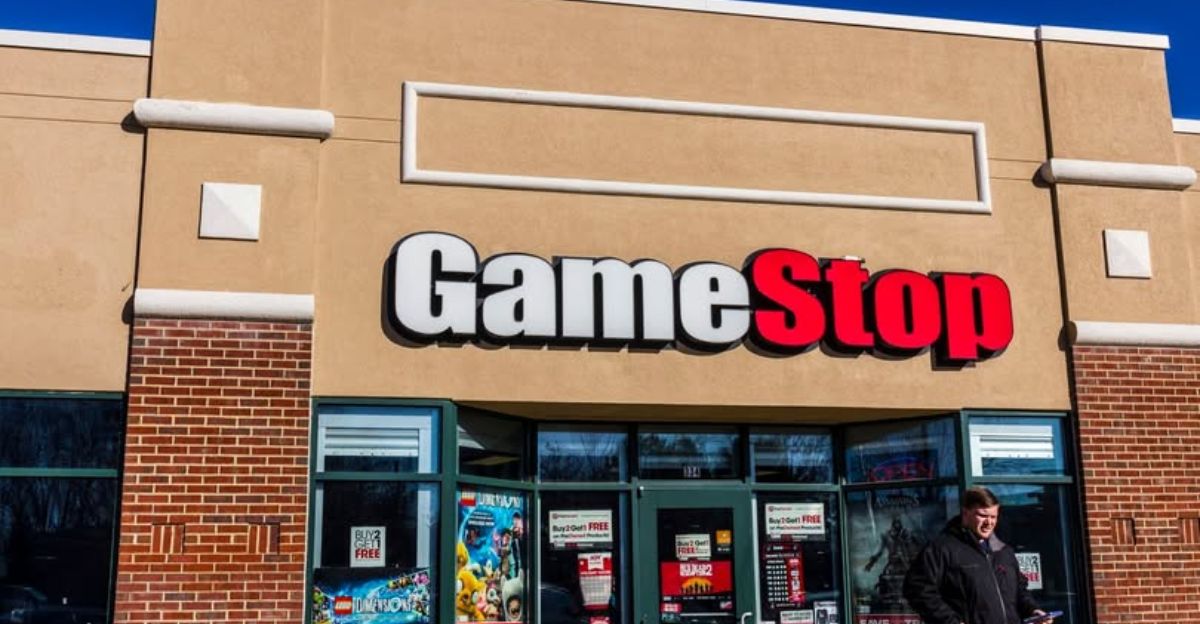
The January wave represents an acceleration of GameStop’s portfolio shrinkage. In fiscal 2024 alone, the company permanently closed about 590 U.S. stores as it struggled with declining hardware and software sales, plus a 4.6% drop in Q3 2025 revenue to $821 million. Now, roughly 470 additional locations are shuttering by January 31, 2026, marking one of the most aggressive consolidations in the retailer’s modern history.
The cumulative toll signals a wholesale move away from the sprawling brick-and-mortar model that once defined GameStop’s dominance.
The Retail Backdrop

GameStop’s contraction sits against a broader video game retail crisis. The shift from physical to digital distribution has gutted walk-in traffic; platforms like Steam and the PlayStation Store now dominate software sales, while many developers increasingly sell directly to consumers to protect margins. The pandemic artificially inflated 2020–2021 sales, but a post-COVID correction in 2023–2024 exposed the model’s fragility.
Gaming itself remains robust—around 3 billion players globally and roughly $184 billion in revenue—yet GameStop captures almost none of that growth.
Meme Stock Hangover

GameStop’s stock surge in 2021 amid the Reddit/retail-investor “meme stock” frenzy created unrealistic investor expectations. Ryan Cohen, the new chairman and CEO (appointed in 2023), promised a fundamental turnaround through e-commerce, collectibles, and non-gaming products. Yet quarterly results continued to face revenue pressure despite some profit improvement.
By late 2025, the stock traded far below its meme-era highs, and the company faced mounting pressure to prove its restructuring was working or admit the pivot had stalled.
$35 Billion Compensation Plan
On January 6, 2026, GameStop’s board unveiled a bombshell: CEO Ryan Cohen’s traditional compensation—salary, cash bonuses, and standard equity grants—would be replaced by a performance-based stock option plan with a theoretical maximum value of up to $35 billion. This plan, designed similarly to Elon Musk’s compensation structure at Tesla, requires GameStop to achieve a $100 billion market cap (currently around $10 billion at the time of the announcement) and $10 billion in cumulative performance EBITDA.
Cohen would receive nothing unless both targets are met. The announcement, timed just as approximately 470 store closures commenced, raised ethical questions about executive pay during mass layoffs.
The Human Cost
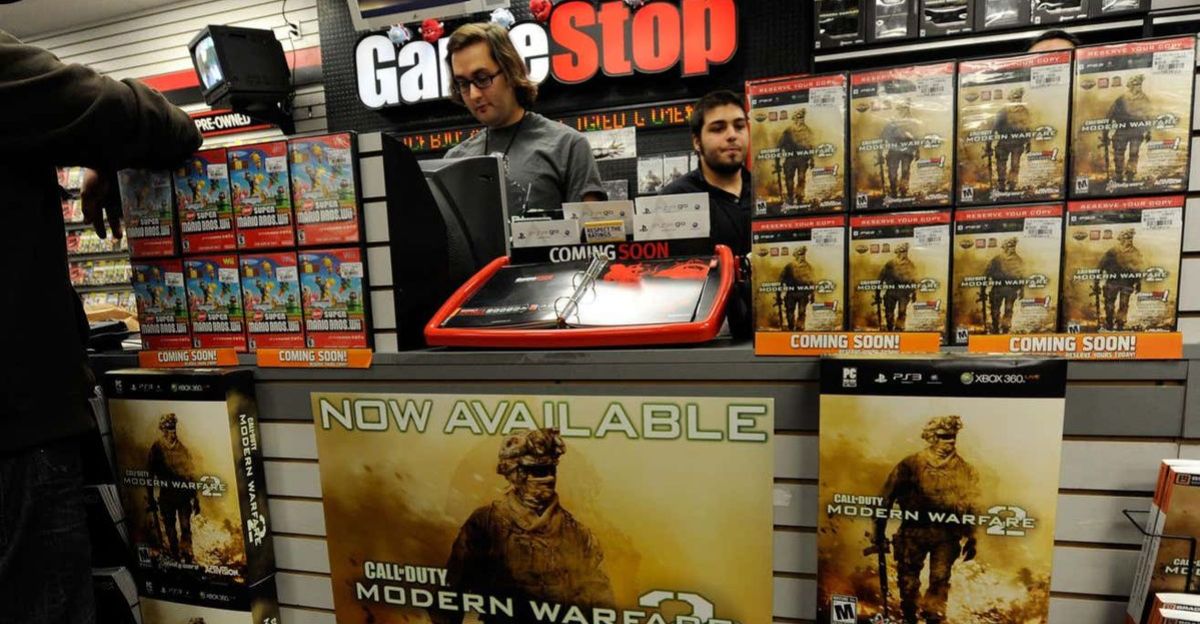
Thousands of GameStop employees are losing their jobs with limited notice as this closure wave unfolds. Social media lit up with stories of workers finding out via closure signs, scrambling to collect final paychecks, and grappling with sudden joblessness. In San Antonio alone, at least five locations shuttered.
Many criticized the juxtaposition: a CEO package that could be worth tens of billions at full performance while floor staff faced uncertainty around severance and next steps. (Based on reactions documented across online platforms like Reddit and Twitter.)
Employee Frustration
“He only gets paid if shareholders win”—a phrase intended to rally confidence—instead fueled anger among terminated workers, many of whom reported receiving no or minimal severance. Retail workers at closed locations questioned why Cohen’s upside was effectively uncapped while their safety nets were constrained. Online forums documented workers’ anguish; others vowed never to shop at GameStop again,
and the emotional toll extended to loyal long-term employees who had invested in the company’s turnaround narrative.
Investor & Competitor Reaction
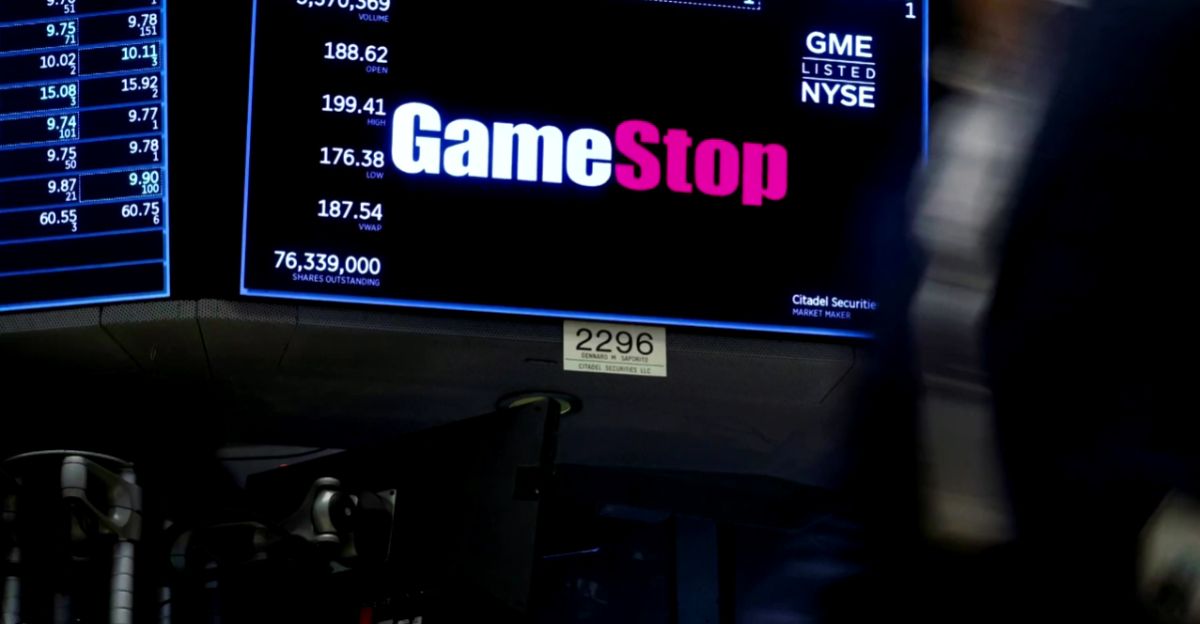
GameStop’s stock initially jumped around 4% on the compensation-plan announcement, suggesting some investors viewed the all-or-nothing structure as a bold endorsement of Cohen’s confidence. (Stock market analysts from Bloomberg and Reuters covered the stock’s positive movement after the announcement.) Meanwhile, competitors like Best Buy and Target noted GameStop’s exit from many locations, reducing direct specialty-store pressure in gaming hardware and accessories.
However, e-commerce giants like Amazon faced virtually no disruption—they had already captured much of the digital game sales and hardware distribution.
Macro Context: Digital Dominance
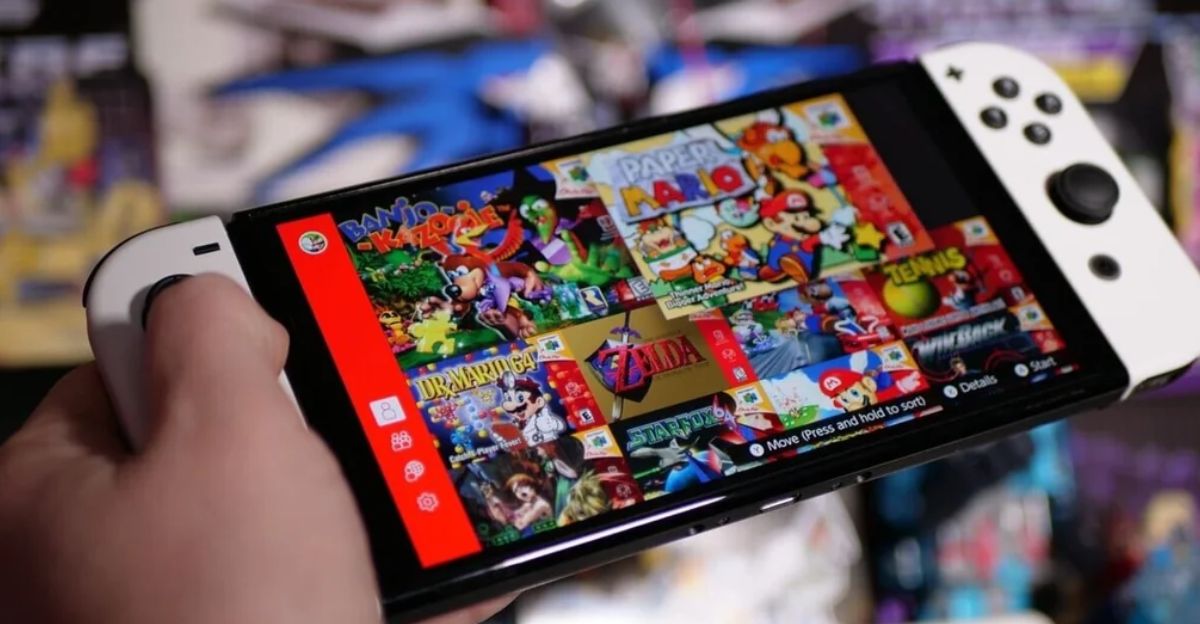
The broader gaming landscape has shifted decisively toward digital and cloud distribution. (A report by Newzoo in 2025 highlighted that digital game sales have overtaken physical sales globally, contributing to the decline of retail stores like GameStop.) Discovery and awareness for new games increasingly come from social media, content creators, and online communities rather than traditional retail shelves, reducing the need for physical storefronts.
Cloud gaming—once niche—is moving further into the mainstream, further eroding the importance of local inventory. GameStop’s store closures, while painful, largely reflect a market reality: many gamers no longer need a dedicated game retailer when consoles and PCs can download titles in minutes.
Leasing & Real Estate Impact
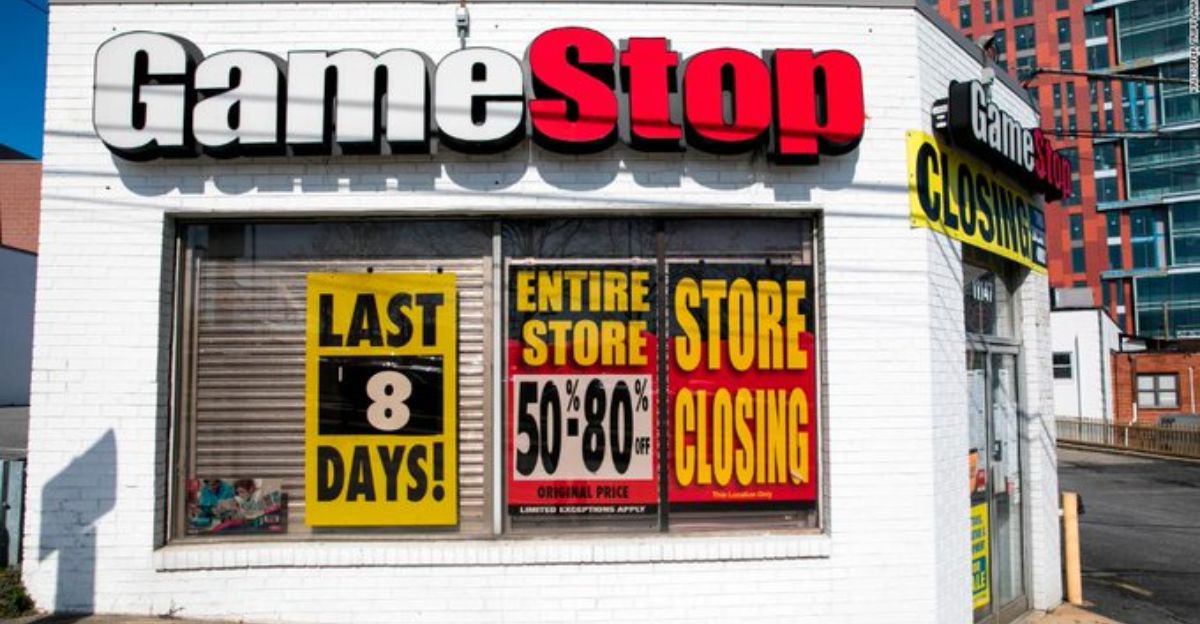
An overlooked consequence: GameStop’s closure wave will free up approximately 470 retail leases across the U.S. mall and street-front landscape. Some spaces may sit vacant; others will be absorbed by dollar stores or smaller retailers. The broader commercial real estate market will feel a ripple—not a shock, but a reminder that hundreds of physical retail footprints have vanished in weeks.
This echoes a decade of similar collapses (Blockbuster, Toys “R” Us) but compressed into months, signaling how digital disruption now moves at internet speed.
Internal Tension: The Cohen Bet
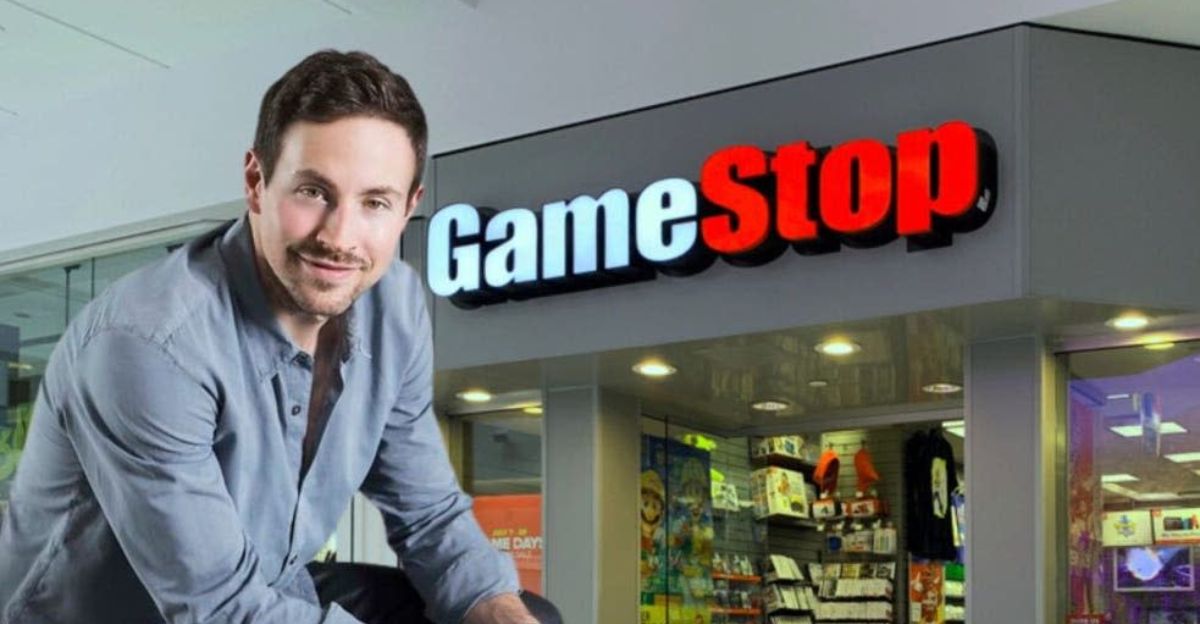
Ryan Cohen is betting his fortune (and his reputation) on a resurrection that requires GameStop’s market cap to roughly 10x and profitability to surge. Yet Q3 2025 results—net income growing to about $77 million from roughly $17 million a year prior—represent modest progress, not the hockey-stick curve the $35 billion package assumes.
Insiders and analysts question whether closing retail stores will actually unlock lasting profitability or merely reduce burn while the company searches for its next business model, and reports point to tensions over strategy.
Leadership Pivot & Board Changes
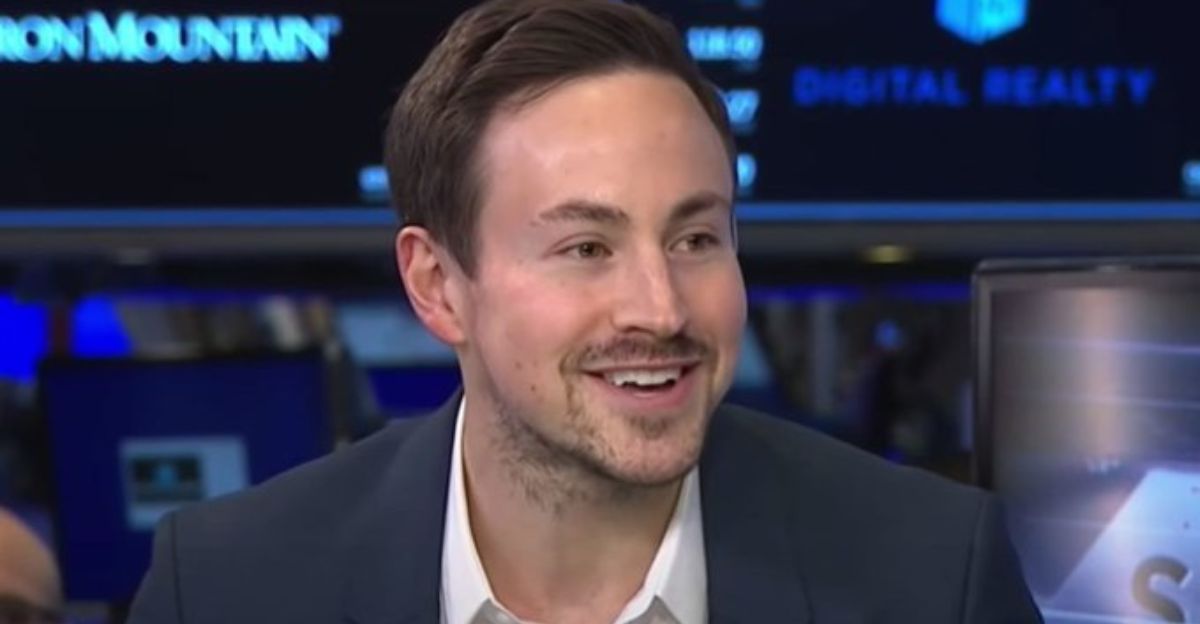
Cohen arrived at GameStop in 2023 with a mandate to disrupt its own business model. He has since pushed out legacy retail executives, brought in e-commerce and tech-focused leaders, and shifted messaging toward GameStop as a “community for gamers” rather than just a gaming-goods store. The board restructuring included allies of Cohen and supporters of aggressive, tech-forward pivots.
Yet results remain mixed, raising questions about whether the leadership model—or the target market itself—is the real problem.
The Collectibles Gamble

One pillar of Cohen’s turnaround is gaming collectibles and memorabilia—a high-margin, niche category with passionate buyers but limited scale. GameStop has invested in collectibles inventory and partnerships, betting that superfans will visit stores for limited-edition goods even if they download games at home. Early results show some traction in collectibles sales,
yet the segment remains small relative to the company’s overall revenue, and it’s unclear whether collectibles alone can sustain hundreds of stores.
Expert Skepticism
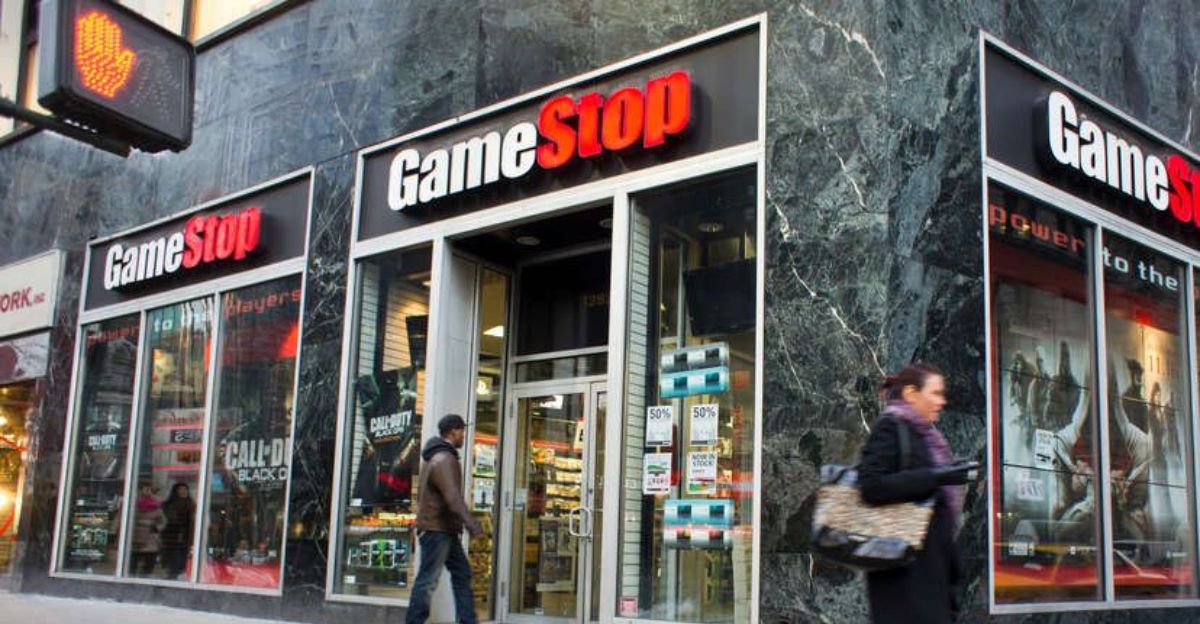
Retail analysts remain skeptical that GameStop can 10x its market cap and achieve $10 billion in performance EBITDA without a breakthrough product, service, or major market expansion. Most gaming analyst commentary views Cohen’s targets as aspirational at best, unrealistic at worst. Some see the $35 billion package as a hail-mary: Cohen putting his faith entirely in his own vision and asking shareholders to join a bet with significant downside if it fails.
If the company misses targets, Cohen earns nothing—but shareholders still absorb the business risk.
Looking Ahead: The Inflection Point
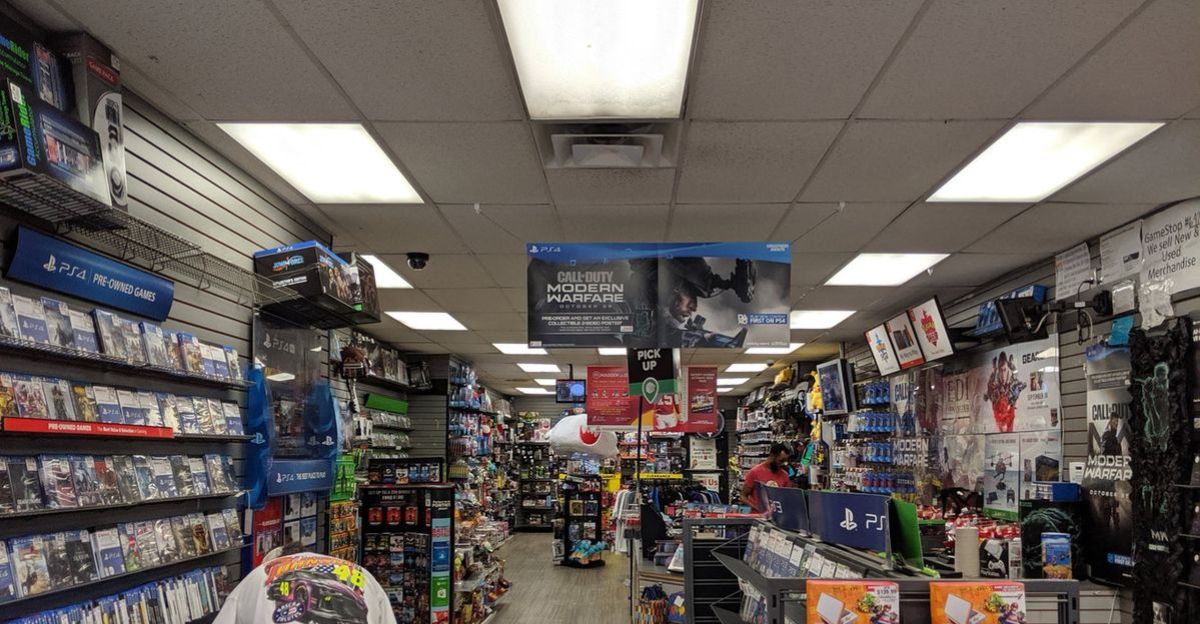
GameStop’s next 12–24 months will be a critical test. Will the leaner footprint enable sustainable profitability? Will collectibles, e-commerce, or a new service (such as fintech or a gaming community platform) generate the revenue surge needed? Or will the 470 closures simply delay a larger reckoning? Shareholders will watch quarterly earnings for signs of stabilization or further decline,
knowing that if profitability stalls, Cohen’s $35 billion option package may come to symbolize misplaced faith rather than a transformative bet.
Policy & Labor Implications
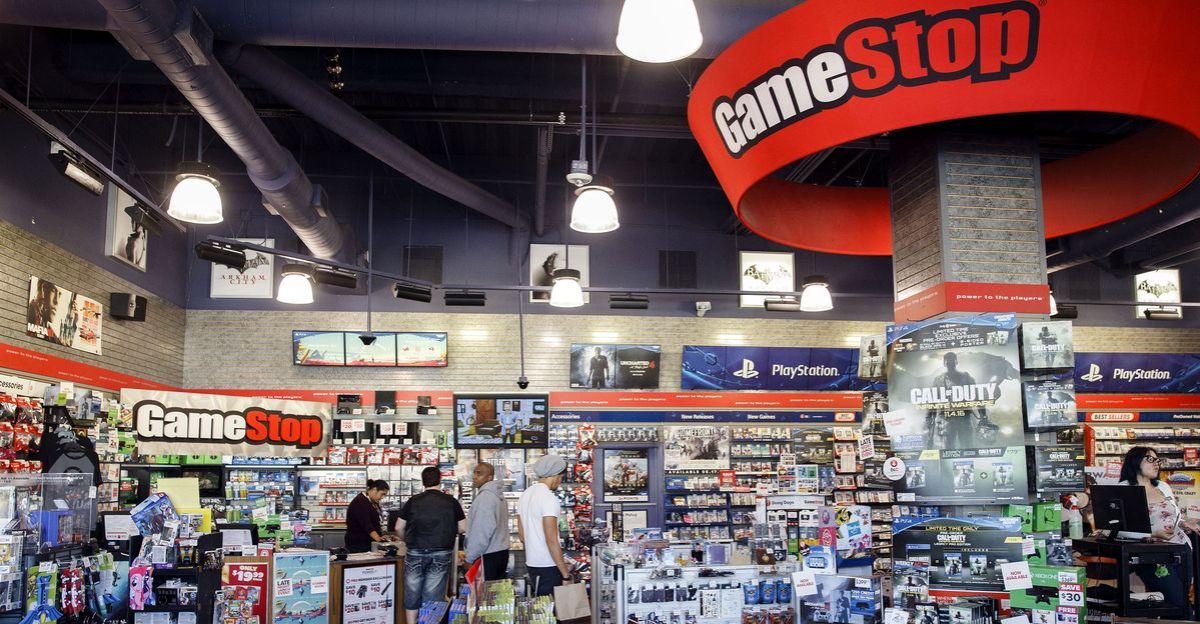
GameStop’s mass closure raises questions about corporate responsibility during layoffs. Some labor advocates argue for stronger severance expectations or enhanced advance-notice requirements in retail restructurings. Policymakers in states where GameStop closed significant footprints (New York is losing around 30 locations) are eyeing the company’s handling as a case study in corporate accountability.
Federal labor policy discussions may revisit WARN Act standards, which currently focus on 60-day notice thresholds for mass layoffs—seen by many affected workers as too short to meaningfully prepare.
International Ripple: Global Retail Consolidation
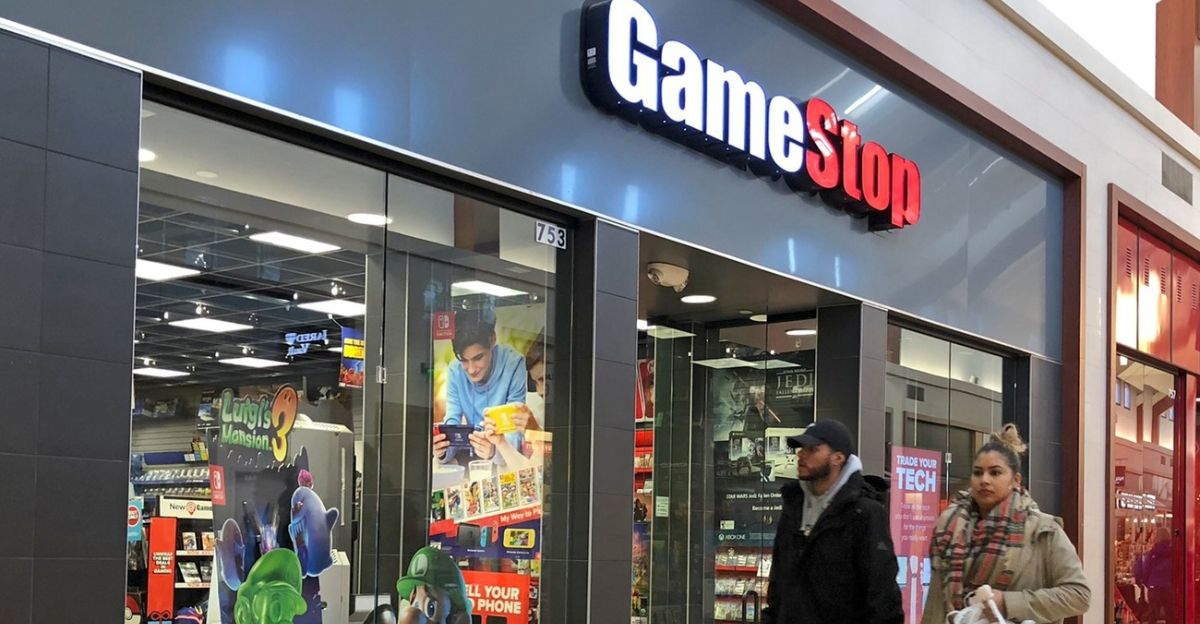
GameStop’s U.S. retrenchment adds to a global pattern: physical game retail is collapsing worldwide. In Europe, GAME (the UK’s primary chain) has been hollowed out over a decade, while in Japan major retailers like GEO have pivoted toward rentals, used goods, and collectibles. In Australia and Canada, GameStop exited or sharply scaled back operations in 2024–2025.
The worldwide shift toward digital distribution and direct-to-consumer sales means no brick-and-mortar chain—no matter the region—can rely on packaged game sales alone to survive.
Commercial Real Estate Angle
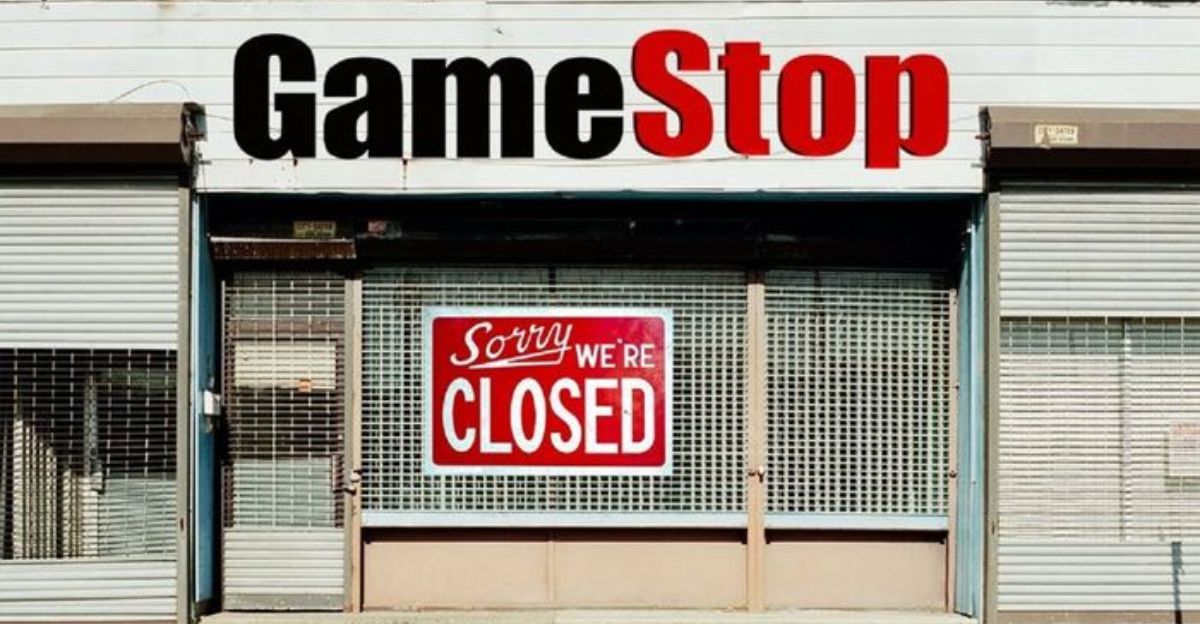
The 470 lease terminations represent an estimated hundreds of millions of dollars in annualized rent across GameStop’s portfolio, with some analysts placing the impact in the rough range of $500 million to $1 billion depending on rent assumptions. Landlords—many of them REITs or regional mall operators—now face acute vacancy challenges, especially in secondary and tertiary markets.
This may accelerate the “dead mall” phenomenon and press commercial property values downward in non-prime retail districts. Some spaces will remain empty; others will attract mom-and-pop retailers or service businesses at lower rents.
Cultural & Generational Shift
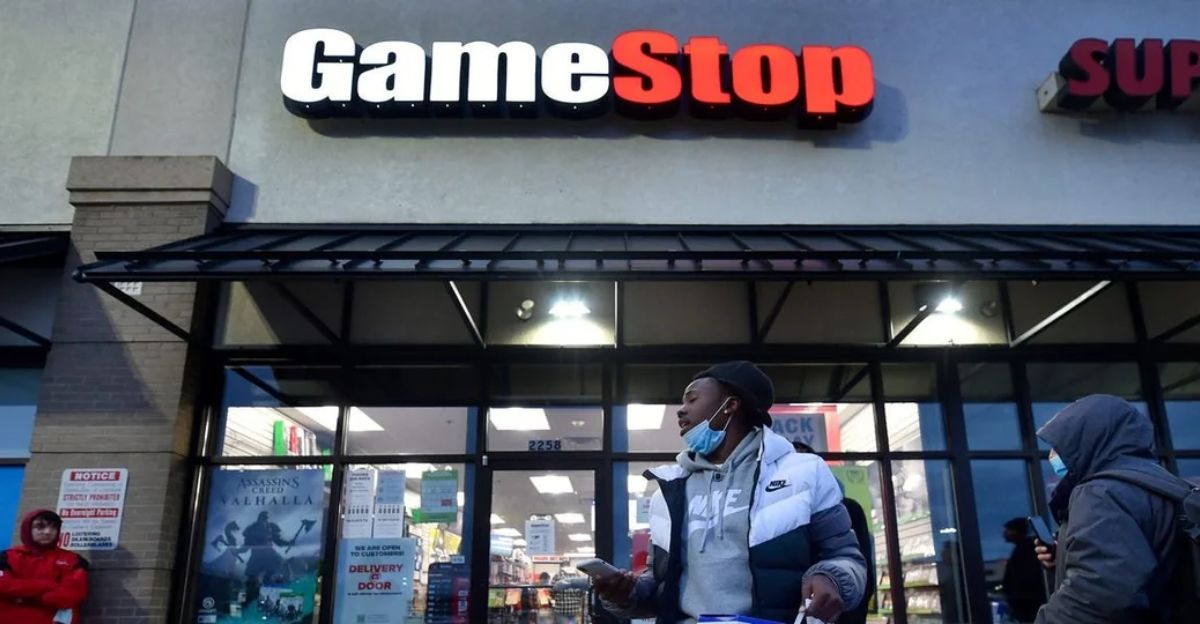
GameStop’s decline symbolizes a deeper shift in how Gen Z and millennials consume entertainment. Where previous generations visited stores to discover games, try hardware, or seek expert advice, today’s players use YouTube reviews, Twitch streamers, and Discord communities for recommendations. Physical retail is far less central as a discovery or social hub for gaming; for many, it has become an artifact.
Cohen’s pivot toward a “community platform” acknowledges this, but building digital community is vastly different from running stores—and far more competitive.
The Larger Signal
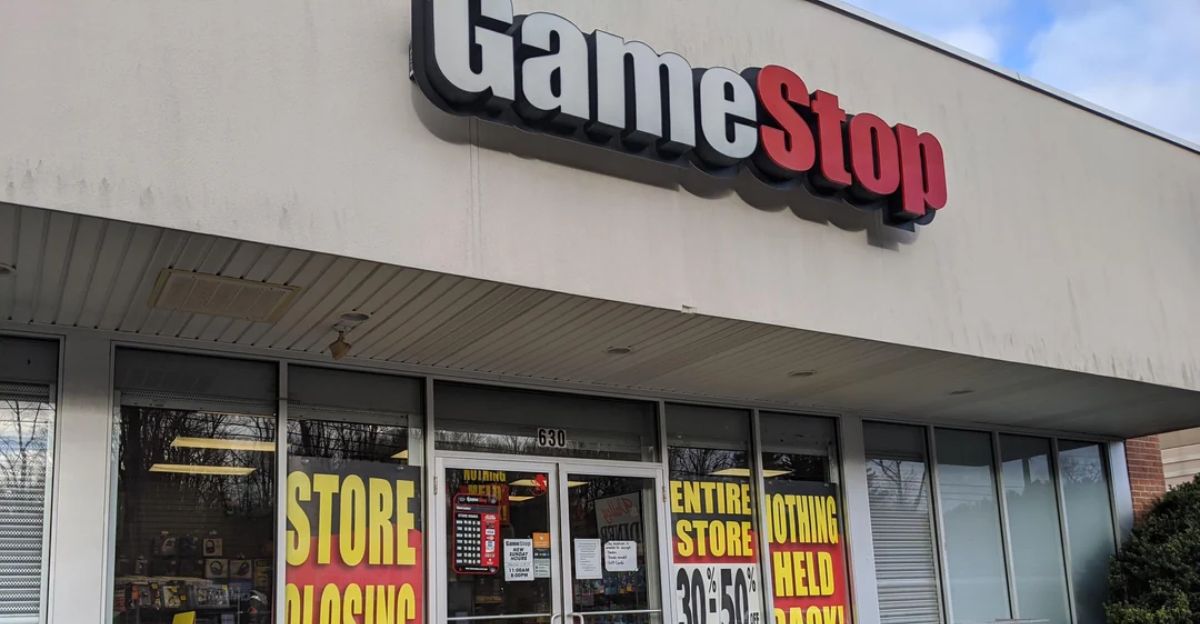
GameStop’s roughly 470-store shutdown in weeks—coupled with a $35 billion performance-based CEO bet and zero guaranteed salary—signals a broader truth: legacy retail is being forced to evolve faster than ever, and tech-influenced leaders increasingly stake everything on high-risk turnarounds. Cohen’s willingness to earn nothing if targets are not met is bold; it also shows how desperation can drive extreme compensation structures.
Whether GameStop becomes a phoenix-like success story or a cautionary tale hinges on the next 18 months. Either way, the era when brick-and-mortar video-game retail dominated the market has effectively ended.
Sources:
“GameStop CEO Compensation Plan Draws Ethical Concerns” – Bloomberg, January 6, 2026
“GameStop’s Massive Layoff Wave and CEO Pay Plan” – The Wall Street Journal, January 7, 2026
“The Decline of GameStop and Retail’s Digital Shift” – CNBC, January 9, 2026
“GameStop’s Struggles Continue Amid Store Closures” – New York Times, January 10, 2026
“GameStop’s CEO Ryan Cohen’s $35 Billion Gamble” – Business Insider, January 6, 2026