NASA’s Space Launch System rocket and Orion spacecraft rolled into position at Kennedy Space Center’s Launch Complex 39B on January 17, 2026, marking a pivotal moment in humanity’s return to the Moon’s vicinity for the first time since Apollo 17 in 1972. The slow 12-hour journey signals that Artemis II, NASA’s first crewed lunar mission in more than 5 decades, is entering its final preparation phase. With a 4-person international crew awaiting clearance for a launch no earlier than February 6, 2026, the mission revives ambitions first realized during the Apollo era. Here’s what’s happening as launch preparations intensify.
Rolling Back to Pad 39B
The 322-foot Space Launch System arrived at Launch Complex 39B at 6:42 p.m. EST after traveling about 4 miles from the Vehicle Assembly Building, retracing the historic path used by Apollo missions before the final crewed lunar flight in December 1972. NASA’s crawler-transporter carried the 5.75-million-pound stack at a top speed of roughly 0.82 mph, a carefully choreographed move requiring hundreds of engineers and technicians.
This rollout positions the rocket for critical pad operations, including a full wet dress rehearsal. NASA has scheduled this test to occur no later than February 2, 2026, allowing teams to load propellants, rehearse countdown procedures, and verify ground systems before committing to a crewed launch attempt.
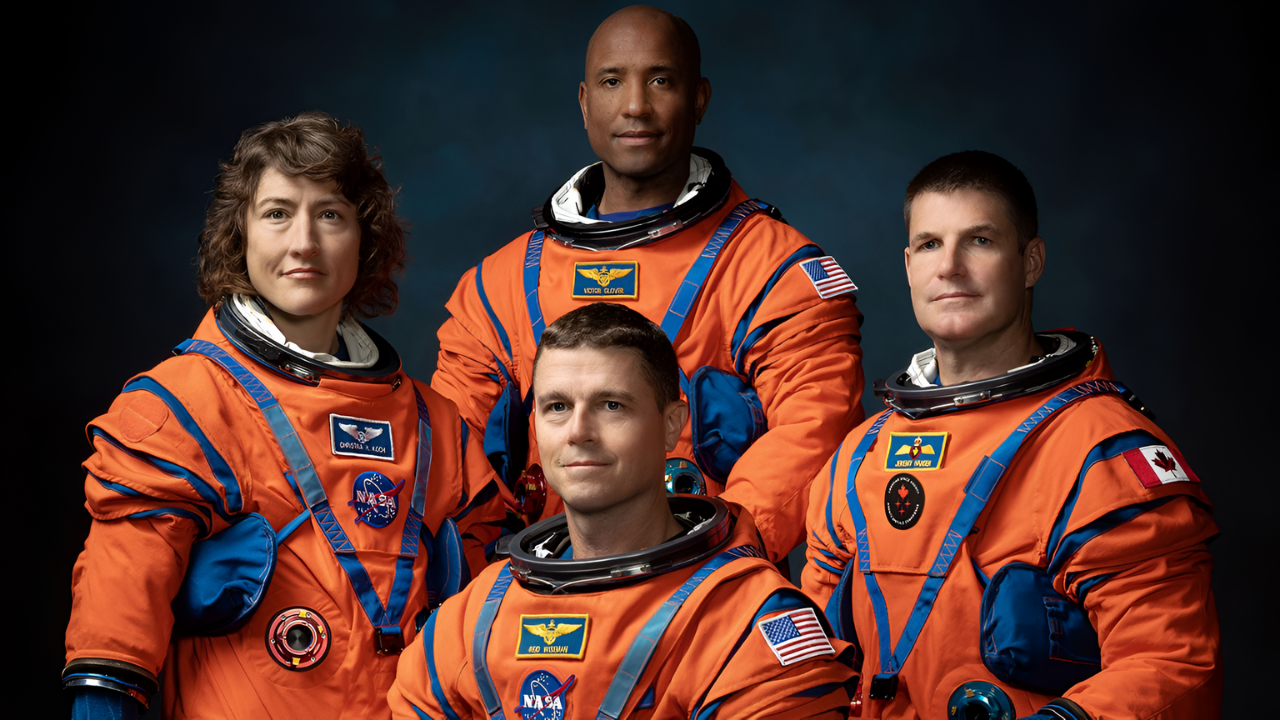
The Four Astronauts Aboard Artemis II
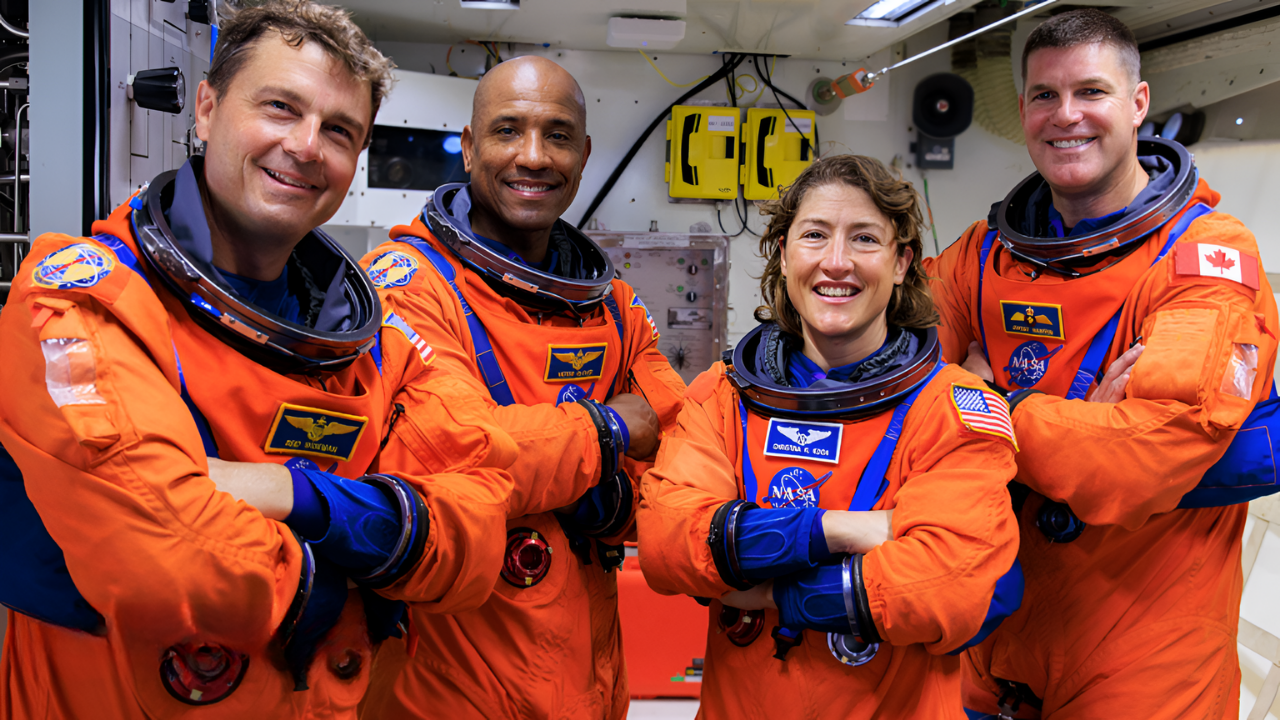
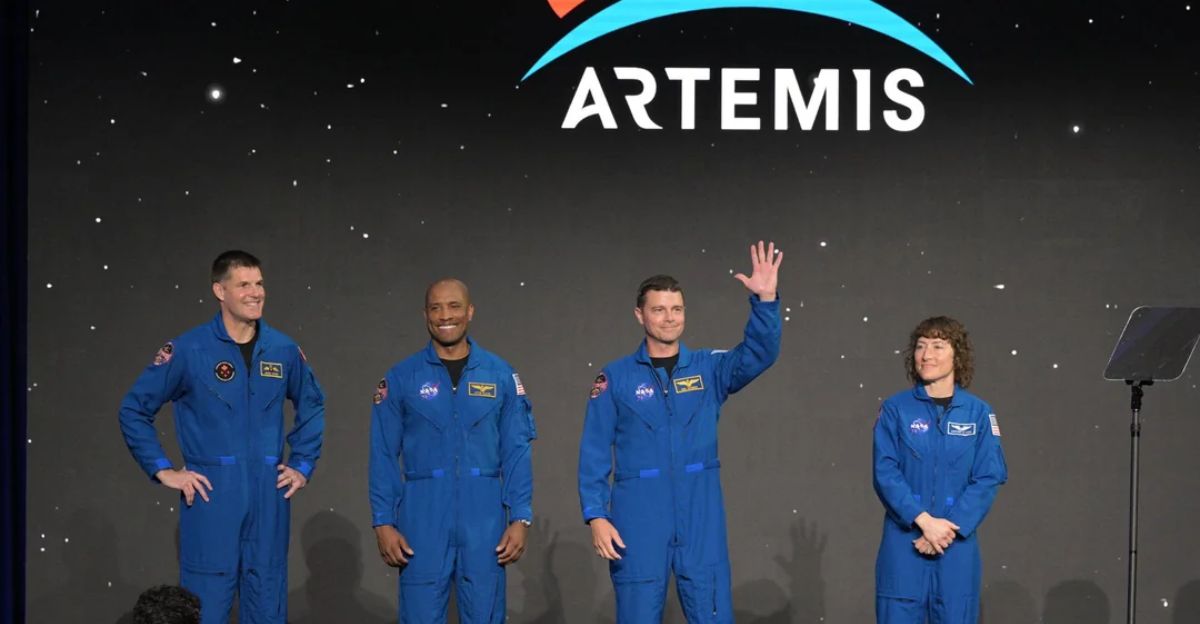
Artemis II will carry 4 astronauts representing 2 nations, each bringing deep operational experience. Commander Reid Wiseman, a U.S. Navy captain from Baltimore, holds engineering degrees from Rensselaer Polytechnic Institute and Johns Hopkins University. He has logged more than 3,000 flight hours, flown 24 combat missions, and spent 165 days aboard the International Space Station in 2014.
Pilot Victor Glover, a California native and Cal Poly graduate, is set to become the first Black astronaut to travel beyond low Earth orbit. He previously flew on SpaceX’s Crew-1 mission, spending about 167 days aboard the ISS. Mission specialist Christina Koch, from North Carolina, holds degrees in physics and electrical engineering and set a women’s endurance record with 328 consecutive days in space from 2019 to 2020. Canadian mission specialist Jeremy Hansen, a Royal Canadian Air Force colonel from Ontario, becomes the first Canadian assigned to a lunar-bound mission.
Inside NASA’s Most Powerful Rocket
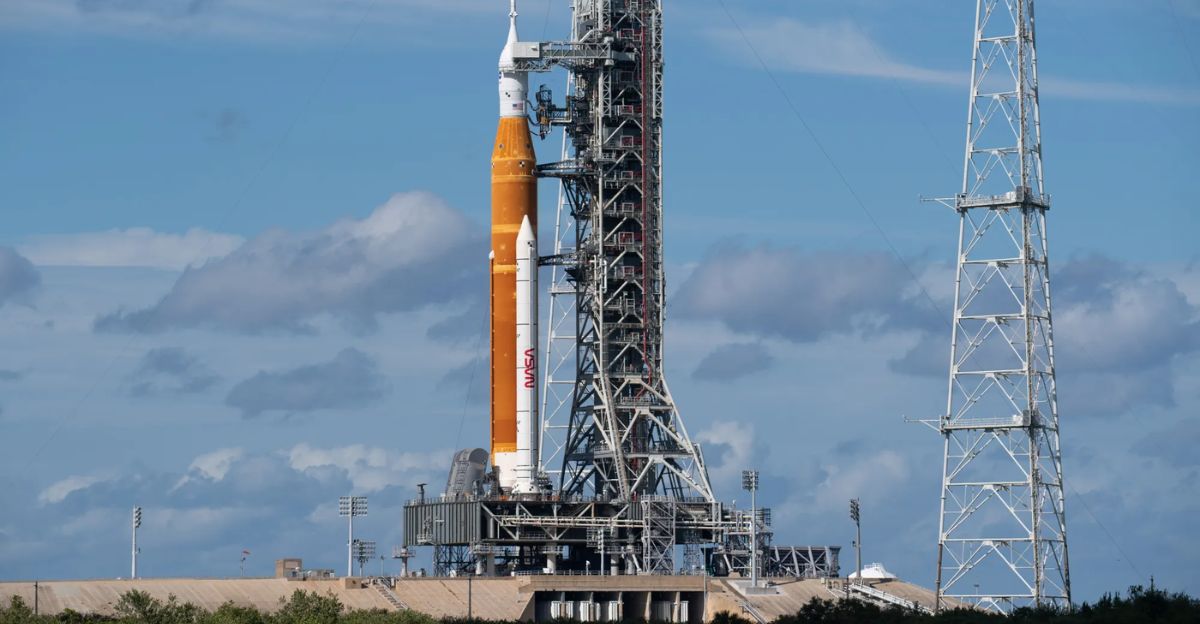
The Space Launch System Block 1 rocket will generate about 8.8 million pounds of thrust at liftoff, exceeding the Saturn V’s 7.6 million pounds. Four RS-25 engines, each producing about 513,000 pounds of thrust, work alongside 2 five-segment solid rocket boosters to propel Orion toward the Moon. These engines are derived from Space Shuttle technology and adapted for deep-space missions.
NASA Office of Inspector General audits estimate SLS development costs at roughly $23.8 billion through 2022, underscoring the scale of the program. The rocket’s performance was validated during Artemis I in 2022, which flew uncrewed and confirmed propulsion and flight systems within expected margins.
Orion’s Deep Space Test Flight
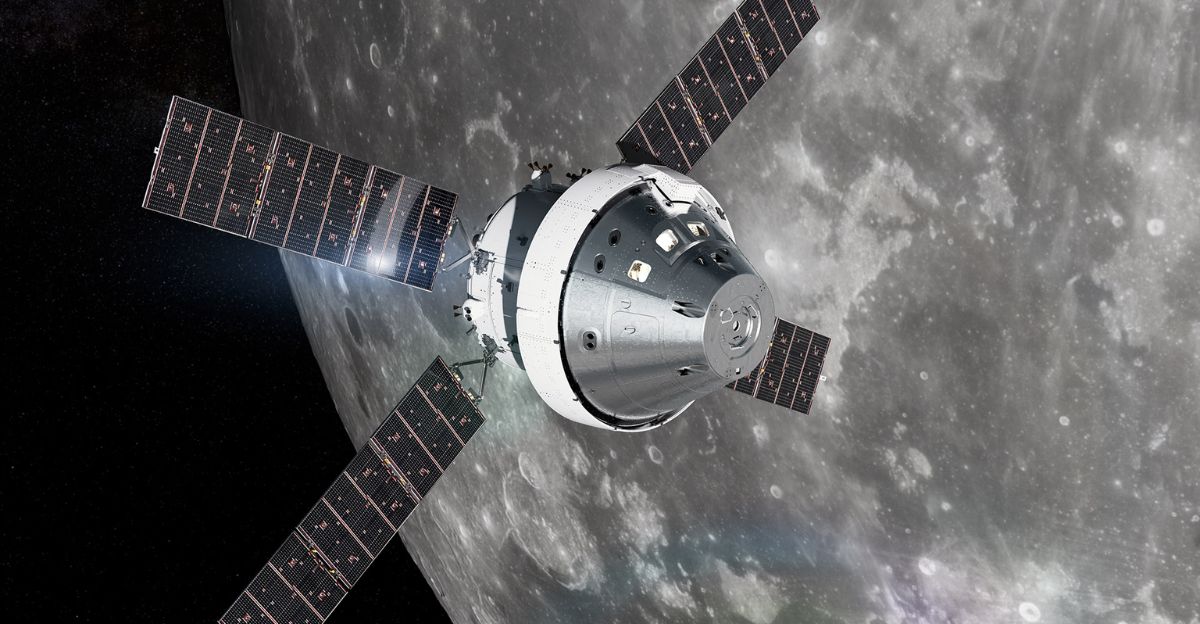
The Orion spacecraft, built by Lockheed Martin with a European Service Module from ESA, provides about 316 cubic feet of habitable volume for 4 astronauts. That is significantly more space than the Apollo command module, which offered about 210 cubic feet for 3 crew members. Orion’s systems are designed to withstand deep-space radiation and extreme reentry conditions.
During Artemis I, Orion spent about 25.5 days in space and traveled roughly 40,000 miles beyond the Moon’s far side. Data from that mission revealed heat shield behavior and hydrogen loading issues that NASA has since addressed through design updates and procedural changes, clearing the way for a crewed flight.
Countdown Tests and Flight Path
Before launch approval, teams must complete a wet dress rehearsal involving more than 700,000 gallons of cryogenic propellants and a full simulated countdown, including holds and abort scenarios. NASA says the test is mandatory before confirming a final launch date.
Current mission availability documents identify February 6, 2026, as the earliest launch opportunity, with windows extending through February 11 and additional chances in March and April. The roughly 10-day mission will send the crew into Earth orbit before a figure-eight trajectory around the Moon. Orion will pass within several thousand miles of the lunar far side, then return to Earth at nearly 25,000 mph, enduring temperatures around 5,000 degrees Fahrenheit before a Pacific Ocean splashdown.
A Stepping Stone Back to the Moon
Artemis II serves as a proving mission for Artemis III, NASA’s planned lunar landing near the Moon’s South Pole, currently targeted no earlier than 2027 and dependent on SpaceX’s Starship-based Human Landing System. Long-term plans include the Gateway space station and an Artemis Base Camp to support sustained lunar exploration.
NASA’s Office of Inspector General projected total Artemis spending of about $93 billion through 2025, with each SLS and Orion launch estimated at roughly $4.1 billion. At the same time, the Artemis Accords have grown to around 60 national signatories, reflecting expanding international cooperation. As final tests, weather, and hardware readiness converge, Artemis II stands poised to turn decades of planning into a renewed era of human exploration around the Moon.
Sources
NASA’s Moonbound Artemis II Rocket Reaches Launch Pad. NASA Blog: Missions, January 17, 2026
Launch Pad Preparations Progress Ahead of Artemis II Wet Dress Rehearsal. NASA Blog: Missions, January 21, 2026
Artemis program cost and contracts. NASA Office of Inspector General, November 15, 2021
NASA’s Artemis II rollout media briefing remarks. NASA, January 16, 2026