
Operation Metro Surge began in December 2025 as a large-scale federal immigration enforcement effort in Minneapolis.
DHS reported roughly 3,000 arrests over six weeks through mid-January 2026, involving about 2,000 federal agents. Officials described the operation as focused on public safety while presenting it as a prototype for broader national expansion.
Funding as the Structural Foundation
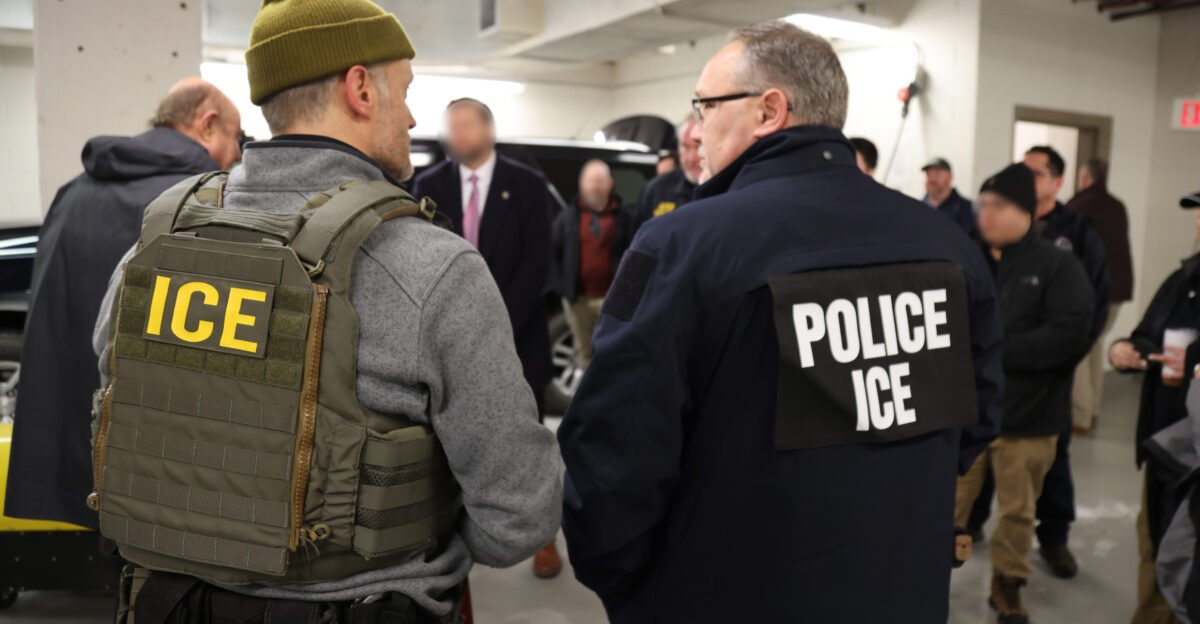
The administration cited new congressional funding as the backbone of expanded enforcement. Legislation allocated tens of billions of dollars for ICE detention capacity and long-term operational growth through 2029.
These appropriations position Minneapolis not as a one-off action, but as a test case for sustained, large-city enforcement efforts nationwide.
Multi-City Rollout Architecture
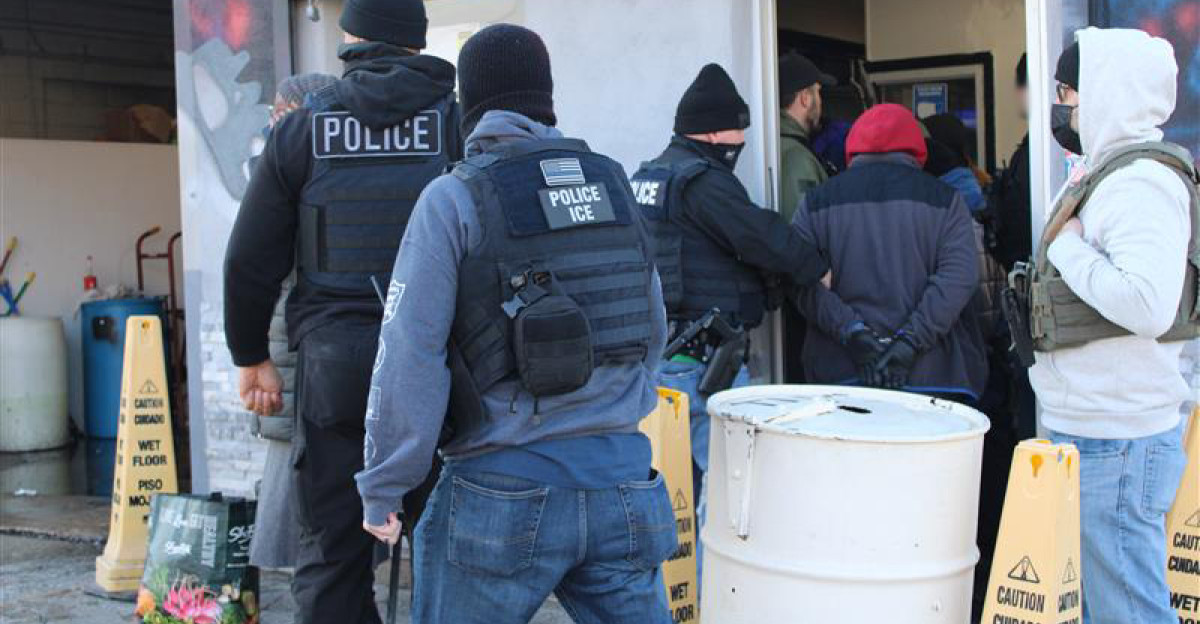
Federal officials signaled that Minneapolis would be followed by operations in other major cities. Agents were redeployed to New Orleans for similar enforcement activity, while public statements referenced planned or potential expansions to Chicago, Washington, D.C., Baltimore, and beyond.
The stated objective is scaling personnel, detention space, and processing capacity simultaneously.
Redefining “Criminal” Targeting

ICE data show a widening gap between rhetoric and enforcement patterns. While officials emphasized “criminal” targets, a declining share of recent arrests involved charges beyond immigration violations.
This shift effectively broadens the enforcement net to include undocumented individuals without serious criminal records, substantially increasing the potential arrest population.
Minneapolis Case Study
In Minneapolis, enforcement activity heavily affected the Somali immigrant community, including businesses and residential areas.
The operations triggered economic disruption and organized protests. Critics argue the focus contrasted with acknowledged large-scale financial crime investigations in the state, raising questions about whether immigration enforcement is being used for broader social or economic leverage.
Accountability and Legal Challenges
State officials documented alleged constitutional violations, including wrongful detention of U.S. citizens, lack of tribal notification for Native American detainees, and crowd-control tactics challenged in court.
Federal responses and limited disciplinary consequences fueled concerns that legal safeguards were inconsistently enforced during high-intensity operations.
Anticipated Second-Order Effects
While large workplace raids have so far been limited, policy analysts note statements suggesting they may follow community-level actions.
The sequencing could indirectly pressure labor markets by increasing fear and displacement first. Budget targets and deportation goals imply that broader sector-based enforcement may be necessary to meet stated objectives.
Minneapolis as an Expansion Blueprint

Officials’ characterization of Minneapolis as the “tip of the iceberg” aligns with funding levels, public expansion statements, and early replication in other cities.
Supporters frame this as structural modernization of enforcement; critics warn it scales faster than due-process protections. Either way, Minneapolis appears positioned as a proving ground for a transformed national approach.
Sources:
“Federal agents’ aggressive moves in Minneapolis and St. Paul” – CNN
“Minnesota ‘economic blackout’ planned in protest of ICE as immigration crackdown intensifies” – CNN (live updates)
“What we know about the federal ICE surge in the Twin Cities” – Star Tribune
“2000 federal agents sent to Minneapolis area to carry out ‘largest immigration operation ever,’ ICE says” – PBS NewsHour
“Minneapolis ICE crackdown: What we know about federal agents in Minnesota” – CNN
“Economic Blackout Planned To Protest ICE In Minneapolis” – HuffPost