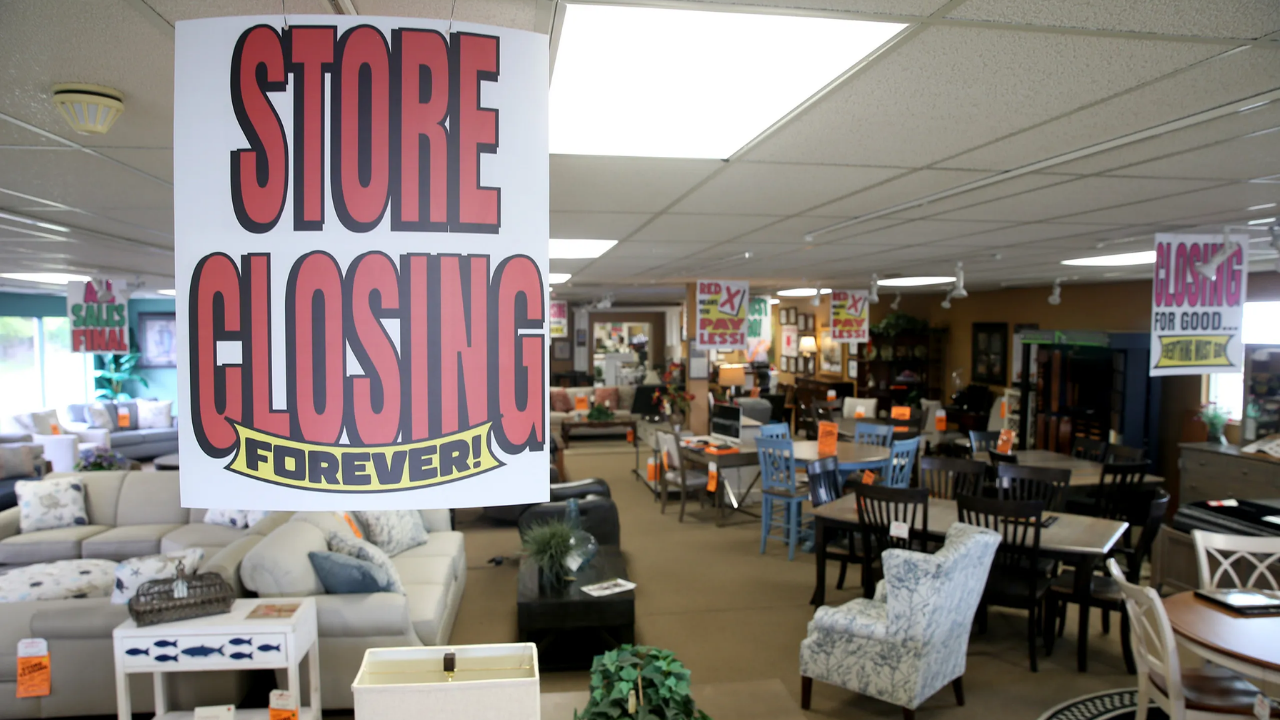
In 2025, American Signature Inc. reported something alarming: furniture shoppers stopped buying. After decades of steady demand, sales plummeted across the company’s hundreds of stores.
Wall Street watched nervously as executives scrambled for answers. The housing market had cooled before, but never like this.
The Pressure Mounts

The numbers told a brutal story. From 2024 to 2025, sales plunged $150 million, devastating a once-stable regional chain. Interest rates, inflation, tariffs, and weak post-pandemic furniture demand converged.
Competitors faced similar headwinds, but with 89 stores in 13 states, American Signature took an especially severe hit. Creditors grew impatient through late 2024 and 2025.
Nearly Eight Decades of History

Value City Furniture endured wars, recessions, and retail upheaval for 78 years. A fixture in malls and downtowns, it sold sofas, chairs, and bedroom sets to generations of families. It survived the 2008 financial crisis and adapted to online competition.
But in regional furniture retail, where margins are thin and competition fierce, survival requires constant reinvention.
When the Housing Market Froze

Housing demand cratered in 2024 and remained low into early 2025. During this period, mortgage rates stayed elevated, and home prices remained high. New construction slowed.
Fewer people were moving or furnishing new homes, which are the core customers for furniture retailers. “One of the most severe housing market declines in recent history,” the company would later say. Inventory piled up. Discounts deepened.
The Bankruptcy Filing

In November 2025, American Signature Inc. filed for Chapter 11 bankruptcy in the U.S. Bankruptcy Court for the District of Delaware. The filing confirmed insiders’ 2025 fears: the company could no longer stay afloat.
Instead of restructuring, executives chose liquidation. All 89 remaining stores, 79 Value City Furniture, and 10 American Signature Furniture stores would be wound down.
Going-Out-of-Business Begins
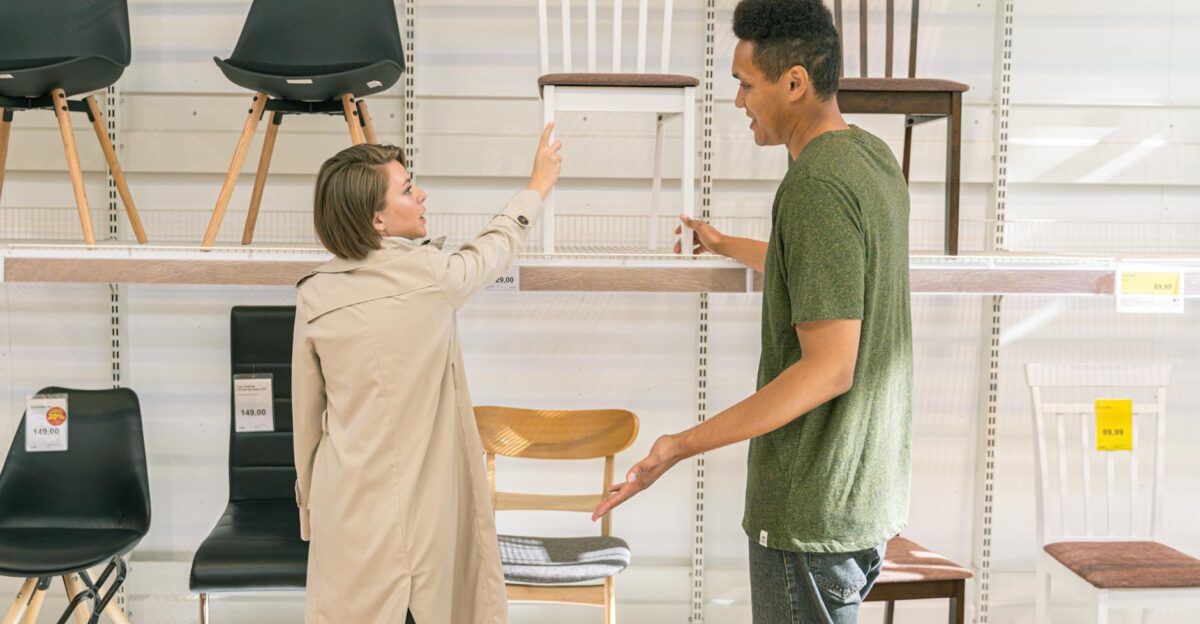
On January 10, 2026, liquidation sales began. A joint venture of SB360 Capital Partners, Hilco Global, and Gordon Brothers took control.
Stores in numerous states displayed clearance signs. Prices dropped 40, 50, even 60 percent. Shoppers rushed in for their last chance to buy from a trusted brand.
The Human Cost

Hundreds of employees got termination notices. Customers with pending orders faced cancellations. Warranty holders discovered coverage was in limbo. Local residents posted online, recalling childhood visits to Value City. Communities lost long-time anchor stores, leaving vacant storefronts.
The Broader Retail Wave

Value City was not alone. Macy’s closed stores. GameStop shut hundreds of locations. Yankee Candle and diner chains contracted. Regional retailers with thin margins and aging stores were hit hardest. The shift to e-commerce after the pandemic reshaped customer behavior, and traditional furniture stores struggled to adapt.
The Macroeconomic Storm

Inflation, high interest rates, tariffs on imported goods, and a housing cooldown combined to crush consumer discretionary spending. Furniture, expensive, non-essential, and cyclical, bore the brunt. Younger buyers deferred purchases.
Homeowners stretched mortgages. Tariffs squeezed margins. Well-managed chains faced headwinds. American Signature lacked national scale or e-commerce agility.
The Warranty Trap
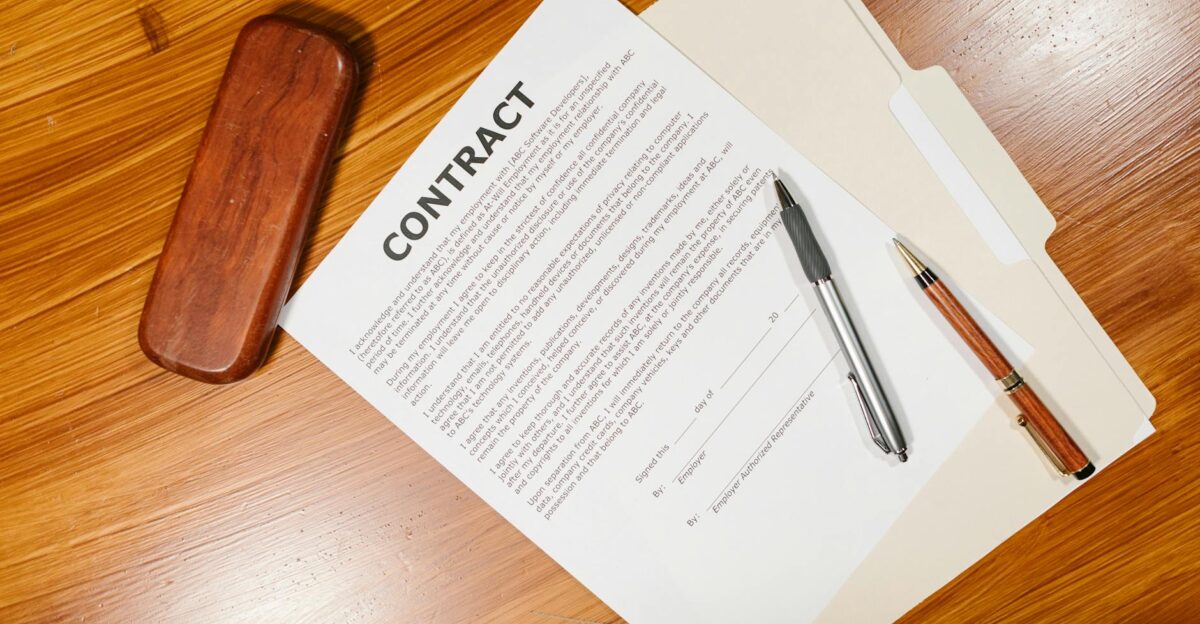
A secondary crisis emerged in late 2025 and early 2026: customers who bought extended warranties or service plans now had contracts with a company in liquidation. Promised coverage was suddenly uncertain.
Class-action suits loomed. Legal questions arose over who would honor longstanding warranty obligations. The company’s exit exposed the fragility of consumer protection for retail-backed guarantees.
Internal Conflicts and Leadership Friction

Behind closed doors, tensions simmered. Some executives argued for a slower wind-down or a sale to a competitor. Creditors demanded speed and cash. Rudolph Morando, co-chief restructuring officer, sided with liquidation.
The housing crisis, he said, was “one of the most severe” in modern history—leaving no room for patience. The family business was dismantled in 90 days.
Ownership and Legacy Questions
American Signature Inc. was privately held and steered for decades by the Schottenstein family, Columbus entrepreneurs with deep retail roots.
The firm survived previous downturns by adapting. This time, structural changes in housing and consumer behavior overwhelmed legacy strategies. No executive reshuffling could salvage a model dependent on in-store browsing and rising home sales.
Internal Conflicts and Leadership Friction

American Signature invested in e-commerce, but late and in small steps. By 2024, younger customers already expected seamless omnichannel experiences free shipping, easy returns, and virtual showrooms.
The company’s website and logistics lagged behind competitors like Wayfair and RoomCo. Slow digital investment and costly legacy leases hampered pivoting, allowing digital-native rivals to seize market share.
Expert Skepticism on Recovery

Industry analysts saw few paths to survival. Bankruptcy revealed debt in the hundreds of millions. Lenders had little incentive to fund a turnaround in a shrinking sector.
Specialists noted that regional chains lacking national recognition or economies of scale rarely survived Chapter 11. The housing market would need to rebound sharply; creditors would not wait.
The Open Question Ahead
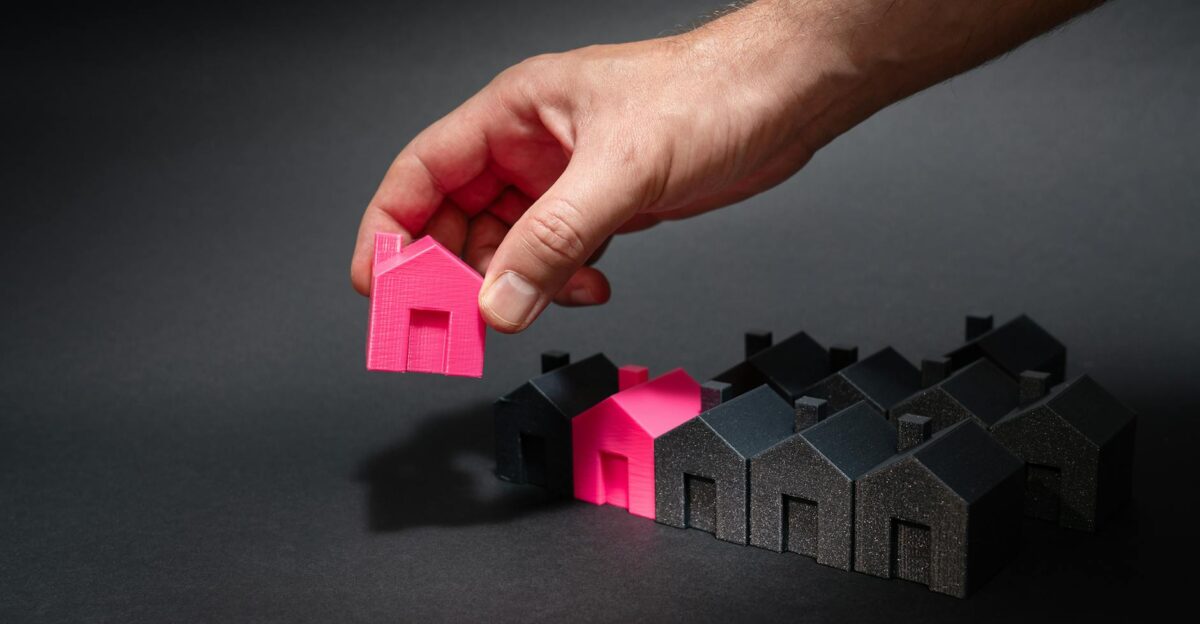
Will the housing market recover fast enough to pull furniture retail with it? Or has consumer behavior shifted toward direct-to-consumer, imports, and e-commerce? Even if homes start selling again, will shoppers return to mall-based furniture stores? American Signature’s collapse may signal more change ahead for the sector.
Political and Policy Echoes

Tariffs shaped by Washington pushed furniture costs higher. Import tariffs on goods from Asia raised prices for low- and middle-income consumers. American Signature’s liquidation may reignite debate about tariff policy and its effect on regional retailers tied to imports. Policymakers face calls to recalibrate.
The Global Furniture Supply Chain
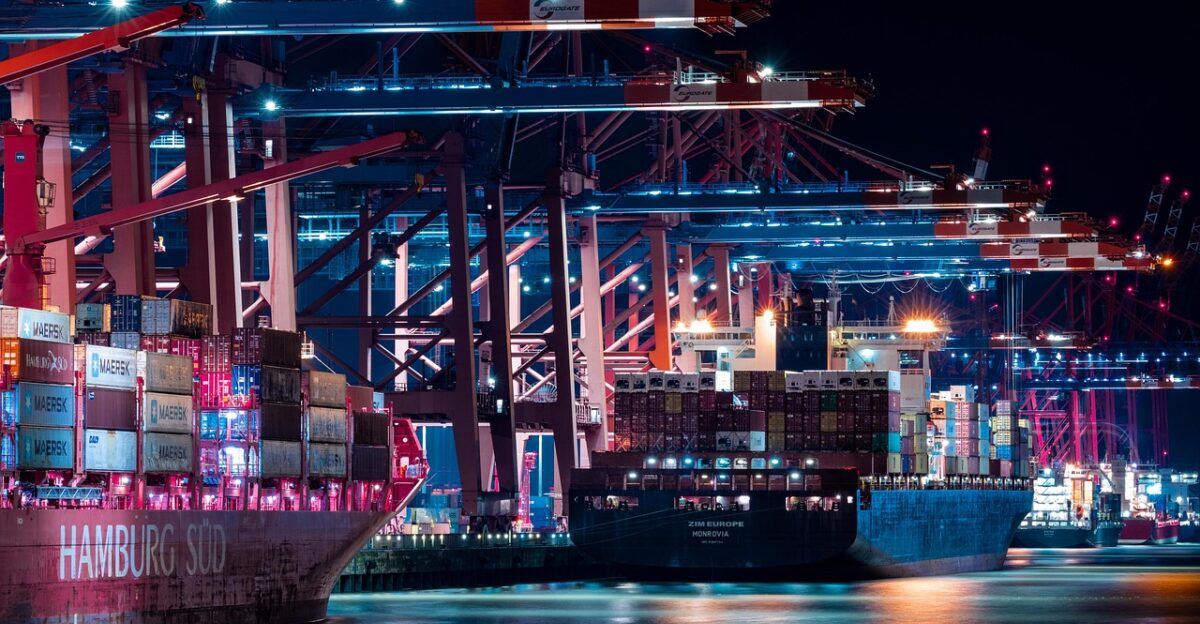
American Signature’s collapse ripples through global supply networks. Manufacturers in Vietnam, China, and India lose a major customer overnight. Shipping containers once earmarked for American Signature must find new routes.
Logistics firms adjust forecasts. The company’s sudden exit removes a buyer from a post-pandemic supply chain still recovering from disruptions.
Commercial Real Estate Consequences
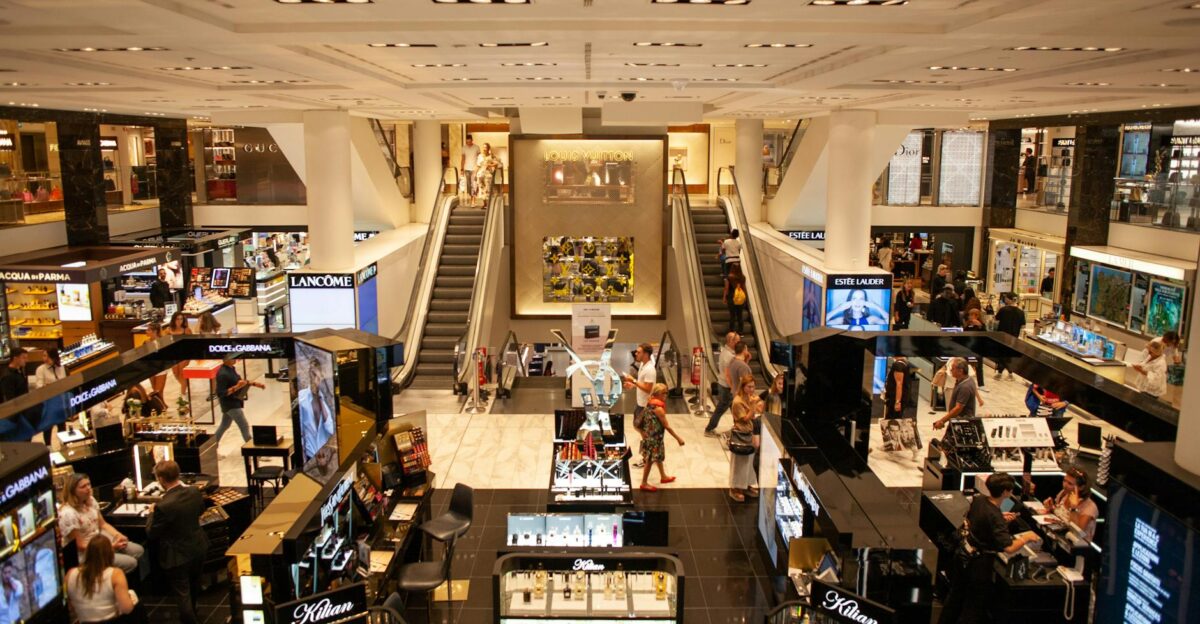
Dozens of mall and shopping center leases are now in default or terminated. Landlords must quickly find new tenants or accept reduced rents. Shopping centers that counted on Value City as an anchor now face shrinking traffic.
Some properties may become offices, warehouses, or residences; others may sit vacant. The liquidation accelerates the decline of retail real estate.
Generational Shift in Consumer Values

Younger buyers now prioritize experiences, sustainability, and direct-to-maker purchases over buying from retailers. Renting, buying secondhand, or mixing high-end and budget pieces reflects a new mindset.
American Signature’s 78-year-old brand, built for families seeking stability, no longer resonates with Gen Z and millennials. The collapse signals not just a downturn but a bigger cultural change.
The Bigger Picture
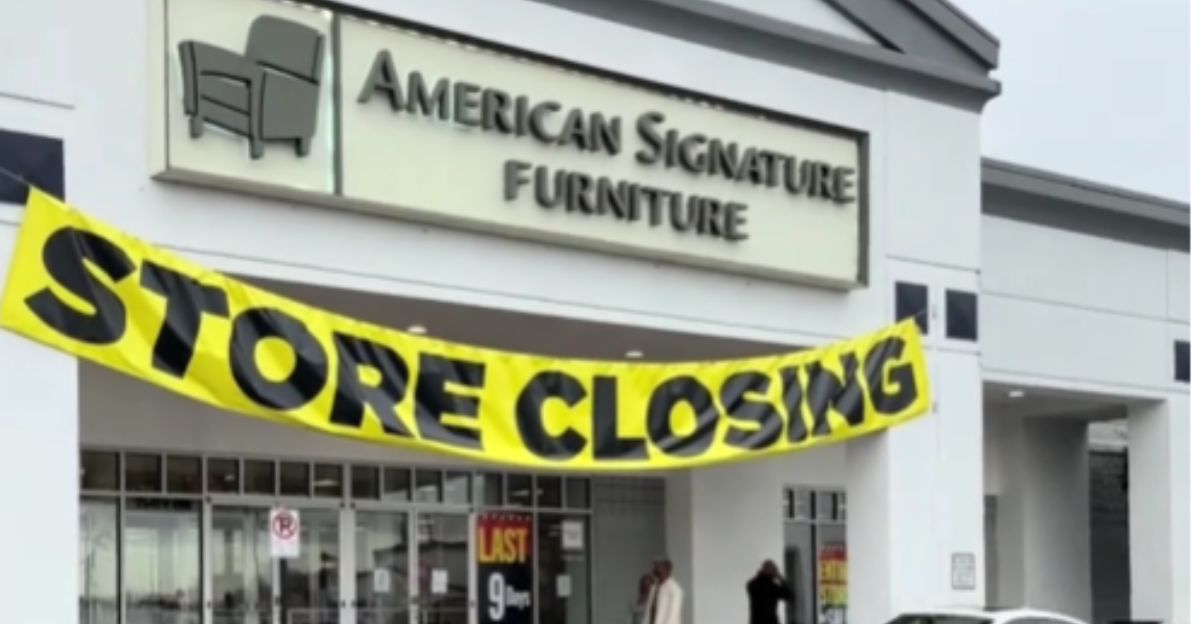
American Signature’s liquidation is not just one company’s failure. It reflects shifts in housing, consumer behavior, supply chains, and retail geography. A 78-year-old chain survived wars and recessions but fell to a storm of inflation, tariffs, interest rates, and digital disruption. Its disappearance will reshape shopping in many communities and shows that legacy, scale, and longevity guarantee nothing in a changing economy.
Sources:
Retail Dive, “Value City Furniture owner files for bankruptcy citing housing crisis,” 23 Nov 2025
Retail Dive, “Value City and American Signature Furniture Launch Massive Liquidation Sales as 89 Stores Close,” 11 Jan 2026
USA Today, “Value City Furniture begins going-out-of-business sales,” 13 Jan 2026
NJ.com, “Beloved furniture store closing all locations after 78 years in business: ‘Sorry to see them go’,” 17 Jan 2026
Yahoo Finance, “78-year-old furniture chain liquidating, closing all 89 stores,” 10 Jan 2026
K2 Partners, “Value City and American Signature Furniture Launch Massive Liquidation Sales as 89 Stores Close,” 11 Jan 2026