In the icy reaches of Greenland, a small German military team landed in mid-January 2026, sparking a rapid-fire diplomatic crisis. The 15-member reconnaissance unit, part of a NATO-linked operation, arrived to assess terrain, infrastructure, and Arctic readiness amid growing competition with Russia and China.
The mission coincided with President Donald Trump’s announcement of tariffs on European allies tied to Greenland, injecting uncertainty into transatlantic relations. “The core objectives of the mission had been met,” a Bundeswehr spokesman said. Here’s what unfolded over the tense 44-hour deployment and the tariff threat that quickly shook the alliance.
German Reconnaissance Hits the Arctic
Fifteen Bundeswehr soldiers touched down in Nuuk at Denmark’s request, supporting NATO’s broader push to increase Arctic surveillance. Officials described the mission as a way to assess local conditions, infrastructure, and terrain for future exercises. While small in scale, the deployment symbolized a growing European willingness to operate in a region historically dominated by U.S. military assets like Thule Air Base.
German forces worked closely with Danish authorities to complement existing Arctic defence and monitoring plans. Analysts noted that these operations are increasingly important as Russia and China expand their Arctic presence, highlighting the strategic value of having boots on the ground, even temporarily.
Greenland’s Strategic Resources
Greenland controls vital North Atlantic and Arctic sea routes and hosts radar and air-defence installations central to NATO early-warning systems. Beneath the ice lie vast deposits of minerals critical to modern defence and clean-energy technology, including rare earths at Kvanefjeld and Tanbreez. Geological surveys report Kvanefjeld alone contains more than 11 million tonnes of ore with rare earths and uranium.
With China dominating the processing of these minerals, access to Greenland’s resources has become a strategic priority for the U.S. and European capitals. Officials increasingly frame Greenland as not only a military asset but also a key factor in technological independence and national security.
Trump’s Tariff Threat Shakes Europe
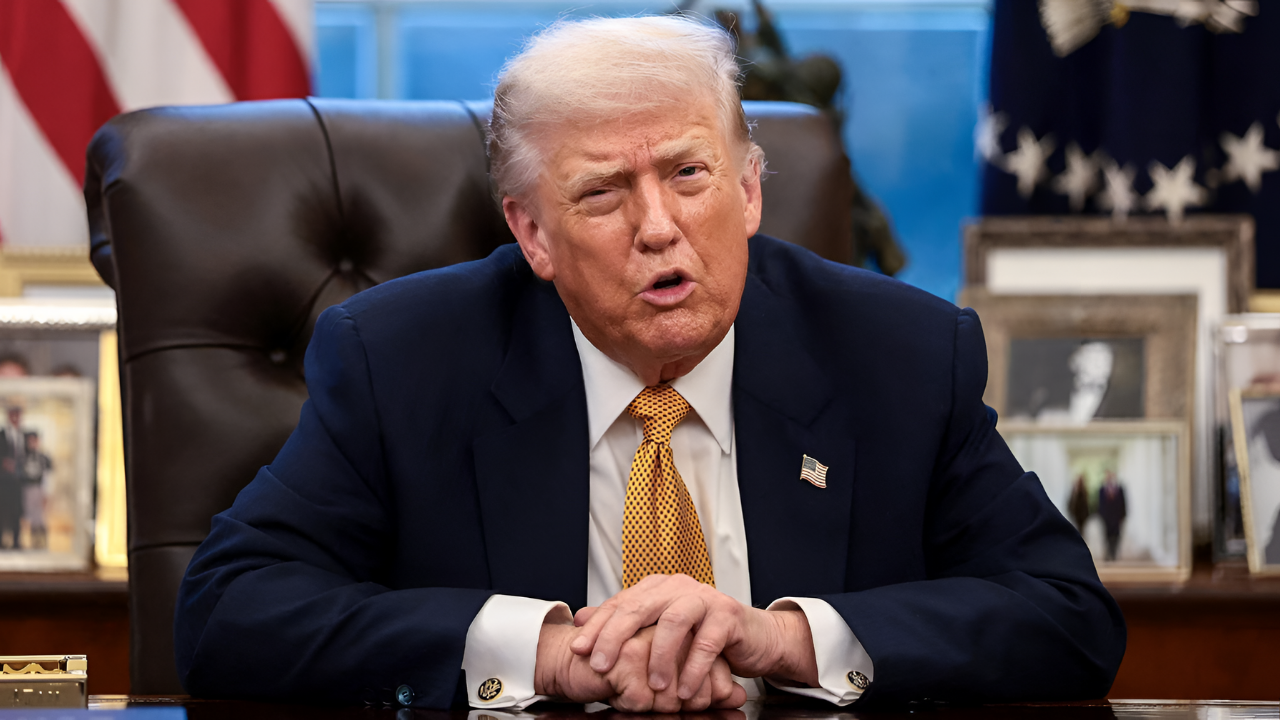
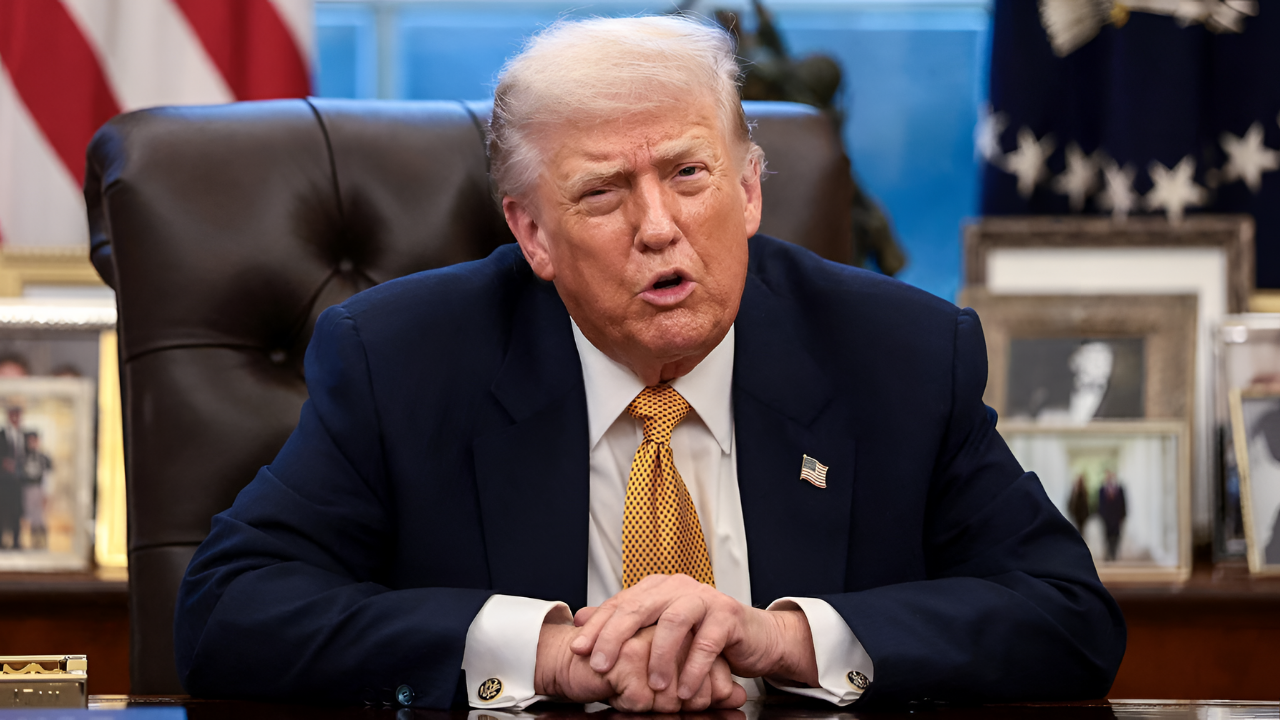
On January 17, 2026, Trump announced a 10% import tariff on goods from eight European countries, rising to 25% on June 1 unless the U.S. could purchase Greenland. He justified the measure by citing potential Chinese and Russian influence and criticized European diplomatic outreach as undermining U.S. interests. The move targeted economies with hundreds of billions in trade and investment tied to the United States, raising legal questions and market uncertainty.
Trump’s statements on Truth Social linked the tariffs directly to Greenland negotiations, escalating pressure on Denmark and other European nations. “Complete and total” acquisition of the island became the central demand, placing the short German deployment amid a broader transatlantic standoff.
European Pushback Intensifies

European leaders immediately rejected Trump’s pressure. Danish and Greenlandic officials reaffirmed that the island is not for sale, while French President Emmanuel Macron criticized economic coercion against allies. British and Nordic governments emphasized cooperation within NATO and the EU to resist undue pressure.
The European Union’s Anti-Coercion Instrument, adopted in 2023–24, allows retaliatory measures such as tariffs or investment restrictions. Lawmakers debated whether the Greenland case constituted a test of the tool, and Brussels officials warned that using trade as leverage over sovereignty could erode trust at the alliance’s core.
Diplomatic Reversal at Davos
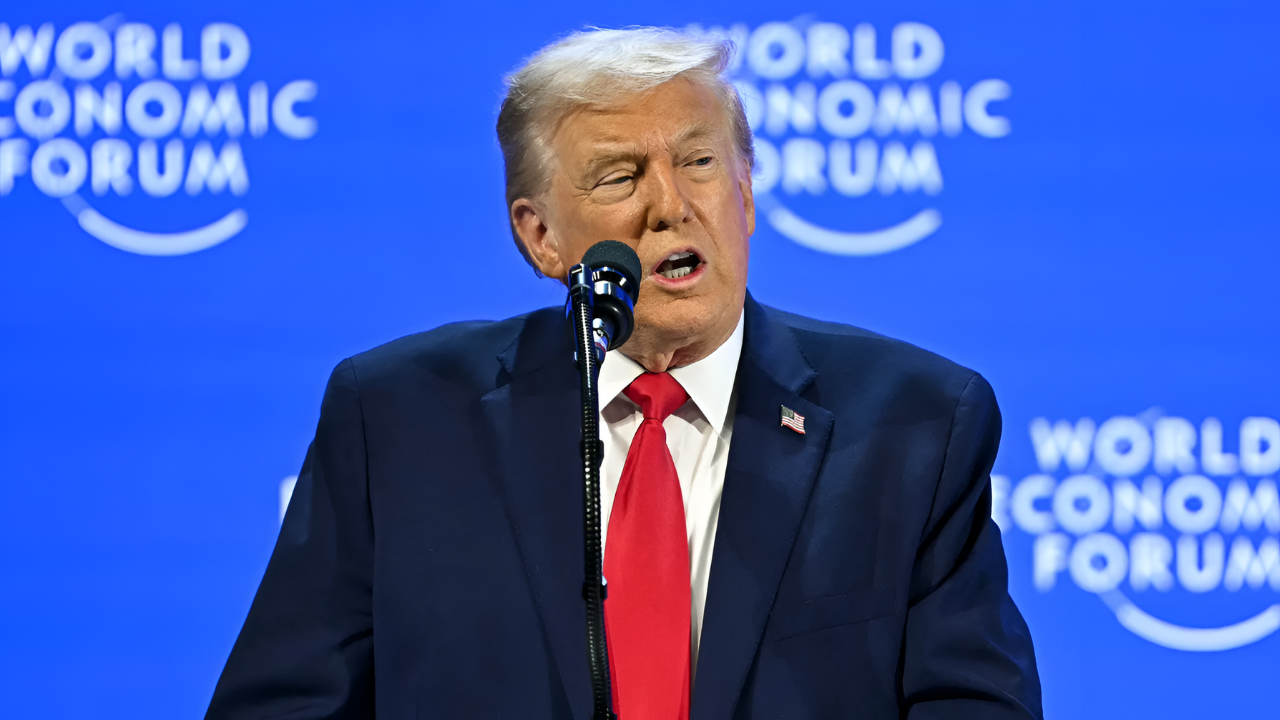
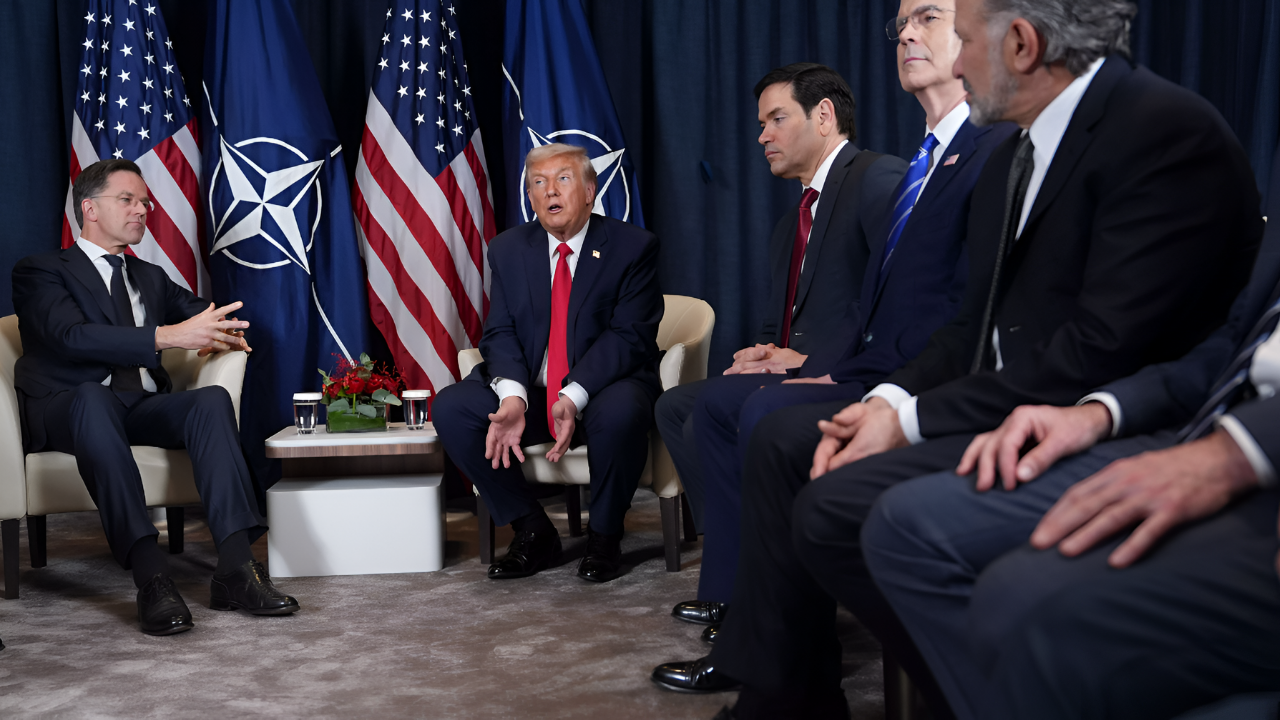
By January 21, the dispute moved to the World Economic Forum in Davos. Trump announced he was dropping the tariff threat after a “very productive” meeting with NATO Secretary General Mark Rutte, describing a framework for a future Arctic deal. He also stated the U.S. would not seize Greenland “by force.”
NATO officials clarified that sovereignty remained unchanged and talks would focus on Arctic security, collective defence, and countering Russian and Chinese influence. While the immediate tariff threat receded, the episode highlighted how quickly alliance relations can be shaken when economic leverage intersects with territorial ambitions.
Arctic Cooperation Continues
Despite the tariff drama, NATO’s Arctic exercises continued, including cold-weather drills with U.S. Marines and European forces. Officials emphasized that military commitments in the North Atlantic remain intact, signaling operational continuity amid political turbulence.
Analysts warned any future attempt to force Greenland’s acquisition could strain mutual-defence obligations under Article 5. For now, diplomacy, trade, and resource strategy dominate the agenda. The brief German deployment, tariff threats, and rapid diplomatic reversal have left lingering questions about the durability of Arctic cooperation, even as nations continue to navigate strategic competition in the High North.
Sources:
NATO Secretary General Mark Rutte keynote address. NATO, January 13, 2026
Joint statement by President Costa and President von der Leyen on Greenland. European External Action Service, January 18, 2026
EU trade relations with United States. European Commission, accessed January 22, 2026
The Second Agreement on the Arctic and North Atlantic strengthens operational effectiveness. Danish Defence, October 10, 2025
Cold Response: 25,000 NATO Allies Launch High-North Exercise. DVIDS, January 19, 2026