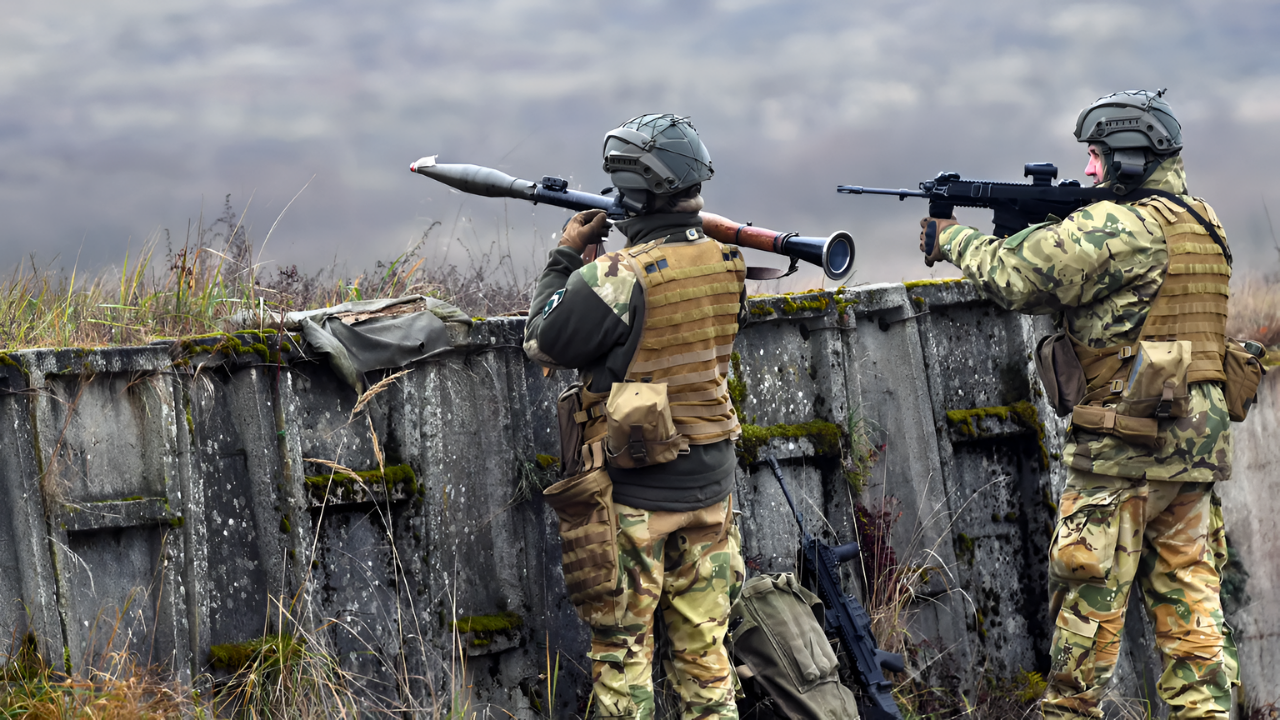
Air raid sirens pierced Kyiv’s frigid night, signaling a massive Russian assault unlike any before. Bombers unleashed missiles and drones across Ukraine, testing defenses to their limit as crews fired interceptors through the hours until dawn.
Just one day prior, on January 16, Western allies delivered a vital shipment of air defense missiles. President Volodymyr Zelensky revealed that multiple systems had run dry of ammunition until that morning’s arrival. Without it, the impending attack might have overwhelmed Ukraine entirely, turning a fierce battle into devastation.
The Assault’s Heavy Toll
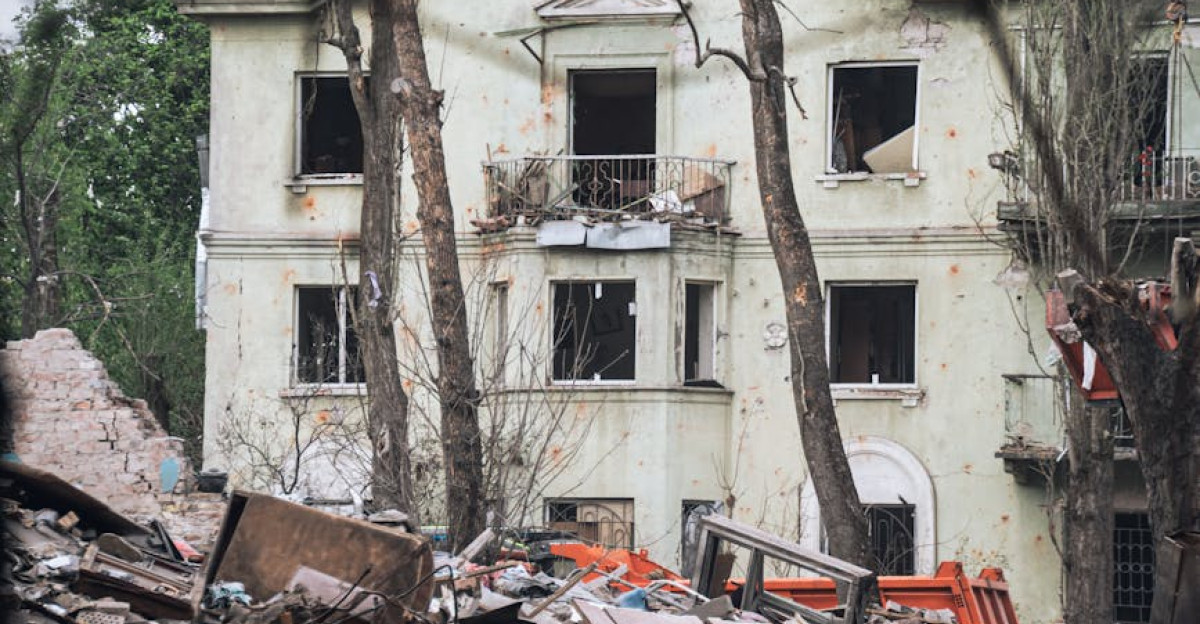
As light broke, reports clarified the scale: Ukrainian forces intercepted 342 Russian projectiles in one night—14 ballistic missiles, 13 cruise missiles, and 315 drones. Among them was a rare Zircon hypersonic missile, one of Russia’s most advanced. Five missiles and 24 drones broke through, hitting infrastructure in 11 locations.
Kyiv awoke to widespread outages. Half the city lost power, with 5,635 apartment buildings deprived of heat amid the cold of minus 18 Celsius. Water supplies were halted, schools were closed until February, and roughly 600,000 residents were evacuated by week’s end. Citizens sought refuge in metro stations and basements, a scene echoed nationwide.
The Staggering Cost Revealed
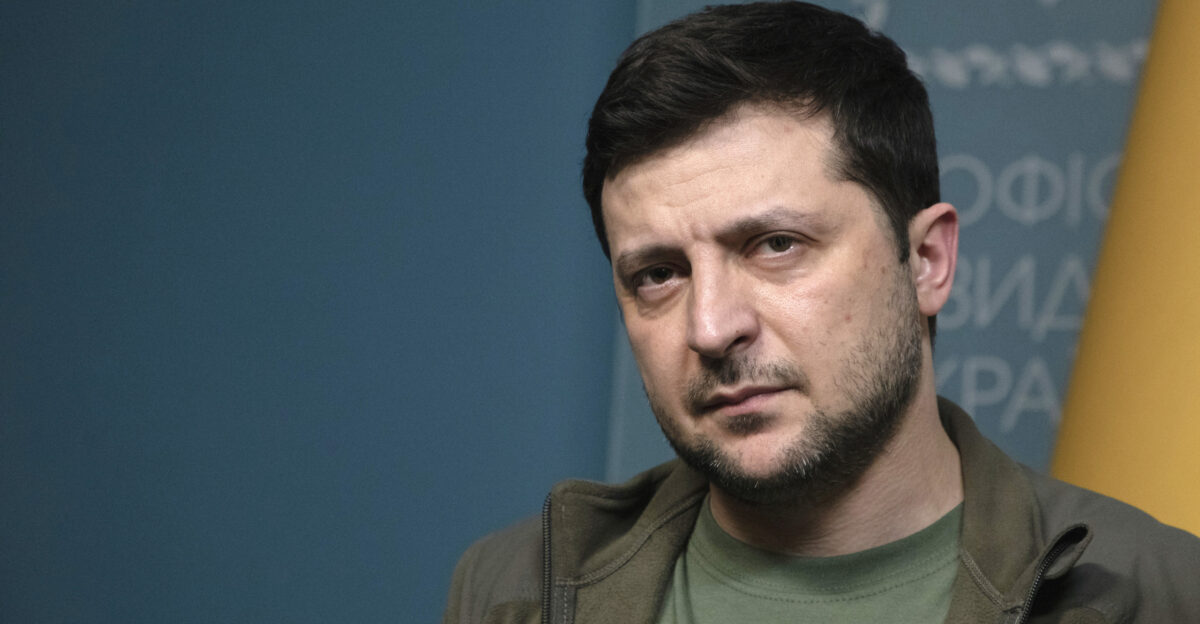
On January 20, Zelensky briefed reporters, disclosing that repelling the attack consumed about 80 million euros—around $88 million—in interceptors alone. For Ukraine, locked in financial strain, this eight-hour expenditure underscored the war’s brutal economics. Each success drained resources at an unsustainable rate.
Russia’s Production Edge
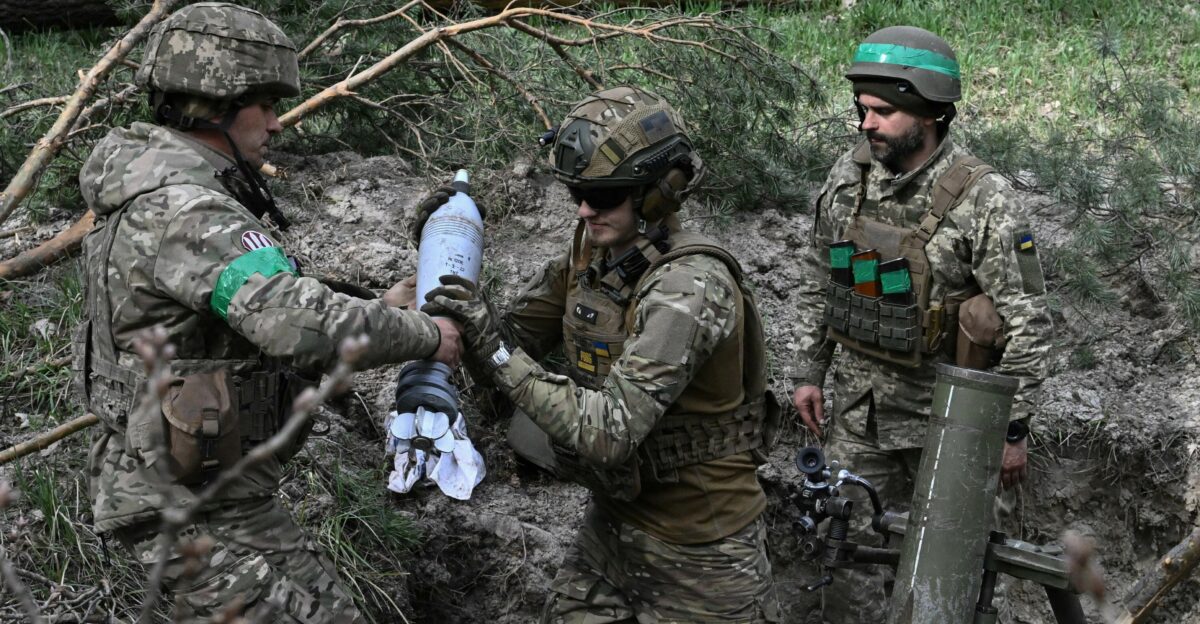
The asymmetry sharpened the crisis. A single PAC-3 Patriot interceptor costs roughly $7 million, while Russia’s Shahed-136 drones run about $70,000 apiece—a 100-to-1 disparity. Moscow produces over 5,500 Shaheds monthly on round-the-clock shifts, alongside 195 strategic missiles: 60-70 Iskander-M ballistic missiles, dozens of Kh-101 cruise missiles, and more. Even Zircons, at an estimated $5.2 million each, deploy regularly.
Ukraine’s defenses lag. France’s Le Monde noted in May 2025 that SAMP/T batteries and Crotale systems exhausted supplies, with no refills for some in 18 months. Patriot hit rates against Iskanders fell to 15 percent in 2024; drone intercepts dipped to 30 percent in spots by 2025.
Aid Shortfalls Widen the Gap
Ukraine’s 2026 defense needs a total $120 billion, half of which is fundable domestically at 27 percent of the budget. The $60 billion deficit relies on partners, yet aid dropped 43% after mid-2025 amid U.S. reviews. Delays hit Patriots, Stingers, and ammo as Russian barrages intensified, leaving systems exposed.
If January’s tempo persists into 2026, annual interceptor costs could top $32 billion—matching Ukraine’s full defense budget. At $257,000 per target downed that night, the equation favors Russia’s strategy: saturate to exhaust.
Future attacks loom with Moscow’s output unyielding. Ukraine’s survival through winter hinges on timely resupplies. Partners face a stark choice—bridge the gap to sustain defenses, or watch infrastructure crumble and populations endure unchecked vulnerability.
Sources:
Kyiv woke up cold and dark again after Russia fired 300+ drones and dozens of missiles – Euromaidan Press, January 20, 2026
Russian attack costs Ukraine about EUR 80 M in air defense missiles – Ukrinform, January 20, 2026
Zelenskyy reveals €80mn price tag for single day of air defense costs – Euromaidan Press, January 20, 2026
Ukraine’s air defence downs 342 Russian targets in single night – Facebook/Ukrainian military channels, January 20, 2026
Zelenskyy: Repelling Russian attack cost €80m, Russia continues updated tactics – Pravda Ukraine, January 20, 2026