Snow swept across the isolated runway of Pituffik Space Base in northwest Greenland as NORAD aircraft landed amid rapidly building geopolitical tension. Officially, the deployment is part of routine operations, but its visibility—at a moment when former U.S. president Donald Trump’s recent remarks about possibly using military force to claim Greenland have stirred alarm among allies—has drawn heightened attention from allies who see it in the context of a wider Arctic security crisis.
Strategic deployment in the High North
NORAD says the aircraft are taking part in long‑planned defense activities meant to strengthen coordination between North American air assets across the United States, Canada, and Greenland. The mission, framed as routine, integrates the island into the broader continental defense network at a moment when allies are watching for any sign of escalation. The visit follows months of expanded cooperation under NORAD’s modernization plan, emphasizing surveillance, missile tracking, and strategic deterrence across the Arctic frontier.
Political friction and alliance anxiety

The deployment has arrived as Trump’s televised “no comment” on potentially seizing Greenland—followed days later by his public statement that the United States “won’t use force” to take the island—reignited and then partially eased debates about U.S. ambition in the Arctic. Denmark, which governs Greenland as part of its kingdom, has reiterated that the island is “not for sale.” Officials in Copenhagen and other European capitals warned that earlier military hints and tariff threats could fracture NATO itself, turning what began as a defense‑policy question into a test of alliance solidarity.
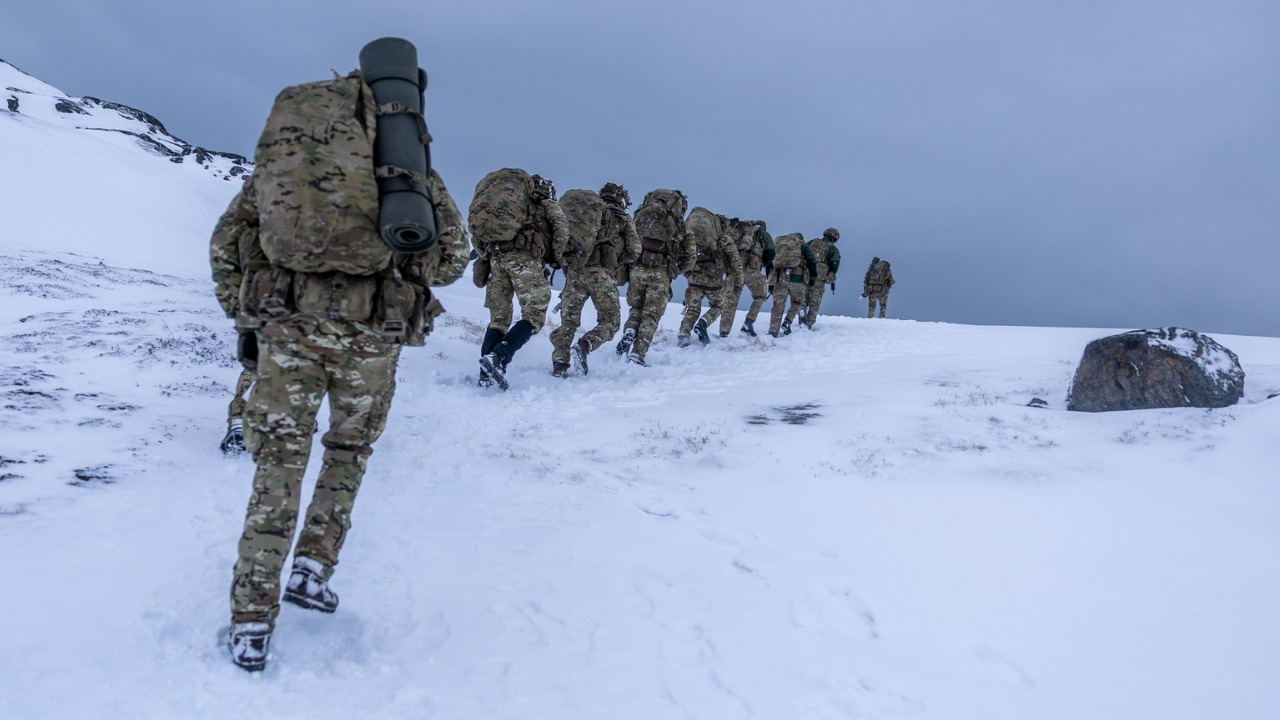
Denmark has already begun reinforcing its own presence, sending additional troops for Arctic training and planning broader patrols around Greenland’s coast. Danish officials have argued that increased visibility is necessary given today’s more unpredictable security environment. Other NATO members, alongside Denmark and NATO’s leadership, are discussing how to strengthen the alliance’s role in Arctic surveillance and situational awareness to discourage unilateral military actions while protecting the alliance from internal strain.
Pituffik’s expanding importance
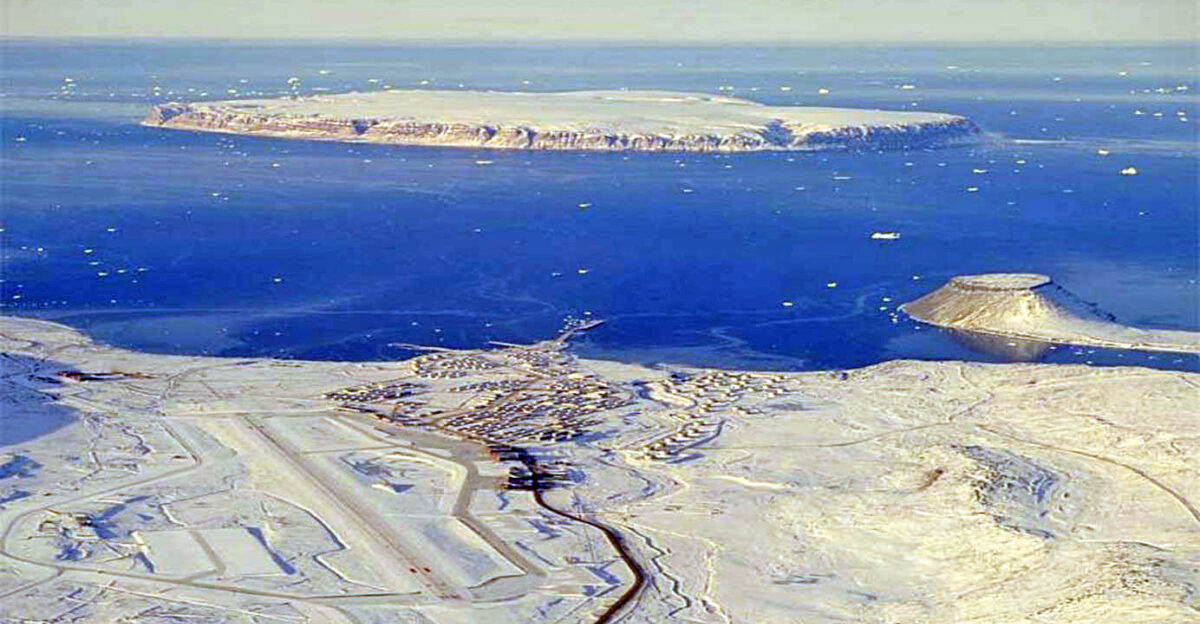
Pituffik, formerly Thule Air Base, sits roughly 1,200 kilometers from the North Pole. It is the U.S. military’s northernmost installation and a central link in the radar and missile‑warning systems that track launches across the polar region. About 150 American personnel typically operate there year‑round, though numbers often rise during large‑scale exercises such as Operation NOBLE DEFENDER. The base also supports space surveillance and early‑warning networks critical to North American defense.
The Pentagon has invested steadily in modernizing Pituffik’s infrastructure, from extending runway capacity to upgrading communications systems. Extreme weather and near‑total winter darkness make operations challenging, but also help explain why maintaining year‑round readiness has strategic weight. In 2025, the U.S. moved Greenland’s military oversight from European Command to Northern Command, officially placing it under the structure responsible for homeland defense, in a shift that officials said would strengthen defense integration across the Arctic.
Europe pushes back, markets take note
Washington’s firmer Arctic stance has complicated relations with European partners. Trump initially paired his Greenland remarks with tariff threats on NATO allies, proposing phased levies that could reach 25 percent unless talks over the island advanced, before later signaling at Davos that the United States was stepping back from immediate escalation. The European Union has been preparing countermeasures, with Danish and EU officials warning that coercion “will not bring results” and urging a return to lawful diplomacy and multilateral discussion.
Analysts say the confrontation is already affecting financial markets and business sentiment, with companies reassessing trade and investment exposure linked to Greenland and the Arctic. Analysts also warn that any U.S.–EU tariff clash over Greenland could spill into wider sectors, including technology and clean‑energy supply chains.
Unity and uncertainty ahead
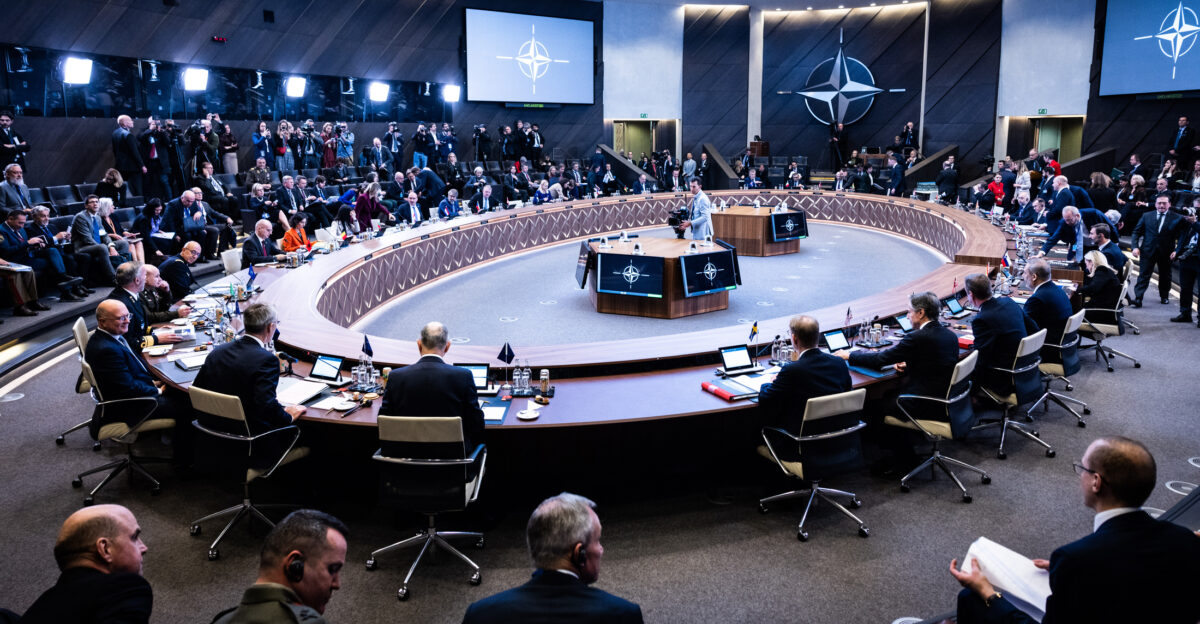
For now, NORAD continues to emphasize the routine nature of its flights, underscoring that all missions involving Pituffik are coordinated with Danish authorities and Greenlandic representatives under existing agreements. NATO Secretary‑General Mark Rutte and other senior officials have highlighted the Arctic’s importance for collective security and praised Denmark’s increased Arctic engagement, stressing that allies must stay united to prevent incidents from escalating.
Local sentiment in Greenland remains firmly opposed to any U.S. takeover of the island. Polls and past consultations show strong support among Greenlanders for maintaining self‑government within the Danish realm. The dispute, therefore, is as much about the island’s autonomy and its relationship with Denmark as about U.S.–European power politics.
As ice continues to retreat and northern shipping routes expand, the Arctic is emerging as a new stage for global competition. Pituffik’s runway—swept by snow, anchored in frozen rock—now stands as both symbol and signal: a reminder that climate change is pulling once‑distant regions into the heart of great‑power strategy. Analysts say the way allies handle this latest series of routine deployments—whether it calms tensions or deepens distrust—will shape future decisions on how they manage security in one of the world’s coldest, most contested frontiers.
Sources:
“Weekly U.S. Influenza Surveillance Report (FluView).” Centers for Disease Control and Prevention, late Nov 2025.
“Deadly ‘Super Flu’ Surge Forces Schools to Close and Triggers Mask Mandates Across the U.S.” MSN, 2025.
“Hospitals overwhelmed as flu virus outbreak spreads from China.” The Express, 2025.
“‘Super Flu’ Forcing Schools To Close, Hospitals To Enact Restrictions.” KISS FM RGV / iHeartRadio, 10 Dec 2025.