In the frigid blackness of January 17, 2026, Ukrainian drones struck with surgical precision, severing power to much of Russian-occupied Zaporizhzhia and exposing the fragility of Moscow’s control over the region’s grid.
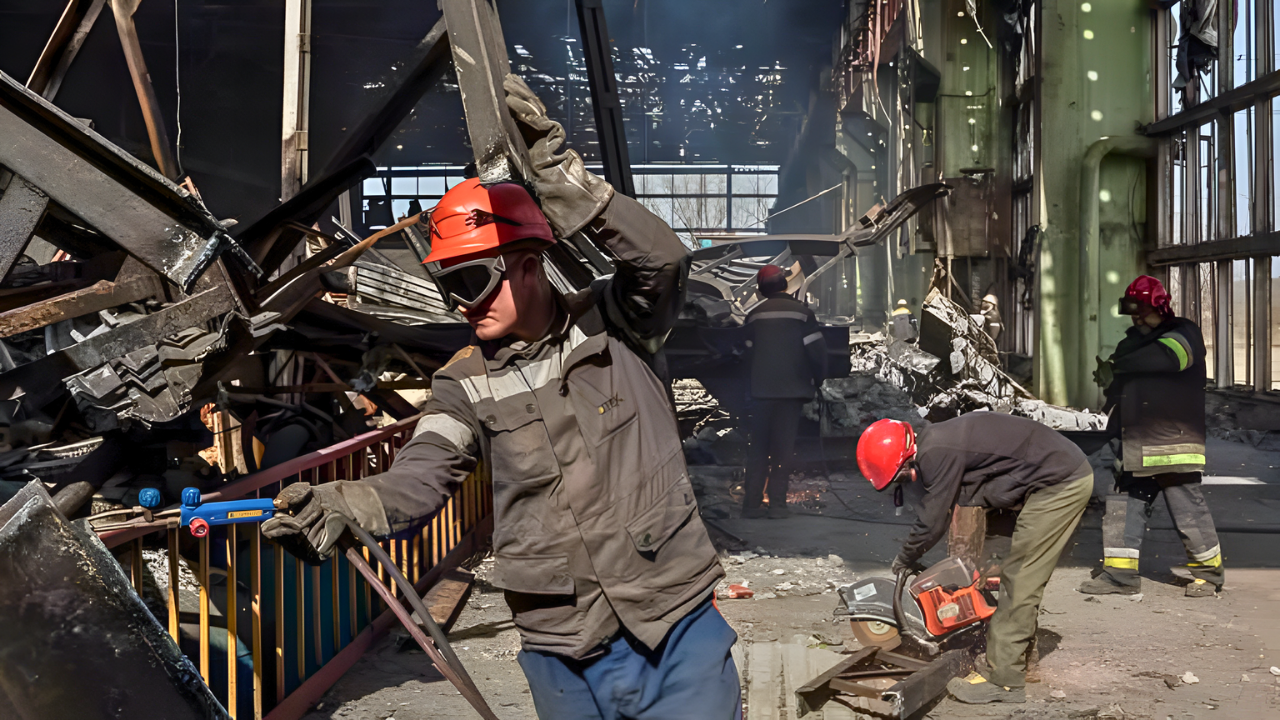
Residents awoke to horizon flashes just after midnight, as waves of small, inexpensive unmanned aircraft overwhelmed defenses. Independent assessments confirmed hits on several 330-kilovolt substations, sparking a cascade failure that darkened three-quarters of the occupied zone. More than 213,000 consumers—households, businesses, and institutions—lost electricity, affecting hundreds of thousands amid sub-zero temperatures.
A Night of Precise Drones
The assault unfolded as a coordinated swarm, with dozens of low-flying drones programmed to target transformers and switching stations simultaneously. Flying low to evade radar, they altered paths mid-flight, disabling equipment with minimal collateral damage. Russian air defenses, including Pantsir and S-300 systems, intercepted some but faltered under the volume, revealing shortages of missiles after prolonged frontline engagements.
A Region Held in the Cold
The blackout hit during a brutal cold snap, halting electric heaters, boilers, and pumps in apartments and rural homes. Families lit candles, fired up gas stoves, or burned wood and rubbish for warmth. Russian-appointed governor Yevgeny Balitsky reported nearly 400 settlements still dark the next morning, with repair crews hampered by equipment shortages and stretched emergency services. Local reports noted delays in deploying diesel generators, amplifying civilian hardship.
Moscow’s Struggle to Regain Control
Balitsky posted on Telegram that teams worked around the clock, but offered no firm restoration timeline. Recurring Ukrainian strikes on fuel depots and substations have depleted spares, complicating recoveries. Analysts point to the challenge of safeguarding vast, exposed power lines in occupied areas, especially as Russia’s domestic network strains under war demands. The incident underscores how persistent attacks erode Moscow’s hold on infrastructure.
Ukraine Flips the Script
Kyiv has long endured Russian barrages on its energy systems, with cities like Kyiv and Kharkiv facing rolling blackouts aimed at civilian morale. This operation mirrors that tactic, targeting grid nodes that sustain Russian military bases, radar sites, and logistics in a strategically vital corridor linking Crimea to Donbas. Though Ukraine issues no official claims, its channels buzz with commentary linking the outage to “electrical justice” for Russia’s campaigns. Zaporizhzhia hosts Europe’s largest nuclear plant, offline but monitored internationally; grid disruptions heighten safety concerns.
Drone Warfare on a New Scale
The strike exemplifies drone evolution into massed, layered assaults, outpacing traditional missiles in cost and agility. Russian state media branded it terrorism, spotlighting darkened homes and water queues, yet satellite imagery shows damage confined to substations. Aid groups warned of risks to children, elderly, and disabled residents, as heating failed in Soviet-era blocks and freezers thawed, threatening food supplies.
Ripple Effects and Strategic Weight
That same night, drones struck deeper: in Russia’s Belgorod region, one exploded in Nechayevka village, killing a woman and wounding another; in North Ossetia’s Beslan, debris injured three, including two children, prompting evacuations. For Moscow, the blackout undermines claims of seamless integration of occupied territories into Russian utilities and pensions. It signals that energy infrastructure has become a frontline, where low-cost hits impose outsized repair burdens and erode stability.
As winter deepens, both sides weaponize the cold through grid attacks, turning seasons and supply lines into liabilities. Prolonged outages could shift local sentiments and test Russian logistics, while raising humanitarian questions in a conflict where no power system remains invulnerable.
Sources:
The Moscow Times, Russian Officials Blame Ukraine for Power Cuts in Occupied South, 17 January 2026
The Times of India, Zaporizhzhia hit by blackout: Over 200,000 without electricity in Russian-held parts of region, 17 January 2026
Meduza, How Russia’s winter attack campaign threatens to fracture Ukraine’s power grid, 18 January 2026
Oman Observer, Russia officials blame Ukraine for power cuts, 17 January 2026
Euronews, Russian attacks leave 1 million people in Ukraine without electricity and water, 7 January 2026