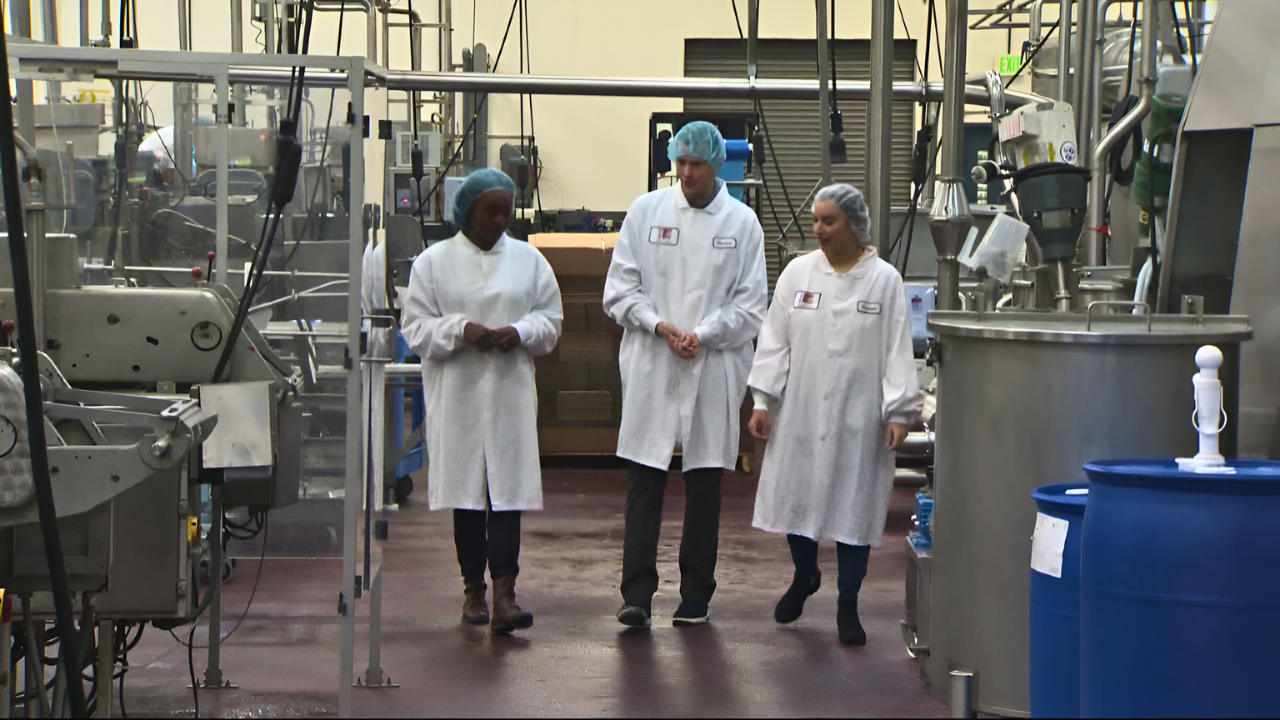
Alpenrose has served Portland for over 100 years, starting with horse‑drawn milk deliveries and growing into a regional dairy brand. The company now plans to close its only Oregon manufacturing plant in Clackamas.
The decision affects workers, local shoppers, and a state once proud of its food factories. For many people, the shutdown feels less like a simple business move and more like the end of a familiar era.
Oregon’s Dairy Icon

Alpenrose traces its roots to 1891, when Swiss immigrant Florian Cadonau delivered milk by wagon to Portland households. Over time, the business grew into a widely recognized regional name.
Its Southwest Portland campus became a landmark that hosted attractions such as Dairyville and a bicycle velodrome. These features helped turn Alpenrose into a local institution, so any step back from Oregon still carries strong emotional weight.
Shift to Clackamas
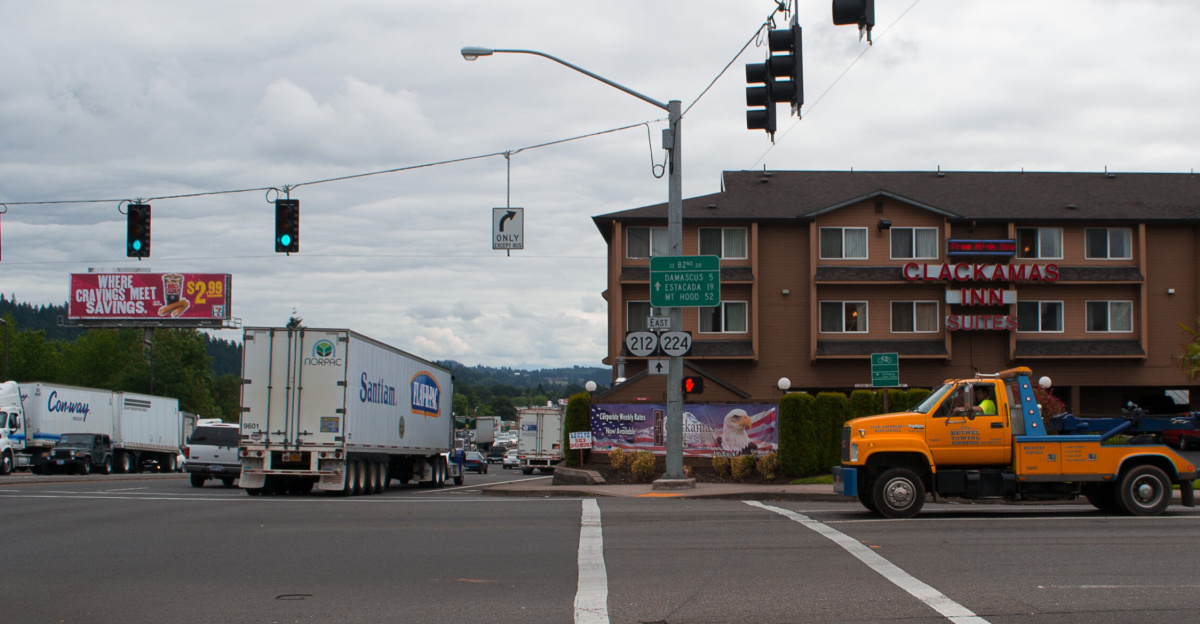
Redevelopment pressure around the original Portland property prompted Alpenrose to relocate its core operations out of the city. The company bought Larsen’s Creamery in Clackamas, a nearby suburb, and created a new multi‑acre dairy campus there.
That site became the main hub for butter and related products under Alpenrose’s updated ownership. Concentrating Oregon production in one plant made the Clackamas facility essential, but it also left the company more exposed when business conditions worsened.
A New Owner, New Realities

In 2019, Kent‑based Smith Brothers Farms bought Alpenrose, joining two long‑standing Northwest dairies under one corporate owner. The Alpenrose brand stayed on store shelves, but major decisions shifted to a parent company headquartered in Washington.
Smith Brothers focused heavily on home delivery and regional efficiency, not on preserving specific Oregon facilities. That mindset laid the groundwork for later consolidation choices, including treating Clackamas as just one plant in a larger network.
Closure Announced

In January 2026, Alpenrose said it would shut down its butter plant in Clackamas, which is its last remaining facility in Oregon. The company plans to stop production there on March 31 as part of a broader restructuring.
Butter, sour cream, and related products made in Clackamas will move to a plant in Kent, Washington. This marks the end of Alpenrose’s manufacturing footprint in Oregon, even as its brand continues to be sold in regional stores.
Jobs on the Line
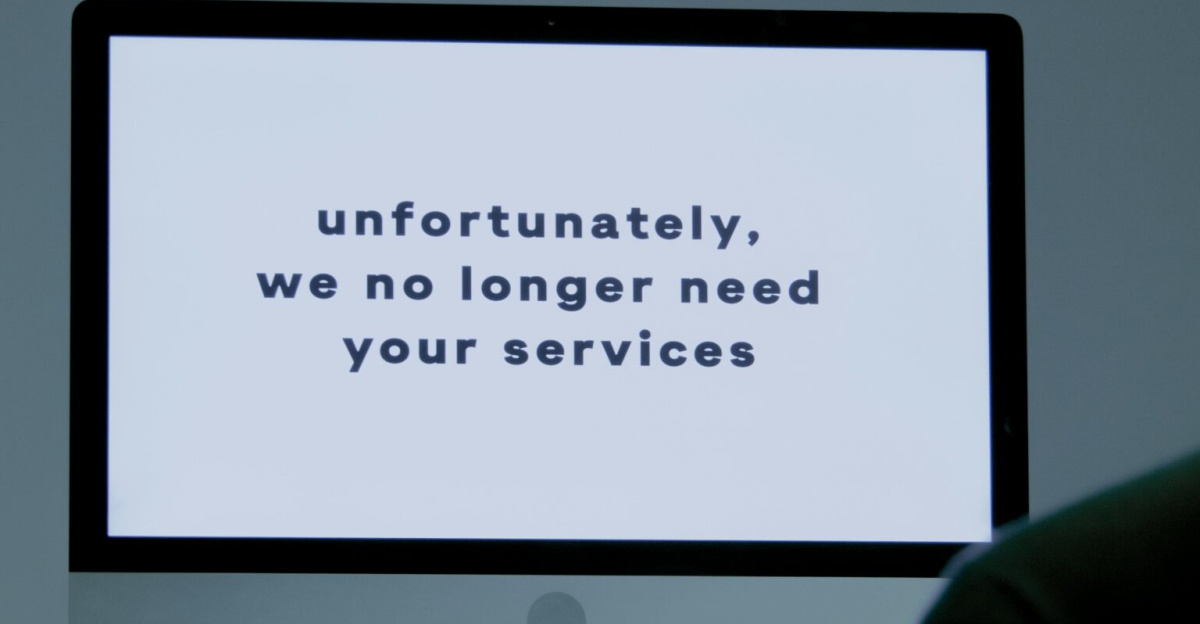
The planned closure has clear consequences for workers inside the plant. Alpenrose says about 35 employees will lose their jobs when operations stop at the end of March.
The company has promised severance pay, but many families will still face a sudden loss of income and a disruption to their routine. These employees are part of a relatively small industrial workforce in the Portland metro area, where similar food‑processing jobs may be hard to find quickly.
Community Fallout
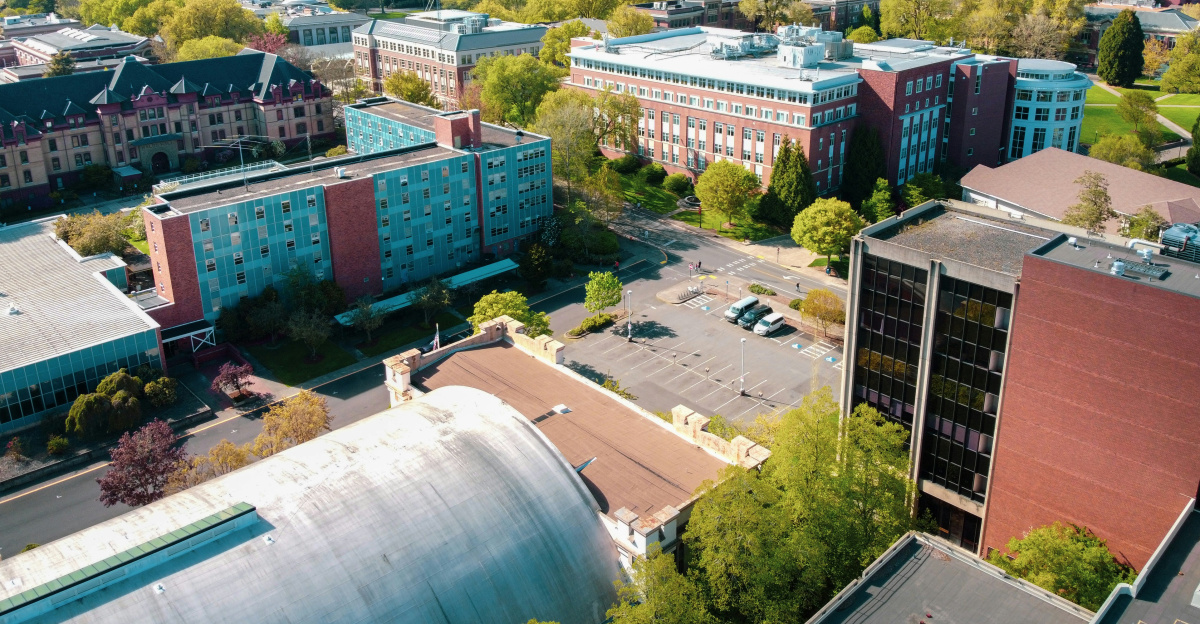
The shutdown adds to a broader feeling that Oregon’s manufacturing base is shrinking. Alpenrose previously closed attractions at its old Portland site, ending community events that drew local families for years.
Residents who once visited Dairyville or watched races at the velodrome now see Alpenrose mostly as a logo in stores. With the Clackamas campus slated to go quiet, another visible piece of the region’s industrial past is about to disappear.
Market Pressures Mount
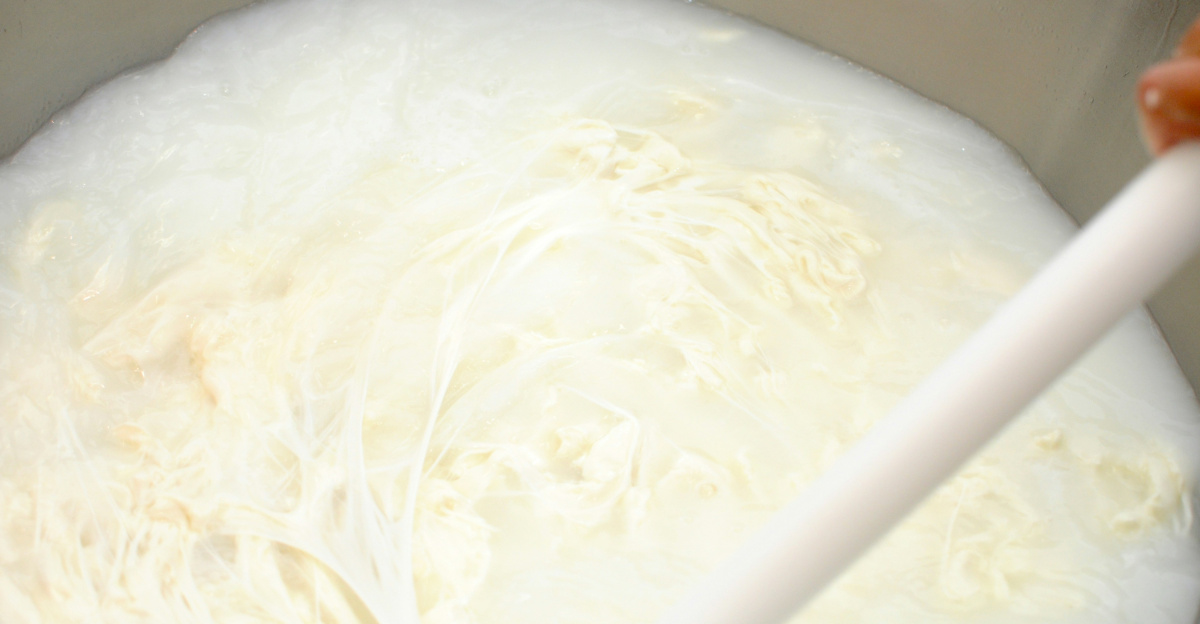
Alpenrose leaders point to worsening butter market conditions as a central reason for the closure. They describe an environment with unstable demand, tough price competition, and larger rivals that are hard for a regional plant to match.
Industry coverage notes that butter production has become more volatile, especially for smaller facilities. In this setting, running a single Oregon plant and a Washington plant simultaneously incurs higher costs than shifting production to a single main site.
A CEO’s Calculation

CEO Dusty Highland has called the decision reluctant but necessary for the company’s long‑term health. He has cited “worsening butter market economics” and increased competition as factors that undermined the Clackamas plant.
In televised comments, he said the company could not find a sustainable plan to keep the facility operating. Those remarks suggest management viewed consolidation as the only realistic way forward, even though it meant cutting Alpenrose’s last link to Oregon production.
Consolidation as Strategy

The Clackamas closure is part of a larger shift within the Smith Brothers system toward Alpenrose’s strengths in milk and home delivery. Butter and similar lines will be produced in Kent, while Alpenrose‑branded milk and cottage cheese stay on shelves around the Pacific Northwest.
Smith Brothers has invested in trucks, routes, and logistics centered in Washington. Concentrating production there fits that model and turns Alpenrose into more of a regional label than an Oregon‑rooted producer.
Workers’ Next Steps

For the roughly 35 workers at the plant, severance is only a partial safety net. Some may be able to move into other food‑processing roles around Portland, but specialized butter and cream experience does not always translate easily.
Others may leave manufacturing entirely, taking years of practical know‑how with them. Local labor leaders and support groups are likely to use this case when pressing for retraining help and stronger programs to keep industrial jobs in the area.
Oregon’s Manufacturing Map

The loss of Alpenrose’s plant fits into a wider pattern of change around Portland’s industrial districts. Over roughly the last decade, former factory sites have turned into housing, offices, and mixed‑use projects, especially in neighborhoods close to downtown.
Technology and service jobs have grown in that period, but food plants face higher land costs and stricter zoning. The Clackamas facility once seemed like a way to stay close by, yet its closure shows how difficult that has become.
Brand Survives, Footprint Shrinks

Even after the plant closes, Alpenrose products are expected to remain in stores in Oregon and Washington. Smith Brothers and industry reports stress that the familiar brand will continue, supplied from the Kent facility.
Shoppers may still see the same cartons in coolers and not notice a change at first glance. Behind the scenes, though, the jobs and equipment that used to sit in Oregon will now be located in Washington instead.
Smith Brothers’ Balancing Act
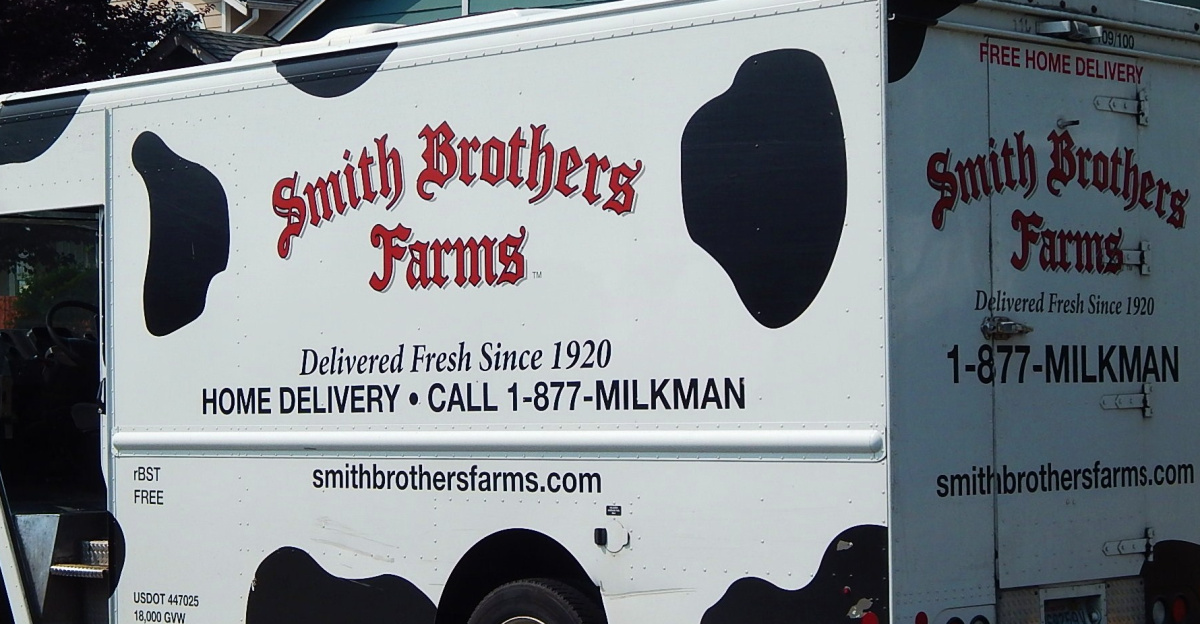
Smith Brothers Farms now has to manage its image as a family‑owned, community‑focused dairy while closing an Oregon plant with deep roots. The company highlights severance pay for workers and ongoing Alpenrose availability to ease public concern.
At the same time, it points to growth in home delivery and better efficiency as proof that consolidation helps the business. People in affected Oregon communities may still see a clear gap between corporate success and local job losses.
What Oregon Loses
The shutdown of the Clackamas plant marks more than a simple facility change for Oregon. It closes a chapter in the state’s dairy manufacturing story that stretches back over a century and includes family ownership, local attractions, and a well‑known brand.
Without an in‑state production base, Oregon moves from being a place that makes Alpenrose products to one that mainly buys them. That shift raises concerns about stable supply chains and the future of industrial work.
Policy Crosshairs

Alpenrose’s move comes as state and regional leaders discuss how to support manufacturing in Oregon. The loss of a century‑old dairy brand’s last local plant gives lawmakers a clear example in debates over land use, energy prices, and business incentives.
Officials may ask whether small- and mid-sized processors face built-in disadvantages compared with larger, multi-state competitors. The Clackamas closure could influence how future economic‑development policies are designed and funded.
Signals to Other Sectors
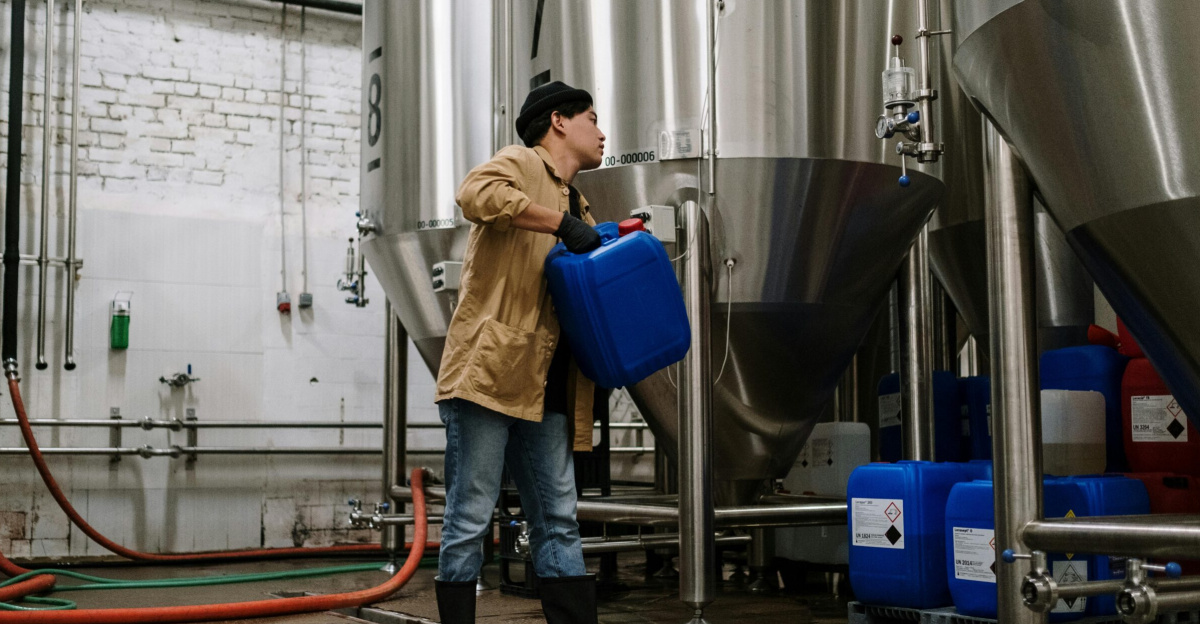
The pressures behind Alpenrose’s consolidation also affect other industries that turn farm products into food and drink. Breweries, food processors, and other agricultural manufacturers across the Pacific Northwest face rising costs, unstable input prices, and intense competition.
Alpenrose’s decision shows that even long‑loved brands can decide to centralize production. Other companies may see this example and feel more ready to close smaller plants, further reducing local manufacturing across multiple sectors.
Public Reaction Online

News that Alpenrose would move its Oregon production spread quickly on television and social platforms. Comment sections filled with memories, disappointment, and worry as longtime customers recalled visits to the old Portland grounds.
Some people mistakenly thought the Alpenrose brand would disappear entirely, leading news outlets to explain that only the plant is closing. The reaction shows how closely many Oregonians still connect the company’s identity with a physical presence in their state.
Echoes of Past Closures

Alpenrose’s manufacturing retreat follows earlier closures tied to its Portland campus. Dairyville, the velodrome, and other attractions shut down years before this announcement, reducing the company’s direct public presence.
Across the wider region, other food and beverage plants have moved away or closed, with their properties often turned into new developments. These examples suggest that the Clackamas decision is part of a long‑running pattern, not an isolated surprise, and that adds to its symbolic impact.
The Bottom Line
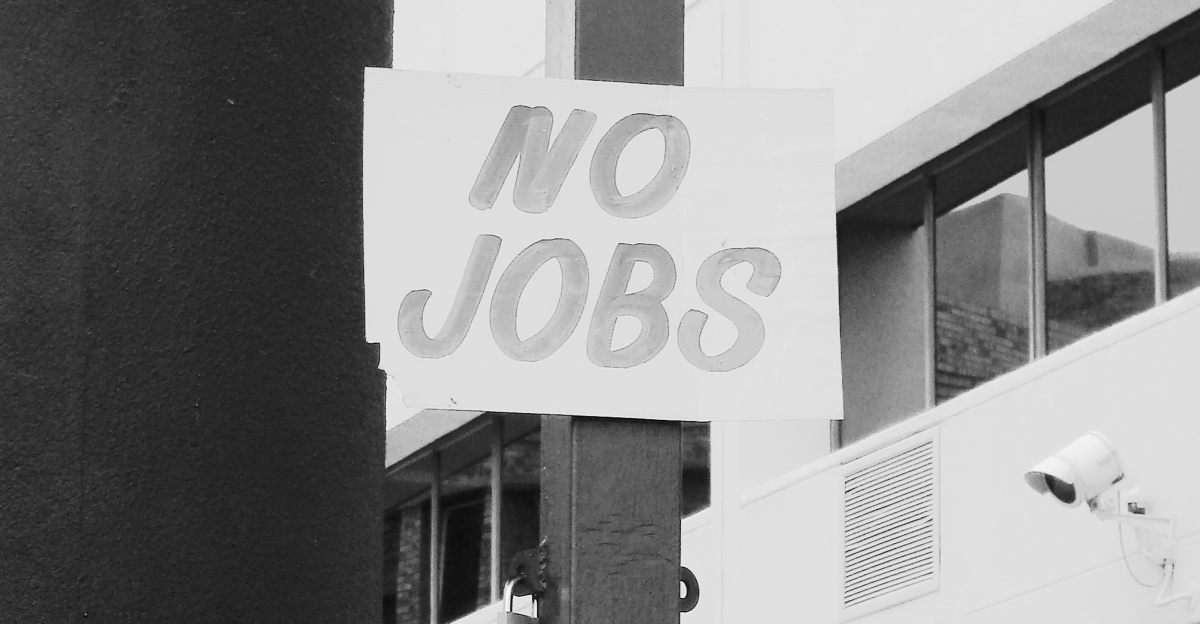
The Alpenrose story shows what can happen when a long‑established local institution faces modern market forces. Closing the Clackamas plant will erase about 35 jobs in Oregon and end in‑state production, even though Alpenrose products continue under a Washington‑based owner.
For workers and communities, that trade‑off feels sharp: familiar labels remain, but paychecks and factory activity move elsewhere. The situation leaves Oregon asking how to keep future legacy brands from following the same path.
Sources:
KATU – “Alpenrose closing Clackamas butter plant to focus on milk production” – 19 Jan 2026
DairyNews.Today – “Alpenrose Dairy to Close Oregon Butter Plant Amid Market Challenges” – 18 Jan 2026
Smith Brothers Farms – “Smith Brothers Farms Acquires Alpenrose Dairy” – 15–16 Aug 2019
The Oregon Encyclopedia – “Alpenrose Dairy” – 7 Apr 2022
Seattle Business Magazine – “More than Milk” – 3 Jan 2024
YouTube (KATU) – “Alpenrose will close Clackamas butter plant, leave Oregon” – 20 Jan 2026