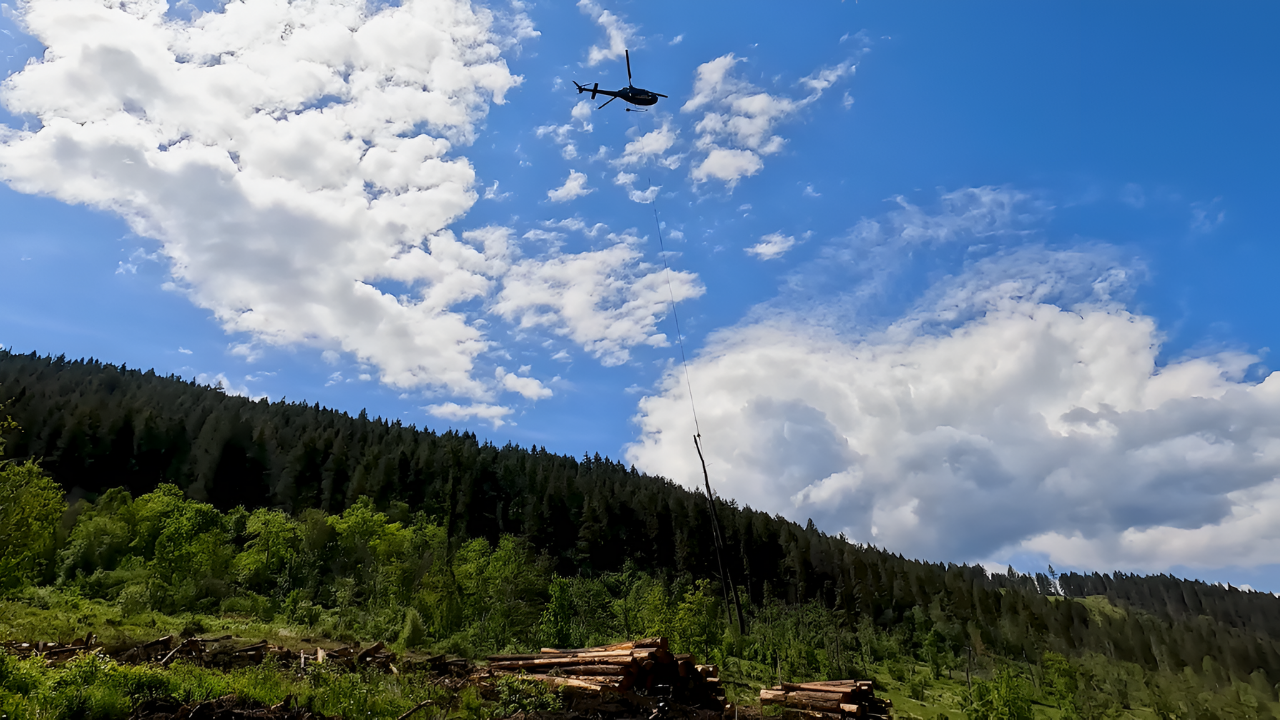
In central Washington, helicopters dangle huge tree trunks over winding river valleys, lowering them carefully into streams that twist through Yakama Nation lands. From above, it might look chaotic — but it’s actually the biggest river restoration project in the Northwestern United States. The mission: bring back the logs once removed in the name of clean rivers.
Over 38 kilometers of waterways are being restored to their natural state. Each log helps recreate the tangled habitats that shelter fish, slow water flow, and store sediment. This project blends traditional Indigenous stewardship with modern science, aiming to rebuild systems that once supported thriving salmon runs.
Undoing Decades of “Cleanups” Gone Wrong
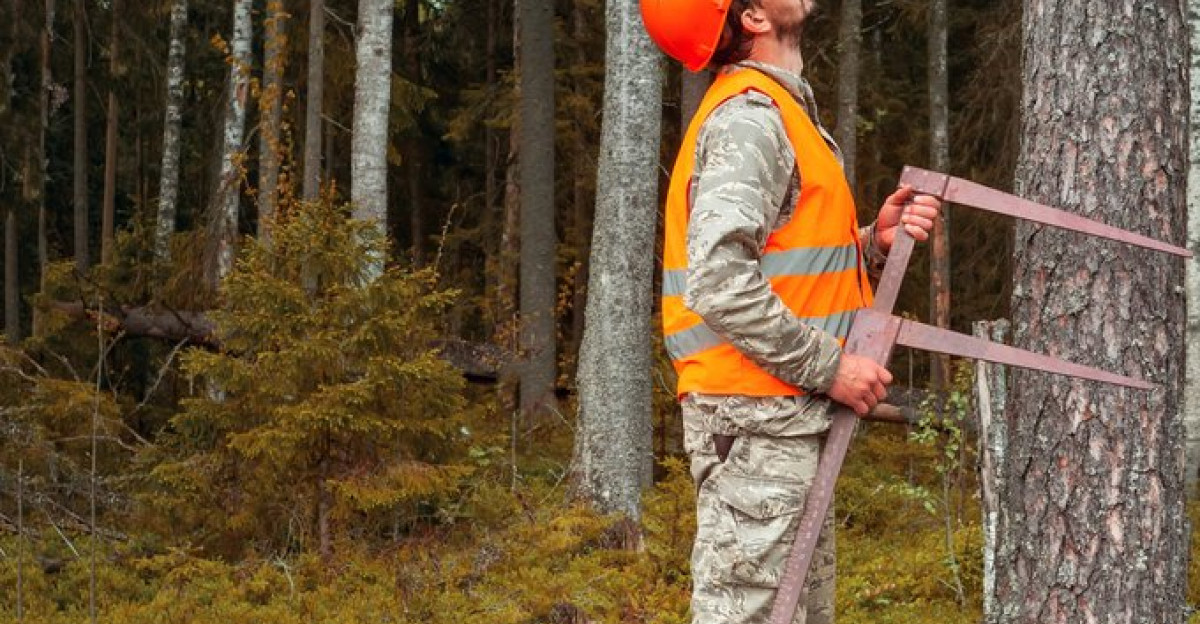
For most of the last century, fallen trees were seen as messy and dangerous. Loggers, foresters, and even government agencies cleared them from streams to “improve” fish passage and reduce flooding. But this so-called progress created sterile waterways. Without logs, rivers moved faster, eroded their banks, and lost the deep pools salmon need to rest and spawn.
Today, those same agencies, now wiser, are working with the Yakama Nation to undo that damage. The goal is to bring back the natural chaos that healthy rivers depend on. The restoration effort is reversing forty years of mistakes by intentionally restoring what nature built over centuries, one log at a time.
A Powerful Partnership for Change
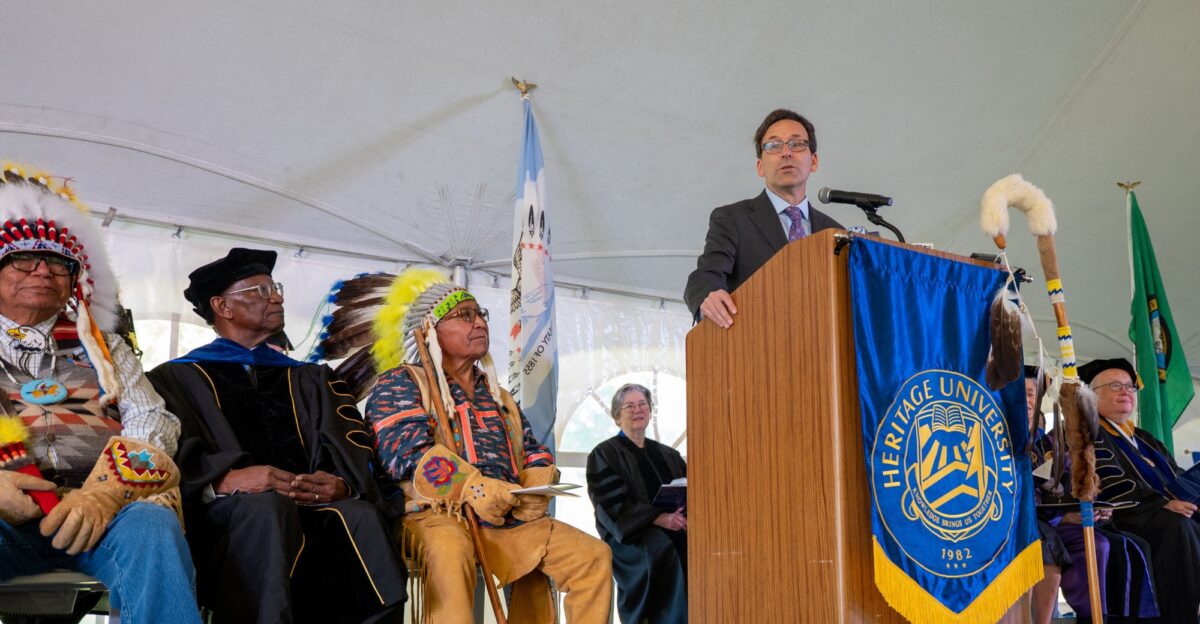
This massive undertaking is a collaboration among many hands and minds. The Yakama Nation’s Department of Natural Resources leads the effort, joined by the U.S. Forest Service, Washington Department of Fish and Wildlife, The Nature Conservancy, and the Mid-Columbia Fisheries Enhancement Group. Together, they’re plugging knowledge gaps, funding flights, and coordinating crews in remote forested valleys.
Funding comes from eight major sources, including the Bonneville Power Administration and state ecological programs. This is not just tribal land restoration; it’s a shared mission that blends Indigenous resilience with federal technology.
The Numbers That Tell the Story
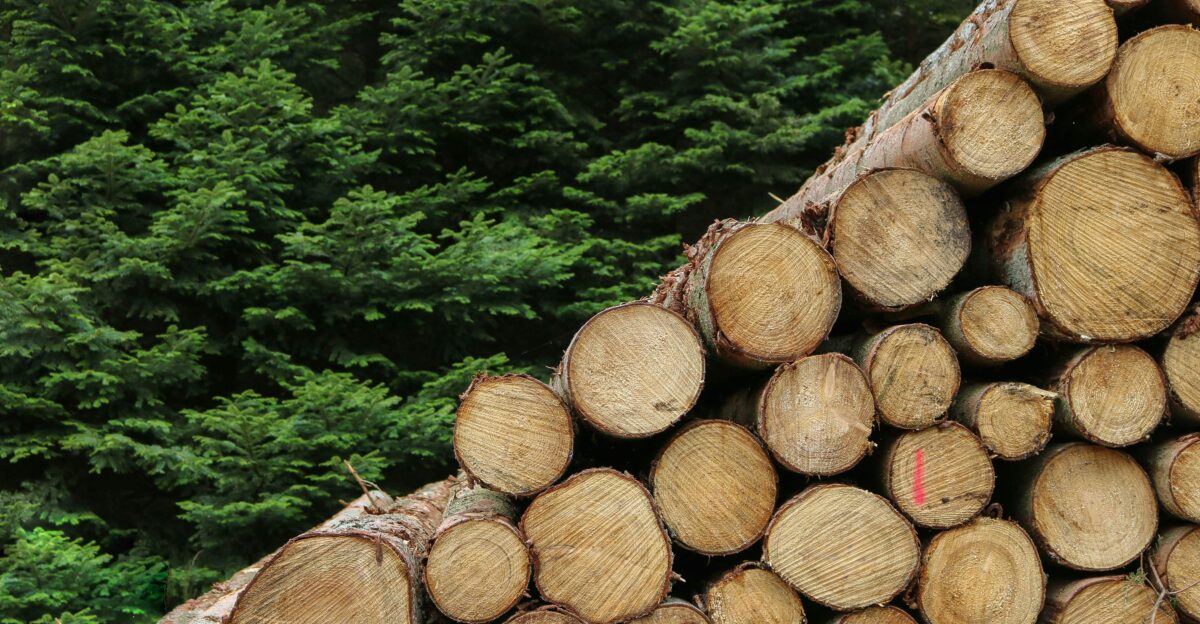
This project is engineering, ecology, and endurance rolled into one. Over 6,000 massive logs, mainly Douglas firs, cedars, and grand firs, are being placed along 38 kilometers of streams. Around 1,000 of these will end up in the Little Naches River alone. Helicopters can carry about four logs per trip, flying back and forth over rugged terrain unreachable by trucks.
In total, pilots will complete some 1,500 flights, covering more than 3,600 air kilometers before the job is done. Every flight and every drop is part of rebuilding that living skeleton.
From Industrial Drains to Living Systems
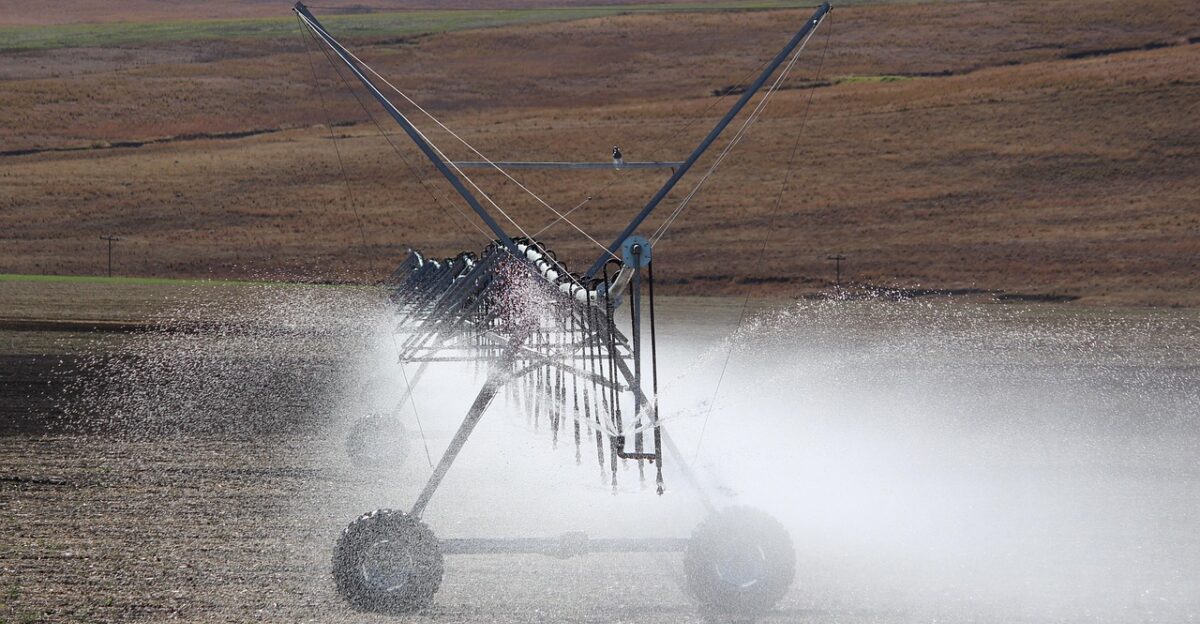
For much of the 20th century, rivers were treated like plumbing. They were straightened, dredged, and used to float logs, feed irrigation canals, and spin turbines. The result? Waterways turned into fast, sterile drains supporting little life. Now, scientists and tribal leaders are shifting that perception.
Rivers are no longer seen as workhorses, but as living systems that shape land, nurture forests, and cool the air. The project symbolizes a cultural and ecological awakening. By restoring natural river movement, the team is inviting water to reconnect with its floodplains, slow down, and breathe again.
The Biologist Who Changed His Mind

Few people embody this shift in thinking better than Yakama Nation habitat biologist Scott Nicolai. Early in his career, he worked on federal “stream-cleaning” crews that tore logs out of rivers, assuming they blocked fish and slowed progress.
Now, Nicolai helps lead the very projects that put those logs back. He has watched streams dry out, salmon vanish, and riverbanks crumble as a result of past policies. That experience changed his view of what healthy water really looks like.
When “Clean” Rivers Hurt Fish
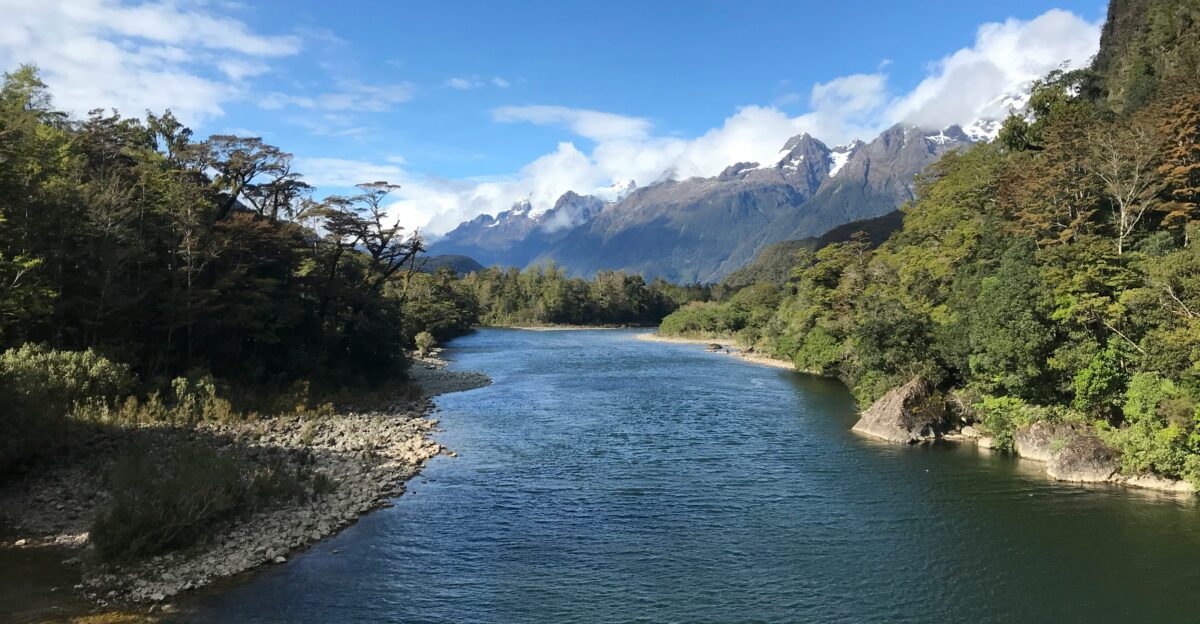
For decades, river managers treated large logs as obstacles to be cleared away. The logic seemed simple: open channels would move water faster, reduce flooding, and give salmon an easy path upstream. In reality, the opposite proved true. Research beginning in the 1980s showed that wood helps anchor gravel bars, create riffles, and form deep, cool pools where salmon lay eggs and young fish hide from predators.
Removing wood erased this structure, turning once-diverse rivers into shallow, uniform channels that overheated in summer and scoured out spawning beds. Biologists in the Yakima Basin later linked stream cleaning, overgrazing, and logging roads to drying creeks and declining fish runs.
Helicopters as Restoration Tools
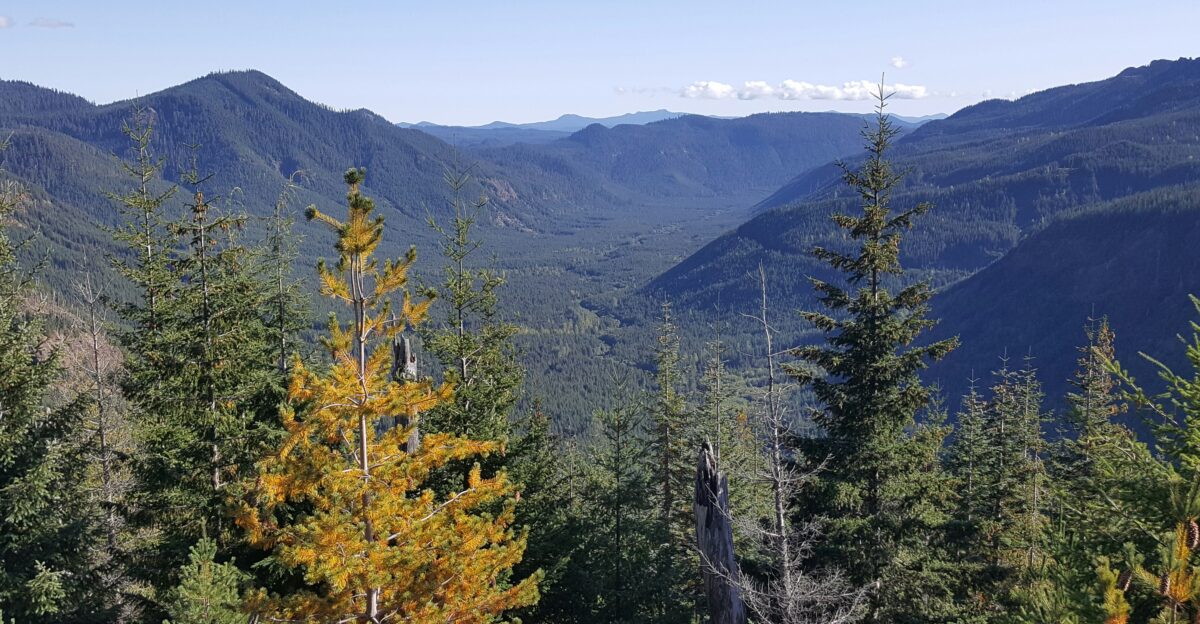
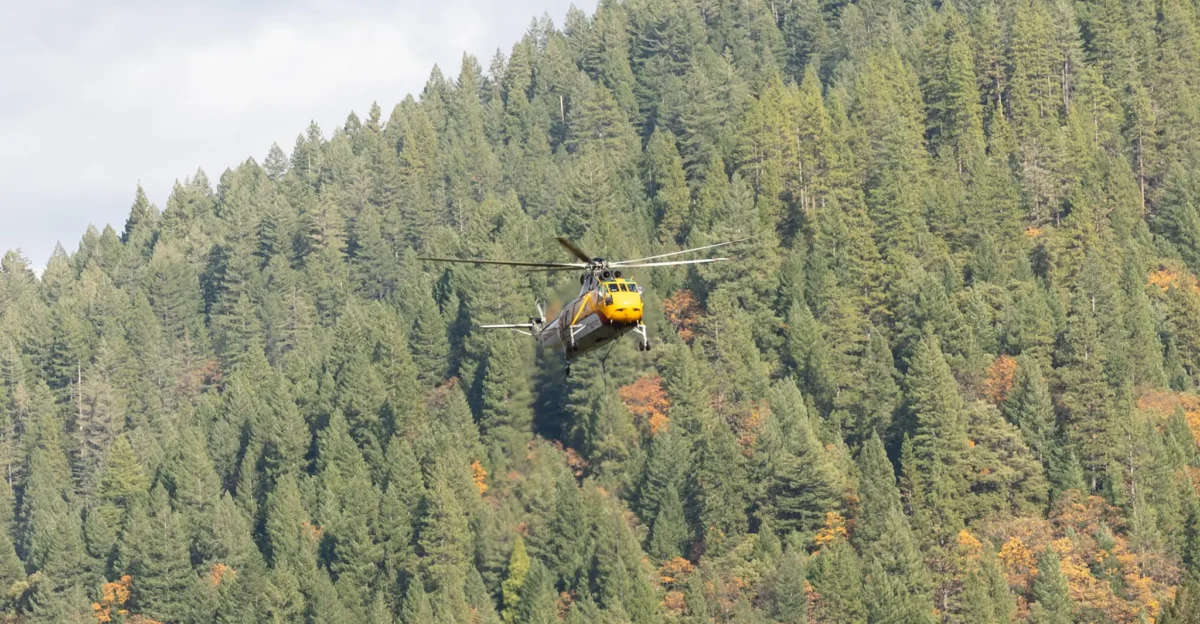
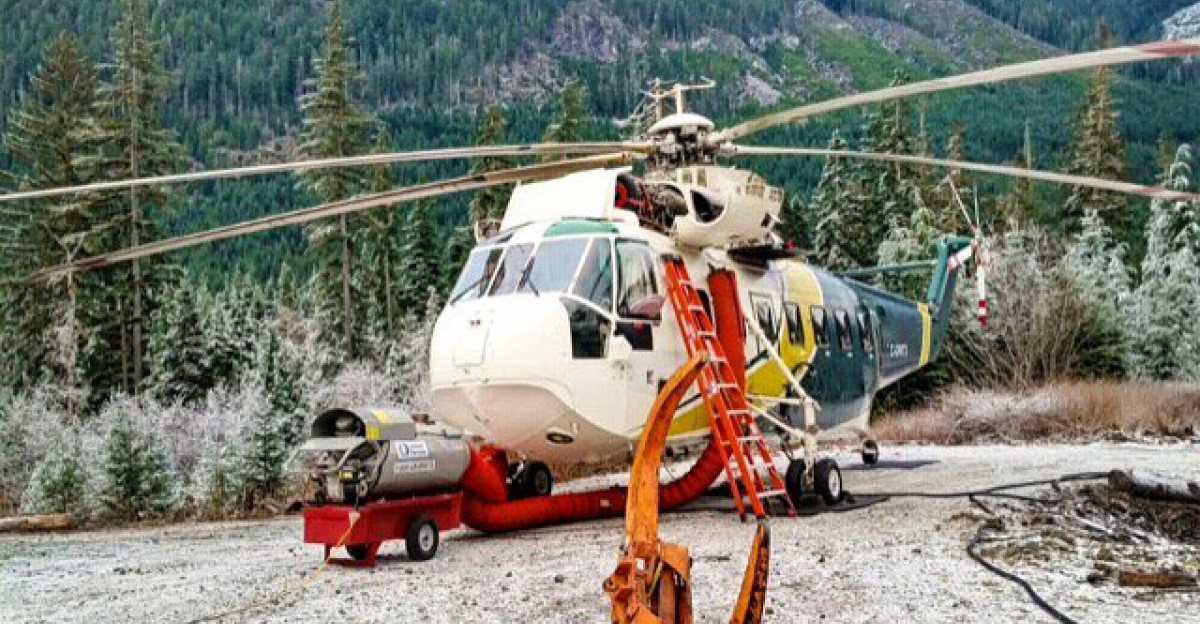
In these steep Washington valleys, many of the best restoration sites are hours from the nearest road. That isolation drove a creative solution: use helicopters as precision tools. Each flight lifts about four full-size logs from staging areas and ferries them over the forest to carefully marked locations along the streams.
On the ground, biologists flag exact drop zones in bright colors so pilots can swing in, hover, and release the logs within meters of their targets. Helicopters are costly, but partners say they’re actually the easiest and cheapest way to reach roadless stretches at this scale.
Turning Dry Gravel Into Living Pools
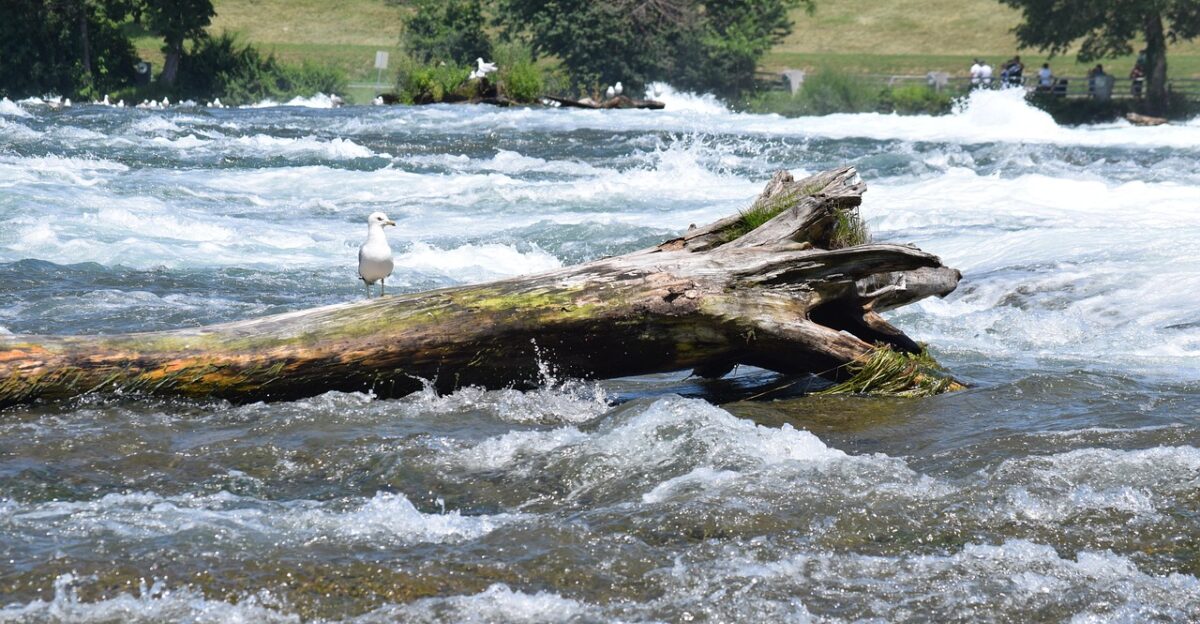
Once the logs hit the water, the real transformation begins. As currents push against the wood, the flow slows and splits, creating back eddies where sediment settles out. Over months and years, those changes carve deep pockets and side channels, rebuilding the kind of shaded pools that young salmon and trout need to survive hot summers.
Biologists in the Yakima Basin have already seen newly formed pools and fresh gravel bars in treated reaches of the Little Naches River, signs that the system is starting to heal. Cooler, deeper water can dramatically boost survival rates for juvenile fish stressed by warming temperatures and low flows.
Why the Yakama Nation Leads

For the Yakama people, salmon are not just wildlife or a commodity, they are first foods, central to ceremony, identity, and treaty rights. Generations have watched traditional fishing grounds decline as dams, diversions, and channelization reshaped the rivers.
Yakama Nation Fisheries has responded with an ambitious program to restore habitat and revive salmon and steelhead runs across the Yakima Basin. Tribal leaders describe projects like the “Wood Fiesta” as acts of ecological sovereignty, asserting Indigenous stewardship that predates federal management by centuries.
Little Naches River as a Proving Ground
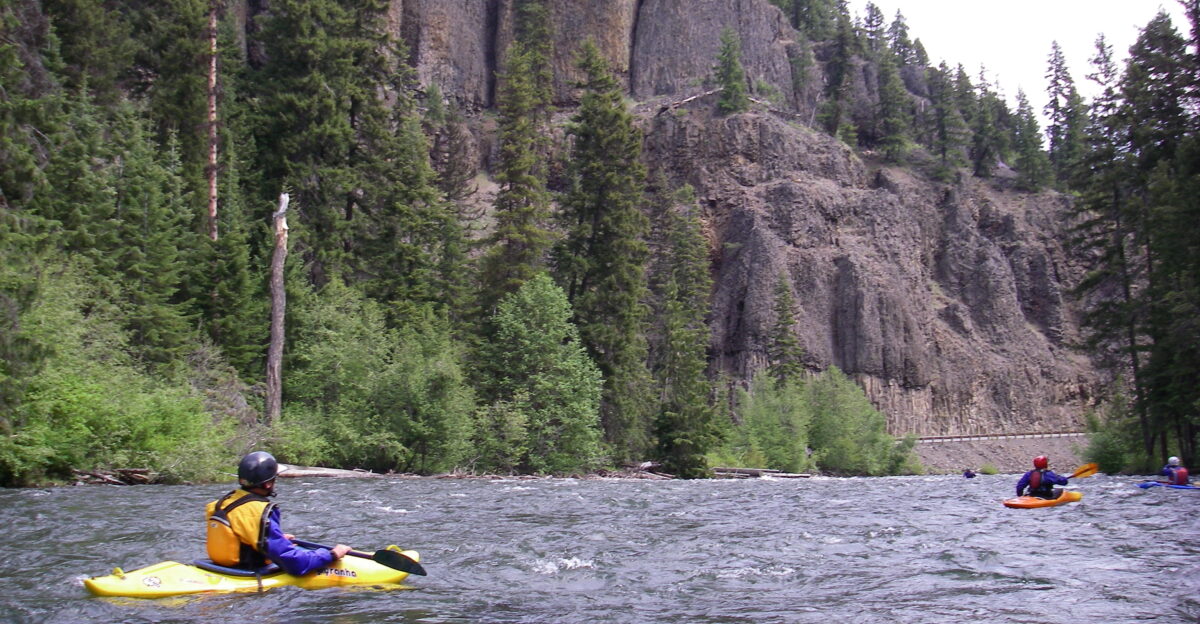
The Little Naches River, a forested tributary in central Washington, has become both a test case and a symbol for this restoration push. Once heavily shaded and full of log jams, it was gradually stripped by stream cleaning, grazing, and road building, leaving a straighter, shallower, warmer channel. Today, about 1,000 helicoptered logs are being installed along a 1.5‑mile reach near Lost Meadow Campground, in what Yakama biologists call the Yakima Basin “Wood Fiesta.”
Early signs are encouraging: new pools, fresh gravel deposits, and more complex flow patterns are appearing where the logs have settled. If Little Naches responds as hoped, similar strategies could be expanded across multiple tributaries on the reservation and surrounding ceded lands.
Repairing a Century of Damage
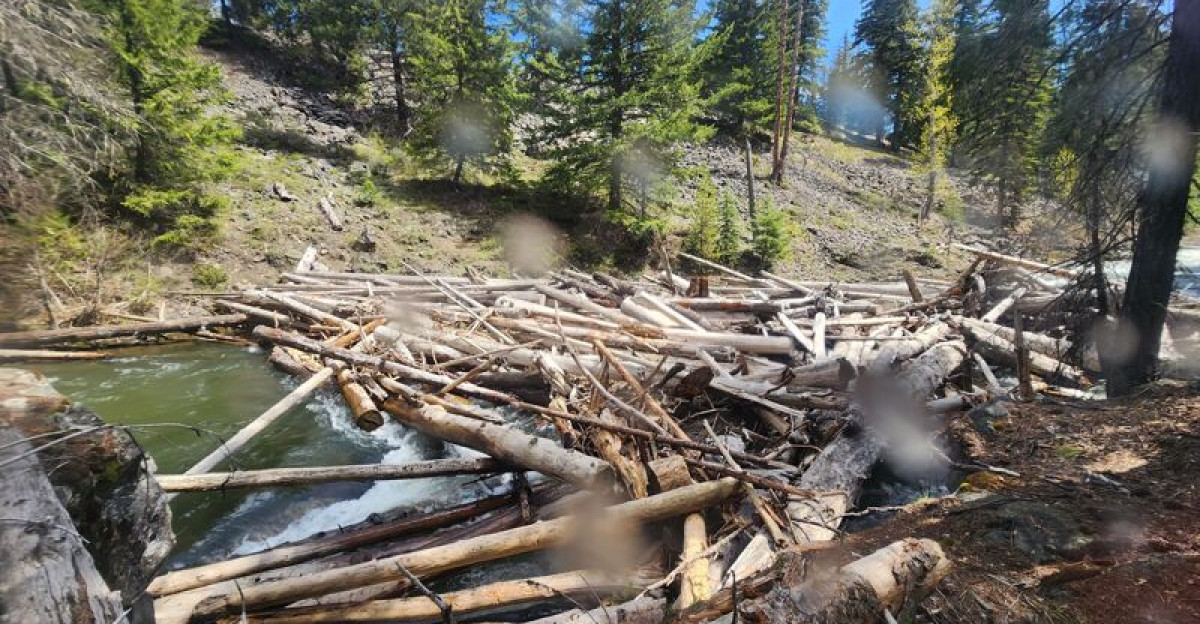
Logs alone are not to blame for the rivers’ decline, and they are not the only solution. For more than a hundred years, overgrazing stripped vegetation from streambanks, allowing soil to crumble into the water. Railroad grades and logging roads funneled sediment directly into channels, while splash-dam logging and flow manipulations scoured away habitat and stranded fish.
Dam operations across the Columbia and Yakima basins altered seasonal flows, changing how and when water moves through the system. The current restoration effort recognizes this layered history. Adding wood is treated as a first, foundational step that helps rivers rebuild their own structure once basic complexity is restored.
Treating Ecology Like Engineering
Behind every helicopter drop is a stack of maps, models, and equations. Engineers and geomorphologists use advanced hydraulic modeling to predict how water will move once a log is placed at a certain angle or depth. Some logs are set crosswise to spread flows and build bars, others anchored diagonally to mimic natural jams that once braided the river.
Designers must maximize habitat benefits while protecting nearby roads, campgrounds, and private property from unwanted flooding. National guidelines such as the “Large Wood Manual” now offer detailed advice on sizing, anchoring, and arranging logs in different river types.
Cooler Water in a Hotter World
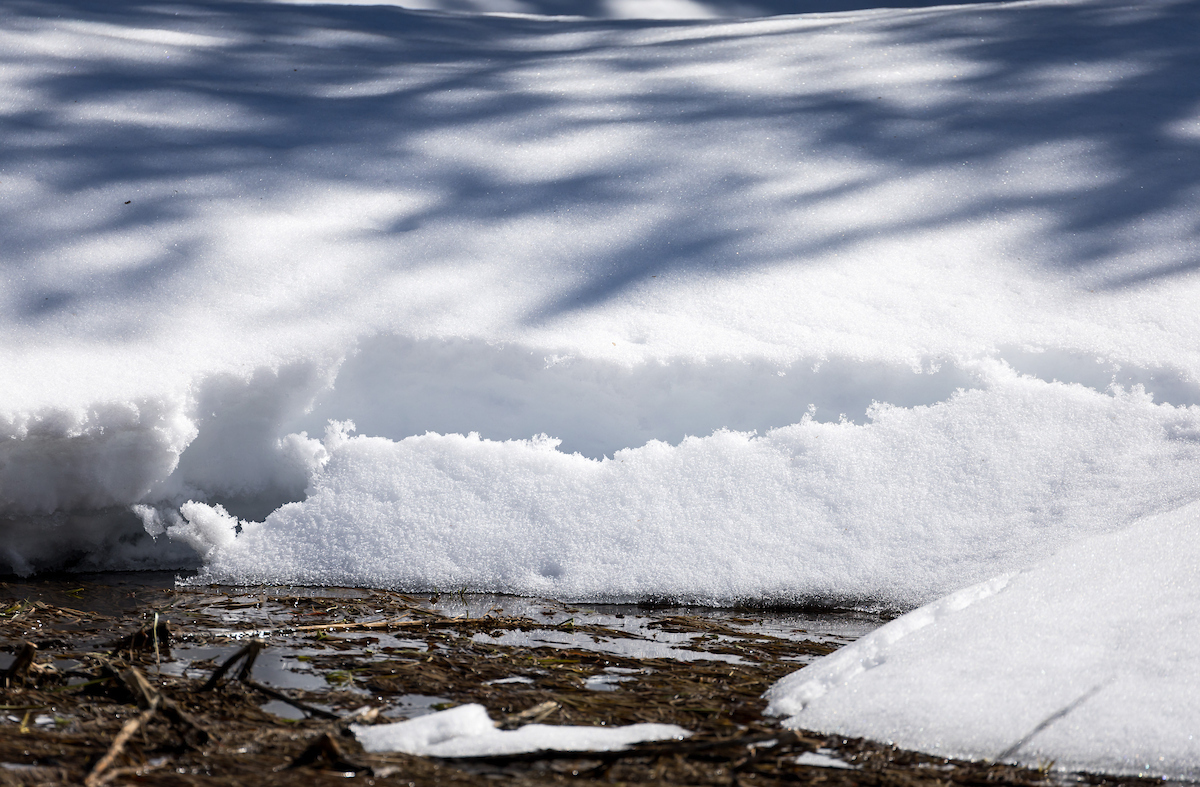
Climate change is tightening its grip on the Pacific Northwest. Summers are longer and hotter, snowpack melts earlier, and many rivers drop to low, warm trickles just as fish need cold, oxygen-rich water most. In the Yakima Basin, scientists have linked high summer temperatures to reduced survival for salmon smolts migrating past key points like Prosser Dam.
Large wood structures offer a natural defense. By deepening pools, creating shade, and reconnecting groundwater-fed side channels, log jams can carve out pockets of cooler water that persist during heat waves. Projects led by Yakama Nation Fisheries and partners are explicitly framed as climate adaptation, giving salmon and steelhead “refuge and passage” in a rapidly changing environment.
Counting the Cost, and the Payoff
Flying heavy logs by helicopter is not cheap, and full budgets for the Yakima Basin “Wood Fiesta” have not been made public. Regional cost estimates suggest that large-wood restoration can range from tens of thousands to more than one hundred thousand dollars per 100 meters, depending on river size and complexity. At the scale of dozens of kilometers, that can add up to many millions of dollars.
But supporters argue the investment pays off in multiple ways. Restored habitat can boost salmon and steelhead runs that support tribal, commercial, and recreational fisheries. Healthier floodplains also absorb peak flows, reducing the risk of costly downstream flood damage and infrastructure repairs.
Sources:
Upworthy, Helicopters dump 6,000 logs into rivers in the Pacific Northwest to save salmon, 2026-01-22
Columbia Basin Bulletin, Restoring Yakima River Basin Habitat: Helicopters Drop 6,000 Logs In 24 Miles Of Streams To Provide Cover For Salmon/Steelhead, 2021-05-07
Yakama Nation Fisheries, Yakima Basin “Wood Fiesta” Helicopter Aquatic Restoration project, 2021-05-01
Trackography / syndicated news, Helicopters dump thousands of logs into remote rivers in the US Northwest, 2026-01-19