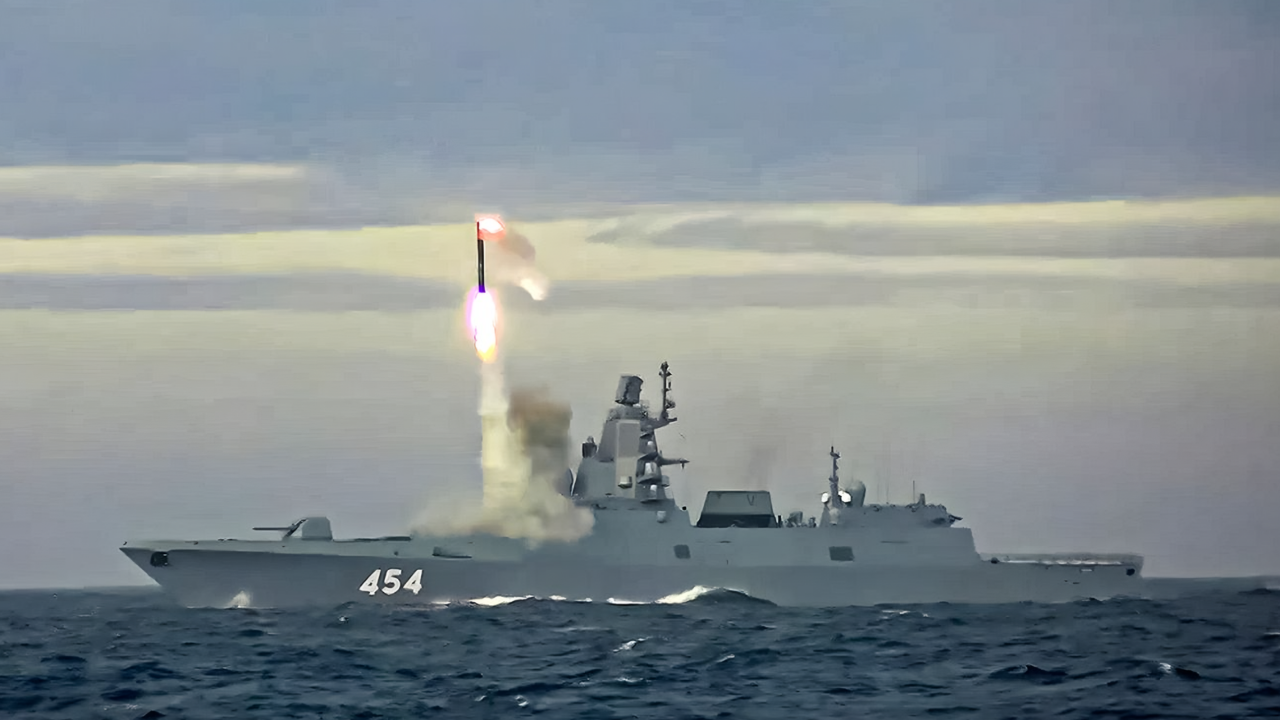
Russia’s relentless targeting of Ukraine’s energy grid has turned winter into a battlefield of survival, with the latest strike reportedly unleashing a hypersonic weapon amid freezing temperatures. Since summer 2024, dozens of attacks have hammered power facilities, pushing the grid to the brink by January 2026. Ukrainian officials have reported critical operating levels, heightening winter mortality risks as blackouts spread.
Soviet Legacy, Modern Weaponry
The 3M22 Zircon cruise missile, developed by Russia’s NPO Mashinostroyeniya, emerged in the 2010s as a naval anti-ship system. President Putin unveiled it publicly in 2019, touting speeds of up to around Mach 8–9 as unmatched worldwide. Analysts had generally expected its primary role to be at sea rather than against ground targets in Ukraine.
Experts rarely anticipated its shift to ground targets in Ukraine. Yet since its reported combat debut in February 2024, suspected uses and subsequent Ukrainian forensic assessments have suggested Russia’s adaptation of this weapon for land strikes.
Building Pressure on Ukraine’s Defenses
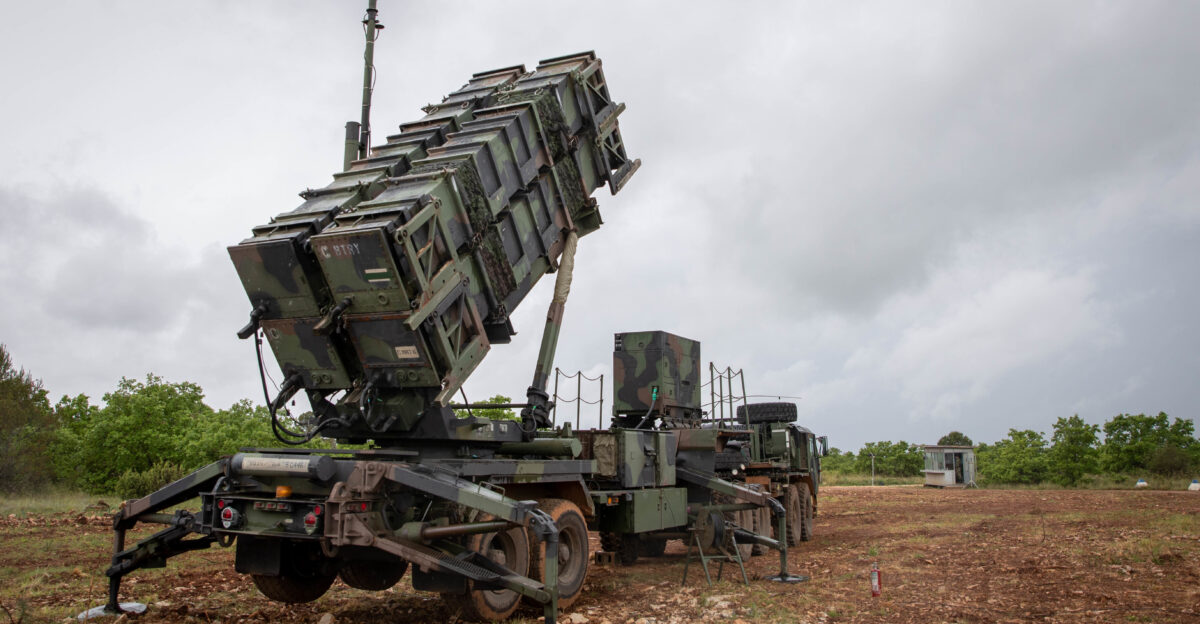
Ukraine’s air defenses, bolstered by Patriot systems, withstood nearly two years of aerial barrages. Ammunition shortages have eroded their capacity as attack volumes surged. NATO allies have raced to replenish supplies amid warnings of unsustainable interception rates. By January 2026, these strains exposed exploitable gaps that Russia has sought to press.
On the night of January 19–20, 2026, a Zircon missile was reportedly directed at a critical infrastructure facility in Vinnytsia region, central Ukraine. Forensic examinations and official statements indicated use of this missile, marking one of its first reported employments that year. Despite advanced defenses, the missile was not intercepted, extending its role from earlier deployments and underscoring escalating threats to Ukraine’s skies and infrastructure.
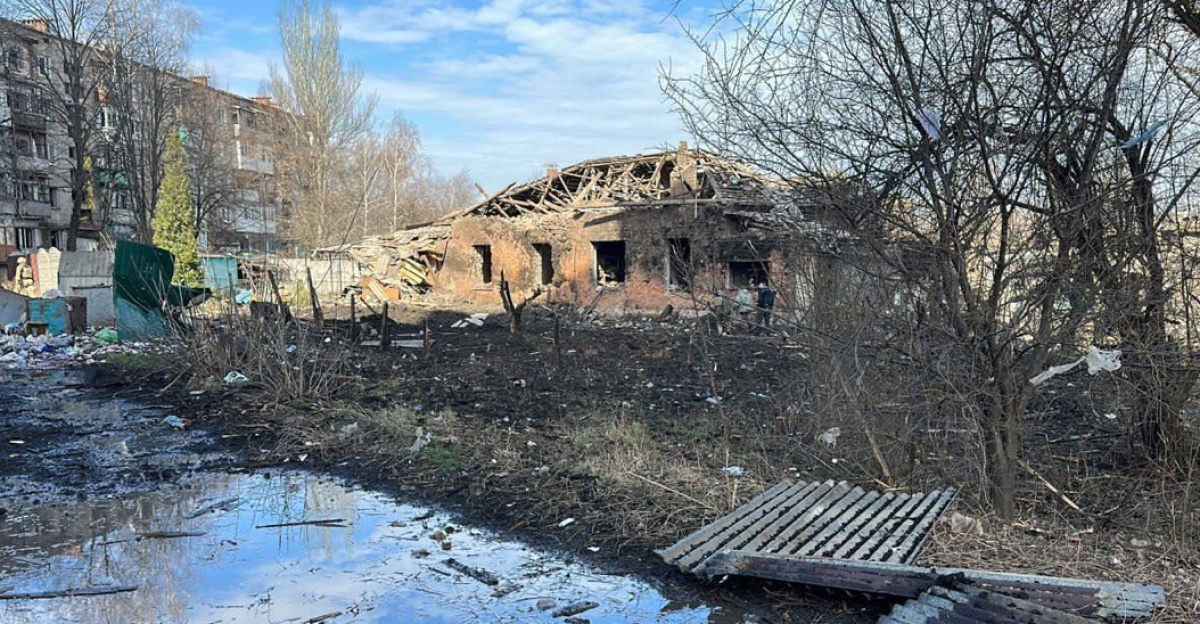
Vinnytsia, a vital regional center, reeled from the impact on its energy infrastructure. Local authorities reported damage to a critical facility, contributing to power disruptions during subzero cold. The mid-winter timing amplified civilian hardship as emergency services worked to stabilize supplies.
Civilian Cost in Winter
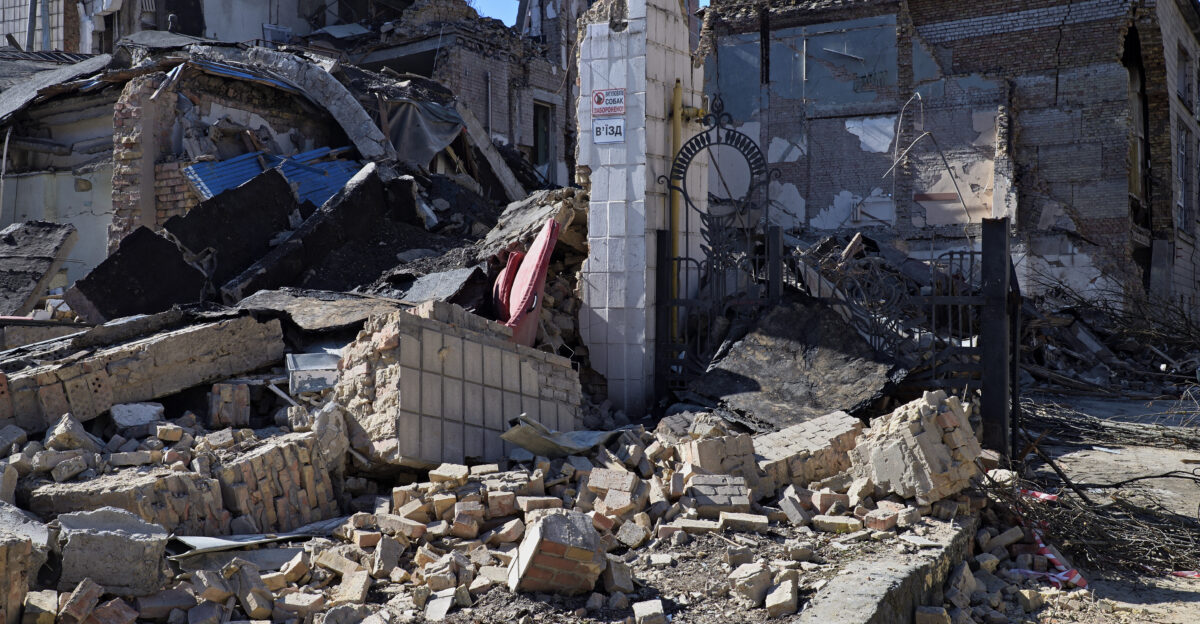
Disruptions from repeated strikes have rippled nationwide, endangering the elderly with hypothermia and forcing children into cold shelters. Backup power has strained medical services, complicating treatment schedules. Officials warn of grid collapse risks if strikes persist, with repair efforts struggling to keep pace despite global aid.
Patriot interceptors, costing around $4 million each, face depletion against Russia’s barrage. This attrition tactic imposes heavy economic burdens. NATO has debated production ramps amid internal differences over supply scales. Ukrainian spokespeople and leaders have voiced frustration at what they regard as inadequate Western munitions for sustained defense.
Russia claims Zircon attains speeds near Mach 8–9, positioning it as a hypersonic weapon able to challenge defenses. Ukrainian analyses and Western commentary have raised questions about whether its real-world performance consistently matches those claims, with some assessments suggesting lower effective speeds on certain trajectories. These variances fuel analyst doubts about its advertised prowess, and battlefield data so far presents a more mixed picture of its edge over evolving defenses.
Ukrainian Command Frustration
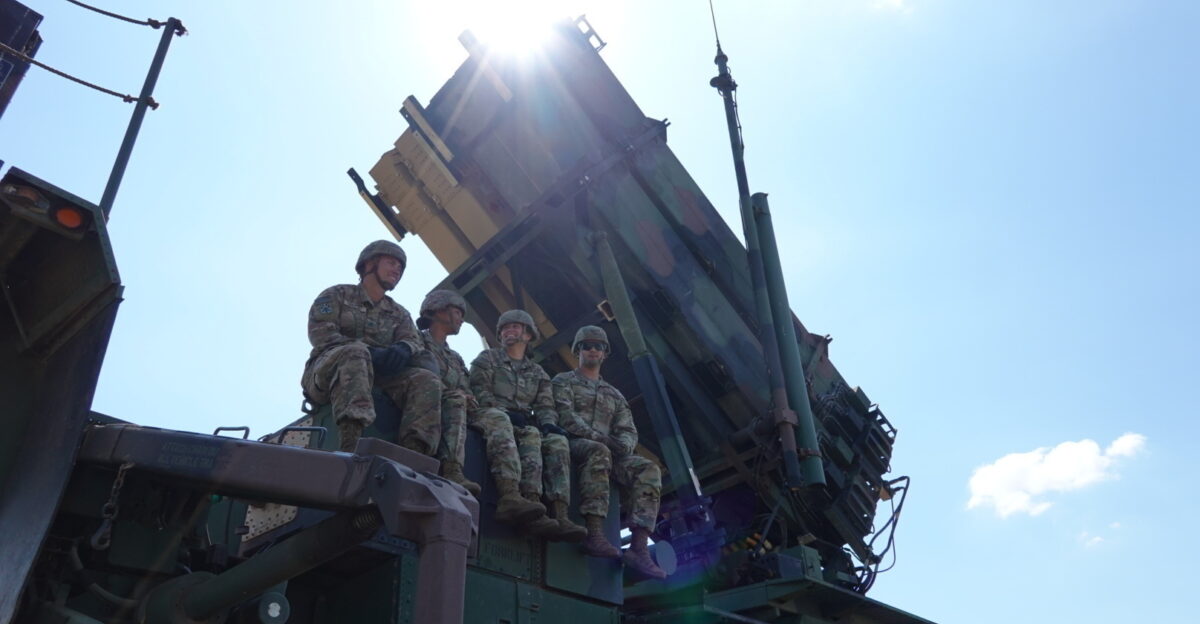
Air force leaders have highlighted dependency on timely Western supplies, deeming long-term interception rates untenable without output surges. NATO continues to grapple with meeting demand, prompting strategy reviews. European nations, alongside the United States, have increased investments in missile production and partnerships with Ukraine to strengthen air defense.
Unable to fully counter the onslaught from the air, Ukraine has pivoted to strikes on Russian launch sites, including facilities in occupied Crimea associated with missile operations. NATO intelligence sharing has deepened these efforts. Special forces and long-range systems have targeted launch platforms and support nodes, aiming to erode Moscow’s missile advantage asymmetrically.
Expert Skepticism on Zircon Claims
Preliminary forensic reviews of earlier attack fragments in 2024 suggested the weapon might fall short of some of the tactical and technical characteristics publicly claimed by Russia. Analysts therefore question its decisive impact, even as they acknowledge its potential to complicate air defense planning.
Repair crews race against the odds, backed by international aid, but strike frequency has hindered full restoration. Persistent assaults threaten deeper, systemic damage to the grid, intensifying the humanitarian crisis and testing global resolve to sustain Ukraine’s defenses amid rapidly evolving tactics.
Sources:
Pravda (Ukraine) – Ukraine’s air defence downs 342 Russian aerial assets, Russia launches Zircon missile – January 19, 2026
Kyiv Independent – Russia targets nuclear power plant substations, thousands without power after massive attack – January 20, 2026
The War Zone – Claims Swirl Around Use Of New Russian Missiles To Strike Ukraine – January 20, 2026
Oxfam International – Turning winter into a weapon: Oxfam warns of deadly impact of attacks on Ukraine’s energy system – January 14, 2026