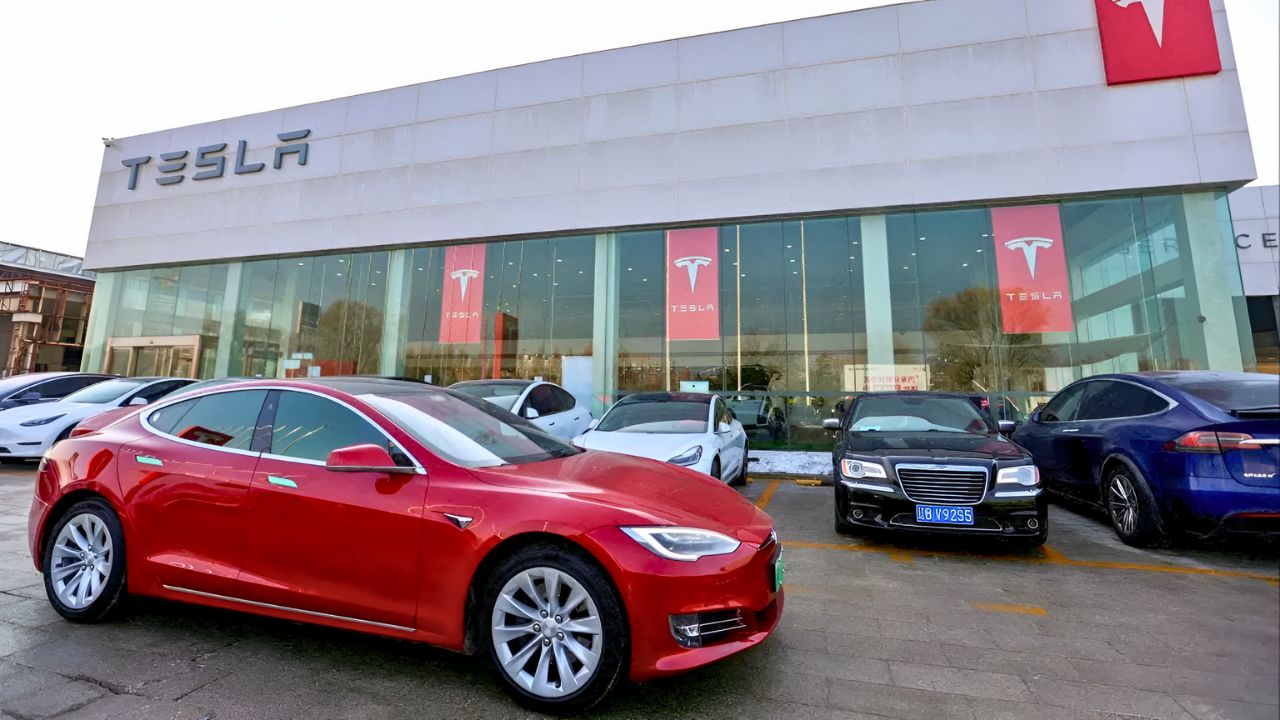
Tesla’s dramatic sales decline in 2025 marked a pivotal shift for the company, which had long been associated with growth and innovation. The electric vehicle (EV) giant saw a significant 9.1% drop in deliveries, selling 153,097 fewer vehicles than the previous year. This decline has prompted analysts and investors to reassess the company’s future trajectory in an increasingly competitive and evolving market.
A Shift in the EV Landscape
After years of rapid growth, Tesla’s trajectory faced a setback in 2025. In 2023, the company reached a record 1,808,581 vehicles sold, but by 2024, sales dipped slightly by 1.1%. The 9.1% drop in 2025, however, was a more substantial blow, signaling a potential shift in Tesla’s dominance within the EV market. As Tesla grappled with its first major sales slump, the question arose: What factors contributed to the downturn?
Policy Changes and Consumer Reactions

A significant policy change in 2025 affected electric vehicle sales across the U.S. The end of the federal EV tax credit program in September led to an overnight price increase of $7,500 for EVs. While many consumers rushed to buy vehicles before the deadline, sales plummeted once the credit expired, creating a noticeable gap in demand. This policy change didn’t just impact Tesla, but also the broader EV market, presenting an additional challenge for manufacturers who had relied on these incentives.
Rising Competition
As Tesla struggled with a policy-induced slump, competitors such as Ford, General Motors, and Hyundai ramped up efforts to introduce competitive EV models. Many of these brands, which still qualified for federal credits, offered viable alternatives to Tesla, narrowing the price gap and weakening Tesla’s once-dominant position. Consumers, now with more options, turned their attention to other EV manufacturers, who were offering comparable products at competitive prices.
Tesla’s Response to the Crisis
In response to declining sales, Tesla took aggressive actions, including slashing prices across its vehicle models. The company also introduced various incentives to attract more buyers, despite these moves significantly reducing its profit margins. By December 2025, the average transaction price for a Tesla had fallen to $53,680, a 2.9% decline from the previous year. Simultaneously, the company increased its incentives by 19.5%, offering more than $10,000 per vehicle in an effort to stimulate demand. This strategy, while necessary, raised concerns about Tesla’s long-term profitability.
Pressure on Profit Margins
The substantial price cuts and increased incentives raised concerns about Tesla’s ability to maintain its high-margin manufacturing model. Analysts have expressed worries about the company’s ability to sustain these low margins without negatively impacting operations or making cuts in areas such as workforce or factory operations. As Tesla’s per-vehicle revenue declined, questions about its sustainability arose.
Navigating Regulatory Challenges
Tesla’s manufacturing costs were further compounded by new regulatory requirements under the Inflation Reduction Act. This legislation mandated that EV manufacturers use North American materials for their batteries in order to remain eligible for federal credits. Tesla had to make significant investments in U.S.-based supply chains to comply with these regulations, adding an additional layer of financial strain as the company already faced declining sales and profits.
The Road Ahead
In an effort to recover from its 2025 sales slump, Tesla is investing in next-generation platforms aimed at reducing production costs and improving vehicle affordability. The company is also focusing on ramping up production of models like the Cybertruck, which has shown promising margins. However, Tesla’s recovery will face ongoing challenges, including rising competition, regulatory pressures, and concerns over profit margins.
As the electric vehicle market continues to evolve, 2026 will be a critical year for Tesla. While price cuts could potentially drive higher adoption rates, they may also hurt profitability. Tesla’s ability to balance these factors and regain its position as an industry leader remains uncertain. The coming year will be pivotal, not only for Tesla but for the future of electric vehicles globally.
Sources:
“Tesla Fourth Quarter 2025 Production, Deliveries & Deployments.” Tesla Investor Relations, 2 Jan 2026.
“Kelley Blue Book Report: As America Spends a Record Amount on New Vehicles, December ATP Sets All-Time High.” Cox Automotive, Jan 2026.
“EV Sales Surge Before Tax Credit Ends Sep. 30.” Forbes, 29 Sep 2025.
“Tesla Posts Record Deliveries, Concerns Mount Over EV Demand.” Reuters, 2 Oct 2025.