
Tyson Foods permanently shuttered its beef processing facility in Lexington, Nebraska on January 20, 2026, eliminating approximately 3,200 jobs in a town of roughly 11,000 people. The closure represents one of the most severe single-employer job losses in recent rural American history, with nearly 30 percent of Lexington’s workforce directly dependent on the plant.
The Cattle Crisis Behind the Shutdown
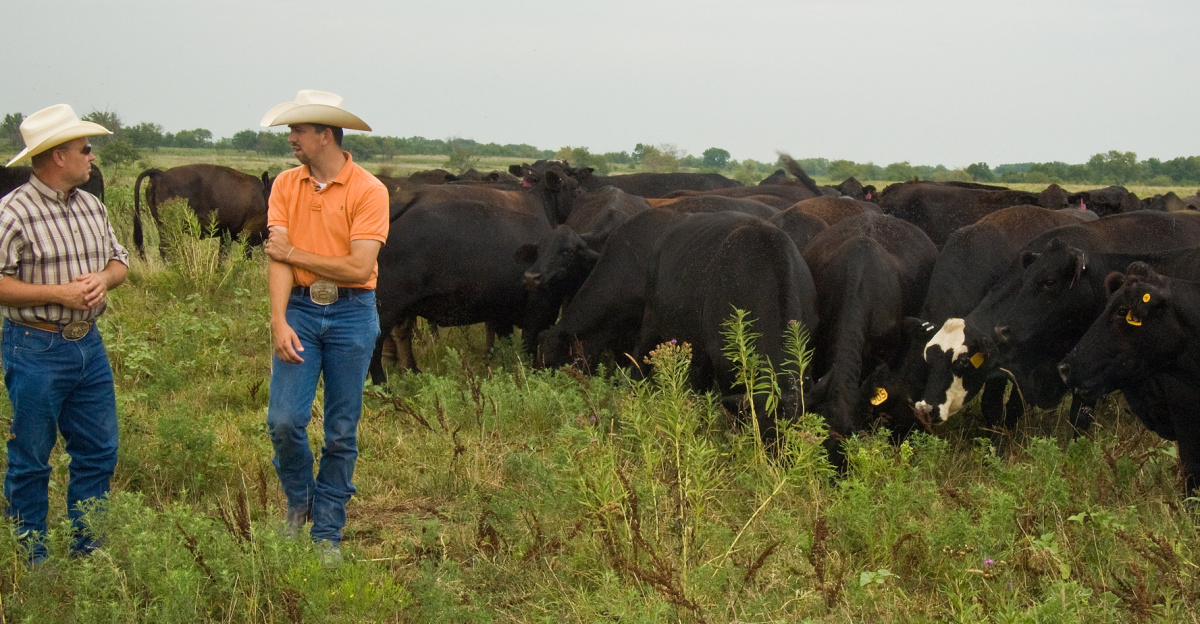
The decision stems from a historic collapse in U.S. cattle supplies. National cattle numbers fell to their lowest level since 1951 by 2025, creating a perfect storm of rising input costs and shrinking processing volumes. Tyson announced the permanent shutdown in November 2025, citing worsening market conditions and projected beef-division losses exceeding $600 million. The company simultaneously eliminated a production shift at its Amarillo, Texas facility, bringing combined job losses to approximately 4,900 nationwide.
Lexington’s economy has long revolved around the plant, which opened in 1990 and grew into a critical node of the U.S. beef supply chain. At full capacity, it processed close to 5,000 head of cattle daily—roughly 5 percent of total American beef slaughter. Tyson workers earned an estimated $241 million in annual wages, a figure that now vanishes from the local economy. Economists at the University of Nebraska–Lincoln estimate that when secondary effects ripple through the community, total job losses could approach 7,000.
Human Cost: Families and Communities in Crisis

The human toll extends beyond unemployment statistics. Roughly half of Lexington’s students have at least one parent who worked at the plant. A significant portion of the workforce consisted of immigrants who had established deep roots in the community. Families now face difficult choices about relocation, retraining, or seeking transfers to distant Tyson facilities. Older workers face particular challenges adapting to new careers, while younger employees may pursue retraining opportunities.
Economic Ripple Effects Across the Region

The closure’s economic consequences will reshape the region for years. Lost wages directly threaten housing stability, school funding, healthcare access, and municipal revenues. Local businesses dependent on plant workers’ spending face reduced customer traffic. The massive facility itself presents a puzzle: repurposing a specialized beef processing plant is complex and costly, and no immediate replacement employer can match Tyson’s scale or wage levels.
Beyond Lexington, the closure tightens an already constrained national beef supply chain. Removing a plant handling one-twentieth of daily U.S. beef slaughter reinforces elevated beef prices at grocery stores and restaurants. Consumers are already shifting toward cheaper proteins like chicken and pork, or experimenting with plant-based alternatives—trends the closure will amplify.
Industry Consolidation and Long-Term Implications

The shutdown has reignited scrutiny of consolidation in meatpacking. A small number of corporations control a large share of U.S. beef processing capacity, magnifying the impact when a single facility closes. Critics argue this concentration increases vulnerability for workers, ranchers, and communities, while industry representatives contend scale is necessary to survive volatile markets.
State and federal officials responded with urgency, coordinating unemployment services, job-placement resources, and retraining programs. Policymakers are also revisiting the balance between beef imports and exports as domestic processing capacity tightens. Rebuilding the U.S. cattle herd will take years, meaning supply constraints and their economic consequences are unlikely to fade quickly.
Economists describe the Lexington closure as a rare event—one of the largest single-facility shutdowns in decades. The closure serves as a warning signal for rural America: essential industries are not immune to structural shocks, and dependence on a single employer carries enormous risk. As the cattle herd rebuilds slowly, towns across the Midwest are watching closely, aware that Lexington’s story could foreshadow their own future.
Sources:
“Tyson Foods to close major US beef plant as cattle supplies dwindle” – Reuters
“Tyson to shutter major beef plant in Nebraska amid US cattle shortage” – Food Dive
“Economic Impacts of the Tyson Beef Plant Closure in Lexington, Nebraska” – University of Nebraska–Lincoln (CAP / Extension)
“UNL report estimates nearly $3.3 billion in annual economic losses from Tyson Foods closure” – Nebraska Public Media
“Tyson’s Lexington Beef Plant Shutters Early: No Shifts Scheduled This Week” – Drovers
“Tyson Foods layoffs start in Nebraska, Texas beef plants” – Meat+Poultry