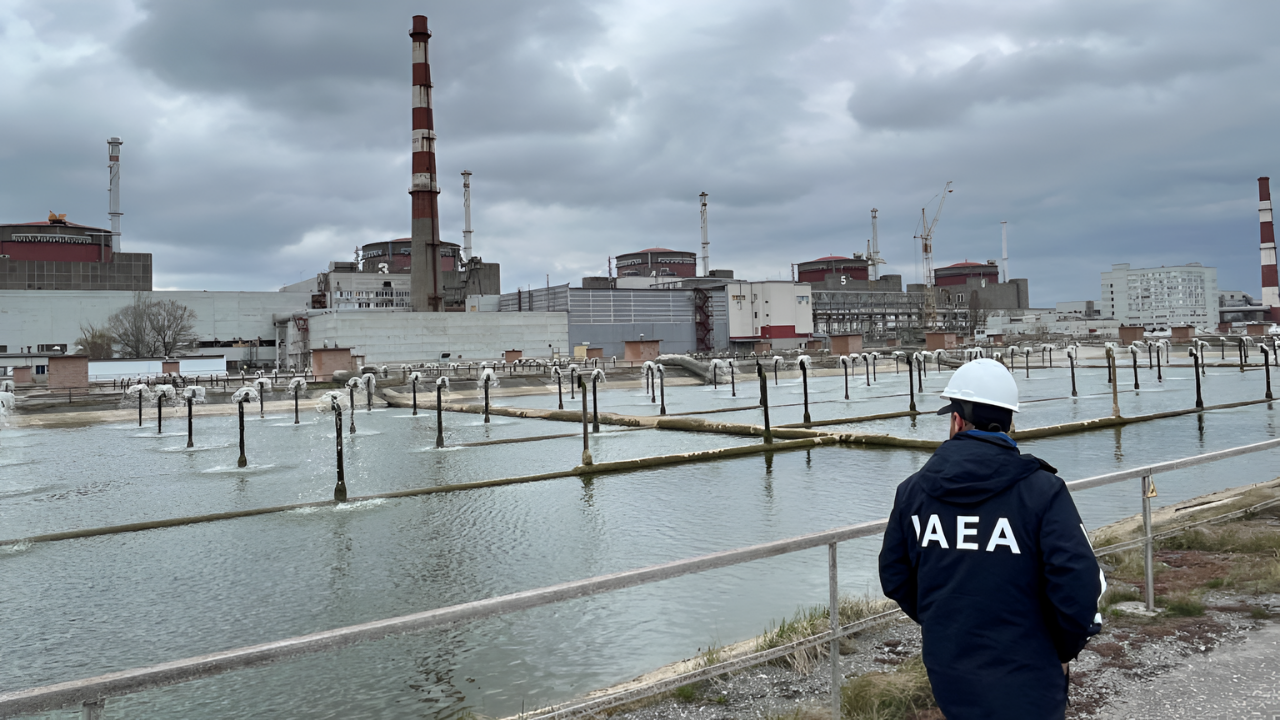
On January 19, 2026, Ukrainian drone strikes took down major power substations across Russian-occupied Zaporizhzhia, plunging over 200,000 households into darkness. The attacks highlight the ongoing energy warfare in Ukraine, where both sides target critical infrastructure to break the will of civilians and soldiers alike. As temperatures dropped below freezing, the loss of power left families without heat, water, or light, increasing the suffering of already vulnerable populations.
A War of Attrition
This latest round of strikes marks the continuation of a broader strategy Russia has employed since its invasion in 2022: weaponizing winter. By targeting energy infrastructure, both sides aim to destroy morale and weaken their opponent’s capacity to fight. Russia, in particular, has intensified its attacks, unleashing over 1,300 drones, 1,050 guided bombs, and 29 missiles within a single week in January. The pattern has escalated, with civilian areas becoming the primary targets for both Ukrainian and Russian forces, despite diplomatic attempts to de-escalate.
The Fragile Lifeline of Zaporizhzhia
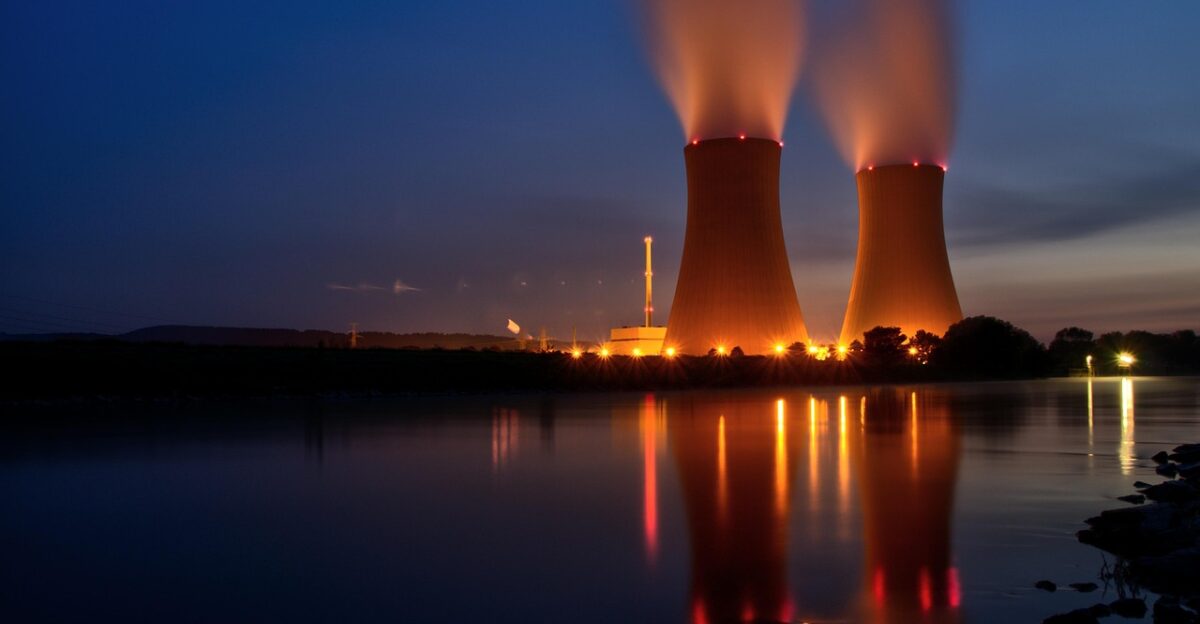
At the center of this war on infrastructure sits the Zaporizhzhia Nuclear Power Plant, Europe’s largest nuclear facility. Despite being under Russian control, the plant remains a critical concern for both Ukraine and international authorities. Its failure would not only leave the surrounding region without power but could spark a continent-wide environmental disaster due to the plant’s six reactors, which require a constant power supply for cooling.
Currently, the plant’s electricity is provided by a single 750 kV main transmission line, after Russian military activity severed a backup line in January. If this line fails, the plant would rely solely on diesel generators, which are only temporary solutions. The International Atomic Energy Agency (IAEA) has warned that any additional damage could result in catastrophic consequences.
A Moment of Cooperation
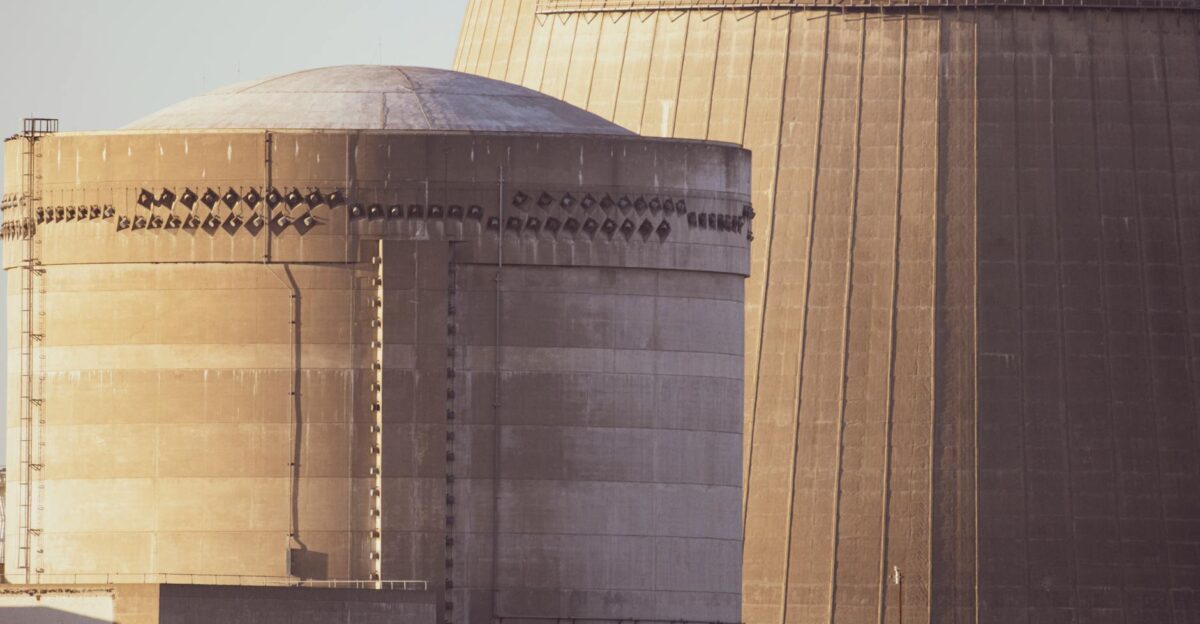
Amid the growing tension, a rare diplomatic moment emerged in mid-January when both Ukrainian and Russian technicians began repairing the damaged backup line under an IAEA-brokered ceasefire. This fragile truce allowed for emergency work on the 330 kV line, which, if restored, would stabilize the power supply to the nuclear plant. However, the repair effort remains perilous, as the threat of further attacks looms. Any new missile or drone strike could sever the line once more, putting the plant at even greater risk.
The Human Cost

On the ground, the consequences of these power struggles are devastating. In Zaporizhzhia, more than 200,000 people were left without electricity in the middle of a harsh winter. In addition to the physical hardships, the loss of power has left many civilians without access to essential services such as water and heating. For those living in the occupied territories, these blackouts are not just an inconvenience—they represent a direct assault on their survival.
Retaliation and Collateral Damage
Russia’s response to the Ukrainian drone strikes has been swift and violent, with retaliatory attacks killing at least two people and wounding six in multiple Ukrainian regions. In North Ossetia, the debris from a downed drone struck a residential building, injuring several civilians. The cycle of destruction continues, with both sides using civilians as pawns in this high-stakes battle over energy and control.
The Stakes of Winter Warfare
As winter deepens, both Ukraine and Russia brace for a prolonged conflict over energy infrastructure. For Ukraine, these blackouts could undermine Russian forces in occupied territories, eroding civilian morale and weakening logistical support. For Russia, maintaining power in Zaporizhzhia is crucial not only for military advantage but also as a strategic bargaining chip in the ongoing war. The nuclear plant’s survival—or potential meltdown—could tip the scales in favor of one side, and the international community watches closely, aware that the stakes have never been higher.
What’s Next for Zaporizhzhia?
The critical question now is whether the repair teams can complete their work before another attack halts their efforts. With tensions escalating and both sides committed to their strategies of energy warfare, the future of Zaporizhzhia’s nuclear plant remains uncertain. The outcome of this energy battle may well determine the course of the war, and the repair crews know that their success or failure could trigger an irreversible crisis.
As the war rages on, diplomatic efforts continue, with Ukrainian President Zelensky exploring potential peace agreements even as military operations persist. The international community, meanwhile, is grappling with the implications of a nuclear disaster in the heart of Europe. The time to act is running out, and the cost of failure—both humanitarian and environmental—remains alarmingly high.
Sources:
1News – Ukrainian drone strikes cut power to hundreds of thousands
Los Angeles Times – Ukrainian drone strikes cut power to hundreds of thousands in Russia-occupied Ukraine
Kyiv Independent – Ukrainian crew begins ‘crucial’ repairs on Zaporizhzhia nuclear plant backup line
Euromaidan Press – Russia’s week of terror: 1,300 drones, 1,050 bombs, and a strained grid
Xinhua English – IAEA says localized ceasefire enables repairs at Zaporizhzhia
Deutsche Welle – Russia strikes 6 Ukrainian regions, killing at least 2