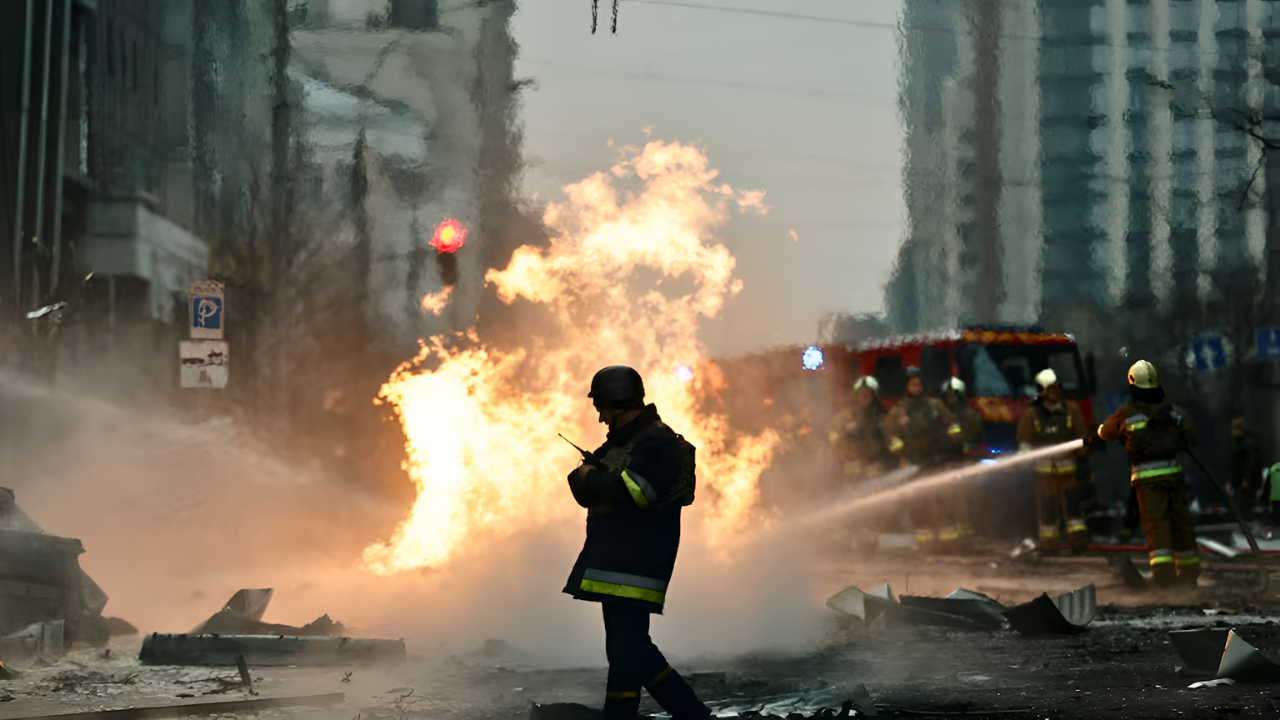
January 19, 2026, carved itself into the war’s grim ledger as Russian forces absorbed catastrophic losses across Ukrainian battlefields. Ukraine’s General Staff tallied 1,130 personnel casualties and 925 unmanned aircraft obliterated within a single rotation of the clock. These numbers—stark and unforgiving—capture a snapshot of attrition warfare at industrial scale, where soldiers and machines vanish at rates that dwarf historical conflicts.
The carnage extends far beyond one devastating day. December 2025 emerged as the deadliest month since invasion forces crossed into Ukraine nearly four years ago. Speaking at the World Economic Forum in Davos on January 21, 2026, NATO Secretary General Mark Rutte revealed that approximately 30,000 Russian soldiers perished during those 31 days—averaging 1,000 fatalities daily. To contextualize this bloodletting: a single month now surpasses the entire Soviet-Afghan War’s toll of 15,000 to 26,000 lives lost across a decade spanning 1979 to 1989.
The Eastern Grind and Winter Offensives
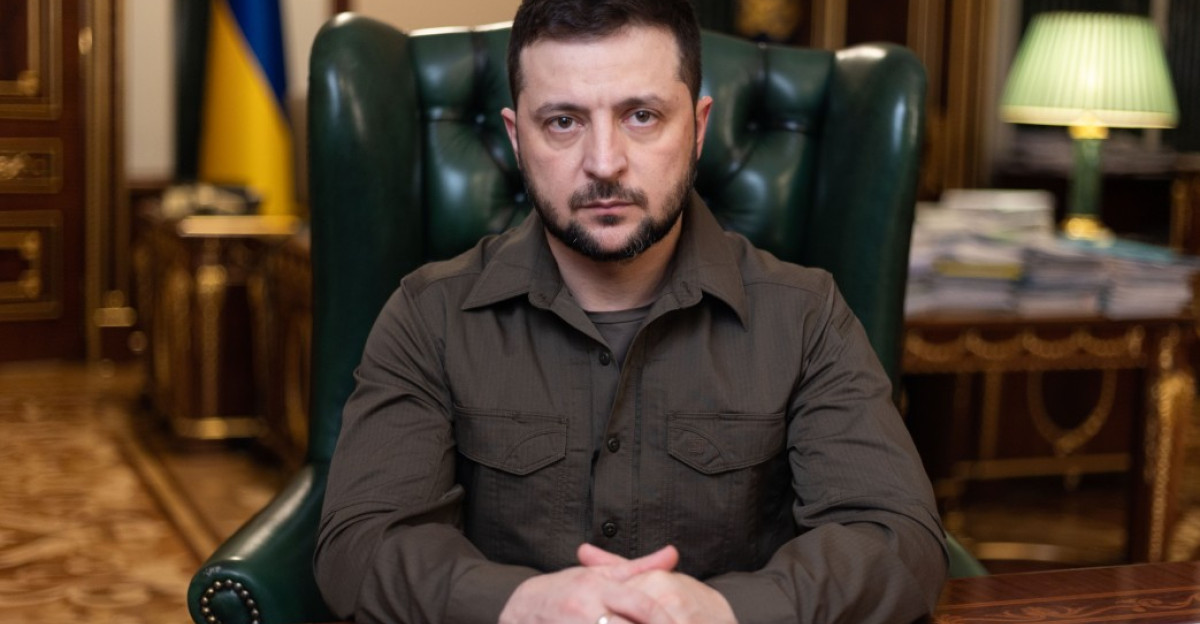
Since February 24, 2022, when Russian columns first pushed across the border, expectations of swift conquest have dissolved into grinding stalemate. The Donbas region has crystallized into the war’s deadliest theater, where Ukrainian President Volodymyr Zelenskyy has characterized conditions as absolute torment for combatants on both sides.
Winter 2025-2026 witnessed tactical escalation from both adversaries. Russian commanders ordered frontal assaults aimed at capturing strategic positions before potential diplomatic negotiations. Ukrainian forces responded with drone swarms and precision munitions that inflicted punishing losses. The Institute for the Study of War documented how Russian territorial advances decelerated sharply in late December 2025 and early January 2026, attributing the slowdown to deteriorating weather and the expiration of year-end military objectives. Despite continuous waves of attackers, Russian gains remain measured in meters rather than kilometers.
Counting the Dead
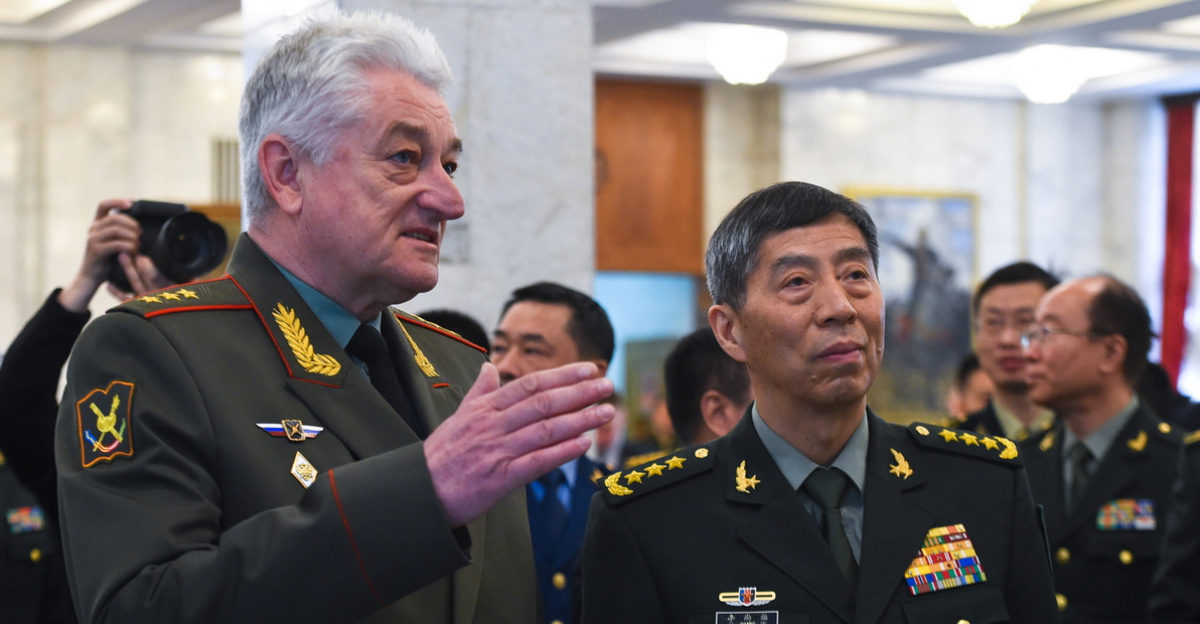
Piercing the fog surrounding casualty figures requires meticulous verification. As of January 16, 2026, independent Russian outlet Mediazona partnering with BBC Russian Service has authenticated 163,606 individual military deaths through open-source intelligence—obituaries, social media tributes, official records. Researchers emphasize these confirmed fatalities represent merely a fraction of reality, estimating actual deaths could surge 40 to 60 percent higher, potentially exceeding 240,000.
Moscow ceased publishing official casualty statistics in September 2022, shrouding the human cost in official silence. The UK Ministry of Defence assesses combined Russian casualties—killed and wounded—at approximately 1.2 million since the invasion began, figures aligning closely with Ukrainian General Staff estimates. Meanwhile, Russia has deployed between 600,000 and 700,000 troops into Ukrainian territory according to statements from President Vladimir Putin and Ukrainian military intelligence.
Throughout 2025, Russian recruitment drives signed approximately 417,000 contract soldiers, averaging 33,000 to 35,000 monthly enlistments and meeting government targets through financial incentives and regional bonuses. Yet with the UK Ministry of Defence reporting December’s average daily casualties at 1,130, recruitment barely keeps pace with losses.
Hardware Hemorrhage
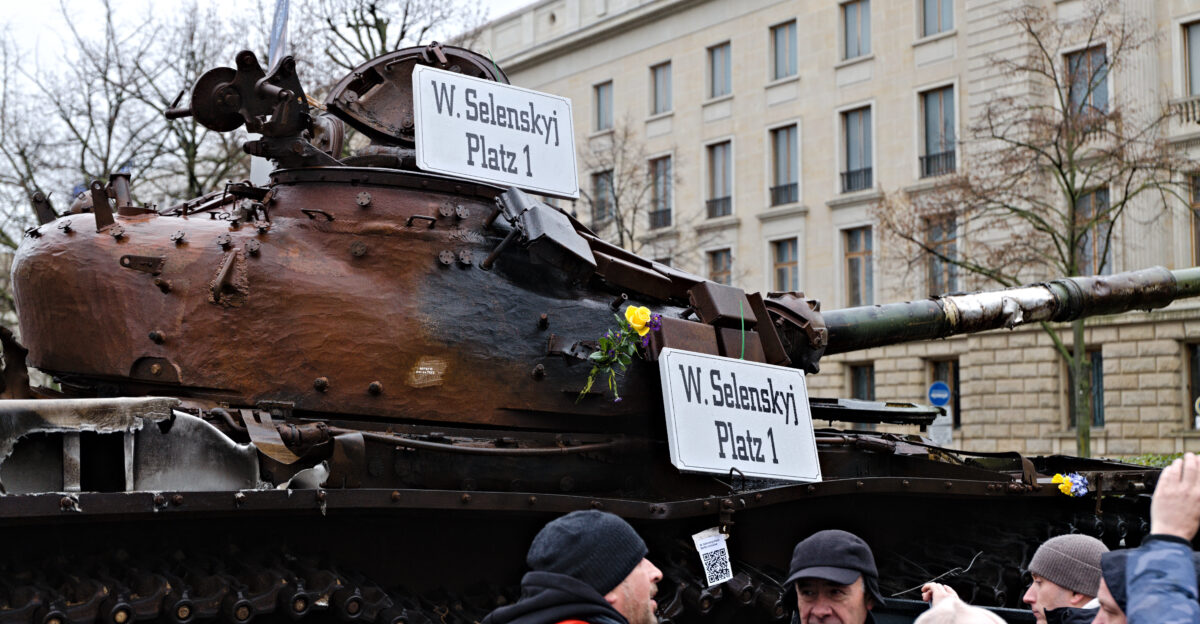
The machinery of war drains as rapidly as personnel. Ukraine’s General Staff claims Russian forces have forfeited 11,579 tanks and 23,928 armored vehicles as of January 20, 2026. Independent tracking organization Oryx, which demands photographic or video evidence for each entry, has verified 4,324 Russian tanks destroyed, damaged, abandoned, or captured—establishing a conservative baseline.
Russian industrial capacity produces an estimated 300 to 450 tanks annually according to military analysts. With sustained loss rates exceeding 1,000 tanks yearly, experts forecast critical shortages of armored vehicles and weapons systems within 12 to 18 months as Soviet-era stockpiles deplete faster than factories can manufacture replacements.
Unmanned aircraft tell a parallel story of attrition. Russia lost 925 drones on January 19 alone per Ukrainian reports. Though Ukrainian air defenses maintained an 80 percent interception rate for drones in October 2025—down from earlier peaks above 87 percent as Russian tactics evolved—the defensive network continues shredding aerial assets at unsustainable rates. Moscow has responded by mass-producing cheaper, less sophisticated unmanned systems designed to overwhelm defenses through sheer volume.
Strategic Reverberations
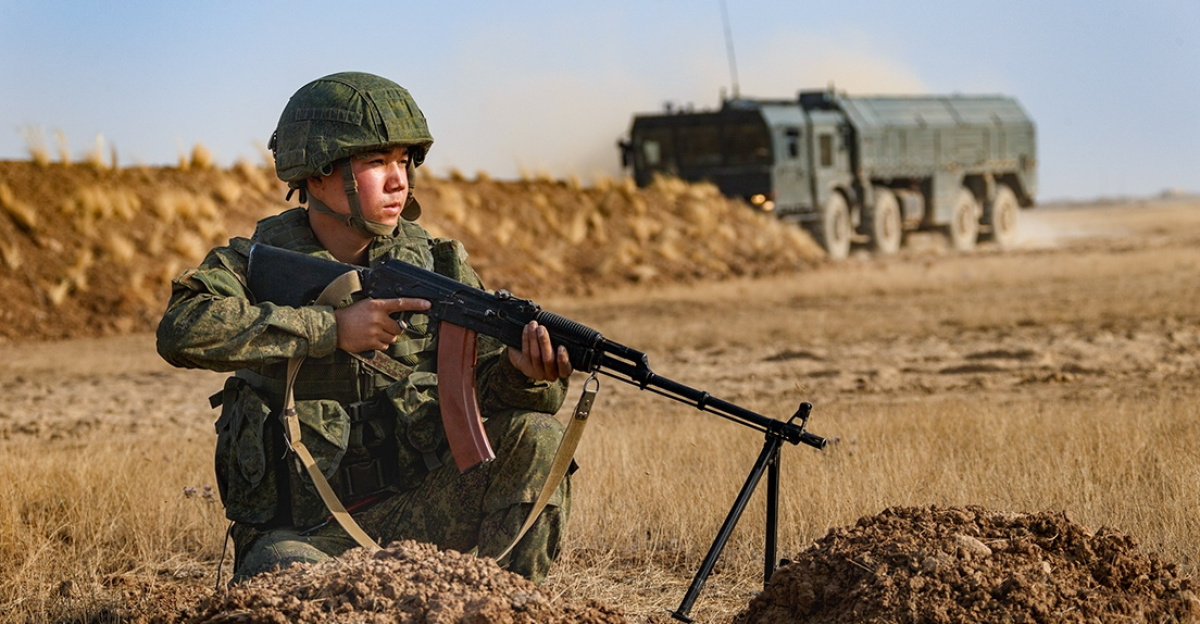
The failure to achieve rapid victory reverberates across continents. NATO’s eastern flank has fortified dramatically, with Poland elevating defense expenditures to 4.7 percent of GDP while Baltic states enhance military capabilities. The alliance launched Baltic Sentry in January 2025 and established enhanced Forward Presence in member states bordering Russian territory.
Military analysts debate sustainability. Can Russian forces maintain thousand-casualty days indefinitely? Assessments from the Institute for the Study of War and UK defense experts suggest materiel shortages may reach critical thresholds within 12 to 18 months. While Russia has demonstrated resilience through aggressive recruitment and economic adaptation, the fundamental question persists: how long can political will and mobilization endure as the conflict extends deeper into 2026 and beyond?
Sources:
General Staff of the Armed Forces of Ukraine (via Ukrainska Pravda) | “Russia loses 1,130 soldiers over past day” | January 20, 2026
NATO Secretary General Mark Rutte (via United24Media) | “Russian Fatalities Hit Up to 1,000 a Day in December, Says NATO Chief Rutte” | January 21, 2026
UK Ministry of Defence Intelligence Assessment (via UNN) | “Russia has likely suffered over 1.2 million casualties in total in the war against Ukraine” | January 13, 2026
Mediazona/BBC Russian Service (via Kyiv Independent) | “Over 163,000 Russian soldiers killed in Ukraine identified by independent media” | January 17, 2026
Ukrainian National News (UNN) | “Russian troops lost 1,130 soldiers and 925 UAVs in a day” | January 19, 2026
Institute for the Study of War | “Russian Offensive Campaign Assessment, January 20, 2026” | January 20, 2026