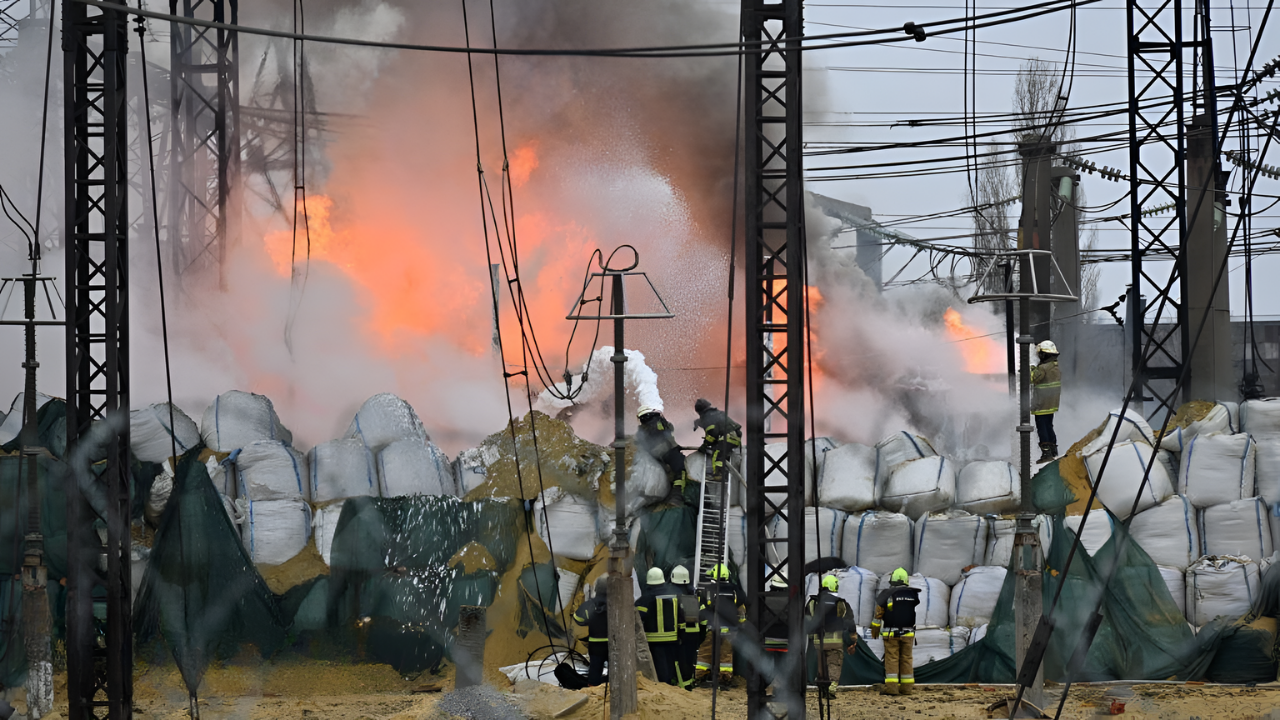
Ukrainian military intelligence issued an urgent alert on January 17, 2026, revealing Moscow’s plan to strike critical power substations feeding nuclear facilities across the country. The Main Intelligence Directorate (HUR) reported that Russian forces have already conducted reconnaissance of 10 substations across 9 regions, identifying targets essential to nuclear plant operations.
“Russia is considering attacking strategic objects of the national energy system—specifically, power substations that enable the operation of Ukrainian nuclear power plants,” HUR stated in its official warning. The intelligence indicates Russia aims to force Kyiv into accepting unfavorable peace terms by creating an unprecedented energy catastrophe amid subzero winter temperatures.
Imminent Threat
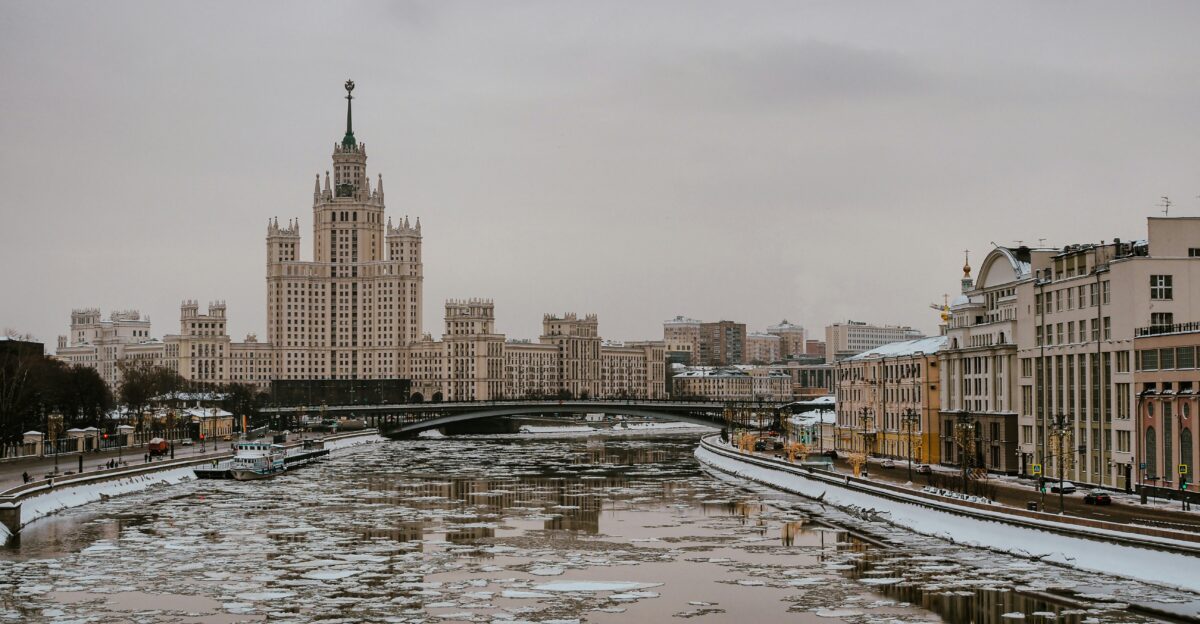
A Ukrainian government source confirmed to Fox News that the threat could materialize within days, with one specific facility in the crosshairs. “There are talks of a massive attack either tonight or in the coming nights,” the source disclosed on condition of anonymity on January 17.
Ukrainian Foreign Minister Andrii Sybiha warned that Moscow “knows no limits in its genocidal goal of depriving Ukrainians of power amid freezing winter” and urged the international community to issue clear warnings to Russia.
The escalating intelligence prompted Ukraine’s Energy Minister Denys Shmyhal to brief IAEA Director General Rafael Grossi about Russia’s preparations for another large-scale attack on energy infrastructure supporting nuclear facilities.
Unprecedented Occupation
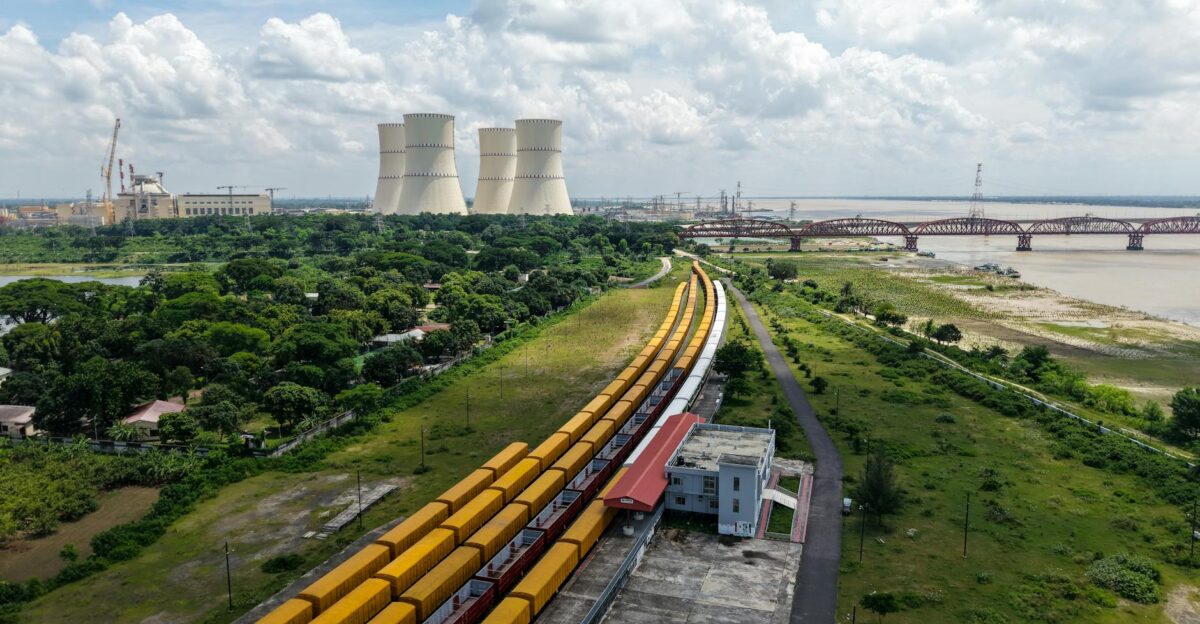
Russian forces seized this nuclear plant during the 2022 invasion. This marks the first time any country has occupied a working nuclear power plant during war. Russian troops stormed the site on March 4, 2022 started a fire at a training building, alarming the world about radiation danger.
The International Atomic Energy Agency called it “unprecedented.” Russian state nuclear company Rosatom now controls the plant. All six reactors will shut down by September 2022.
Winter Energy Blitz
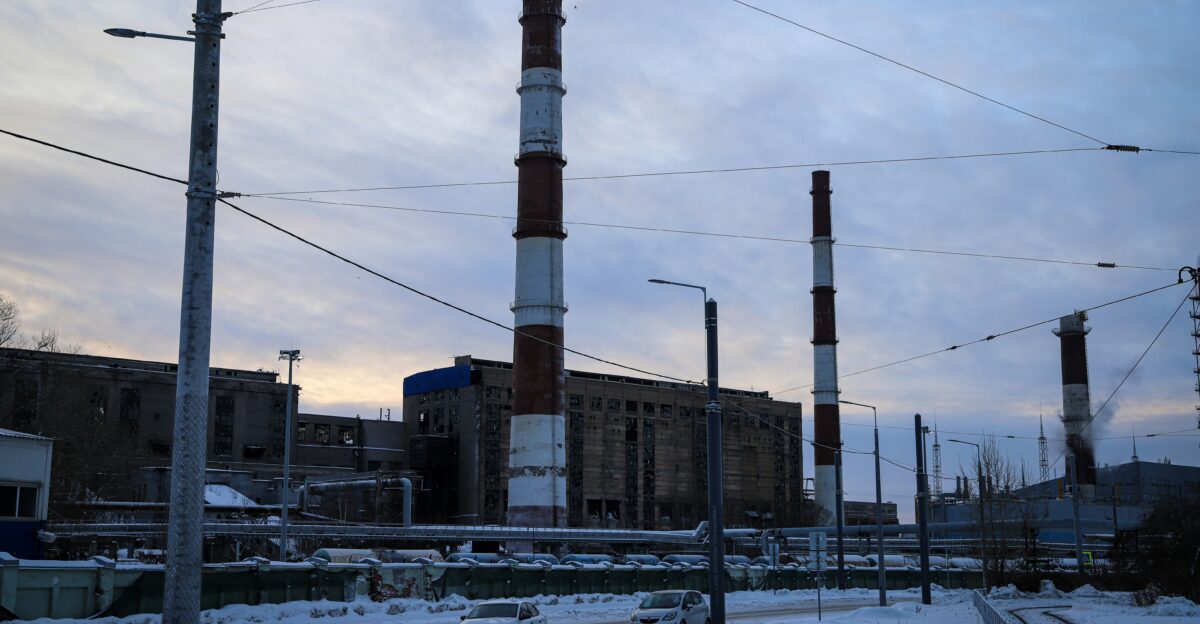
Russia attacked Ukraine’s power plants all winter. Millions lost heat and electricity as temperatures dropped to minus 0.4 degrees Fahrenheit. President Zelenskyy declared an energy emergency on January 14, 2026.
Russian strikes destroyed 85 gigawatts—nearly half of Ukraine’s normal electricity. On January 20, over one million homes in Kyiv went dark. Mayor Vitali Klitschko reported 600,000 people fled the city in January. They escaped freezing cold and blackouts.
Target Identified
A Ukrainian source told Fox News: “The threat is at ZNPP.” This is Europe’s largest nuclear plant. Zaporizhzhia has six reactors with a total power of 6 gigawatts—Europe’s biggest. Russia plans to strike high-voltage power lines feeding the complex in southeastern Ukraine.
“Russia is plotting a major strike on the power lines,” the official warned. The reactors need constant external power for their cooling systems, even though they generate no electricity under Russian occupation.
Population Impact
The Zaporizhzhia plant produces 20 percent of Ukraine’s electricity and powers four million homes. That supports roughly ten million people. Threatened strikes would cut power to millions of Ukrainian families already facing blackouts.
Vitaliy Zaichenko, CEO of Ukraine’s national grid, said: “Russia always tries to disconnect our nuclear plants. This is really dangerous for nuclear safety.” Disconnecting nuclear plants creates cascading safety risks for neighboring European nations inside radiation zones.
Nuclear Safety Crisis
IAEA chief Rafael Grossi warned that power disruptions create “serious nuclear safety risks.” “Power grid damage directly threatens nuclear safety at Ukraine’s facilities,” he said. On January 20, Russian strikes cut all outside power to Chornobyl. Emergency diesel generators then took over.
“Several substations vital for nuclear safety got damaged,” Grossi reported. The IAEA saw military activity at all five Ukrainian nuclear sites from January 11 to 18. Power lines feeding multiple plants suffered damage.
Diesel Generator Vulnerability

Nuclear plants lose cooling when outside power is cut off. Emergency diesel generators then keep reactors cool. Zaporizhzhia has seven emergency diesel generators and thirteen backups. Nuclear experts warn that diesel generators carry only seven days of fuel.
They often fail during long operations. “If diesels fail, the reactor cannot restart without outside power,” experts confirm. Power attacks force ZNPP to use backup generators for extended periods. The IAEA warns that this increases the risk of damage to the reactor core.
International Response
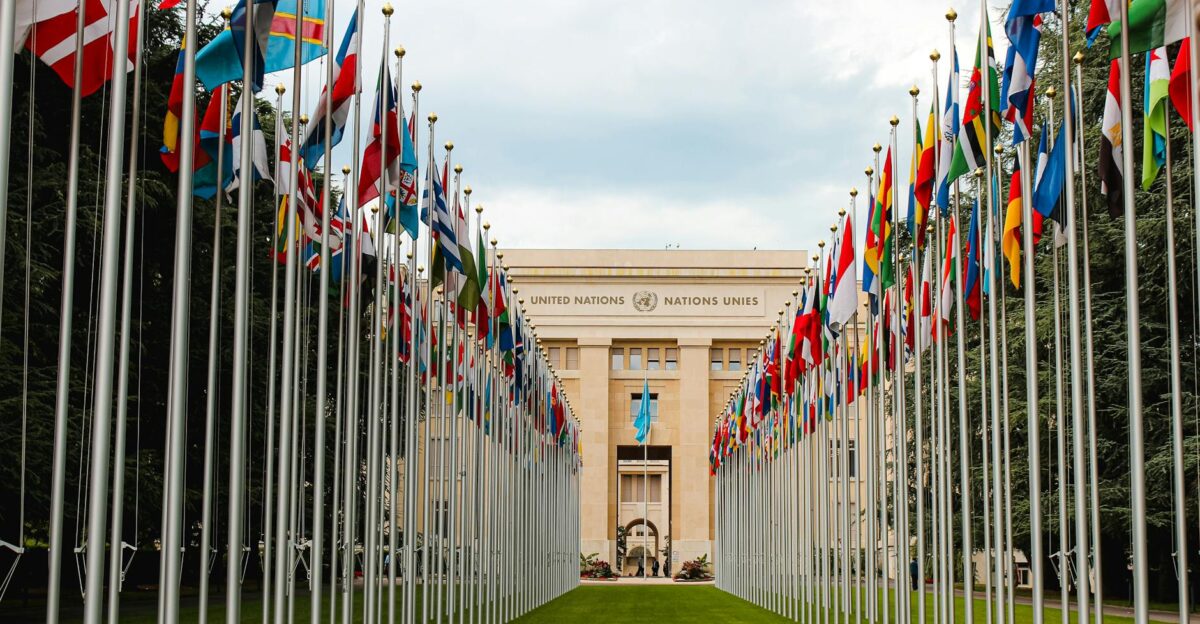
Ukraine’s Energy Ministry and IAEA chief Rafael Grossi called an extraordinary IAEA Board meeting to assess damage from Russian attacks. The IAEA plans a new expert mission to Ukrainian nuclear plants, including Zaporizhzhia.
“The continued presence of IAEA missions at Ukrainian facilities is of strategic importance for us,” said Energy Minister Shmyhal. The UN Human Rights chief condemned Russian strikes cutting heat and power. The international response shows growing alarm over Russia’s weaponization of nuclear safety.
Catastrophic Scenario
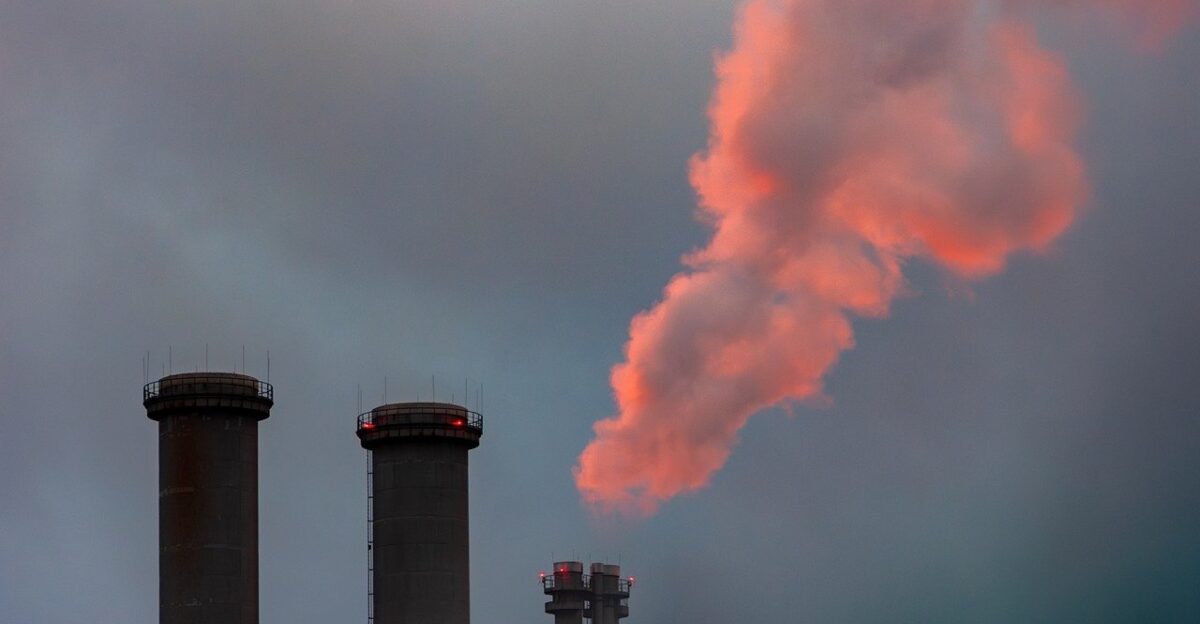
Nuclear experts warn that worst-case scenarios at Zaporizhzhia could exceed those at Fukushima. This could leave vast areas of Europe uninhabitable. Greenpeace states: “Radioactivity release could create a disaster far worse than Fukushima.”
Academic simulations show “downwind populations within 31 miles” need immediate evacuation. “The probability of severe accidents after complete power loss is not negligible,” researchers found. Power loss could trigger reactor meltdowns within hours and cascade failures across multiple reactors.
Coercion Campaign
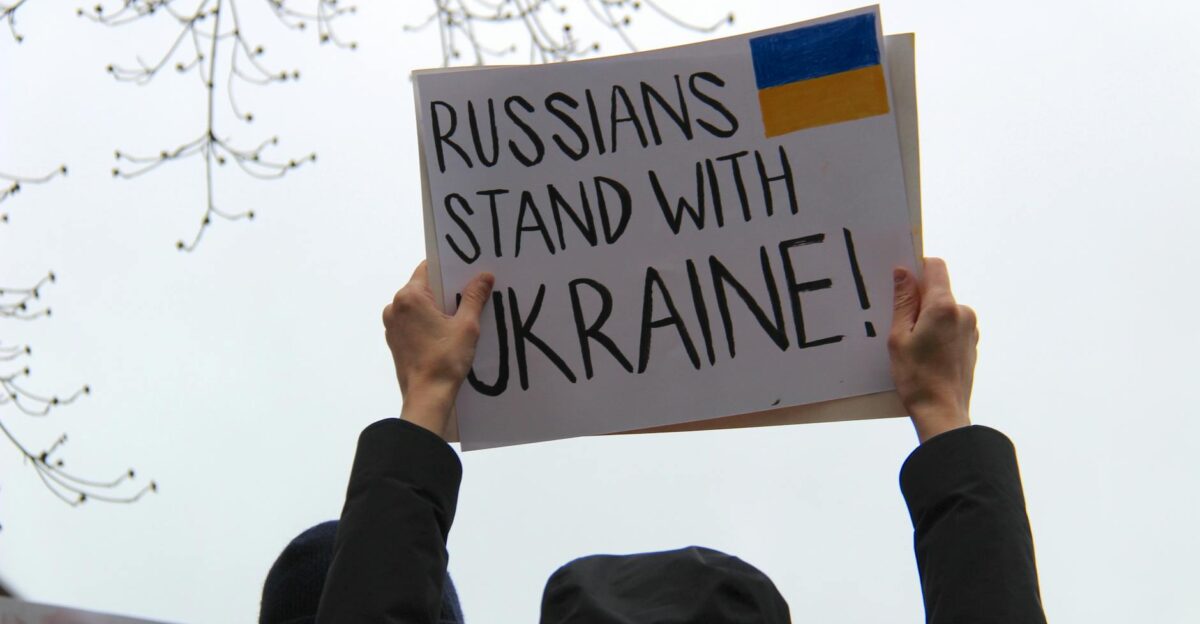
Russia’s strategy includes psychological warfare targeting Ukrainian civilians and energy workers. Ukraine’s HUR revealed Moscow aims “to force Ukraine to accept unacceptable capitulation demands” through energy deprivation.
Nuclear expert Jan Vande Putte from Greenpeace Belgium said: “This is a strategy from Russia—go step by step and increase the risk level.” Rosatom knows which substations to strike. The Russian military threatens Ukrainian forces that they will “fully destroy Kyiv facilities” unless Ukraine stops operations.
Occupation Consequences

Russia’s occupation involved systematic abuse of Ukrainian personnel. Enerhoatom documented arbitrary detention, torture, and persecution of ZNPP staff. Over 40 workers faced capture. In March 2025, Russia sentenced engineer Serhii Potynh to 19 years on false charges.
He endured two years of detention and torture. Russia granted operating licenses for reactor one. Ukraine called this “illegal.” Rosatom chief stated the plant could generate electricity “when possible.”
Grid Collapse Risk
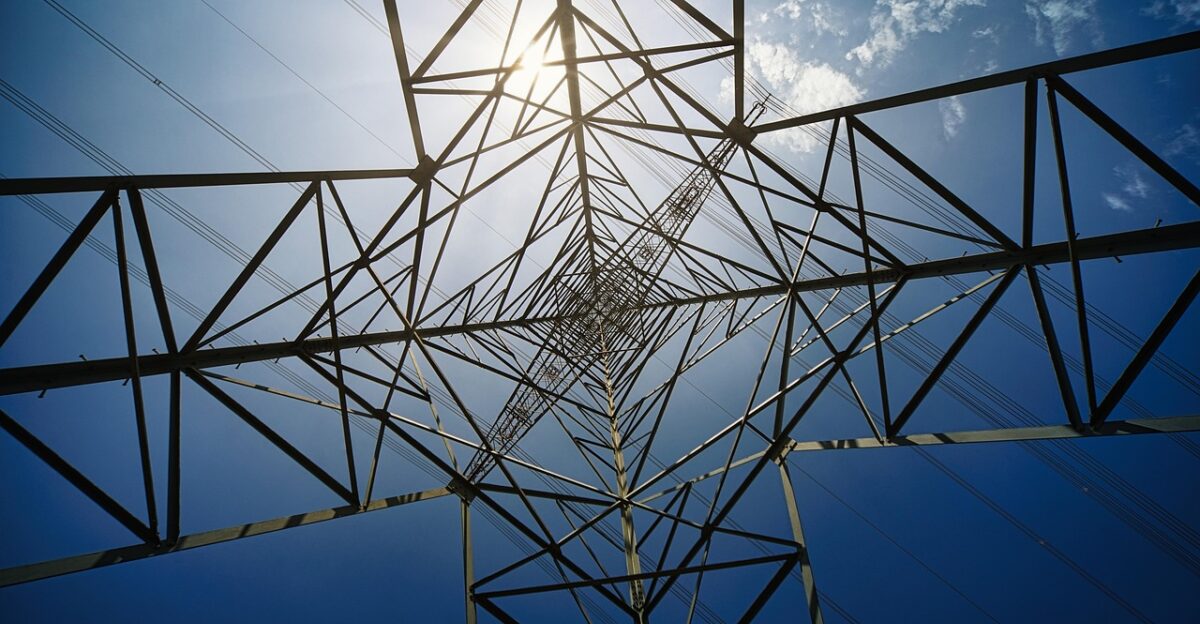
Ukraine’s energy grid nears total collapse after Russian bombardment destroyed power substations. Economist Borys Kushniruk said: “The problem isn’t electricity production—it’s how we move it.”
If Russia strikes substations feeding nuclear plants, Ukraine cannot restore connections for weeks. A Greenpeace expert warned that this causes “loss of cooling, which leads to nuclear fuel melt.” Energy workers face impossible repair conditions in icy cold and constant attacks.
Emergency Limitations
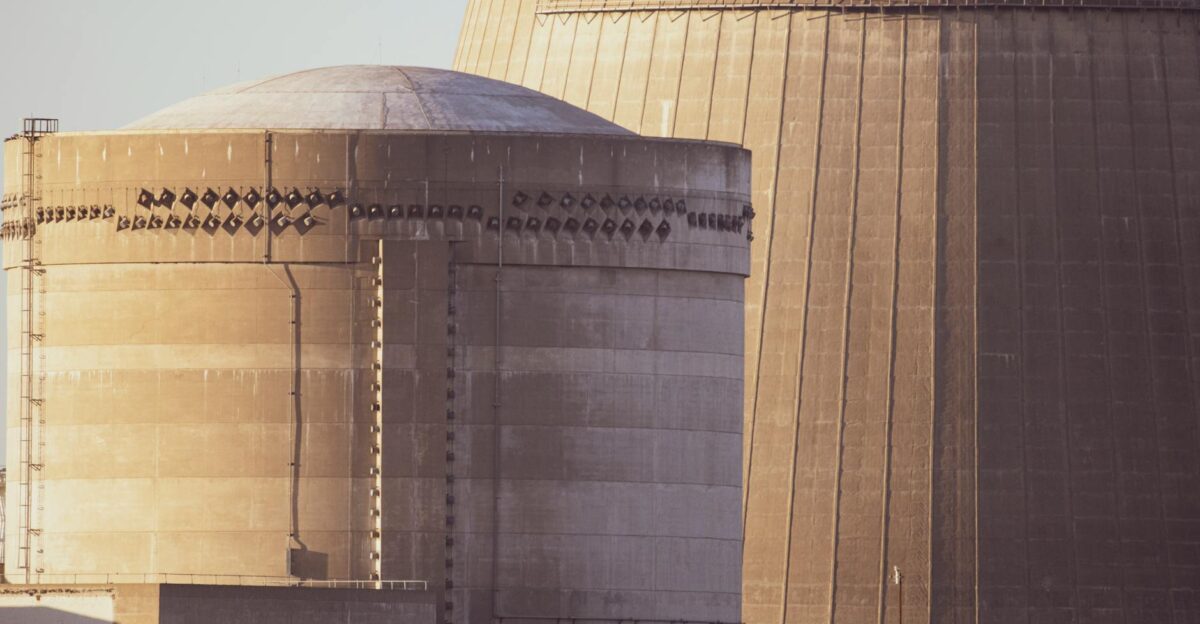
Nuclear engineers emphasize that reactor cooling systems operate on emergency diesel generators for limited periods. Fuel exhaustion or mechanical failure can cause a meltdown. VVER-1000 reactors require seven days of diesel fuel. Reliability beyond that period “cannot be guaranteed.”
Zaporizhzhia experienced 11 power outages from Russian attacks. Diesel generators must start in ten seconds. Historical data shows generators “frequently fail” during sustained operation. A complete diesel failure triggers a core melt “in minutes.”
Unprecedented Threat
As Russia’s winter energy offensive intensifies and intelligence warns of imminent nuclear strikes, Ukraine faces an unprecedented crisis. Will international pressure stop Russia, or will Moscow execute strikes triggering catastrophic scenarios?
The answer unfolds within days. Millions of lives hang in the balance. Europe faces its worst nuclear threat since Chernobyl. One Ukrainian official stated: “Russia is plotting a major strike.” Government talks have not been for the first time.”
Sources:
- Kyiv Independent, Russia planning large-scale attack against Ukraine, Kyiv warns, 19 Jan 2026
- Fox News, Russia threatens Ukraine nuclear power plants, ZNPP, 17 Jan 2026
- Greenpeace International, New analysis on severe nuclear hazards at Zaporizhzhia plant, 18 Dec 2025
- Reuters, What lies ahead for Ukraine’s contested Zaporizhzhia nuclear power plant, 27 Dec 2025
- United24Media, Moscow Plans to Cut Power to Millions by Hitting Ukraine’s Nuclear Grid, 17 Jan 2026
- Interfax, Chernobyl NPP loses all off-site power supply – IAEA’s Grossi, 20 Jan 2026