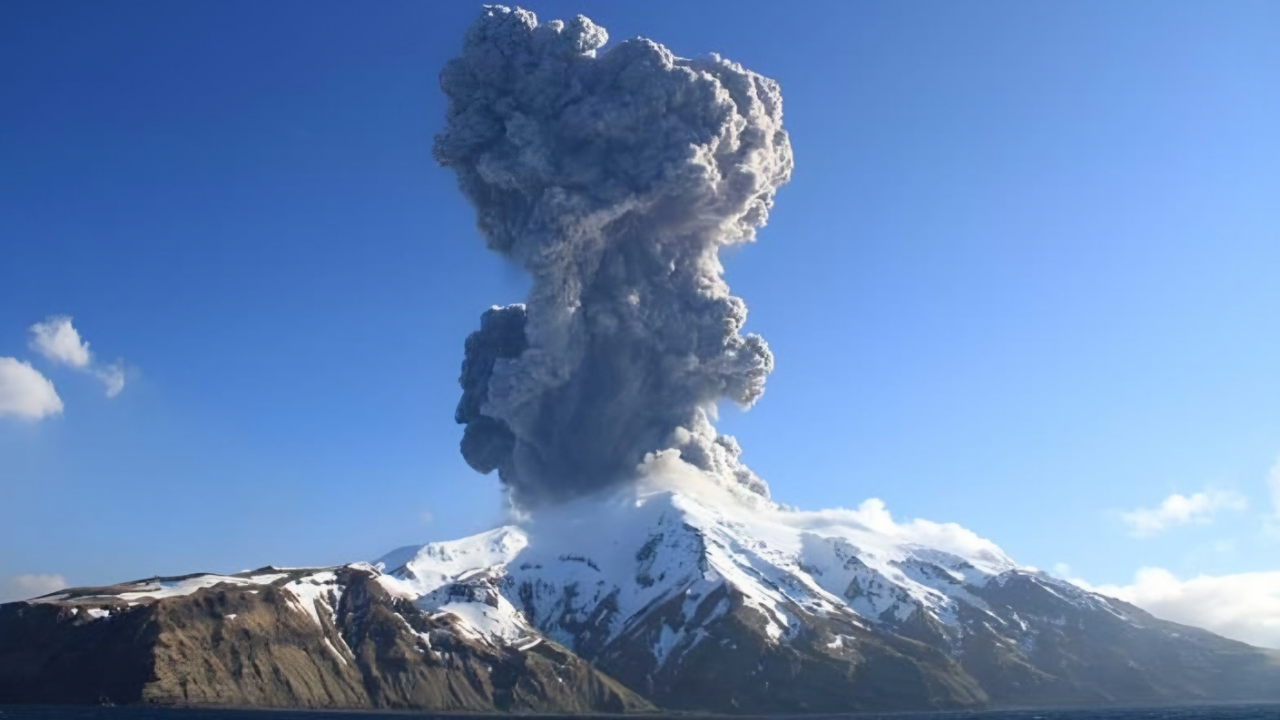
In Alaska’s remote Aleutian Islands, a volcano has erupted for 1,642 consecutive days. The lava broke out of the summit crater. The Alaska Volcano Observatory confirmed on January 20, 2026, that lava from Great Sitkin Volcano filled most of the summit crater and reached valleys below.
This is one of Alaska’s longest eruptions. The volcano sits beneath busy North Pacific flight routes. Daily, 10,000 passengers fly between Asia, North America, and Europe over this active volcano.
Aviation’s Nightmare Zone

The volcano sits in an arc with one of the world’s most active volcanic regions. About five eruptions happen yearly here. Since 1980, at least 15 aircraft have been hit by volcanic ash, resulting in costs of hundreds of millions of dollars.
On December 15, 1989, a Boeing 747 with 231 people on board lost all four engines after encountering ash from Redoubt Volcano. The plane fell 13,000 feet before pilots restarted the engines and landed safely. Repairs cost $80 million. Great Sitkin sits 26 miles from Adak Island and poses the same threats.
The 2021 Awakening
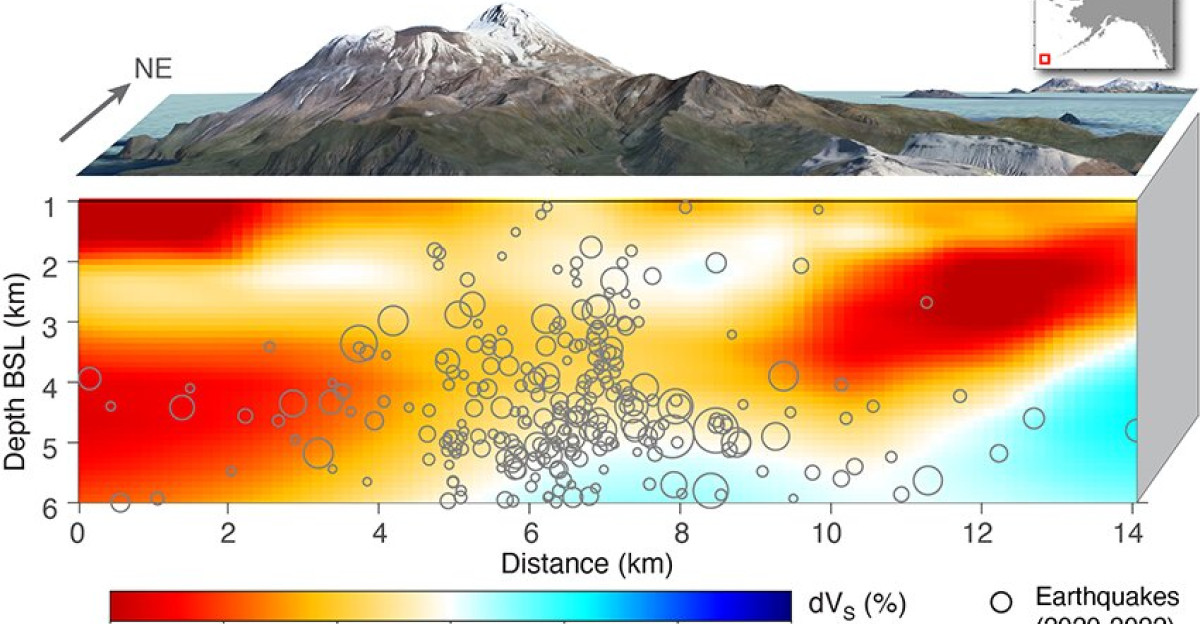
Great Sitkin’s eruption began after years of building pressure starting in 2016. Minor steam explosions and earthquakes increased. In January 2021, the Alaska Volcano Observatory saw higher temperatures in the crater. Earthquakes became frequent. Gases increased through the spring.
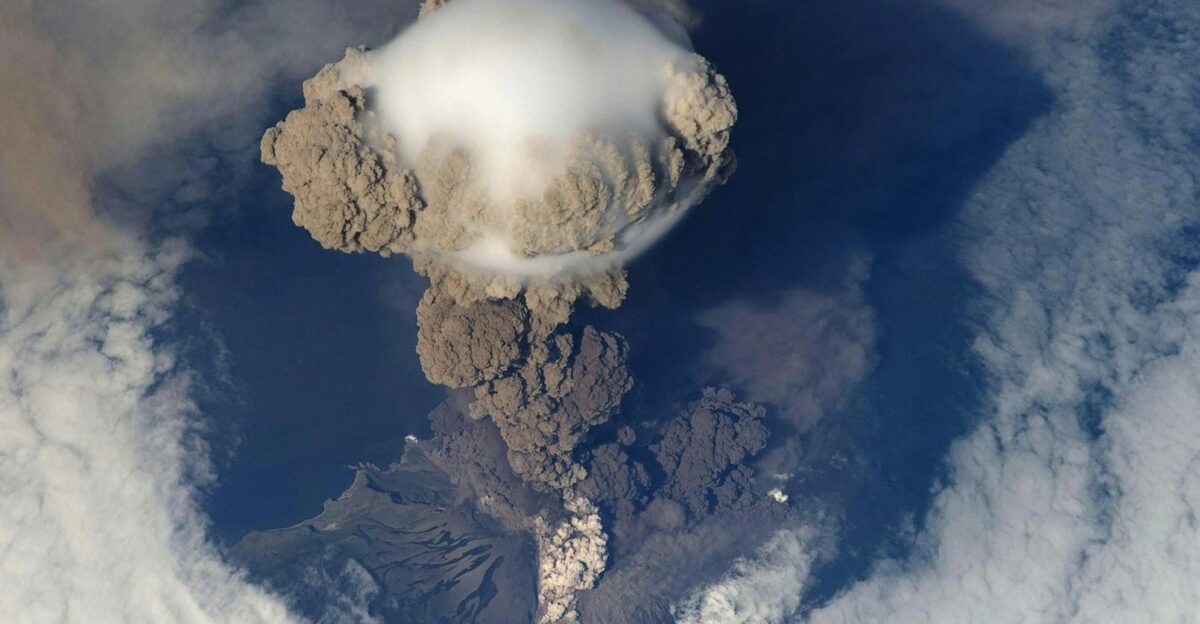
On May 25, 2021, a strong earthquake swarm triggered an alert upgrade to WATCH. One hour later, the volcano exploded. Ash shot 49,000 feet into the air. The explosion was detected by sensors. Officials briefly raised the alert to WARNING, then lowered it.
Lava Emerges
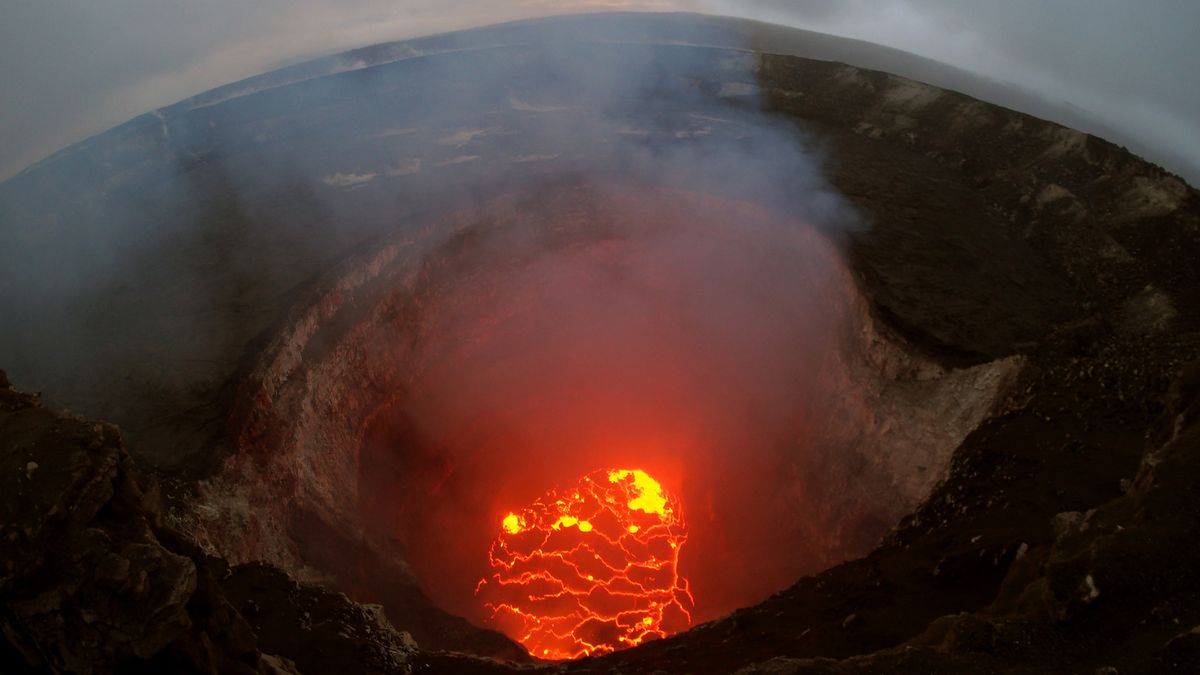
Two months after the May explosion, satellite pictures showed something new on July 23, 2021. A small lava dome grew in the crater center. No lava appeared in images from July 14. So the eruption began sometime in that nine-day window.
Scientists saw steam and heat reaching 400 degrees Fahrenheit. Sulfur gases increased. The Alaska Volcano Observatory raised the alert to WATCH on July 23, 2021. This status hasn’t changed for 4.5 years. By August 4, lava overflowed the crater.
The Valley Breakthrough
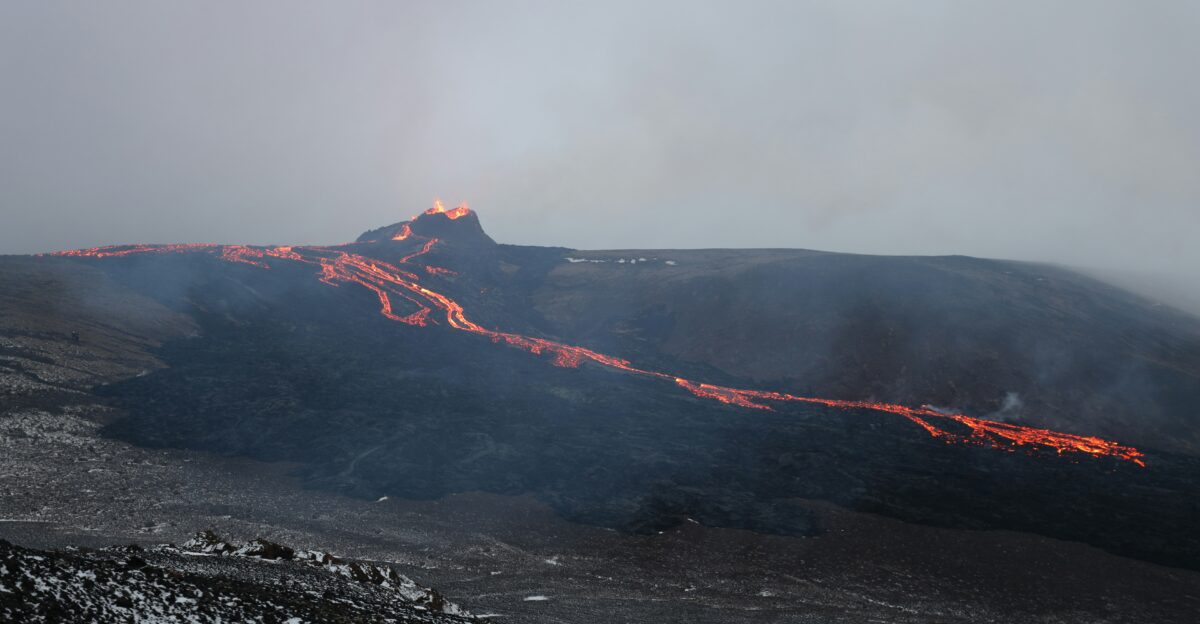
By September 2021, lava achieved a key milestone. It overflowed the crater rim and formed three separate flows going down the volcano’s slopes into valleys. The west flow appeared on September 19. The south flow arrived on September 29.
The north flow came on November 12. Rocks fell up to 150 feet. As of January 2026, lava reached 300 feet thick in some areas and extended up to 1,300 feet from the vent. Satellites tracked the volcano’s changes through clouds.
Remote but Not Isolated
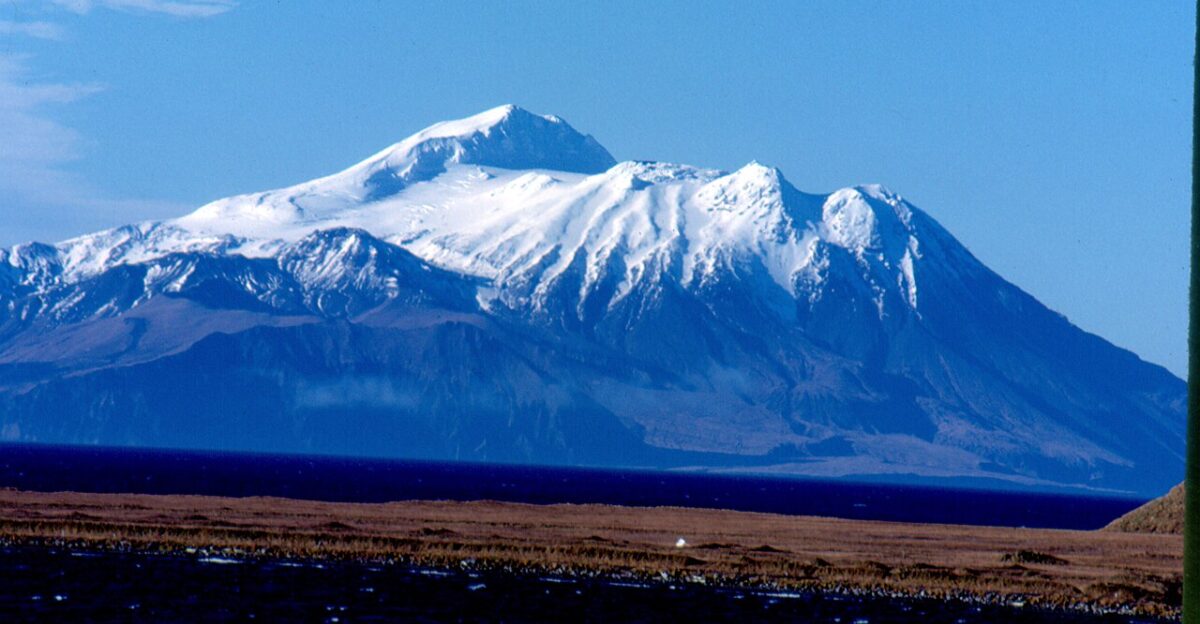
Great Sitkin Island is 11 miles long and circular in shape in the Andreanof Islands. It sits 130 miles west of Atka Island. About 300 people live on nearby Aleutian islands. During World War II, the U.S. Navy built Sand Bay Naval Station on Great Sitkin.
It was completed on May 15, 1943. The station held 680 people and 26 fuel tanks. By 1949, only 10 people remained. The station closed in 1963. Three aircraft crashed here between 1959 and 1973, killing 36 people.
24/7 Volcano Surveillance
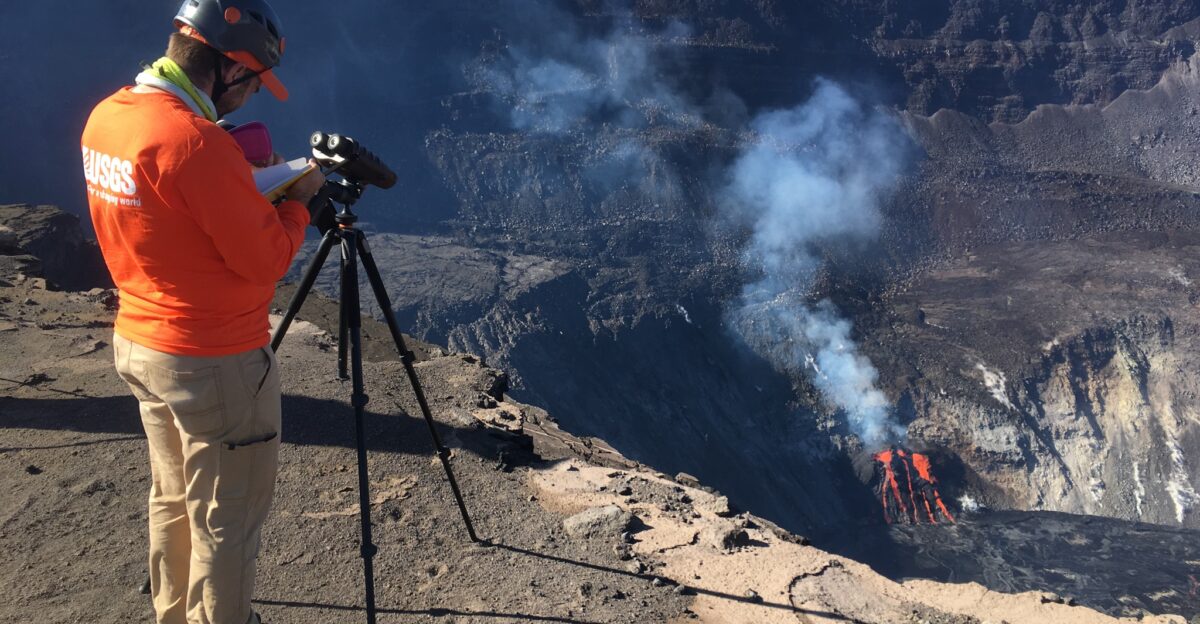
Scientists monitor Great Sitkin through a constantly running network. Local seismic stations sense earthquakes as tiny as magnitude 0.5. They record small daily quakes from lava movement and rockfalls. Infrasound sensors detect low sounds humans cannot hear.
These catch explosions even when clouds block vision. Satellite imagery from NASA, ESA, and private companies shows heat signatures. Radar reveals ground shifts with millimeter precision. Regional infrasound arrays across Alaska and lightning networks add extra layers of detection.
Understanding WATCH Status
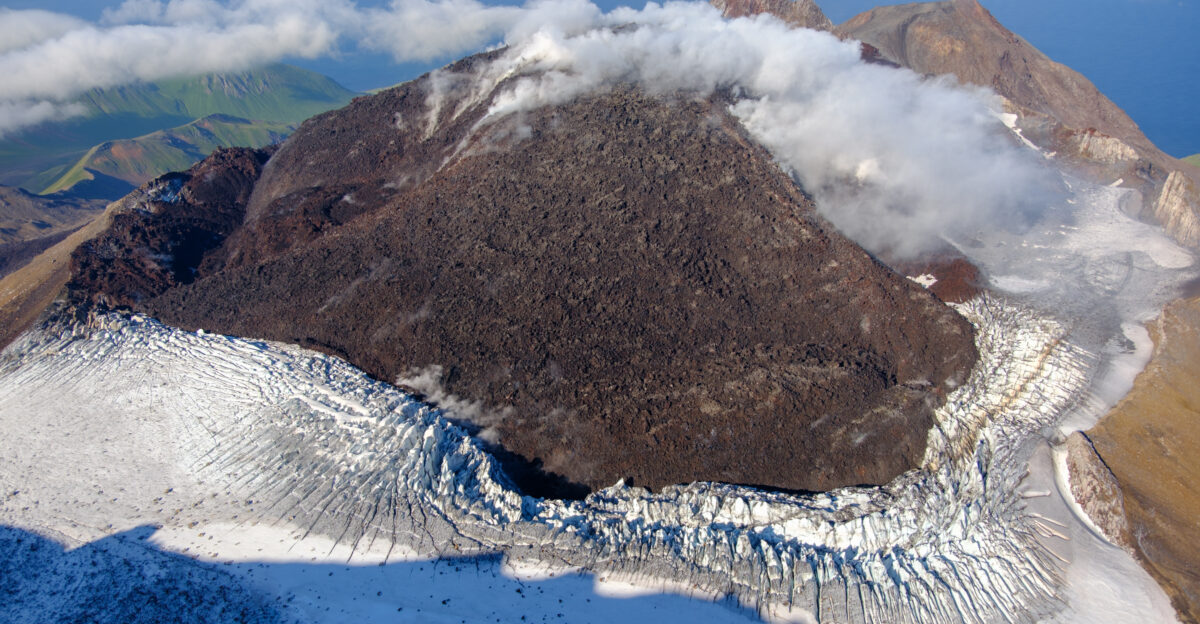
The volcano’s WATCH alert level since July 23, 2021, does not mean the eruption is about to get worse. Many people misunderstand volcano alert terms. USGS says WATCH means either heightened activity or ongoing eruption with limited hazards.
The WARNING level indicates an imminent, dangerous eruption. WATCH requires attention but not urgent action. Great Sitkin erupts slowly with limited hazards. Ash clouds threaten aircraft if explosive activity restarts. The ORANGE aviation code alerts pilots but doesn’t close airspace.
Alaska’s Volcanic Powerhouse
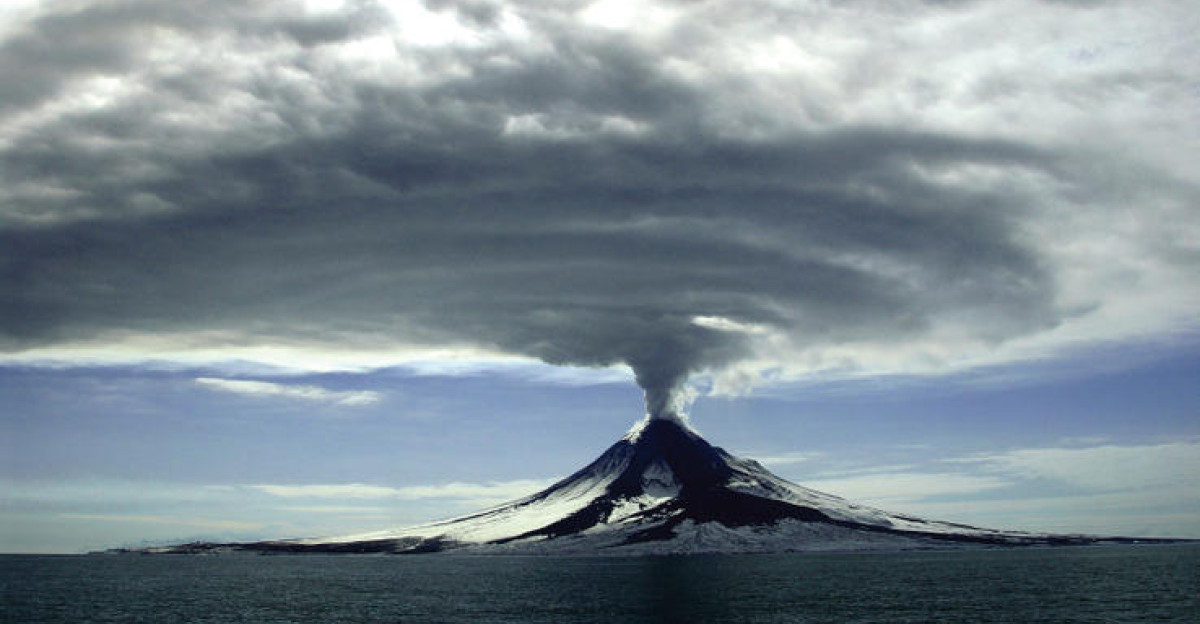
Alaska has 86 active volcanoes—more than any U.S. state. About five erupt yearly along the Aleutian arc. Four days per year, ash sits above 30,000 feet where jets fly. Alaska’s largest eruption was Novarupta in June 1912.
It ejected 13 to 15 cubic miles of ash—30 times more than Mount St. Helens in 1980. That explosion created the Valley of Ten Thousand Smokes. Great Sitkin has been erupting for 4.5 years, with steady lava flow and no major explosions.
The Size Paradox
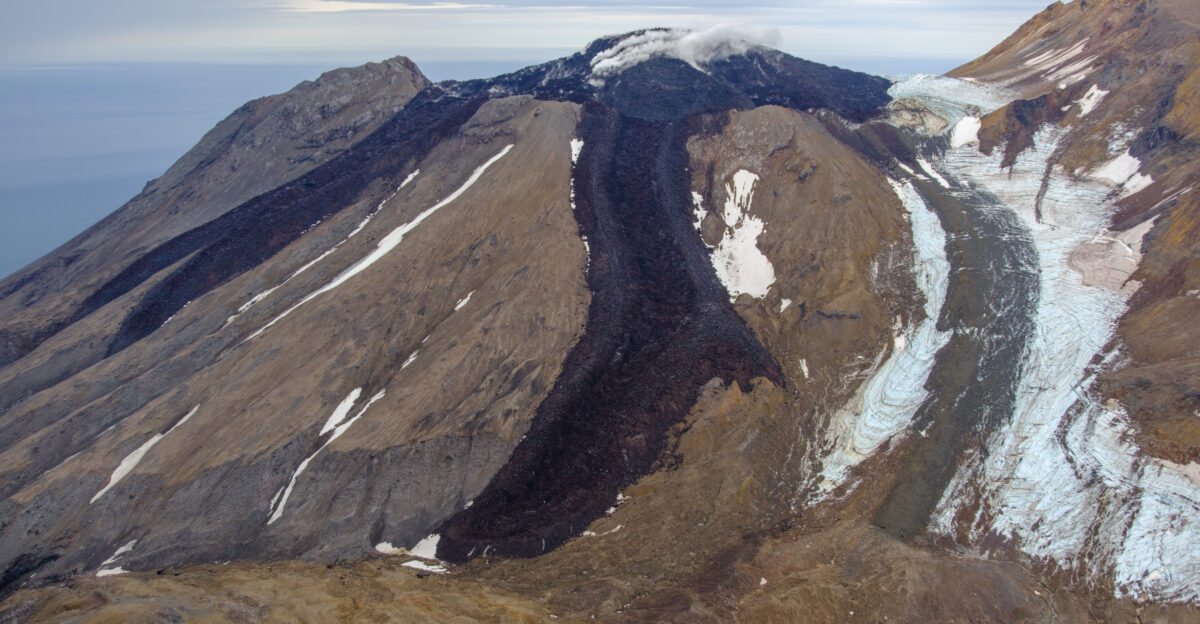
Despite headlines calling Great Sitkin massive, the volcano stands only 5,709 feet tall. This is much smaller than most Alaska volcanoes. Pavlof Volcano reaches 8,261 feet. Redoubt towers at 10,197 feet. Shishaldin measures 9,373 feet.
Geological surveys describe the island as circular, 14 to 16 kilometers wide. No scientific sources call it ‘large’ or ‘massive’. The volcano’s real danger comes from its location, not size. Position beneath busy flight routes matters far more than height.
Historical Echoes
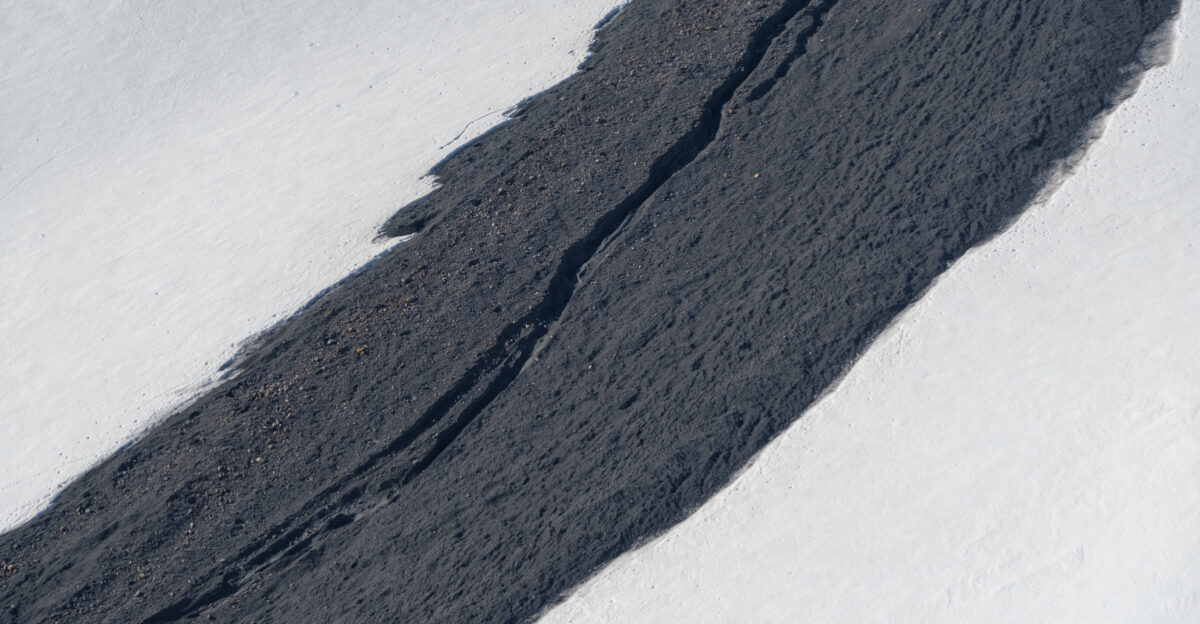
Great Sitkin’s current eruption mirrors its 1974 eruption sequence. That eruption started with an explosion, then lava flowed, filling the crater. The 1974 eruption lasted several months and produced a lava dome. It caused no deaths because nobody lived there.
Geological evidence shows at least eight eruptions during the 1900s. The volcano erupts regularly with decades between events. The 2021 explosion broke through the 1974 lava dome cap. This suggests magma had built up underground for years.
Pattern Shifts
The eruption changed direction in mid-2022. Lava began moving eastward inside the crater rather than down the sides. Material piled up above the vent. Flows on the outside stopped growing. New flows inside the crater traveled south and east.
By November 4, 2022, lava extended 2,000 feet east and 1,400 feet south. During 2023-2024, flows shifted between northwest, east, and south directions. Satellite images showed active areas remaining snow-free from the heat, while older lava accumulated ice. By July 2024, flows moved east and south again.
Technology Versus Nature
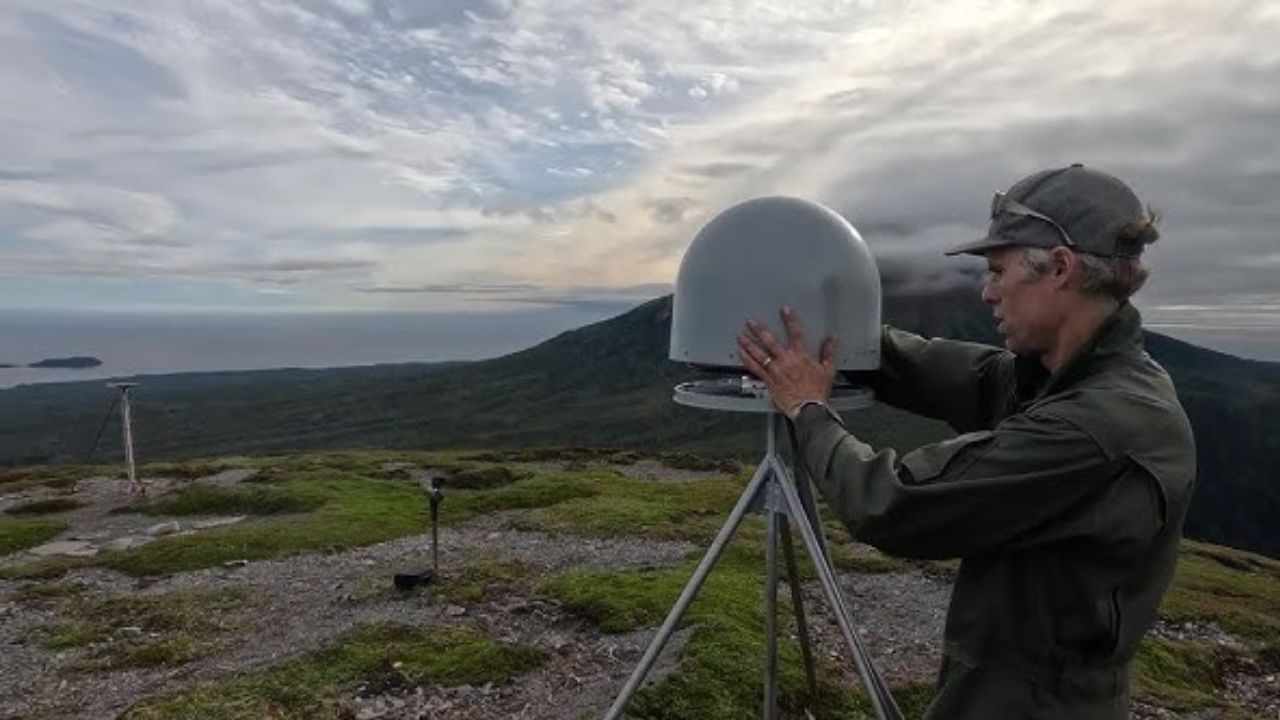
The Alaska Volcano Observatory’s monitoring shows both what scientists can do and what they cannot. Scientists forecast the May 25, 2021, explosion hours before it happened using earthquake data. Systems with longer quiet periods can show warning signs.
A 2018 study examined 53 eruptions at 20 Alaska volcanoes. Scientists predicted four eruptions at volcanoes that had been quiet for over 15 years with perfect accuracy. But July 2021’s switch to lava flow came with little warning. This shows how hard it is to predict changes in eruption style.
Waiting Game
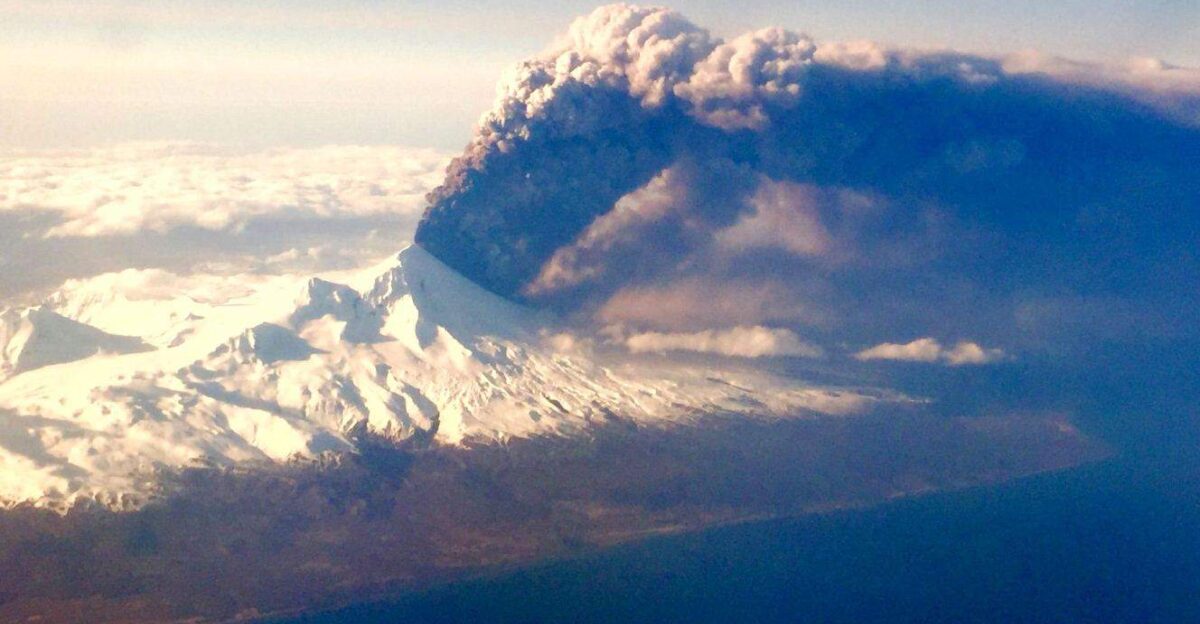
Volcano experts say Great Sitkin’s eruption could last for months or years. Other volcanoes worldwide have erupted lava for decades. Weekly bulletins from AVO say seismic activity stays low. Small earthquakes and rockfall signals occur regularly. This shows steady activity, not building unrest.
Satellite images show weakly elevated heat. Webcam images during clear weather show minor steaming. Lava oozes from the vent at several meters per day. The key question is whether lava will return to explosive eruptions or gradually stop.
The Long Vigil
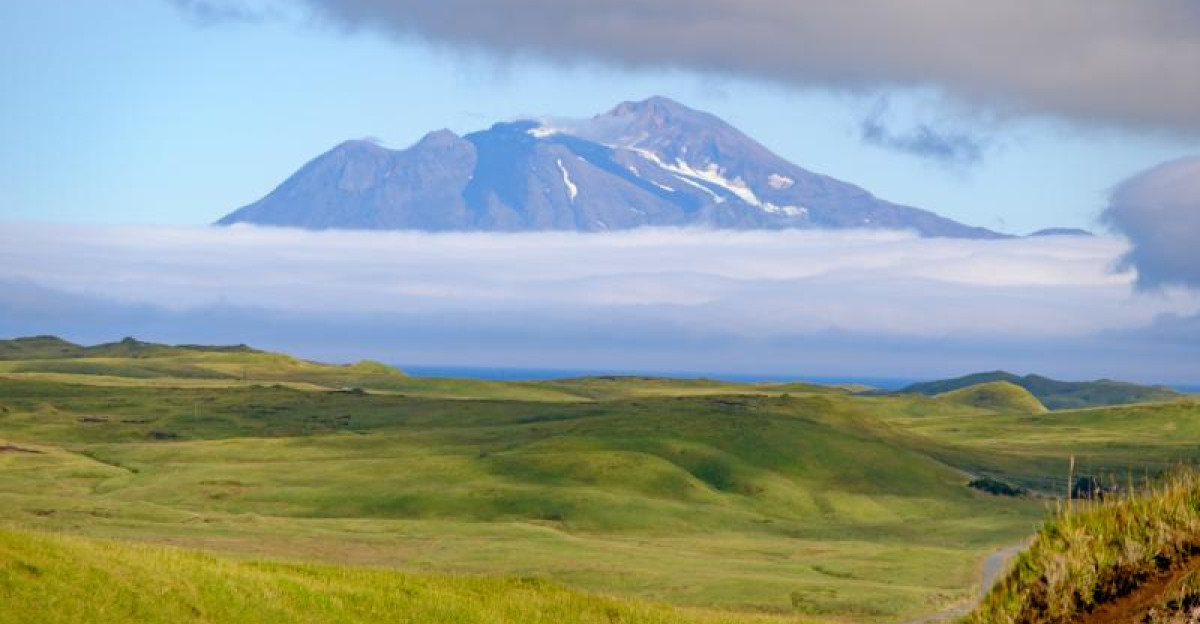
Great Sitkin approaches five years of continuous eruption. For aviation planners, emergency managers, and scientists, one question remains: when will things change? Daily, 10,000 passengers fly North Pacific routes. Planes cannot reroute permanently.
Volcanic ash is aviation’s worst hazard—invisible to pilots and radar, causing engine failure in seconds. Each week brings data scientists use to build computer programs that detect behavioral changes. The true story is not an imminent crisis. It’s maintaining constant vigilance against a slow threat that could suddenly escalate.
Sources:
AVO Eruption Details, Great Sitkin 2021/05, 2021
Volcano.si.edu, Report on Great Sitkin (United States), January 2026
USGS Fact Sheet 030-97, Volcanic Ash–Danger to Aircraft in the North Pacific, 2003
USGS Alaska Volcano Observatory, Daily Update Notice, January 20, 2026
USGS SIR 2024-5062, Infrasound for Volcano Monitoring, 2024
Frontiers in Earth Science, Alaska Volcano Observatory Alert and Forecasting Timeliness by Cameron et al., 2018