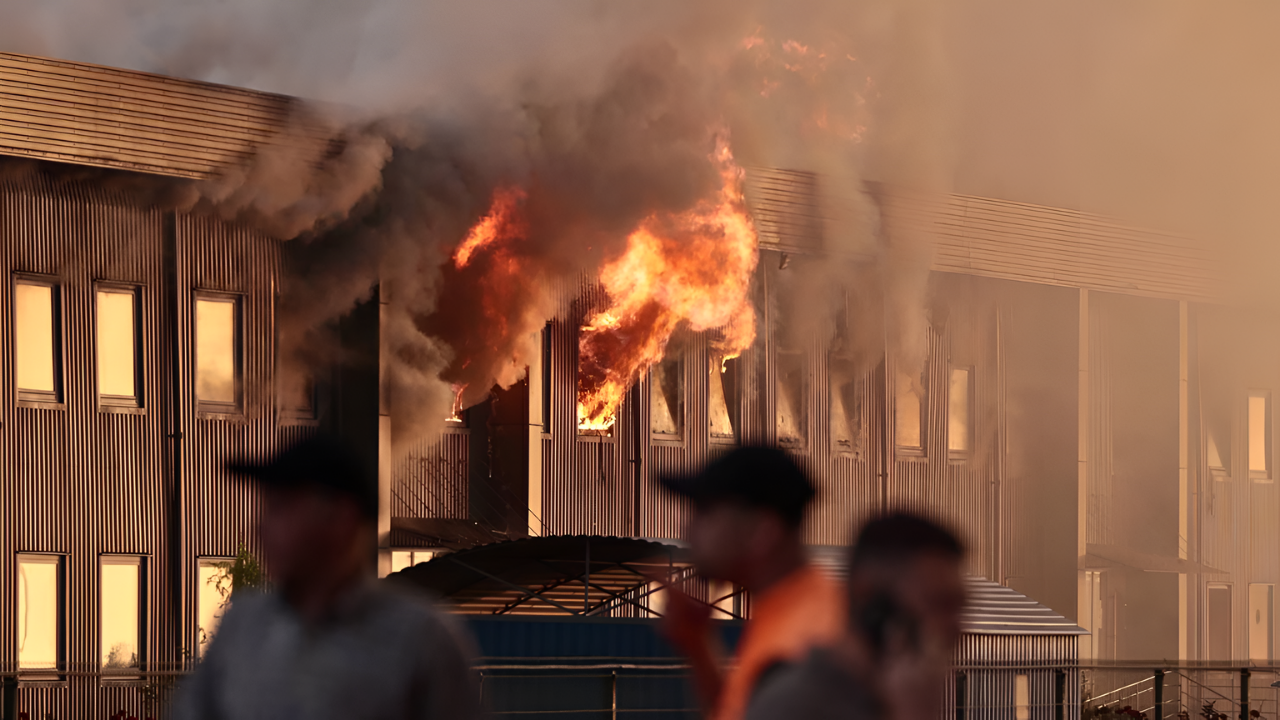
Ukraine unleashed its largest drone assault yet on January 5-6, 2026, deploying 129 aircraft across 21 Russian regions, from oil depots in Lipetsk to petrochemical plants in distant Bashkortostan over 1,300 kilometers away. Explosions and fires erupted, exposing vulnerabilities in Russia’s defenses and mirroring Moscow’s strikes on Ukrainian energy sites.
Deep Strikes on Energy Infrastructure
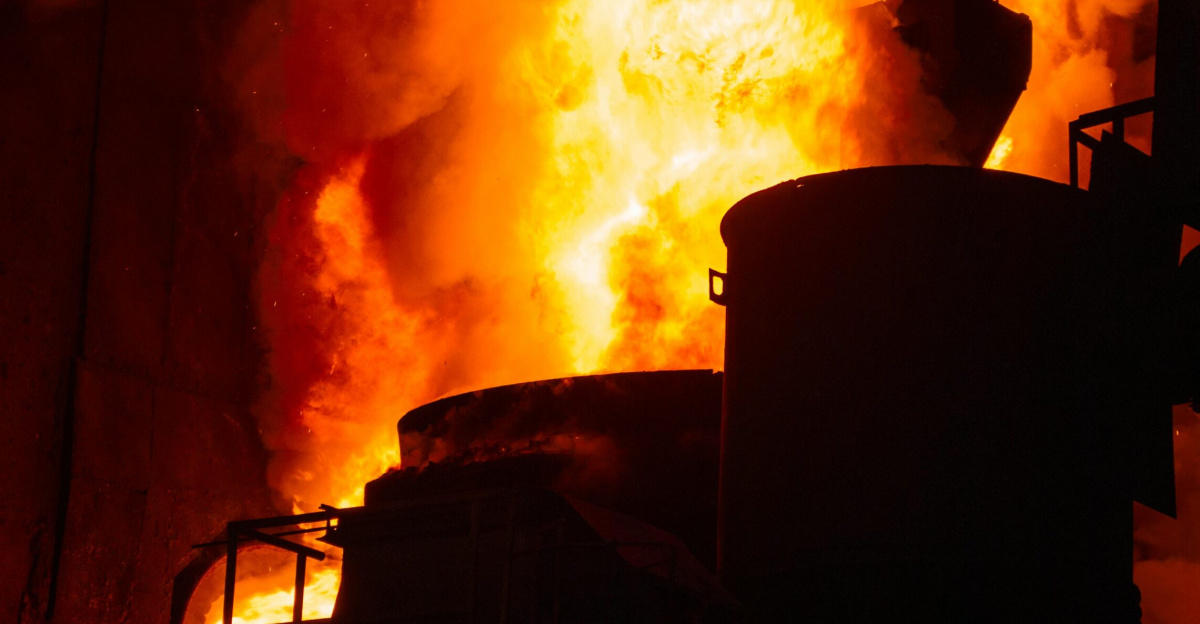
The operation zeroed in on refineries and fuel storage, aiming to crimp Russia’s supply lines far from the front. Drones penetrated deep, hitting Usman district in Lipetsk Oblast and sparking a blaze at an industrial site linked to the Usmanskaya oil depot. No deaths occurred, but flames disrupted local routines as emergency teams rushed to extinguish them. In Bashkortostan, six drones assaulted the Sterlitamak petrochemical zone, compounding prior hits throughout 2025 that forced production halts and repair assessments.
Air Defense Strains Emerge
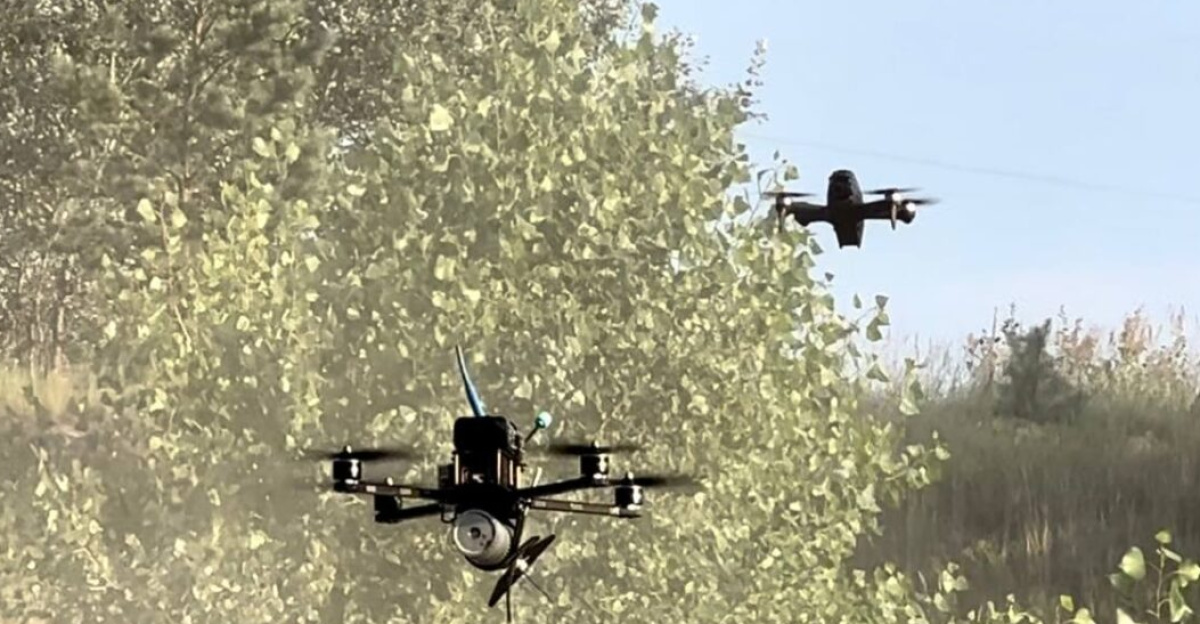
Russia’s systems intercepted many threats, including five each in Rostov and Astrakhan—hubs for Black Sea oil shipments—and two near Moscow Oblast. Yet damage persisted across sites, challenging claims of total success. Tver Oblast saw six drones near the Tver Carriage Works, a key military logistics hub, sending workers into shelters amid alerts. Debris also scattered near a compressor station in Leningrad Oblast’s Volkhov district. Analysts point to Ukraine’s year-long pattern of strikes beyond 1,000 kilometers, stretching Russian resources thin.
Fuel Supply Ripples Spread

The barrage intensified pressure on Russia’s energy sector, already battered by 2025 attacks that slashed refining capacity by about 15 percent at peaks. Officials monitor deliveries to avert shortages, but repeated disruptions fuel worries of rationing and price surges for households. Sanctions compound the strain on exports, with traders eyeing volatility. European markets watch closely, seeking alternatives amid potential global ripples.
Reciprocal Escalation in the Conflict
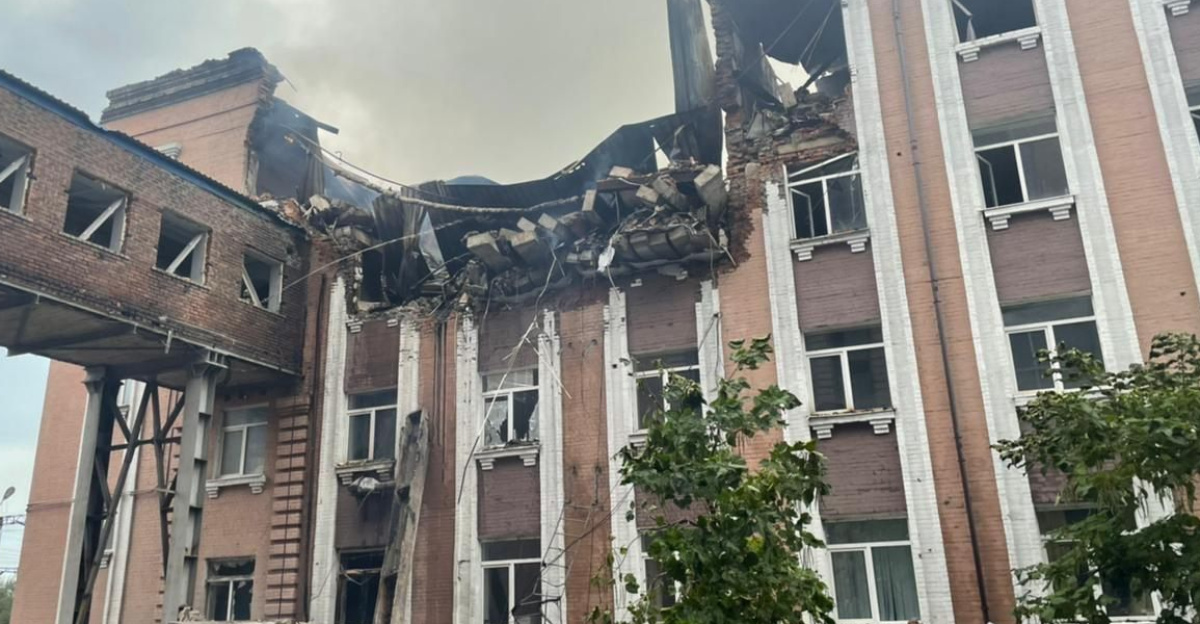
Both sides now hammer energy grids. Russia has pummeled Ukraine’s power plants, leaving cities in late January 2026 gripped by blackouts and freezing cold, affecting hundreds of thousands without heat. Ukraine’s reprisals mark a tactical shift, testing drone swarms against vast territories. Fires at petrochemicals like Usmanskaya raised spill risks, though officials minimized long-term threats from visible smoke plumes.
Future of Drone Warfare Unfolds
These events spotlight flaws in systems like S-400 against low-cost, dispersed threats, prompting Russian calls for upgrades and hunts for Ukrainian launch points, including in Crimea. Observers anticipate fiercer retaliation, possibly reshaping strategies. The war’s toll on civilians, markets, and defenses underscores rising stakes, with global lessons in aerial tactics emerging as disruptions persist.
Sources: “Russia downs 129 Ukrainian drones: defense ministry.” Xinhua News Agency / Russian Ministry of Defence statement via TASS, 6 Jan 2026.
“Security Service of Ukraine strikes Russian missile arsenal in Kostroma Oblast, oil depot in Lipetsk Oblast.” Ukrainska Pravda / Security Service of Ukraine (SBU), 6 Jan 2026.
“Russian Offensive Campaign Assessment, January 6, 2026.” Institute for the Study of War (ISW), 6 Jan 2026.
“Ukraine endures its bitterest winter as Russia targets heating, power.” Reuters, 21 Jan 2026.