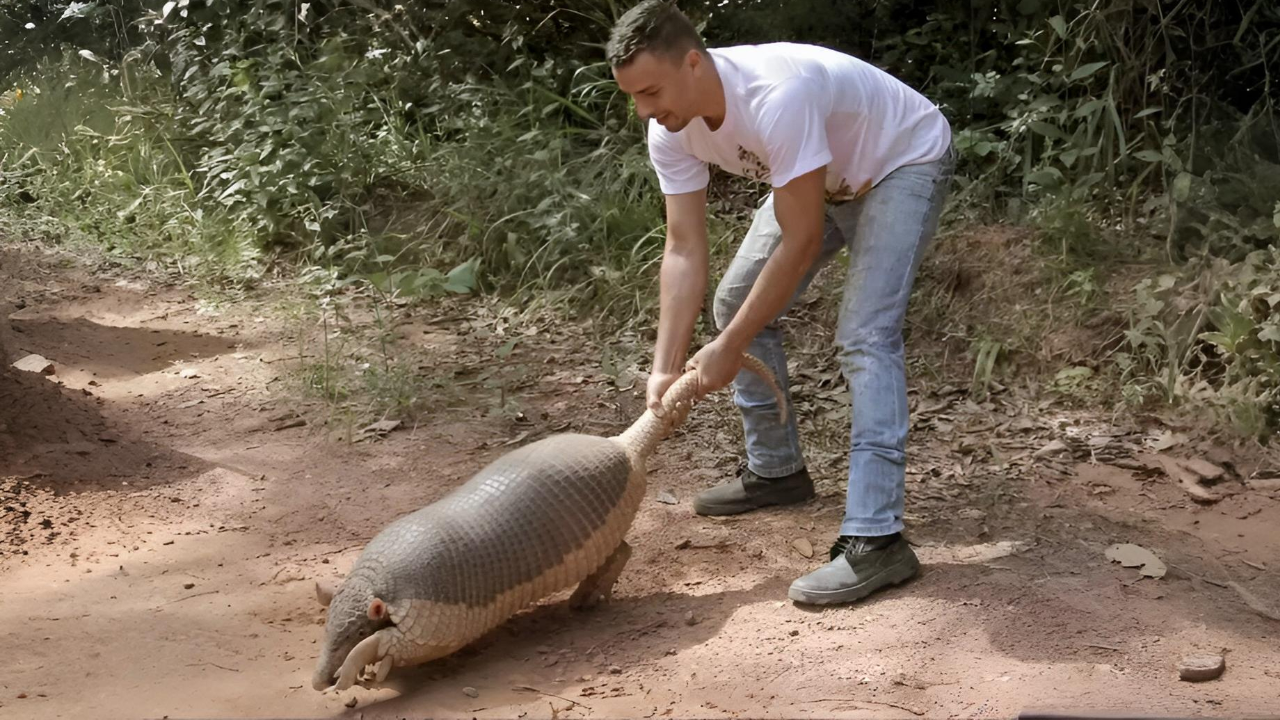
You took the photo. The moment felt magical—a sea turtle gliding toward you, a dolphin breaching beside your boat. Instagram gold. But somewhere in that frame, federal agents see a crime. A $25,000 fine. Possible imprisonment.
You didn’t touch anything. You didn’t hurt anyone. Yet you’re now guilty of a federal crime you didn’t know existed. Thousands commit these invisible crimes annually. Your innocent wildlife encounter just became a legal landmine.
Sixteen Categories of “Do Not Touch”

Here’s what you don’t know: federal law created 16 animal categories where casual interaction becomes criminal. Federal agents report that violations spike during summer vacation—when families flock to beaches and parks seeking nature’s magic.
Most criminals aren’t poachers or smugglers. They’re tourists. Children. People like you. One family unknowingly broke the law and faced $25,000 in civil penalties. The charge? Feeding a dolphin. The twist? Ignorance offers zero defense.
The Federal Code That Nobody Told You About
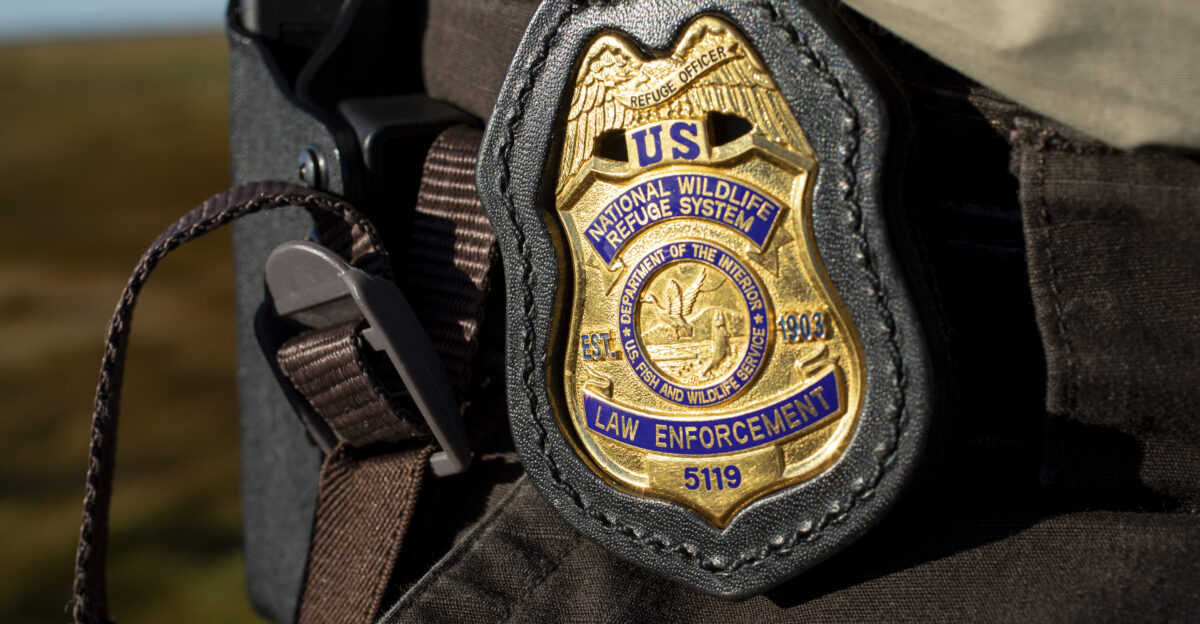
Federal agents are watching. Beaches monitored. Sanctuaries patrolled. Social media flagged. The Marine Mammal Protection Act (1972) and the Endangered Species Act (1973) don’t distinguish between intentional and accidental acts. A shed feather you pocketed? Federal crime. An animal approaching you? Still your responsibility.
The framework spans nine overlapping federal statutes, creating invisible criminal zones around 16 animal categories. Understanding which creatures are protected by federal law could save your freedom and thousands in fines.
1. The Illegal Hug That Costs $500 to $50,000
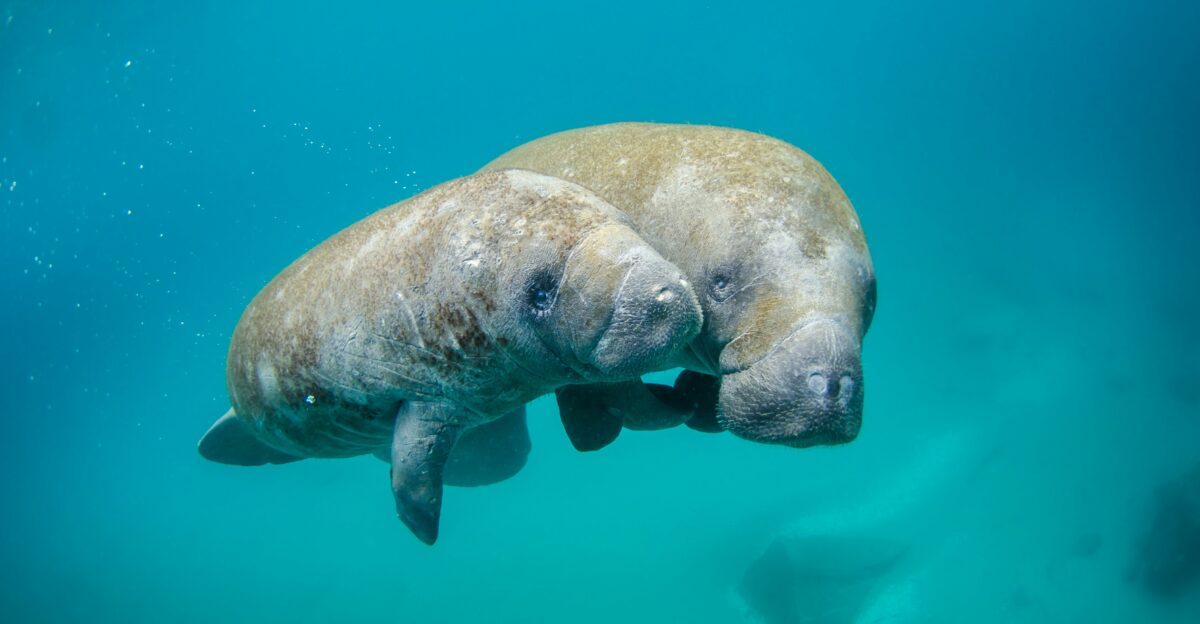
Manatees glide toward swimmers with apparent curiosity. Federal law says no. The Marine Mammal Protection Act prohibits any touch, pursuit, or approach. Florida state law sets $500 fine and 60 days jail time for initial violations.
Federal MMPA penalties reach $50,000 plus criminal charges. Manatees often initiate contact, but the law doesn’t care. Passive observation is required; interaction is criminal.
2. $25,000 and a Year in Prison
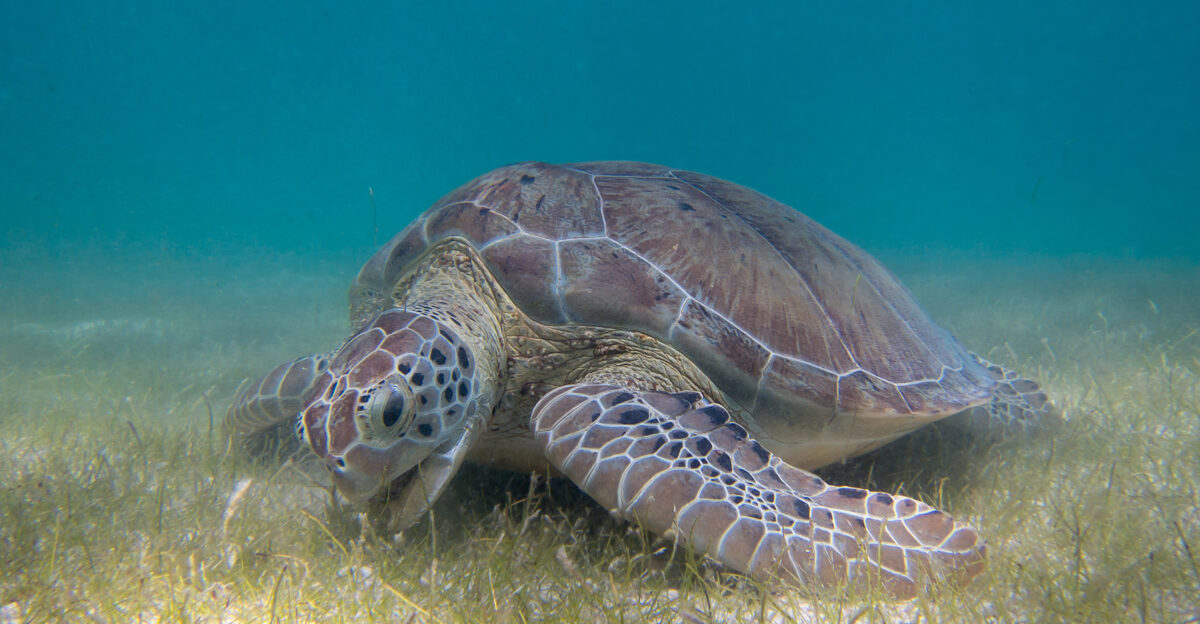
Sea turtles trigger the maximum federal penalties: a $25,000 fine and one year in prison for harassment under the Endangered Species Act. Federal guidelines maintain 50 50-yard minimum viewing distance (Hawaii-specific guidance allows 10 feet in designated areas).
Most violations involve photography, nest interference, or touching hatchlings. Federal officers patrol nesting beaches during breeding season.
3. The $12,000 Selfie
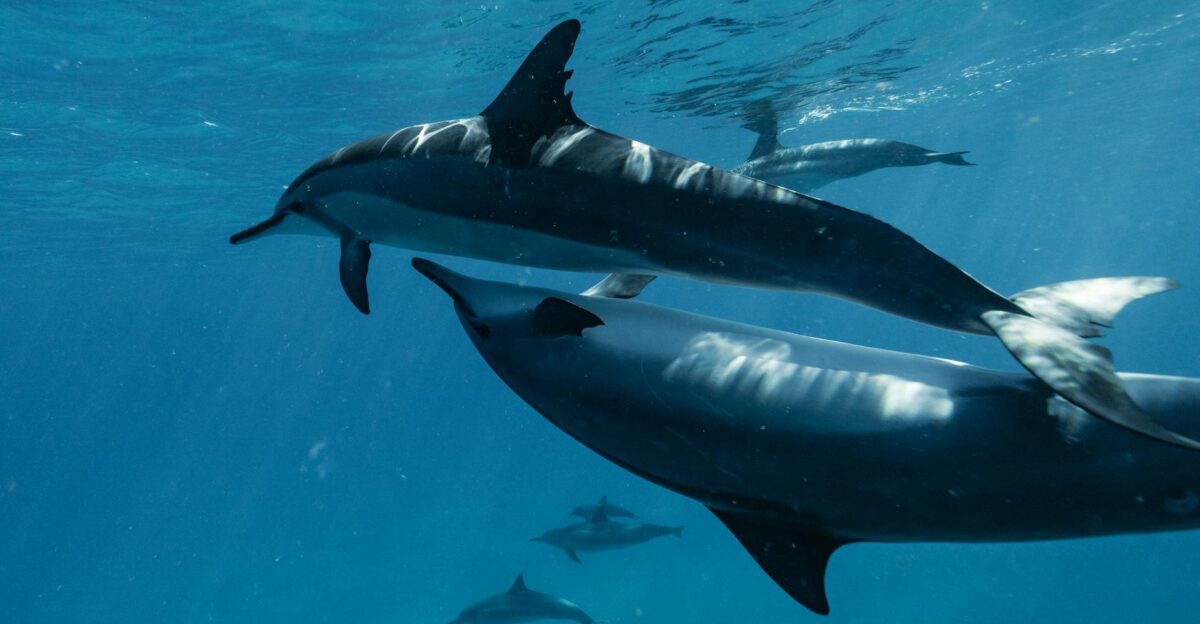
Dolphins approaching boats seem like an invitation to feed or photograph. It’s not. The Marine Mammal Protection Act classifies interactions as harassment, carrying civil penalties of up to $12,000 and potential criminal charges.
According to NOAA Fisheries, Dolphin feeding represents a significant enforcement concern. Federal law places responsibility entirely on humans—the animal’s approach doesn’t excuse your response.
4. Pinniped Prohibition
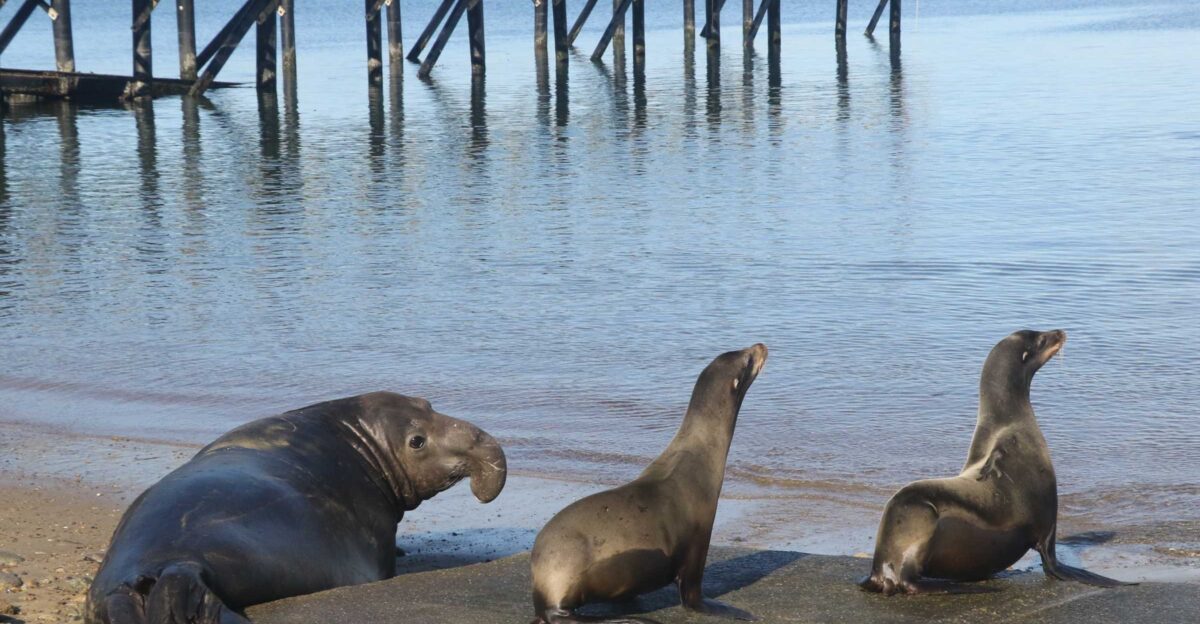
Seals and sea lions lounging on rocks appear approachable. The Marine Mammal Protection Act prohibits pursuit, harassment, or capture. According to the U.S. Fish & Wildlife Service, violations spike during pupping season.
Fines begin at $500; escalated penalties reach $12,000. Federal guidelines recommend a minimum distance of 150 feet, with greater separation during breeding periods. Human disturbance during vulnerable periods triggers abandonment.
5. The Comeback You Cannot Touch
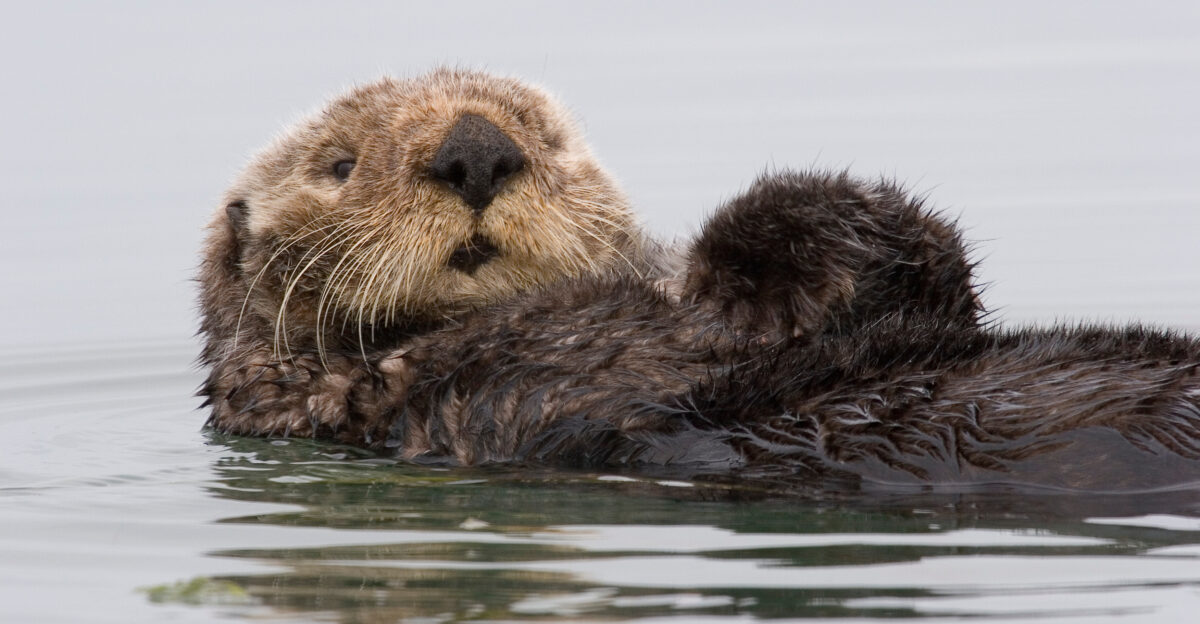
Sea otters rebounded from near-extinction through the Marine Mammal Protection Act—and remain strictly protected under that law. Touching, feeding, or pursuing violates federal statute. According to the U.S. Fish & Wildlife Service, violations concentrate in California’s coastal regions.
Fines begin at $500 and increase for repeat violations. The conservation irony: the law that saved the species prevents celebrating their presence through contact. Recovery success paradoxically limits human interaction. That’s intentional.
6. An Ocean-Sized Federal Crime
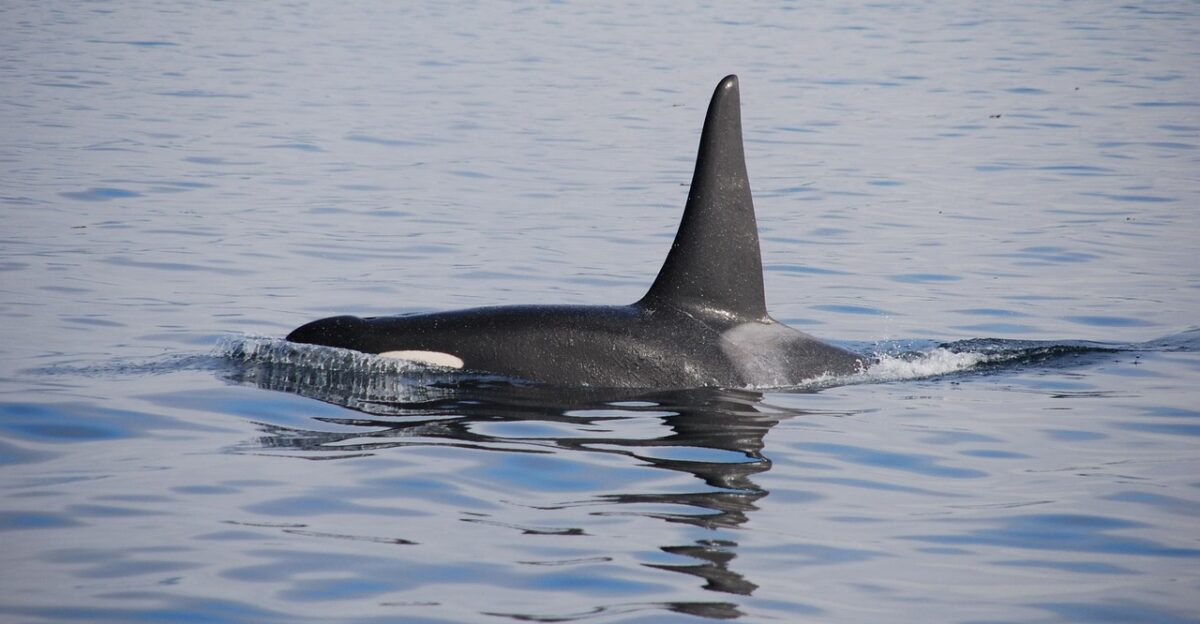
Whales migrating through U.S. waters activate multiple federal statutes: the Marine Mammal Protection Act, the Whaling Convention Act, and the Endangered Species Act. Federal penalties range from $10,000 to $50,000, depending on statute and violation type.
Whale-watching vessels operate under strict distance requirements—typically 100 yards minimum, with species-specific exceptions (200 yards for killer whales in Washington, 500 yards for North Atlantic right whales).
7. Feather Costs $5,000 to $100,000
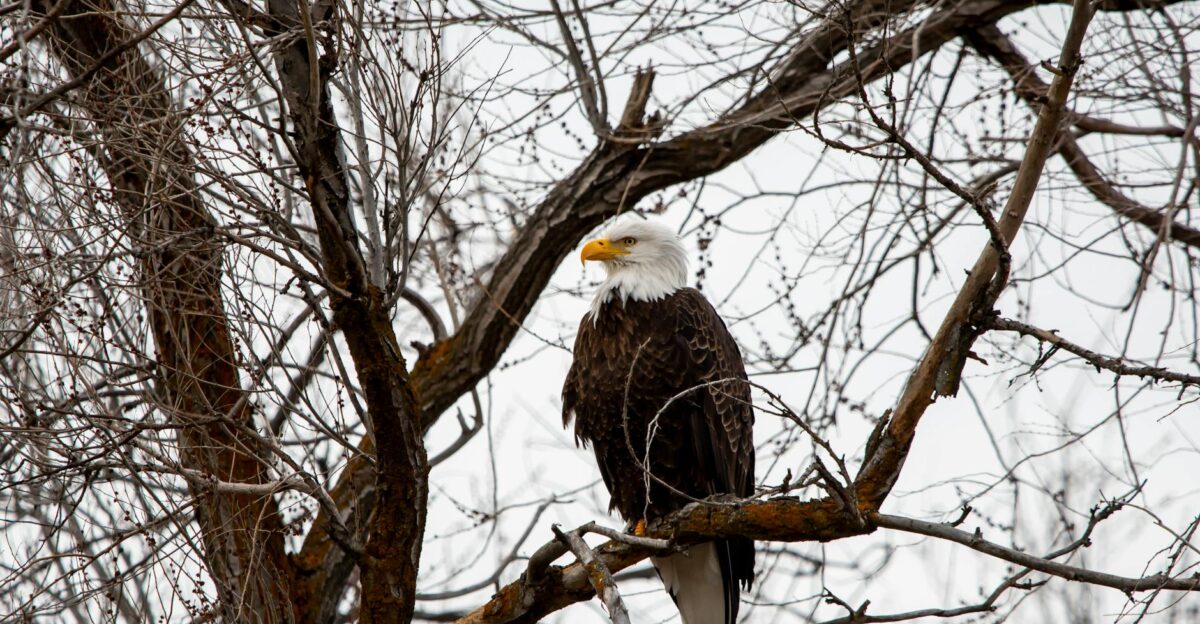
The bald eagle receives extraordinary protection under the Bald and Golden Eagle Protection Act. Possessing a shed feather constitutes a federal crime: the first offense carries a criminal penalty of $5,000; the second offense carries a criminal penalty of $10,000. Organizations face enhanced penalties up to $100,000.
Finding an eagle feather and taking it home violates federal law. Native Americans hold the only general exemption, requiring permission through the National Eagle Repository.
8. Equal Crime, Equal Penalty
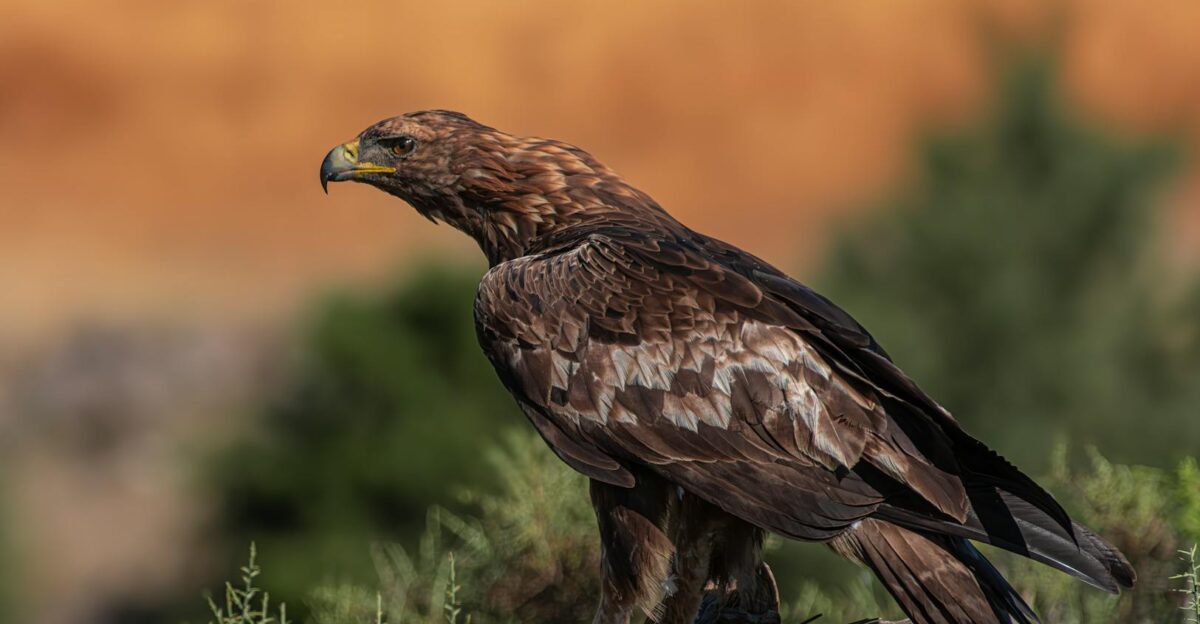
Golden eagles receive identical protection under the 1940 statute (expanded 1962). First offense criminal penalty: $5,000 fine plus up to one year imprisonment; second violation escalates to $10,000 and felony status.
According to the U.S. Fish & Wildlife Service, enforcement focuses on western states where populations concentrate. The statute makes no distinction between intact birds and isolated parts—a feather or nest material triggers prosecution.
9. The Threatened Comeback
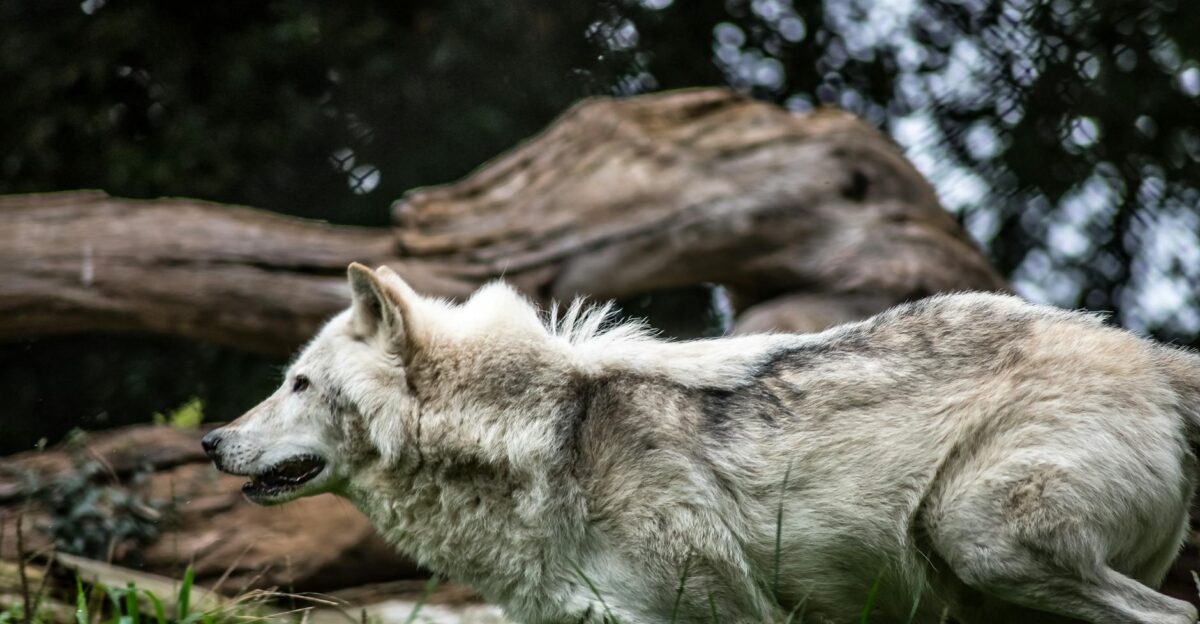
Gray wolves occupy precarious legal ground under the Endangered Species Act. All protection status means federal prohibition from intentional contact, harassment, or capture. According to the U.S. Fish & Wildlife Service, violations under the ESA carry penalties of up to $50,000 and up to 1 year in prison.
Wolves recolonizing their former habitat increase human encounters, but federal law prohibits approaching or pursuing pack members too closely.
10. The Threatened Predator
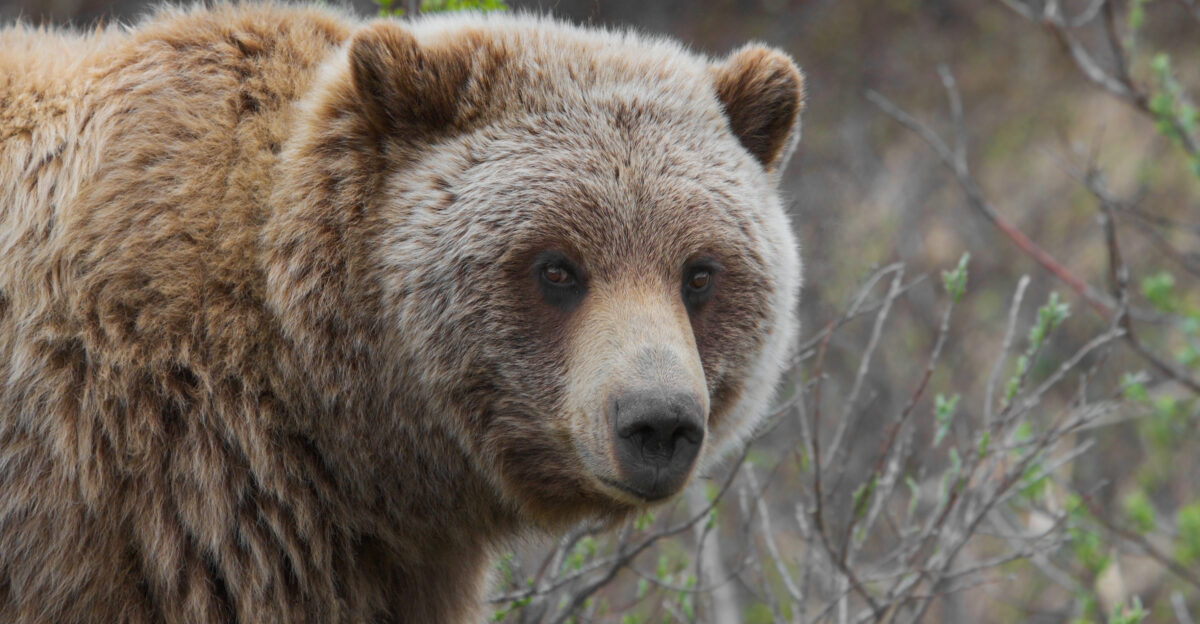
Grizzly bears hold threatened status under the Endangered Species Act. Touching, pursuing, or approaching constitutes a federal violation carrying penalties up to $50,000 and one year imprisonment. Greater Yellowstone recovery programs increased populations from critically low numbers to sustainable levels, creating more human encounters.
Federal law permits zero intentional interaction. Even photography at dangerously close distances violates regulations.
11. Fewer Than 250 Left
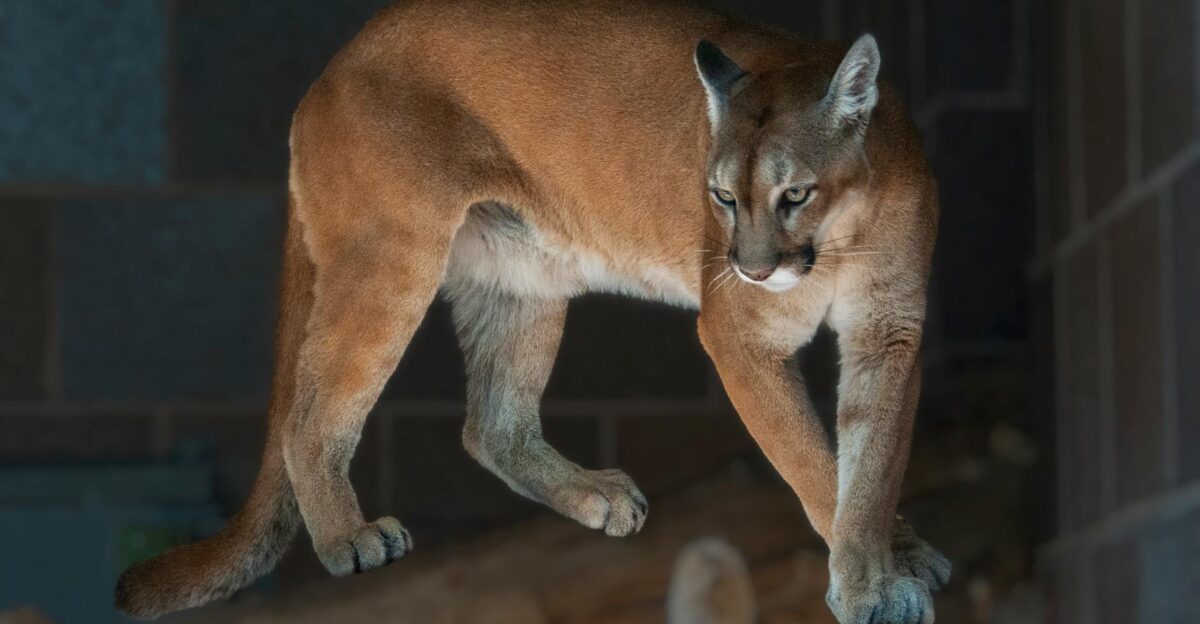
The Florida panther rebounded from an estimated low of 10–20 animals (1960s–1970s) to approximately 200–250 today. The Endangered Species Act maintains absolute prohibition on touching or pursuing these rare cats. Violations carry penalties of up to $50,000 and up to 1 year in prison.
The Florida Panther Recovery Plan (1981, revised 2008) coordinates federal and state protection efforts. Complete isolation from human contact ensures survival.
12. Prehistoric Protection
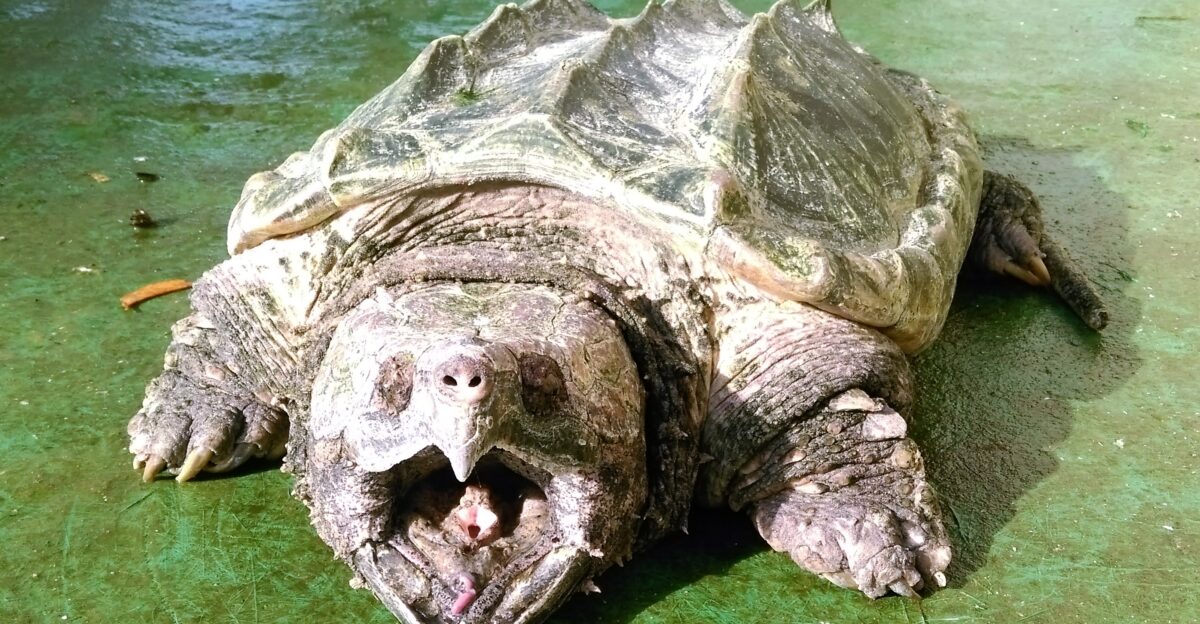
The alligator snapping turtle received threatened status under the Endangered Species Act in 2021. According to the U.S. Fish & Wildlife Service, the species faces a 95 percent population decline within 50 years without protection.
Federal law prohibits harassing, harming, or capturing. Violations carry penalties of up to $50,000 and up to 1 year in prison.
13. When Invasive Becomes Federal
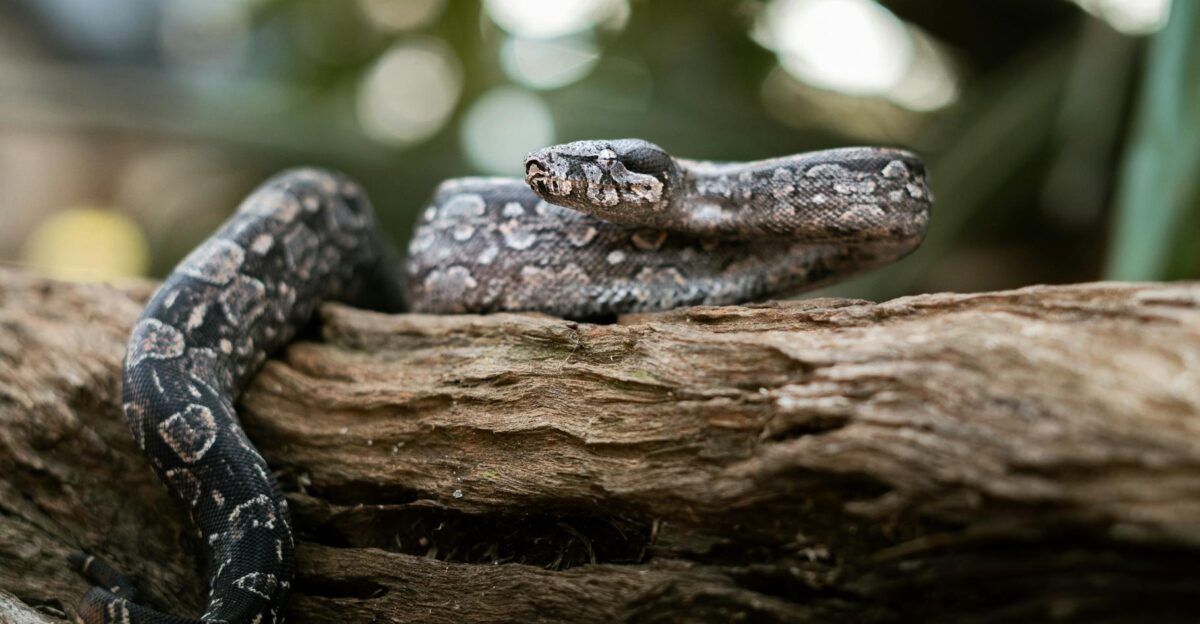
Burmese pythons and eight large constrictor snakes occupy unique legal space: invasive species AND federally protected from importation. The Lacey Act designates these as injurious wildlife. According to the U.S. Fish & Wildlife Service, this prevents the exotic pet trade from introducing new populations.
In Florida, state law permits removal while federal law controls importation. Interstate trade remains prohibited.
14. 1,000+ Species Under Lock
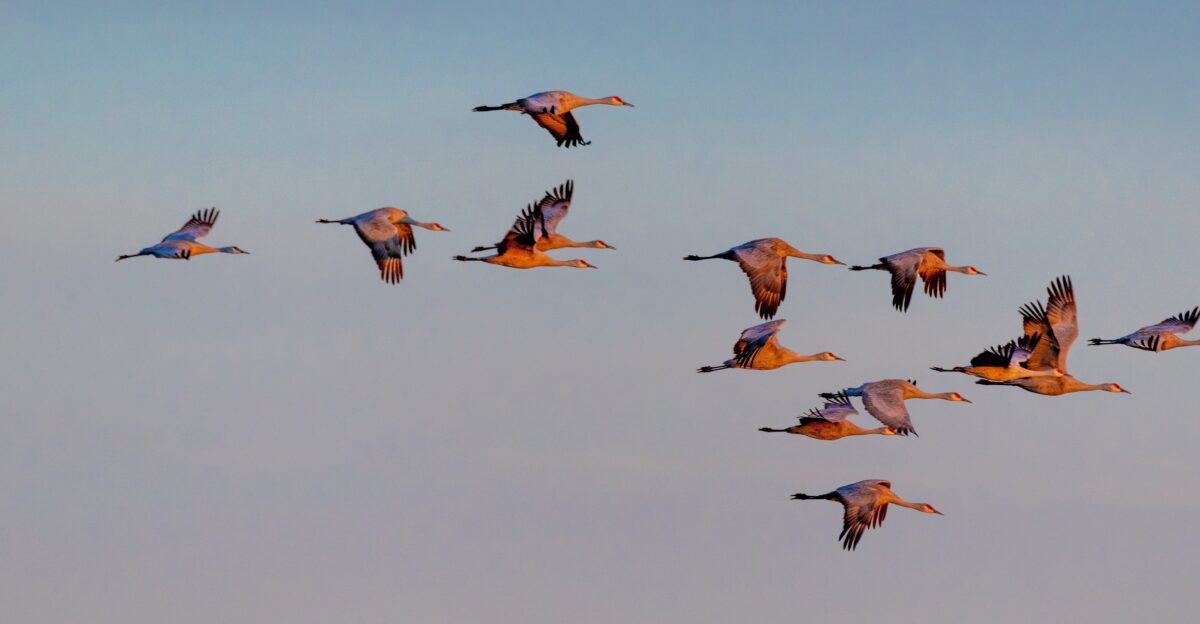
The Migratory Bird Treaty Act (1918) protects approximately 1,093 bird species. According to the U.S. Fish & Wildlife Service, this law makes it illegal to take or possess any migratory bird or part, including shed feathers. Misdemeanor penalties reach $15,000 fine and six months imprisonment; felony violations reach $250,000.
The statute protects nearly every wild bird species except legal game birds during hunting season. Finding a hawk feather and keeping it violates federal law. Protection extends to fragments.
15. Marine Mammals: The Overlap
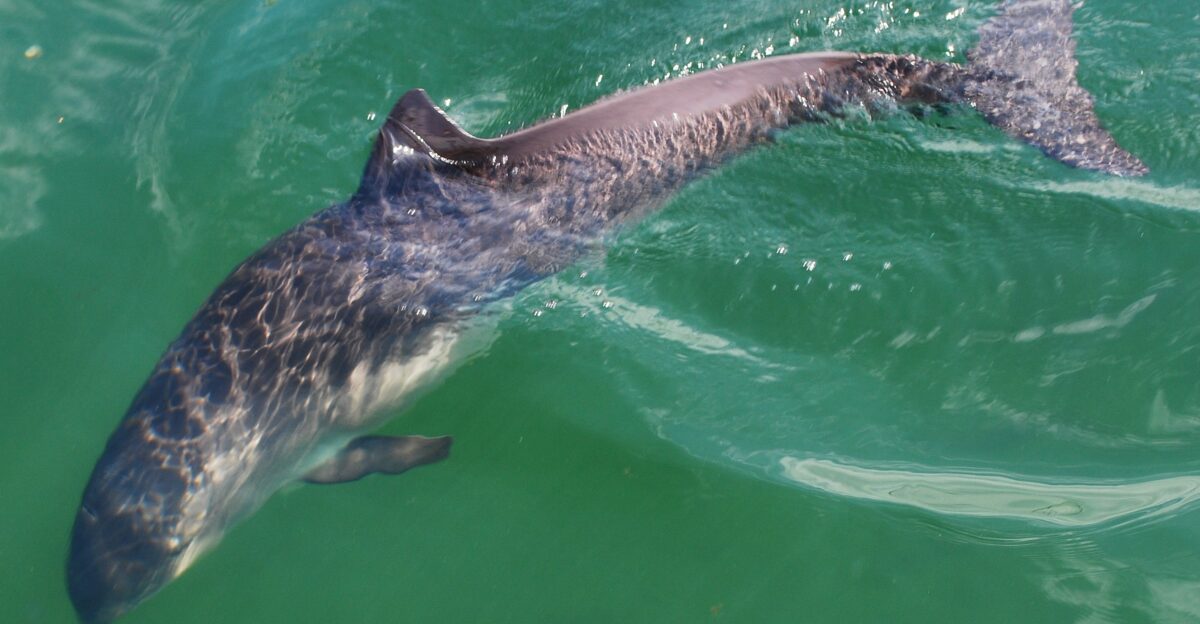
Sea otters, seals, sea lions, porpoises, and dolphins fall under the Marine Mammal Protection Act umbrella. According to NOAA Fisheries, this creates redundant federal protection with staggered penalty scales. Some violations are civil-only ($500 fines); others trigger criminal prosecution of up to one year in jail.
The statute broadly covers harassment—feeding, pursuit, close-range photography, and intentional approach.
The Intent Trap: Why Ignorance Doesn’t Help
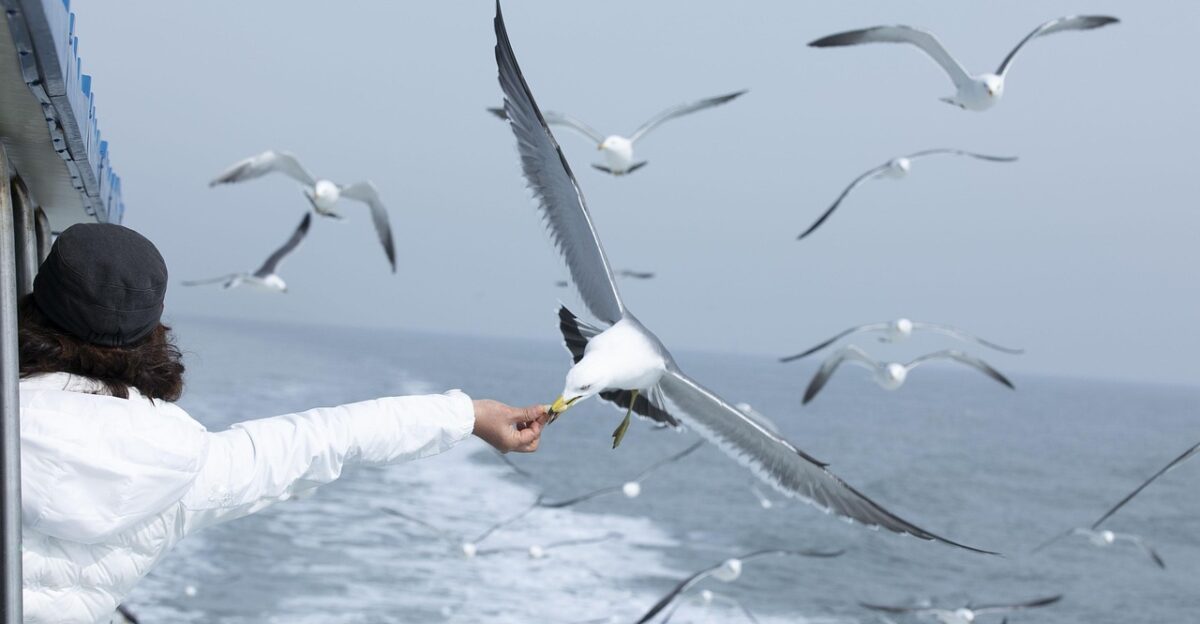
A critical misunderstanding: intent doesn’t matter for civil penalties. According to the U.S. Fish & Wildlife Service enforcement guidance, strict liability means prosecution regardless of knowledge. Feeding dolphins you believed you were helping, petting a manatee, thinking it initiated contact, and keeping an eagle feather found on the ground—all trigger penalties.
Civil fines ($5,000–$25,000) attach immediately. Criminal prosecution typically requires proof of a violation, but five-figure penalties hardly comfort defendants facing legal consequences.
The Federal Bottom Line
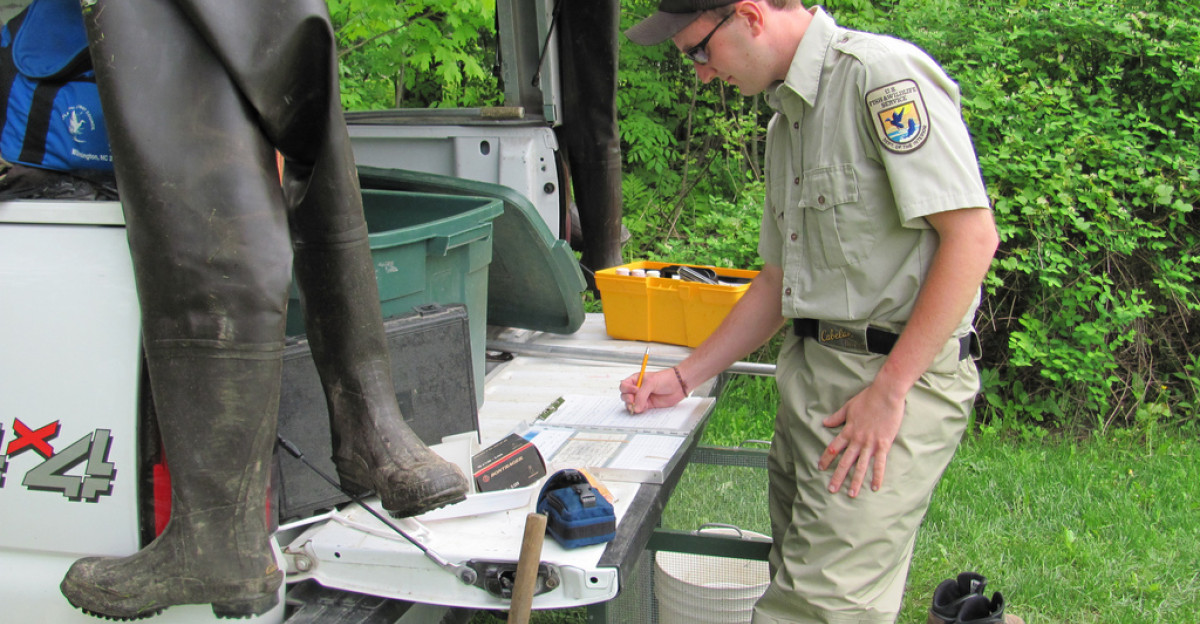
Federal law criminalizes casual wildlife contact through 16 animal categories and 1,000+ bird species. According to enforcement data, thousands of violations occur each year as unaware individuals approach wildlife that crosses legal boundaries. Penalties range from $500 fines to $250,000 plus imprisonment.
The 50-yard sea turtle rule, passive-observation requirement for marine mammals, and absolute eagle feather prohibition aren’t suggestions—they’re criminal thresholds. Federal protection prioritizes species survival over human interaction desire. Know the rules before your next wildlife encounter.
Sources:
MARINE MAMMAL PROTECTION ACT 16 U.S.C. §1361 et seq., NOAA
Bald & Golden Eagle Protection Act (BGEPA), Animal Legal & Historical Web Center
Endangered Species Act Section 11 Penalties and Enforcement, U.S. Fish & Wildlife Service
List of Birds Protected by the Migratory Bird Treaty Act (2023), U.S. Fish & Wildlife Service
Guidelines and Distances for Viewing Marine Life, NOAA Fisheries
Viewing Marine Wildlife in Hawaiʻi, NOAA Fisheries Pacific Islands