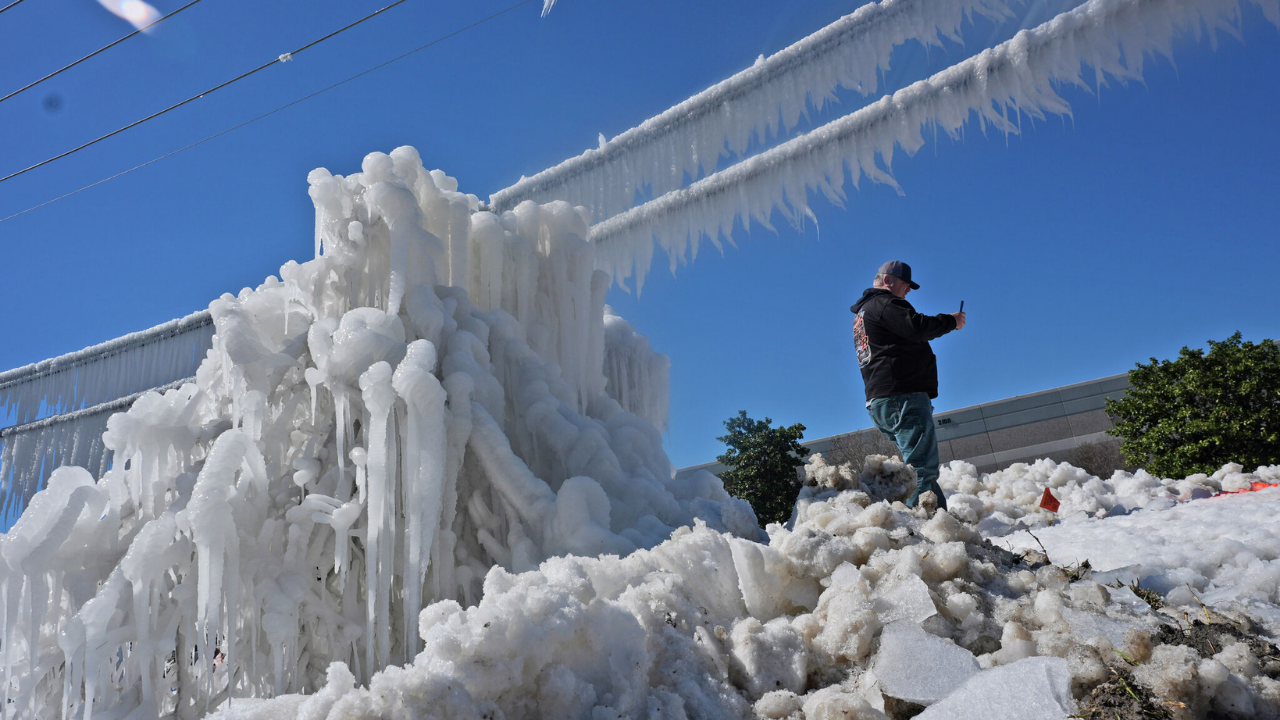
Monday morning, the air froze with a cruel bite. Minneapolis felt the chill first—wind chills plunged to minus 30°F, the kind of cold that grabs your breath, leaving you gasping. Cedar Rapids followed, dropping to minus 27°F, and Chicago wasn’t far behind at minus 22°F.
But the worst wasn’t here yet. Forecasters warned that the cold could soon reach minus 50°F in just a few days, setting the stage for a historic Arctic blast.
A Nation Under Siege
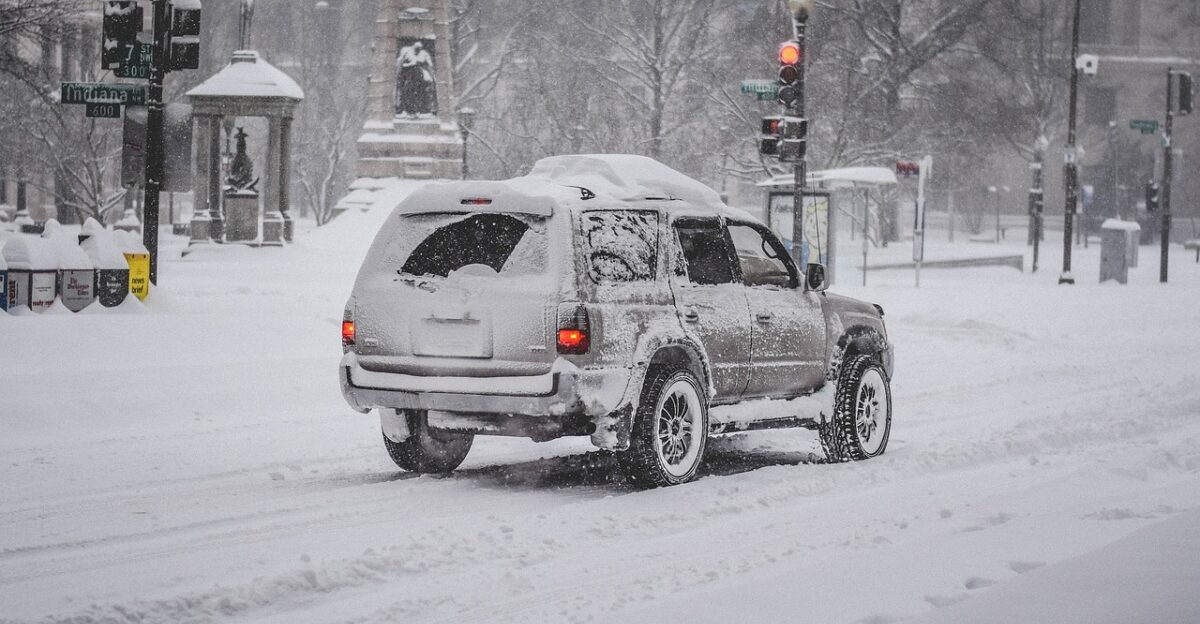
By Tuesday, the temperature plummeted as an extraordinary 43 million Americans found themselves under cold weather warnings. From the Upper Midwest to the Northeast and even central Florida, rare freeze advisories popped up. Schools shut down in Ohio, Michigan, and Minnesota.
Universities suspended campuses. Meteorologists were calling it: “potentially historic Arctic conditions.”
The Polar Vortex Awakens
High above, the cold was not a simple seasonal shift. The polar vortex, a vast whirlpool of frozen air typically confined to the Arctic, began to unravel. A sudden stratospheric warming event in late 2025 weakened the vortex, triggering the freezing air to spill southward in waves.
By mid-January, the Arctic air had begun its dangerous migration.
The Mechanism Breaks Down
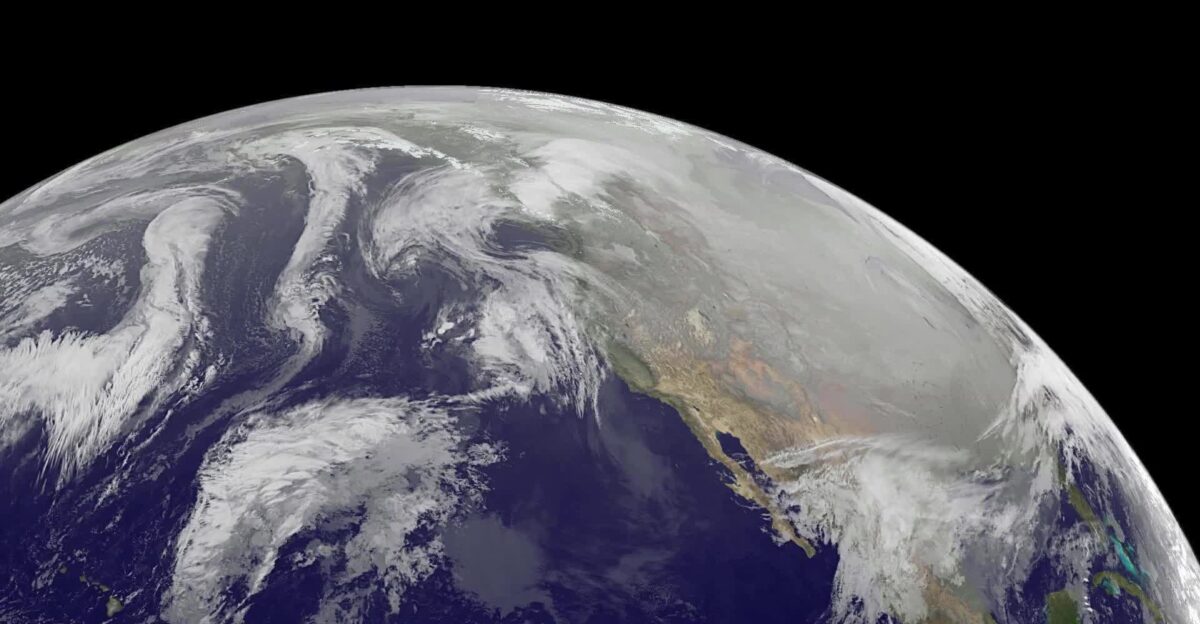
Normally, the polar vortex keeps frigid air bottled up over the North Pole. But when stratospheric warming occurs, the system destabilizes. The jet streams veer off course, allowing Arctic air to escape like water from a cracked dam.
In January 2026, the vortex split into two. One core aimed directly at North America, the other toward Europe.
Frostbite in Minutes
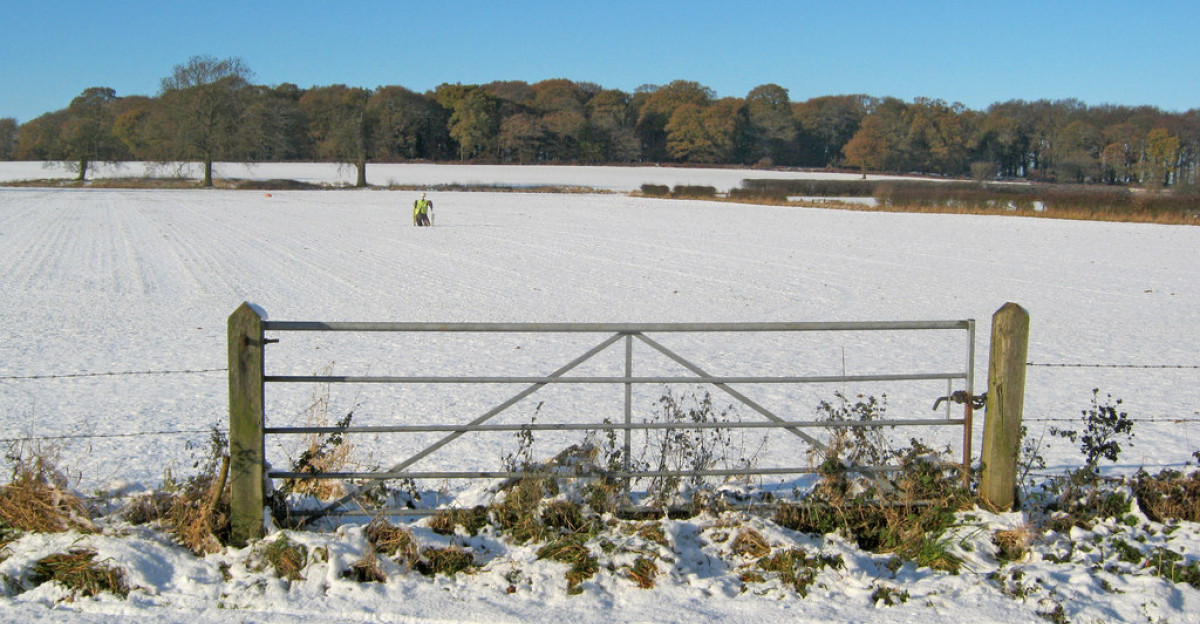
This was no ordinary cold snap. The National Weather Service warned that exposed skin could freeze in as little as 10 minutes. In Minnesota, wind chills of minus 35°F to 38°F meant frostbite would strike within minutes. In the Dakotas, where wind chills hit minus 50°F, frostbite could set in as quickly as 5 minutes.
Minneapolis and St. Paul bore the brunt of the cold, with wind chills plunging to minus 30°F. By Friday, temperatures were expected to reach minus 40°F to minus 50°F. Green Bay, Wisconsin, saw temperatures hit minus 22°F. Detroit faced a bone-chilling minus 15°F. These numbers made even the most seasoned Midwesterners nervous.
Schools, Hospitals, and Shelters Overwhelmed
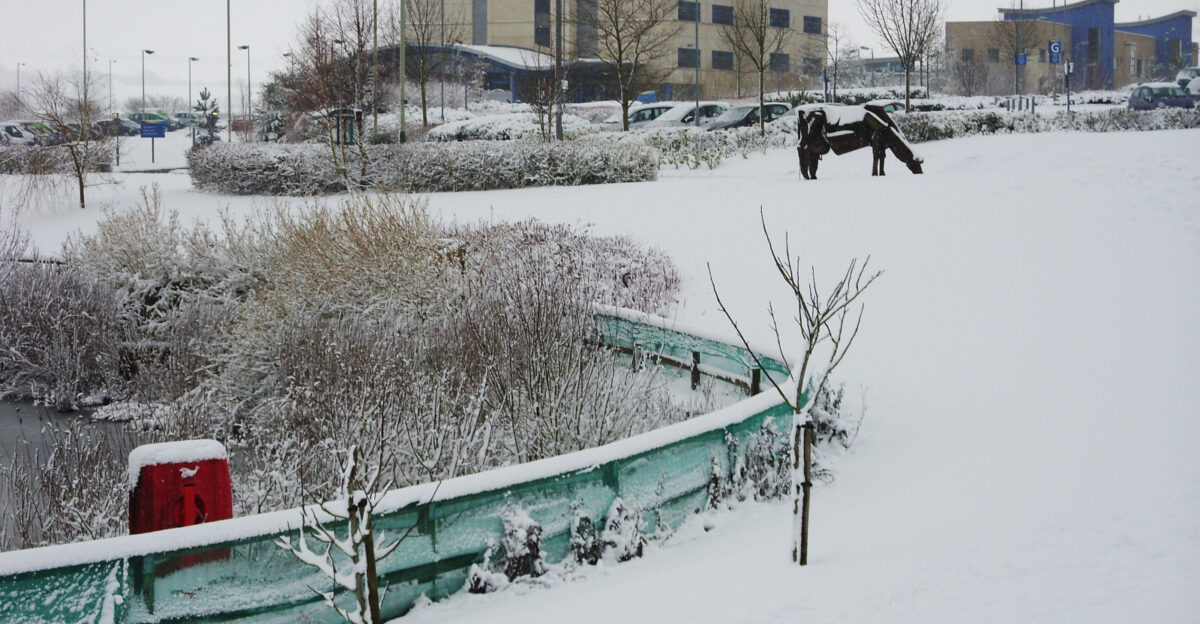
More than 300 schools closed across Northeast Ohio. Western Michigan University shut down its campus. Emergency rooms reported a spike in frostbite and hypothermia cases.
In Wisconsin, 103 cold-related deaths were reported last winter, and shelters increased their capacity, fearing the freezing temperatures would claim even more lives.
The National Storm
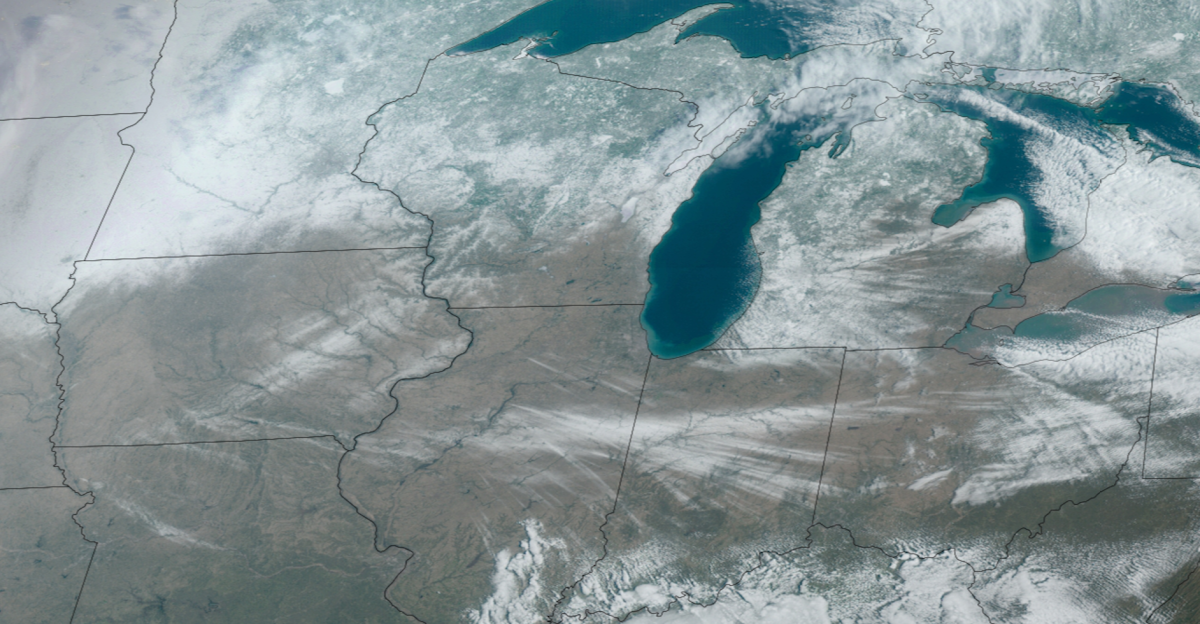
As the Midwest bore the cold, a massive storm loomed, stretching 2,000 miles from Texas to New England. Snow, sleet, and freezing rain would hit millions of Americans.
By the time the storm rolled through, an estimated 180 million people could be affected. Power outages became an imminent threat.
A Broader Climate Signal
This wasn’t an isolated event. Arctic sea ice loss and warming patterns in the stratosphere had been quietly setting up this scenario since October 2025.
Scientists warn that Arctic Amplification—the phenomenon of the Arctic warming faster than other regions—disrupts the jet stream and increases the likelihood of polar vortex splits.
A Multi-System Failure
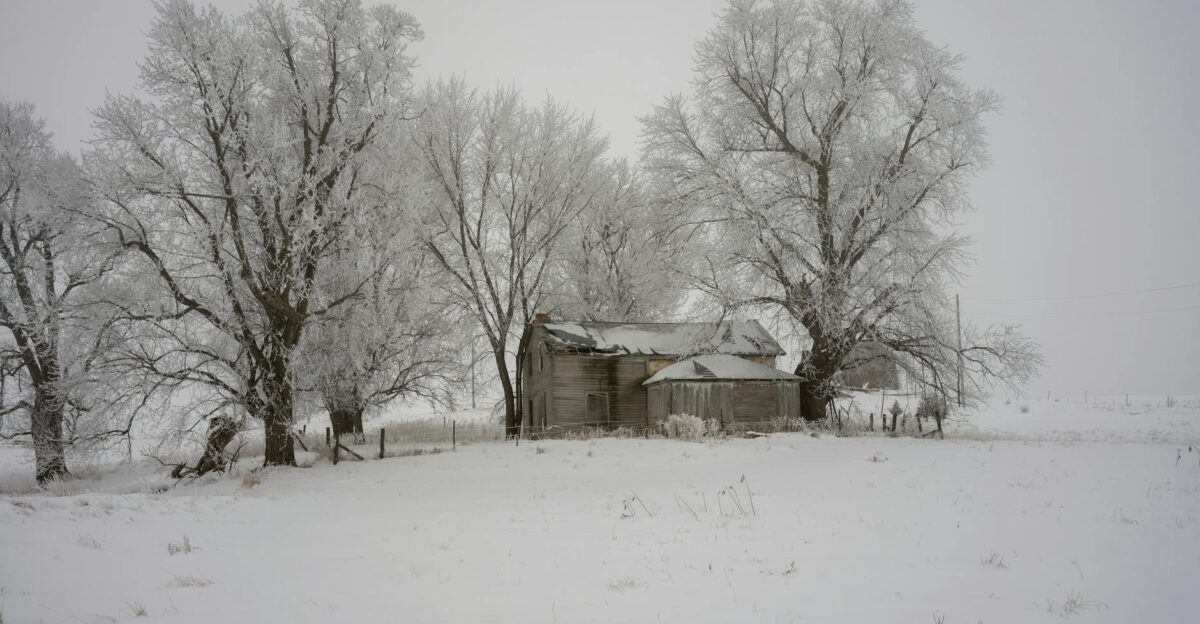
Cold air doesn’t kill on its own. It creates a cascade of failures. As temperatures drop, heating systems strain power grids. Ice storms cut off power. Hospitals fill with cold-related injuries.
Car accidents rise on icy roads. Vulnerable populations—elderly, homeless, or those in poorly heated homes—face deadly consequences.
Emergency Rooms at Breaking Point
Emergency rooms across major cities like Detroit struggled to keep up. Dr. Candace Kimpson, ER director at DMC Sinai-Grace Hospital, reported increasing frostbite cases daily.
Hospitals prepped for the influx by diverting non-urgent cases, preparing for a surge of cold injuries that overwhelmed available capacity.
Utility Companies Mobilize
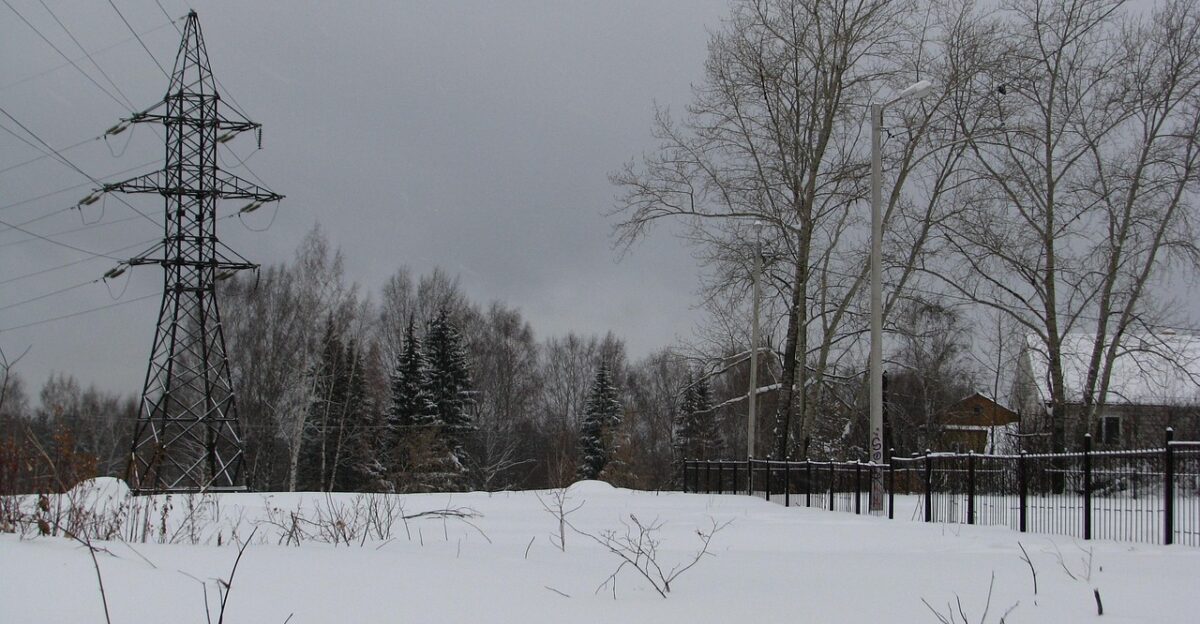
Power companies in the Midwest prepared for ice storms that could damage power lines. Utilities urged residents to keep backup heating sources and ensure mobile devices were charged.
A power outage in these conditions could lead to life-threatening hypothermia within hours.
Transportation Frozen in Time
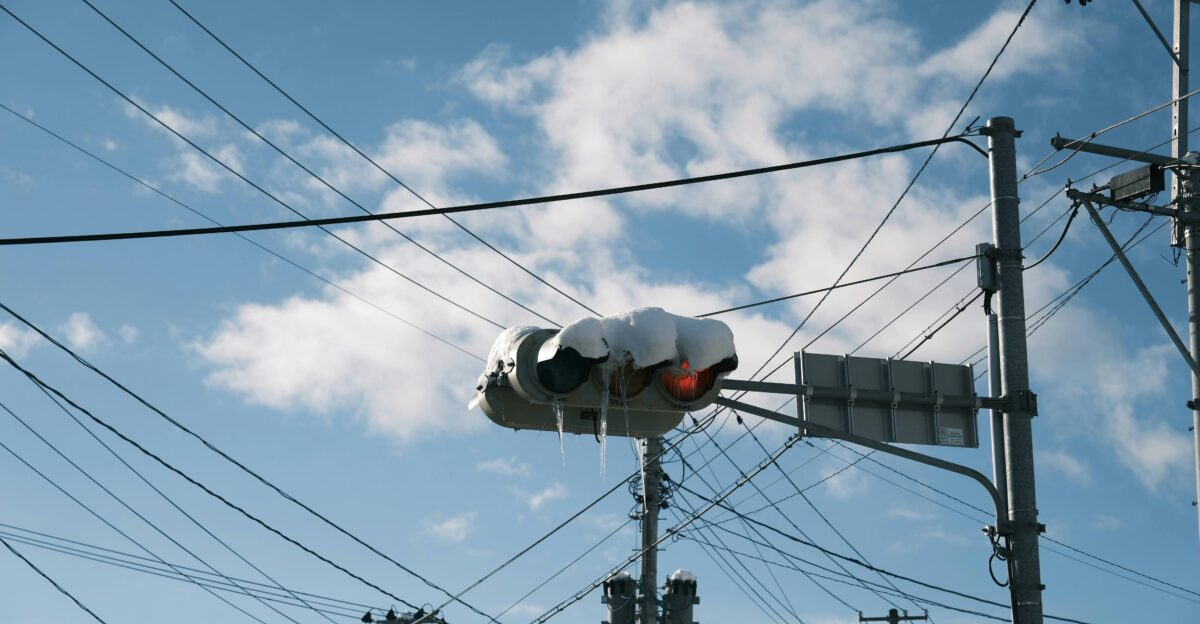
Transportation came to a standstill. A massive 100-car pileup near Grand Rapids, Michigan, showcased the dangers.
Trucking companies delayed shipments, airlines faced de-icing delays, and retail chains braced for shipping interruptions.
Meteorologists Brace for More
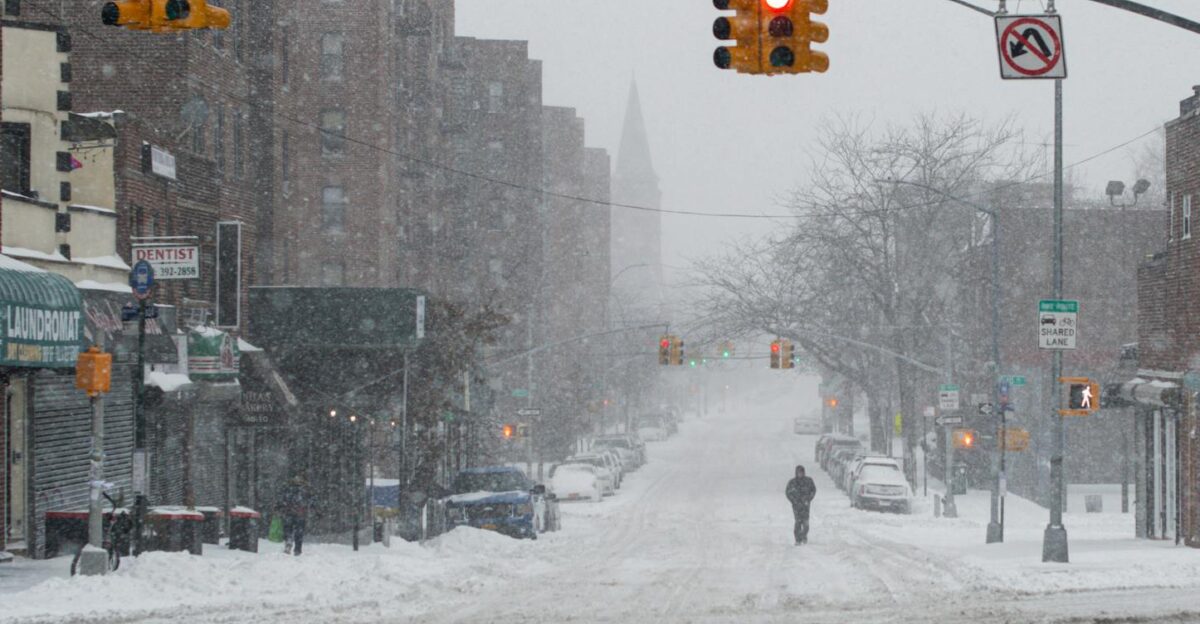
While midweek marked the peak of the cold, meteorologists warned that another Arctic pulse was on the way. Ryan Maue, Weather Trader meteorologist, noted that the worst could still be ahead.
The final stretch of January could prove even colder than what had already been endured.
The Lingering Question
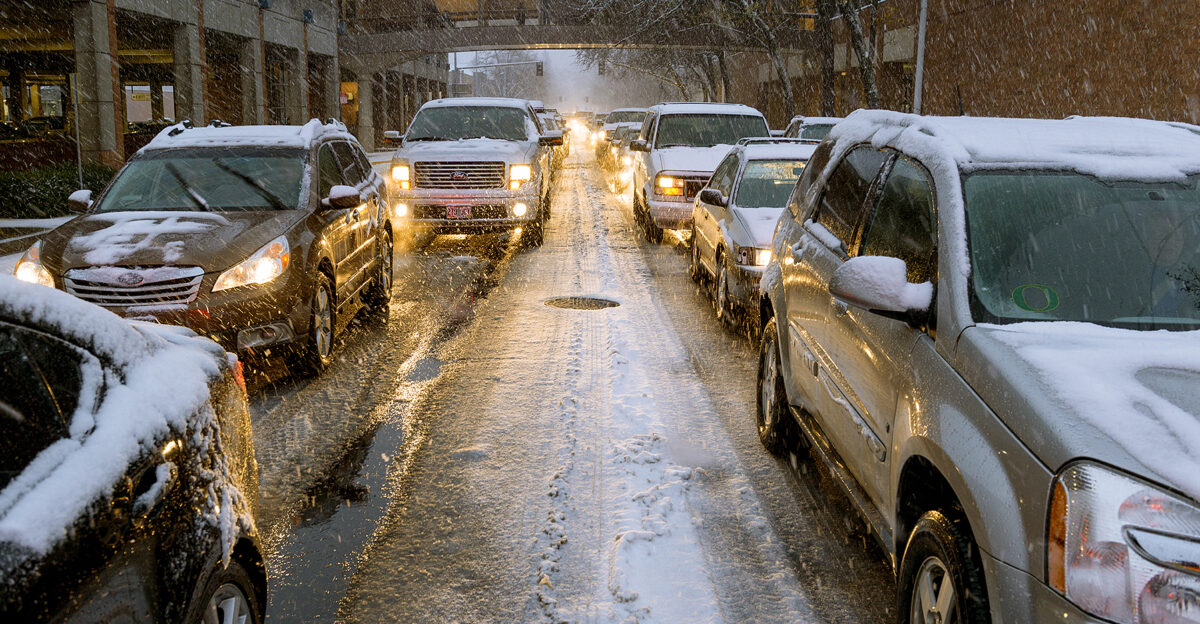
As the cold swept through, the question on everyone’s mind was: How long will it last?
Forecasts pointed toward even colder temperatures coming in early February, but for now, residents had to endure the immediate crisis. For many, it wasn’t just the cold—it was the uncertainty.
State and Federal Responses Mobilize
Governors declared weather emergencies across affected states. The Illinois National Guard helped run warming centers, and lawmakers pushed for emergency funding for heating and homeless services.
Emergency response systems, built for typical cold snaps, were now tested by unprecedented Arctic conditions.
A Global Phenomenon
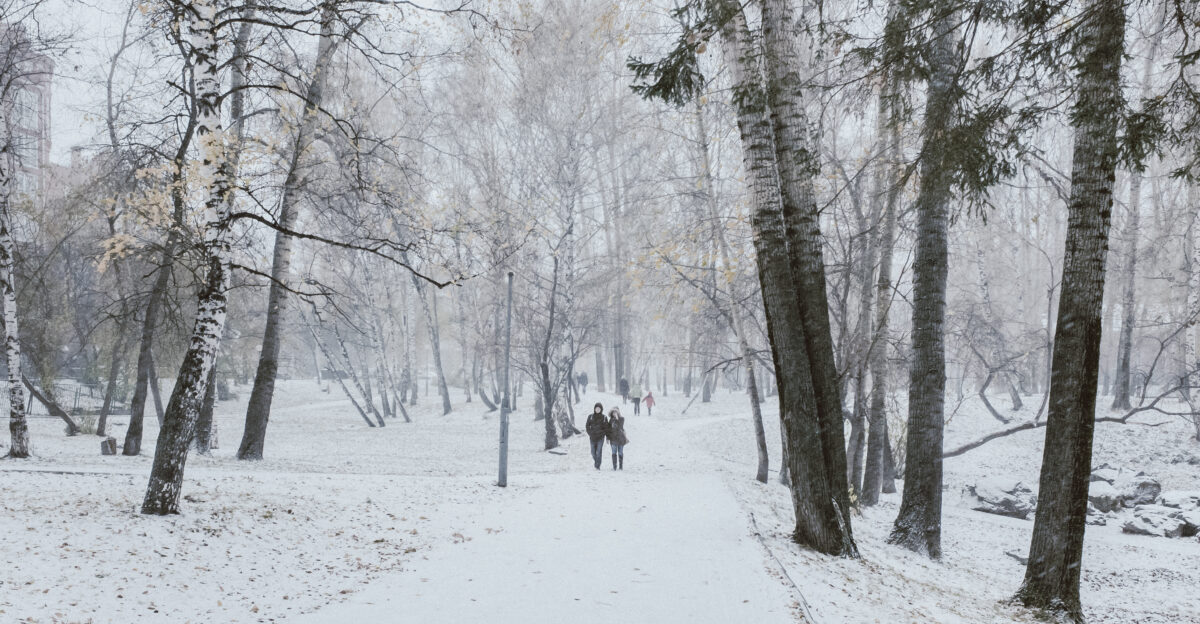
This was no isolated American crisis. Europe too faced a polar vortex, with countries like Ukraine reporting over 1,100 cold-related injuries.
In Russia, freezing temperatures paralyzed the nation. This Arctic disruption was a reminder that the jet stream’s effects reach across continents.
The High Cost of Cold
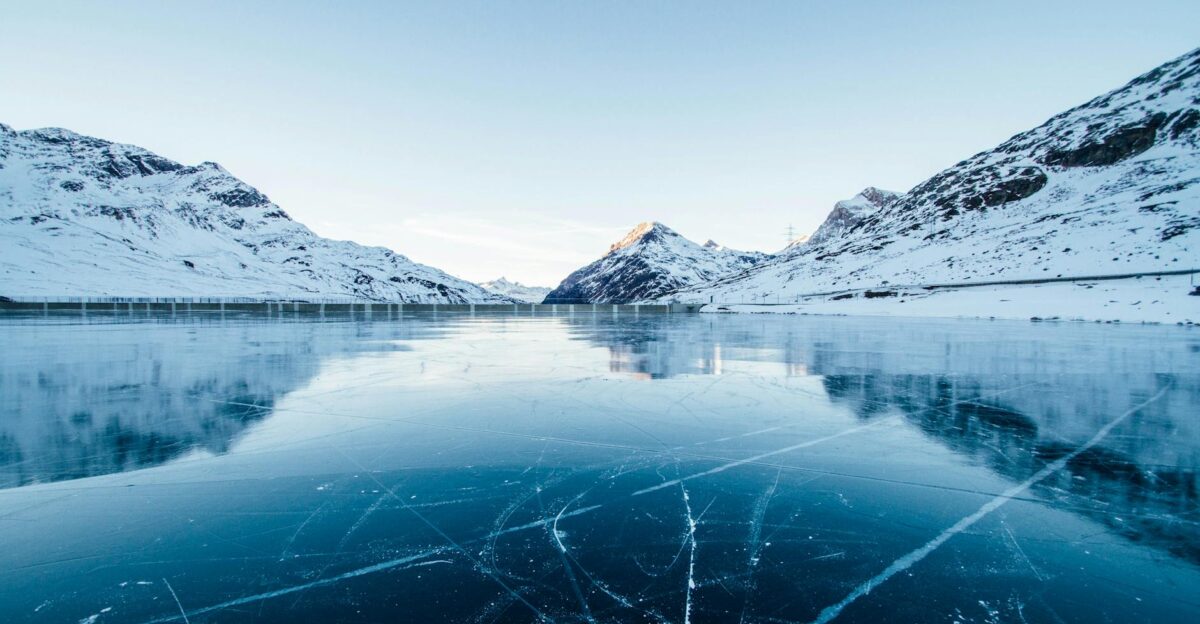
Frostbite leads to amputation; hypothermia can trigger heart attacks. The cold didn’t just threaten lives—it was damaging ecosystems.
Lakes saw fish kills, birds perished in the cold, and infrastructure cracked under the stress of extreme temperatures. The cost was ecological as well as human.
A Cultural Shock
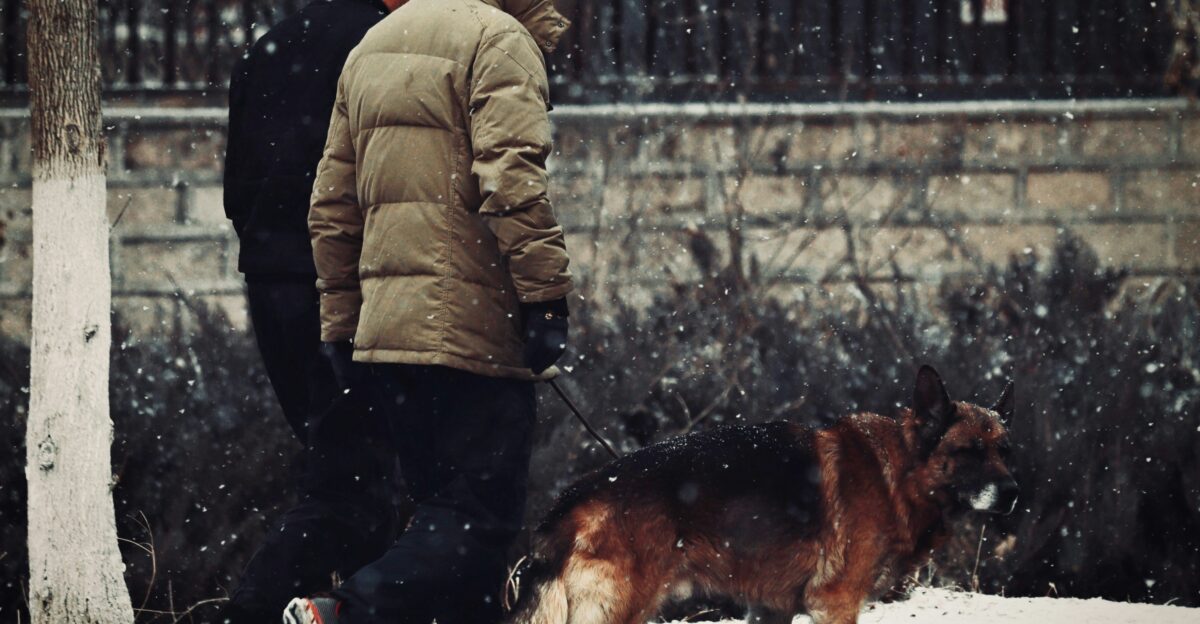
Communities in the Midwest, toughened by decades of harsh winters, found this cold overwhelming. Social media buzzed with emergency tips and shared experiences.
This wasn’t just another cold snap—it was a test of societal resilience against a shifting climate.
A Changing Climate
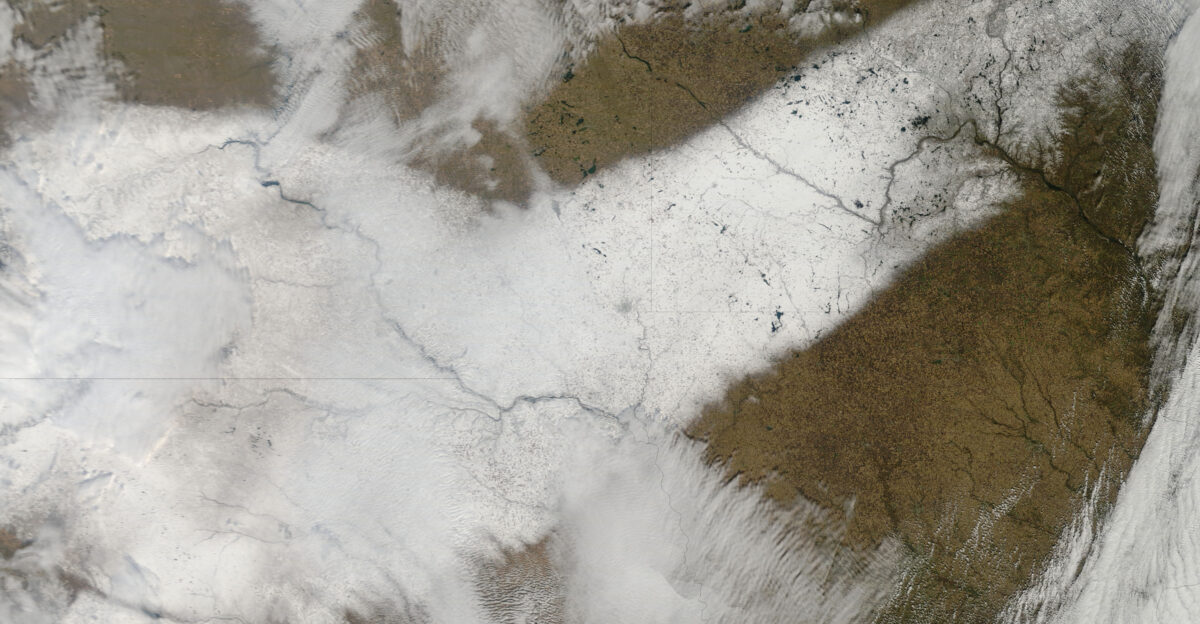
The extreme cold gripping the Midwest was part of a larger, destabilizing trend in the Arctic. With each shifting polar vortex, we face new challenges in resilience and adaptation. The “Sunshine State” was freezing, and the rest of the U.S. wasn’t far behind.
What happens next will shape how we cope with future climate disruptions.
Sources:
USA Today | Arctic cold overtakes US as huge winter storm looms | January 20, 2026
NBC News | A January freeze is taking hold across the U.S. with little signs of letting up | January 20, 2026
Severe-Weather.eu | Polar Vortex 2026 Update: New Stratospheric Warming Event Forecast | January 11, 2026
Fox9 News | Minnesota weather: What to expect with extreme cold warning Friday | January 20, 2026
ABC News | 100 vehicles pile up in Michigan crash as snowstorm moves across country | January 19, 2026
Click on Detroit | Doctor warns of growing frostbite cases as extreme cold moves into metro Detroit | January 19, 2026