` These 12 Classic Cars Are Perfect for Every Budget in Today’s Buyer’s Market - Ruckus Factory

These 12 Classic Cars Are Perfect for Every Budget in Today’s Buyer’s Market

vom Herthasee – X

Classic car values have fallen 10% in 2024 amid increased auction volumes, signaling a market correction that favors savvy buyers as younger generations reshape demand.

The Federation of British Historic Vehicle Clubs reports average historic car prices dropped from a post-COVID peak of £26,000 to £22,700 (approximately $33,000 to $28,800). This shift coincides with a projected $124 trillion generational wealth transfer through 2048, altering buyer profiles and investment potential.

Younger Buyers Drive Modern Classic Demand

Gen X, millennials, and Gen Z now account for over 40% of classic car purchases, boosting interest in 1980s-2000s models while pre-1970s classics see waning appeal. Hagerty’s 2024 survey found 60% of Gen Z shows interest in owning a classic, and 77% enjoys driving, countering notions of diminished automotive enthusiasm among youth. Online classic car sales rose 12% in 2025 to $2.4 billion, fueled by digital-savvy younger collectors.

The 25-Year Import Rule Opens Floodgates
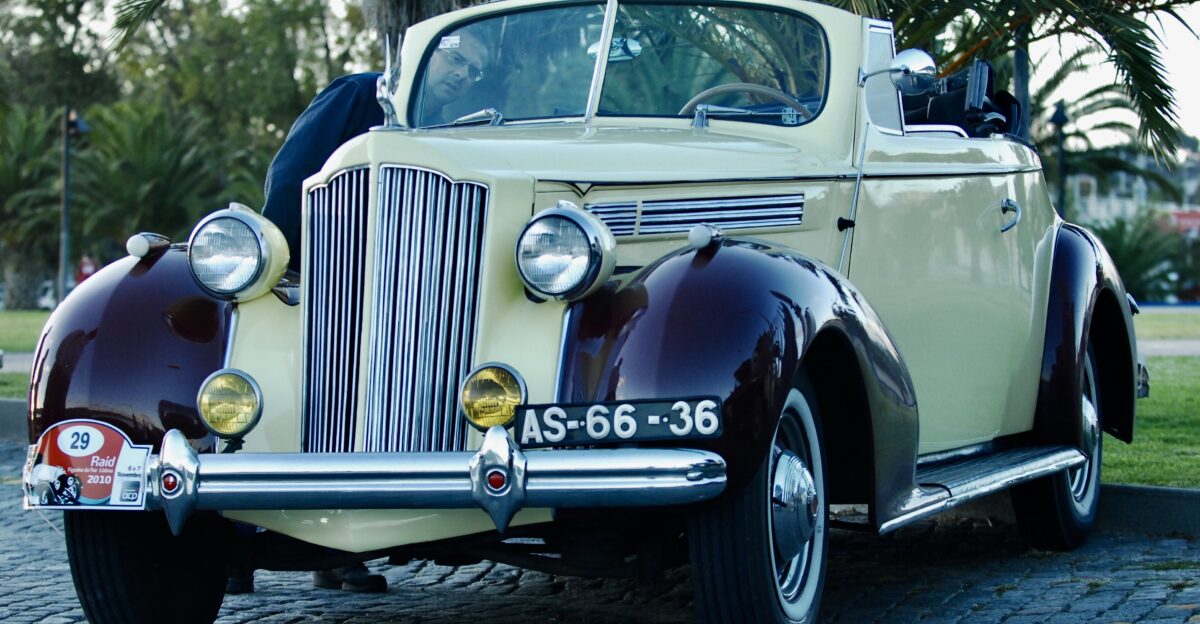
Belem Lisbon Portugal DESCRIPTION Packard was an American luxury automobile marque built by the Packard Motor Car Company of Detroit Michigan United States The first Packard automobiles were produced in 1899 and the last Detroit-built Packard in 1956 when they built the Packard Predictor their last concept car Packard bought Studebaker in 1953 and formed the Studebaker-Packard Corporation of South Bend Indiana The 1957 and 1958 Packards were actually badge engineered Studebakers built in South Bend HISTORY 1899-1905 Packard was founded by James Ward Packard his brother William and their partner George Lewis Weiss in the city of Warren Ohio where 400 Packard automobiles were built at their factory on Dana Street Northeast from 1899 to 1903 A mechanical engineer James Packard believed they could build a better horseless carriage than the Winton cars owned by Weiss an important Winton stockholder after Packard complained to Alexander Winton and offered suggestions for improvement which were ignored Packard s first car was built in Warren Ohio on November 6 1899 Henry Bourne Joy a member of one of Detroit s oldest and wealthiest families bought a Packard Impressed by its reliability he visited the Packards and soon enlisted a group of investors-including Truman Handy Newberry and Russell A Alger Jr On October 2 1902 this group refinanced and renamed the New York and Ohio Automobile Company as the Packard Motor Car Company with James Packard as president Alger later served as vice president Packard moved operations to Detroit soon after and Joy became general manager and later chairman of the board An original Packard reputedly the first manufactured was donated by a grateful James Packard to his alma mater Lehigh University and is preserved there in the Packard Laboratory Another is on display at the Packard Museum in Warren Ohio In the beginning all Packards had a single-cylinder engine until 1903 Packard vehicles featured innovations including the modern steering wheel and years later the first production 12-cylinder engine adapted from developing the Liberty L-12 and air-conditioning in a passenger car Packard produced its Twin Six model series of 12-cylinder cars from 1915 to 1923 While the Black Motor Company s Black went as low as 375 Western Tool Works Gale Model A roadster was 500 the high-volume Oldsmobile Runabout went for 650 and the Cole 30 and Cole Runabout were US 1 500 Packard concentrated on cars with prices starting at 2 600 The marque developed a following among wealthy purchasers both in the United States and abroad competing with European marques like Rolls-Royce and Mercedes Benz The 3 500 000-square-foot 330 000 m2 Packard plant on East Grand Boulevard in Detroit was located on over 40 acres 16 ha of land Designed by Albert Kahn Associates it included an early use of reinforced concrete for an automotive factory when building 10 opened in early 1906 Its skilled craftsmen practiced over 80 trades The dilapidated plant still stands despite repeated fires The factory is in close proximity to the current General Motors Detroit Hamtramck Assembly which was the former site of the Dodge Vehicle factory from 1910 until 1980 Architect Kahn also designed the Packard Proving Grounds in Shelby Township Michigan 1906-1930 From this beginning through and beyond the 1930s Packard-built vehicles were perceived as highly competitive among high-priced luxury American automobiles The company was commonly referred to as being one of the Three Ps of American motordom royalty along with Pierce-Arrow of Buffalo New York and Peerless of Cleveland Ohio For most of its history Packard was guided by its President and General Manager James Alvan Macauley who also served as President of the National Automobile Manufacturers Association Inducted into the Automobile Hall of Fame Macauley made Packard the number one designer and producer of luxury automobiles in the United States The marque was also highly competitive abroad with markets in 61 countries Gross income for the company was 21 889 000 in 1928 Macauley was also responsible for the iconic Packard slogan Ask the Man Who Owns One In the 1920s Packard exported more cars than any other in its price class and in 1930 sold almost twice as many abroad as any other marque priced over 2000 In 1931 10 Packards were owned by Japan s royal family Between 1924 and 1930 Packard was also the top-selling luxury brand In addition to excellent luxury cars Packard built trucks A Packard truck carrying a three-ton load drove from New York City to San Francisco between 8 July and 24 August 1912 The same year Packard had service depots in 104 cities The Packard Motor Corporation Building at Philadelphia also designed by Albert Kahn was built in 1910-1911 It was added to the National Register of Historic Places in 1980 By 1931 Packards were also being produced in Canada 1931-1936 Entering the 1930s Packard attempted to beat the stock market crash and subsequent Great Depression by manufacturing ever more opulent and expensive cars than it had prior to October 1929 While the Eight five-seater sedan had been the company s top-seller for years the Twin Six designed by Vincent 23 was introduced for 1932 with prices starting at 3 650 equal to 68397 today at the factory gate in 1933 it would be renamed the Packard Twelve a name it retained for the remainder of its run through 1939 Also in 1931 Packard pioneered a system it called Ride Control which made the hydraulic shock absorbers adjustable from within the car For one year only 1932 Packard fielded an upper-medium-priced car the Light Eight at a base price of 1 750 or 735 less than the standard Eight Rivals Cadillac and Lincoln benefited from the huge support structure of GM and Ford Packard could not match the two automotive giants for resources however the 1920s had proven extremely profitable for the company and it had assets of approximately 20 million in 1932 while many luxury car manufacturers were almost broke Peerless ceased production in 1932 changing the Cleveland manufacturing plant from producing cars to brewing beer for Carling Black Label Beer By 1938 Franklin Marmon Ruxton Stearns-Knight Stutz Duesenberg and Pierce-Arrow had all closed Packard also had one other advantage that some other luxury automakers did not a single production line By maintaining a single line and interchangeability between models Packard was able to keep its costs down Packard did not change cars as often as other manufacturers did at the time Rather than introducing new models annually Packard began using its own Series formula for differentiating its model changeovers in 1923 New model series did not debut on a strictly annual basis with some series lasting nearly two years and others lasting as short a time as seven months In the long run though Packard averaged around one new series per year By 1930 Packard automobiles were considered part of its Seventh Series By 1942 Packard was in its Twentieth Series The Thirteenth Series was omitted To address the Depression Packard started producing more affordable cars in the medium price range This was a necessary step as the demand for hand-built luxury cars had diminished sharply and even people who could afford such vehicles were reluctant to be seen in them at a time when unemployment was higher than 20 In 1935 the company introduced its first car under 1000 the 120 Sales more than tripled that year and doubled again in 1936 To produce the 120 Packard built and equipped an entirely separate factory By 1936 Packard s labor force was divided nearly evenly between the high-priced Senior lines Twelve Super Eight and Eight and the medium-priced Junior models although more than 10 times more Juniors were produced than Seniors This was because the 120 models were built using thoroughly modern mass production techniques while the senior Packards used a great deal more hand labor and traditional craftsmanship Although Packard almost certainly could not have survived the Depression without the highly successful Junior models they did have the effect of diminishing the Senior models exclusive image among those few who could still afford an expensive luxury car The 120 models were more modern in basic design than the Senior models for example the 1935 Packard 120 featured independent front suspension and hydraulic brakes features that would not appear on the Senior Packards until 1937 During this time Packards were built in Windsor Ontario by the Packard Motor Company of Canada Ltd Production started in 1931 with the best year being 1937 with just over 2 500 cars built Parts manufactured in Canada included tires upholstery radiator cores headlamps springs wheels while the engines were locally assembled Production ended in 1939 although the company maintained an office in Windsor for many years 1937-1941 1939 17th series Twelve Packard was still the premier luxury automobile even though the majority of cars being built were the 120 and Super Eight model ranges Hoping to catch still more of the market Packard decided to issue the Packard 115C in 1937 which was powered by Packard s first six-cylinder engine since the Fifth Series cars in 1928 The decision to introduce the Packard Six priced at around 1200 was in time for the 1938 recession This model also tagged Packards as something less exclusive than they had been in the public s mind and in the long run hurt Packard s reputation of building some of America s finest luxury cars The Six redesignated 110 in 1940-41 continued for three years after the war In 1939 Packard introduced Econo-Drive a kind of overdrive claimed able to reduce engine speed 27 8 it could be engaged at any speed over 30 mph 48 km h The same year the company introduced a fifth transverse shock absorber and made column shift known as Handishift available on the 120 and Six 1941 A new body shape was introduced for the 1941 the Packard Clipper It was available only as a four-door model on the 127 in 3 226 mm wheelbase of the 160 but powered by 125 hp 93 kW 127 PS version of straight-8 engine used the 120 1942-1945 In 1942 the Packard Motor Car Company converted to 100 war production During World War II Packard again built airplane engines licensing the Merlin engine from Rolls-Royce as the V-1650 which powered the famous P-51 Mustang fighter ironically known as the Cadillac of the Skies by GIs in WWII Packard also built 1350- 1400- and 1500-hp V-12 marine engines for American PT boats each boat used three and some of Britain s patrol boats Packard ranked 18th among United States corporations in the value of wartime production contracts By the end of the war in Europe Packard Motor Car Company had produced over 55 000 combat engines Sales in 1944 were 455 118 600 By May 6 1945 Packard had a backlog on war orders of 568 000 000 37 1946-1956 By the end of World War II Packard was in excellent financial condition with assets of around 33 million but several management mistakes became ever more visible as time went on Like other US automobile companies Packard resumed civilian car production in late 1945 labelling them as 1946 models by modestly updating their 1942 models As only tooling for the Clipper was at hand the Senior-series cars were not rescheduled One version of the story is that the Senior dies were left out in the elements to rust and were no longer usable Another long-rumored tale is that Roosevelt gave Stalin the dies to the Senior series but the ZiS-110 state limousines were a separate design 41 1949 Packard convertible coup 1950 Packard Eight Club Sedan The Clipper became outdated as the new envelope bodies started appearing led by Studebaker and Kaiser-Frazer Had they been a European car maker this would have meant nothing they could have continued to offer the classic shape not so different from the later Rolls-Royce with its vertical grill Although Packard was in solid financial shape as the war ended they had not sold enough cars to pay the cost of tooling for the 1941 design While most automakers were able to come out with new vehicles for 1948-49 Packard could not until 1951 They therefore updated by adding sheet metal to the existing body which added 200 lb 91 kg of curb weight Six-cylinder cars were dropped for the home market and a convertible was added These new designs hid their relationship to the Clipper Even that name was dropped-for a while The design chosen was a bathtub type While this was considered futuristic during the war and the concept was taken further with the 1949 Nash-and survived for decades in the Saab 92-96 in Europe-the 1948-1950 Packard styling was polarizing To some it was sleek and blended classic with modern others nicknamed it the pregnant elephant Test driver for Modern Mechanix Tom McCahill referred to the newly designed Packard as a goat and a dowager in a Queen Mary hat Packard sold 92 000 vehicles for 1948 and 116 000 of the 1949 models however in the early post-WWII years the demand for new cars was extremely high and nearly any vehicle would sell Attempting to maintain strong sales beyond this point would prove far more problematic Cadillac s new 1948 cars had sleek aircraft-inspired styling that immediately made Packard s bathtub styling seem old-fashioned Moreover Cadillac also debuted a brand-new OHV V8 engine in 1949 which gave their cars a reputation for performance that Packard s dependable but aging inline eight engine couldn t match The lack of a modern powerplant would prove an increasing liability for Packard as the 1950s unfolded Packard outsold Cadillac until about 1950 most sales were the midrange volume models During this time Cadillac was among the earliest U S makers to offer an automatic transmission the Hydramatic in 1941 but Packard caught up with the Ultramatic 42 offered on top models in 1949 and all models from 1950 onward Designed and built by Packard the Ultramatic featured a lockup torque converter with two speeds Early Ultramatics normally operated only in high with low having to be selected manually Beginning in late 1954 it could be set to operate only in high or to start in low and automatically shift into high High was intended for normal driving and Low mainly for navigating hills The Ultramatic made Packard the only American automotive manufacturer other than GM to develop an automatic transmission completely in-house as even Ford had chosen to outsource the design of theirs to Borg-Warner Ford had initially attempted to purchase Ultramatics from Packard to install in Lincolns but ended up buying Hydramatics until Lincoln got its own automatic transmission a few years later However Ultramatic did not compare to GM s Hydramatic for smoothness of shifting acceleration or reliability The resources spent on Ultramatic deprived Packard of the chance to develop a badly needed modern V8 engine Also when a new body style was added in addition to standard sedans coupes and convertibles Packard introduced a station wagon instead of a two-door hardtop in response to Cadillac s Coupe DeVille The Station Sedan a wagon-like body that was mostly steel with good deal of decorative wood in the back only 3864 were sold over its three years of production Although the Packards of the late 1940s and early 1950s were built in its old tradition with craftsmanship and the best materials all was not well The combination of the lower priced Packards leading sales and impacting the prestige of their higher end brethren and some questionable marketing decisions Packard s crown as king of the luxury car market was at risk - and it would eventually be stolen by a rising Cadillac In 1950 sales dropped to 42 000 cars for the model year When Packard s president George T Christopher set course for an evolutionary styling approach with a facelift for 1951 others wanted a radical new design In the end Christopher resigned and Packard treasurer Hugh Ferry became president - he demanded a new direction Ferry who had spent his career at Packard in the accounting department did not want the job and quickly made it clear that he was serving on a temporary basis until a permanent company president could be found The 1951 Packards were completely redesigned Designer John Reinhart introduced a high-waisted more squared-off profile fitting the contemporary styling trends - very different from the traditional flowing design of the immediate postwar era New styling features included a one-piece windshield a wrap-around rear window small tailfins on the long-wheelbase models a full-width grill replacing the traditional Packard upright design and blunt guideline fenders with the hood and front fenders at the same height The 122-inch 3 099 mm wheelbase supported low-end 200-series standard and Deluxe two- and four-doors and 250-series Mayfair hardtop coupes Packard s first and convertibles Upmarket 300 and Patrician 400 models rode a 127-inch 3 226 mm wheelbase The 200-series models were again low-end models and now included a business coupe The 250 300 and 400 Patricians were Packard s flagship models and comprised the majority of production for that year The Patrician was now the top-shelf Packard replacing the Custom Eight line Original plans were to equip it with a 356 cu in 5 8 L engine but the company decided that sales would probably not be high enough to justify producing the larger more expensive power plant and so the debored 327 cu in 5 4 L previously the middle engine was used instead While the smaller powerplant offered nearly equal performance in the new Packards to that of the 356 the move was seen by some as further denigrating Packard s image as a luxury car Since 1951 was a quiet year with little new from the other auto manufacturers Packard s redesigned lineup sold nearly 101 000 cars The 1951 Packards were a quirky mixture of the modern the automatic transmissions and aging still using flathead inline eights when OHV V8 engines were rapidly becoming the norm No domestic car lines had OHV V8s in 1948 but by 1955 every car line offered a version The Packard inline eight despite being an older design that lacked the power of Cadillac s engines was very smooth When combined with an Ultramatic transmission the drivetrain made for a nearly quiet and smooth experience on the road However it struggled to keep pace with the horsepower race which was increasingly moving to high compression short stroke engines capable of sustained driving at speeds greater than 55 MPH Packard s image was increasingly seen as dowdy and old-fashioned unappealing to younger customers Surveys found that nearly 75 of Packard customers were repeats who had owned previous Packards and few new buyers were being attracted to the make Compounding this problem was the company s geriatric leadership The Packard board of directors by the early 1950s had an average age of 67 and younger executives with a fresher approach to running the company were badly needed-in 1948 Alvin Macauley born during the Grant Administration had stepped down as chairman Hugh Ferry therefore decided that there was no choice but to hire an outsider to take over as president To that end he recruited James Nance from appliance manufacturer Hotpoint At 52 Nance was more than a decade younger than the youngest Packard executive One of the main reasons for the aged leadership of Packard was the company s lack of a pension plan for executives the rank-and-file workers had a pension plan per their UAW contract As a result Packard executives were reluctant to retire and be left with no source of income other than a Social Security payment thus blocking younger men from coming to power in the company One of James Nance s first actions as president was creating a pension plan to induce Packard executives to retire Nance worked to snag Korean War military contracts and turn around Packard s badly diluted image He declared that from now on Packard would cease producing midpriced cars and build only luxury models to compete with Cadillac As part of this strategy Nance unveiled a low-production only 750 made glamor model for 1953 the Caribbean convertible Competing directly with the other novelty ragtops of that year Buick Skylark Oldsmobile Fiesta and Cadillac Eldorado it was equally well received and outsold its competition However overall sales declined in 1953 While the limited edition luxury models as the Caribbean convertible and the Patrician 400 Sedan and the Derham custom formal sedan brought back some of the lost prestige from better days the high pocket styling that had looked new two years earlier was no longer bringing people into the showrooms for the bread and butter Packards Packard s build quality which had once been second-to-none also began slipping during this period as employee morale decreased 1953 Packard Caribbean convertible While American independent manufacturers like Packard did well during the early postwar period supply had caught up with demand and by the early 1950s they were increasingly challenged as the Big Three -General Motors Ford and Chrysler-battled intensely for sales in the economy medium-priced and luxury markets 43 Those independents that remained alive in the early 50s merged In 1953 Kaiser merged with Willys to become Kaiser-Willys Nash and Hudson became American Motors Corporation AMC The strategy for these mergers included cutting costs and strengthening their sales organizations to meet the intense competition from the Big Three 44 In 1953-54 Ford and GM waged a brutal sales war cutting prices and forcing cars on dealers While this had little effect on either company it gravely damaged the independent automakers Nash president George W Mason thus proposed that the four major independents Nash Hudson Packard and Studebaker all merge into one large outfit to be named American Motors Corporation AMC Mason held informal discussions with Nance to outline his strategic vision and an agreement was reached for AMC to buy Packard s Ultramatic transmissions and V8 engines They were used in 1955 Hudsons and Nashes Although Korean War defense contracts brought in badly-needed revenue the war ended in 1953 and new Secretary of Defense Charles E Wilson began cutting off defense contracts from all automotive manufacturers other than GM which he had formerly been president of Chrysler and Ford during the early 1950s also waged a campaign of stealing Packard dealerships consequently Packard s dealer network became steadily smaller and more scattered Packard s last major development was the Bill Allison-invented Torsion-Level suspension an electronically controlled four-wheel torsion-bar suspension that balanced the car s height front to rear and side to side having electric motors to compensate each spring independently Contemporary American competitors had serious difficulties with this suspension concept trying to accomplish the same with air-bag springs before dropping the idea Studebaker-Packard Corporation edit Main article Studebaker-Packard Corporation As of October 1 1954 Packard Motor Car Company bought the failing Studebaker Corporation to form America s fourth largest automobile company but without full knowledge of their circumstances or consideration of the financial implications 45 However SPC s Nance refused to consider merging with AMC unless he could take the top command position Mason and Nance were former competitors as heads of the Kelvinator and Hotpoint appliance companies respectively but Mason s grand vision of a Big Four American auto industry ended on October 8 1954 with his sudden death from acute pancreatitis and pneumonia A week after the death of Mason the new president of AMC George W Romney announced there are no mergers under way either directly or indirectly 46 Nevertheless Romney continued with Mason s commitment to buy components from SPC Although Mason and Nance had previously agreed that SPC would purchase parts from AMC it did not do so Moreover Packard s engines and transmissions were comparatively expensive so AMC began development of its own V8 engine and replaced the outsourced unit by mid-1956 47 Although Nash and Hudson merged along with Studebaker and Packard joining The four-way merger Mason had hoped for which would have joined Nash Hudson Studebaker and Packard did not materialize The S-P marriage really a Packard buyout proved to be a crippling mistake Although Packard was still in fair financial shape Studebaker was not struggling with high overhead and production costs and needing the impossible figure of 250 000 cars a year to break even Due diligence was placed behind merger fever and the deal was rushed It became clear after the merger that Studebaker s deteriorating financial situation put Packard s survival at risk Nance had hoped for a total redesign in 1954 but the necessary time and money were lacking Packard that year total production 89 796 comprised the bread-and-butter Clipper line the 250 series was dropped Mayfair hardtop coupes and convertibles and a new entry level long-wheelbase sedan named Cavalier Among the Clippers was a novelty pillared coupe the Sportster styled to resemble a hardtop With time and money again lacking 1954 styling was unchanged except for modified headlights and taillights essentially trim items A new hardtop named Pacific was added to the flagship Patrician series and all higher-end Packards sported a bored-out 359-cid engine Air conditioning became available for the first time since 1942 Packard had introduced air conditioning in the 1930s Clippers which comprised over 80 of production also got a hardtop model Super Panama but sales tanked falling to only 31 000 cars 1955 Packard Patrician The revolutionary new model Nance hoped for was delayed until 1955 partially because of Packard s merger with Studebaker Packard stylist Richard A Teague was called upon by Nance to design the 1955 line and to Teague s credit the 1955 Packard was indeed a sensation when it appeared Not only was the body completely updated and modernized but the suspension also was totally new with torsion bars front and rear along with an electric control that kept the car level regardless of load or road conditions Crowning this stunning new design was Packard s brand new ultra-modern overhead-valve V8 displacing 352 cu in 5 8 l replacing the old heavy cast-iron side-valve straight-eight that had been used for decades In addition Packard offered a variety of power comfort and convenience features such as power steering and brakes as well as electric window lifts But air conditioning was an anomaly Although available on all makes by the mid-1950s it was installed on only a handful of cars in 1955 and 1956 despite Packard s status as a luxury car Model year sales only climbed back to 55 000 units in 1955 including Clipper in what was a very strong year across the industry As the 1955 models went into production an old problem flared up Back in 1941 Packard had outsourced its bodies to Briggs Manufacturing Company Briggs founder Walter Briggs had died in early 1952 and his family decided to sell the company off to pay for estate taxes Chrysler promptly purchased Briggs and notified Packard that they would cease supplying bodies after Packard s contract with Briggs expired at the end of 1953 Packard was forced to move body production to an undersized plant on Connor Avenue in Detroit The facility proved too small and caused endless tie-ups and quality problems citation needed Bad quality control hurt the company s image and caused sales to plummet for 1956 though the problems had largely been resolved by that point citation needed Additionally a brain drain of talent away from Packard was underway most notably John Z DeLorean citation needed 1956 Packard Clipper For 1956 the Clipper became a separate make with Clipper Custom and Deluxe models available Now the Packard-Clipper business model was a mirror to Lincoln-Mercury Senior Packards were built in four body styles each with a unique model name Patrician was used for the four-door top of the line sedans Four Hundred for the hardtop coupes and Caribbean for the convertible and vinyl-roof two-door hardtop In the spring of 1956 the Executive was introduced Coming in a four-door sedan and a two-door hardtop the Executive was aimed at the buyer who wanted a luxury car but could not justify Packard s pricing It was an intermediate model using the Packard name and the Senior models front end but using the Clipper platform and rear fenders This was to some confusing and went against what James Nance had been attempting for several years to accomplish the separation of the Clipper line from Packard However as late as the cars introduction to the market was there was reasoning for in 1957 this car was to be continued It then became a baseline Packard on the all-new 1957 Senior shell Clippers would share bodies with Studebaker from 1957 Despite the new 1955 56 design Cadillac continued to lead the luxury market followed by Lincoln Packard and Imperial Reliability problems with the automatic transmission and all electrical accessories further eroded the public s opinion of Packard Sales were good for 1955 compared to 1954 The year was also an industry banner year Packard s sales slid in 1956 due to the fit and finish of the 1955 models and mechanical issues relating to the new engineering features These defects cost Packard millions in recalls and tarnished a newly won image just in its infancy For 1956 Teague kept the basic 1955 design and added more styling touches to the body such as then-fashionable three toning Headlamps hooded in a more radical style in the front fenders and a slight shuffling of chrome distinguished the 1956 models Electronic Push-button Ultramatic which located transmission push buttons on a stalk on the steering column proved trouble-prone adding to the car s negative reputation possibly soon to become an orphan Model series remained the same but the V8 was now enlarged to 374 cu in 6 1 L for Senior series the largest in the industry In the top-of-the-line Caribbean that engine produced 310 hp 230 kW Clippers continued to use the 352 engine There were plans for an all-new 1957 line of Senior Packards based on the showcar Predictor Clippers and Studebakers would also share many inner and outer body panels A private presentation of this 1957 new-car program was made to Wall Street s investment bankers at the Waldorf-Astoria Hotel in New York in January 1956 These models were in many ways far advanced from what would be produced by any automaker other at the time save Chrysler which would soon feel public wrath for its own poor quality issues after rushing its all-new 1957 lines into production Nance was dismissed and moved to Ford as the head of the new Mercury-Edsel-Lincoln division Although Nance tried everything the company failed to secure funding for new retooling forcing Packard to share Studebaker platforms and body designs With no funding to retool for the advanced new models envisioned SPC s fate was sealed the large Packard was effectively dead in an executive decision to kill the car we could not afford to lose The last fully Packard-designed vehicle a Patrician four-door sedan rolled off the Conner Avenue assembly line on June 25 1956 48 1957-1958 edit 1958 Packard In 1957 no more Packards were built in Detroit and the Clipper disappeared as a separate brand name Instead a Studebaker President-based car bearing the Packard Clipper nameplate appeared on the market but sales were slow Available in just two body styles Town Sedan four-door sedan and Country Sedan four-door station wagon they were powered by Studebaker s 289 cu in 4 7 l V8 with a McCulloch supercharger delivering the same 275 hp 205 kW as the 1956 Clipper Custom although at higher revolutions Borrowing design cues from the 1956 Clipper visual in the grille and dash with wheel covers tail lamps and dials from 1956 along with the Packard cormorant hood mascot and trunk chrome trim from 1955 senior Packards the 1957 Packard Clipper was more than a badge-engineered Studebaker-but also far from a Patrician Had the company been able to invest more money to finish the transformation and position the car under a senior line of true Packards it might have been a successful Clipper However standing alone the cars sold in very limited numbers-and a number of Packard dealers dropped their franchises while customers stayed away despite huge price discounts fearful of buying a car that could soon be an orphaned make With the market flooded by inexpensive cars minor automakers struggled to sell vehicles at loss leader prices to keep up with Ford and GM 49 Also a general decline in demand for large cars heralded an industry switch to compact cars such as the Studebaker Lark Predictably many Packard devotees were disappointed by the marque s perceived further loss of exclusivity and what they perceived as a reduction in quality They joined competitors and media critics in christening the new models as Packardbakers The 1958 models were launched with no series name simply as Packard New body styles were introduced a two-door hardtop joined the four-door sedan A new premier model appeared with a sporting profile the Packard Hawk was based on the Studebaker Golden Hawk and featured a new nose and a fake spare wheel molded in the trunk lid reminiscent of the concurrent Imperial The 1958 Packards were amongst the first in the industry to be facelifted with plastic parts The housing for the new dual headlights and the complete fins were fiberglass parts grafted on Studebaker bodies Very little chrome was on the lower front clip Designer Duncan McRae managed to include the 1956 Clipper tail lights for one last time this time in a fin and under a canted fin a wild-or to some bizarre-mixture Added to the front of all but the Hawk were tacked on pods for dual headlights in a desperate attempt to keep up with late-1950s styling cues All Packards were given 14 in 36 cm wheels to lower the profile The public reaction was predictable and sales were almost nonexistent The Studebaker factory was older than Packard s Detroit plant with higher production requirements which added to dipping sales A new compact car on which the company staked its survival the Lark was a year away and failed to sell in sufficient numbers to keep the marque afloat Several makes were discontinued around this time Packard Edsel Hudson Nash DeSoto and Kaiser Not since the 1930s had so many makes disappeared and it wouldn t be until the automotive industry crisis of 2008-10 that so many makes would be dropped at the same time again CONCEPT PACKARDS 1956 Predictor concept at the Studebaker National Museum During the 1950s a number of dream cars were built by Packard in an attempt to keep the marque alive in the imaginations of the American car-buying public Included in this category are the 1952 Pan American that led to the production Caribbean and the Panther also known as Daytona based on a 1954 platform Shortly after the introduction of the Caribbean Packard showed a prototype hardtop called the Balboa 50 It featured a reverse-slanted rear window that could be lowered for ventilation a feature introduced in a production car by Mercury in 1957 and still in production in 1966 The Request was based on the 1955 Four Hundred hardtop but featured a classic upright Packard fluted grille reminiscent of the prewar models In addition the 1957 engineering mule Black Bess was built to test new features for a future car This car had a resemblance to the 1958 Edsel It featured Packard s return to a vertical grill This grill was very narrow with the familiar ox-yoke shape that was characteristic for Packard and with front fenders with dual headlights resembling Chrysler products from that era The engineering mule Black Bess was destroyed by the company shortly after the Packard plant was shuttered Of the 10 Requests built only four were sold off the showroom floor Richard A Teague also designed the last Packard show car the Predictor This hardtop coupe s design followed the lines of the planned 1957 cars It had many unusual features among them a roof section that opened either by opening a door or activating a switch well ahead of later T-tops The car had seats that rotated out allowing the passenger easy access a feature later used on some Chrysler and GM products The Predictor also had the opera windows or portholes found on concurrent Thunderbirds Other novel ideas were overhead switches-these were in the production Avanti-and a dash design that followed the hood profile centering dials in the center console area This feature has only recently been used on production cars The Predictor survives and is on display at the Studebaker National Museum section of the Center for History in South Bend Indiana Astral edit One unusual prototype the Studebaker-Packard Astral was made in 1957 and first unveiled at the South Bend Art Centre on January 12 1958 and then at the March 1958 Geneva Motor Show 51 It had a single gyroscopic balanced wheel and the publicity data suggested it could be nuclear powered or have what the designers described as an ionic engine No working prototype was ever made nor was it likely that one was ever intended 52 53 The Astral was designed by Edward E Herrmann Studebaker-Packard s director of interior design 54 as a project to give his team experience in working with glass-reinforced plastic It was put on show at various Studebaker dealerships before being put into storage Rediscovered 30 years later the car was restored and put on display by the Studebaker museum The end edit Studebaker-Packard pulled the Packard nameplate from the marketplace in 1959 In 1962 Packard was dropped off the corporation s name at a time when it was introducing the all new Avanti and a less anachronistic image was being sought thus finishing the story of the American Packard marque The Packard name as well as Pierce-Arrow had been considered for the Avanti but this wasn t done In the late 1950s Studebaker-Packard was approached by enthusiasts to rebadge the French car maker Facel-Vega s Excellence four-door hardtop as a Packard for sale in North America using stock Packard V8s and identifying trim including red hexagonal wheel covers cormorant hood ornament and classic vertical ox-yoke grille citation needed The proposition was rejected when Daimler-Benz threatened to pull out of its 1957 marketing and distribution agreement which would have cost Studebaker-Packard more in revenue than they could have made from the badge-engineered Packard Daimler-Benz had little of its own dealer network at the time and used this agreement to enter and become more established in the American market through SPC s dealer network and felt this car was a threat to their models Aborted revival edit In the late 1990s Roy Gullickson revived the Packard nameplate by buying the trademark and developing a Packard Twelve for the 1999 model year His goal was annual production of 2 000 cars but lack of investment funds stalled that plan indefinitely The only prototype Twelve made was sold at an auto auction in Plymouth MI in July 2014 for 143 000 55 Packard engines edit Automobile edit Packard s engineering staff designed and built excellent reliable engines Packard offered a 12-cylinder engine-the Twin Six -as well as a low-compression straight-eight but never a 16-cylinder engine After WWII Packard continued with their successful straight-eight-cylinder flathead engines While as fast as the new GM and Chrysler OHV V8s they were perceived as obsolete by buyers By waiting until 1955 Packard was almost the last U S automaker to introduce a high-compression V8 engine The design was physically large and entirely conventional copying many of the first-generation Cadillac Buick Oldsmobile Pontiac and Studebaker Kettering features It was produced in 320 cu in 5 2 L and 352 cu in 5 8 L displacements The Caribbean version had two four-barrel carburetors and produced 275 hp 205 kW For 1956 a 374 cu in 6 1 L version was used in the Senior cars and the Caribbean two four-barrels produced 305 hp 227 kW clarification needed Other Packard engines edit Gar Wood s Miss America 2 winner of the 1921 Harmsworth Trophy was powered by four Packard-built Liberty L-12 engines Later variants of the North American P-51 Mustang were powered by a Packard V-1650 Merlin a license-built version of the Rolls-Royce Merlin PT boats were powered by a trio of Packard 4M-2500 engines and later models featured the improved 5M-2500 Packard also made large aeronautical and marine engines Chief engineer Jesse G Vincent developed a V12 airplane engine called the Liberty engine that was used widely in Entente air corps during World War I After the war the Liberty was adapted for marine use becoming a multiple world record setter under inventor and boating pioneer Gar Wood from the late 1910s through the 1930s In the interbellum Packard built one of the world s first diesel aviation engines the 225-hp DR-980 radial It powered the Stinson SM-8D among others It also powered a Bellanca CH-300 on a record endurance flight of over 84 hours a mark that stood for more than 50 years Other Packard-powered airplanes set several records during the 1920s During WWII Packard license-built Rolls-Royce Merlin engines under the Packard V-1650 designation used with great success in the famed P-51 Mustang fighter A marine version of the successor to the V12 Liberty was adapted in three versions - M3-2500 M4-2500 and M5-2500 - to power the war s iconic PT boats After WWII Packard produced a new line of flathead design six model 1M-245 and eight model 1M-356 cylinder marine engines based on the automobile versions and the experience gained from the war production Of the 1M-245 type engines only 1 865 were produced between Spring 1947 and January 1951 with only a handful survivors 56 Of the 1M-356 type engines approximately 1 525 were produced between 1947 and 1950 57 Even more rare is the experimental R type racing versions 1M-245 R of which only 10 were produced with currently only one known survivor a 1M-245 R six-cylinder engine powering today a 1936 Gar Wood Speedster 58 Packard also developed two turbine aircraft engines for the US Air Force the XJ41 an XJ49 This was one reason for the Curtiss-Wright take-over in 1956 Packard wanted to sell their own jet 59 Packard automobile models edit 1907 Packard The New York Times November 6 1907 Packard single-cylinder models Packard Model A 1899-1900 Packard Model B 1900 Packard Model C 1901 Packard Model E 1901 Packard Model F 1901-1903 Packard Model M 1904 Packard twin-cylinder model Packard Model G 1902 Packard four-cylinder models Packard Model K 1903 Packard Model K Gray Wolf 1903 Packard Model L 1904 Packard Model N 1905 Packard Model 24 Series S 1906 Packard Model 18 Series NA-NC 1905-1907 Packard Model 30 Series U 1907-1912 Packard six-cylinder models Packard Dominant Six 1912-1915 Packard Single Six 1921-1924 Packard Six 1925-1929 Packard One-Ten Packard 115 1937 Packard Six 1937-1949 Packard Eight Packard Single Eight Eight 1924- Packard Custom Eight Packard Light Eight Packard One-Twenty 1935-1942 Packard 160 Packard 180 Packard Super Eight Packard V-12 Packard Twin Six 1916-1923 Packard 905 1916-1923 Packard Twin Six 1932 Packard Twelve 1932-1939 Postwar Packards including Clipper Packard 400 see Packard Four Hundred Packard Caribbean Packard Cavalier Packard Clipper Packard Clipper Constellation Packard 200 Packard 250 see Packard 200 Packard 300 Packard Executive Packard Four Hundred Packard Hawk 1958 Packard Mayfair Packard Pacific Packard Patrician including Patrician 400 Packard Station Sedan 1949-1950 Packard Super Panama 1957 and 1958 Packards SOURCE a href rel noreferrer nofollow en wikipedia org wiki Packard a
Photo by Pedro Ribeiro Sim es from Lisboa Portugal on Wikimedia

Vehicles from 2001 became eligible for U.S. import in 2026 without modern safety or emissions standards. According to WC Shipping’s 25-Year Exemption boom report, classic imports jumped 37% year-over-year, with standout models including the BMW M3 E46 and Honda S2000. Industry analysts project 30% appreciation for newly eligible Japanese performance cars like the Honda S2000 AP1.

Buyer Advantages in a Stabilizing Market

Couple discussing car purchase with salesman at indoor dealership engaging conversation
Photo by Antoni Shkraba Studio on Pexels

High interest rates in 2024-2025 raised financing costs, contributing to a 24% price drop in 2010s models. Sell-through rates held steady at 68%, up from 67% in 2023, indicating market balance. The Classic Valuer reports the U.S. saw 40% more vehicles come to auction in 2024 than 2023. Karl Fasulo, founder of KGF Classics, observes that “any softening will encourage more people to enter the market,” benefiting buyers across segments with increased selection.

Top Affordable Classics for Every Budget
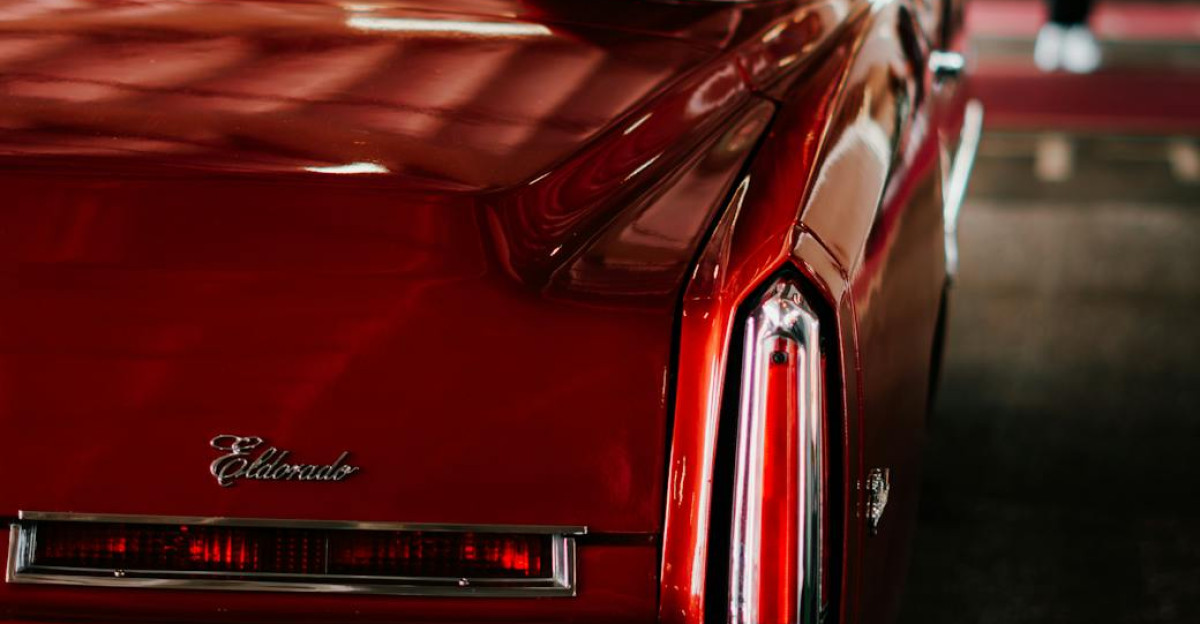
Rear view of a classic red Cadillac Eldorado on display at an indoor car show
Photo by Maja Kos on Pexels

Several models offer strong value and driving pleasure.

MGB GT combines Pininfarina styling, simple mechanics, and ample parts availability. Hagerty values good-condition examples at $7,100-$9,300, while The Classic Valuer reports a median auction price of £5,520 ($6,950), with driver-quality examples available from around $4,000. Rust is the main issue; restorable projects start under $4,000.

Fiat 500 owners note its 479cc twin-cylinder, air-cooled engine’s amusing warble and crowd-pleasing charm. Spacious despite its size, market listings show daily drivers beginning around $7,600-$8,900, with rust demanding careful pre-purchase checks.

Triumph Spitfire, described by classic car specialist Nick Wells as simple and cheap to run with elegant Michelotti styling, remains accessible. Wells restored his first Spitfire in his teens and owns it to this day. Later 1500 models (1974-1980) provide more power. Hagerty values fair-condition examples at $7,000, with recent auction sales ranging from $6,405 to $10,710.

Peugeot 205 GTi 1.9 excels in cornering with engaging handling dynamics. Nick Wells, who owns a 205 GTi 1.9, notes its fun, responsiveness, and low maintenance costs. Hagerty values good-condition examples at £12,000+ ($15,000+), with 2025 UK auction results ranging from £3,450 to £21,285. It gains UK 40-year tax exemption in 2026.

Mazda MX-5 Miata NB (1999-2005) appears on Hagerty’s 2026 Bull Market List, valued at $16,600 for good-condition examples. With over one million Miatas built across all generations, it remains the world’s best-selling roadster, offering proven reliability and timeless roadster dynamics.

BMW M3 E46’s S54 3.2-liter straight-six delivers 338 hp at 7,900 rpm with an 8,000 rpm redline. 2001 models became U.S. import-eligible in 2026 under the 25-year rule. Hagerty reports the E46 M3 market remains strong, with condition and mileage significantly affecting valuations across a wide range.

Porsche 911 (996) has gained market acceptance after years of IMS bearing concerns dampened values. Early 3.4-liter Carrera 2 models start from the low teens, while Hagerty’s valuation algorithm scores the 996 generation highly. GT3 variants command six-figure prices in the collector market.

Honda Civic Si EM1’s B16A2 VTEC engine produces 160 hp at 7,600 rpm with an 8,000 rpm redline and sharp throttle response above 5,500 rpm. Millennials drive 67% of Hagerty insurance quotes for this model. A 5,600-mile example fetched exactly $52,500 on Bring a Trailer in 2022, demonstrating strong collector demand.

Nissan 240SX S13, a drift favorite, has seen significant appreciation. Community discussions confirm clean, well-maintained examples now command $15,000-$25,000, up substantially from earlier $8,000-$10,000 ranges. SR20DET engine swaps remain popular modifications.

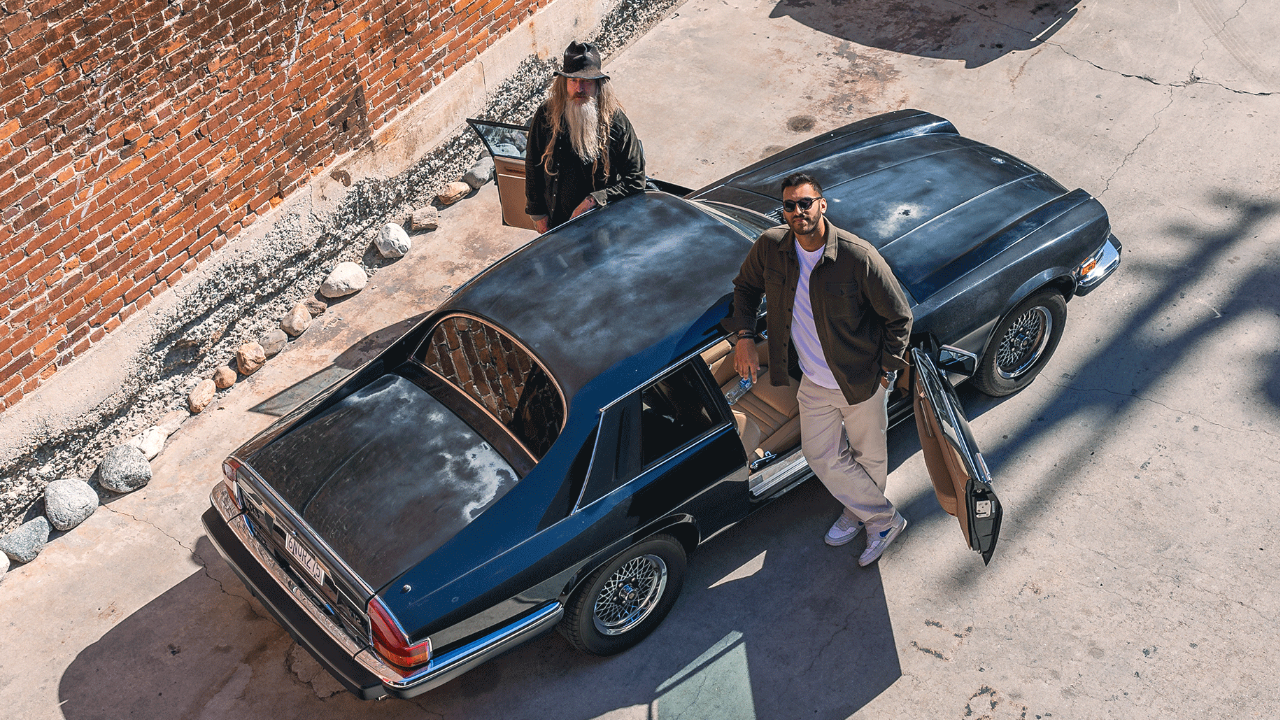
Jaguar XJS appeals to enthusiasts like Edwin Jones, a 64-year-old Jaguar Drivers’ Club member who owns a 1993 Signal Red example. Jones praises its comfort, style, and road presence, noting “the comfort, elegant design, and driving experience make it a joy to be behind the wheel.” Both V12 and six-cylinder engines prove durable with proper maintenance. Market values range from $11,400 for drivers to over $25,400 for collector-grade examples.

Mercedes SL (R129), with automatic roof innovation tested over 5 million kilometers, shows strong values with Hagerty reporting the highest 1997 SL500 auction sale at $39,375. Market listings range from $12,000 to $40,000 depending on condition, mileage, and variant.

Jaguar E-Type Series III V12 Roadsters, lauded by Enzo Ferrari as “the most beautiful car ever made,” offer 272 hp from their 5.3-liter V12 engines. The Classic Valuer reports a median price of £60,718 (approximately $76,000) for Series III examples, compared to £118,752 ($150,000) for Series I Roadster 3.8 models, making Series III a relative value proposition.

Strategic Buying and Market Forces

A professional consultation at a car dealership involving a sales agent and a customer discussing a vehicle purchase
Photo by Antoni Shkraba Studio on Pexels

Originality trumps restoration amid professional labor rates averaging $89-$225 per hour and comprehensive projects requiring 500-3,000 hours, potentially costing $44,500 to over $150,000. High-end examples like Aston Martin DB6 Mk I command Hagerty valuations of $421,250.

A favorable exchange rate environment and 2.5% classic import duty versus 27.5% total tariff on new cars (25% Section 232 tariff plus 2.5% base duty) boost European purchases for American buyers, with international logistics bookings surging.

Owner ages rose from 63 to 66 years old since 2020 according to the Federation of British Historic Vehicle Clubs survey, but younger buyers lead market growth. Hagerty CEO McKeel Hagerty notes inherited vehicles from aging collectors will continue to pressure traditional pre-war and early postwar classics.

Auctions and online sales hit $4.8 billion in 2025, up 10% from 2024, with private sales momentum remaining strong. Hagerty anticipates robust 2026 activity as investment portfolios stabilize and stock market confidence aligns with confident collector acquisitions.

Sources:
“2026 Bull Market List.” Hagerty UK, January 2026.
“Classic-car market poised for strong 2026, says Hagerty CEO.” CNBC, December 2025.
“Younger enthusiasts needed to reverse classic market slowdown.” Autocar, December 2025.
“It’s a buyer’s market for classic cars: these are the best for all budgets.” The Telegraph, 2026.
“2026 Bull Market: Classic Cars Poised for Growth.” LinkedIn, January 2026.