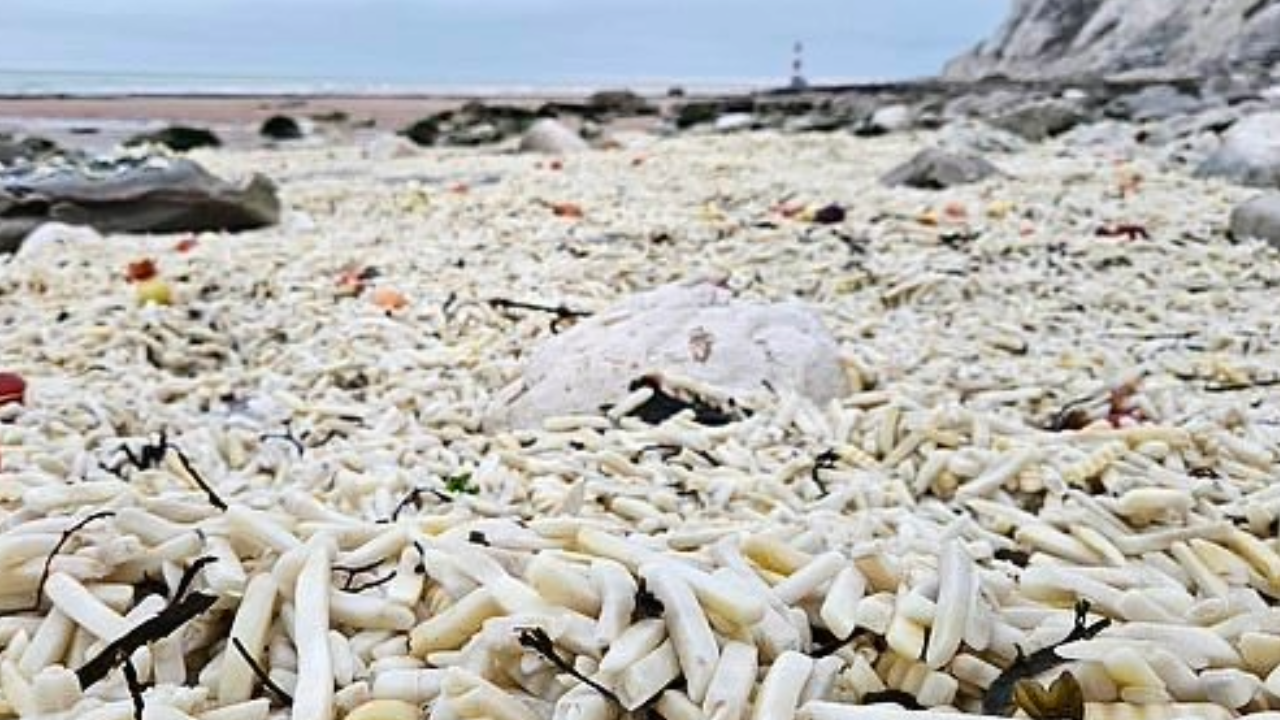
A stretch of beach along England’s southeast coast has turned into an unexpected mess after a dramatic cargo spill at sea. Following a container ship’s struggle in rough winter storms, thousands of bags of frozen French fries and onions washed ashore on East Sussex beaches, coating the sand and creating an unusual cleanup challenge. The spill occurred when containers were lost overboard during bad weather in the English Channel in early January 2026.
Local authorities and volunteers quickly responded, raising questions about the vulnerabilities of maritime shipping in unpredictable seas. Now, cleanup crews are racing to clear the debris while investigators examine what caused the containers to break free during the crossing.
Why Cargo Ships Lose Their Loads
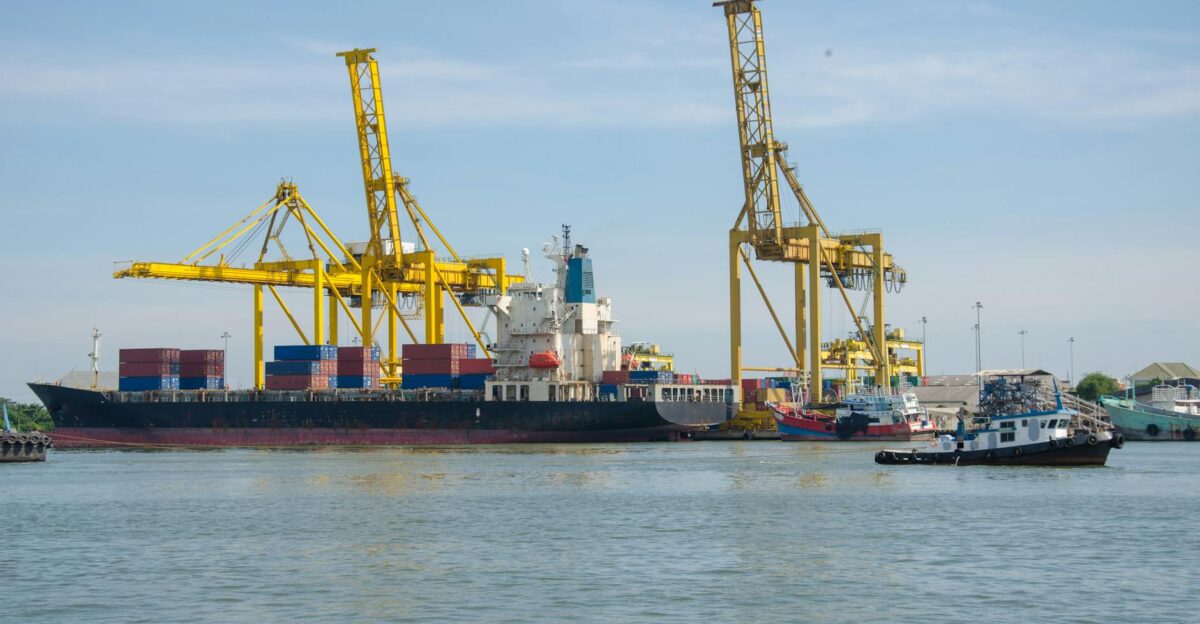
The English Channel and waters off England’s southeast coast are among Europe’s busiest, and most treacherous, shipping corridors. Vessels traveling between France and the UK regularly encounter high winds and rough seas, especially during winter months. Container ships are designed to carry thousands of boxes stacked high on deck, but severe storms can test even the most secure lashings.
Cargo operators balance speed with caution, but delays and competitive pressures can lead to tight scheduling that leaves little margin for safety when conditions worsen.
A History of Channel Cargo Disasters
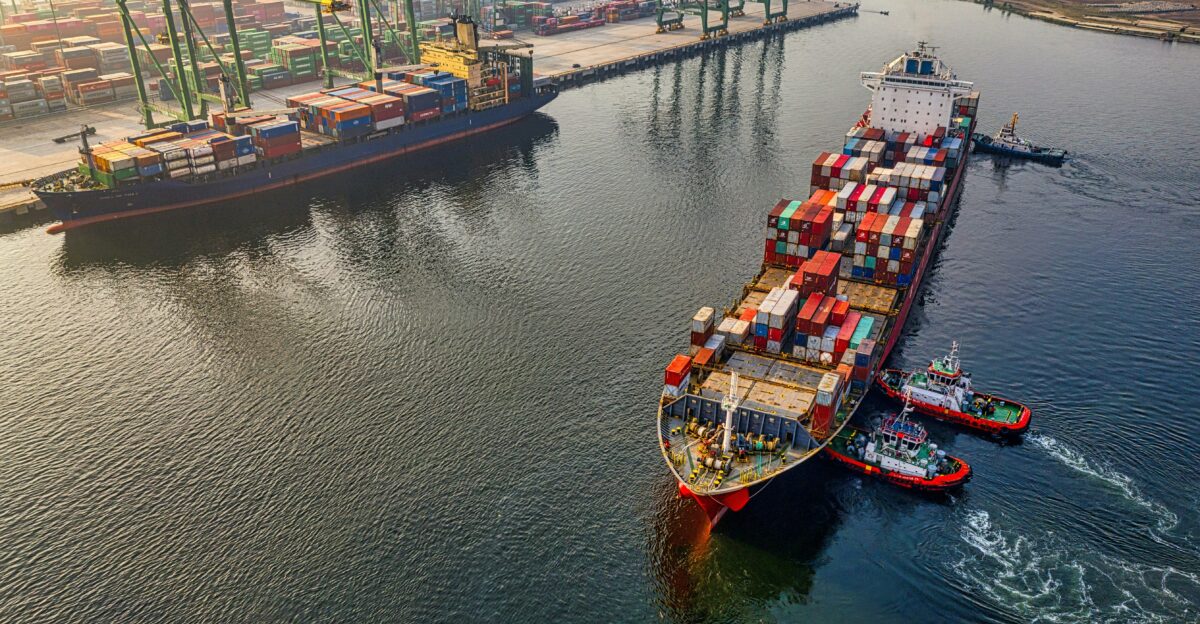
This is not the first time England’s beaches have been buried by lost cargo. Over the years, container ships have shed everything from rubber ducks to sneakers to large quantities of food products, turning beaches into unexpected repositories of global trade.
Each year, billions of pounds’ worth of perishable goods move between France and the UK, critical for supermarkets, restaurants, and food distributors. The recurring pattern of losses underscores a larger vulnerability: the limits of current maritime infrastructure when facing rough seas.
Winter Storms Getting Fiercer

Recent winters have seen the English Channel and surrounding waters battered by increasingly severe gales and rough seas. Wave heights regularly exceed 3–4 meters during storms, creating treacherous conditions for even large cargo vessels.
Meteorologists and oceanographers point to broader climate patterns driving more intense winter weather systems across the Atlantic and North Sea. Shipping companies have tightened some load-security requirements, yet container losses continue to occur when storms hit with little warning.
The Day Fries Washed Ashore
In early January 2026, a cargo ship caught in rough seas in the English Channel lost several refrigerated containers overboard. The containers held frozen French fries, onions, and other frozen foods destined for UK distribution centers. When the containers broke open in the waves, the contents began drifting with currents and tides toward the English coastline.
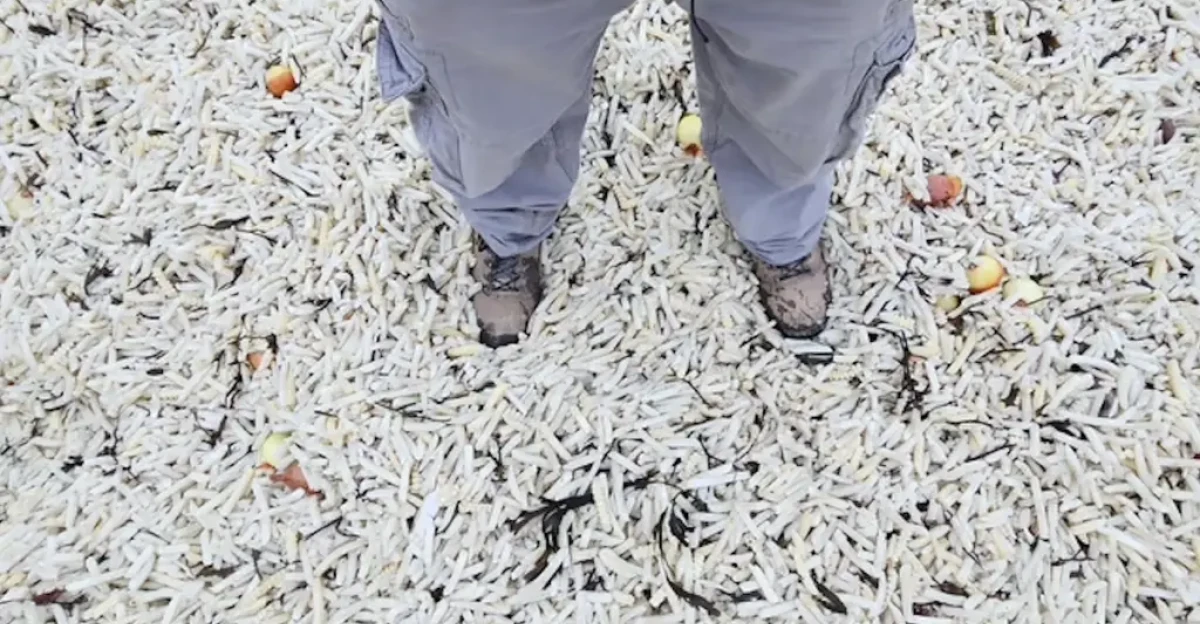
By the time the food reached East Sussex beaches near Eastbourne and surrounding areas, cleanup crews faced an unusual sight: thousands of bags of fries and onions scattered across the sand, mixed with plastic packaging and ice.
The Massive Cleanup Begins
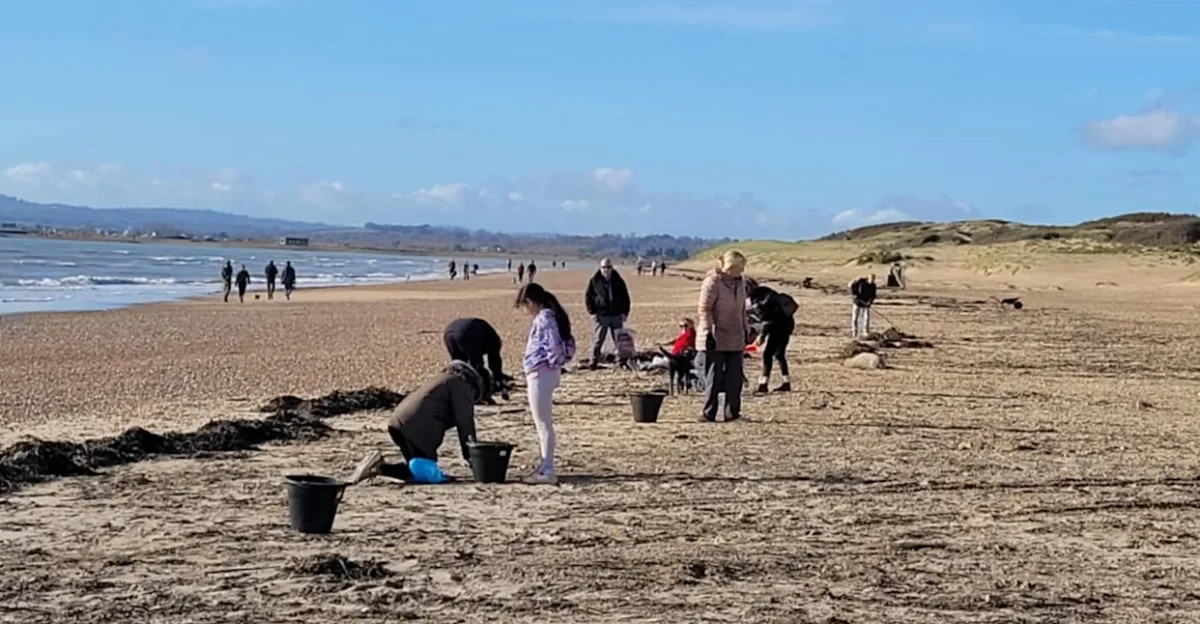
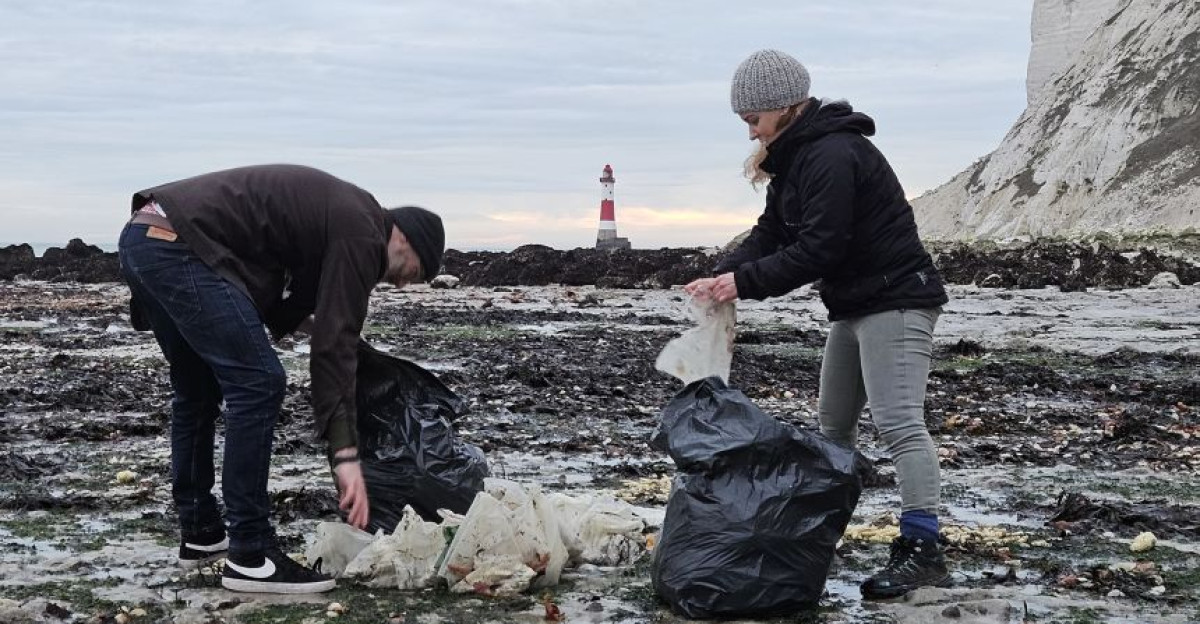
Once the spill was discovered, East Sussex councils and environmental teams swung into action. Excavators, loaders, and specialized cleanup crews descended on the beaches to remove contaminated sand and debris as quickly as possible. Heavy machinery worked around tidal cycles, removing layers of fry-covered sand and segregating waste for proper disposal.
Specialized contractors experienced in coastal pollution incidents managed the waste stream carefully, ensuring decaying organic matter and plastic packaging did not simply get moved from beach to landfill without proper treatment.
Public Warnings and Curiosity
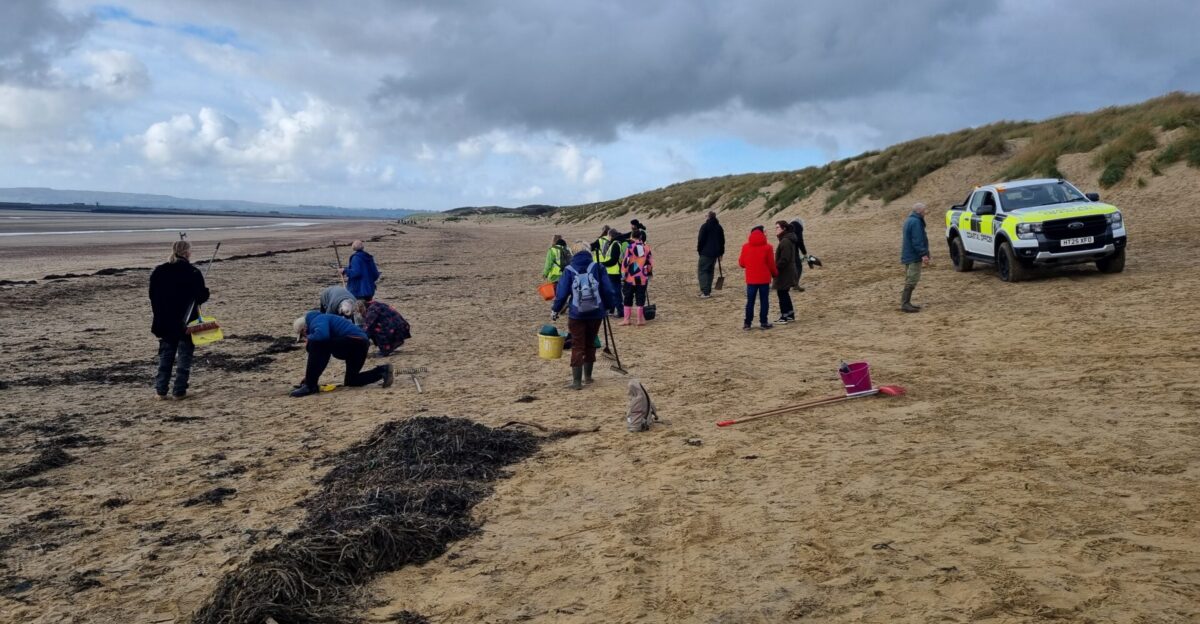
As news of the fries spill spread on social media, curious beachgoers and onlookers began arriving at East Sussex beaches to see the unusual spectacle for themselves. Local authorities quickly issued public warnings: the fries were not safe to eat, and the beaches posed hazards from machinery and contamination. “Do not touch or consume the cargo.
It’s not edible and poses health risks,” councils stated in official advisories. Some social media users joked about a “free chip buffet” or posted humorous photos, but officials stressed the serious side of contamination.
Supply Chains Feel the Disruption
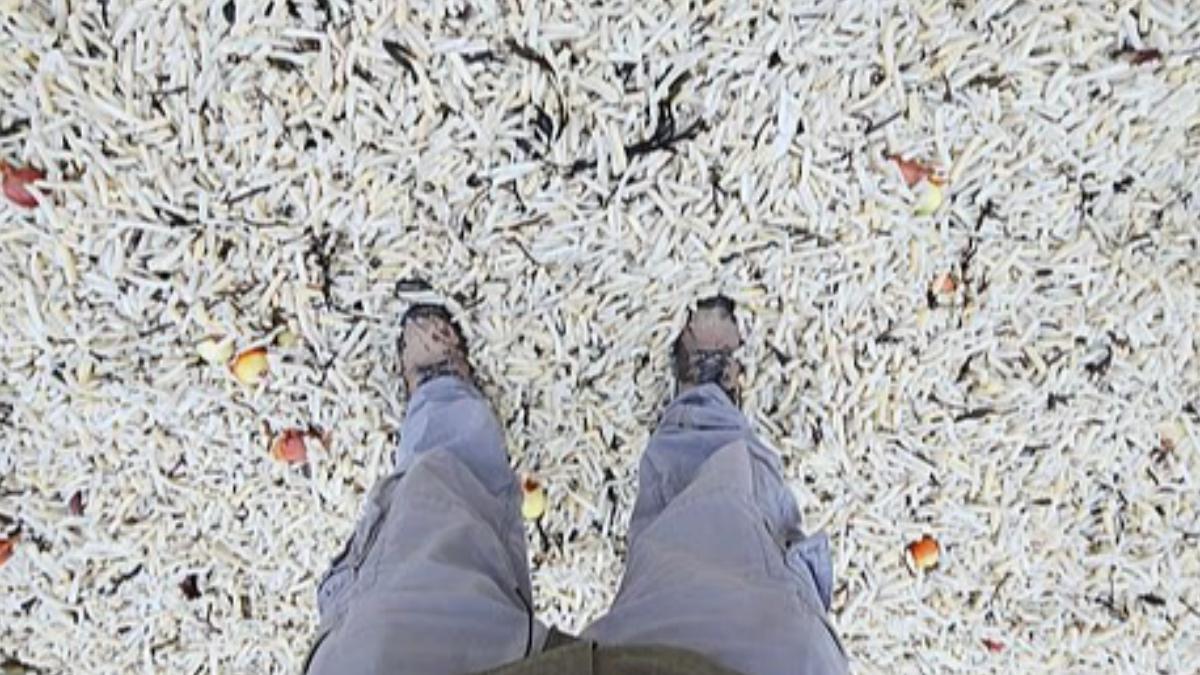
While cleanup dominated headlines, the fries spill also disrupted food supply chains across the UK. Frozen food distributors who relied on the lost shipment scrambled to find alternative sources or reroute supplies through other channels.
The incident highlighted how dependent UK food retail is on steady Channel crossings; a single major spill can create ripple effects across the supply network. Economists noted that even temporary disruptions to frozen food imports can inflate prices and stress logistics operators already managing tight margins.
How This Compares to Past Incidents
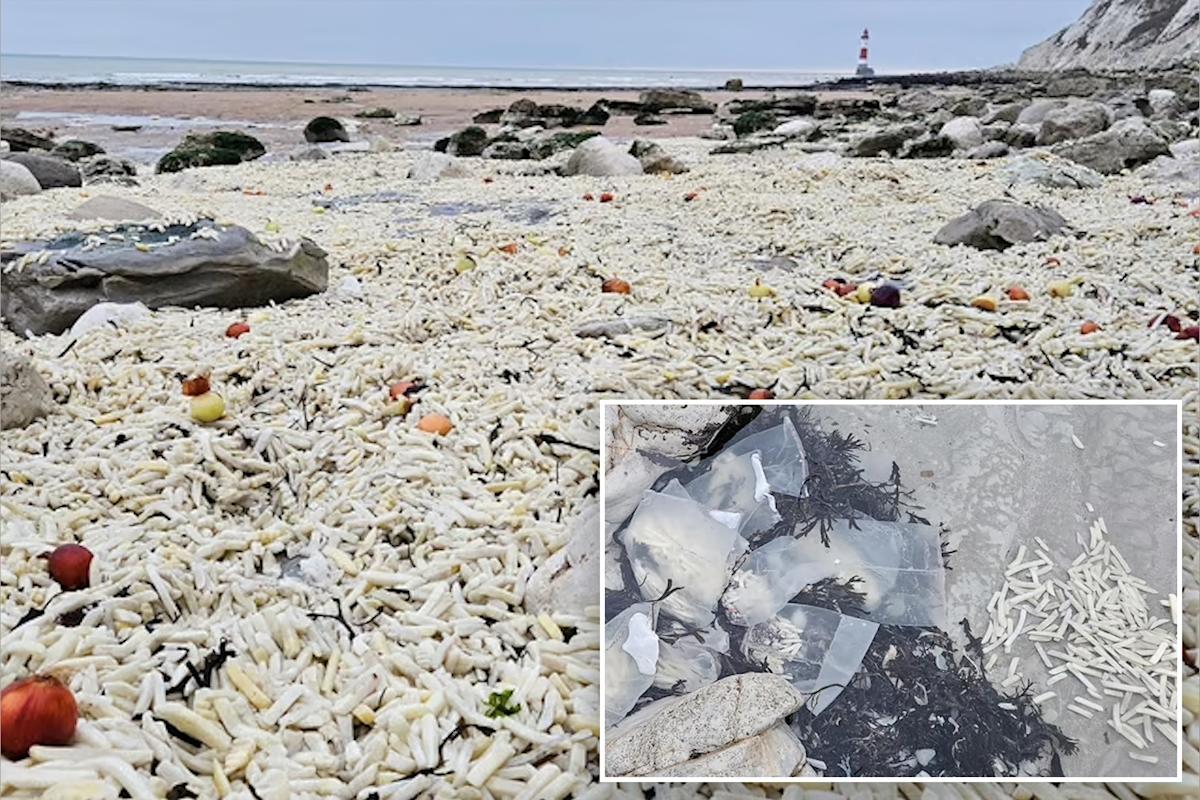
The fries spill stands out as a notable and widely reported cargo loss, though exact historical rankings are difficult to verify. Previous container losses have included the famous 1992 spill of 29,000 rubber ducks in the Pacific, which became a scientific tool for ocean current research, and numerous food-related incidents across European shipping routes.
What makes the recent incident distinctive is the volume of fries and onions involved and the way it captured public attention through social media, turning a maritime incident into a viral phenomenon.
The Scale of the Debris
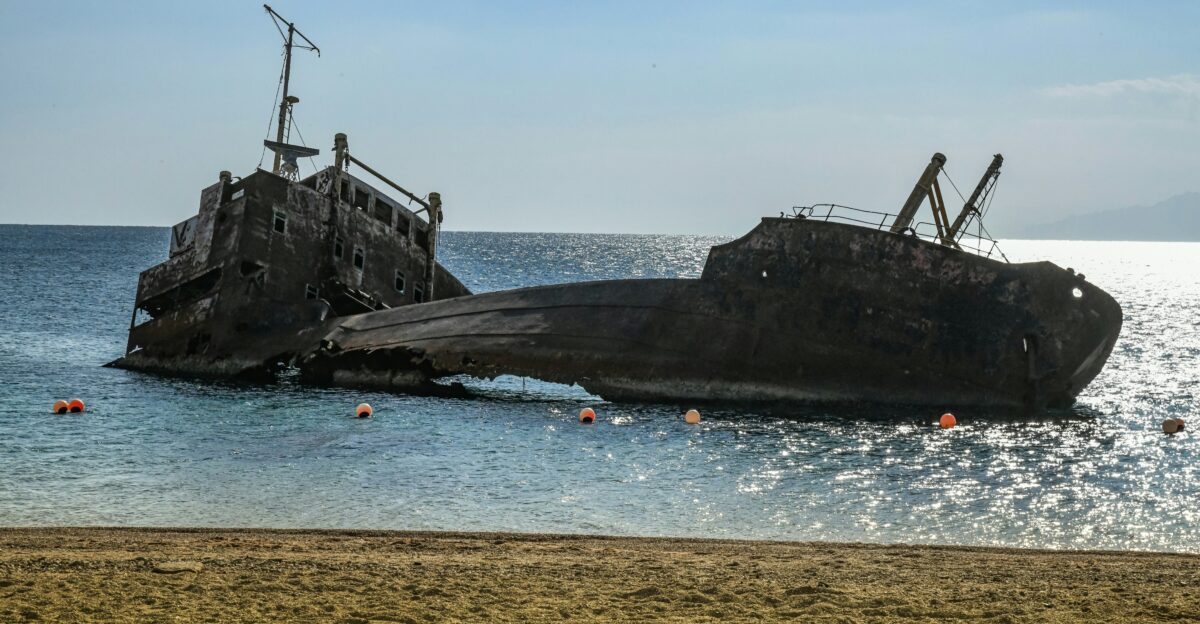
Initial estimates suggested around 1.9 tons of fries and onions were recovered from one major beach section, with additional debris washing up along several kilometers of coastline as tides continued to work. Rather than tens of thousands of tons concentrated in a single location, the spill was distributed across multiple beaches and spread by natural currents, making the total volume difficult to pin down precisely.
Satellite and aerial imagery showed patches of floating packaging and debris in the waters offshore, some still drifting and posing a secondary contamination risk. The distributed nature of the spill, while complicating exact measurement, also meant that no single beach faced catastrophic burial but rather many beaches dealt with significant but manageable debris levels.
Local Authorities Under Pressure

Behind the scenes, East Sussex councils faced intense operational and financial stress managing the cleanup. Local officials had to coordinate emergency response, allocate budget for contractors and equipment, and negotiate with shipping interests over liability and compensation.
“We’re doing the urgent work now, but questions about who pays for the full cleanup remain unresolved,” council leaders said privately. Under UK maritime law, local authorities often bear initial response costs even when pollution originates from international shipping beyond their control.
What the Shipping Operator Says
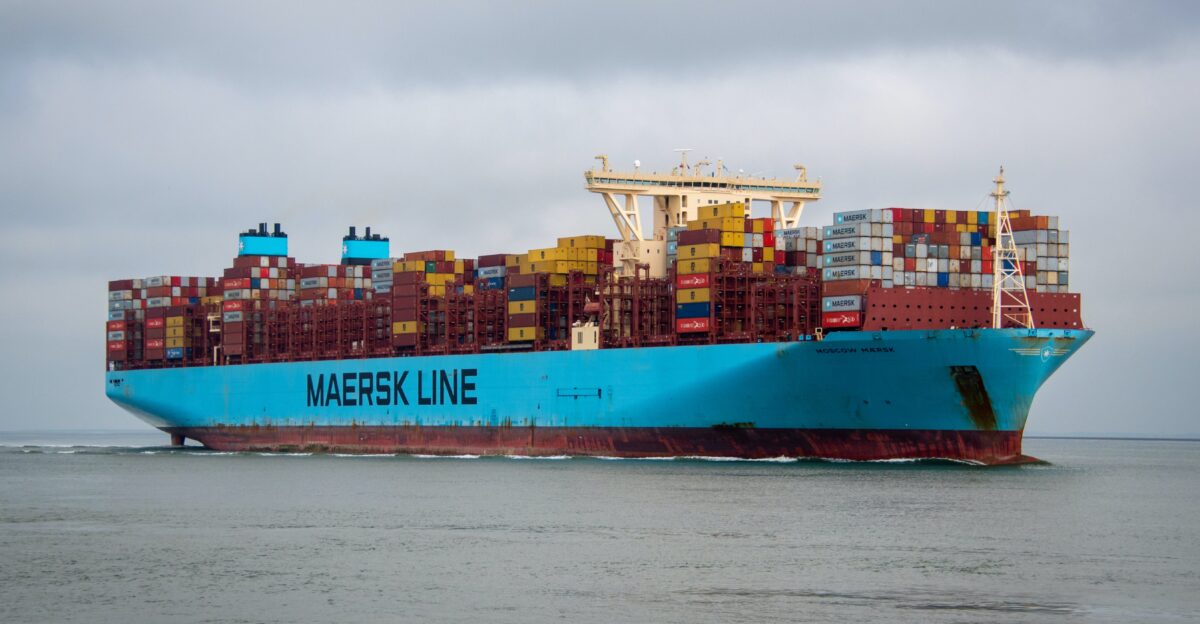
The company operating the cargo vessel has launched an investigation into container failures during the storm crossing, examining loading procedures, securing methods, and weather forecasting decisions made before departure. In public statements, the operator expressed willingness to cooperate with UK authorities and pledged to review safety practices on Channel routes.
Maritime insurers typically initiate detailed technical investigations, reviewing vessel movement data, container lashing records, and weather logs to determine contributing factors. Liability disputes between shippers, operators, insurers, and port authorities are expected to extend for months or longer.
How Beaches Are Being Restored
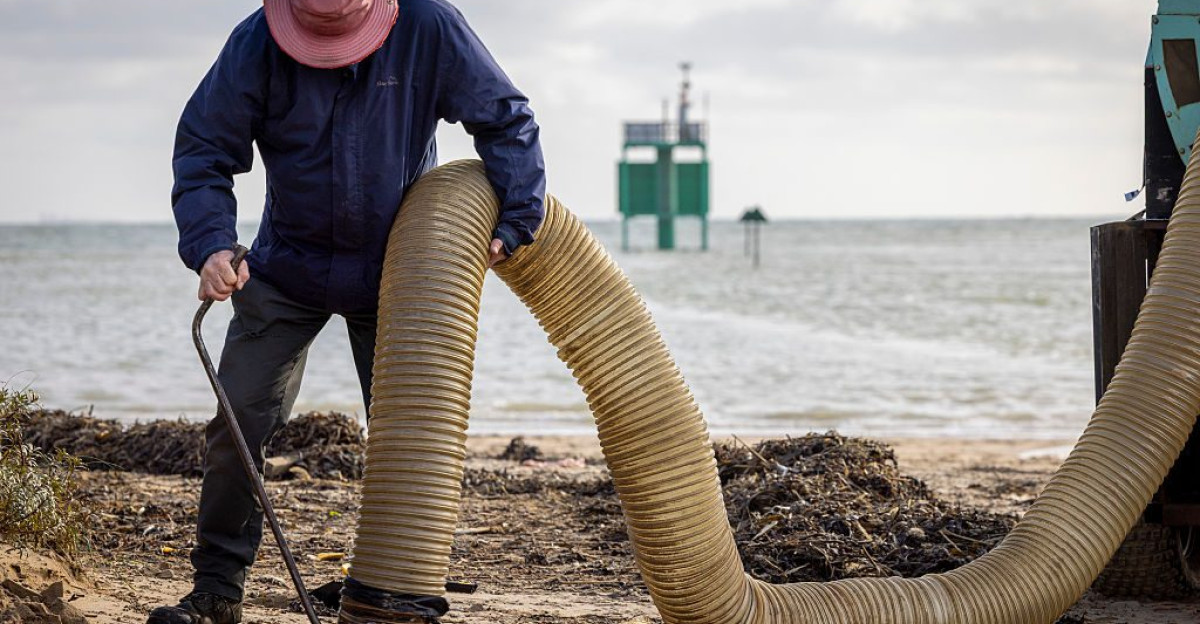
On affected East Sussex beaches, recovery operations follow a phased approach designed to remove contaminated material while minimizing long-term environmental damage. Excavators scoop up fry-laden sand and deposit it into collection vehicles, while specialized contractors sort waste for proper disposal or recycling where possible.
Crews work in coordination with tidal cycles, clearing priority sections before the next surge deposits additional debris. Local authorities have stated they will not fully reopen beaches until contamination levels fall below established safety thresholds for human recreation and marine life.
Experts Question Current Maritime Rules
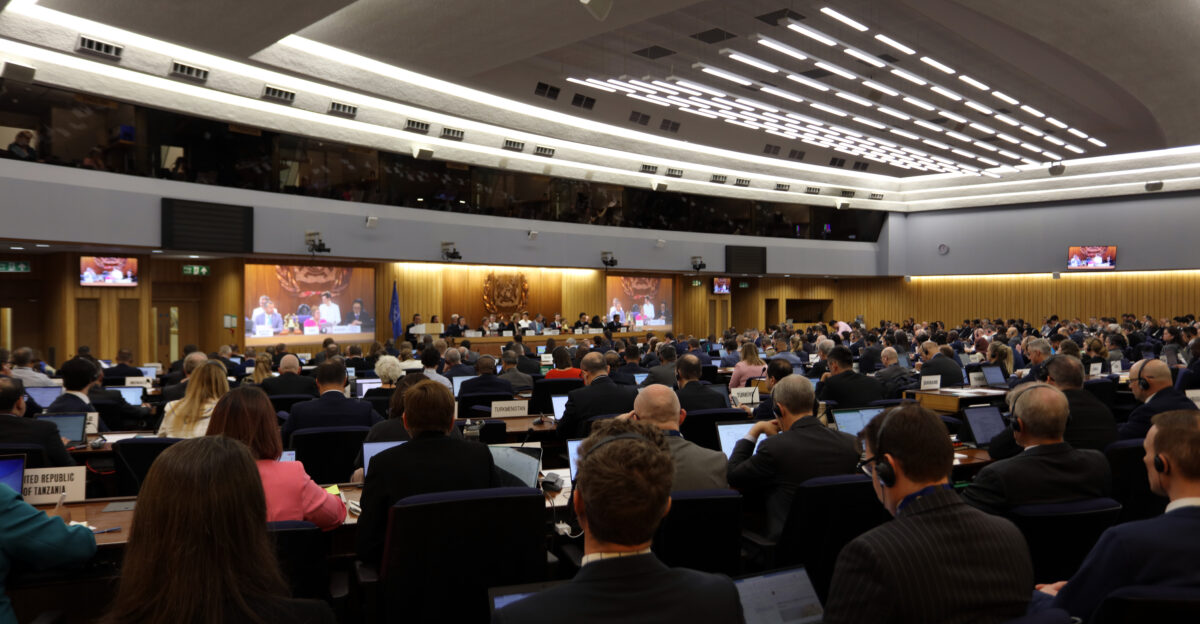
Maritime safety specialists are openly questioning whether today’s container-securing standards are adequate for increasingly severe weather conditions. Container ships have grown larger and more heavily loaded in recent decades, yet the international codes governing lashing and securing have not always kept pace with changing climate patterns.
Studies of North Atlantic and English Channel weather data show increases in extreme wind and wave events, raising the statistical likelihood of container breaches.
Will the Industry Change Course?
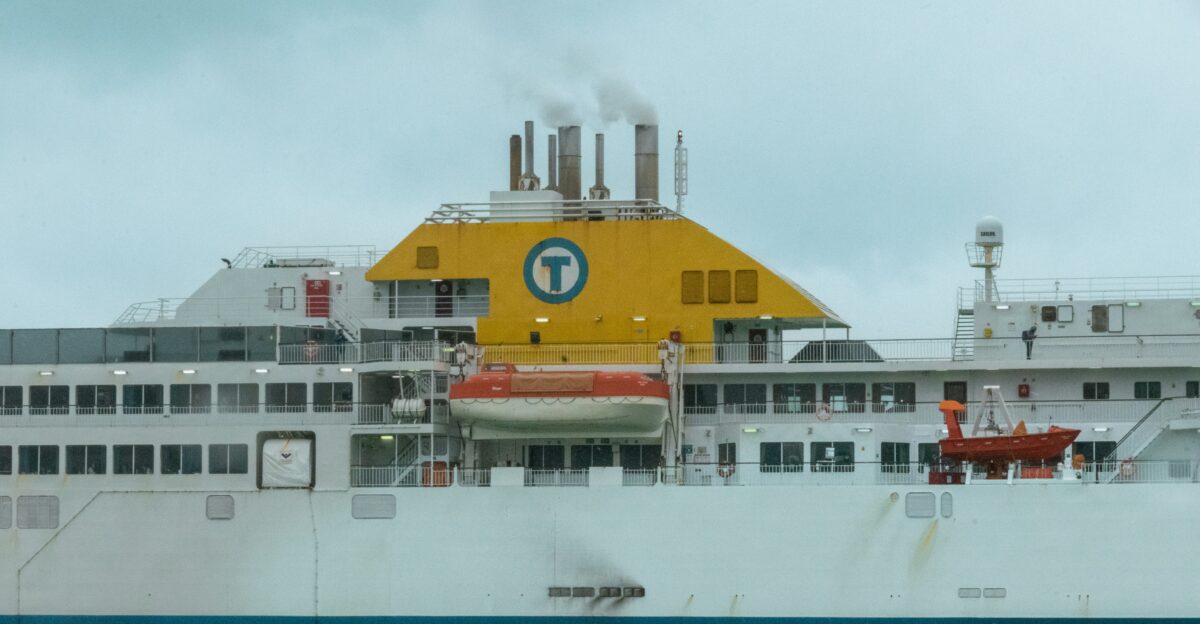
The key question now is whether this widely publicized fries spill will catalyze safety improvements across food shipping on the Channel and beyond. Some engineers are advocating for reinforced or “smart” containers equipped with real-time monitoring for sensitive cargo such as frozen foods, which spoil rapidly if exposed to air and temperature change.
Stronger locking systems, improved weight distribution algorithms, and route planning that factors in forecasted storms are all technical possibilities. For East Sussex residents and beachgoers, the stakes are personal: they want guarantees that their coastline will not become a dumping ground for global trade mishaps.
Regulatory Scrutiny Intensifies
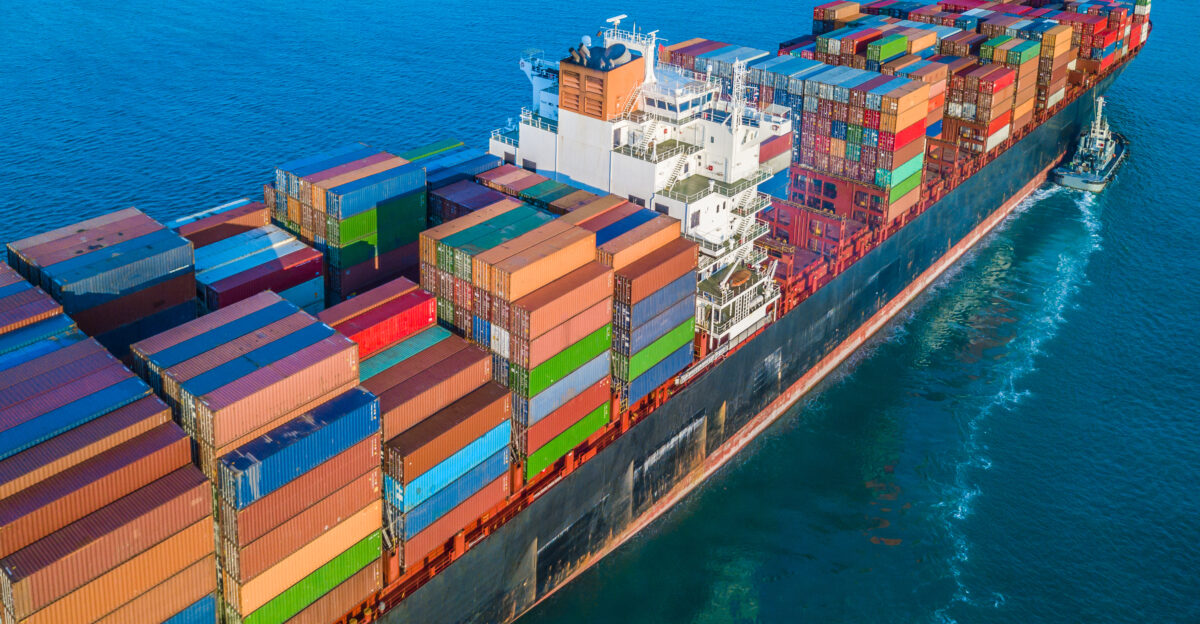
In Westminster, UK environment ministers are now reviewing existing maritime pollution laws to assess whether fines and liability frameworks are strong enough to deter careless operators and ensure proper cleanup responsibility.
Environmental groups argue that coastal councils should not shoulder the financial burden each time an international ship loses cargo; the costs should fall on operators and insurers. East Sussex councils are pushing for dedicated national funding streams to support large-scale coastal pollution response, similar to tiered systems already in place for major oil spills.
Cross-Channel Complications
The spill’s impact extends beyond English shores. French authorities are examining how export procedures, port inspections, and cargo documentation were managed before the container ship departed from French ports. EU maritime agencies, already monitoring container losses across the North Sea and Atlantic, are now encouraging greater coordination on emergency response and data-sharing between member states.
Joint emergency drills, standardized loading inspections, and coordinated rapid-response teams are among proposals under discussion in Brussels and key Channel ports.
Environmental Damage and Legal Claims
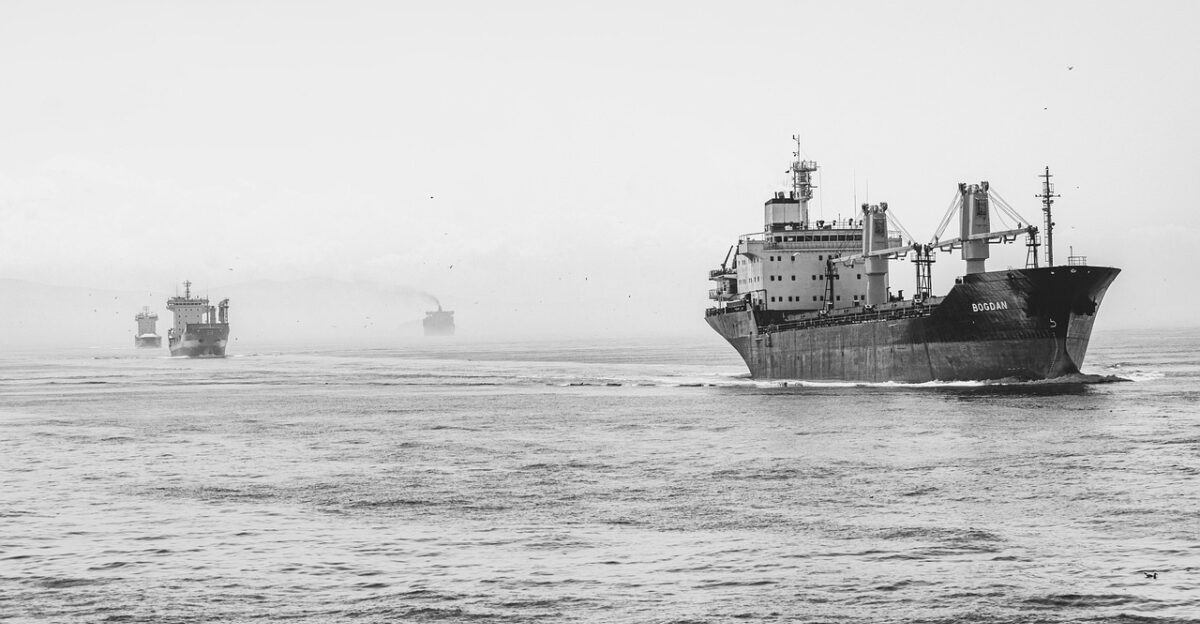
Beyond the novelty of the story, environmental stakes are significant. Large amounts of decomposing organic waste can deplete oxygen in shallow coastal waters, creating “dead zones” harmful to marine life, while plastic bags and packaging pose choking and entanglement risks to seabirds, seals, and other coastal creatures.
Conservation groups warn that areas like the affected East Sussex beaches, often adjacent to protected habitats, are especially vulnerable to sudden debris inflows. “Seals and other marine animals often mistake plastic packaging for food, leading to injury or death,” local environmental campaigners have stated.
A Darkly Comic Local Legend
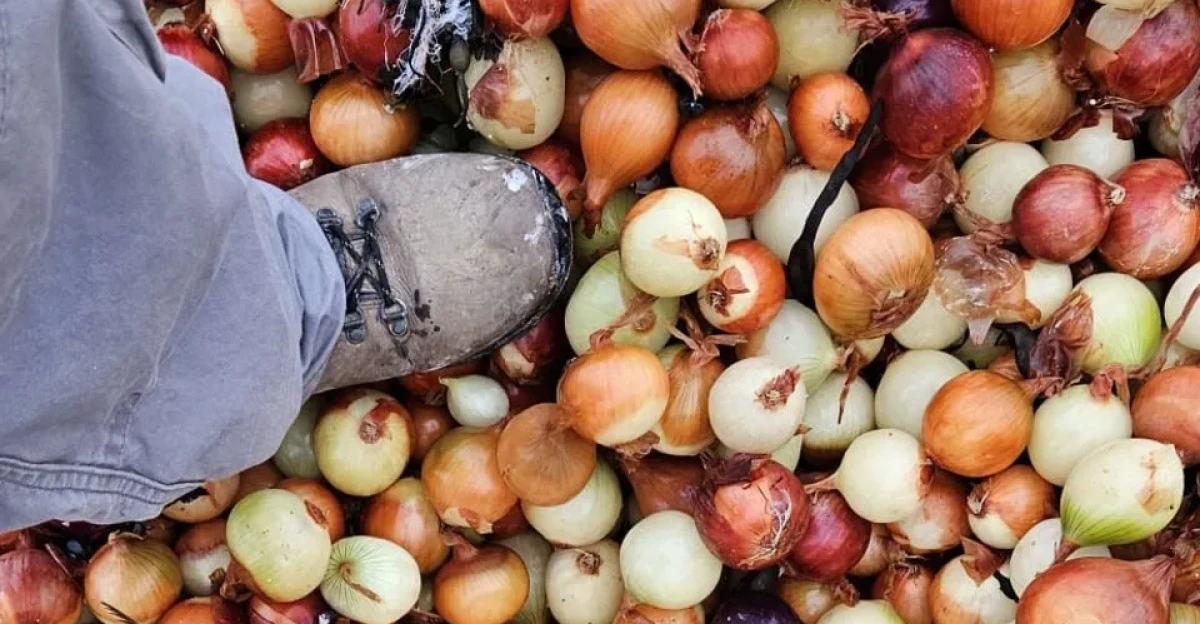
On the ground in East Sussex, residents are processing what has happened to their beloved beaches through a mix of humor and frustration. Some joked about a “never-ending chip supper” and shared memes comparing the spill to an overturned fast-food delivery truck.
But beneath the humor lies genuine sadness among long-time beachgoers who see the incident as a reminder of how fragile coastal environments are and how far the consequences of global trade can reach.
A Wake-Up Call for Shipping’s Future
The East Sussex fries spill has become an unexpected symbol of the risks facing modern maritime trade. A single storm and several failed container lashings were enough to disrupt food supply chains, damage a cherished coastline, and spark international debate over shipping standards. For climate scientists and maritime planners, the incident underscores a shared warning: as weather grows more extreme, systems designed for calmer historical conditions will be tested more frequently and more violently.
Safety reforms now under discussion, from improved container securing systems and better storm forecasting to tougher liability laws, could reshape how goods move across the Channel.
Sources:
CNN, English beach covered in French fries and onions after cargo ship spill, 2026-01-19
Cornwall Council, Coastal Pollution Incidents, 2024-05-01 (plan updated, accessed 2026)
Cornwall Council, Cornwall Council Coastal Counter Pollution Plan, 2018-01-31 (guidance document, accessed 2026)
Containerlift, Containers Lost at Sea? Causes & Impact, 2025-02-11
World Shipping Council / TT Club, TT Talk: Industry reports shed new light on container losses at sea, 2025-10-07