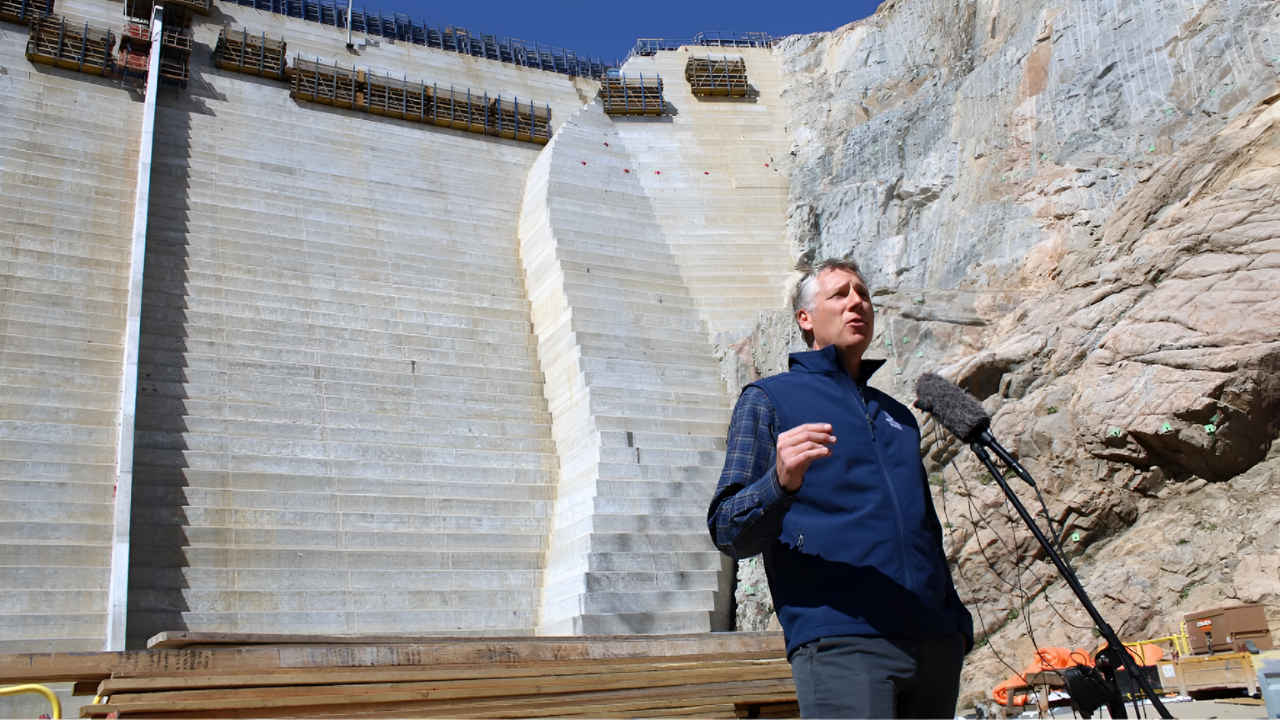
In January 2026, Colorado faces a record-breaking snow drought, with snowpack levels in the Dillon Reservoir watershed plunging to just 46% of the historical average. While comprehensive statewide SNOTEL records began in 1987, Denver Water’s monitoring of the Dillon watershed dates back to 1978—making this the worst snowpack in nearly 50 years of record-keeping for this critical reservoir.
The bare peaks of Summit County signal a looming water crisis. Denver Water warns that conditions are unusually severe, with 1.5 million residents in the metro area dependent on snowmelt that has been dramatically delayed. Will Colorado see relief, or are these troubling trends here to stay?
Record Low Alert
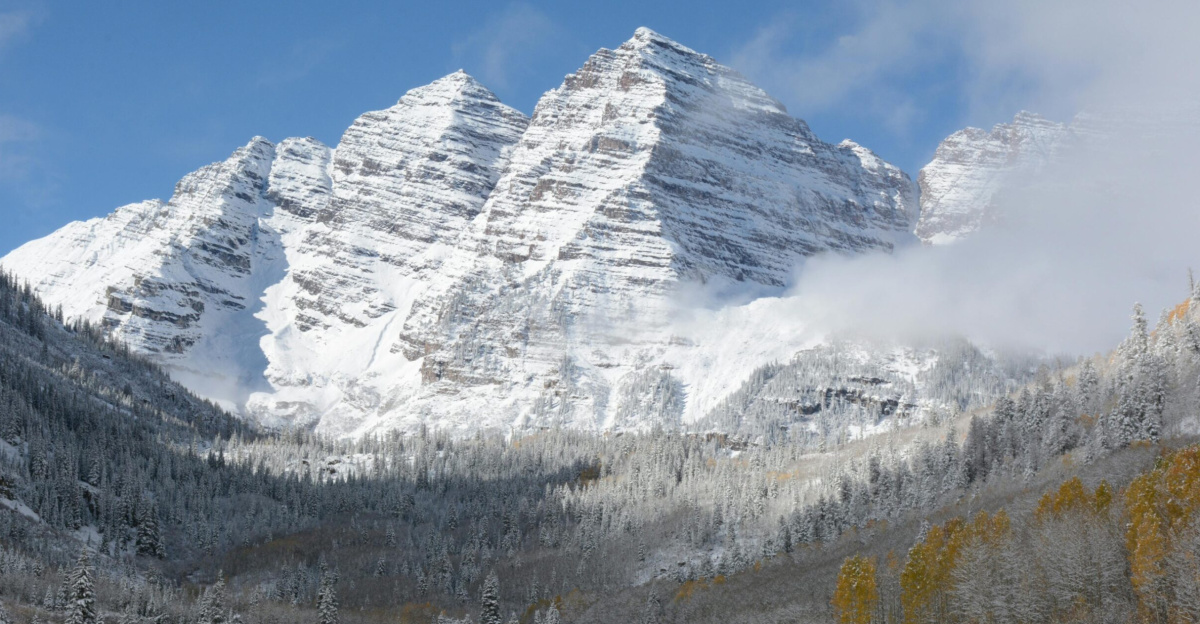
Colorado’s snowpack is now at only 63% of the median, with the critical Colorado River headwaters at an alarming 58%. Warm and dry conditions have already delayed ski season openings, and anxiety over water shortages is mounting.
This winter is proving to be the driest in decades for the Denver metro area, and the stakes couldn’t be higher for residents and agriculture alike.
Reservoir Legacy
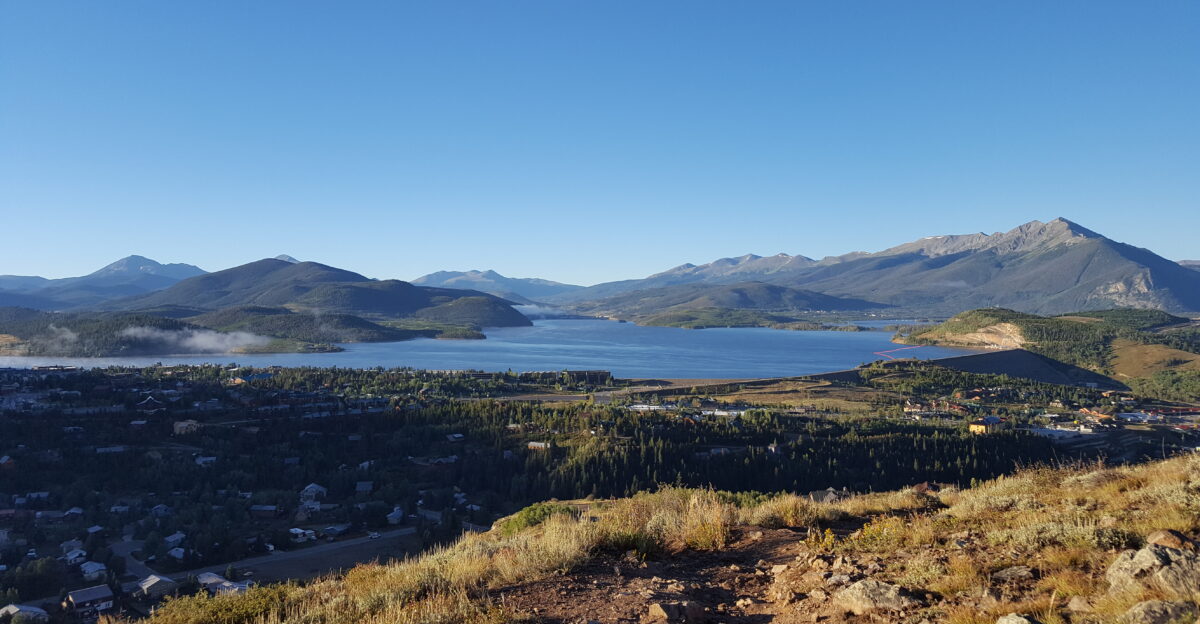
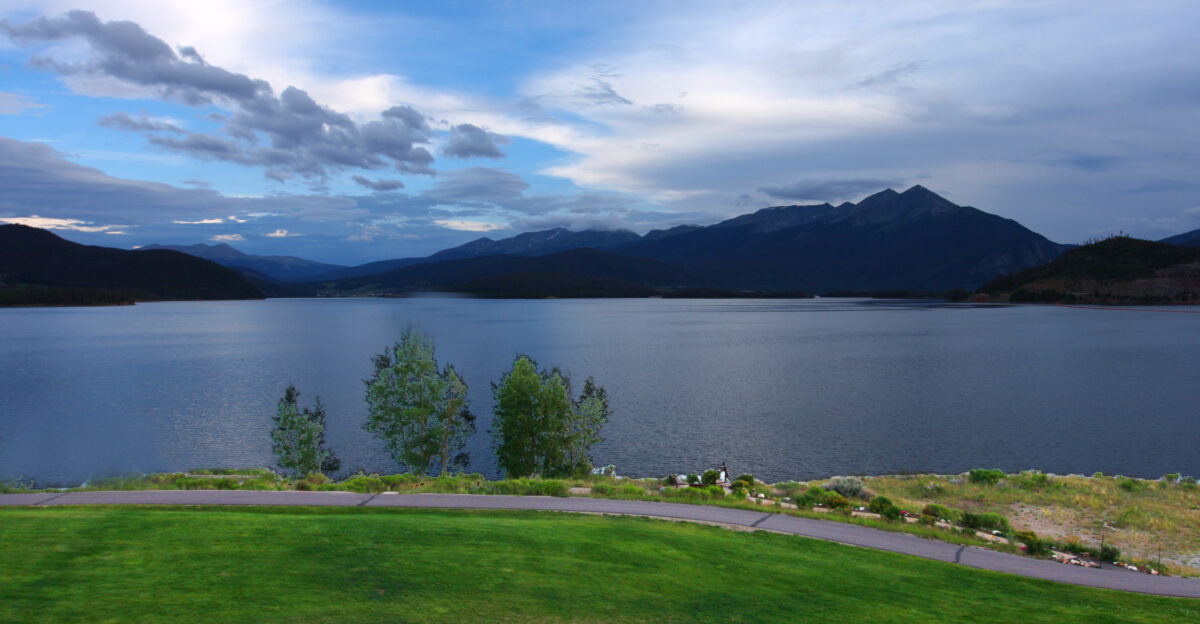
Dillon Reservoir, a critical water source for Denver, stores snowmelt from the surrounding mountain ranges, providing the lion’s share of water for 1.5 million residents. Built in 1963, it captures Blue River flows.
Historically, snowpack from February to April provides the majority of water flowing into the reservoir. But this year, the snowpack is worryingly low, threatening to disrupt this vital supply.
Warmth Builds Pressure
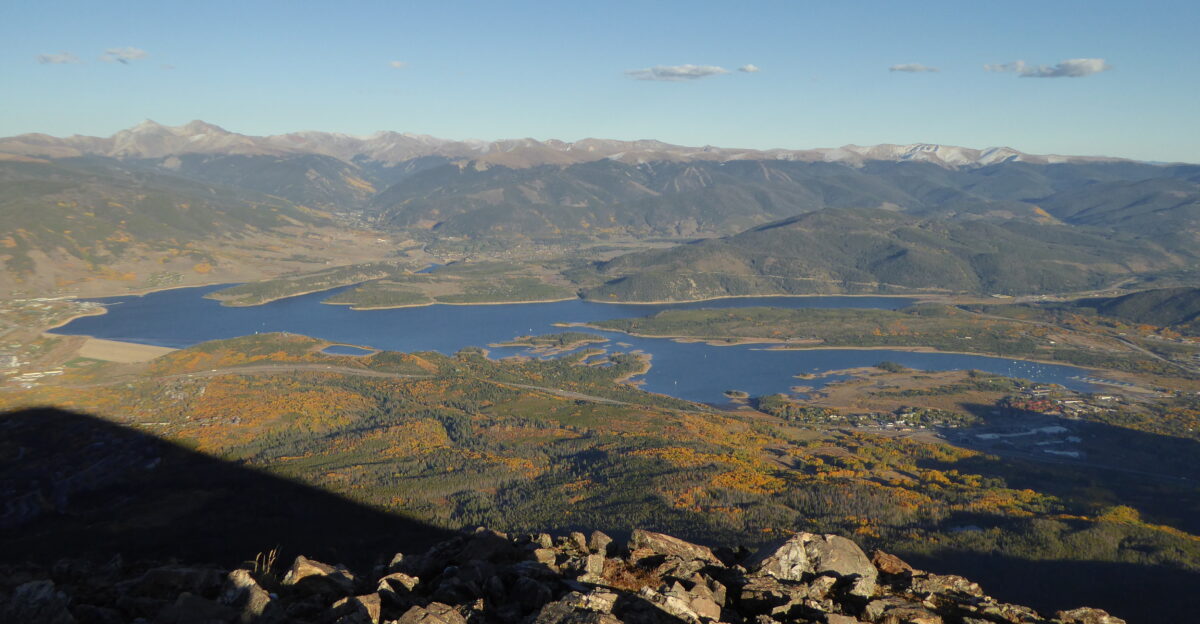
Colorado experienced its fourth-warmest September-November period on record, with November marking the third-warmest month. These unseasonably warm temperatures delayed snow accumulation, with regions like Gunnison seeing only 63% of typical snowpack for this time of year.
Climatologists warn that this will only worsen as the winter progresses, leaving Colorado’s water systems under unprecedented pressure.
Worst Since 1987
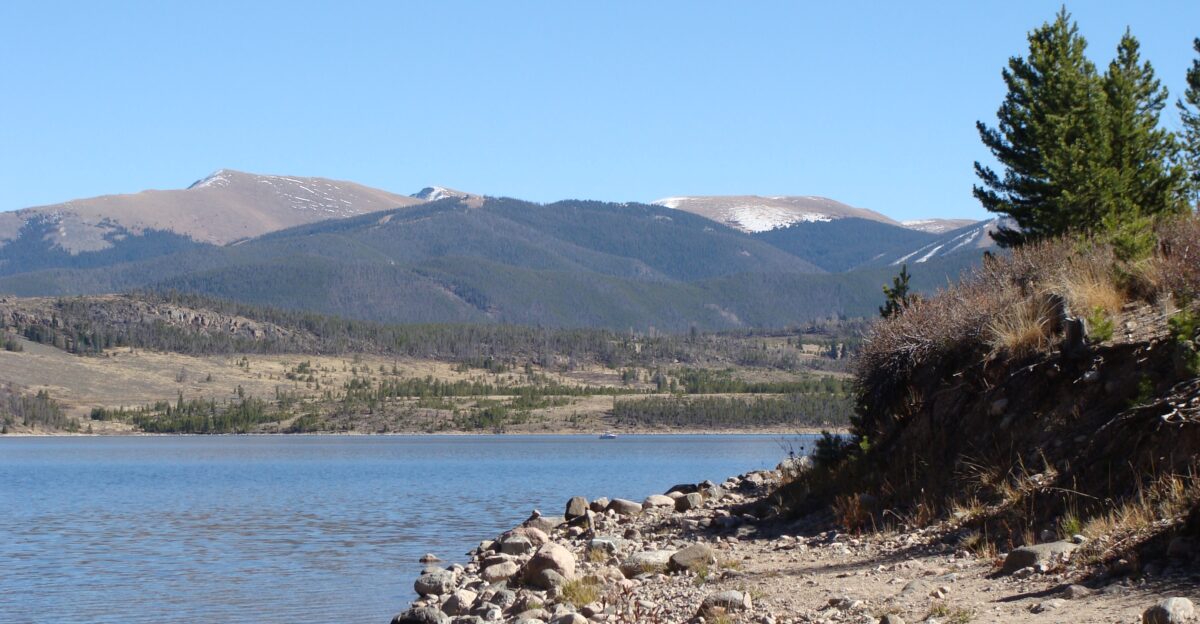
Denver Water reports that the snowpack feeding Dillon Reservoir is at a record-low 46% of average. This represents significantly below-average snow water equivalent compared to typical levels expected at this time of year.
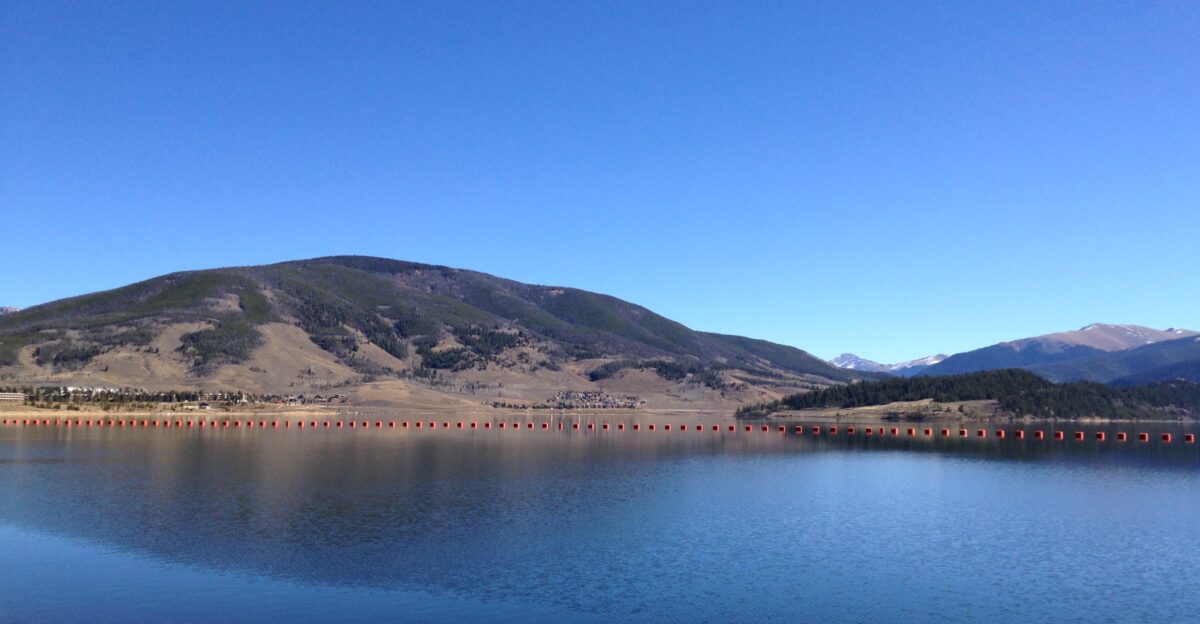
The situation is so dire that parts of Dillon Reservoir remained unfrozen by mid-January 2026, a stark visual reminder of the region’s severe drought conditions.
Metro Water Threat
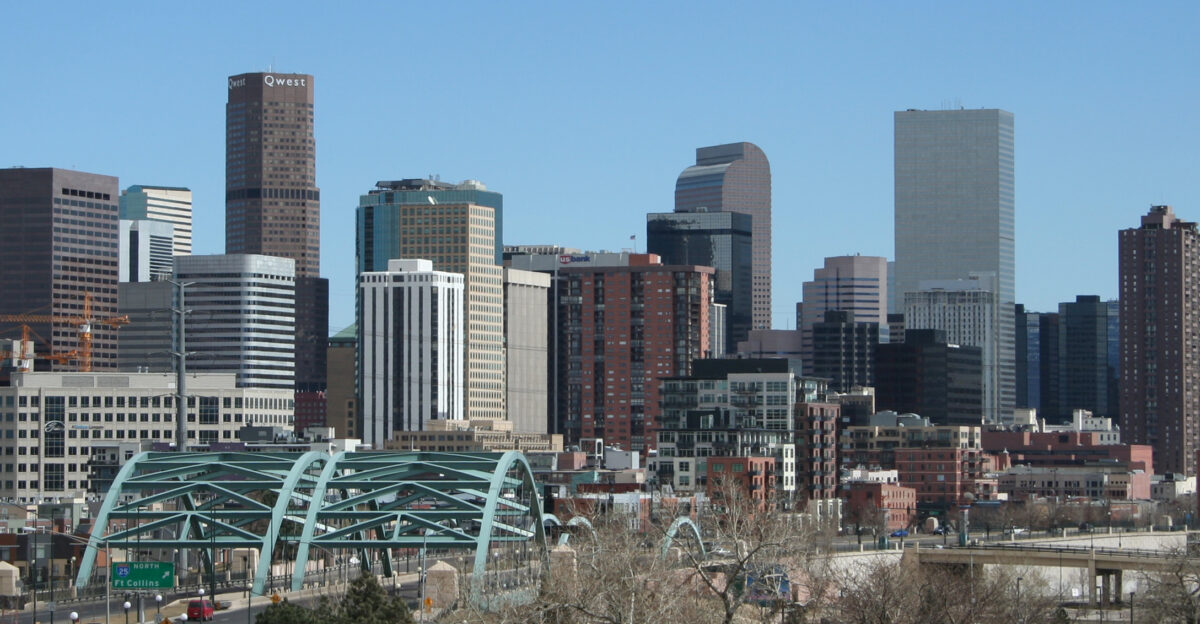
Dillon Reservoir’s water supply serves the Denver metro area, and right now, reservoir levels remain near normal capacity. But the looming danger lies in the delayed snowmelt; a shortfall in February through April could lead to water restrictions, with devastating consequences for local communities.
Denver Water’s preparations are critical in managing this shortfall before it worsens.
Water Managers Urge Action

As the snowpack falters, the future of Denver’s water supply is in jeopardy. With 1.5 million residents relying on snowmelt runoff for their water, water managers are urging communities in Jefferson and Arapahoe counties to act now, transforming their landscapes to be more drought-resistant.
These proactive measures could be key to mitigating the effects of an impending water shortage.
Statewide Strain
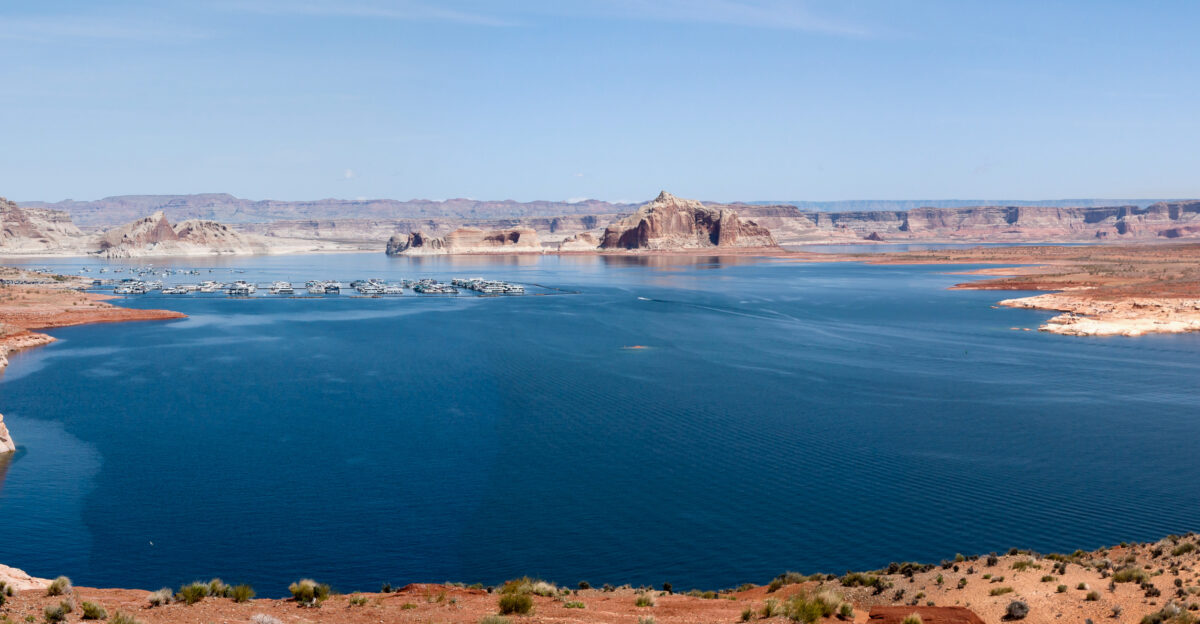
Across Colorado, other utilities are watching Lake Powell’s low storage levels with increasing concern. The Arkansas Basin is reporting snowpack levels at just 50% of normal, creating significant challenges for agriculture and other water users downstream.
Denver Water is collaborating with regional partners to address the worsening drought and its impact on the state’s critical water systems.
Climate Patterns Emerge
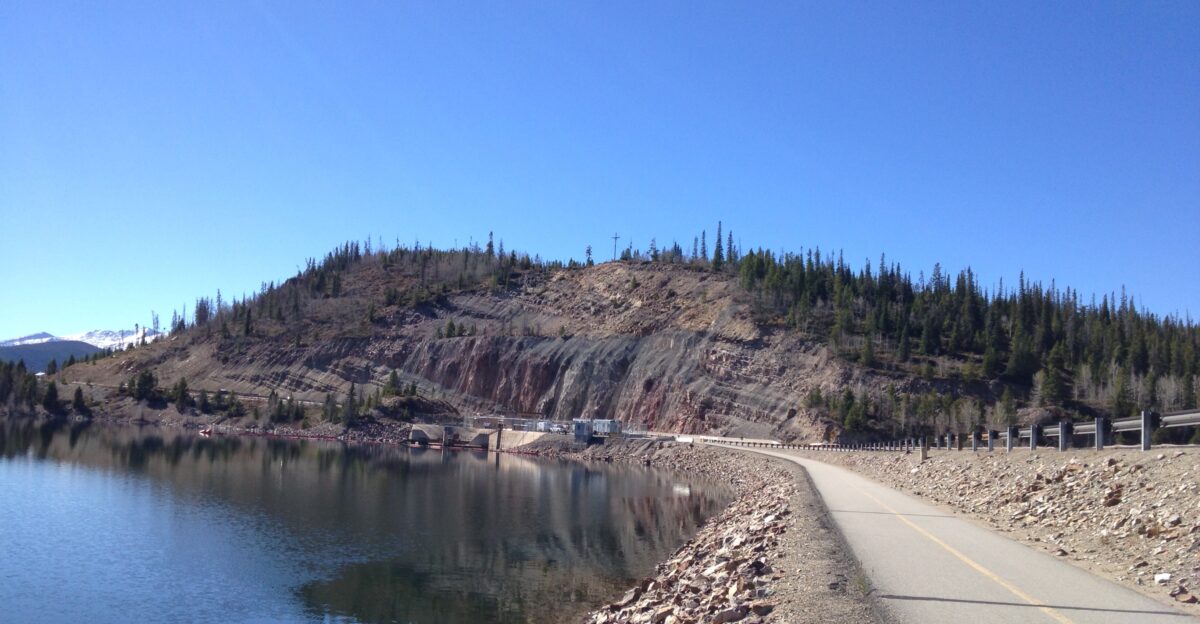
The pattern of snow droughts is worsening globally, with other regions like the Sierra Nevada also experiencing lagging snowfalls in 2025-2026. Colorado’s median snowpack in April typically reaches 16.7 inches of snow water equivalent, but this year, the state is far behind.
Warming temperatures continue to amplify these early dry spells, pushing snow shortages into full-scale drought conditions.
Record Lows Hit
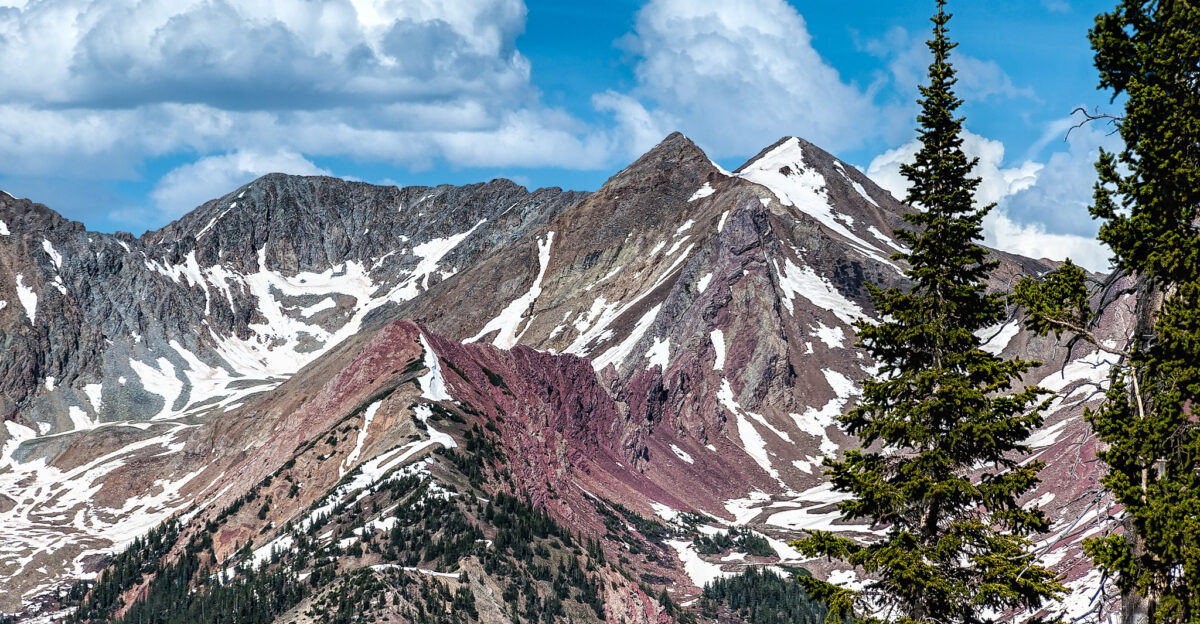
Throughout winter 2025-26, Colorado’s snowpack has repeatedly reached the “zeroth percentile”—the worst on record—with multiple days at this unprecedented level dating back to late November. This critical condition is a major red flag for water managers, as it signals that Colorado’s snowpack is in severe deficit, and dry spells are only expected to worsen.
With diminishing snowfall, recovery seems increasingly unlikely without significant intervention.
Managers Voice Concern
Denver Water’s Nathan Elder emphasized the critical importance of the coming months, stating that February, March, and April will determine whether any recovery is possible. The lack of forecast moisture has heightened concerns as the utility works to manage the situation, but the window for recovery is narrowing daily.
Without substantial snowfalls in the coming months, the drought conditions could intensify significantly.
Strategic Planning Continues
Denver Water continues to advance its long-term water management strategies in response to evolving climate conditions. The utility’s management team remains focused on maintaining water supply reliability for the region.
The organization is dedicated to ensuring that, even amid challenging circumstances, the water supply for the region remains as stable as possible.
Past Rebounds Cited
Elder pointed to previous winters, such as 1999-2000 and 2012-2013, where the snowpack started slow but recovered with late snowfalls. However, he is also preparing for the possibility that this year might not follow that pattern.
Denver Water is emphasizing the need for conservation preparations now, urging residents to transform their landscapes to withstand drought conditions. While reservoirs currently remain near normal capacity, the future is uncertain.
Experts Cautious
Experts like Peter Goble, assistant state climatologist, remain cautious, warning that conditions are likely to worsen before improvement. While some past winters rebounded from early low snowfalls, others, like 2011-2012, did not.
The data from SNOTEL stations across Colorado show that the snowpack deficit is growing rapidly, leading many to doubt that a recovery is even possible at this stage.
Spring Hope Fades?
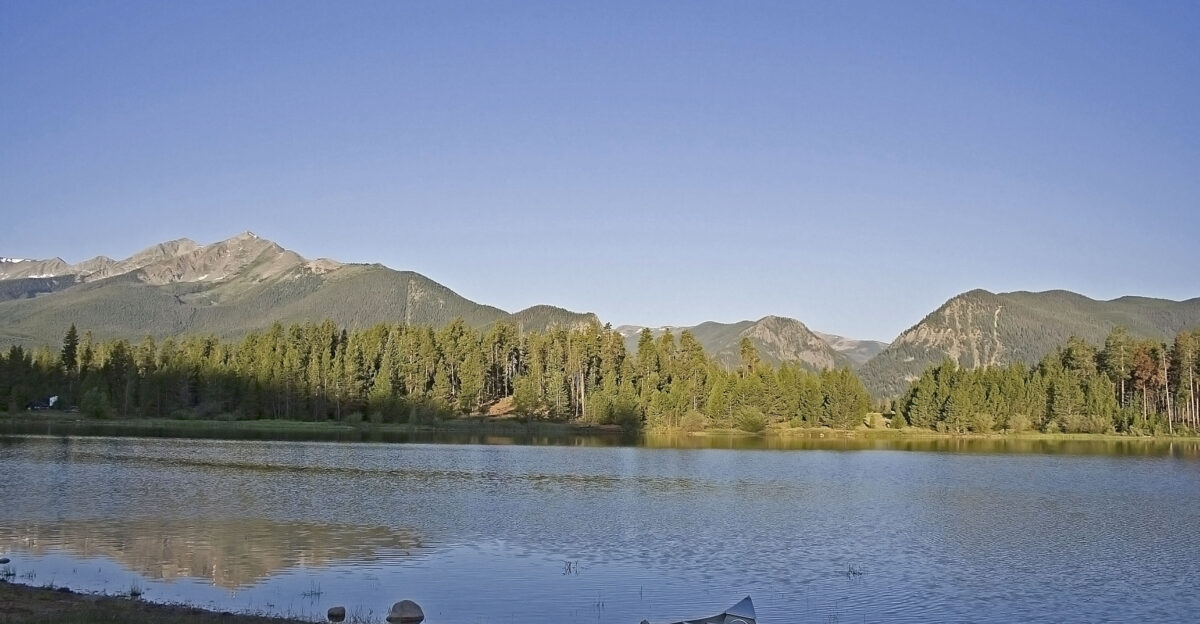
Will late storms save Colorado’s water supply? Experts aren’t optimistic, as forecasts predict continued dry conditions through the end of January. Denver Water is monitoring the potential for snowpack recovery, but historical trends suggest that even late-season storms might not be enough to fully recover from such a severe early-season deficit.
The state’s snowmelt runoff could remain significantly below average, compounding the drought threat.
Policy Pressures Rise
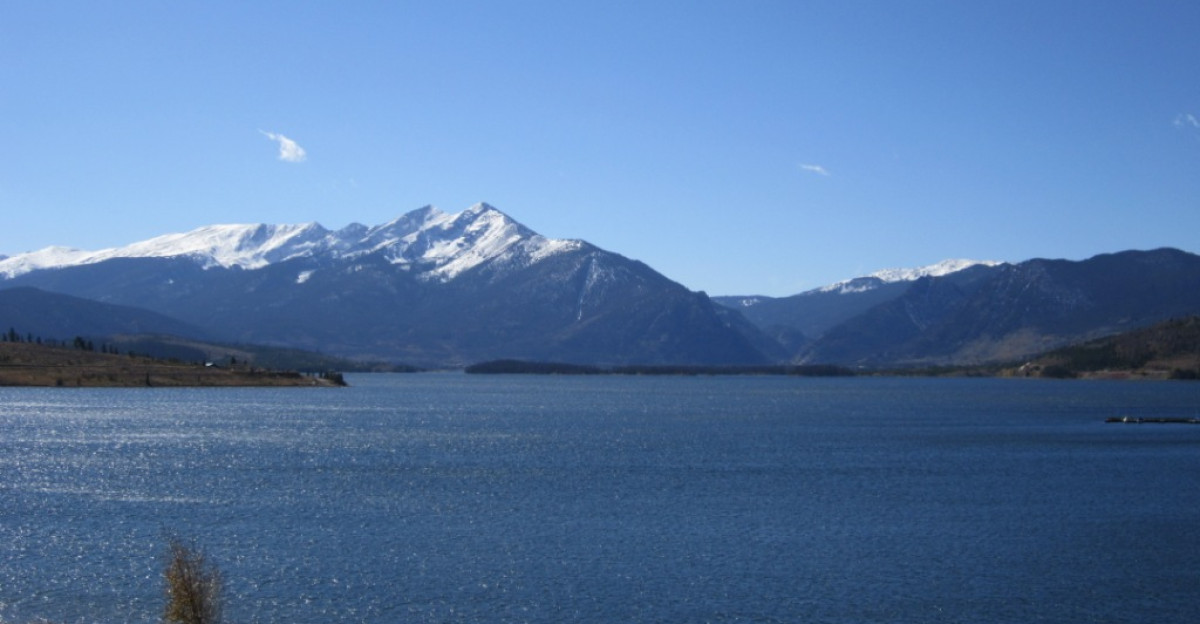
The declining snowpack and water storage levels are raising questions about the Colorado River Compact, which governs water allocation for seven states in the West. Water managers are evaluating conservation measures similar to strategies used during past droughts.
Denver Water is working with regional partners to address the crisis as federal agencies raise warnings about snow shortages.
Basin Ripples Spread
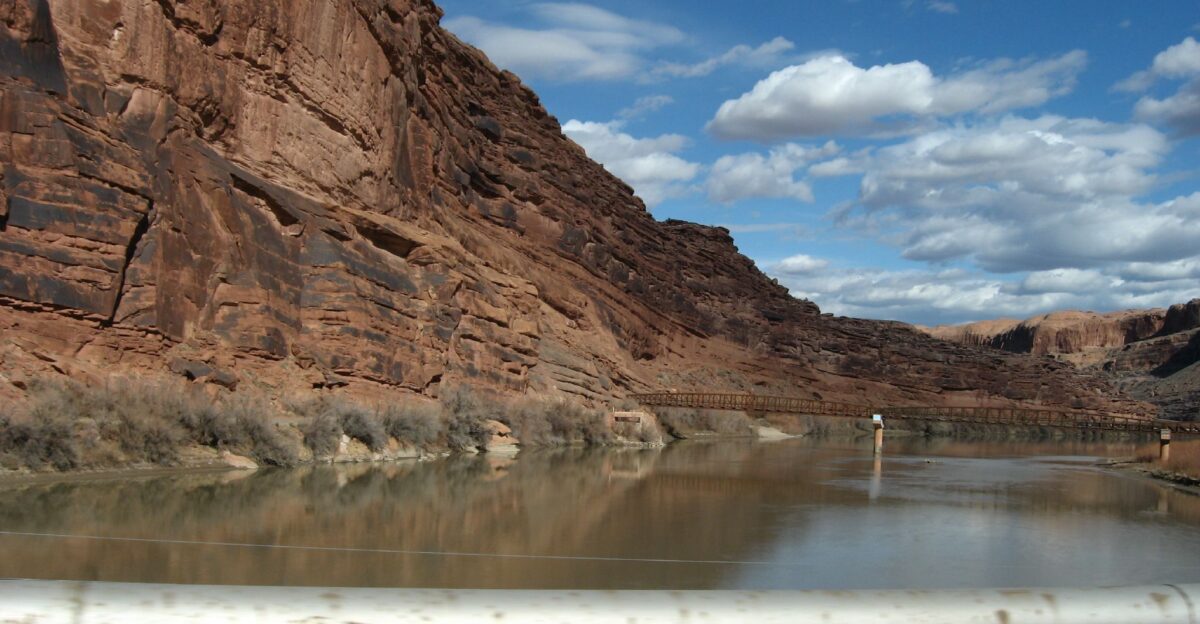
The impacts of low snowpack extend beyond Colorado. The Colorado River headwaters basin, currently at 58% snowpack, is having a direct effect on neighboring states, particularly through its water supply to Lake Powell. Western states are watching the situation closely, as low inflows could lead to official shortage declarations.
Global snow trends reflect Colorado’s struggles, making the issue part of a much broader environmental crisis.
Environmental Warnings Amplify
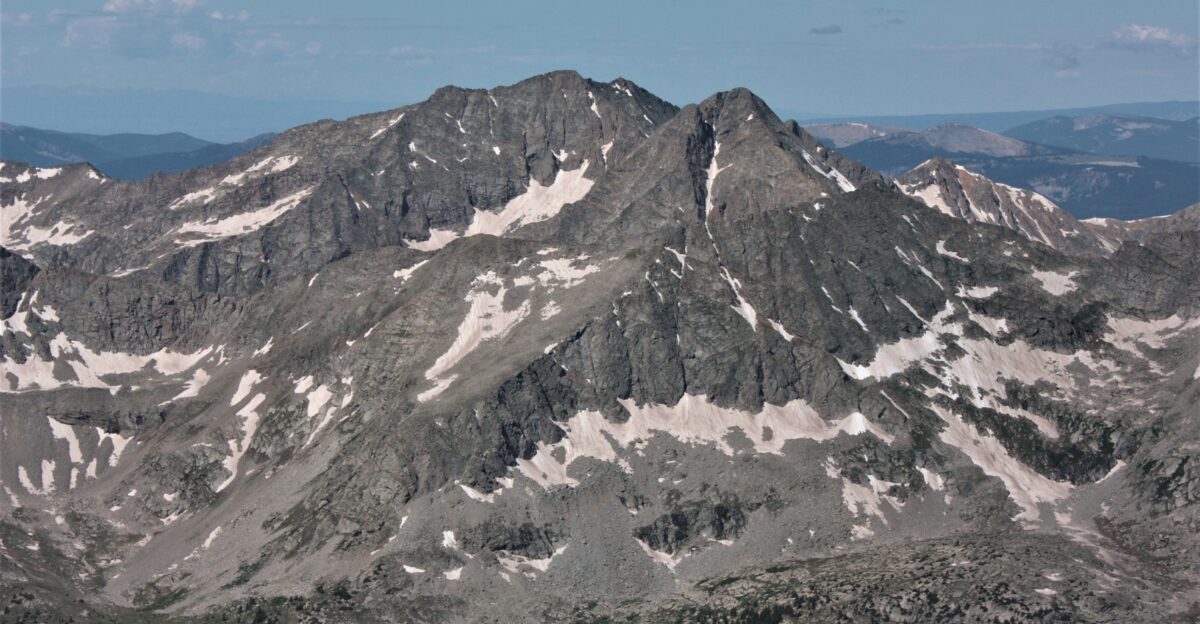
The lack of snowmelt threatens not only water supplies but also Colorado’s ecosystems. Unfrozen areas in Dillon Reservoir signal warmer winters that may disrupt ecosystems, leading to reduced agricultural yields, increased wildfire risks, and tree die-offs.
Climate scientists have documented connections between declining snowpacks and long-term warming trends driven by greenhouse gas emissions.
Cultural Shifts Brew
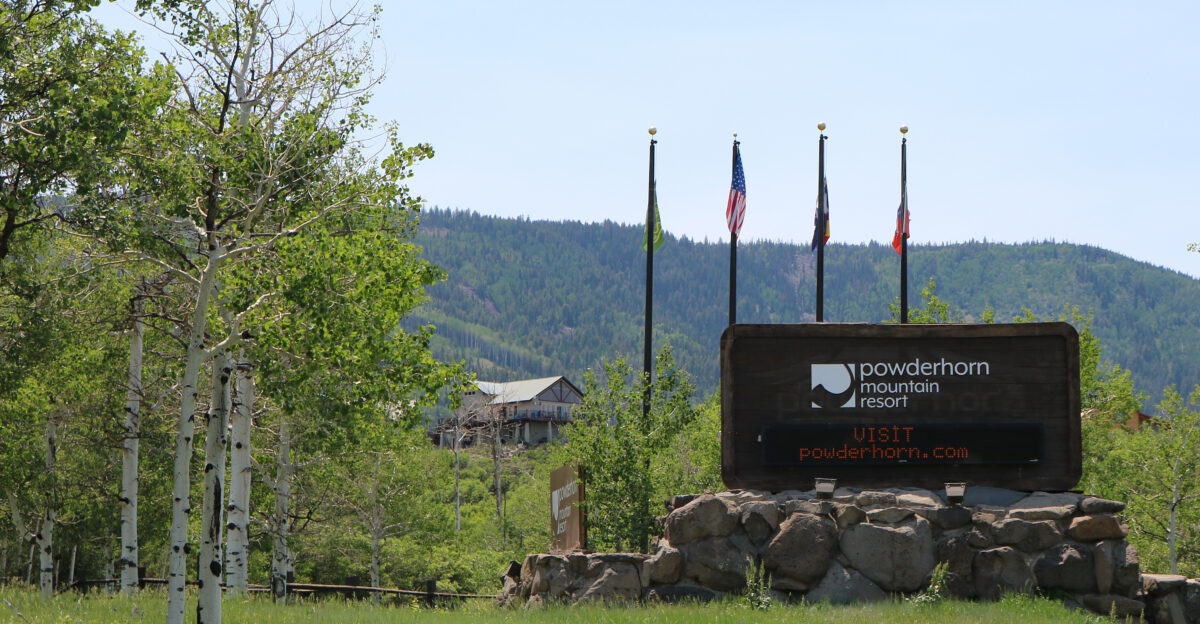
Ski resorts like Powderhorn are adapting to the changing environment by delaying openings and investing in snowmaking technologies. Water use and conservation concerns are beginning to redefine the way people live in the Rocky Mountains.
The impacts of this drought are contributing to shifts in how the region plans for future water use and sustainability.
What It Signals
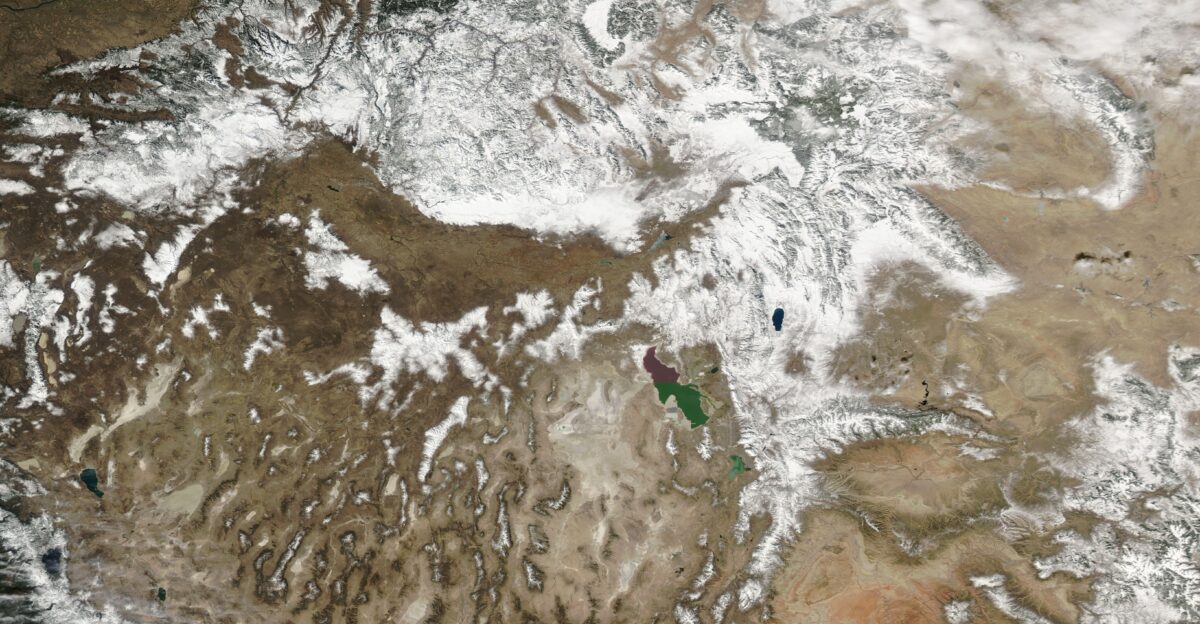
The current snow drought in Colorado underscores the fragility of water-dependent ecosystems in the West. Denver Water’s warnings serve as a call to action for immediate policy changes and water conservation efforts.
Will the region find a way to recover, or is this the beginning of a new era of water scarcity for Colorado? Only time—and the next few months—will tell.
Sources:
CBS News Colorado, Worst snowpack on record could spell consequences in Colorado mountains, January 2026
Grand Junction Daily Sentinel, Season’s snowpack remains meager with little moisture in sight, January 18, 2026
Sky-Hi News, Colorado’s snowpack hits record-lows for three days straight, January 17, 2026
The Cool Down, The worst it’s been in more than half a century, January 2026
Denver Water, Dillon Reservoir fact sheet, Accessed January 2026
USDA Natural Resources Conservation Service, Record Low Snowpack Observed Across Much of Colorado Heading into 2026, January 8, 2026