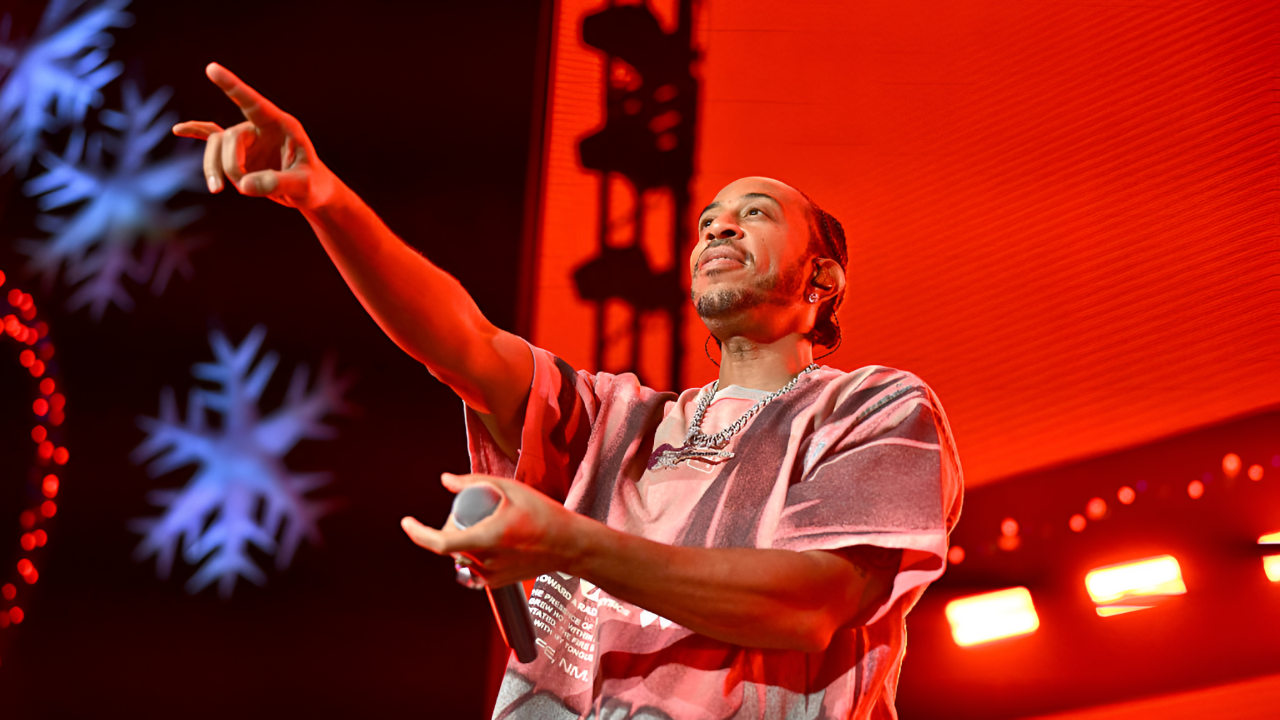
Ludacris was briefly advertised as a performer at Kid Rock’s 2026 Rock the Country festival but was removed on January 16, just four days after the lineup was announced. His team and the festival both called his inclusion a booking mistake, but the change came after heavy fan backlash over the event’s strong ties to MAGA politics.
How Ludacris Ended Up On – And Off – The Lineup
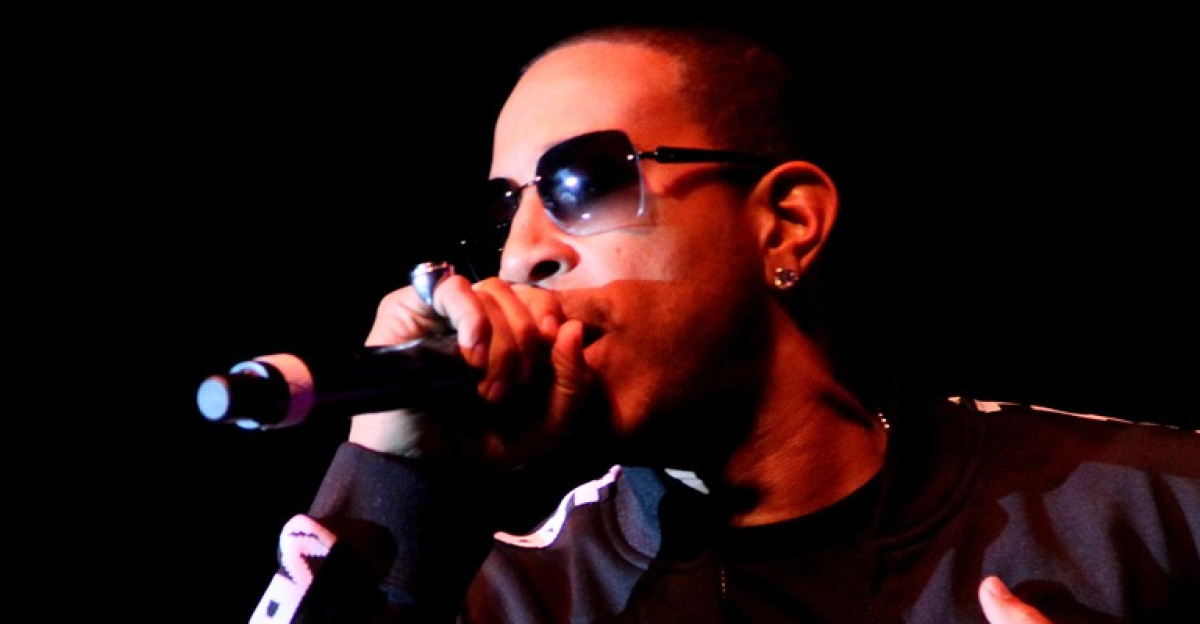
Rock the Country is a traveling country festival that will visit eight U.S. cities between May and September 2026 to mark America’s 250th anniversary. The lineup includes Kid Rock, Jason Aldean, Blake Shelton, Jelly Roll, Miranda Lambert, Nelly, and other major country and rock names, with artists rotating by city. Ludacris’s name appeared on early posters and on the festival’s website as one of the acts, but by January 16 his name had been removed from official materials.
That same day, a representative for the festival told media outlets there had been a mix-up and said “lines got crossed, and he wasn’t supposed to be on there.” Ludacris’s own representative repeated the same explanation, saying he was never meant to be part of the tour.
A few days later, his longtime manager Chaka Zulu said on The Ebro Show that the festival jumped the gun and announced Ludacris before a deal was actually done. Together, these statements suggested the festival promoted his name before a final contract was in place.
MAGA Politics And Fan Backlash
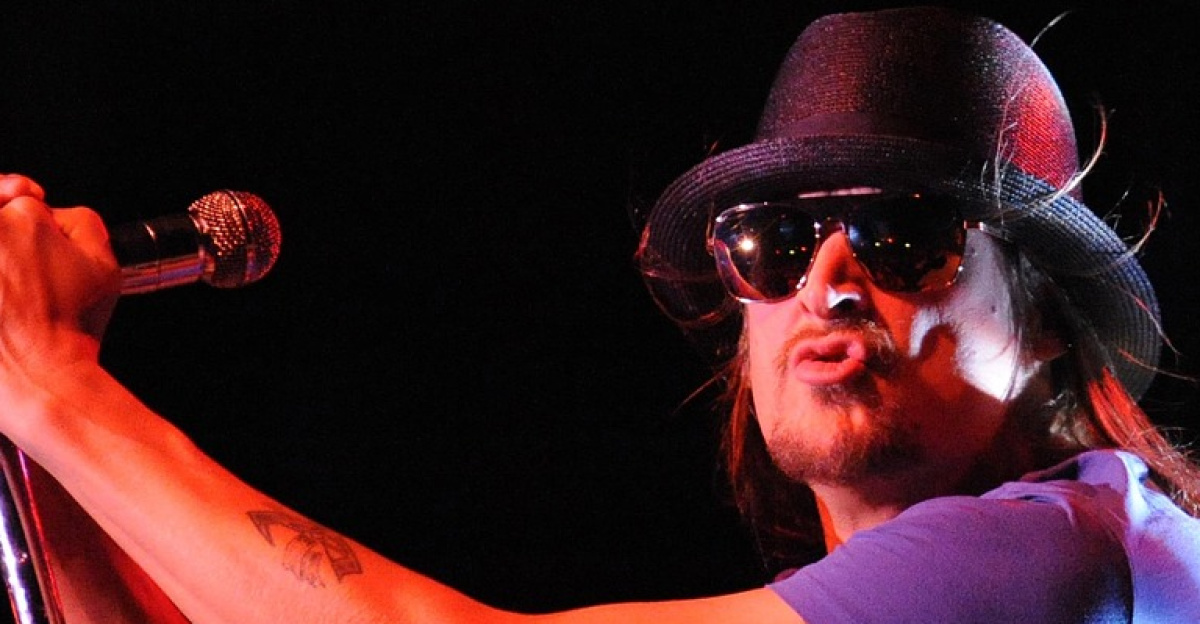
Rock the Country has leaned into a patriotic, Trump-friendly image since it launched in 2024. Kid Rock has built his brand around support for Donald Trump, and the tour’s marketing highlights “patriots,” American freedom, and small-town values in a way that many critics see as closely aligned with MAGA culture. Jason Aldean, another headliner, publicly praised Trump in 2025, reinforcing the sense that the festival caters to conservative audiences.
Once Ludacris was announced, social media backlash came quickly. Fans flooded his Instagram comments questioning why a rapper tied to Atlanta’s hip-hop scene would appear with Kid Rock and other Trump-supporting artists. Comments accused him of siding with MAGA and warned him not to be “on the wrong side of history,” with some people saying they unfollowed him and deleted his music. Within about three days, the criticism spread across Instagram, X, and Facebook, creating a tightly compressed controversy that lasted only a few days from announcement to removal.
Atlanta, Hip-Hop, And Political Lines
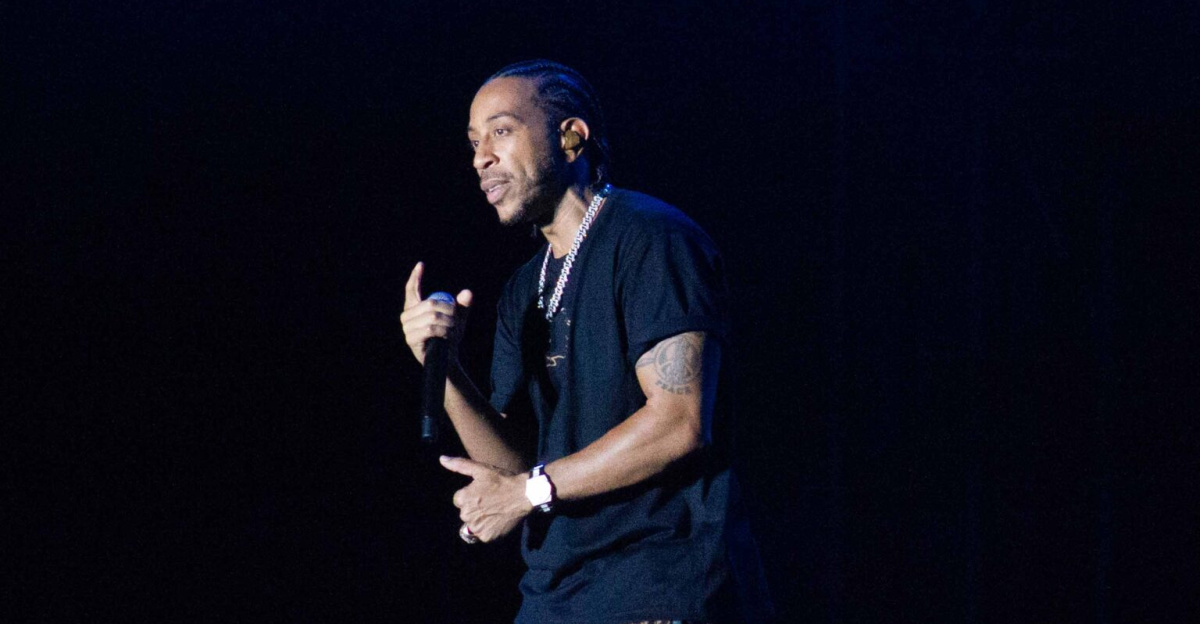
Ludacris, born Christopher Bridges, is one of the key figures in Southern hip-hop and helped popularize the “Dirty South” sound in the late 1990s and early 2000s. He crossed over into mainstream pop with big hits and later broadened his profile through films like the Fast and Furious series and the kids’ show “Karma’s World.” His image has usually appealed to both core hip-hop fans and more general audiences.
Atlanta, his home base, is a majority Black city and a major center of progressive-leaning hip-hop culture. Many local fans saw a connection to a MAGA-branded festival as clashing with the city’s politics and the values they associate with Atlanta artists. That helped fuel the feeling of betrayal among some supporters, who said performing at a Trump‑aligned event would go against the community he represents.
Business Pressures And What This Means For Artists
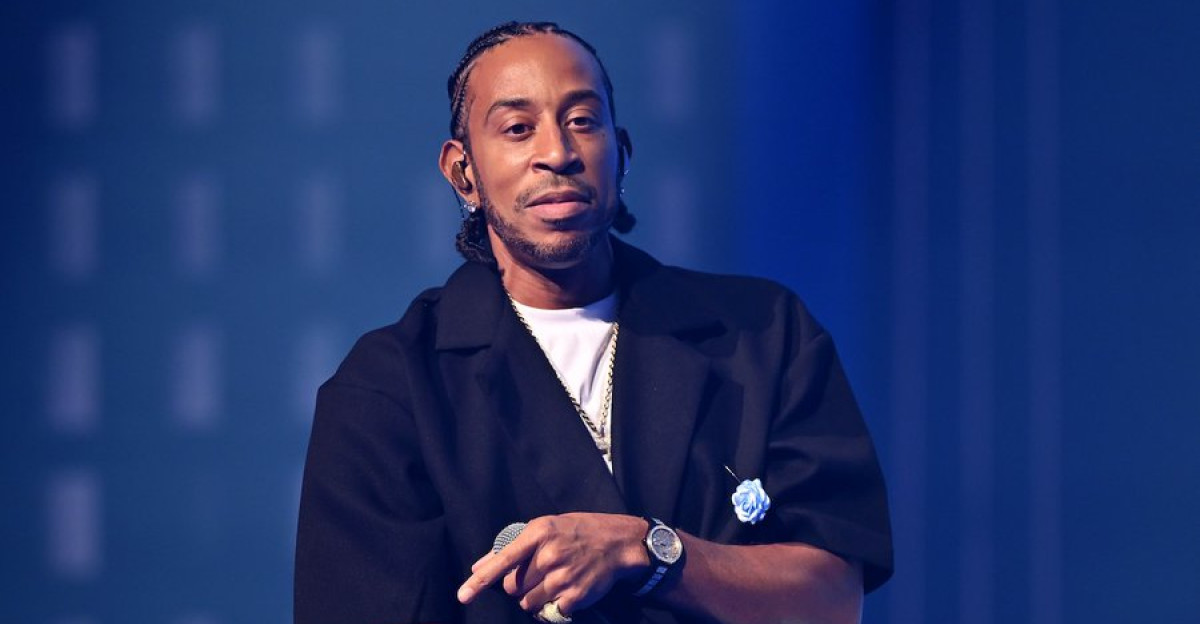
Behind the scenes, big festivals depend on star names to sell tickets and attract sponsors, and organizers sometimes promote artists before paperwork is fully signed. Industry observers say this “announce first, finalize later” approach can backfire when politics are involved, because any hint of a controversial booking can spark immediate backlash and force last‑minute changes. The Ludacris situation shows how quickly fans can turn a lineup decision into a public crisis, especially when MAGA ties are involved.
Other artists, like Nelly, remain on the Rock the Country lineup despite facing similar criticism from fans over Trump-related appearances. That contrast highlights the difficult choices hip‑hop artists face as staying on a MAGA‑linked bill can damage credibility with progressive fanbases, but walking away can mean losing visibility and income.
In a polarized moment, the Ludacris episode underlines how festival bookings are no longer just business decisions; they are also seen as public political statements, judged in real time by millions of followers online.
Sources:
Yahoo Entertainment, Ludacris Exits Kid Rock’s Maga-Linked Tour Following Fan Backlash, January 17, 2026
Entertainment Weekly, Ludacris drops out of festival with Kid Rock after backlash, January 16, 2026
Rolling Stone, Ludacris Drops Off MAGA-Adjacent Rock the Country Tour, January 16, 2026
Black Enterprise, Ludacris Bails On MAGA-Coded ‘Rock The Country’ Tour, January 16, 2026
People Magazine, Ludacris Drops Off 2026 Rock the Country Lineup After Backlash, January 16, 2026
The Grio, Ludacris no longer performing at controversial ‘Rock The Country’ festival, January 15, 2026