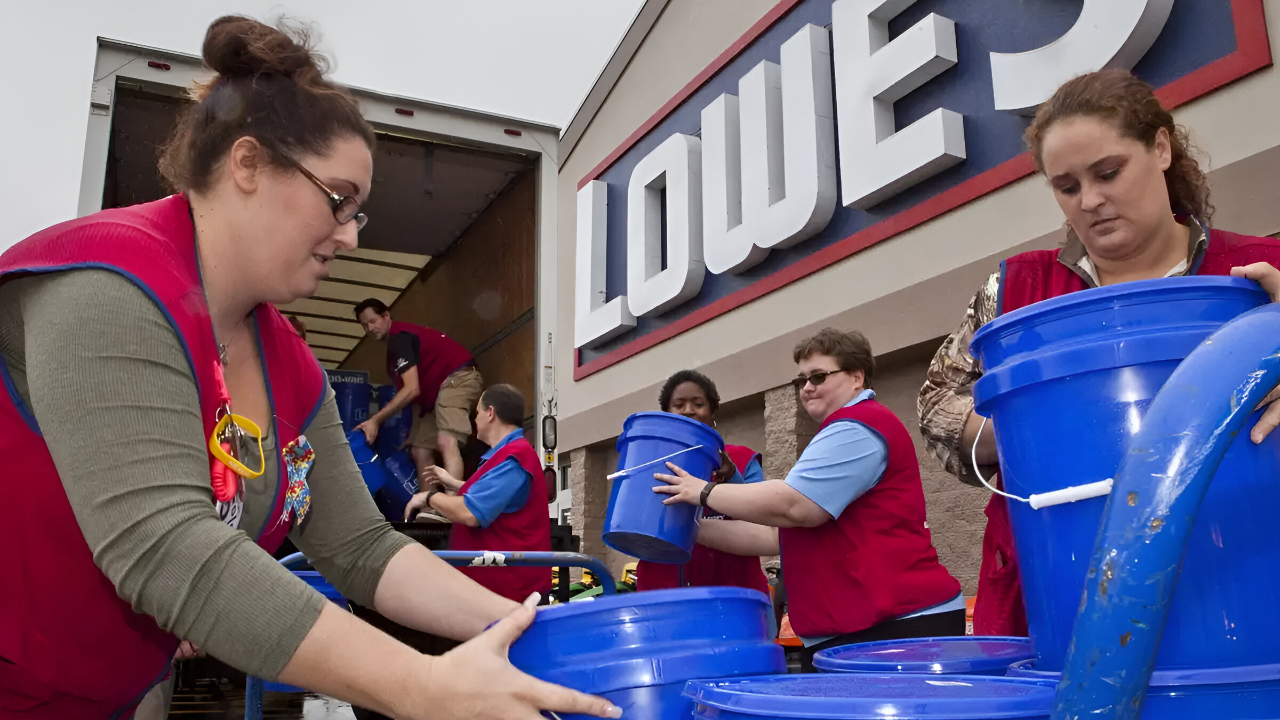
On January 2nd, South Carolina received shocking news: 130 workers would lose their jobs. Saddle Creek Logistics filed a federal notice stating the layoffs would take effect on March 5th. This wasn’t a seasonal cutback.
This was a major restructuring by Lowe’s, a Fortune 100 company. Workers got no advance warning. They face an unclear future with little help. The deadline is coming fast with barely any support.
The Insourcing Surge
Lowe’s isn’t alone in this shift. Big retailers across America are bringing logistics back in-house. Companies like Amazon, Target, and Walmart did the same. This trend cuts costs but harms workers.
Lowe’s is spending $1.7 billion to transform its supply chain. The Duncan facility became the testing ground. Workers paid the price for this corporate decision and strategic shift.
The Outsourcing Era Ends
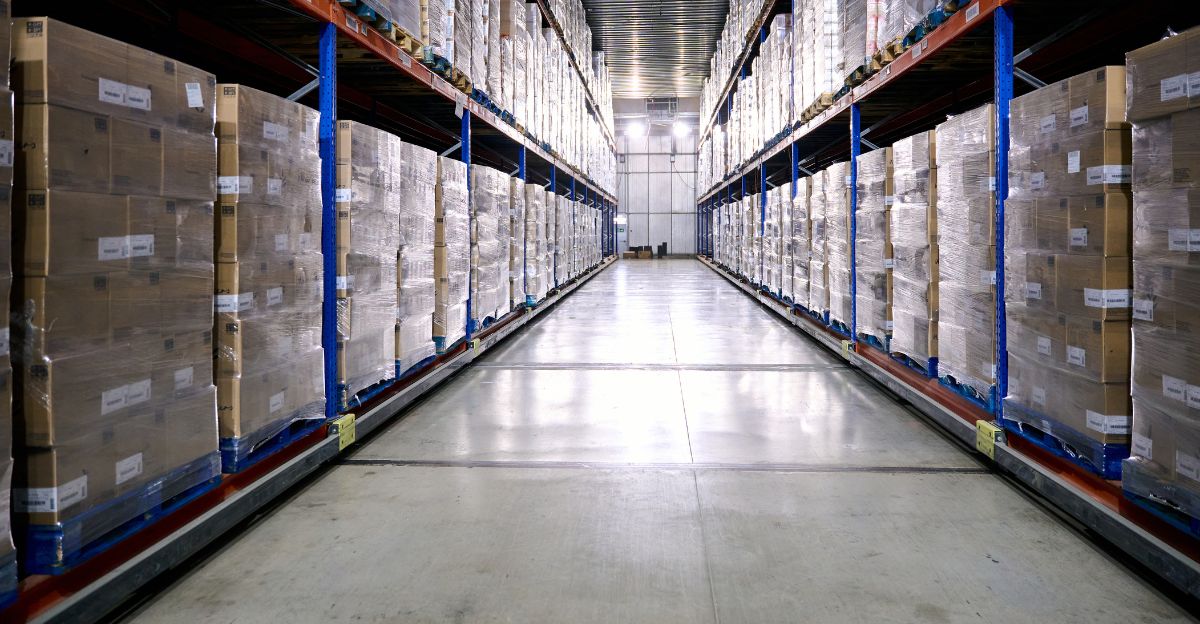
Duncan’s distribution center operated smoothly for six years. Lowe’s and Saddle Creek worked together as partners. The facility opened in early 2020. It covers 1.4 million square feet of climate-controlled warehouse space.
It supplies appliances to over 100 stores across SC, NC, VA, and TN. Saddle Creek hired 150+ workers. Wages were fair. Operations ran efficiently. Then the company changed its strategy overnight.
The Pressure Mounting

Market pressures pushed Lowe’s to act in 2024 and 2025. Supply chain costs rose. Fuel and labor prices climbed. Third-party logistics firms demanded higher fees. Automation technology has improved.
Lowe’s decided it could run its own distribution centers. The Duncan facility became the pilot project. If successful, Lowe’s could repeat this across many facilities nationwide and eliminate thousands more jobs.
Strategic Insourcing Decision

On January 2, 2026, Saddle Creek filed an official WARN notice. It announced that 130 workers would be terminated. The effective date is March 5, 2026. Lowe’s decided to “self-operate” its bulk distribution network.
The facility won’t close. Lowe’s will run it directly instead. Workers can “apply for roles at the site” under Lowe’s management. No wage guarantees exist. Benefits may change completely.
Upstate Ripple Effects

Duncan’s facility is crucial to Greenville County’s economy. Losing 130 jobs damages the entire region. Local restaurants lose customers. Supply vendors lose contracts. Schools get less tax revenue.
The Workforce Development Board scrambled to help. But 60 days isn’t enough time to retrain workers. Some will find jobs quickly. Others will face months without work. Families earning $16 to $22 per hour face a financial crisis.
Workers in Limbo

One worker said, “We got called to meetings. We were told we had until March 5th. Nobody told us about the new pay or benefits. We don’t know if we’ll even be hired.” Saddle Creek said workers could “apply for roles at the site.” That’s vague.
Will Lowe’s keep all 130 workers? Some? Will pay stay the same? No one knows. Workers face a paralyzing wait with no answers coming.
The Broader 3PL Exodus

Duncan isn’t Lowe’s first move. In October 2025, Saddle Creek filed a second notice in Newnan, Georgia. That layoff affected 128 workers. The company showed that this is a planned strategy. Third-party logistics firms like Saddle Creek, NFI, and XPO depended on retailer contracts for years.
Now they face survival challenges. Some are changing their business models. Other smaller firms are exiting markets entirely.
Regulatory Shadows

The WARN Act requires 60 days’ notice for layoffs affecting 50 or more workers. Saddle Creek filed on January 2nd for a March 5th layoff. That’s 62 days—technically compliant. But notice alone doesn’t guarantee smooth transitions.
Employers often skip retraining, severance, and job placement help. South Carolina’s Dislocated Worker Program offers some support. But funding is limited. Demand is high. The state can’t guarantee all 130 workers will find equal jobs.
The Wage Cliff

Saddle Creek workers earned $16 to $22 per hour. That’s decent for warehouse work, but it’s low compared to Lowe’s. If Lowe’s rehires at the same pay, benefits might improve. But Lowe’s might use this chance to cut wages.
They could hire through staffing agencies. Displaced workers lose seniority protections. Bargaining power disappears. An economics professor said this happens often. Lowe’s hasn’t disclosed its wage plans.
Saddle Creek’s Dilemma

Saddle Creek faces a major crisis. Losing Lowe’s costs them revenue and advantages. Duncan and Newnan together represent 258 lost jobs. Industry experts predict Saddle Creek could face acquisition pressure. Competitors want their business.
Smaller 3PL operators have already quit markets. Saddle Creek must pivot quickly. They claim they’re “adapting to client demands.” But internally, they likely cut corporate jobs. This hurts the entire 3PL industry sector.
Lowe’s Supply Chain Transformation
Lowe’s spent $1.7 billion on supply chain projects starting in 2018 and 2019. They built new automated fulfillment centers, expanded cross-dock networks and, bought warehouse robots.
Self-operating distribution fits this larger plan. CEO Marvin Ellison called supply chain efficiency a competitive advantage. Duncan is the test case. If successful, Lowe’s will repeat this nationwide.
The Automation Question
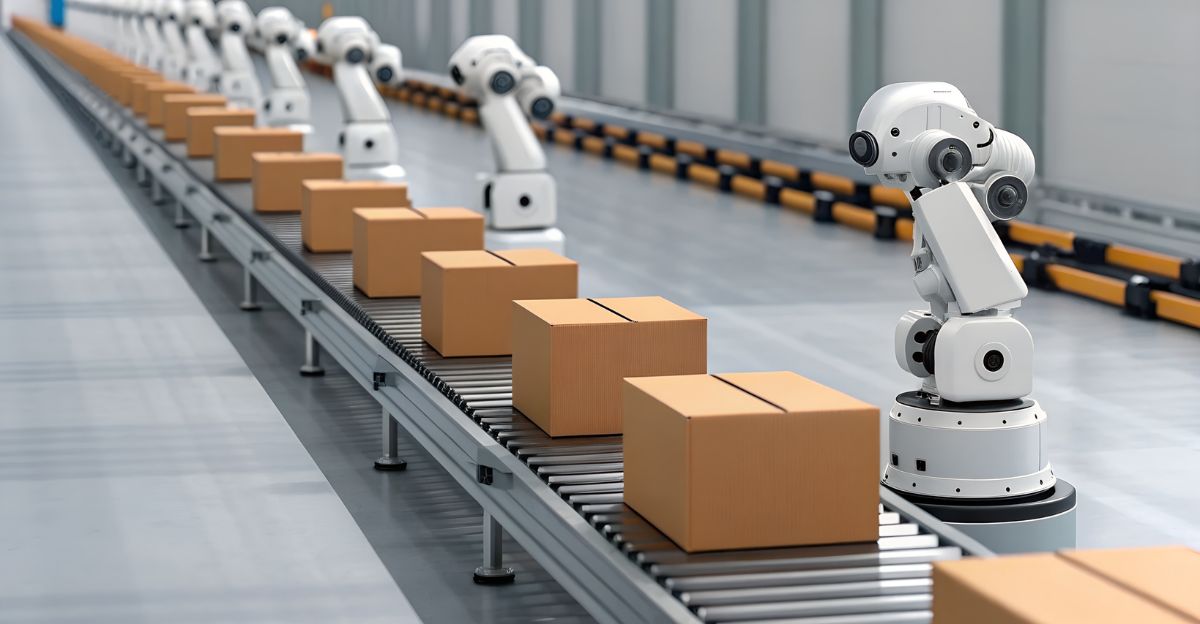
Direct ownership lets Lowe’s deploy robots and AI systems. Saddle Creek resisted heavy automation. They faced labor restrictions and budget limits. Lowe’s plans aggressive automation investments. Industry experts predict Duncan’s workforce could shrink 30 to 40 percent within 18 months.
Robots will replace manual sorting and packing. Displaced workers lose jobs today. Rehired workers face job insecurity soon. Insourcing isn’t permanent. It’s a bridge to a different operating model.
Expert Skepticism

Supply chain experts disagree on Lowe’s strategy. One consultant said, “Retailers underestimate the complexity of running distribution directly.” Lowe’s specializes in retail, not logistics. Any problems could disrupt store inventory. Saddle Creek has proven operational expertise.
Lowe’s must match that while managing integration costs. Technology deployment creates new expenses. If Duncan underperforms, Lowe’s faces store shortages. Customer complaints will increase. Pressure to automate faster could make job losses permanent.
The Reckoning Ahead

March 5th approaches with big questions looming. Will Lowe’s insourcing cut costs as promised? Or will it cost more than expected? For 130 workers, this determines their futures, for shareholders, this test demonstrates the viability of the strategy.
For the 3PL sector, this signals a major shift in business model. Policymakers question whether 1980s labor laws fit today’s supply chain restructuring. Duncan has become the test case. The outcome will affect far more than one warehouse.
Sources:
- Atlanta Business Journal, Saddle Creek Logistics Services Newnan Layoffs Coverage, October 27, 2025
- South Carolina Department of Employment and Workforce, 2026 WARN Report, January 16, 2026
- Supply Chain Dive, Lowe’s $1.7B Investment Announcement and Supply Chain Analysis, 2020-2025
- Logistics Management, Warehouse Automation Forecast and Industry Analysis, 2020-2026
- Upstate Business Journal, Lowe’s Distribution Center Duncan Facility Coverage, October 14, 2025
- Saddle Creek Logistics Services, WARN Statement and Company Announcements, 2020-2026